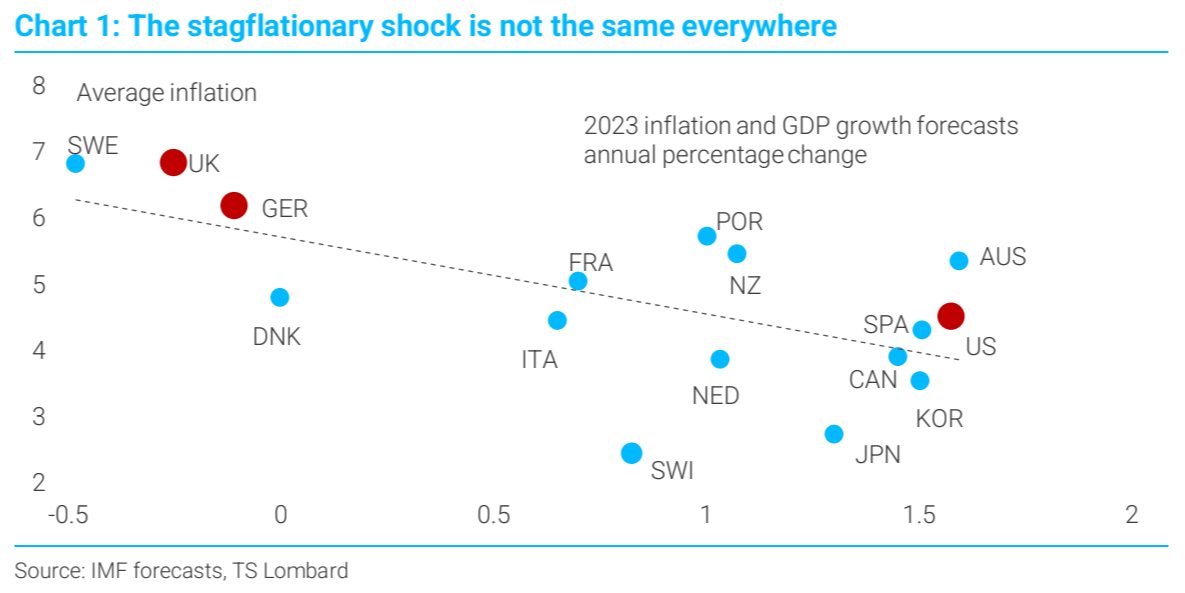
Central banks have been raising their interest rates for a long time now. In the US, rate hikes may be over, as inflation has fallen significantly. In Europe, the situation is worse. Inflation has not turned as desired, and one or even several more hikes are definitely still to come. The ECB cannot leave inflation at its current level, and it will not do so.
This morning I was again sketching out for myself in a “common sense” way what all this could mean next for the stock markets. I won’t lose my cool if someone disagrees, so please challenge me or share your own view if my thinking is flawed or if you see things differently.
The situation is complicated by the fact that the US and Europe are moving at different paces. The turning of inflation—almost normalization—has been received positively in the US stock markets, and the same reaction is surely expected in Europe once inflation is eventually in a similarly clear decline. It actually seems like the rest of the world is currently dragging down the US economy.
Lower inflation improves economic predictability for companies and consumers and, for its part, gradually turns demand upward. The final “catalyst” for the improvement of the situation can be considered the central bank’s announcement of ending rate hikes, which the market will certainly interpret as the central bank believing inflation is under control. Next, interest rates would possibly already head towards a cautious decline.
Simply ending the ECB’s rate hikes is unlikely to send European economies soaring, but perhaps the decline of the Finnish stock market can finally be halted. Different sectors react to situations at different paces. The end of rate hikes should stop the decline of interest-sensitive sectors, such as construction and real estate, but a real recovery will have to wait for rates to turn downward, or otherwise a long period of adjustment to the current situation will follow.
The situation in the financial sector has been on my mind for some time. I can’t quite interpret the market’s reactions, although I suspect they are overly cautious, at least in the case of Nordic banks. Rates might not rise in Europe anymore after September, but they aren’t about to turn downward either. Perhaps some “major disaster” scenario is partly keeping banks cheap. It’s hardly just about the return of deposit interest rates to checking accounts… The market seems, however, to be taking a firm view on the future of the banks’ business. I suppose nothing else explains better the P/E ratios starting with seven for quality banks, where no massive moves are in sight for the E-component (earnings).
This leads smoothly into investors and sentiment. I believe that investors will remain cautious even if some indicators turn positive. This is ensured especially by geopolitics, namely the China and US export restrictions, China’s posturing towards Taiwan, and of course Russia’s mess in Ukraine. Already now, but also throughout the autumn, companies’ weakened earnings reports will keep volatility relatively high and the mood low.
Autumn seems lost for the Finnish investor without something surprising. Could it be China focusing on turning its economy around instead of posturing over Taiwan? An unexpected de-escalation in China-US relations? A Russian collapse in Ukraine? One can hope…
I don’t consider the recent personal weighting towards OMXHEX (Helsinki) that I’ve mentioned in the thread to be a mistake. In my opinion, there are good, stable companies available at a good price. For many growth companies, the end of the year could be just as bleak as the beginning.
As for the rest of the year—I will be closely following a few cyclical consumer goods and services companies and especially semiconductor companies (in their own forum thread) throughout the autumn. AI demand is, however, interfering with tracking the semiconductor side. The first signals of the coming rise should be found in these sectors, and at that point at the latest, it’s time to increase stock weighting if there’s still capital left.


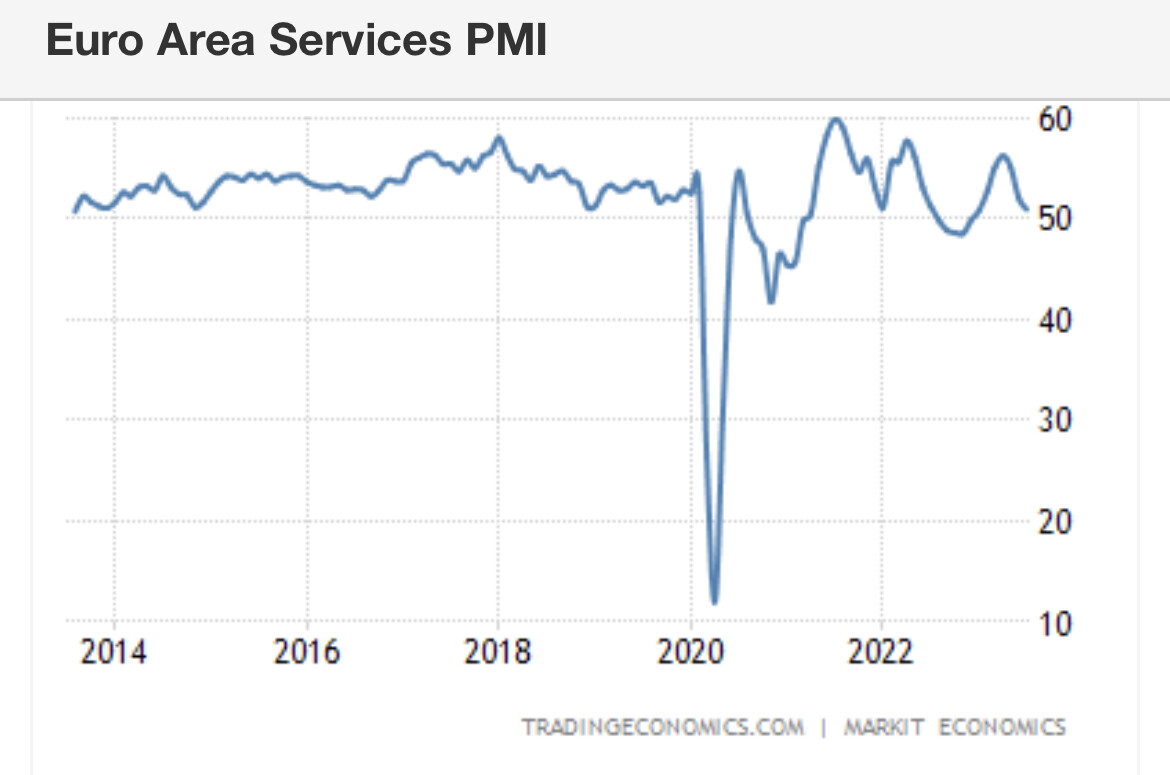
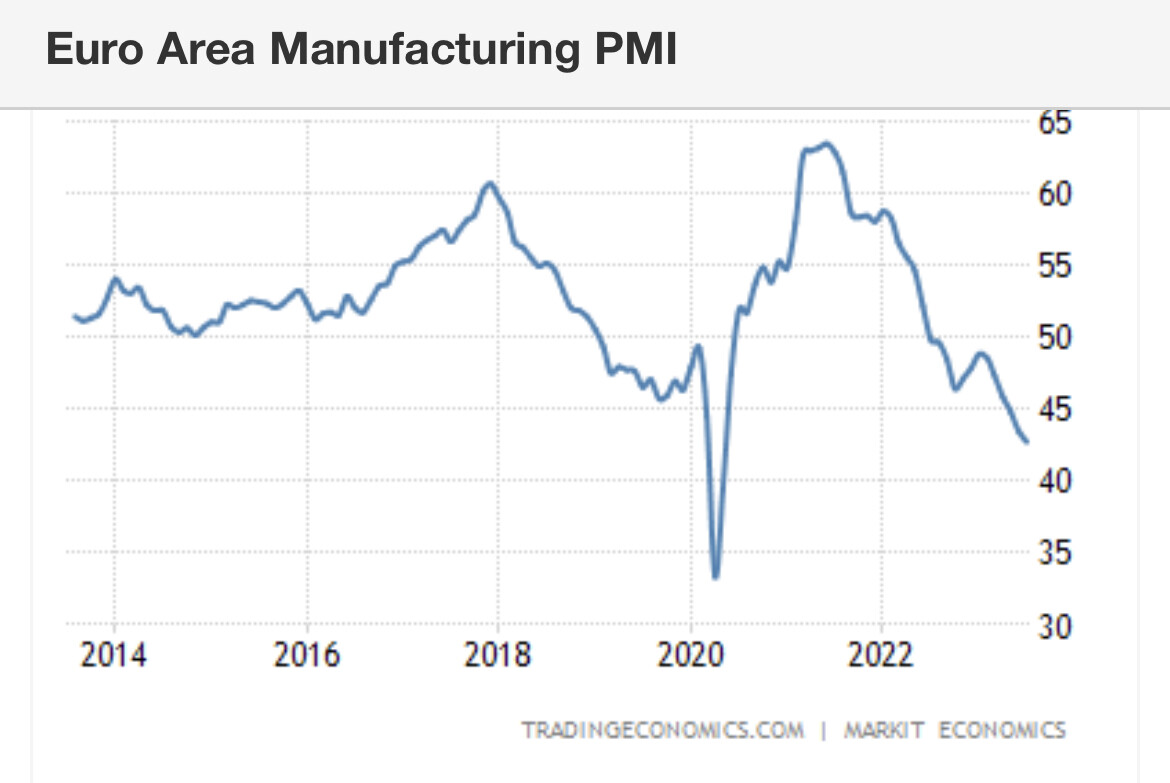


 ), here is a link to the S&P press release with more to read.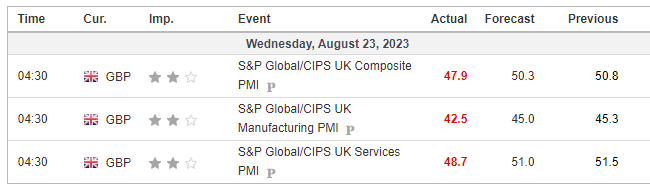
 the drop in the service sector was worryingly sharp in August, but it should also be noted that it is only one data point. And if one has to find something positive, manufacturing PMIs are no longer quite as negative as they were in July. Macro comment