What conclusions can we draw from this?
3 Likes
In the GFC, corporate bonds (LQD) bottomed before the S&P 500. During the pandemic, LQD started to fall before the S&P 500 realized that things could go wrong. Currently, LQD is making a deeper lower low than the S&P 500. The bond market is, to my understanding, less of a casino than the stock market, which is currently driven by out-of-the-money gamma and reverse gamma squeezes. Options expire every Friday, and the market maker tries to position the price at the max pain point to maximize profits.
6 Likes
Here’s an article from Helsingin Sanomat, discussing, among other things, stagflation. Olli Rehn is quoted, along with the thoughts of Nordea’s chief analyst Jan von Gerich and IMF’s chief economist Pierre-Olivier Gourinchas. No paywall.
”Due to the exceptionally high uncertainty in energy supply, the probability of a recession, or even stagflation, as stated in the risk assessment, has in my opinion significantly increased in recent months and weeks,” Governor Rehn said on Friday in Washington in a speech delivered at a Citigroup event.
7 Likes
https://twitter.com/lionhirth/status/1580948023793721350?s=61&t=5yAYuclm7Rqi0fkc_kJ_kA
Have Germans finally learned to be responsible gas users? 
Indeed a good sign that Germans are reducing gas consumption in the midst of an energy crisis.
38 Likes
One interesting statistic among others
https://twitter.com/Callum_Thomas/status/1581386731386871808?t=lBTjVc6Rd92I0dyY4bdC4Q&s=19
20 Likes
Regarding how quickly and dramatically the Fed tightens monetary policy…
… the best point of comparison is the early 80s.
At that time, the Fed’s actions played a significant role in causing a global recession.
Changes over the past 40-plus year period:
- Rapid growth in debt levels
- Division of businesses and households into winners and losers
Winning households have enormous purchasing power. Tightening financial conditions do not affect winning companies.
Winning companies defend their fat margins (at least for now) with excellent success, relying on the purchasing power of winning households.
Governments are mixing things up by injecting subsidies everywhere, in addition to large structural deficits.
In the much less unequal Western world of the early 80s, tightening financial conditions spread widespread discomfort, even pain, throughout the economy. But the recession was still rather dull in that nothing spectacularly crashed.
If you want excitement in your life, let the world become so unequal for so long as a sum of many choices and coincidences, and then embark on aggressive monetary policy tightening in a situation where there is so much debt in the system.
25 Likes
For the weekend, here is OP’s excellent podcast on the market: Spotify
You should add “Suoraa puhetta markkinoista” (Straight Talk About the Markets) to your listening list anyway; I, for one, enjoy them 
39 Likes
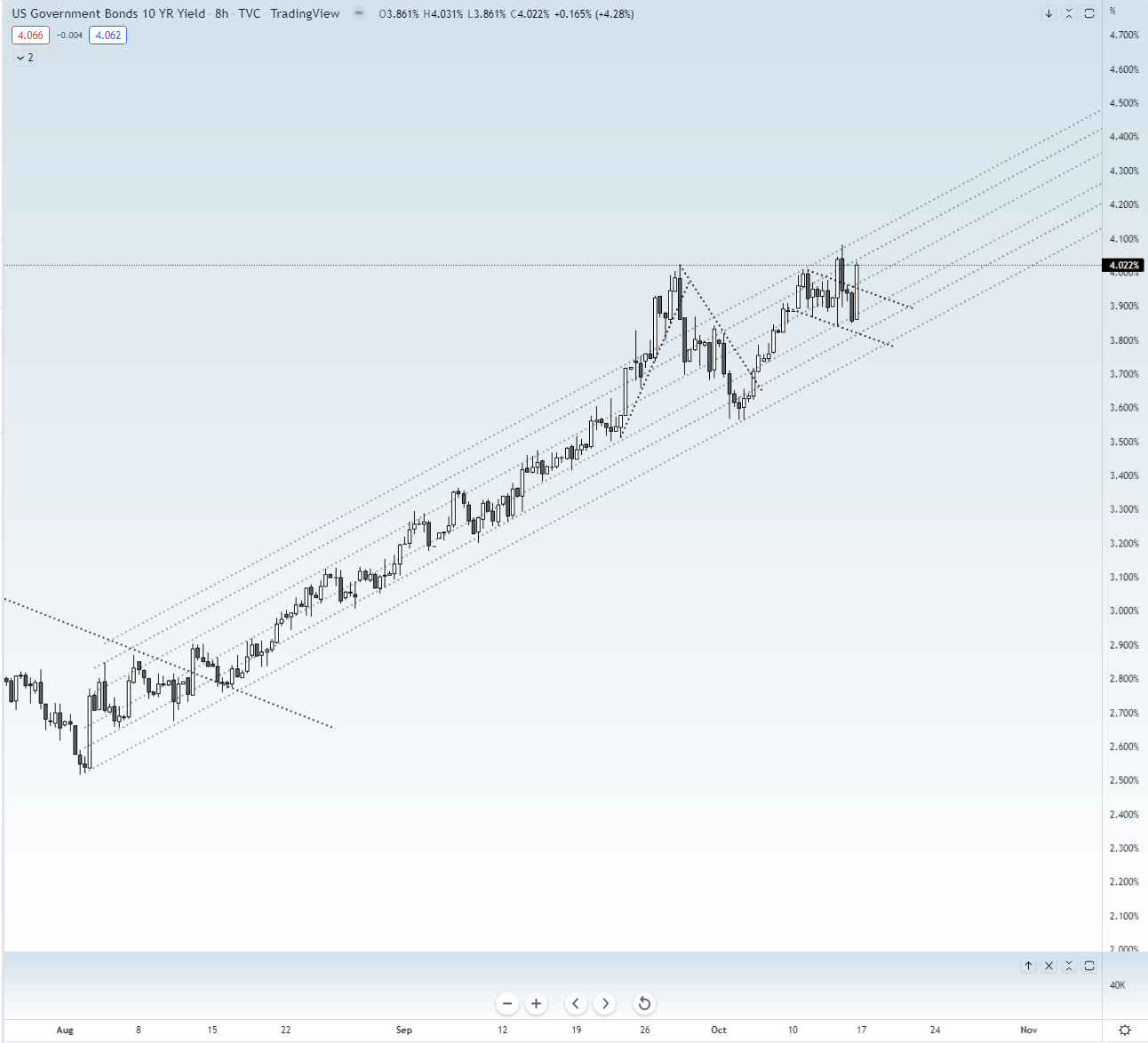
Stonks indices are clearly following US10Y movements closely, as the movements last Thursday and Friday have been mirror images of the ten-year bond in the indices. Or could it be the other way around, 10Y following stonks movements?
Long term:
The stonks game is nominal, meaning the game itself is rigged upwards. Inflation, lighter capital structures of companies, and technology are, in my opinion, the most important drivers for driving US indices upwards.
Medium term:
-Recession and its associated risks are threatening. In my opinion, it’s useless to try to guess these, as they are usually things that are not known to the general public. These are usually surprises (black swans).
-Political and country risks have emerged (China, Taiwan, Ukraine, Euro).
“Don’t fight the Fed” was the mantra of 2020 and 2021.
On a conceptual level, I consider that when COVID hit and the whole world shut down, the FED created billions of new money and pushed interest rates to zero to support the economy. In addition, the US government distributed cash to households as quickly as it could. This then got the extinguished and almost stopped economy back on track. This finally made it clear to the market what kind of power the FED held in its hands.
Well, the situation is now the opposite, interest rates are being raised at a record pace, and quantitative tightening is only in its early stages. However, the market is like an addict, operating on a drug called liquidity. When a price (interest rate) is put on liquidity, and old debts are allowed to roll off the FED’s balance sheet, this destroys liquidity.
Short term:
In the short term, the decline is precisely predicted by the movement of the ten-year bond, which is moving nicely upwards in a trend. The bull flag broke on Friday during the US session. Let’s see if it holds next week or if the same thing happens as last Thursday (fakeout). There is room for higher interest rates on the FED’s side. Also, very few people feel that stonks in the US are reasonably priced, considering current risks. Perhaps the go-ahead for a downward movement will only be given once earnings reports are out.
Of course, it could also be that Q3 earnings reports do not yet show weakness. On the other hand, I believe that market speculators will pay more attention to earnings guidance than to actual earnings.
19 Likes
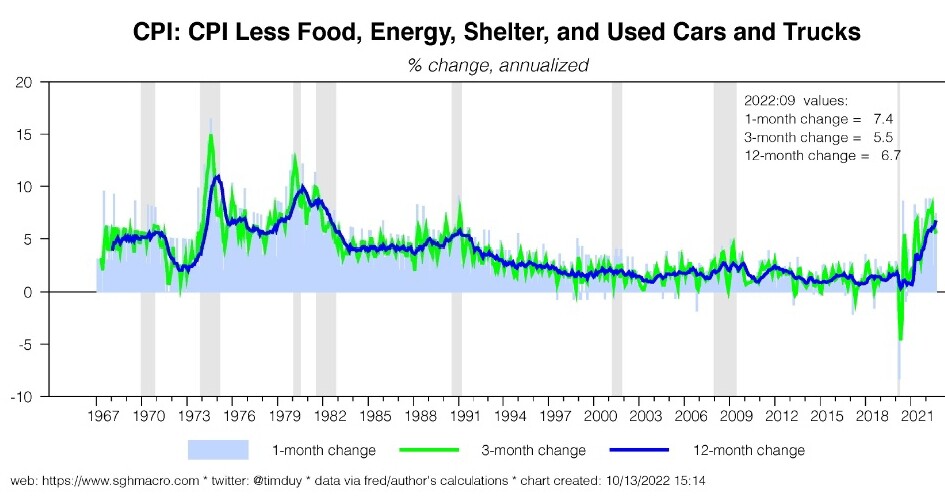
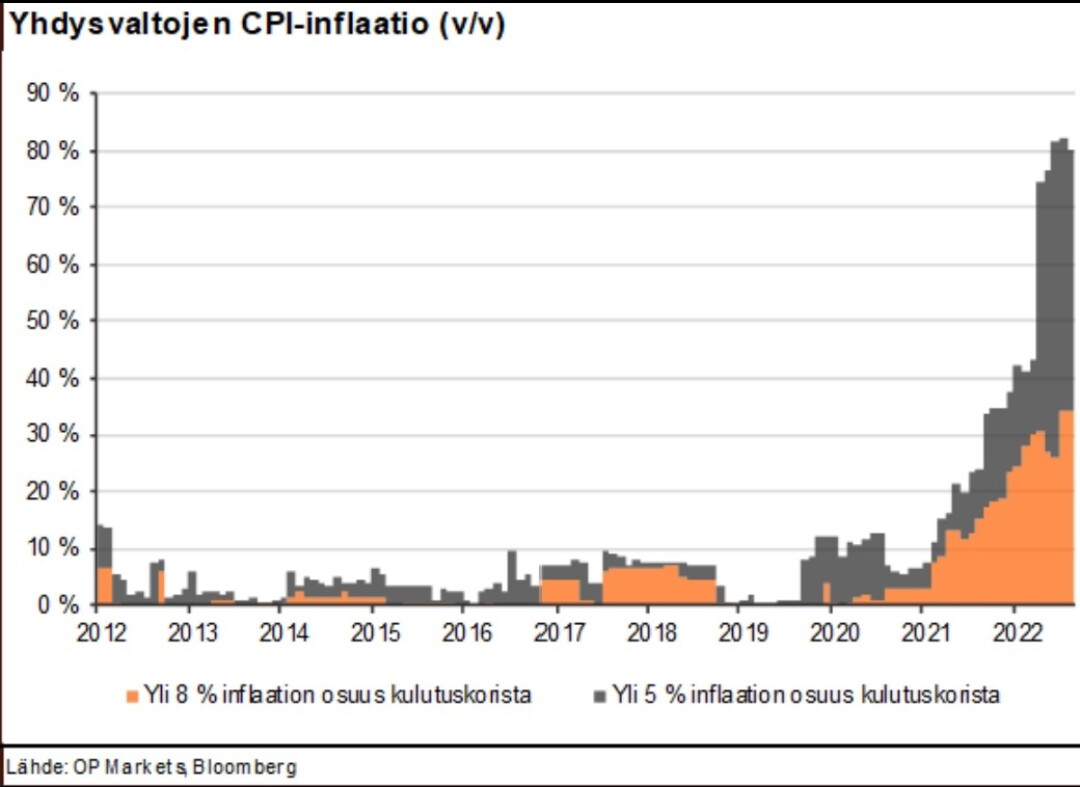
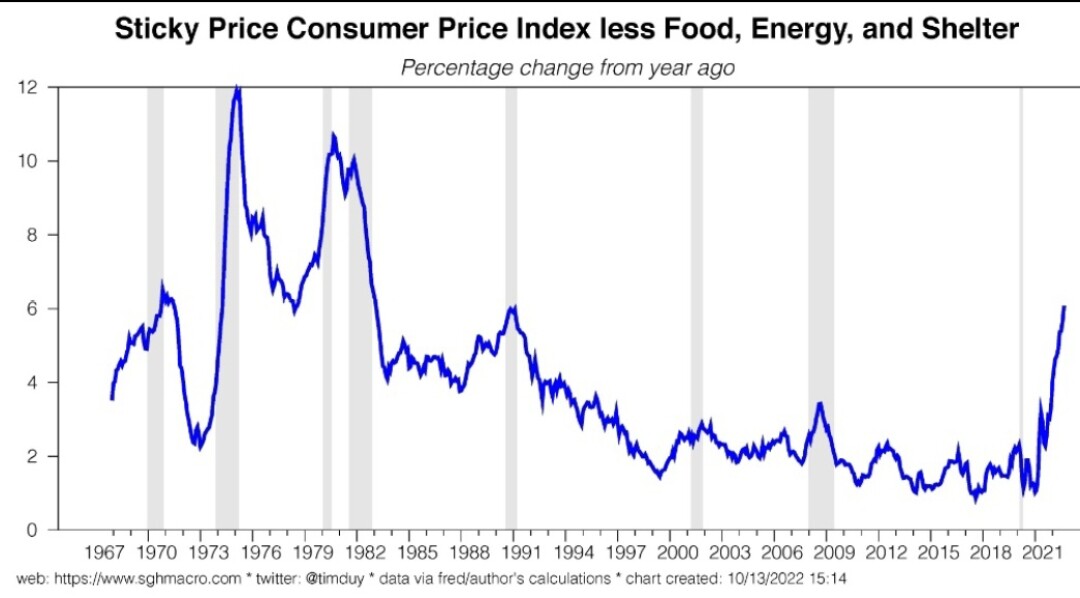
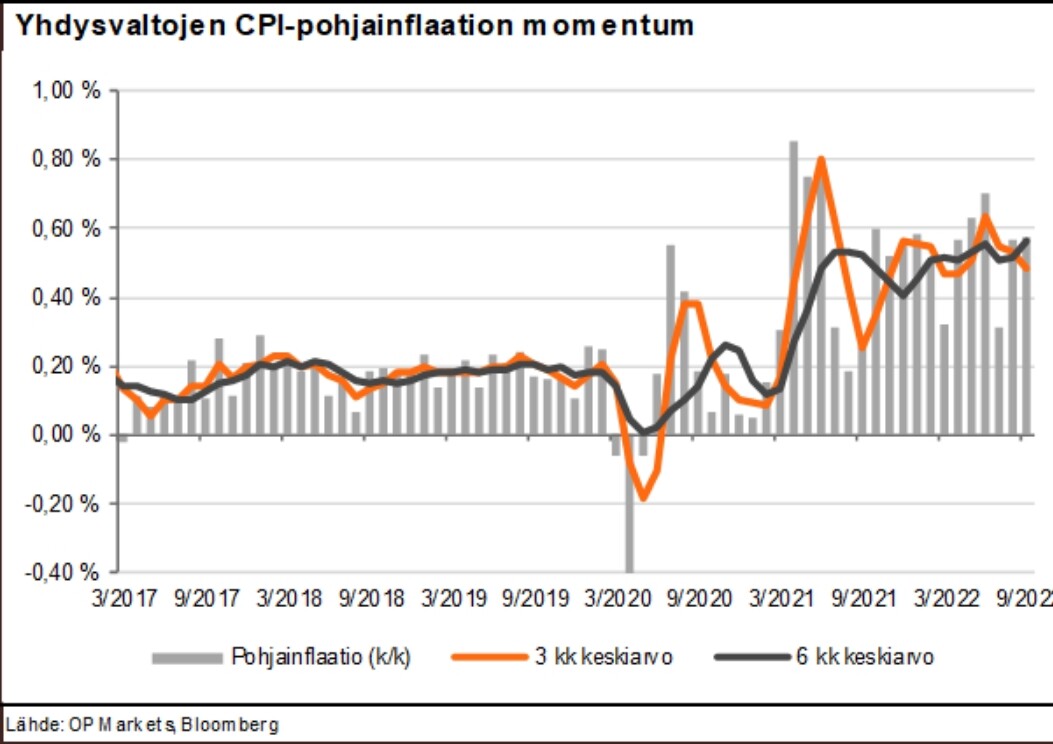
A lot of information about US inflation in the form of graphs.
Weekend view on Fed rate hikes
https://finance.yahoo.com/news/bullard-says-fed-hikes-caused-175434086.html
2 Likes
https://twitter.com/jasongoepfert/status/1581673831202058242?s=21&t=90mhEhvxtnmDbpUAs50bYA
Investors strongly believe that the stock market decline will continue
14 Likes
When do these instruments mature?
Usually, what happens is when there’s so much shorting with options, the market says, “Okay boys, let’s rally.” At least for a while.
30 Likes
The International Monetary Fund (IMF), in its brand-new forecast on global economic development, warns that “the worst is yet to come.” With bleak economic growth prospects in 2023 and a sharp increase in the cost of living globally, the IMF predicts that the economic wounds of the pandemic will reopen and new economic upheavals will occur. Now that a higher risk-free rate is available in the markets, there is more talk of TARA, “there are reasonable alternatives.” This is not an insignificant shift in sentiment, which could mean weakening demand for stocks. 

6 Likes
Yep. It’s been a crazy rally in Finland in 22 years. 18,000 points in 2000 and now 10,000. It’s been some wild development.
21 Likes
Comfort for the collapse in the thread below…
Stock markets have historically been profitable, even though they occasionally take a hit…
https://twitter.com/BrianFeroldi/status/1581631125067161600?t=CcfABmVRIsVbuGEvxaXQlA&s=19
14 Likes
Napier interview. Summary. The 1940s are coming, debts will be zeroed out by inflation, capex boom, nearshoring, buy sectors: weapons, energy, climate change, don’t buy: government bonds.
27 Likes
Napier has had that point for a couple of years now, and I think it’s a good one.
The key to inflation is that governments have “robbed” central banks of the right to “print” money.
It is perhaps appropriate to remember here that a central bank cannot “print” real money into the economy, contrary to what metaphors often suggest.
When the government runs deficits that the central bank indirectly finances with QE, or when companies and households take out loans from banks, new money is created.
Only actors in the economy who consume and invest can put money into circulation.
And this phase has stuck. And on the other hand, it is understandable: significant sums are now needed for the re-industrialization of the Western world, combating climate change, and strengthening defense.
The analogy to the more command economy model of the 40s-70s is apt.
4-6% inflation also conveniently digests debt if interest rates are manipulated downwards or to a lower level.
Note: the 40s-60s were a good time for stocks.
This is pure speculation, but if Napier’s scenario materializes, the path for stocks would first be to crash as they adjust to higher inflation and interest rates.
Then, once the adjustment is complete, the journey continues on a new track fueled by inflation and economic growth.
Is the adjustment already complete? In some places, many indices are already trading at only 10-12x earnings. Not quite yet in the US..
59 Likes
Regarding this, a question that is a bit off-topic; those who are able can move the question to another thread.
As background, a view I’ve formed without an economics background, just by reading various internet articles:
In approximately 90% of English-language texts on the subject, the words “money” and “credit” are strictly distinguished, whereas in Finnish economic discourse, the word “raha” (money) is used to mean both what the public understands as money (cash, euros in an account, but as a layman I wouldn’t call a loan or debt “money”) and credit/debt. English-language texts emphasize that private commercial banks do not actually create “money” but rather “credit.” Credit can be circulated back and forth so that it increases, which leads some to say that “banks create money out of thin air.” But the system only works as long as people don’t decide to simultaneously ask the bank for cash, goods, and services for the entire balance of their account and the value of debt instruments acquired from the bank. Then money, be it coins, banknotes, or bits, would have to come through the central bank by “printing money,” because banks do not have their own banknotes to distribute or that would be accepted at the checkout.
How wrong have I understood this? Is the “banks create new money” thing a matter of money/credit semantics, or do I misunderstand the concept of money and the central bank’s role in creating/destroying it somehow?
Edit: “Only actors who consume and invest in the economy can put money into circulation.” Ah… That can also be understood to mean that money comes from the central bank, but it doesn’t move or participate in the economy without consumers and investors. But the question still applies, because I don’t fully understand why there are two such seemingly opposite views on the creation of money.
1 Like
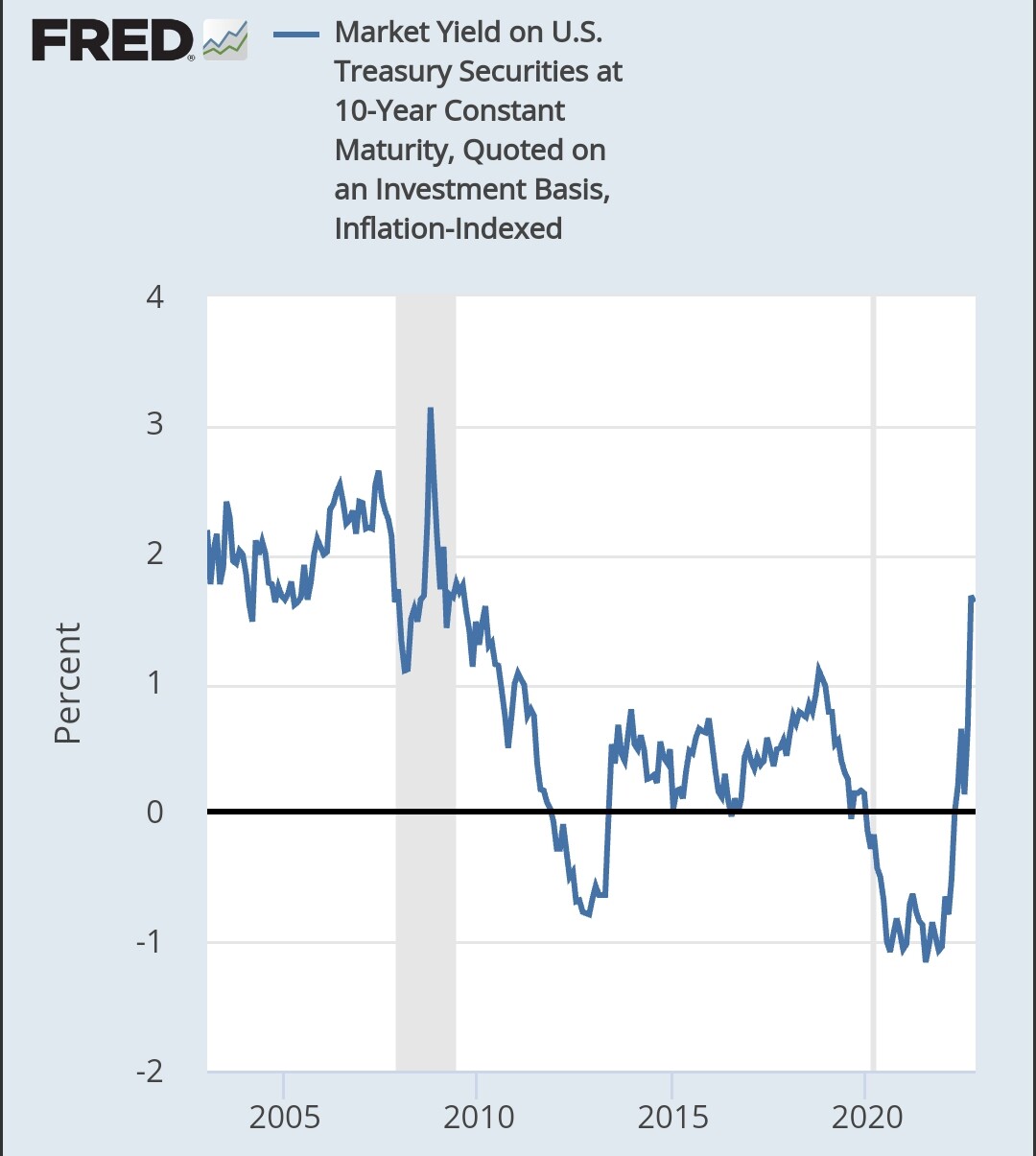
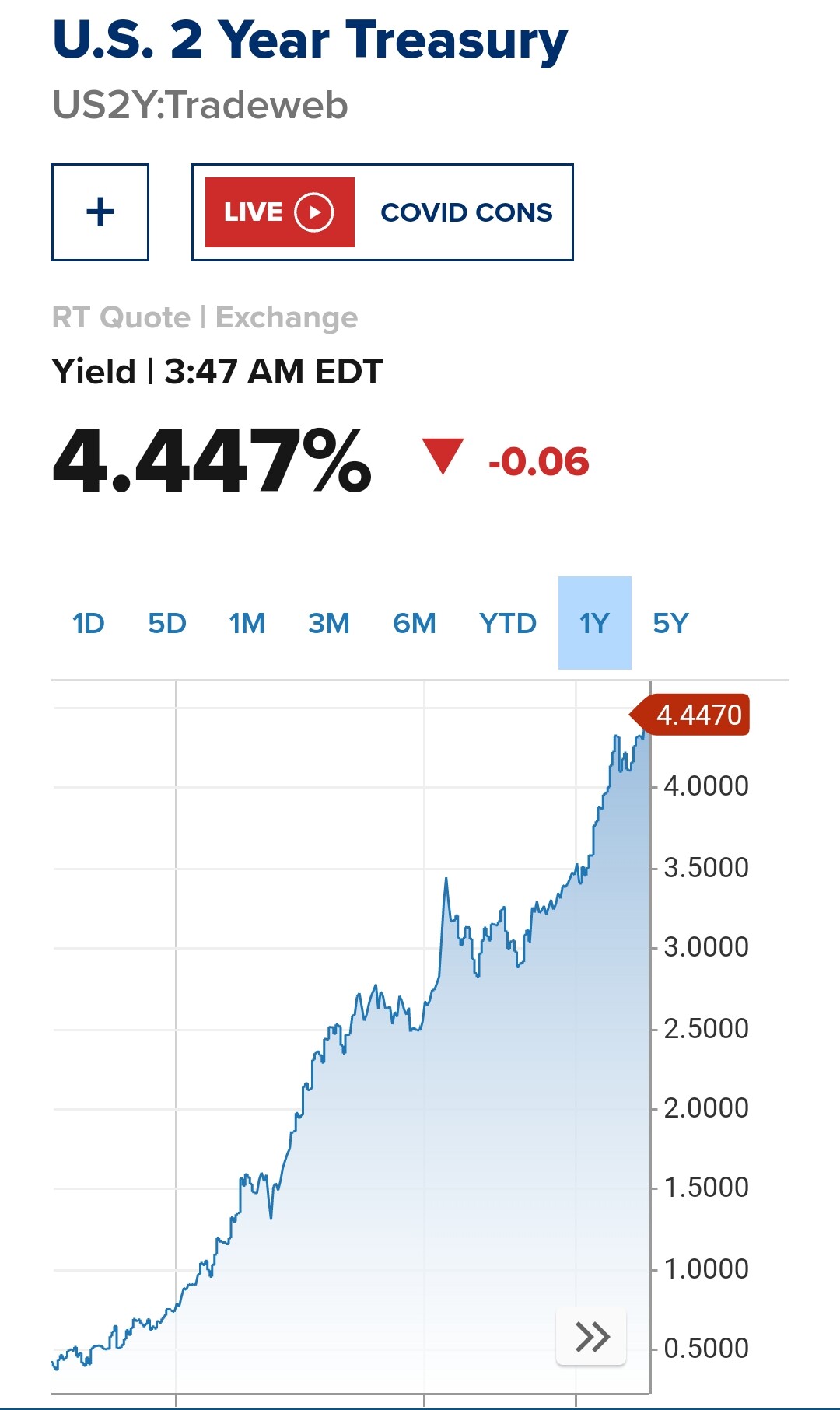
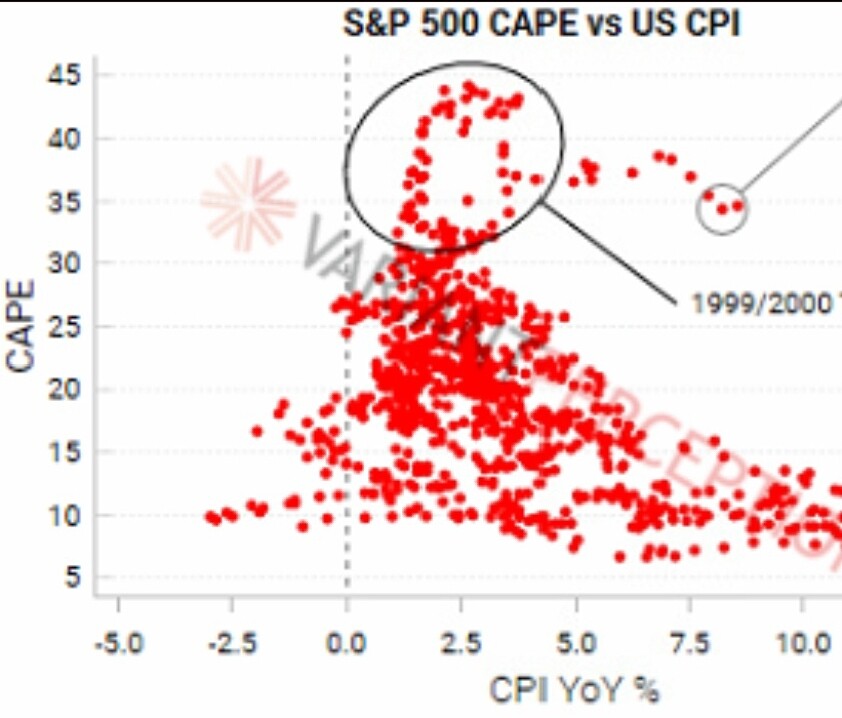
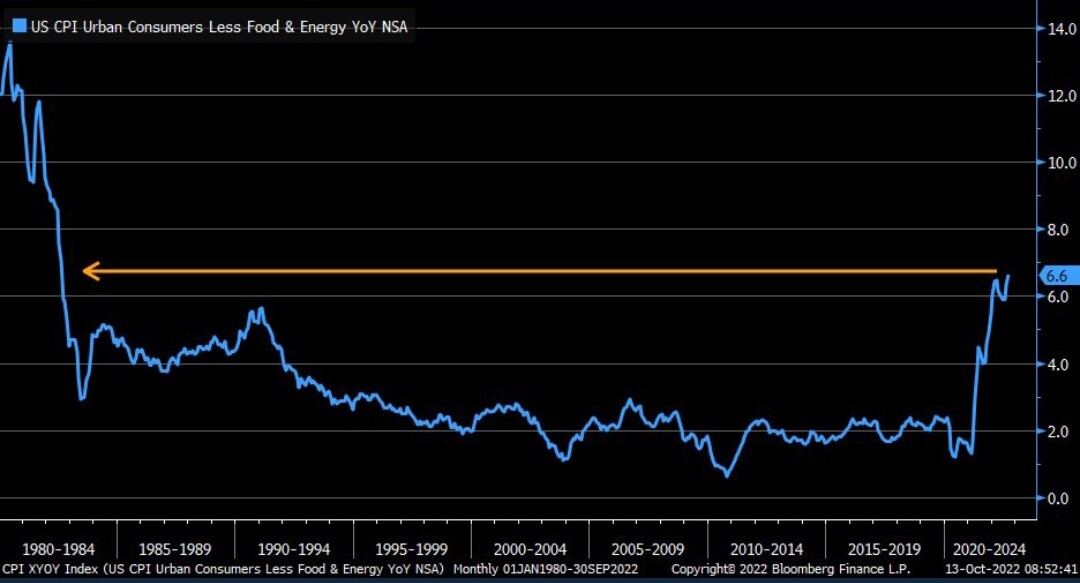
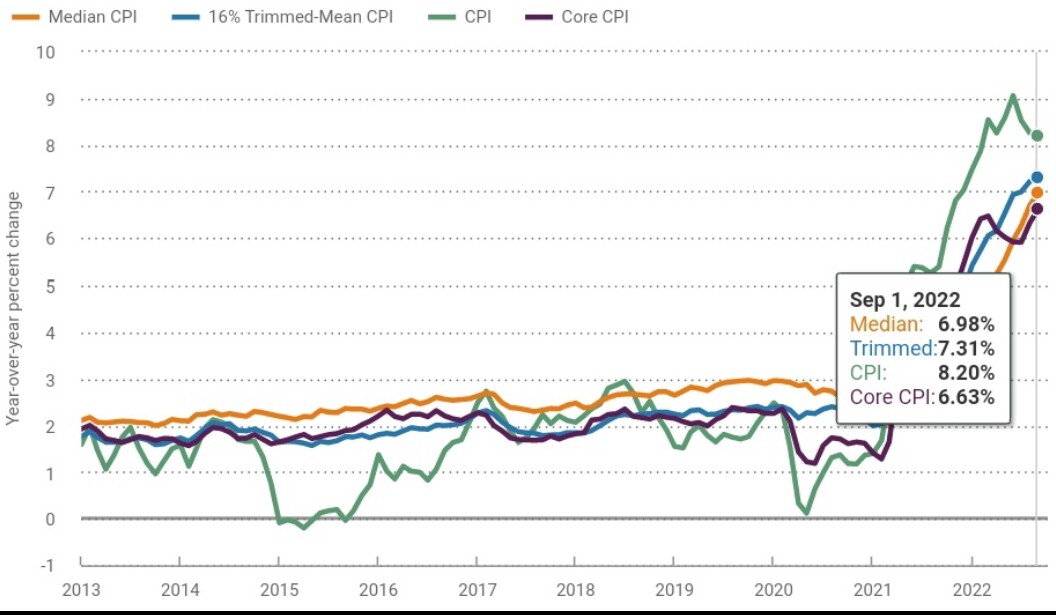
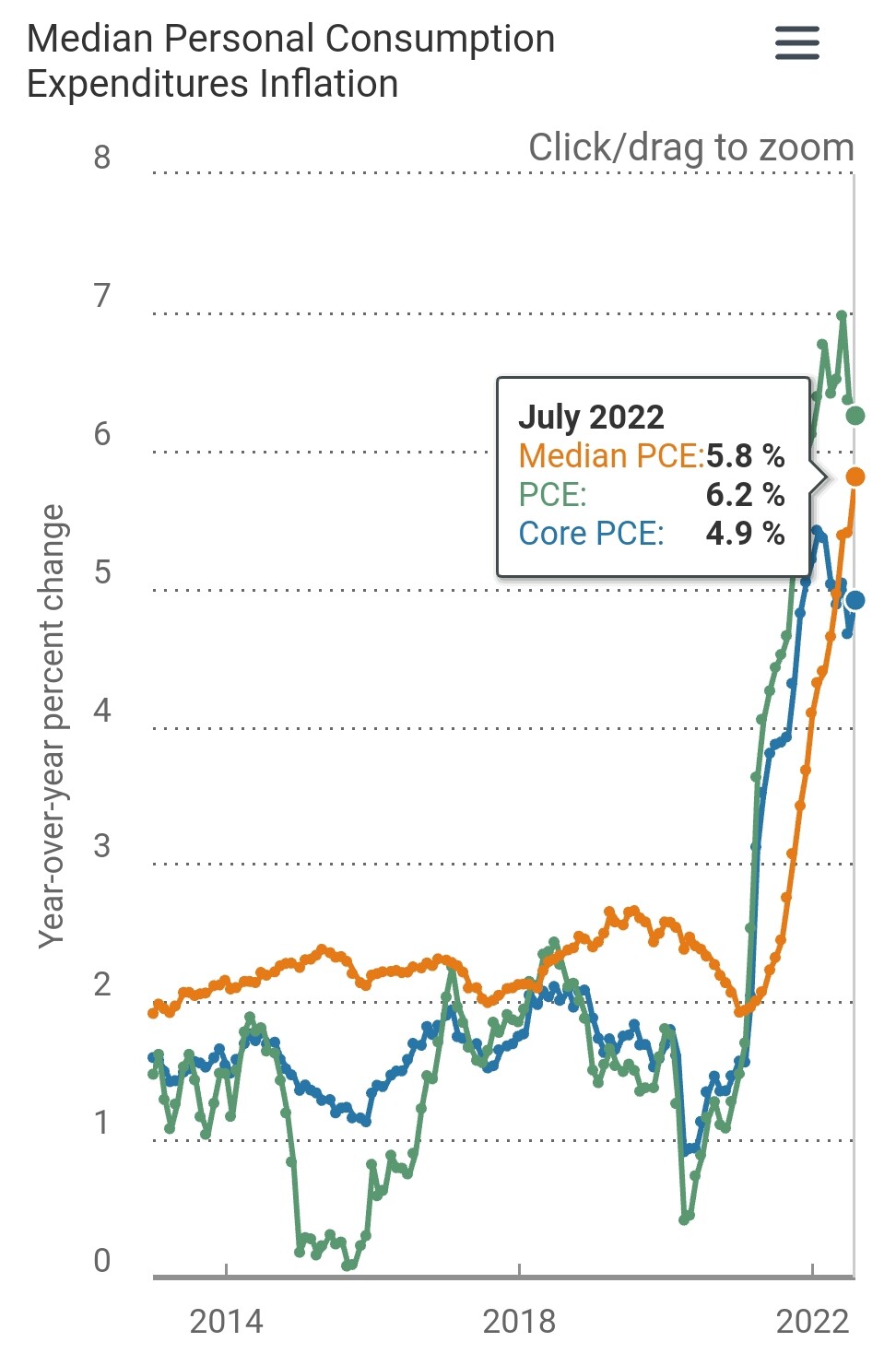
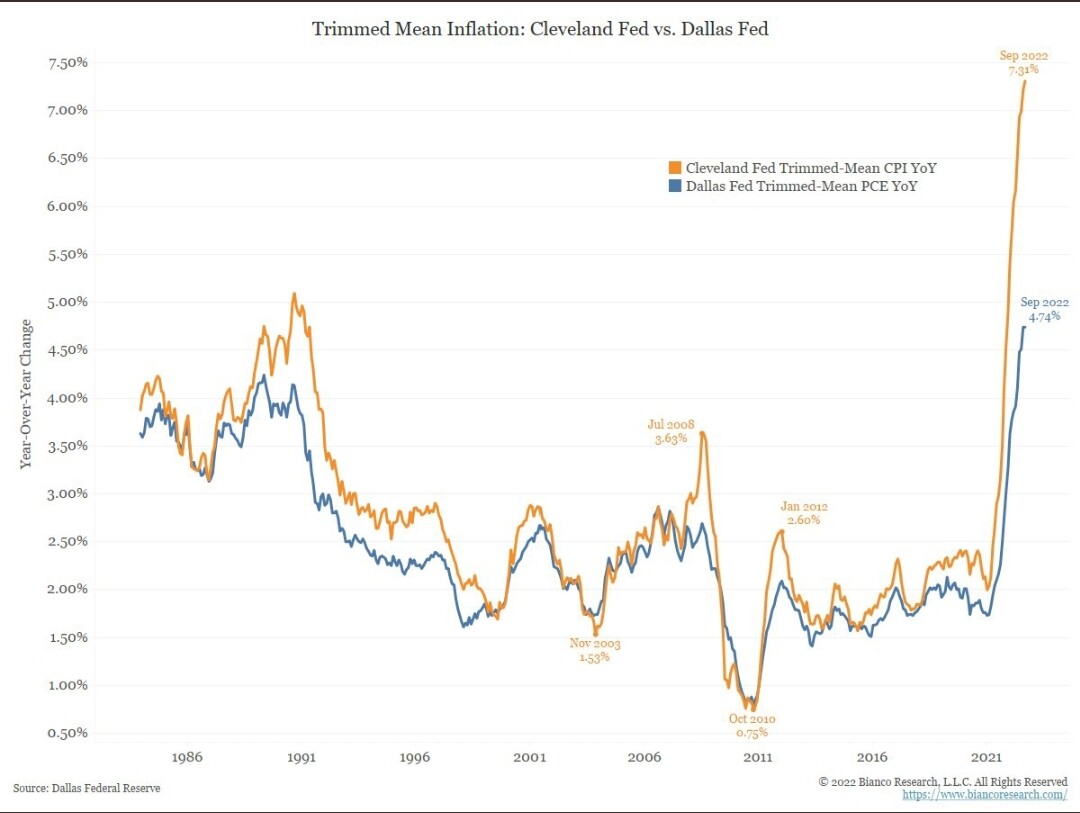
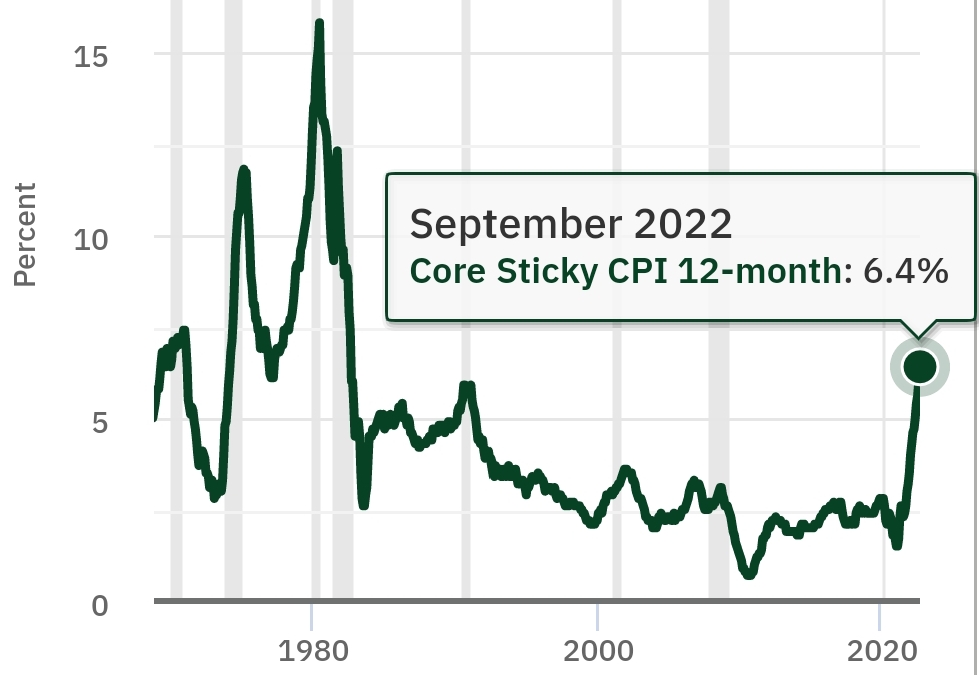
Inflation:
- headline
- core
- underlying
Headline inflation sometimes has a lot of noise. Core inflation can also have noise – e.g., used cars last year.
Underlying inflation is a subjective estimate of what would be revealed if all the noise and transient issues, e.g., those related to suboptimal methodology, were removed. For example, in the US, housing-related inflation shows up in the numbers with a delay.
At some point last year in the US, an optimist could reasonably argue that underlying inflation was 2%. Then the optimist’s estimate was 3%. Then 4%.
What is the optimist’s estimate now? Just under 5%?
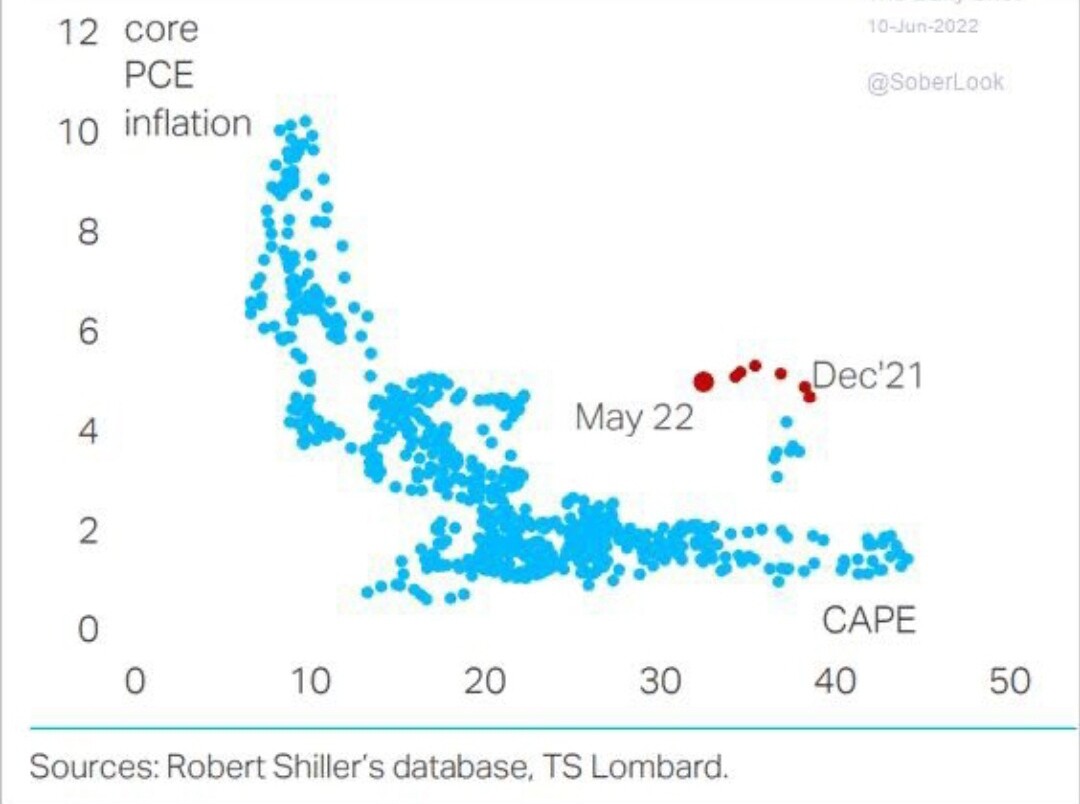
The stock market doesn’t tend to drop like a stone. The S&P 500 has fallen exceptionally sharply this year, but it has also included many bursts of optimism.
The Nikkei was not a buying opportunity in 1990, even after the index had fallen 25% and the P/E went from 60x to 45x.
Each case should be evaluated separately to determine how much each decline helps to normalize valuation levels.
I see no fear at all in the S&P 500, but rather a very calm repricing.
Will fear enter the picture at some point? Time will tell.

23 Likes
https://twitter.com/FirstSquawk/status/1581928604455546881
This sounds unpleasant.
“The numbers are so bad that we haven’t had time to doctor them properly yet, and so much correction is needed that we need more time so we don’t get caught red-handed manipulating them” comes to mind.
Or perhaps they just don’t want to spoil the glorious speeches of the ongoing Xi fanboy rally with unpleasant news. If the numbers magically appear right after the 22nd, when the party congress ends, the reason will be pretty clear then.
China…
48 Likes