There’s a lot of good discussion here on the Inderes forum, but I’d personally like to see “calmer” and more in-depth discussion on the direction of the markets, based on proper analysis and data. Messages get lost in those “monitoring threads”.
The S&P peaked on February 19th: 3393.
The “bottom” was reached a month later on March 23rd: 2192.
So, the decline was 35%.
The decline was historically fast, and during the fall, the VIX set records, and we were in a very oversold state at the bottom. On the worst days, the drop was probably over 10%.
From this turmoil, we then rose about 19% in about 6 days towards the end of March.
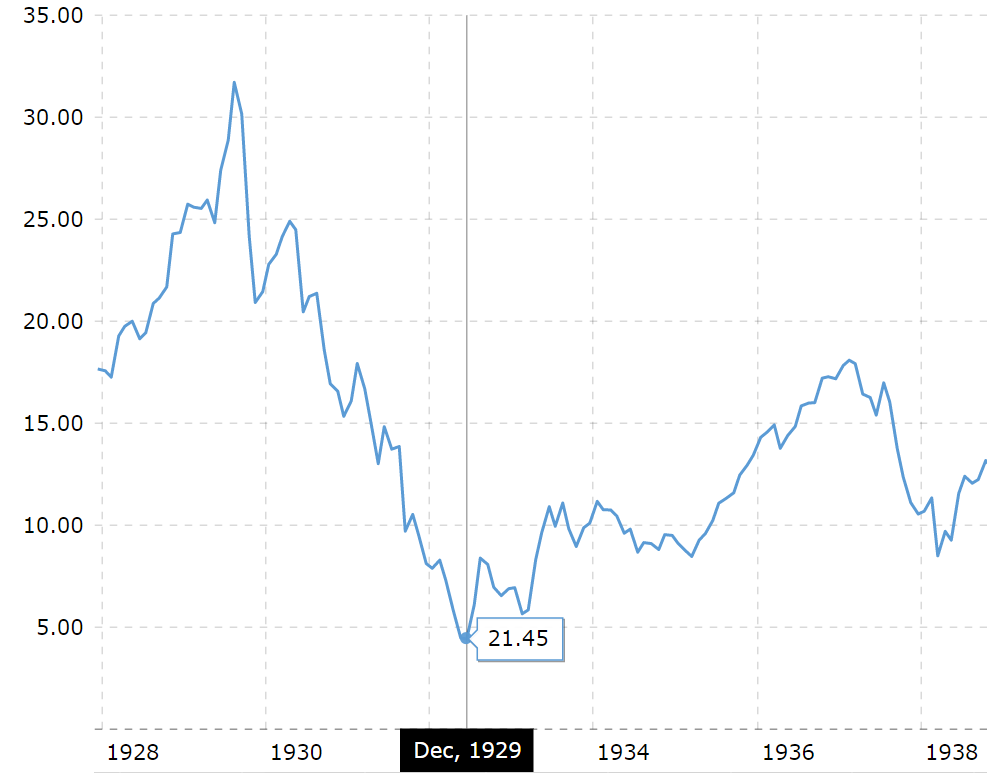
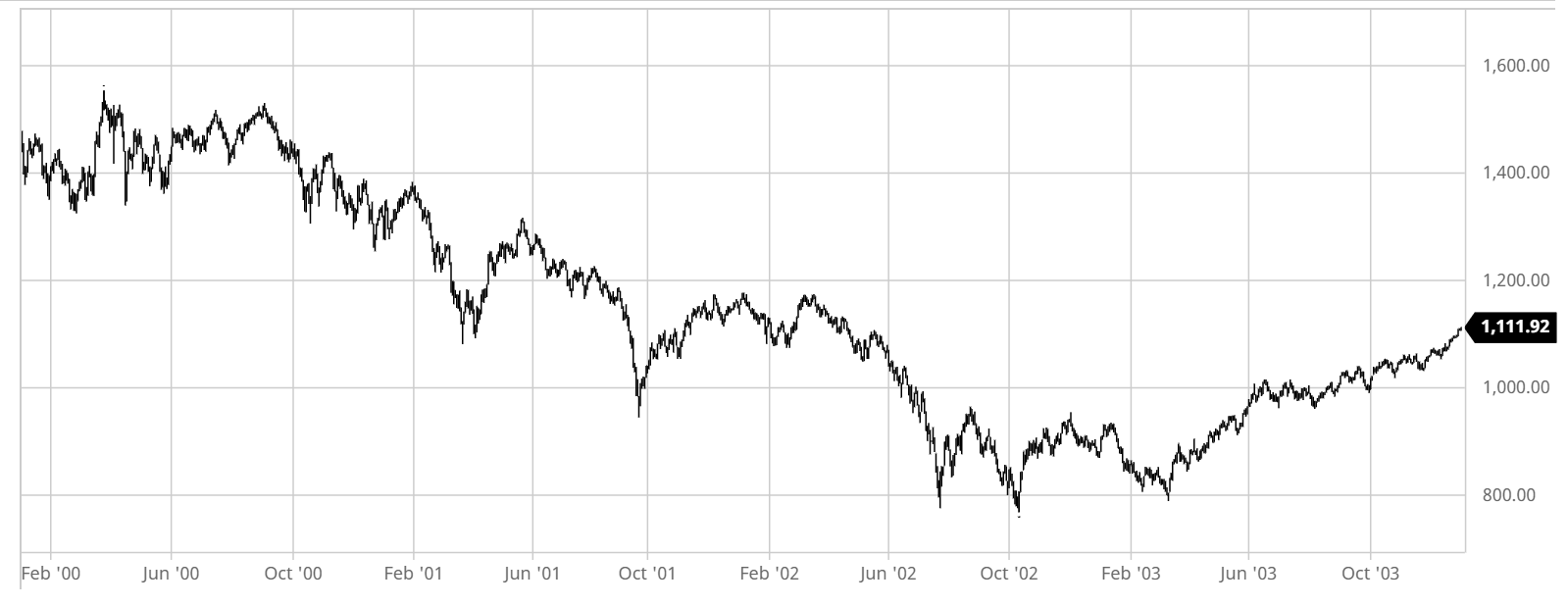
At this point, it’s good to look at what bear markets typically look like.
It’s good to note that they often include several long upward movements, after which the decline continues.
The bear market that began in '29:
A bit more recent from the dot-com bubble:
And then this latest one:
This time, of course, many things are different. History rarely repeats itself perfectly.
The market decline was unprecedentedly steep. This was because the economy faced an external shock whose inevitable progression everyone could see in real-time.
Can the recovery be as steep - and fast? This is probably the question of hundreds of thousands for many private investors as well. The key is how much “permanent” damage will be done to the economy and consumers.
It seems that unemployment will rise high due to these few months of quarantine measures. High unemployment will prolong the recovery, as the return to growth in terms of recruitment is typically cautious and slow.
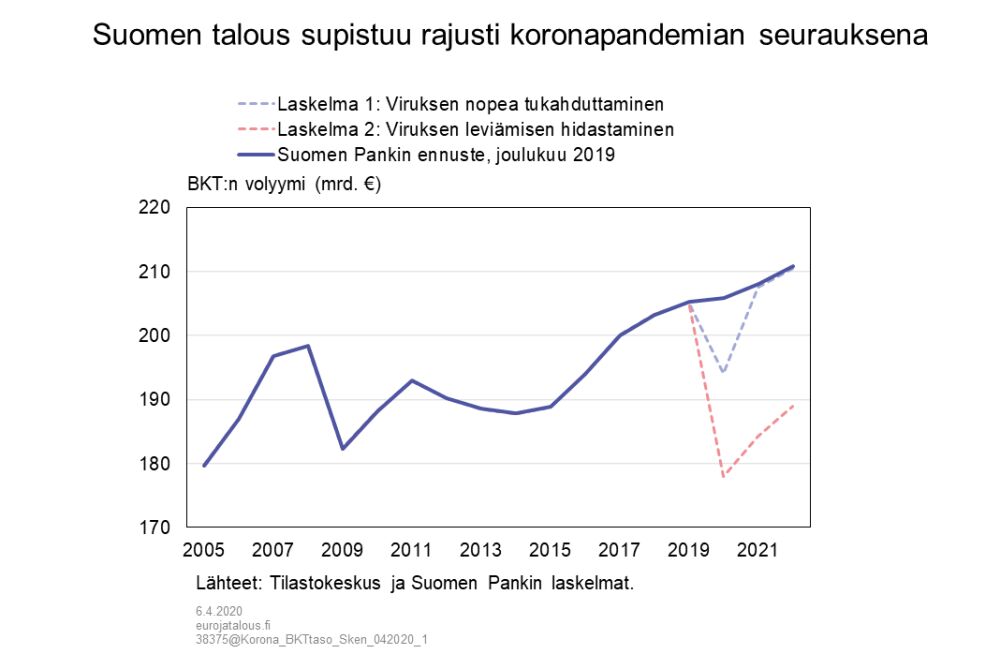
The world may be facing an “unprecedented” recession - global GDP is estimated to fall for the first time since World War II (if I remember correctly).
On the positive side, at least the following can be stated:
- rapid and at times proactive response from central banks and governments (“whatever it takes”)
- perhaps the virus can be brought under control quickly
However, it seems to me that the worst has already happened, meaning that rising unemployment will cause a big dent in the economy, which means a slow recovery even if societies can be opened quickly.
All this likely means that we have only seen the first act of the bear market, and in the following acts, the focus will shift more and more away from the virus and towards the recession itself. More help from central banks may still be needed.
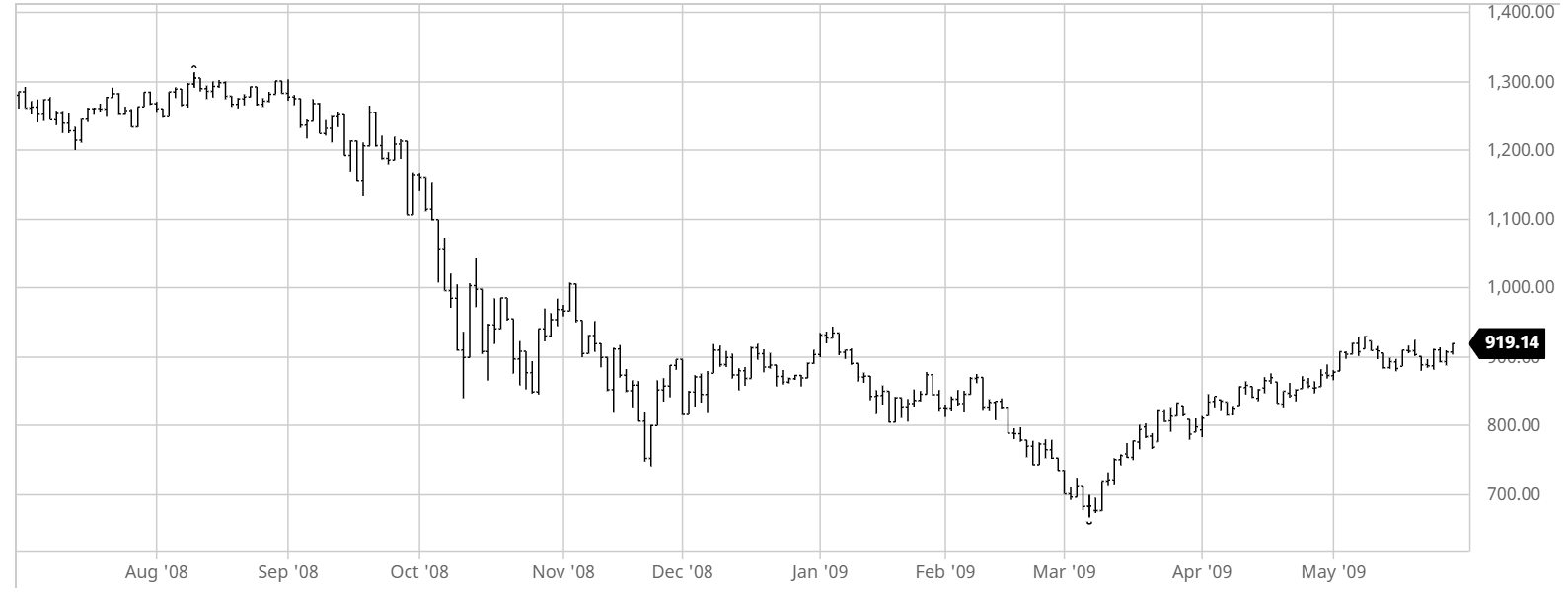
On the other hand, stock markets recovered relatively quickly from the financial crisis:

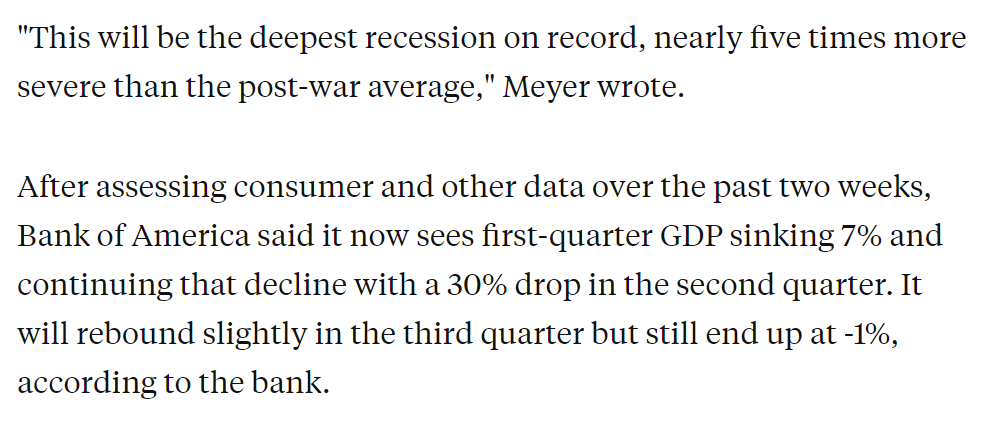
However, this blow to the economy is greater. Here are some recent comments from BofA that caught my eye:
Then there’s the fact that Trump will do everything he can to make the stock markets (and the economy) rise before the elections. Anything could be possible.
What does this mean for investors?
What are your thoughts, everyone?