I came across HCP’s market overview this weekend. Quite a gloomy view from Kemppainen, not sure how to take it. Stock market returns 0% for the next 12 years?  Is this Kemppainen known as a strong bear? The marketing of his own fund (HCP Black) surely also influences his view.. https://www.youtube.com/watch?v=Q8BAzn-34IA
1 Like
If mega-cap glamour companies turn out to be ordinary mortals, the S&P 500, with dividends, is priced for at most a nominal zero return for 2022-2032.
Of course, if inflation is permanently elevated, it could help push nominal return expectations into positive territory.
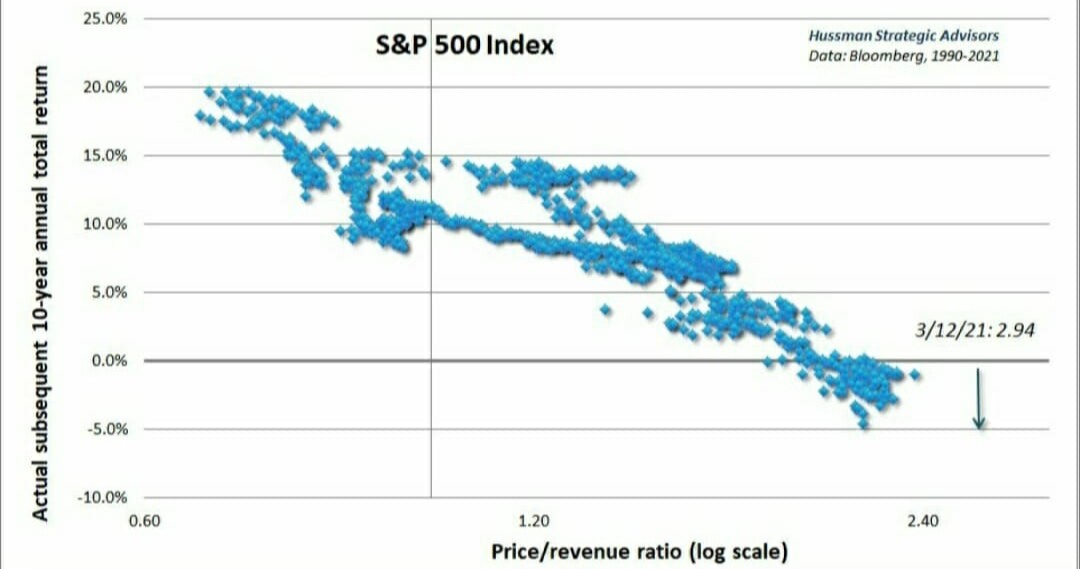
It’s worth noting that the narratives of recent years about the inevitable dominance of current top mega-caps are very similar to those in 1901, 1929, 1972, and 2000. Nothing new under the sun.
The market’s return over a ten-year horizon starting in 1901, 1929, 1972, and 2000 was, to say the least, unsatisfactory.
The Helsinki Stock Exchange is, in my opinion, a bit on the expensive side but still much more reasonably priced than the S&P 500.
24 Likes
Sea freight is also coming down sharply, with container freight from China already 20% cheaper this month.
12 Likes
That was a brilliant (or should I say @timontti-like  ) analysis from Taylor.
There was nothing dramatic about the results in the 70s. Normal fluctuations. Companies actually managed to convert inflation-fueled revenue growth to the bottom line rather well than poorly.
S&P 500 real EPS:
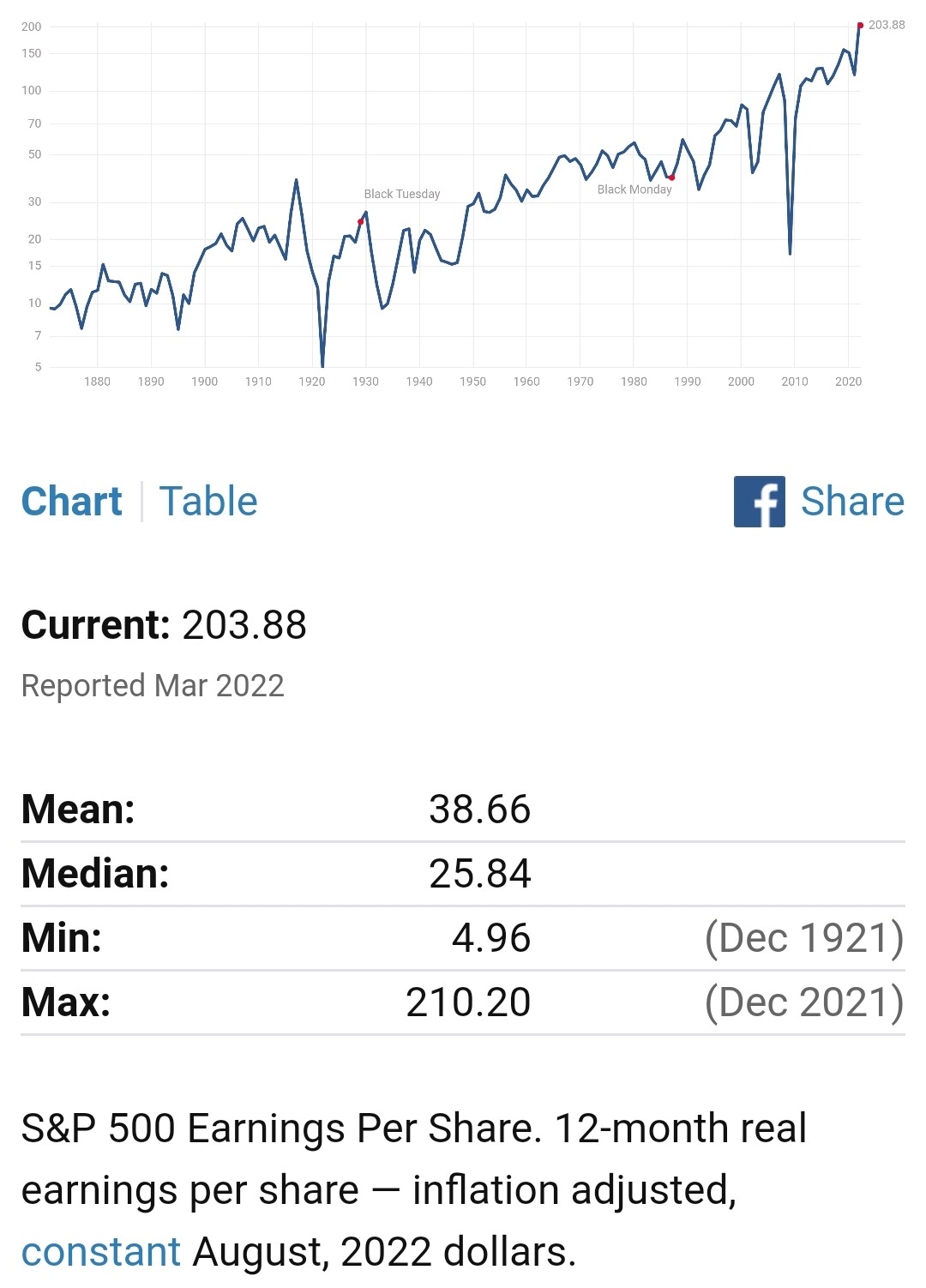
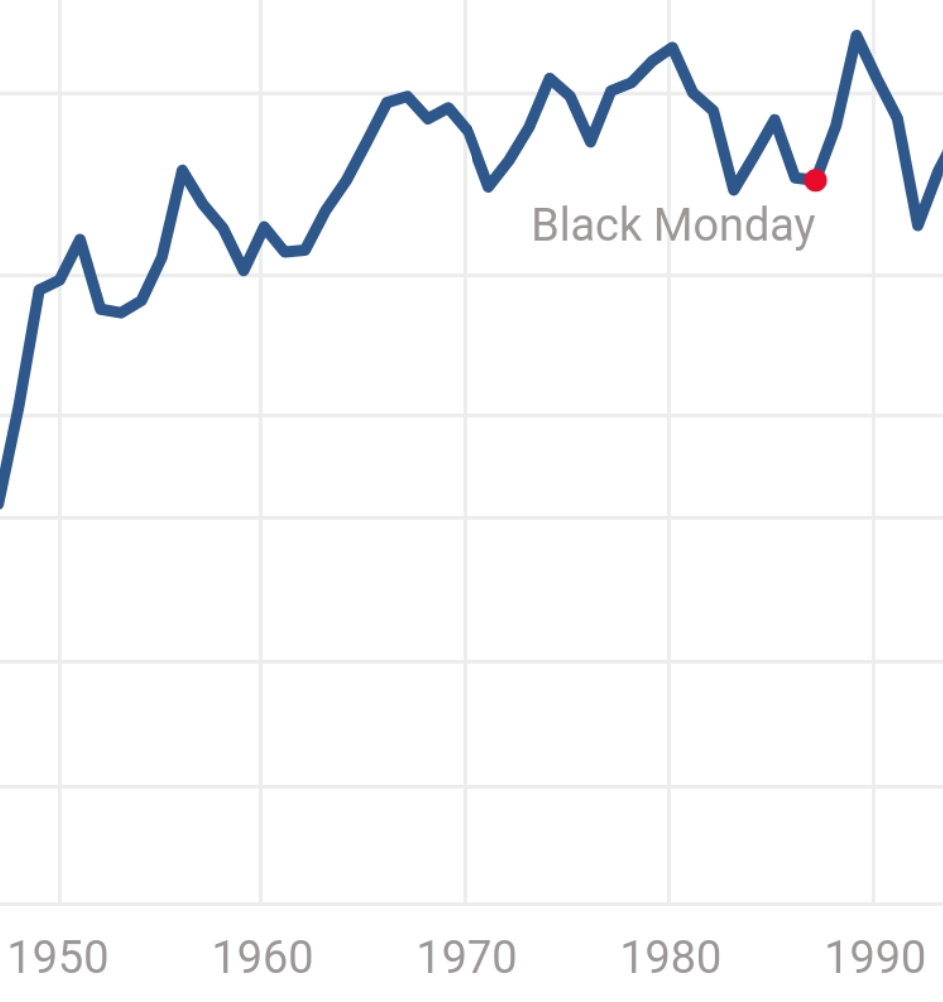
Decent defensive victories in earnings development, and yet the sentiment:
This inspires me to interview myself. Both interviewer and interviewee are yours truly:
- I can predict xyz phenomena.
- You probably can’t.
- Ok. Well, if I could predict xyz, I could predict at least roughly how the market moves.
- You couldn’t. You can’t know in advance what narratives the market will move on at any given time, even if you could predict fundamentals.
13 Likes
On the tanker side, as I understand it, the trend continues strongly upwards. For example, in the product tanker sector, STNG’s YTD seems to be over one hundred percent.
2 Likes
This may be the case; my information is based purely on freight quotes for container shipping from Finnish freight forwarders. So, demand has fallen significantly.
Yes, in short, the different shipping sectors do not correlate with each other at all. Containers are in freefall, and many new ships are coming in 2023. Dry bulk has already collapsed and might have bottomed out, though the most realistic scenario is that it will float at these low dollar levels unless China somehow picks up and at least opens up lockdowns. However, the supply side there is much tighter than for containers. Tankers have rocketed, and supply has been tight for a long time. The direction there continues somewhere (surprise), but supply will be tight for a long time. Upward triggers include the Russian embargo and, conversely, the possible lifting of Iran/Venezuela sanctions at some point and the end of China’s lockdowns. It’s still a bit unclear how the US SPR oil will affect tankers. A severe recession would, of course, put downward pressure there too. The VLCC (Very Large Crude Carrier) sector has started to pick up after products, but it remains to be seen. Emission restrictions might slow speeds from next year onwards, but it remains to be seen if they will have any significant impact on supply.
5 Likes
Based on my own experience, I’ve put on my buying pants. Perhaps the final climax is yet to come on the downside, but I’ll add more as it drops.
I’ve started buying into machinery companies and dividend stocks, and I’ll shift to growth stocks once the sentiment turns. Contrary to the mainstream, I prefer the Finland-Europe axis.
I believe the war will end during the winter. Europe will overcome its energy problems, and a weak euro will support European companies. Currently, companies with low or no debt have been grouped into the same basket.
The rally will start in the US, and Europe will follow. I’ve seen a few doomsdays in the stock markets already, and I don’t believe this will be an exception.
Several times I’ve missed out on rallies, but now I have to be in early. It’s hard to hit the bottom, and usually, the rally has always been so quick that I’ve been left at the station. Let’s see if my timing is any better this time.
110 Likes
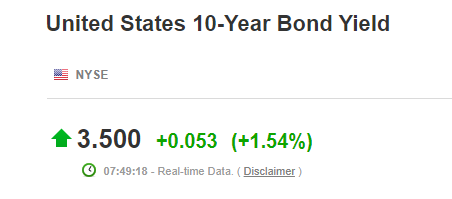
Let’s see if this round number triggers more sales by algorithms. At least a 4% dividend yield from some fund starts to be a real turn-off if you can already get 3.5% from bonds.
22 Likes
I second @Tunturisusi! Small and medium cap have already taken such a beating, and market pessimism seems to be reaching a climax soon.
The FED and ECB will likely soften their policy rate targets because the macroeconomic outlook has already significantly weakened. A strategic move would be to allow 3-4% inflation for the next 3-5 years and keep the policy rate around 3.5 - 4% (FED) and around 2 - 2.5% in the EU. Stock markets will move sideways, and we might even see a slight increase in Q4/22 - Q4/23.
The biggest uncertainty factor is Russia. A potential end to the war in Ukraine during the winter and the ousting of Putin could generate a relatively sustainable upward trend. If the conflict expands, we will likely see a sharp decline in indices (10-20%). Energy and commodities 
40 Likes
Behind a paywall, but probably most people can read it. The whole text is full of facts.
Quote from the article: “It’s very clear,” Anttonen says. “I would talk about an even bigger change. If we want to tackle climate change, we must reduce consumption anyway. It must be reduced in every sector.”
According to Anttonen, this will lead to a slowdown in economic growth.
“I hope we find a way for the economy to grow while reducing emissions and energy consumption. But no fact supports such a situation. No such innovation has been invented that this could be done.”
Very little has been blown out of the bubble yet.
5 Likes
Emissions in kilograms per purchasing power parity-adjusted GDP at 2017 prices in the United States and Europe.
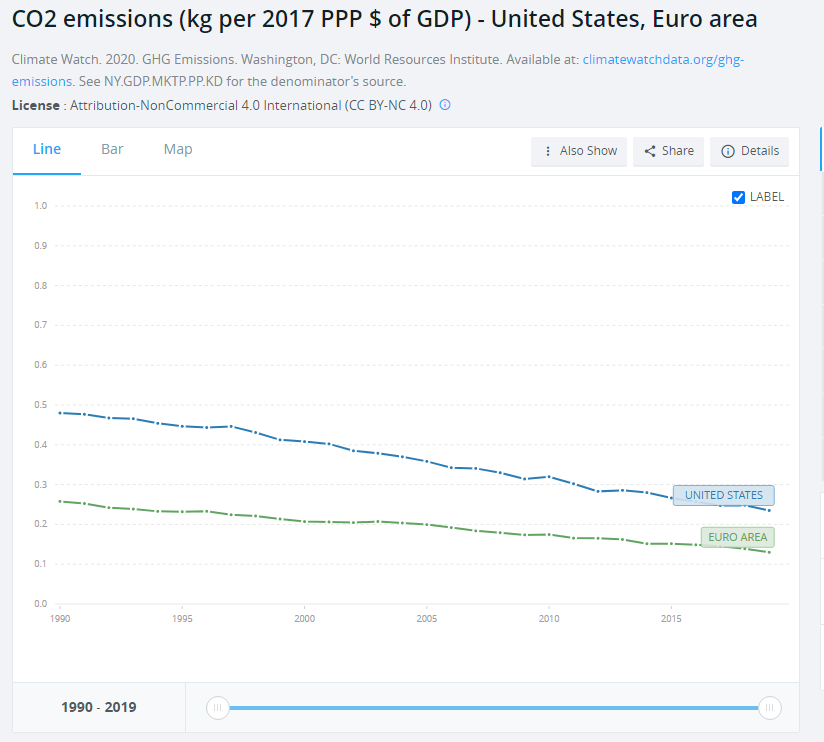
Yes, the link between economic growth, consumption, and emissions can be broken.
Note: emissions in the West also decrease by calculating them from consumption, in which case outsourcing industry to Asia does not help.
The problem is more China and other developing economies, and less so. 
I assume you are referring to the standard of living bubble here, not the stock market directly, etc. That is indeed a big topic of discussion: will human-caused global warming be solved (it would be better if it were solved in some direction) with technology and investments that simultaneously create jobs and improve living standards (this is how things have generally turned out in the end), or will consumption be significantly curbed, causing the economy to shrink by an order of magnitude? It’s another matter whether that would even help and whether people can do it coordinately: probably not.
Well, this is getting a bit off-topic for this thread.
10 Likes
I am referring to both the standard of living and asset class bubbles.
There’s still plenty of air in the prices when you consider the effects of ultra-loose monetary policy and compare it to the future outlook described in the article.
2 Likes
The US02Y has risen continuously since the beginning of August and is just under 4%. The 10y-2y has fallen for the ninth consecutive day and is approaching its bottom at -0.514%. The US10Y is just under 3.5%. Do you think Powell will be dovish on Wednesday?
6 Likes
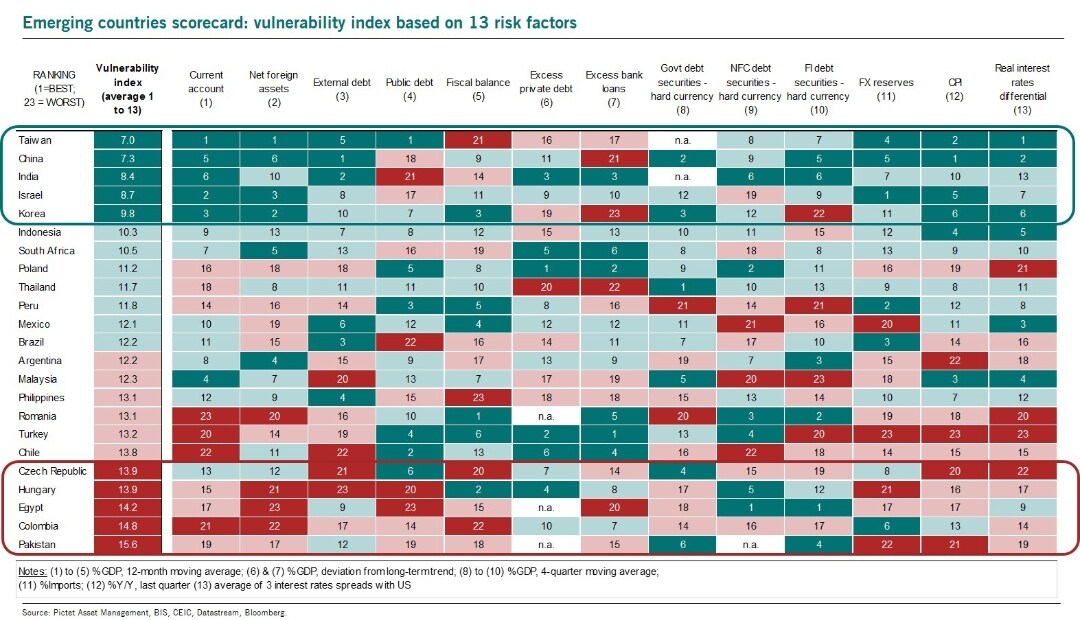
One view on how different developing economies are vulnerable to currency depreciation against the USD.
9 Likes
Sometimes there are even promising signs of inflation turning.
https://twitter.com/charliebilello/status/1571902960409669632
40 Likes
Not soft, but perhaps he’ll give hope that, for example, the FED won’t overdo it with the policy rate and will aim to monitor the state of the economy in addition to inflation developments. At these levels of public debt, moderate inflation is actually a positive thing. Unfortunately, the public pays, but there are no free lunches. For now, I dare to be positive about the central banks’ ability to learn.
14 Likes
Assuming we want to aggressively cut CO2 emissions no matter the cost, but do we really? If we haven’t wanted to before, why would we now?
Different forms of recycling and reuse have increased. There are more and more alternatives to oil-based products. More renewable energy is produced than ever before. The efficiency of various devices has improved. Buildings can be constructed to consume less energy, etc.
Perhaps we are still so comfort-loving that we will continue to reduce emissions only as much as a lazy person can without significantly compromising their standard of living.
9 Likes

A few takeaways from this morning’s video. The main topic is the bear market driven by the liquidity crunch: the stock market can crash even if the economy doesn’t ultimately fall into recession! I already raised this point earlier in this thread, so no more on that here for now.
The real interest rate (10-year TIPS) is already nearing levels from over ten years ago. In practice, money hasn’t cost this much since the financial crisis.
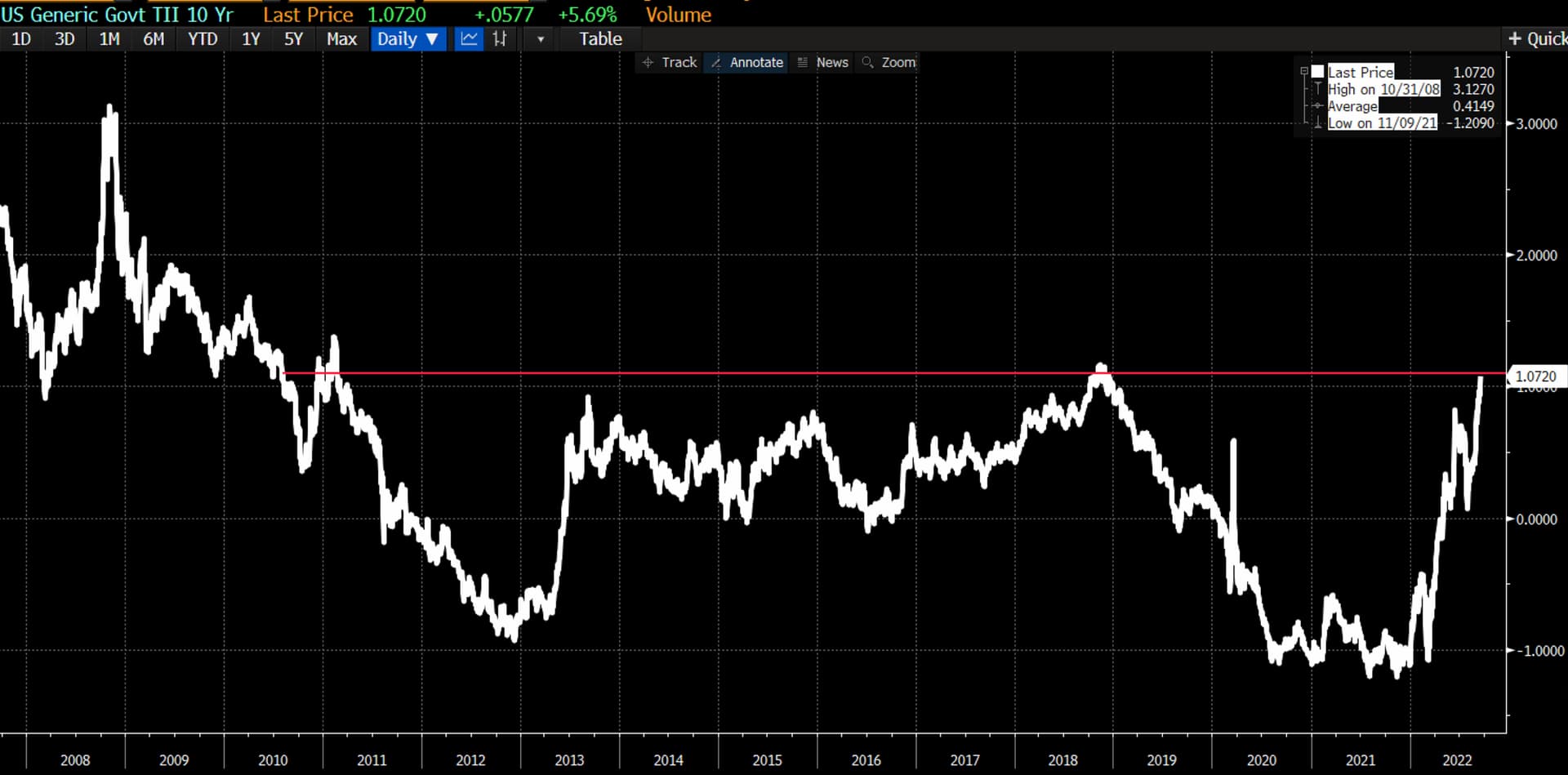
With central bank tools, one can only tighten financial conditions and hit stocks with a hammer…

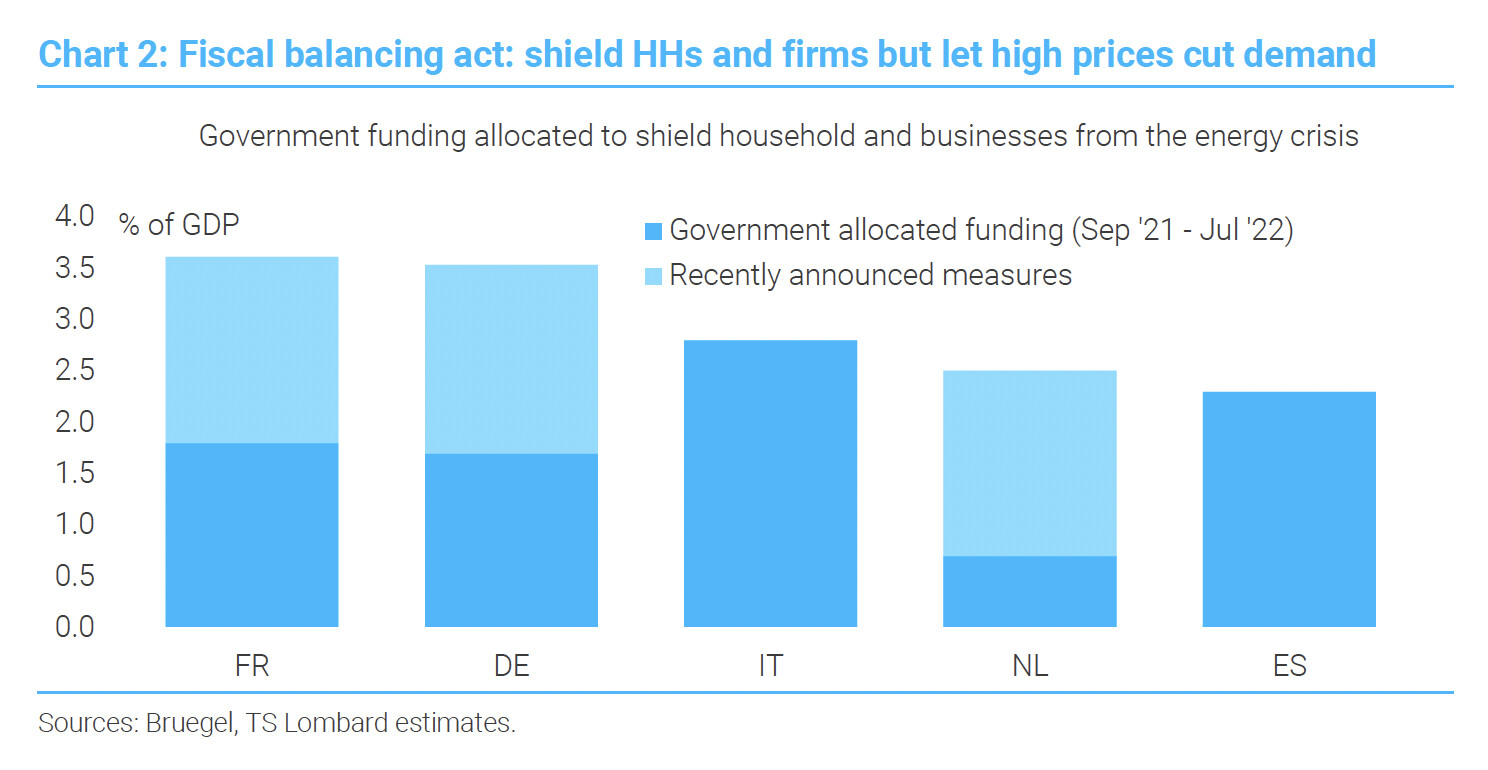
…while governments continue with their stimulus policies. In the US, traditional deficits; in Europe, supporting households during the energy crisis.
This is not necessarily wrong, but it further complicates the central bank’s fight against inflation.
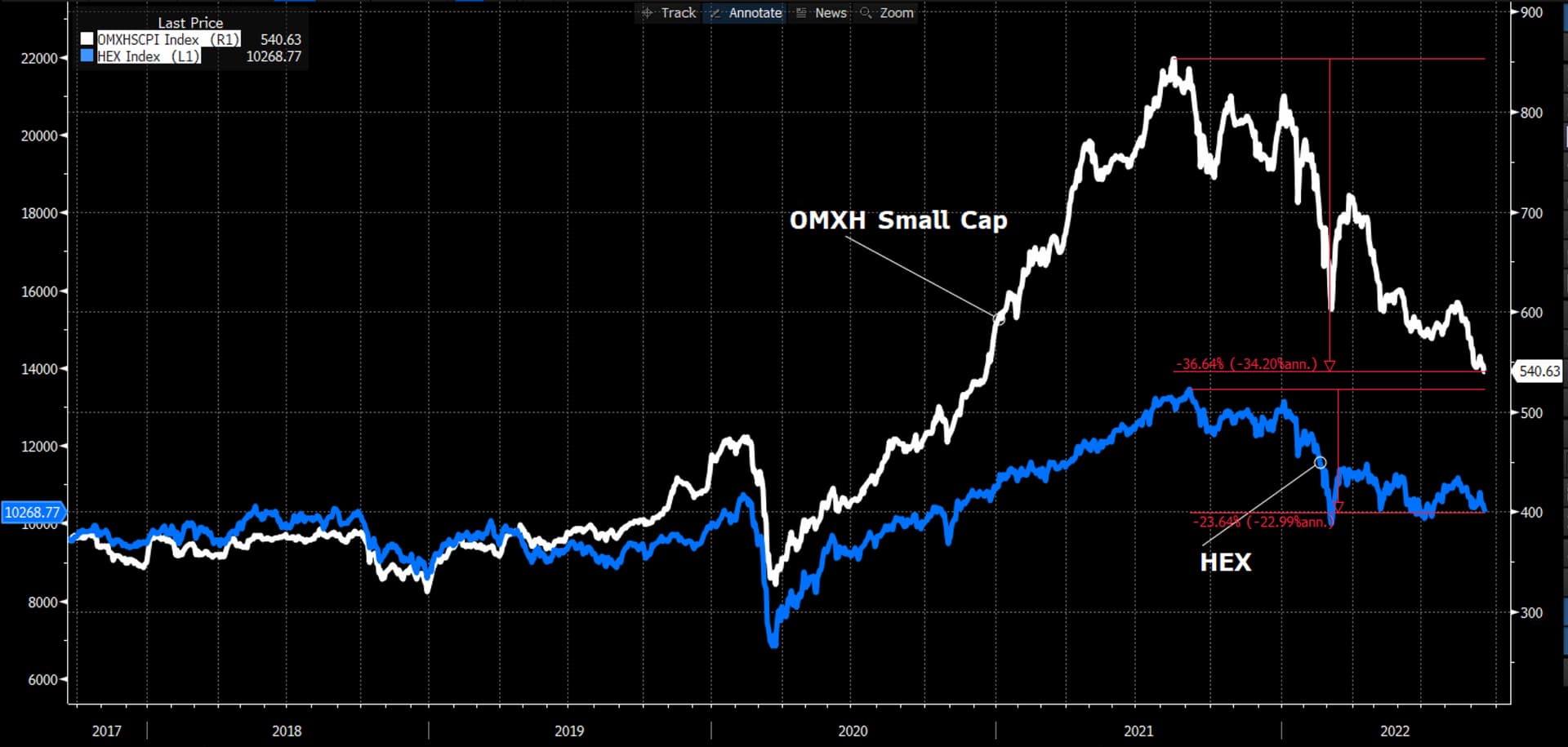
HEX’s small caps have taken a hit of almost 40%, while the general index is down just over 20%. The popularity of investing is starting to show signs of decline. Even if companies’ fundamentals develop positively in a difficult environment, share prices can still fall as money disappears (into electricity bills) from the stock market.
34 Likes