Reading and Literature (excl. Investment Literature)

Minkä nuorena oppii, sen vanhana taitaa

Viisikkoja. Niitä äiti luki meille usein iltasaduksi. Ei kirjojen lukeminen jokailtaista ollut, mutta jo ihan vauvasta alkaen yhteiset iltasadut sävyttivät useimpia lapsuuteni iltoja. Omia kirjojakin oli, mutta usein kirjoja haettiin hiljaisesta paikalliskirjastosta, jossa vietettiin jonkin verran aikaa myös päämäärättömästi hyllyjen välissä haahuillen. Olihan 90-luvulla kaikissa kodeissa myös kirjahyllyt, jotka kaikki notkuivat niitä samoja Valittujen Palojen luonto-, tieto- ja kotilääkäri-kirjoja. Joskus tylsyyspäissäni selasin niitäkin.

Lukeminen ja kirjojen tutkiminen oli minulle jo lapsena tapa tyydyttää loputonta uteliaisuutta. En kouluikäisenä juurikaan lukenut romaaneja, mutta jos halusin oppia jigi-kalastusta, niin pyöräilin oikopäätä kirjastoon hakemaan kaikki aiheeseen liittyvät tietoteokset.

Hieman vanhempana koululaisena illat eivät enää juuri koskaan päättyneet lukemiseen, vaan ennemminkin mopon kaasarin puhdistamiseen, uuden punttisaliohjelman suunniteluun tai keskinkertaisen amerikkalaisen rikossarjan katseluun.

Kirjoittaessani lukiosta meinasi kurssisuoritukset jäädä vajaaksi äidinkielen osalta. Olin kyllä käynyt kurssit, mutta kurssitöinä olisi pitänyt lukea umpitylsää kotimaista kansankirjallisuutta erilaisten kirjoitustöiden pohjaksi. Kaikki jäi rästiin.

Neuvottelin ymmärtäväisen äidinkielen opettajan kanssa diilin, jonka ansiosta sain valita kirjat täysin vapaasti ja kirjoittaa samasta kirjasta useita eri kurssien tekstejä. Luin Tony ”Viikinki” Halmetta ja Juoppohullun päiväkirjoja. Ei niitäkään illalla luettu, vaan lukion oppitunneilla takarivissä hihitellen. Sain kuitenkin tekstit kirjoitettua ja kurssit pakettiin, ja olin taas muutaman luetun kirjan verran ”sivistyneempi”.

Olin teininä ja vielä nuorena aikuisenakin kaikkea muuta kuin lukutoukka.

Lukion jälkeen jatkoin vähäisen lukemisen linjalla. Jossakin Aasian reppureissussa saatoin lukea Jarkko Sipilän rikosdekkarin tai pari, mutta muutoin lukeminen keskittyi ensisijaisesti pääsykokeisiin. Lapsuuden lukuinto palaili hetkittäin pääsykoe-projekteissa ja huomasin toisinaan lukevani vapaaehtoisesti ja täydentävässä mielessä joitakin pääsykoealueen aiheita syvemmin tutkivia kirjoja.

Lopullinen lukuinnon uusi tuleminen löytyi kuitenkin vasta opintojen loppuvaiheessa, jolloin huomasin, että hakeuduin useampana päivänä viikossa eri kirjastoihin lukemaan tenttikirjoja, kirjoittamaan gradua ja hakemaan inspiroivaa työskentely-ympäristöä. Kiertelin opiskelemassa eri kirjastoissa ja etsin niistä aina uusia paikkoja, joihin istahdin tekemään viimeisiä opintojani. Työskentelyn lomassa kiertelin hyllyjen välissä ja lueskelin kymmenien ja taas kymmenien kirjojen takakansia.

Viimeisen vajaan kymmenen vuoden aikana olen lukenut sen verran runsaasti, että lukeminen on varmasti yksi aikaa vievimpiä ja rakkaimpia harrastuksiani. Luen pääasiassa kirjastosta lainattuja printtikirjoja, joskin ulkomaisia kirjoja joudun tilaamaan omaksi. Katsoin, että olen lukenut alkuvuonna 2023 kymmenkunta kirjaa, minulla on tällä hetkellä 25 kirjaa lainassa, 8 varauksessa, 2 varausta odottaa noutoa ja tein tänään kirjastolle myös yhden uuden hankintaehdotuksen.

Taidan olla lukutoukka ja rakastan lukemista. Jos aikaa olisi enemmän, niin lukisin mielelläni useamman tunnin joka päivä, mutta ruuhkavuosi-ihmiselle tuollaiset lukemat ovat usein rauhallisiin viikonloppuihin ajoittuvaa poikkeuksellista herkkua.

https://twitter.com/Salkku_Mauri/status/1612747117461635075

Sinä ja lukeminen?

Luulen, että minun tarinan alku on hyvin tavanomainen ikätovereideni keskuudessa. Perhetaustasta riippumatta useimmille lapsille taidetaan lukea ainakin joskus. Useimmat myös vierailevat kohtalaisen usein kirjastossa. Jos ei oman perheen kanssa, niin sitten päivähoidosta tai koulusta. Ja koulussa voi olla omakin kirjasto.

Luulen, että myös tarinani keskivaihe on hyvin tavanomainen ikätovereideni keskuudessa. Monilla tuntuma lukemiseen katoaa teini-ikäisenä ja nuorena aikuisena. Tilalle tulee kaikkea kiinnostavampaa, vauhdikkaampaa ja jännempää. Lukeminen ei ole muotia, vaan itse asiassa se taitaa olla nuorison keskuudessa kroonisesti jopa aika nolokin harrastus. Ja luulen, että minua nuoremmalla sukupolvella esimerkiksi fyysisten kirjojen lukeminen käy koko ajan entistä vaikeammaksi. Keskittymiskyky rapautuu ja pitkäjänteinen tekeminen käy mahdottomaksi. Ei vaan pysty.

Miten käy lukuharrastuksen, keskittymiskyvyn ja yleissivistyksen?

https://twitter.com/Salkku_Mauri/status/1625111872650215430

Sain ajatuksen tähän ketjuun, kun päätin julkaista kaikki tammi-maaliskuussa 2023 lukemani kirjat Twitterissä. Tuon Twiitti-ketjun tarkoituksena oli ehkä ensisijaisesti piilomarkkinoida lukuharrastusta ja tarjolla olevaa upeaa kirjallisuutta, mutta ehkä myös kirittää itseäni pitämään lukuharrastustani aktiivisena, joskaan ei minulla sen aktiivisuuden kanssa ole viime aikoina mitään ongelmaa edes ollut.

Henkilökohtaisesti olen huolissani ihmisten, ja sori nyt vaan nuoret miehet, erityisesti teidän lukutaidosta, keskittymiskyvystä ja yleissivistyksestä. Olen toki usein huolissani myös omasta lukutaidostani, keskittymiskyvystäni ja yleissivistyksestäni, vaikken ehkä enää nuoresta miehestä menekään. Lukeminen on yksi parhaista tuntemistani lääkkeistä kaikkien edellisten ominaisuuksien alennustilaan.

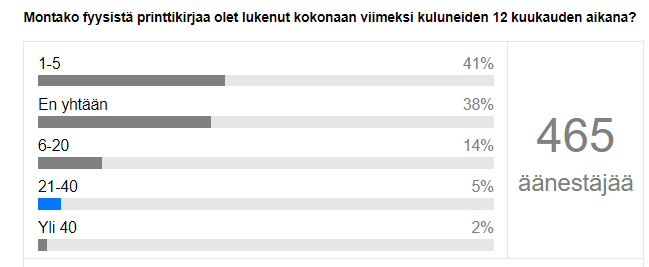
Kirjassa Kadonnut keskittymiskyky (Johann Hari) kuvattiin muistaakseni, että 54 prosenttia Yhdysvaltalaisista miehistä ei ollut lukenut yhden yhtä kirjaa edellisten 12 kuukauden aikana. Mielestäni luku on kauhistuttava.

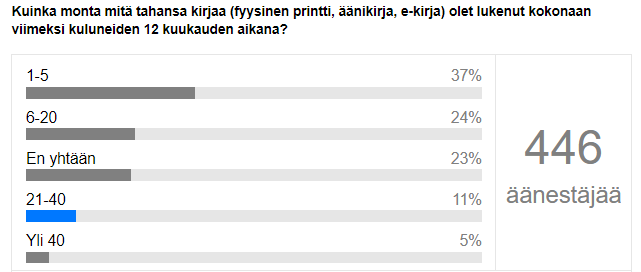
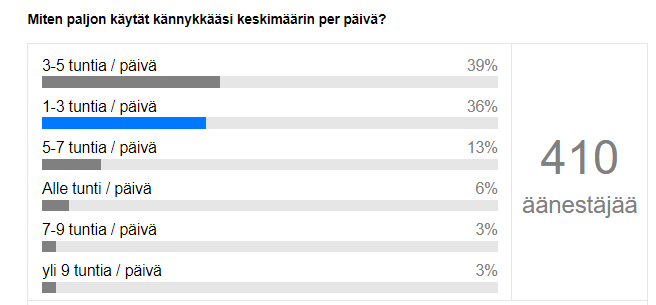
Tästä sain ajatuksen kysyä, että mikä mahtaa olla tilanne Inderesin foorumilla. Ei sekään oikeuta mihinkään henkselien paukuttamiseen, mutta ei tilanne ihan yhtä katastrofaalinen ole kuin rapakon takana:

Mitä on lukeminen?

Olen itse ajautunut jo jonkinlaiseen henkilökohtaiseen kirjallisuuselitismiini ja mielestäni painettu kirja on lukemisen kaunein muoto. Jos olisin rikas, eikä kirjastoja olisi, tekisin itselleni oman kirjaston.

Olen toki antautunut myös muutamille äänikirjoille, eikä minulla sinänsä ole mitään niitä vastaan, mutta muistelisin, että tutkimuskin sanoo painetun kirjan muistijäljen olevan tehokkain ja vaikutuksen keskittymiskykyyn pysyvin. Vähän sama kuin se, että kynällä tehdyistä muistiinpanoista jää pysyvämpi muistijälki ja syvempi ymmärrys, kuin näppäimistön hakkaamisesta.

Äänikirja yhdistettynä yksinkertaiseen fyysiseen toimintaan on varmasti toimiva, mutta luulen, että aika monet kuuntelevat äänikirjaa siksi, että se mahdollistaa niin sulavasti kaikenlaisen yhtäaikaisen multipaskingin. Mielestäni tämä on äänikirjan mahdollisuuksien väärinkäyttöä ja johtanee keskittymiskyvyn kannalta lopulta mieluummin negatiiviin kuin positiivisiin vaikutuksiin. Voin olla jälleen kerran väärässä.

Itse kuuntelen podcastit 1x -nopeudella ja äänikirjoissa saatan kaahailla 1,25 X-vauhdilla, koska ne lukijat on niin uneliaita. Usein tosin lenkkeilen ihan vain lintujen laulua kuunnellen. Tylsyys, hiljaisuus ja oleminen ovat aliarvostettuja asioita.

Jokin aika sitten julkaistiin tehokkuuskirja, jossa kerrottiin äänikirjan kuuntelusta tupla- vai jopa triplanopeudella. Samalla tehtiin askelkyykkyä ja pestiin hampaita. En keksi yhtäkään syytä miksi kukaan tekisi näin. Kuulostaa sekä fyysisen että psyykkisen terveyden pahoinpitelyltä.

Sitä paitsi on tutkittu, että jopa ammattimaiset “pikalukijat” antavat tasoitusta tekstin ymmärtämisessä. Nopea lukeminen, huono luetun ymmärtäminen. Rauhallinen lukeminen, syvä luetun ymmärtäminen. Eikö tämä ole ihan loogista?

Yhtään e-kirjaa en ole koskaan lukenut, koska en halua tuijotella näyttöruutuja yhtään nykyistä enempää. Mutta jos e-kirjat sopii sinulle, niin sehän on ainoastaan hieno asia.

Mitä me luemme?

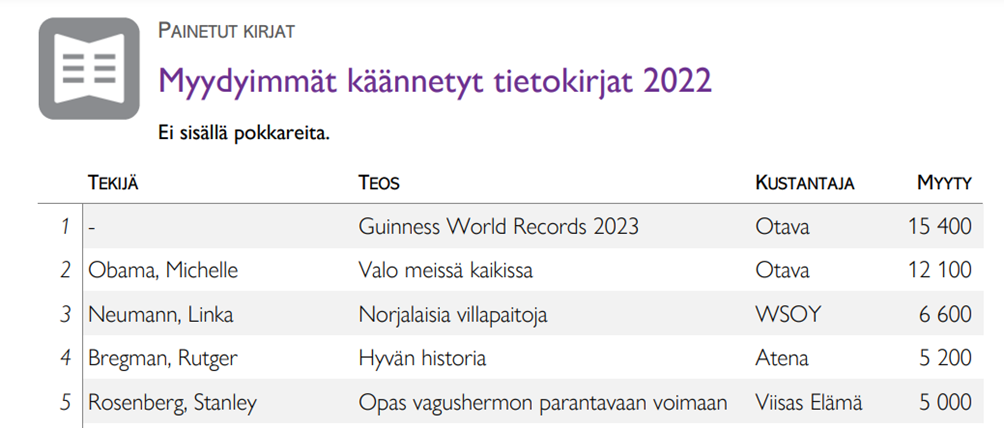
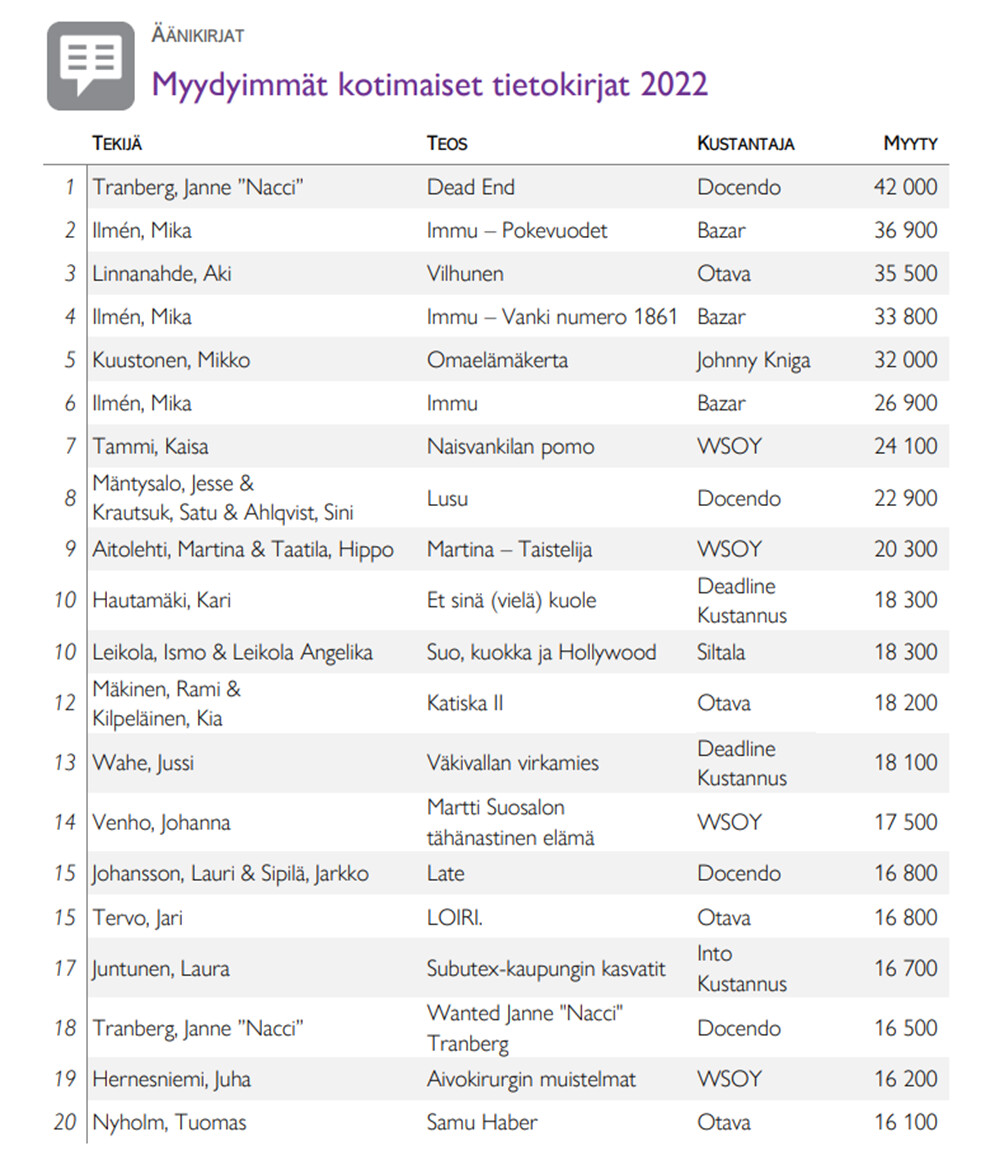
Tein aiemmin talvella mielenkiintoisia havaintoja Suomessa myytävistä printti-, ääni- ja e-kirjoista. Ensinnäkin, printtikirjoja myydään nykyään todella vähän ja trendi on jyrkästi alas. Äänikirjoja tuntuu taas menevän enemmän, mutta kulutettavat sisällöt ovat ”kevyempiä”. Henkilökohtainen johtopäätökseni on, että raskaat kirjat ja itse lukeminen vähenee, mutta viihde ja kuuntelu lisääntyy.

Ihmiset eivät taida kerta kaikkiaan jaksaa lukea, tai vielä pelottavampaa, pysty lukemaan. Mielestäni trendi ei ole kovin hyvä, mutta tästä voi toki olla montaa mieltä.

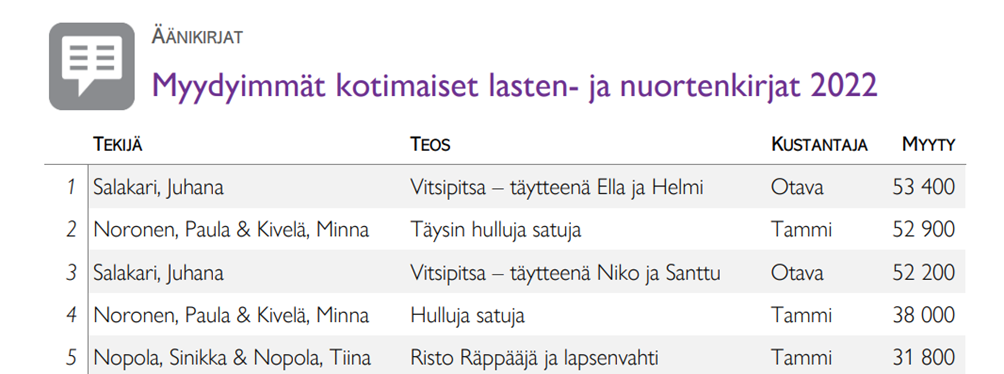
Tässä poimintoja tilastoista:

Vaikka en mikään äänikirjojen suurfani olekaan, niin olen kyllä iloinen, että lapset ja nuoret näyttävä kuuntelevan näin paljon äänikirjoja. En tiedä onko se sitä, että nämä korvaavat printtikirjan, vai kuunnellaanko äänikirjoja printtikirjojen lisäksi. Pelkään pahinta, mutta toivon parasta.

Aikuisten ääniformaatin ”tietokirjat” ovat lähes pelkkää true crime -genreä ja “julkkis-fanitusta”. Tämä ei ollut yllätys, kun on perehtynyt kotimaisten äänikirjojen suppeaan tarjontaan, mutta kyllä se silti vähän laittaa mietityttämään.

Kaikki tilastot:

Lukemisen ja lukutaidon elvytysopas

Ennen kuin tämä menee ihan katkeraksi pessimismiksi, niin otetaan eväät lukuharrastuksen elvyttämiseksi tai vinkkejä lukemisen lisäämiseksi. Lukeminenhan on tapa tai harrastus siinä missä mikä tahansa muukin, ja sekin tottelee harjoittelua.

Saanko muuten antaa tässä välissä kirjavinkin? Tavoista on ihan ensiluokkaisia kirjoja: James Clearin Pura rutiinit atomeiksi ja Charles Duhigin Tapojen voima.

Voin paljastaa salaisuuden. Kurinalaisilta vaikuttavat ihmiset eivät ole oikeasti yhtään kurinalaisempia kuin muutkaan. Heillä vain sattuu olemaan paremmat tavat. Kurinalaisuudella saa liikevoimaa vain hetkeksi, mutta tavanalaisuudella saa muutettua koko elämän. Toisin sanoen, jos et halua syödä joka päivä herkkuja, niin olisiko aika luopua herkkukaapista.

Lukemisessa voisi toimia esim. seuraavat tavat:

1. Lue (pääasiassa) kirjoja, jotka kiinnostavat

Kukaan ei jaksa lukea kirjoja, jotka eivät kiinnosta. Lainaa ainakin aluksi vain ja ainoastaan kirjoja, jotka kiinnostavat ja jotka vetävät sinua puoleensa. Voit myöhemmin ripotella sekaan myös ”hyödyllisiä” kirjoja tai kirjoja, joilla haluat leveillä sosiaalisessa mediassa, mutta sen aika on myöhemmin.

2. Pidä kirjoja aina käden ulottuvilla

Ihminen on laiska ja tekee sitä, mikä on helppoa. Jos kirja on kaupassa tai kirjastossa, ei sitä tule luettua. Jos kirja on kirjahyllyssä tai kaapissa, niin ei sitä tule silloinkaan luettua. Mutta kun yöpöydällä on pari, sohvapöydällä pari ja vaikka tyynyn alla vielä yksi, niin ihan varmasti sitä jossain vaiheessa jo ihan kiusallaankin lukee edes takakannen.

3. Pidä vaihtoehtoiset viihdykkeet käden ulottumattomissa (ts. elä eri huoneessa kuin internet)

Mitä teet, kun sinulla ei ole mitään tekemistä ja koet olosi tylsäksi? Useimmat räplännee puhelinta. Mitä jos opettelisit elämään eri huoneessa kuin puhelimesi. Voisit elää myös eri huoneessa kuin tietokone tai kaukosäädin. Jos asut yksiössä, niin revi johdot seinästä, sammuta puhelin ja laita sim-kortti vessan peilikaappiin. Mene sen jälkeen puistoon lukemaan. Kovat keskittymisvaikeudet, kovat keinot. Alla olevassa kuvakaappauksessa yksi ajansäästökohde.

4. Lue samanaikaisesti useita kirjoja

Mieliala ja fiilis vaihtelee päivän aikana lukemattomia kertoja. Pidä erilaisia kirjoja käden ulottuvilla ja nappaa niistä auki se, joka kulloinkin tuntuu kiinnostavimmalta. Vaikeisiin hetkiin jotain kevyttä ja inspiroivaa, virkeisiin hetkiin jotain vaativaa ja monimutkaista, tylsiin hetkiin jotain virkistävää ja virittävää.

5. Hae inspiraatiota kirjastoista, kirjatilastoista tai kirjaesitteistä

Eikö mikään kiinnosta? Etkö keksi mitään luettavaa? Selaa kustantajien verkkosivuja ja uutuus-katalogeja, vieraile eri kirjastoissa, lue kirjatilastoja ja -esitteitä, hukkaa itsesi kirjaston hakukoneeseen tai selaa läpi Amazon ja divarit.

6. Ensisijaisesti nautinto, toissijaisesti hyöty

Lukemisen on useimmiten tarkoitus olla mukavaa. Voi lukemalla optimoida toki hyötyjäkin, mutta usein optimointi ja hyödyn tavoittelu tappaa kiinnostuksen ihan mistä tahansa tekemisestä. Voi olla, ettei haitarin korjaamisesta lukeminen ole elämässäsi hyödyllistä, mutta jos nautit lukemisesta, niin se on jo enemmän kuin tarpeeksi. Välillä voi toki lukea myös nimenomaan siksi, että haluaa oppia jotain, joka on hyödyllistä, mutta joka ei ehkä niin kamalasti kiinnosta, mutta silloin kannattaa huomioida, että se on ehkä enemmän opiskelua kuin lukemista.

7. Harjoitus tekee mestarin

Ihmisestä tulee hyvä siinä, mitä hän tekee. Oli kyse sitten iltakaljan lipittelystä, sijoitusmeemien tekemisestä, päässälaskusta tai kirjan lukemisesta. Harjoittele niitä asioita, joissa haluat olla hyvä.

Bonusvinkki:

Jos lukeminen ei itseä kiinnosta, niin voit silti kannustaa muita.

Törmäsin jokin aika sitten tutkimukseen, jonka mukaan erityisesti isien lukemisella on merkittävä vaikutus poikien lukutaidon kehittymiseen. Sen lisäksi, että luet lapsille (omille tai muiden), niin teeskentele myös itse lukevasi heidän nähden.

Kyllä, olen tosissani.

Jos et itse jaksa lukea, niin mene ihan pokkana olohuoneen sohvalle lasten eteen makaamaan ja esitä lukevasi. Sellainen 3*60 minuuttia per viikko vaikkapa kahdeksan vuoden ajan, niin kuka tietää, ehkä jälkikasvusi lukuinto ja -taito nousevat aikanaan korkeammalle kuin olisi noussut ilman esimerkkiäsi. Harjoitusta voi tehostaa antamalla kirjoja lahjaksi ja viemällä päiväretkelle kirjastoon.

Jatkan seuraavissa viesteissäni vaikkapa faktasta ja fiktiosta tai mistä tahansa, mutta sitä ennen: puhukaa lukemisesta.

Kaikenlainen keskustelu lukemisesta ja kirjallisuudesta on tervetullutta. Kirjavinkit, keskustelu lukemisesta, kirja-arvostelut, lukutottumukset, suosikkikirjailijat, foorumistien omat kirjoitusharrastukset, tutkimukset lukemisesta ja niin edelleen. Muistakaa kuitenkin, että sijoituskirjoille on olemassa oma ketju.

89 Likes

A very important topic, thank you Mauri for starting this thread!

I hope many forum members will be prompted by this introduction to consider whether they could return to a long-forgotten reading hobby, or if they never had that hobby, perhaps try reading something for the first time?

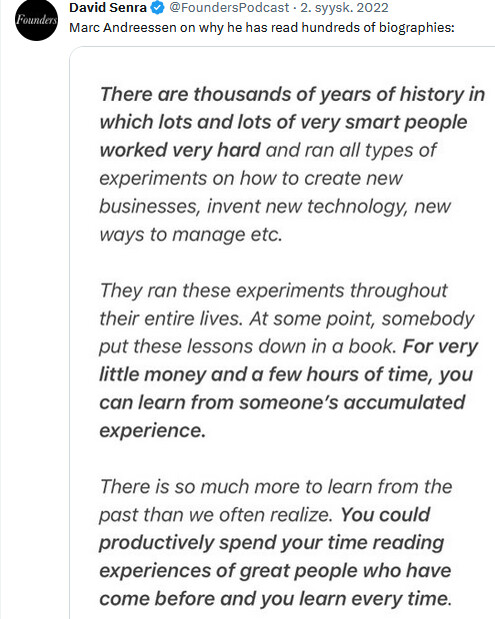
I can’t think of a hobby that offers as many benefits to investing as reading does. Just the fact that if you have the patience and focus to sit through a thick novel, it helps when wading through annual reports and interim reports. I must say that, in my opinion, investing is such a multidisciplinary field that almost any kind of literature can provide food for thought for that hobby as well. Non-fiction above all, with biographies worth mentioning as a subcategory. This was so well said that I had to take a screenshot when I came across it:

I’m in the fortunate position that I’ve been reading practically my whole life. I have the examples set in my childhood home to thank for that. Read books to your children, give books as gifts to the children of people you know!

Second-hand bookstores, flea markets, and recycling centers are great places to make affordable book finds. Personally, I rarely buy fiction new, but luckily we have libraries! However, I have bought plenty of books on investing or related topics for my shelf over the past few years, and I can warmly recommend this. It’s so convenient to pick up a book and browse through it, review the main points, find that note made in the margin, that great underlined passage, etc. You can’t do that with library books. Good books can be great investments; even those on a budget can’t afford to miss out. :slight_smile:

13 Likes

Thank you for the great thread opening. I thought I’d address the themes you raised from my perspective in return. Perhaps a slightly different angle on these fine reflections.

Me and reading
In the end, everyone seems to have a slightly different path to reading. I grew up in a family where people read a lot, and I have always enjoyed wandering through quiet libraries. But for some reason, after I learned to read myself, I didn’t really get excited about books. So for me, as a youth, reading was limited almost exclusively to comics. I did read quite a lot of them, but it also involved reading the same Lucky Lukes, Tintins, Donald Ducks (Aku Ankka), etc., over and over again. So the development of the joy of discovering new things to read remained, shall we say, a bit incomplete.
Alongside high school, however, I started reading books on physical phenomena related to my hobbies out of my own interest, and I also read some more philosophical books. Around that time, I also read some biographies related to the economy and the financial world. I still consumed comics then, although there was some kind of “growing up” on that front too (Sokal, Pratt, Manara, etc.). This roughly same line continued alongside my DI (Master of Science in Technology) studies, and of course, I read a fair amount of professional literature (articles and some books). I also started consuming crime novels and other lighter literature (the Juoppohullu books have been read). So, for me, reading increased at the point where for many it decreased!
I only came to actual literary classics clearly as an adult, although Pirsig’s Zen and the Art of Motorcycle Maintenance (definitely a work worth reading for those interested in philosophy) might have been read during my studies - though that was probably my own self-directed introduction to philosophy. So at that point, reading was pretty much non-fiction, crime novels, or comics.
Actual classic fiction only started finding its way to me as I approached forty. From individual works, I’d highlight Orhan Pamuk’s The Museum of Innocence as the one that kicked off a real bookworm phase. Only after this have I read Waltari and other true classics.
Nowadays, I read and look for reading ideas on a very broad scale, but especially in recent years, I’ve waded through investment literature quite a lot.

Reading, concentration, and general education
I share this concern completely and notice that web browsing has affected my ability to concentrate. At times, I’ve consumed YouTube videos way too much, especially when it was essentially just passing time. But there are indeed many good articles online, and you can find a lot of help for self-development and education there. But, yeah, it has its own challenges for concentration.

Reading and digital aids
I haven’t used audiobooks since childhood (back then there were a few radio plays on LP records, so the format isn’t entirely alien). I have to mention as a side note that many books can be quite excellent as radio plays; from the ancient 80s, Yle’s Radioteatteri production of The Hitchhiker’s Guide to the Galaxy comes to mind (I only read the book decades later). I don’t really fully understand the current audiobook craze, although I can imagine it being a functional format in some situations (car, airplane, etc.).
I’ve read e-books to some extent, and with a good e-reader, it’s quite a decent format. Especially on longer trips, taking a sufficient book collection along can be a challenge due to weight.
Admittedly, combining an audiobook with other activities is risky in many ways.

Thoughts on developing reading
There isn’t much to add to those tips listed by @Mauri. Perhaps the only thing I’d add is to find a way to read that suits you. I have some traits of a tunnel-visioned engineer, and one is perhaps that once a book is opened, it is generally read to the end whether I like it or not (that might be a slightly exaggerated description). And usually, I only have one book in progress at a time (though sometimes it is indeed good to read something else). So find your own style.

To return to the actual topic of this forum, i.e., investing, and perhaps as a small incentive to read something other than investment literature, here are a few thoughts. In my opinion, economics and investing in general are about understanding human needs, and this can be developed by reading non-fiction broadly and also by reading fiction. In his work Capital, Thomas Piketty refers a lot to the works of both Honoré de Balzac and Jane Austen when explaining the economic development of the 19th century and why it matters today. Another thought relates to understanding one’s own actions and developing one’s own investment psychology; by reading books, one can learn to understand their own behavior better and thus develop into a better investor. Hah, @Crazy_Train had already brought up this same aspect in a great way. I fully agree with that; the only thing that bothers me is that it still took far too many years to realize many things.

Thank you once again for this thread already at this stage! I look forward to new discoveries in literature through this thread.

14 Likes

Personally, I read about 20+ physical books and probably listen to 50+ books a year. Most of the books are related to investing in some way, or other topics that interest me like human history and physiology. I read very little fiction; I’ve read Harry Potter, but otherwise, I haven’t read much.

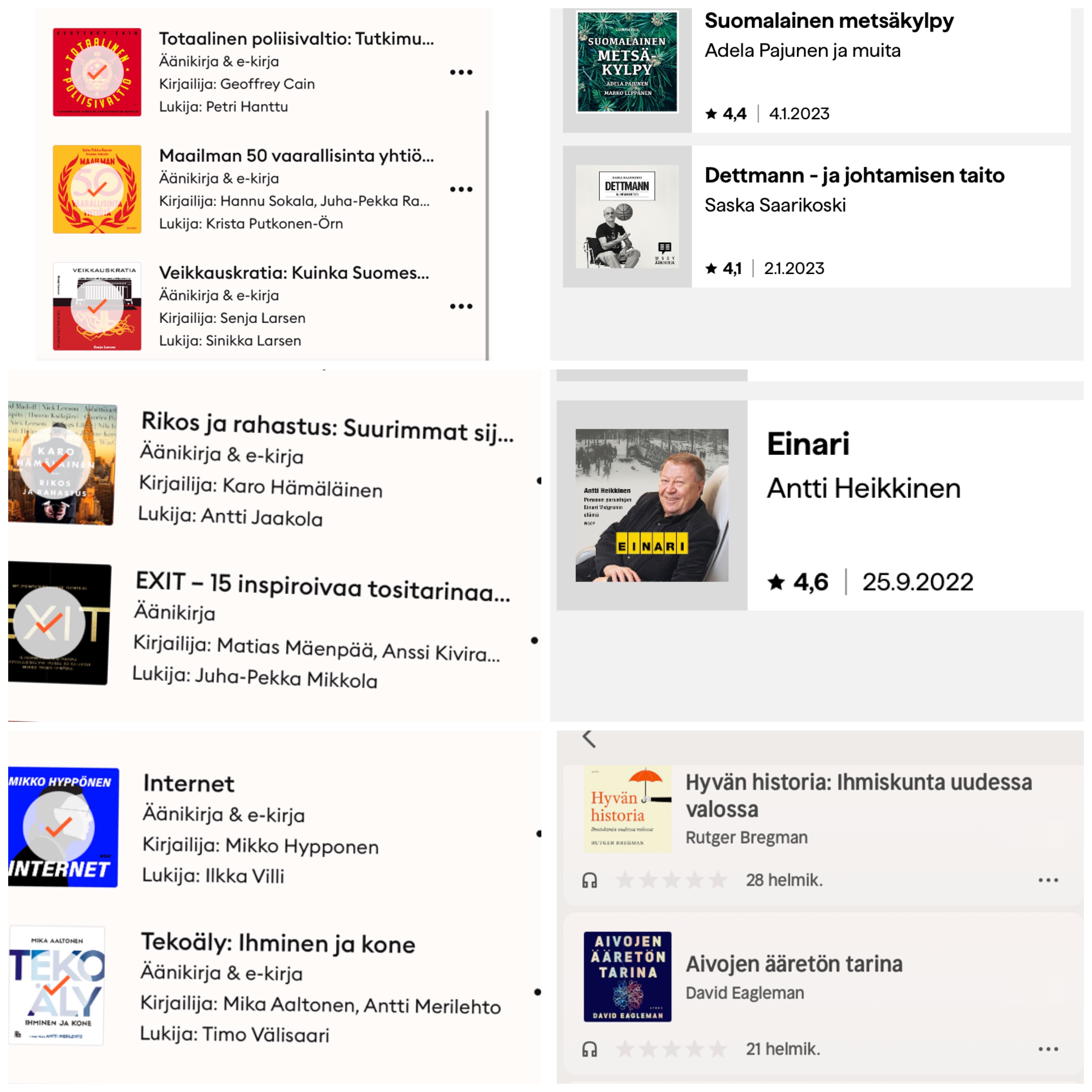
The image shows some of the books I’ve listened to, and I’ve picked out some meaningful ones that I can warmly recommend. Especially the following books were great to listen to.

Humankind: A Hopeful History. In the midst of crises and scammy markets, it was nice to listen to a positive perspective on how humans are fundamentally good.

Finnish Forest Bathing. It talks about the health benefits of the forest. Spend a lot of time in the forest, especially if you have small children.

The Silk Roads: A New History of the World (not in the picture). Quite long but very interesting. How trade has been conducted and who has been in power from the year 0 to the present day.

Edit: And if children’s books are included, then thousands of books get read during the year :sweat_smile:

10 Likes

So many good books mentioned! I’m quite a slow reader and time is limited, so I try to choose the books I read carefully. This isn’t exactly easy. I read books in Finnish. When I was younger, I waded through classics of fiction. Nowadays, I try to read based on awards—e.g., the Finlandia and Tieto-Finlandia, Travel Book of the Year, and the Nobel Prize. Newer finance books too.

Of course, everyone should read what interests them and in their own way. I think it’s fun to look for books on various lists, for example:
The 100 best books of all time – Wikipedia

8 Likes

Reading books is definitely one of the best things I can imagine. We have a toddler under a year old, which is why I’ve been reading less lately, but I still manage to read one book every week. I read considerably more fiction than anything else, for whatever reason. Audiobooks occasionally, mainly when there are offers like a month of listening for one euro or similar deals. The following books have resonated with me the most over the past year.

Ben Macintyre, The Spy and the Traitor.

An incredible true story of the life of the Russian Oleg Gordievsky. Gordievsky was a KGB agent who betrayed his country and passed information to the West for decades. I recommend listening to it as an audiobook. Jukka Pitkänen is the narrator, and his voice is perfect for the story. You can’t stop halfway. I listened to it twice until I read the physical book, and I still enjoyed every moment.

Antti Heikkinen, Einari.

A biography of the founder of Ponsse. Entertaining and immersive. An experience as an audiobook. Heikkinen himself is the narrator and speaks the Savonian dialect (savvoo) beautifully.

Markku Henriksson, Tähtilipun maa (The Land of the Star-Spangled Banner).

Henriksson has studied the United States his entire life and has condensed the history of the States from its beginning to the present day into one book. Nearly 900 pages, but such an engaging tome that there is no fear of getting bored.

John Simon, Koneen ruhtinas (The Prince of Kone) - The Life of Pekka Herlin.

A biography of the mythical and legendary Pekka Herlin. A book about an era that will never return, for better or worse. In its time, the book caused a stir with its revelations, and Niklas Herlin, in particular, gave a full broadside regarding his father.

14 Likes

Itsellä on hyvin perisuomalainen tarina lukemisesta. Opin lukemaan Aku Ankan avulla. Koulupäivän jälkeen kokoonnuimme vanhempien makkariin ja äiti luki meillä sinä päivänä postilaatikkoon kolahtanutta Akkaria. Siihen aikaan oli harvinaista, että opittiin lukemaan ennen kouluun menoa. Siksi olin salaa kateellinen pikkusiskolleni, joka oppi ennen kouluun menoa lukemaan. Häntä pidettiin nerona.

Se on jännä, miten moni nykyään oppii lukemaan ennen kouluun menoa, mutta ei välttämättä silti innostu lukemisesta.

Olin ja olen vieläkin hidas lukija. Muistan, kuinka vaivalloista oli saattaa ensimmäiset Salaisuus-kirjat loppuun. Tykkäsin silloin jo kuitenkin arvoituksista ja neuvokkaista eläinhahmoista, joten pitihän ne kirjat saada luettua loppuun. Toisella luokalla tyttöjen keskuudessa yleistä oli kirjekavereiden hommaaminen jostain nuorten lehdestä tai tekstitv-kanavilta. Niitä minulla olikin paljon. Lisäksi kirjoitin päiväkirjaa koko lapsuuteni. Niitä juttuja on ollut hauska lukea jälkikäteen.

Kolmannelle luokalle siirtyessä jäi pieni viipalekoulu taakse ja isossa ala-asteessa oli kirjasto. Koulumatka oli yli 2km ja varsinkin kylminä päivinä jäimme kavereiden kanssa kirjastoon pelaamaan lautapelejä ennen kuin lähdimme kävelemään kotia kohti. Kirjastoon tuli myös tietokone ja koska internetin käyttäminen kotona oli aika tyyristä, varasimme usein kavereiden kanssa tunnin ja kikattelimme ihmisille Kissin chatissa.

Kirjastosta tarttui mukaan usein joku dekkarikirja. Noidan käsikirja, Bertin päiväkirjat tai Hullu Luokka-kirjat tuli luettua kaikki. Yläasteella oli hieman muotiakin lukea pitkiä fantasiasarjoja. Ainakin meidän nörttiluokalla. Iso merkitys oli myös sillä, että vanhempani lainasivat kotiin paljon sarjakuvia ja meille kirjoja. Niitä oli yksinkertaisesti tyrkyllä koko ajan. Luettiin myös lehtiä ja halusin oppia olemaan yhtä taitava ristikoissa kuin isäni. Itselle kirjoittaminen onkin mitä luonnollisin ja turvallisin tapa ilmaista itseäni.

Itsellä ei ainakaan ole kotona enää samanlaisia kirjavuoria kuin mitä meillä oli lapsena. Meillä on paljon kyllä kirjoja, mutta ei ole mitään sotkuista kirjahyllyä olkkarissa vaan siististi arkistointikaapissa ovien takana piilossa työpisteelläni. :sweat_smile:

Se, mikä ehdottomasti on lapsuudestani ja vanhempieni lapsuudesta muuttunut, ettei lapsilla ole samalla tavalla kirjoittamiseen ja lukemiseen perustuvia harrastuksia. Graafisen paperin vähentymisellä on pakostikin seurauksensa.

Itsellä lukeminen on mennyt aina aalloittain.

Lukeminen on täysin erilainen kokemus kuin äänikirjat. En itse ajattele, että kirjat ja äänikirjat sulkevat toisiaan pois. Kirjat ovat aina tarkemmin mietittyjä kokonaisuuksia kuin esimerkiksi podcastit. Toiset kirjat on paljon mukavampi kuunnella äänikirjana, toiset pitää lukea. Juttelin kerran erään kirjailijan kanssa ja hän sanoi, että jos tähtäimessä on kirjoittaa äänikirja, kirjoitustapa on erilainen. Äänikirjaksi tähdätyn tietokirjan kirjoitustavasta halutaan kerronnallisempaa.

Äänikirjoissa joku lukee sinulle, mutta lukiessasi kuuntelet itseäsi. Itseni on äänikirjat vieneet mennessään, mutta kaunokirjallisuuden tulen aina lukemaan perinteisesti. Lukeminen vaatii vain itseltä sen, että kaikki nukkuu ja on todella hiljaista. Kaunokirjallisuudesta on ollut pidempi tauko nyt. Se näkyy heti siinä, miten kirjoittaa. Pilkut ja pisteet sekä ymmärrettävät lauseeakenteet eivät harjaannu kuuntelemalla tai somea lukemalla. Mutta tuli sitä viime syksynä Häräntappoase ja Orjattaresi luettua e-kirjana. :sweat_smile:

Kaikki askeleet on eteenpäin.

Kirjoissa sellainen jännä piirre, että lukukokemus riippuu myös paljolti siitä, miten hyvin kirja sopii luettavaksi elämän- tai mielentilaasi.

Joskus parikymppisenä tuli vastaan tällaisia listoja, joita luen aina välillä eteenpäin. Sieltä saa hyviä lukuideoita, mutta toisaalta antaa hieman osviittaa, millaisia teoksia yleissivistyksestä vielä puuttuu. BBC:n listan joitain kirjoja on oikeastaan aika hankala välillä löytää.

Pitäisi oikeasti kirjoittaa itselle se Bucket-lista ylös, mutta jos kirjoittaisin sen, yhtenä kohtana olisi LUKEA kaikki nämä kirjat. Äänikirjoina ja leffoina ei lasketa. E-kirjana on samanarvoisia.

Lihavoidut on tullut luettua ja kursivoidut on aloitettu, mutta jostain syystä jäänyt kesken. Joistain olen lukenut katkelmia.

Keskisuomalaisen 100 kirjaa, jotka tulee lukea ennen kuolemaa:

1. Mika Waltari - Sinuhe Egyptiläinen

2. J.R.R. Tolkien - Taru sormusten herrasta

3. Väinö Linna - Tuntematon sotilas

4. Aleksis Kivi - Seitsemän veljestä

5. Väinö Linna - Täällä Pohjantähden alla 1-3

6. Agatha Christie - 10 pientä neekeripoikaa

7. Fjodor Dostojevski - Rikos ja rangaistus

8. Anne Frank - Nuoren tytön päiväkirja

  1. Douglas Adams - Linnunradan käsikirja liftareille

10. Astrid Lindgren - Veljeni Leijonamieli

11. Antoine de Saint-Exupéry - Pikku Prinssi

12. J.K. Rowling - Harry Potter -sarja

13. Gabriel García Márquez - Sadan vuoden yksinäisyys

  1. George Orwell - Vuonna 1984

  2. Veikko Huovinen - Havukka-ahon ajattelija

16. Elias Lönnrot - Kalevala

17. Jane Austen - Ylpeys ja ennakkoluulo

18. Sofi Oksanen - Puhdistus

19. Astrid Lindgren - Peppi Pitkätossu

  1. Mihail Bulgakov - Saatana saapuu Moskovaan

21. Richard Bach - Lokki Joonatan

  1. Umberto Eco - Ruusun nimi

23. Tove Jansson - Muumipeikko ja pyrstötähti

24. J. & W. Grimm - Grimmin sadut I-III

25. Dan Brown - Da Vinci -koodi

26. Enid Blyton - Viisikko-sarja

27. Anna-Leena Härkönen - Häräntappoase

  1. Ernest Hemingway - Vanhus ja meri

29. Goscinny - Uderzo - Asterix-sarja

  1. John Irving - Garpin maailma

31. Louisa May Alcott - Pikku naisia

  1. Victor Hugo - Kurjat

  2. C.S. Lewis - Narnian tarinat

34. A.A. Milne - Nalle Puh

  1. Henri Charriete - Vanki nimeltä Papillon

36. Alexandre Dumas - Kolme muskettisoturia

37. Emily Bronte - Humiseva harju

38. William Golding - Kärpästen herra

39. Juhani Aho - Rautatie

  1. Leo Tolstoi - Anna Karenina

  2. Frank McCourt - Seitsemännen portaan enkeli

  3. Arthur C. Clarke - Avaruusseikkailu 2001

43. J.D. Salinger - Sieppari ruispellossa

44. Charlotte Brontë - Kotiopettajattaren romaani

  1. Kurt Vonnegut - Teurastamo 5

  2. Isaac Asimov - Säätiö

  3. Aapeli - Pikku Pietarin piha

  4. Leo Tolstoi - Sota ja rauha

49. Mauri Kunnas - Koiramäen talossa

50. Margaret Mitchell - Tuulen viemää

  1. Nikolai Gogol - Kuolleet sielut

  2. Albert Camus - Sivullinen

53. Kirsi Kunnas - Tiitiäisen satupuu

54. Hergé - Tintti-sarja

  1. Miquel Cervantes - Don Quijote

56. Eduard Uspenski - Fedja-setä, kissa ja koira

  1. Mark Twain - Huckleberry Finnin seikkailut

  2. Johanna Sinisalo - Ennen päivänlaskua ei voi

  3. Herman Hesse - Lasihelmipeli

  4. Günther Grass - Peltirumpu

  5. Jostein Gaarder - Sofian maailma

  6. Leon Uris - Exodus

  7. Lucy M. Montgomery - Pieni runotyttö

  8. Ilmari Kianto - Punainen viiva

65. Franz Kafka - Oikeusjuttu

  1. Guareschi Giovanni - Isä Camillon kylä

67. Lewis Caroll - Liisan seikkailut ihmemaassa

  1. John Steinbeck - Eedenistä itään

  2. Kari Hotakainen - Juoksuhaudantie

  3. Paulo Coelho - Istuin Piedrajoen rannalla ja itkin

71. Jules Verne - Maailman ympäri 80 päivässä

  1. Risto Isomäki - Sarasvatin hiekkaa

  2. Jaroslav Hasek - Kunnon sotamies Svejk maailmansodassa

74. Giovanni Boccaccio - Decamerone

  1. Oscar Wilde - Dorian Grayn muotokuva

  2. Milan Kundera - Olemisen sietämätön keveys

77. Homeros - Odysseia

  1. Peter Hoeg - Lumen taju

  2. Arthur Conan Doyle - Baskervillen koira

80. William Shakespeare - Hamlet

  1. Eino Leino - Helkavirsiä-sarja

82. Stieg Larsson - Miehet, jotka vihaavat naisia

83. Yrjö Kokko - Pessi ja Illusia

84. Thomas Harris - Uhrilampaat

  1. Raymond Chandler - Syvä uni

  2. Jean M. Untinen-Auel - Luolakarhun klaani

87. Deborah Spungen - Nancy

  1. Stephen King - Hohto

  2. Laura Ingalls Wilder - Pieni talo preerialla

  3. Laila Hietamies - Hylätyt talot, autiot pihat

  4. Aino Suhola - Rakasta minut vahvaksi

  5. Aleksandr Solzhenitsyn - Vankileirien saaristo

93. Mikael Niemi - Populäärimusiikkia Vittulajänkältä

  1. Timo K. Mukka - Maa on syntinen laulu

95. Juha Vuorinen - Juoppohullun päiväkirja

96. Kjell Westö - Missä kuljimme kerran

  1. Veijo Meri - Manillaköysi

  2. Maria Jotuni - Huojuva talo

  3. Juha Itkonen - Anna minun rakastaa enemmän

  4. Jan Guillou - Pahuus

BBC reckons most people have only read 6 of the following 100 books.

Put an X after the books you have read.

1 Pride and Prejudice - Jane Austen

2 The Lord of the Rings - JRR Tolkien

3 Jane Eyre - Charlotte Bronte

4 Harry Potter series - JK Rowling

5 To Kill a Mockingbird - Harper Lee

6 The Bible

7 Wuthering Heights - Emily Bronte

  1. Nineteen Eighty Four - George Orwell

  2. His Dark Materials - Philip Pullman (Universumin tomu, Golden Compass)

10 Great Expectations - Charles Dickens (Loistava tulevaisuus)

11 Little Women - Louisa M Alcott

12 Tess of the D’Urbervilles - Thomas Hardy (Tessin tarina)

  1. Catch 22 - Joseph Heller (Me sotasankarit s.543)

  2. Complete Works of Shakespeare

  3. Rebecca - Daphne Du Maurier

  4. The Hobbit - JRR Tolkien

  5. Birdsong - Sebastian Faulkn (Mustarastas laulaa)

18 Catcher in the Rye - JD Salinger

19 The Time Traveller’s Wife - Audrey Niffenegger (Aikamatkustajan vaimo)

  1. Middlemarch - George Eliot (Saman niminen)

21 Gone With The Wind - Margaret Mitchell

22 The Great Gatsby - F Scott Fitzgerald

  1. Bleak House - Charles Dickens (Kolea talo)

  2. War and Peace - Leo Tolstoy

  3. The Hitch Hiker’s Guide to the Galaxy - Douglas Adams

  4. Brideshead Revisited - Evelyn Waugh (Mennyt maailma: kapteeni Charles Ryderin hengelliset ja maalliset muistelmat)

27 Crime and Punishment - Fyodor Dostoyevsky

  1. Grapes of Wrath - John Steinbeck (Vihan hedelmät)

29 Alice in Wonderland - Lewis Carroll

  1. The Wind in the Willows - Kenneth Grahame (Kaislikossa suhisee)

  2. Anna Karenina - Leo Tolstoy

32 David Copperfield - Charles Dickens

33 Chronicles of Narnia - CS Lewis

34 Emma - Jane Austen

35 Persuasion - Jane Austen

36 The Lion, The Witch and The Wardrobe - CS Lewis

37 The Kite Runner - Khaled Hosseini (Leijapoika)

  1. Captain Corelli’s Mandolin - Louis De Bernieres

  2. Memoirs of a Geisha - Arthur Golden

40 Winnie the Pooh - AA Milne

41 Animal Farm - George Orwell

42 The Da Vinci Code - Dan Brown

  1. One Hundred Years of Solitude - Gabriel Garcia Marquez (Sadan vuoden yksinäisyys)

  2. A Prayer for Owen Meaney - John Irving (Ystäväni Owen Meany)

  3. The Woman in White - Wilkie Collins (Valkopukuinen nainen)

46 Anne of Green Gables - LM Montgomery

  1. Far From The Madding Crowd - Thomas Hardy (Ei suomennettu)

48 The Handmaid’s Tale - Margaret Atwood (Orjattaresi)

49 Lord of the Flies - William Golding

  1. Atonement - Ian McEwan (Sovitus)

  2. Life of Pi - Yann Martel (Piin elämä)

  3. Dune - Frank Herbert (Dyyni, Scifi)

  4. Cold Comfort Farm - Stella Gibbons

54 Sense and Sensibility - Jane Austen

  1. A Suitable Boy - Vikram Seth (Sopiva nuori mies)

  2. The Shadow of the Wind - Carlos Ruiz Zafon (Tuulen varjo)

  3. A Tale Of Two Cities - Charles Dickens (Kaksi kaupunkia)

  4. Brave New World - Aldous Huxley (Uljas uusi maailma)

  5. The Curious Incident of the Dog in the Night-time - Mark Haddon (Yöllisen koiran merkillinen tapaus)

60 Love In The Time Of Cholera - Gabriel Garcia Marquez (Rakkautta koleran aikaan)

  1. Of Mice and Men - John Steinbeck (Hiiriä ja miehiä

62 Lolita - Vladimir Nabokov

63 The Secret History - Donna Tartt

  1. The Lovely Bones - Alice Sebold (Oma taivas)

65 Count of Monte Cristo - Alexandre Dumas

  1. On The Road - Jack Kerouac (Matkalla)

  2. Jude the Obscure - Thomas Hardy (ei suomennettu)

  3. Bridget Jones’s Diary - Helen Fielding

  4. Midnight’s Children - Salman Rushdie (Keskiyön lapset)

  5. Moby Dick - Herman Melville

71 Oliver Twist - Charles Dickens

72 Dracula - Bram Stoker

73 The Secret Garden - Frances Hodgson Burnett

  1. Notes From A Small Island - Bill Bryson (Muistiinmerkintöjä pieneltä saarelta)

  2. Ulysses - James Joyce (Odusseus)

  3. The Bell Jar - Sylvia Plath (Lasikellon alla)

  4. Swallows and Amazons - Arthur Ransome (Pääskyt ja amatsonit)

  5. Germinal - Emile Zola (Kivihiilen kaivajat)

  6. Vanity Fair - William Makepeace Thackeray (Turhuuden turuilla)

  7. Possession - AS Byatt (Riivaus: Romanttinen kertomus)

81. A Christmas Carol - Charles Dickens

  1. Cloud Atlas - David Mitchell (Pilvikartasto)

  2. The Color Purple - Alice Walker (Häivähdys purppuraa)

  3. The Remains of the Day - Kazuo Ishiguro (Pitkän päivän ilta)

85 Madame Bovary - Gustave Flaubert

  1. A Fine Balance - Rohinton Mistry

  2. Charlotte’s Web - EB White (Lotta ystäväni)

  3. The Five People You Meet In Heaven - Mitch Alborn

89 Adventures of Sherlock Holmes

  1. The Faraway Tree Collection - Enid Blyton

91 Heart of Darkness - Joseph Conrad

92 The Little Prince - Antoine De Saint-Exupery

  1. The Wasp Factory - Iain Banks (Ampiaistehdas)

  2. Watership Down - Richard Adams (Ruohometsän kansa)

  3. A Confederacy of Dunces - John Kennedy Toole (Typerysten salaliitto)

  4. A Town Like Alice - Nevil Shute (Viisi mustaa kanaa)

97 The Three Musketeers - Alexandre Dumas

98 Hamlet - William Shakespeare

99 Charlie and the Chocolate Factory - Roald Dahl

  1. Les Miserables - Victor Hugo (Kurjat)
20 Likes

I’ve been thinking more about these new ways of consuming literature. And the points raised by @Aili about the different experiences and the suitability of different book styles for audiobooks are actually very much in line with what I was pondering.

While thinking about these, I remembered that this faster consumption of books achieved through technology might not be a new phenomenon? Back in comprehensive school, we were assigned to read The Unknown Soldier (Tuntematon sotilas), and many friends decided to solve the problem by watching both then-existing film versions. In movies based on books, however, the loyalty to the original work varies quite a bit.

I also started to think that Reader’s Digest (Valitut Palat) has had condensed novels from the very beginning, which likely made ‘real’ literature lovers scoff. There have surely been other ways of addressing this same problem over the years (not enough time). Probably throughout history, there have been different ways to engage with books, and surely someone scoffed when book printing started because books were no longer handwritten and decorated.

One issue that has emerged, which audiobooks address, is the lack of time and/or a suitable opportunity. But I also recalled a conversation with a friend about why he chooses a movie over a book (in cases where both are available). My friend mentioned that when reading a book, he cannot immerse himself enough to visualize the events, whereas when watching movies, things are presented in a finished form. One could think of it as a lack of imagination? Perhaps a more constructive way is to think that some of us have a significantly more audio-visual way of perceiving things and phenomena? Perhaps in that case, audiobooks could be helpful?

So maybe in the end, I would distinguish between how books are consumed (print, e-, or audio) and, on the other hand, this excessive urge to multitask. And I completely agree with @Mauri that calm reading enables thinking and thus better internalization of the content. It seems to be a very multifaceted issue.

6 Likes

That “100 books you must read before you die” list is actually quite interesting. I’m 25 and I’ve read, listened to, or been read maybe 50–60 of those books. I would say that quite a few books are missing from that list.

6 Likes

I have started to worry about the “level” of the literature I read and how little I read. Over the last couple of years, I have mainly read King and other horror authors along with various adventurous crime novels. I have started perhaps thirty books, all of which I have left unfinished. Previously, I used to read about 40–50 books a year. Now, over the last couple of years, I have managed to finish maybe twenty, if even that, and I remember almost nothing from most of them. It feels like I only manage to finish those horror books and crime pulp.

This worries me. There haven’t really been any changes in my life situation. It is as if I just can’t find anything interesting new to read. As if Finnish literature in particular is stuck in a rut, being a flat, monotonous depiction of boring middle-class life, everyday crises, and relationship problems (even though it surely isn’t, I just think that way). I think Miki Liukkonen tried to start something new in Finnish literature, but unfortunately, I left his last book, Elämä: esipuhe (Life: A Preface), unfinished. To me, it was just words in a row that I didn’t understand. Liukkonen’s O was fascinating, but I wonder how it would go if I read it today. I have also left unfinished a couple of Harry Salmenniemi’s latest short story collections, even though I am 100% sure that I actually like them. Worrying. Although, in my own opinion, I have regressed in general, even though I’m not even 40 yet. Somehow this reading problem is probably related to the brain or brain chemistry.

But at least a few works have left a mark recently, which I can warmly recommend to others as well. If for no other reason, then for the sake of general education and general understanding.

  • Colson Whitehead, The Nickel Boys. A chilling work. Perhaps the most harrowing thing I’ve read in a while.
  • Maja Lunde, the climate trilogy: The History of Bees, Blue, and The Last. Great themes; it will likely make even the most hardened human being think about the future and what kind of world our children and grandchildren might have if something isn’t done.
  • The Life and Death of George Floyd. In the “everyone should read this” category. Especially certain types of people. Goes well together with The Nickel Boys.
  • David Foster Wallace, Infinite Jest. This book highlights the possibilities of literature. It also serves as a good means to overcome substance abuse problems and/or addictions. I am not a person who laughs easily, but oh boy, how I laughed while reading this. The book also contains what is probably the most distressing way to die imaginable. Despite its reputation, it is easy to read, if you don’t count its massive physical size.
  • Pirita Näkkäläjärvi, Vastatuuleen (Against the Wind). I read somewhere that this is good first aid for the majority population’s knowledge deficit.
15 Likes

I think different ways of consuming literature are suited for different situations. I listen to a lot of books myself; based on my BookBeat history, I’ve listened to a little over 500 books covering a wide range. However, I also like to read things other than interim reports. :sweat_smile: The only thing I haven’t really warmed up to is fiction as an e-book. Fiction should be either an audiobook or a physical book.

7 Likes

Great thread! I almost feel obligated to comment here for professional reasons (as a primary school teacher), so here goes. I’ll try to keep it within some limits, even though the subject interests me immensely and I absolutely love reading and books, which is why I could write about the topic from almost any angle. I also always like to emphasize how much one can benefit from reading just about anything, even if you don’t learn actual “facts” from everything. This perspective is also reflected in my story. But to the point:

Me and reading
My own story didn’t start with me learning to read before school, but I still have a very strong sense of “enlightenment” associated with learning to read. I still remember how I learned to read after the autumn break in first grade, during a single lesson. I haven’t experienced a similar epiphany in anything else since. The story goes very briefly like this: until that particular lesson, I hadn’t understood anything about the alphabet or the sounds associated with them (Why wasn’t the letter S read as “ess”, but you had to hiss “sss”?), but suddenly it clicked that the names of the letters and the sounds used for them are two different things. In that moment, I learned to read and I haven’t looked back; even the syllable hyphens could go as soon as I was no longer forced to write them everywhere (the pesky things just messed up my reading, in my opinion).

Here is a summary of my reading history: quite quickly after learning to read, I jumped from beginner books to slightly longer ones. In second grade, I read Enid Blyton’s Adventure, Secret Seven, and Famous Five series—of which, by the way, I found the Famous Five to be the most boring, even though they are generally the most well-known of the bunch. In third grade, I read almost all the Tarzan books, in fourth grade The Three Musketeers with its sequels, and in fifth grade The Count of Monte Cristo. Those books by Alexandre Dumas, père, are probably still my all-time favorites. Donald Duck was always part of my selection, and still is, occasionally returning to the classics. As a fun memory and a point of pride regarding reading, I remember when we had a reading competition in class in fifth grade where we counted the pages read. I re-read The Three Musketeers, The Surgeon’s Stories (Välskärin kertomukset), and numerous other books that I obviously no longer remember at this stage of my life. I won that competition, if I recall correctly, after reading over 43,000 pages of novels (comics weren’t counted in this competition), and the runner-up lost by about 10,000 pages—and was also a boy, by the way. There were a few of us boys in the same class who were enthusiastic about reading, which was great when thinking about it from a teacher’s perspective.

In lower secondary school, I enjoyed reading until about 8th grade, but then there were many years when I didn’t really read anything. I remember, however, how in 9th grade we had to read The Egyptian (Sinuhe), which I thought was the most boring book I had read up to that point. I’ve tried to start it again as an adult, but Waltari somehow doesn’t grab me and I always end up quitting halfway. In high school, I read very little; my only memory related to reading is when I had to give a book presentation on Robinson Crusoe without notes and I couldn’t be bothered to prepare, so I read a snippet of the book during the previous break and while I was giving my presentation. I picked examples of the narrative on the fly and I think I got a ten (highest grade) :joy: Reading was useful, though; I was still a very fast reader and was able to get good grades in subjects like history and biology with very little effort or cramming.

After high school, in the army, I started reading a bit more during evening free time after years of a break, but the pace was still quite lazy and I often fell asleep in my bunk as soon as I tried to browse a book. The lazy pace continued in my studies, where I mostly read the mandatory texts. Still, the childhood reading hobby bore fruit even in university because, for example, I didn’t really have to read the source materials for my thesis; I was so fast at skimming and finding the relevant points.

At this point, I must also mention that even though I haven’t been reading physical books, I have always read almost everything interesting I come across on the internet. It’s just a pity that on a screen, I notice my concentration wandering too much and I scroll through pages far too quickly. After moving into working life, I forced myself to pick up books again and start reading. At first, it took a while to get back the concentration that had been ruined by web browsing, but once I got it, I started enjoying reading again, and for the past few years, I haven’t let myself slip from a pace of about one book per week. As the following listing from the beginning of the year shows, I am very “omnivorous” regarding literature and I don’t really care whether it’s Donald Duck or some collected achievements of quantum physics. I think reading absolutely anything is good as long as it’s interesting, and sometimes even if it isn’t. However, I don’t force myself to read; I try to keep it as something nice that I want to do.

Nowadays I read 1–3 books a week, everything from fantasy novels to non-fiction and poetry. I especially like biographies and history at the moment. I haven’t been in the habit of keeping reading lists, but while writing this, for fun, I recalled that of the so-called classics, I’ve read To Have and Have Not (Kirjava satama) and Brave New World (Uljas uusi maailma) this year. Other books so far this year: all of The Witcher (Noituri) series, The Dawn of Everything (Ihmiskunnan uusi historia), Isomettän poika, Humphrey Carpenter’s J. R. R. Tolkien: A Biography, Hanskat tiskissä, and Maailma ilman pimeää. At the moment, I’m at the beginning of Moby Dick (Valkoinen valas), and on the shelf waiting is Light in the Dark: Black Holes, the Universe and Us (Valo pimeydessä - mustat aukot, maailmankaikkeus ja me). I haven’t felt like reading investment books this year; last year I read Harri Huru’s The Snowball Effect of Real Estate Investing (Asuntosijoittamisen lumipalloefekti) and some miscellaneous lighter ones.

Audiobooks are completely impossible for me to listen to; my mind won’t stay focused on them, and I can’t “paint” the events in my head the same way as when reading the text myself. I’ve tried to tell my students that listening to audiobooks is perfectly fine, but they must also learn to read themselves because you can’t always listen to everything. Personally, I don’t consider audiobooks to be reading at all, but I let those listen who get something out of it. For students, listening serves as a good listening comprehension exercise, and maybe they’ll even learn to appreciate literature while listening—perhaps then, someday, they’ll be inspired to read too.

All in all, literature and reading have always been a defining thing in my life. I haven’t learned as much about life (or anything else) from anything as I have from books. I remember crying many times during The Three Musketeers and its sequels. Especially D’Artagnan’s death on the last page of The Vicomte of Bragelonne (Muskettisoturien viimeiset uroteot) touched me deeply; it was so bittersweet. Also Porthos’s fate. . So, I have also gained great emotions from books; for example, I have never experienced anything comparable from movies. They don’t “live” in my thoughts and emotions in the same way.

I have always been good at immersing myself in reading, a fast reader, and good at imagining things from the text. I also remember the text well, rather than just wading through it at a terrible speed. I believe these are factors that contribute to the motivation to read, but I believe they can also be practiced through diligent reading. Still, I have sympathy for those for whom reading is, for one reason or another, more difficult.I’ve also been lucky that my mother has always been an avid reader, and through her, I’ve had a role model. My father isn’t quite the same kind of person who gets immersed in and devours books, but he has always read as well. I’ve already received one of his important childhood books from him as an “advance inheritance,” which I like very much myself (especially) even as an adult: Yordan Radichkov’s “We Sparrowlings.” I see it that, in the end, reading starts at home, and I am concerned on behalf of my profession that few people read to their children when they are small anymore, or provide a role model for reading through their own actions. In school, it’s very difficult to get the spark of enthusiasm ignited, especially when about a million dopamine-releasing apps and videos in their pockets are competing for the children’s attention. In a professional sense, it is a joy to see that there are parents like this here on the forum, as I have been reading.

That’s the story.

I wanted to comment on this separately from my own perspective:

In cases like these, I’m inclined to think that it’s not about a lack of imagination, but rather it may well be because either the mechanical reading speed is too slow, reading is otherwise laborious, the ability to concentrate is insufficient, or there are deficiencies in reading comprehension itself. With children, you can clearly see that those for whom reading is laborious and slow are also the weakest at describing what they’ve read or sharing any observations, even if they had an unlimited amount of time. The capacity simply isn’t there. When more speed is developed through practice, reading comprehension often improves as well – though not for everyone. If I recall correctly, there has also been some kind of research showing that some people don’t “see” things when reading written text in the same way as others. I can’t be bothered to start looking for the study now, and I don’t even dare promise that it isn’t something I imagined, but that’s how I remember/think about it anyway.

15 Likes

That’s exactly it!

This, of course, got me thinking.

By reading books, people aim to advance many kinds of things.

  1. First and foremost, for many, the skill learned in school is what comes to mind first. Information is sought from books. People probably have some genetic tendency created by the cultural revolution to believe in the truthfulness and absoluteness of printed and published text. Somehow we consider written text, and especially printed text, to be more reliable. Perhaps it’s because publishers maintained a high standard for a long time regarding whose texts they agreed to publish. Authors themselves have written exciting books about this. In reality, especially for the largest publishers, the purpose is specifically to sell books.

  2. As a second obvious reason, people read because they want to know what everyone is talking about. People also want to form their own opinions on matters that have sparked a lot of discussion, as reading people might have noticed yesterday with the Kiira Korpi controversy. You would think this is the same thing as searching for information, but it isn’t. There is a razor-thin, yet very significant difference in whether a person wants to search for information or form their own opinions.

Do your own research.

  1. When a book becomes a phenomenon, you want to be part of that phenomenon. FOMO. Even in investment literature, FOMO is a familiar phenomenon. You can easily get rid of that “itch” by reading.

FOMOs related to literature are very welcome.

  1. Reading develops thinking. Especially in good books, there is very often more than one level. In art-style literature, there are then layers upon layers that are studied and interpreted until the end of time.

Metalevels

Because of this, good books often withstand multiple readings, or you understand much more as you grow and develop yourself.

As an easy example, one could take the controversial book “Nancy” (And I Don’t Want to Live This Life), which at one time high school Finnish teachers could use as a lesson example because, by that age, most had already read it. “Nancy” tells the story of 1970s punk culture icons Nancy Spungen and Sex Pistols bassist Sid Vicious from the perspective of Nancy’s mother.

Has there been any talk here about the 1970s oil crisis or the problems of Western countries.

Nancy and Sid. Sid and Nancy.

England in the 1970s was shadowed by youth unemployment. Punk culture is a youth subculture born among the young people of that time, characterized by representatives who bought a guitar with their last pennies and had no clue about singing or playing skills. Heavy use of alcohol and drugs was very typical. This story is familiar.

But…

In the book “Nancy,” Nancy’s mother tells a sad story of how a 1950s doctor recommended strong painkillers even for a newborn child. Behavioral disorders only changed into others and doses were increased. Nancy went from one psychiatrist to another, who found nothing wrong with her. Eventually, Nancy moved away from home, found music first in New York, and then the epic couple found each other in London.

A real Wuthering Heights, if you know what I mean. :winking_face_with_tongue:

Nancy’s mother also meets Sid during their American tour. Nancy is found stabbed in a hotel. Nancy was pregnant when she died. It was never clarified whether Sid was innocent or guilty, but shortly after he was released from prison as innocent, he killed himself with an overdose. The story continues posthumously amidst Nancy’s mother processing her grief.

When you read the book for the first time, you read a tragic true story about a girl who didn’t really have a chance. You are horrified. You feel sympathy for the mother and are frustrated with the world. This would have been preventable if everyone else knew how to be better.

When you start to think about the story and the narrative more closely, perhaps later or on the next reading when you are a bit more mature, you stop to consider the storytelling style. Nancy’s story is written in such a way that the mother portrays herself as a very pure person who could do nothing but give medicine to her child time after time, each time stronger. Of course, at that time, the effects weren’t known. The mother describes Nancy as if Nancy was always to blame for all the family’s problems. A child who cried. A 6-year-old who had to be feared. A 10-year-old who didn’t fit in to play with other children. An 11-year-old who threatened the nanny with scissors. Quite serious sins, or was Nancy just a child after all? Everything about Nancy’s dress, her way of speaking, her way of seeking her mother’s approval was wrong. The grieving mother’s resentment toward her own child shows even posthumously, which is sad. The book actually tastes of rationalization. Unfortunately.

Realizing these different layers in texts is actually the whole “salt” of reading slowly over time. Many feel a kind of sense of superiority when they understand more from the same text than others. Readers are often their own kind of detectives.

  1. Reading expands vocabulary. Opportunities to use language to clarify thoughts.

  2. Grammar and correct sentence structures are found more naturally; in theory, it should be easier to learn where to put periods and commas. They get practiced without even noticing. Writing itself, however, only improves by writing.

  3. Books teach you to empathize, to understand others, to step into another person’s situation. Many of us immerse ourselves in books so deeply that you can almost feel like you are that person. You can feel the sadness, laugh out loud, feel the heavy armor on your shoulders, the salty sea breeze on your face, or the pain of stinging wounds safely, without moving anywhere.

I’m sure there are many other good things, but these came to mind quickly.

Often people try to take shortcuts in reading books because they are only looking for the first point—information. However, in reading books or any text, one must always remember that written text always has someone who wrote it. If we don’t count texts written by AI, the author is always a human. The Bible is said to have been received through God’s inspiration, but even then the writer has only been a human—fallible, living in their own time, in their own context, with their own dreams and motivators. What’s interesting are the books whose voices still speak to us clearly across centuries as if they were written yesterday. My own favorites for this are Jane Austen’s satires (not suitable for the average forum member).

You won’t find wisdom in books per se, but you can very well become wiser along the way.

9 Likes

I’ve actually noticed that fast readers specifically tend to lack an “inner narrator.” There is actually a certain well-liked writer and prolific reader here on the forum who has shared that they lack an inner narrator and don’t really see the events of what they read in their mind’s eye.

7 Likes

I consider myself a fast reader; the experience is partly the same, but in some ways exactly the opposite.

Specifically, I do see the things I read in my head, but I don’t hear any “internal narrator”. In a state of deep focus, the text just ceases to exist and is replaced by a kind of internal movie that has no playback speed limits. At that point, you don’t even notice whether you’re turning pages or not; the image just flows forward, and eventually you realize the book has ended (and time has vanished from the clock somewhere).

It’s interesting to note that people have such a wide variety of experiences and styles, even though it’s easy to think that everyone reads the same way. Of course, that’s not the case, as this thread already proves even at this stage.

5 Likes

Great thread, and it seems many forum members spent their childhood and youth with the same books. Donald Duck, Bert, the Potter books, and Tolkien have become familiar here too. I didn’t notice anyone mentioning Roald Dahl. Apparently, the author’s works are being “edited” quite heavily lately, but at least I personally enjoyed them greatly as a child.

A few other thoughts that occurred to me:

  1. The internal narrator was mentioned above, and for me at least, it’s so strong that it makes me immerse myself in a good book, losing track of time.

  2. This might have been mentioned already, but reading specifically helps with writing and, through that, expressing oneself and one’s feelings better. I’ve noticed that the decrease in physical books has made me, at least, check my spelling more often than before. A skilled writer is also able to maintain the reader’s interest even in factual/professional texts.

  3. Perhaps related to that first point, but for me, books also evoke stronger emotions than video. For example, the emotions experienced during plot twists, but also those related to the reading process itself.

  4. Related to point 3 regarding the role of school in reading: PE (Physical Education) has already been moved away from being a performance-based subject, and its purpose in the curriculum is to inspire children and young people to exercise. Why doesn’t reading have a similar inspiring role? Instead, I personally had to read Pikku Pietarin Piha (The Yard of Little Peter—an absolutely dreadfully boring tome, and I tried to negotiate my way out of it), Minna Canth’s short stories, and other classics. On the other hand, some teachers have allowed choosing book report topics with a veto right or from a limited selection.

  5. As a tip, it’s worth keeping a list of interesting books you come across in your phone’s notes. It’s easy to refer back to them later, for example, at the library.

PS. This isn’t strictly related to Aili’s update, but I’m annoyed by those “these X things you must do” lists if they don’t include justifications. It’s easy to put Sinuhe (The Egyptian) on the list and the audience will nod in agreement at the Finnish classic, but I personally am interested in what is exceptional about that specific work that it has earned its place on such a list.

10 Likes

I only realized long after I had read Dahl’s short stories that he is known for his children’s books. The excellent My Uncle Oswald probably isn’t suitable reading for children either :joy:

From those lists by @Aili, it caught my eye that the Finnish one had Orwell’s 1984 while the BBC equivalent had Huxley’s Brave New World. I feel that Huxley’s work has received a bit less attention in recent years, for no reason at all. Both definitely belong in the must-read category, as does Orwell’s Animal Farm (which was on that BBC list).

This is a fantastic thread, :+1: to @Mauri

Reading is always worth it!

8 Likes

Uncle Oswald would probably be abandoned as a children’s bedtime story after just the first couple of pages and swapped for another book.

Roald Dahl was a great children’s author in the sense that he insisted his books be priced in the lowest price category, as he believed the price of a children’s book shouldn’t limit the opportunity to read.

Jonathan Swift’s Gulliver’s Travels in its original form likely works for both the child and the parents. It has layers that only the parents will understand. Swift presented social criticism in such a way that he couldn’t be thrown in prison for writing stories.

7 Likes

I read that Huxley back in the autumn. In it, the future is presented as a different kind of dystopia than in Orwell’s 1984. Personally, I might prefer 1984, but both are insightful.

Huxley has certainly been visible, otherwise I wouldn’t have come across it :slightly_smiling_face: (on some level I was aware of it, of course). Both are esteemed classics.

Edit: @Monopoly_of_bees good point! As I understand it, John Brunner’s Stand on Zanzibar also revolves around the same themes. I’m waiting for this to arrive at the library, so please put any analyses of it behind a spoiler tag - Like this.

3 Likes

This is exactly that FOMO related to literary discussion I was talking about. I haven’t read either yet, and the FOMO hit me enough that I know what to tackle next when the moment comes.

3 Likes