“Such a policy can never be implemented in Finland.”
Amen.
The majority of comments probably crystallize around the short-sightedness and poor decision-making of current politics. Of course, politics is a mirror of the nation: We Finns have voted ourselves into this situation.
When it comes to politics, cuts and privatizations are perfectly fine when implemented well and done properly in appropriate situations. Most often, this is not the case; instead, interest group politics lead to, for example, regional policies or concessions for their own target group. The world is becoming more complex, so there’s no sign that misleading voters will decrease. Stress among the working population, in general, has increased in Western countries, and politics is, in my experience, followed less. It is said that young people are more active than before, but politics no longer features analytical insights like those of Osmo Soinivaara.
The aging population votes for conservative parties, which is one problem for a radical shift in political direction.
But we have a whole host of other problems besides politics:
-Historically, we’ve had unemployment among doctors and highly educated individuals, even though these are precisely the people who should be driving the economy.
-In primary schools, special needs students are integrated into regular classrooms, where behavioral issues significantly disrupt the education of others.
-Finnish universities are mediocre globally, so the successor to Nokia is only likely to emerge here with a small probability, because ambitious talents go elsewhere rather than staying in leveling Finland.
-I have experienced that university teaching material can somewhat be the same as in top European universities, but courses are easy, for example, because students are passed easily since the university gets money for it. Top universities are multinational pressure cookers where students learn to learn, solve problems, and tolerate stress. Here, you can go to any university for even 7 years without any worries, and extensions are often granted just by asking.
-Because politics is generally perceived as dirty and unrewarding work, fewer smart economic experts go into it.
-Rich and young employees are well aware of Finland’s moral and economic decline and pension burden. As a solution, they establish a company through which income tax progression can be bypassed by taking salary as dividends. Some are considering a plan-B… The losers in income tax increases are precisely the middle class because they do not have the opportunity to work through a company. Progression then eats away at the middle class’s savings.
-The nation’s ethics are skewed: It’s presented that well-being comes first, then money. This has been brought up countless times during the corona pandemic, but equally so before corona. In reality, money specifically creates well-being. One could even argue that money is well-being: Money can increase healthcare resources, hire more nurses, etc. The leftist ideology that “income inequality is absolutely evil and well-being is the primary priority” is too deeply rooted in voters’ thinking.
I personally still feel that family, friends, cabins, and such are important enough anchors for me to stay here. But I will eventually force my own children to study languages (in addition to primary and high school, because school education has not been nearly enough for anyone I know or for myself) and push them to study abroad. I assume that Finland will not “collapse” because such changes are slow. However, I might also start planning a Plan B myself if the situation begins to erode at an alarming rate.

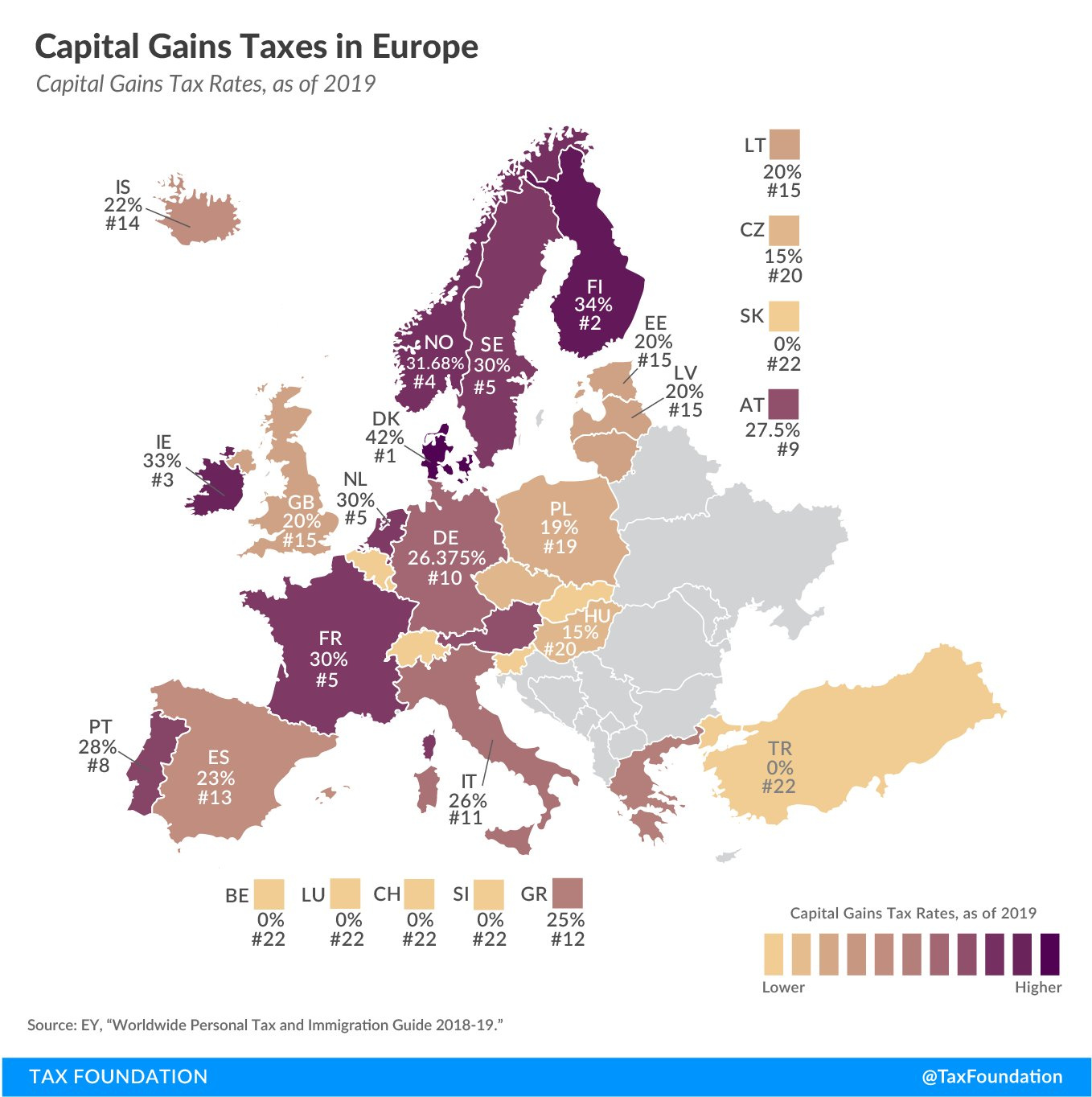
 I mean, 1:1.