Universal Music Group - The Day the Music Died

For the most interesting research target in recent times, Universal Music Group, I haven’t found a dedicated thread yet. :blush:

The music business was said to have died two decades ago. Piracy and the viral spread of information, which increased with digitalization, drove the music business into difficulties. Strict work has been done over the years in the field of intellectual property rights, which has begun to bear fruit.

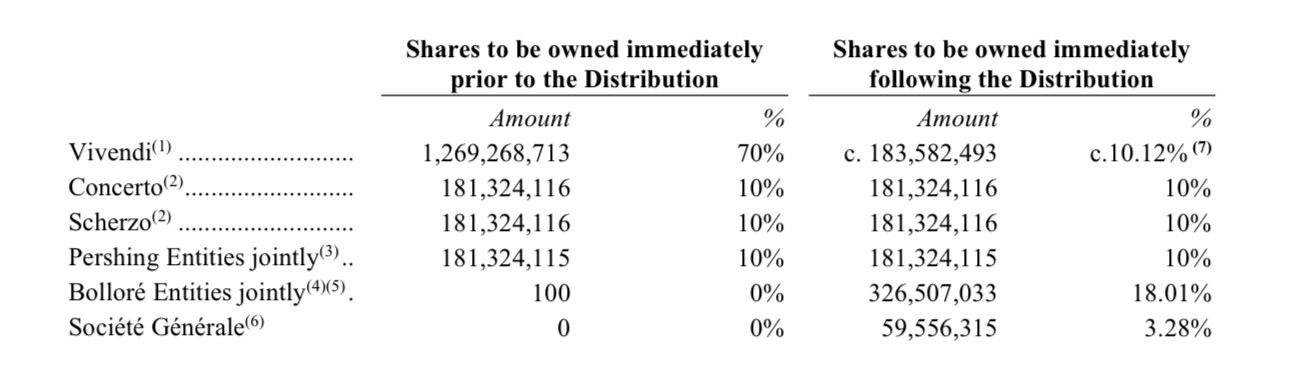
Vivendi, listed on the French stock exchange, listed its wholly-owned Universal Music Group (UMG) on the Amsterdam stock exchange on September 21, 2021. Vivendi has announced that it will retain at least a 10% ownership stake in UMG for two years.

Ownership structure after listing:

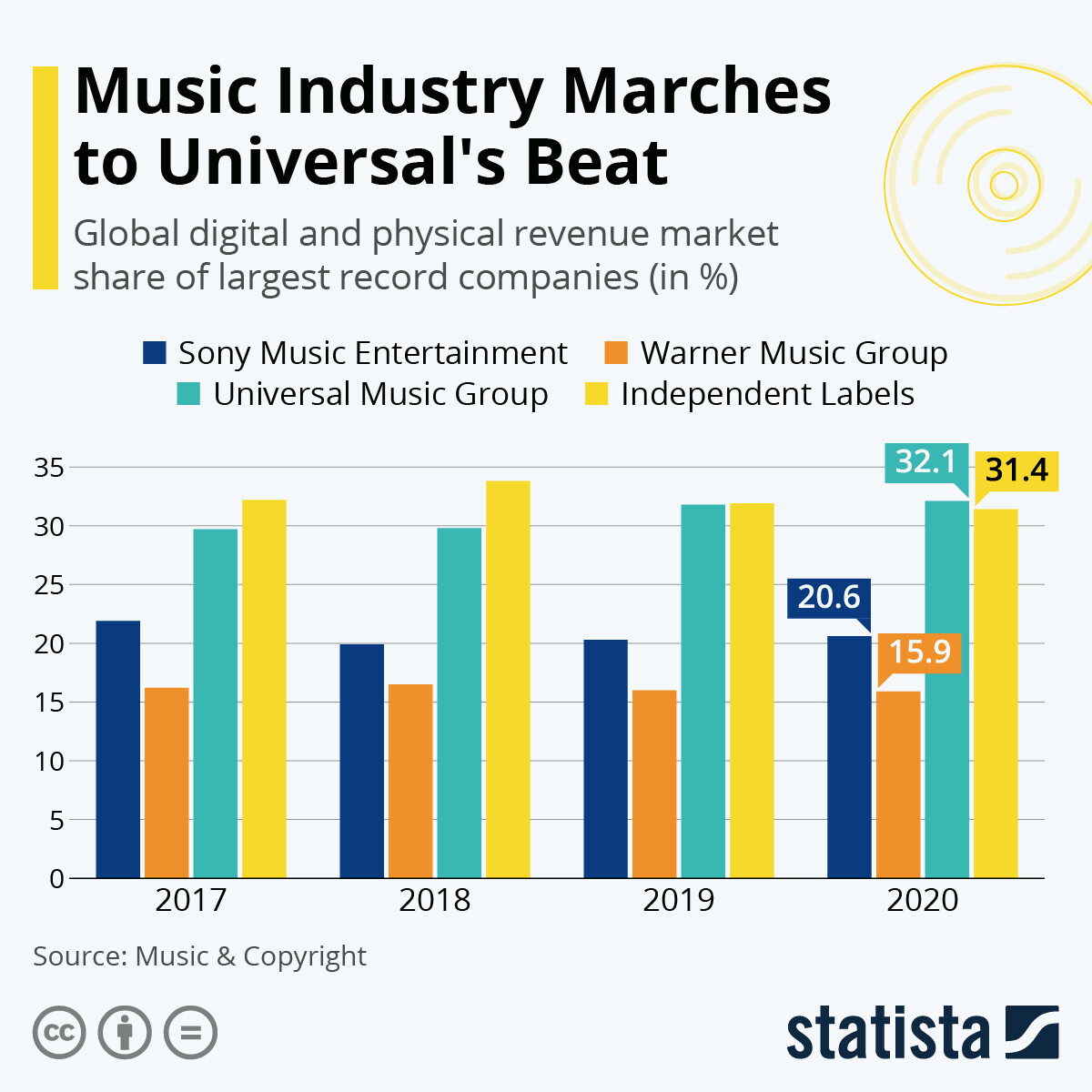
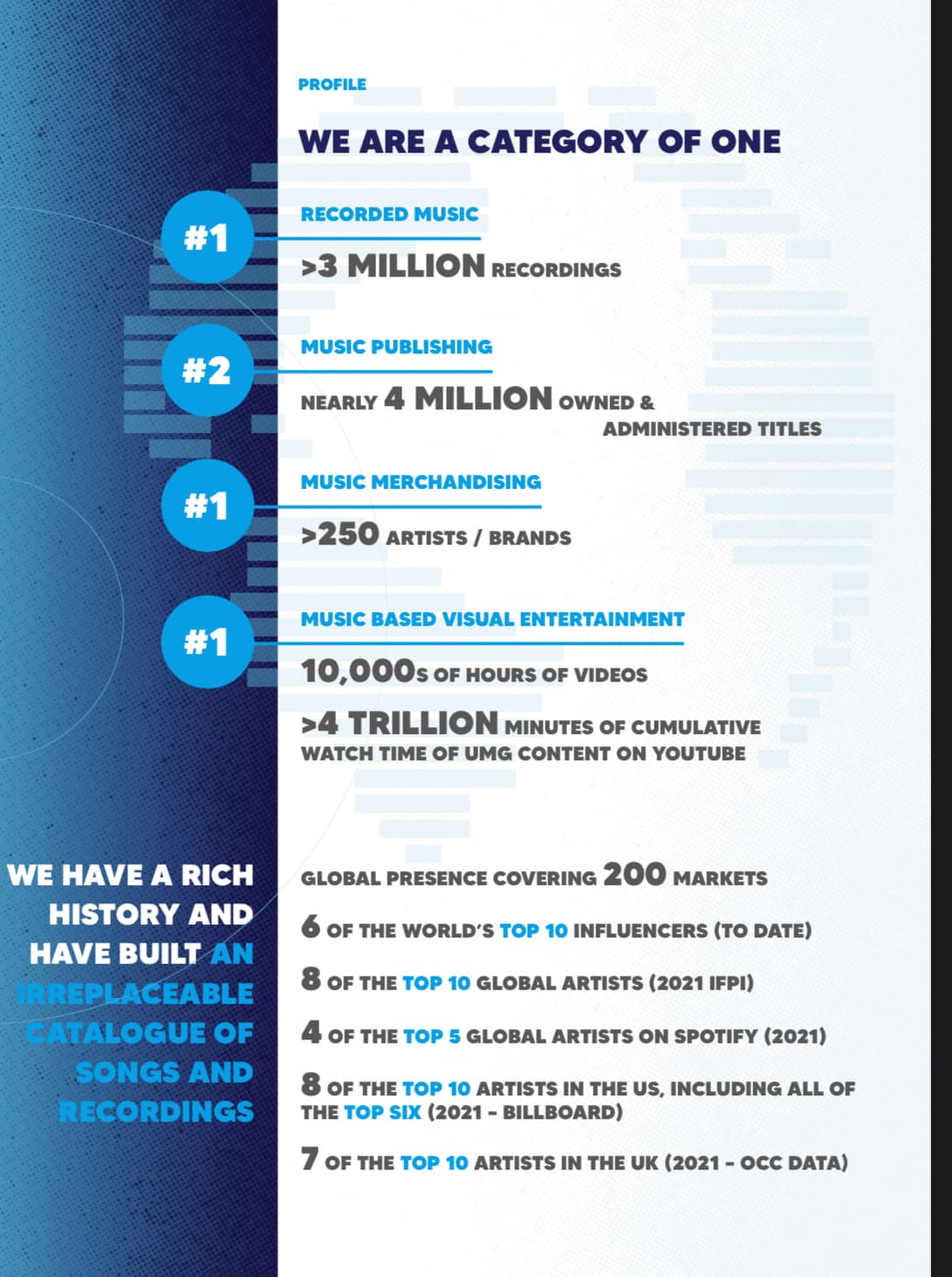
Universal Music Group is currently the world’s largest record label. Its two biggest competitors are Warner Music and Sony Music Entertainment.

So far, UMG has managed to increase its market share. In 2021, UMG’s global market share was 32.4% and in Finland approximately 36%.

The company is based on an extensive network of record labels that operate as entrepreneurs. The company discovers, develops, markets, and distributes music in over 60 countries.

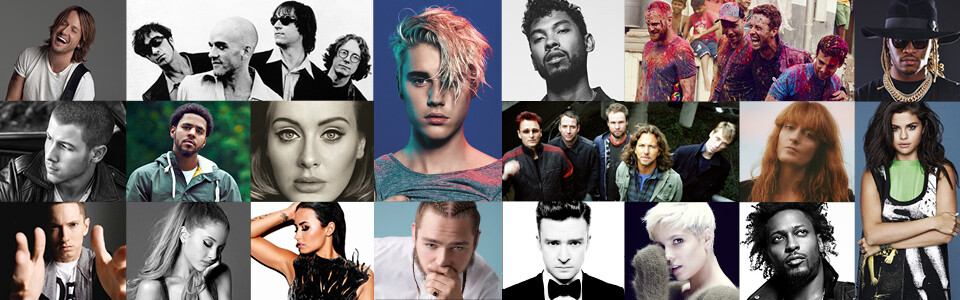
Artist roster:

Newspapers criticize the power of large music industry companies over smaller players, but on the other hand, the consolidation of record labels gives them strength in negotiations with large tech giants. The revenue from streaming does not currently seem to be declining.

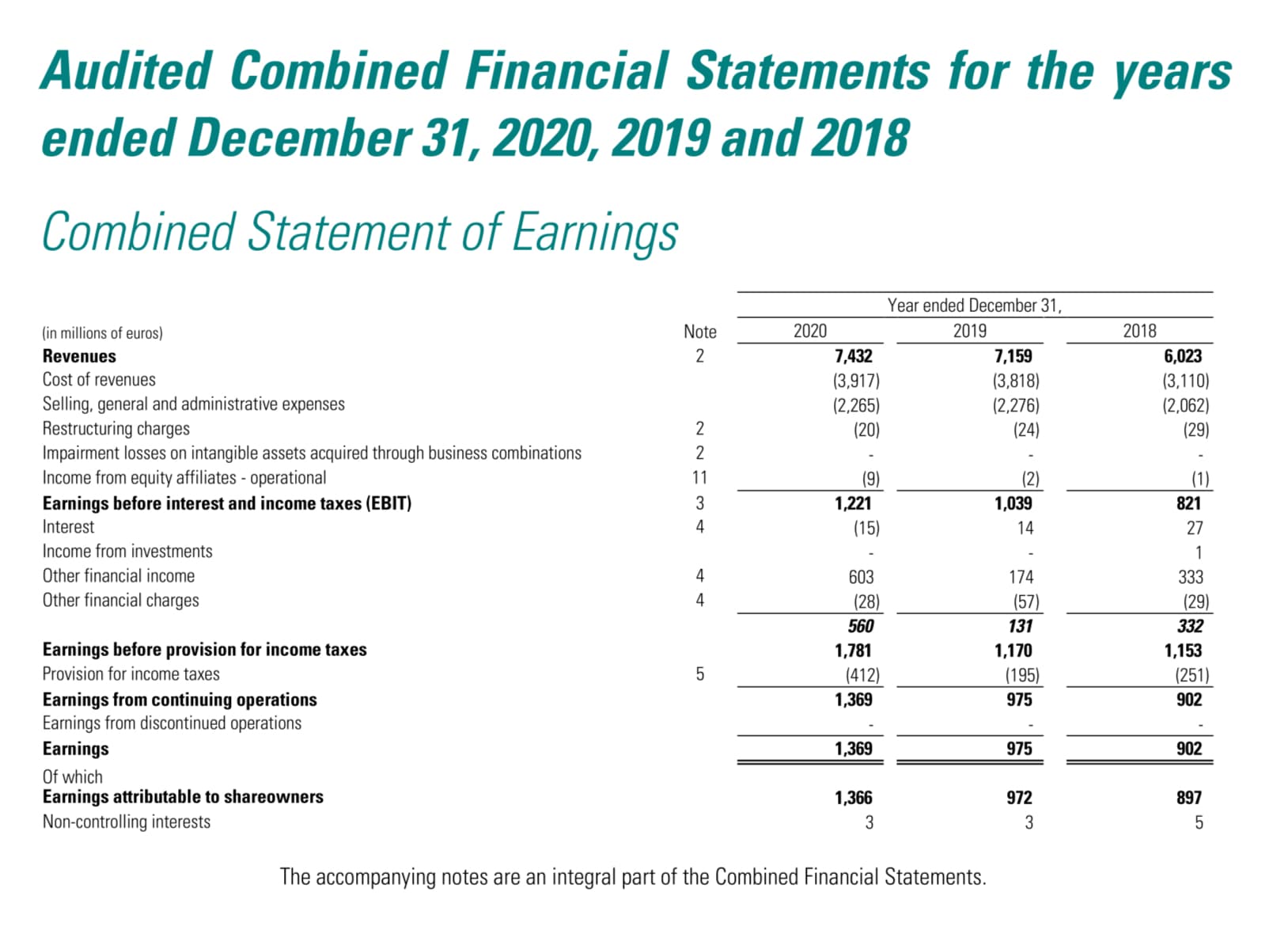
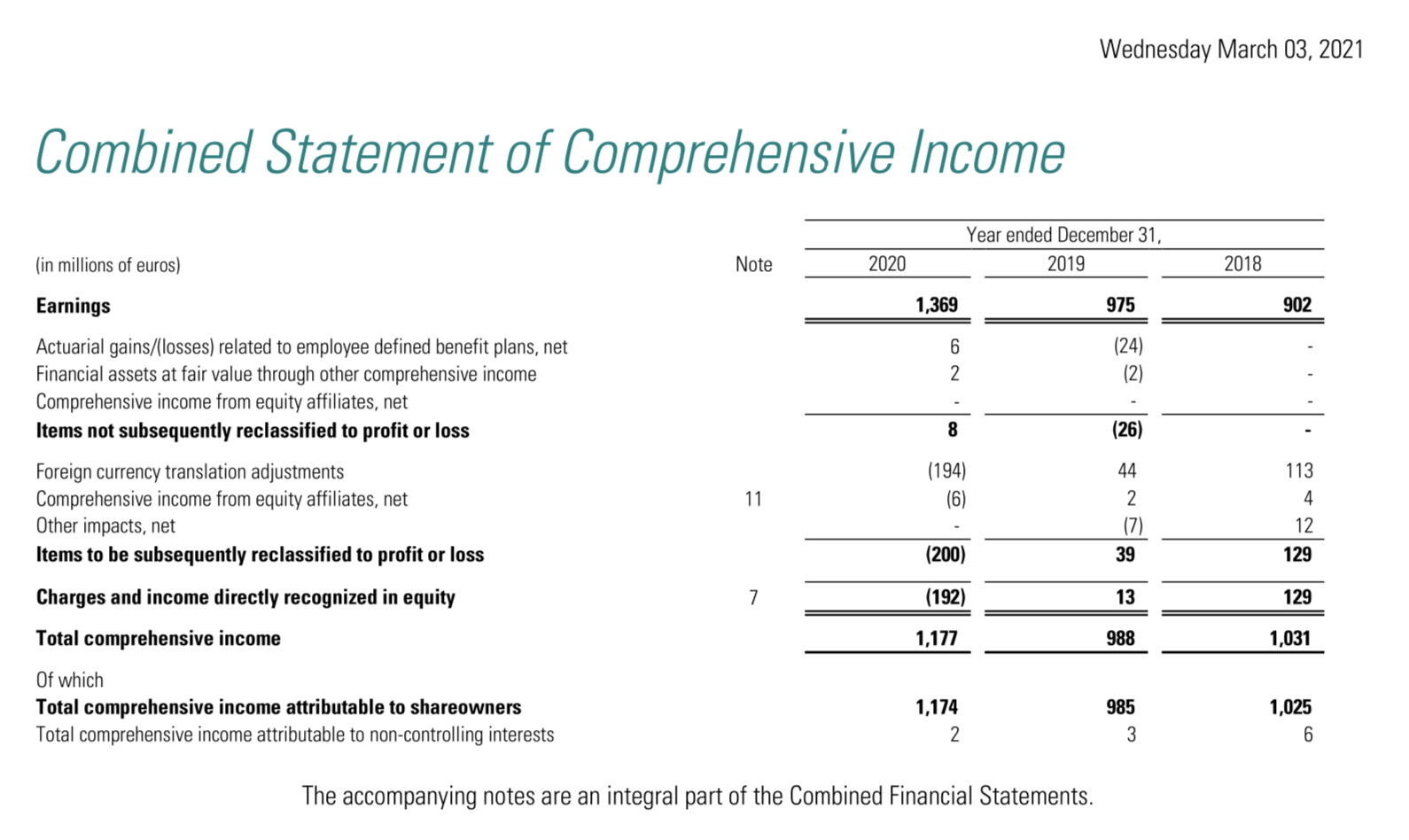
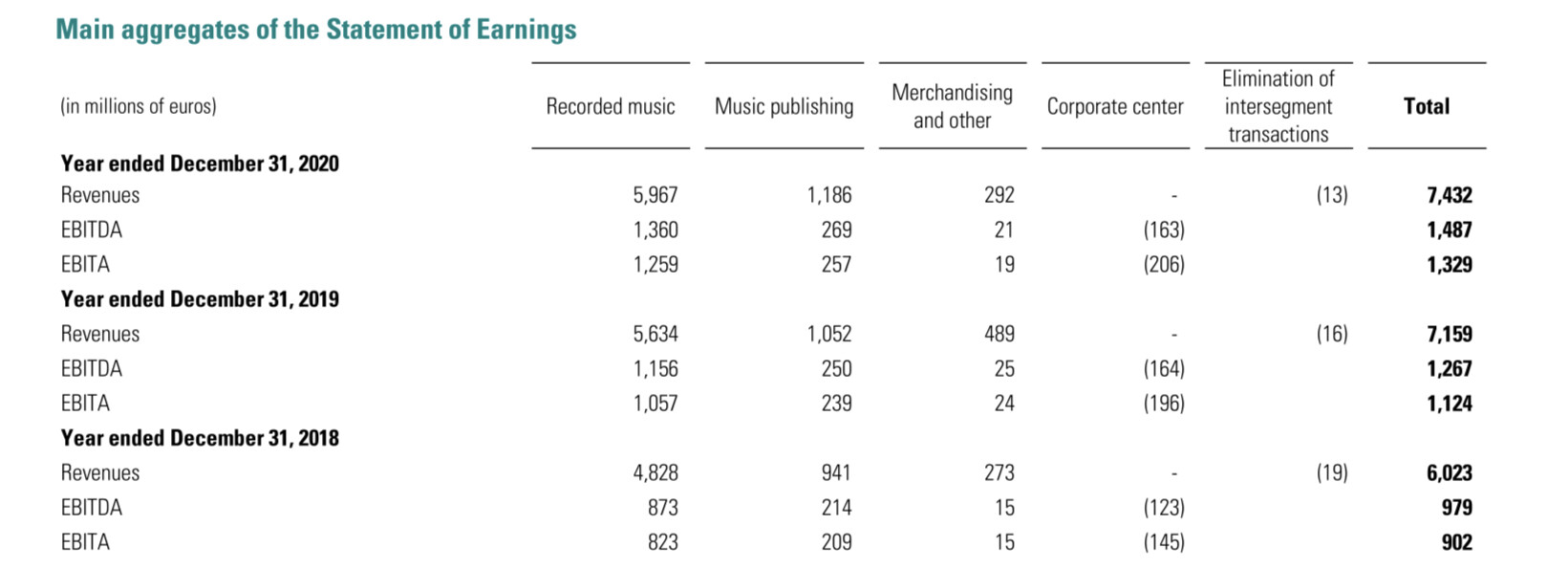
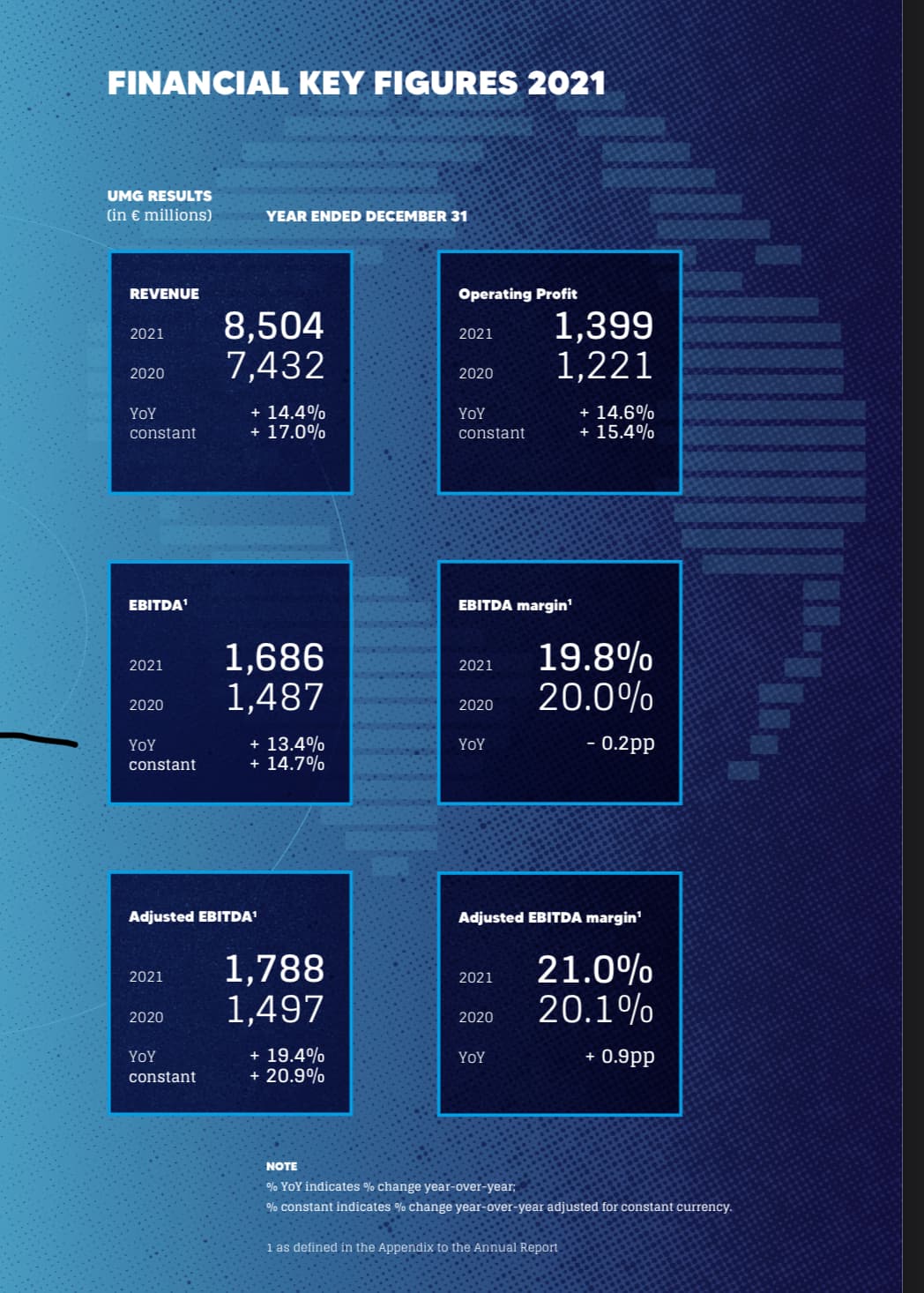
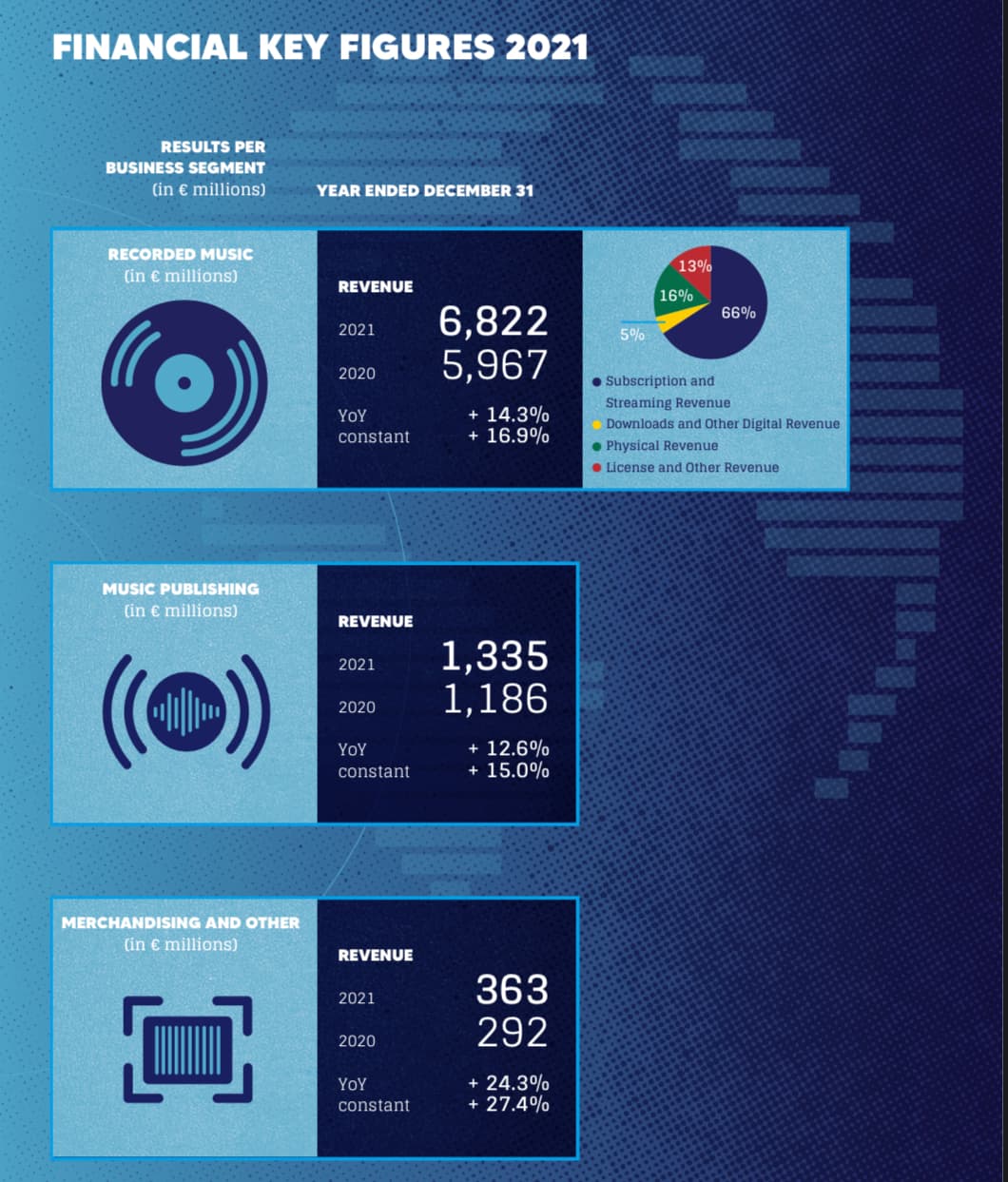
UMG’s results have grown by double-digit figures since 2016, according to Vivendi’s report.

https://www.vivendi.com/en/shareholders-investors/financial-operations/

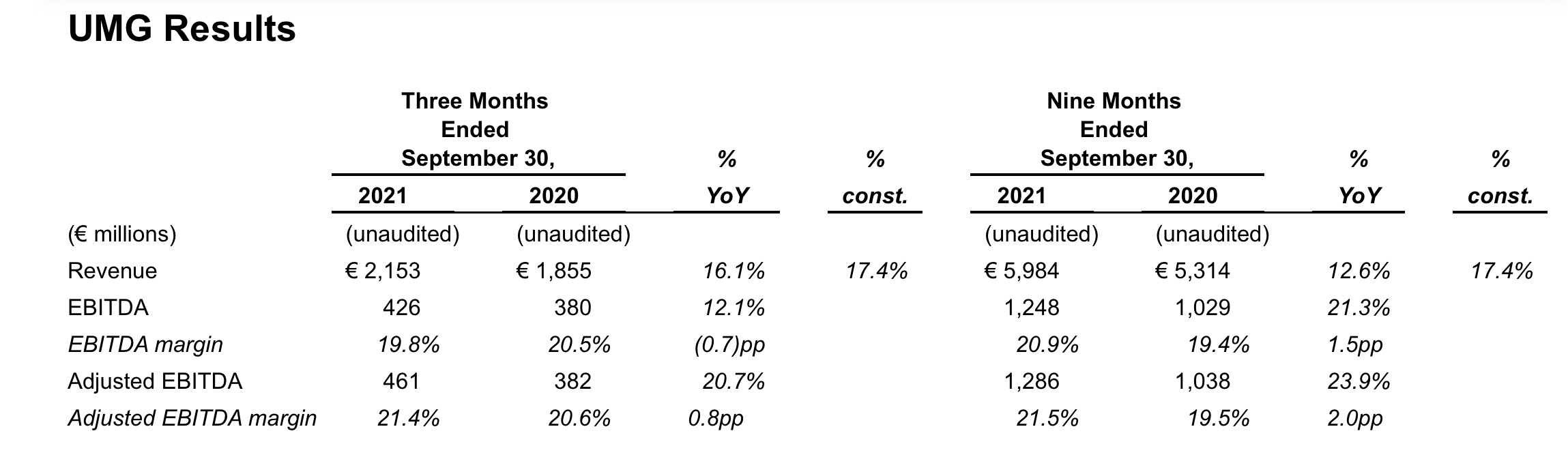
UMG released its Q3 results. Expectations were slightly exceeded with the adjusted EBITDA.

17 Likes

Could one buy a share in a particular song/composition from there? At least Juurikki knows a few forgotten songs that will definitely make a comeback.

Juurikki checked a physical newspaper and found that there’s other activity in the industry, including Hipgnosis.

Hipgnosis seems like a company you can trust, if the ownership hasn’t changed. Hipgnosis made album covers for Pink Floyd, Yes, and many others. Their expression was always fresh and new. You’ve probably seen them too. Or did the company wither and get taken over, and now only a valuable name remains?

There was an article about this Hipgnosis, which has moved into song rights, in the Viisas Raha (Wise Money) magazine 5/2021. And you can get that by becoming a member of the Finnish Shareholders Association.

Correct the information, but please also provide sources for the facts. :wink:

2 Likes

I still need to continue, even though hardly anyone in Finland is awake. According to the article, the average price of 13,000 songs is only £5,000. Damn, if I could buy one song, a cheap future song according to current valuations, even as a gift. It would be a great birthday present. A bit expensive, but what if I kept 50% for myself?

2 Likes

Yes.

In addition to UMG, listed music companies include Hipgnosis Songs Fund (November 2018), Warner Music (June 2020), and Round Hill Music Royalty Fund (November 2020). You can invest in Sony Entertainment through Sony Corporation, and BMG Rights Management seems to still be owned by KKR.

The share prices of all of them have developed quite well. Growth has mainly come from streaming.

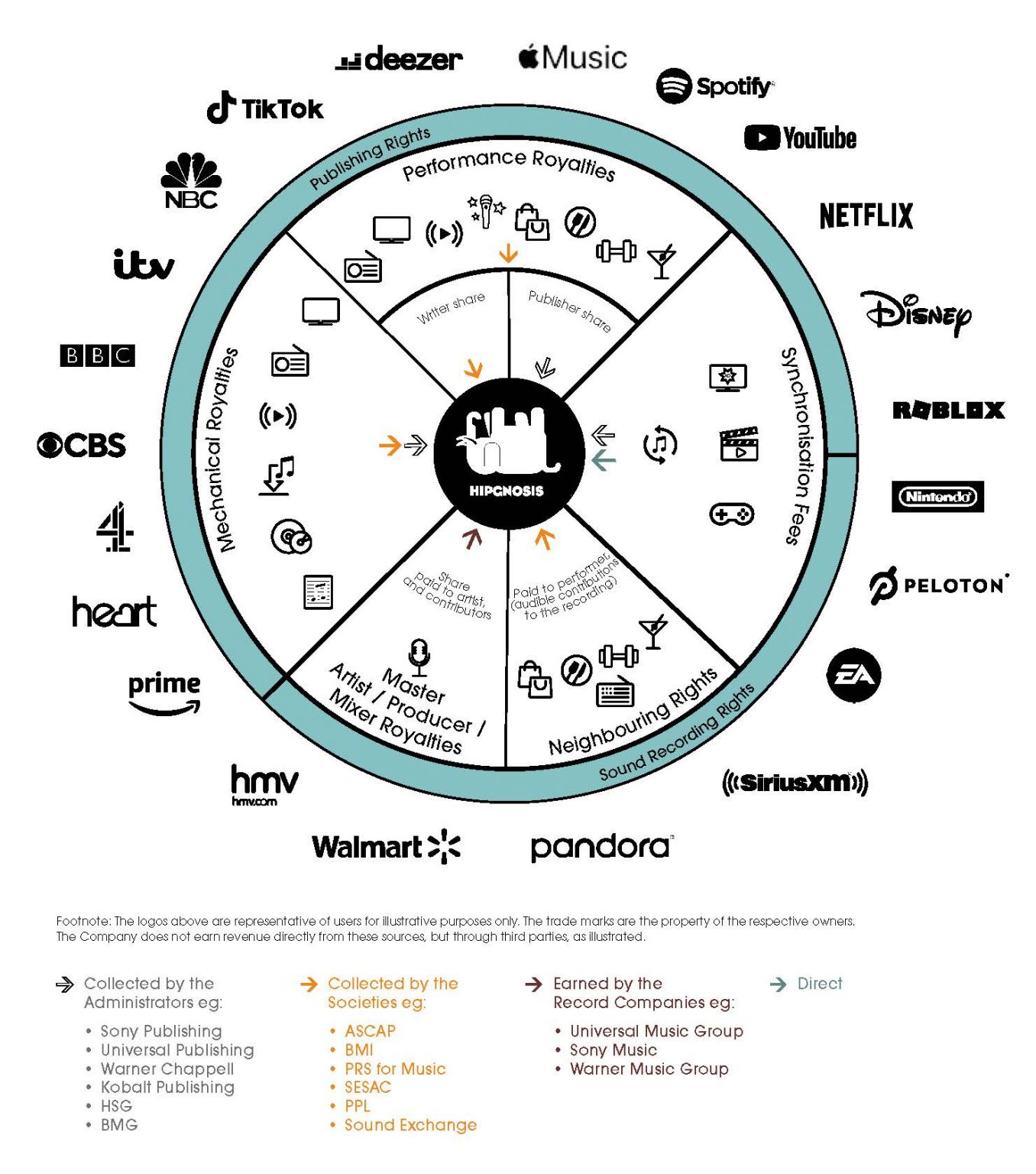
Hipgnosis buys rights to already well-known, typically older songs and helps artists receive royalties when songs are performed publicly:

The business model is different in the sense that artists have already gained fame for themselves and may no longer be in the ascendant phase of their careers. Perhaps they have already retired from active music creation.

In this sense, one could simplify that Round Hill and Hipgnosis are value investors, and UMG, Warner, and Sony are growth investors.

Round Hill’s website describes numbers related to publishing:

kuva

As a megatrend, one can therefore consider that the industry is alive and well.

Despite difficulties.

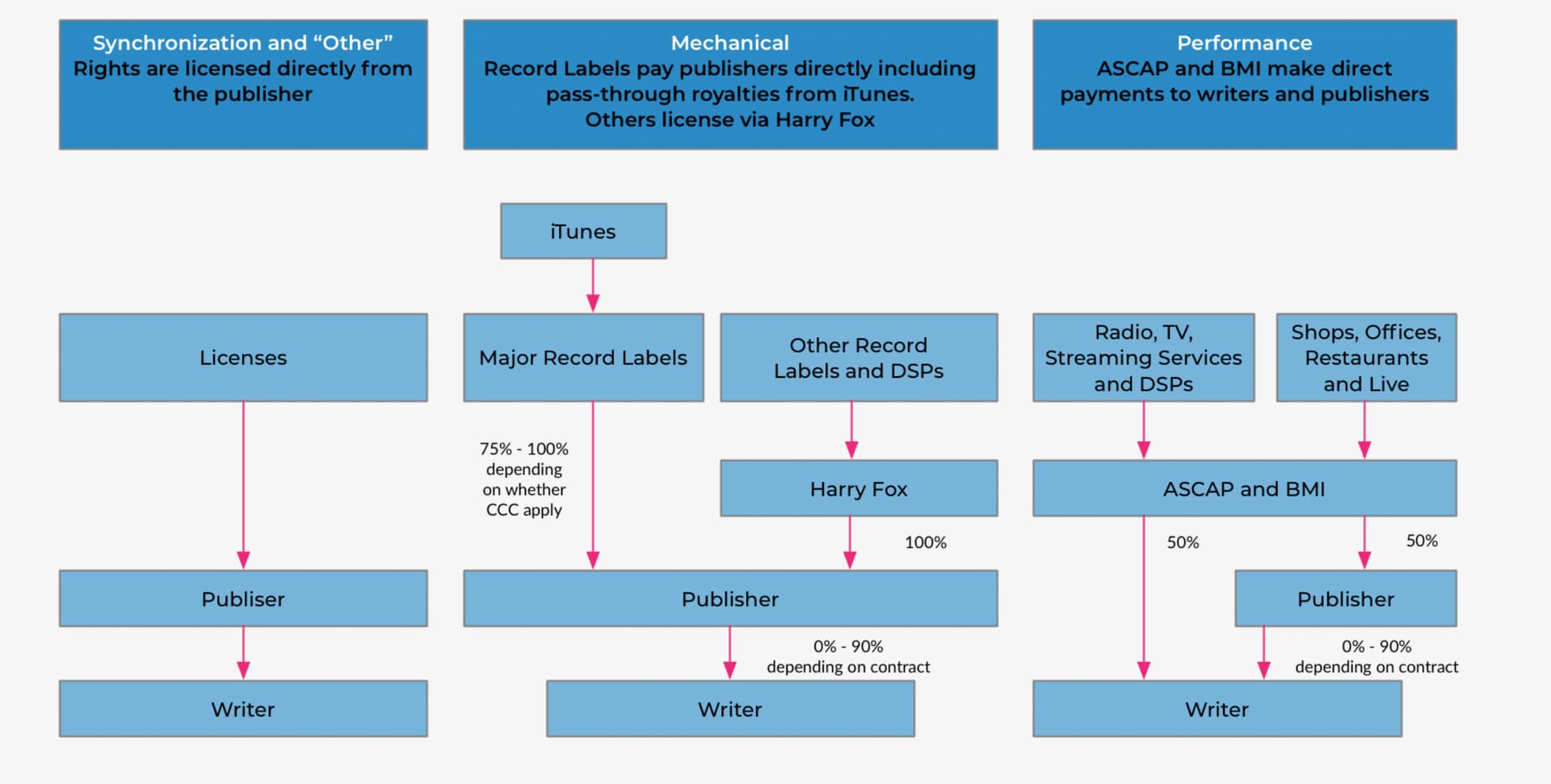
From what I’ve read on the companies’ websites, the business models of Round Hill and Hipgnosis seem quite similar. Round Hill has described its business as follows:

It’s worth noting that the payments received by the creator still depend on the agreement between the publisher and the creator. This is the point of contention that famously causes battles between record labels and artists.

Would @Juurikki like to explain why you consider Hipgnosis a reliable record label? :hugs: Is Hipgnosis more reliable than, for example, the acclaimed BMG, and on what grounds?

If you were referring to artists’ frustration with royalties, are there sources that show some comparison indicating that an artist can earn better under Hipgnosis than under UMG?

kuva

7 Likes

UMG announced its active pursuit of brand partners for its artists in collaboration with Authentic Brands Group (ABG)

ABG is an American company founded in 2010 that owns over 50 consumer brands. These include Marilyn Monroe, Elvis Presley, Reebok, and Shaquille O’Neal.

Many of the brands have been acquired from bankrupt estates.

In connection with the Stockmann chain, there has been discussion on this Inderes forum about the problems of retail and brick-and-mortar stores. ABG has acquired the struggling brands of Barneys and Forever 21, even though it doesn’t own any stores or physical assets. It doesn’t manufacture anything but instead focuses on strengthening brand identity and marketing it, essentially selling licenses.

For example, what was said when ABG acquired the Reebok brand from Adidas in August 2021 for €2.1 billion:

https://www.adidas-group.com/en/media/news-archive/press-releases/2021/adidas-sell-reebok-authentic-brands-group/

The stock price fell by -3.14% today.

This could partly be due to the negative publicity from lawsuits filed by former ABG employees, or it could just be normal stock movement. With American companies, it’s sometimes hard to say how relevant lawsuits really are to the company’s reputation, as the threshold for filing lawsuits in the US is quite low.

ABG has also announced this year that it will go public to pay off its debt burden, which has resulted from an aggressive growth strategy.

Comments on ABG’s IPO:

https://www.cityindex.co.uk/market-analysis/authentic-brands-ipo/

The business and financial situation of ABG should not significantly affect UMG, as it is a partnership according to the announcement.

It will be interesting to see if the partnership with ABG boosts UMG’s brand collaboration sales.

Previous examples of UMG Finland’s brand collaborations:

2 Likes

Today, Euronext announced that Universal Music Group will be added to the Euronext Amsterdam AEX index on December 20th.

Buying pressure?

2 Likes

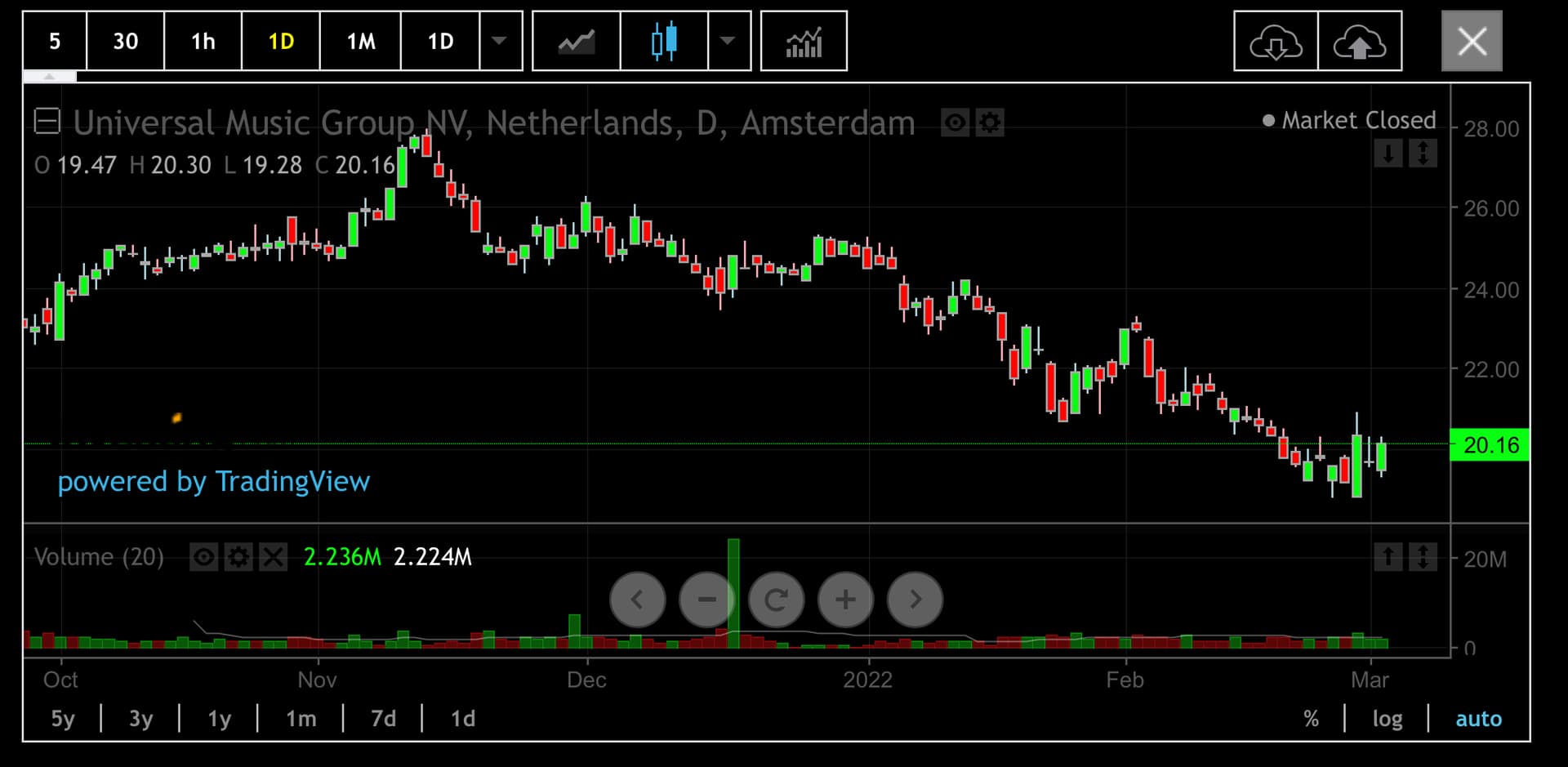
I haven’t been very good at sharing the new developments at UMG here. There hasn’t been much enthusiasm for actual discussion. Although UMG’s stock has also corrected, a lot of new and interesting things have happened since the turn of the year.

First of all,

An article about Grainge on Billboard’s website.

Billboard gave recognition, and today, March 2nd, they have already agreed

UMG has started exploring with Billboard how to commercialize the fan experience using NFT (Non-Fungible Token) technology.

The streaming services that have recently generated growth and profitability have continued to expand.
Agreements were made with Amazon and Twitch in January.

Twitch represents creative content creation and offers UMG artists ways to earn through live streaming and content production.

Through Amazon, UMG artists’ songs are available to subscribers. Of course. In addition to this, Amazon offers artists the opportunity to sell fan merchandise directly and organize Premium campaigns related to events, for example.

So, more opportunities have been created for artists to earn money in the way each wants to. It also feels a bit like different services are competing for followed content creators. And no wonder! Popular artists also increase their cash flow.

March 3rd, that is, tomorrow, is UMG’s earnings release day. Registered participants could even join the stream.

6 Likes

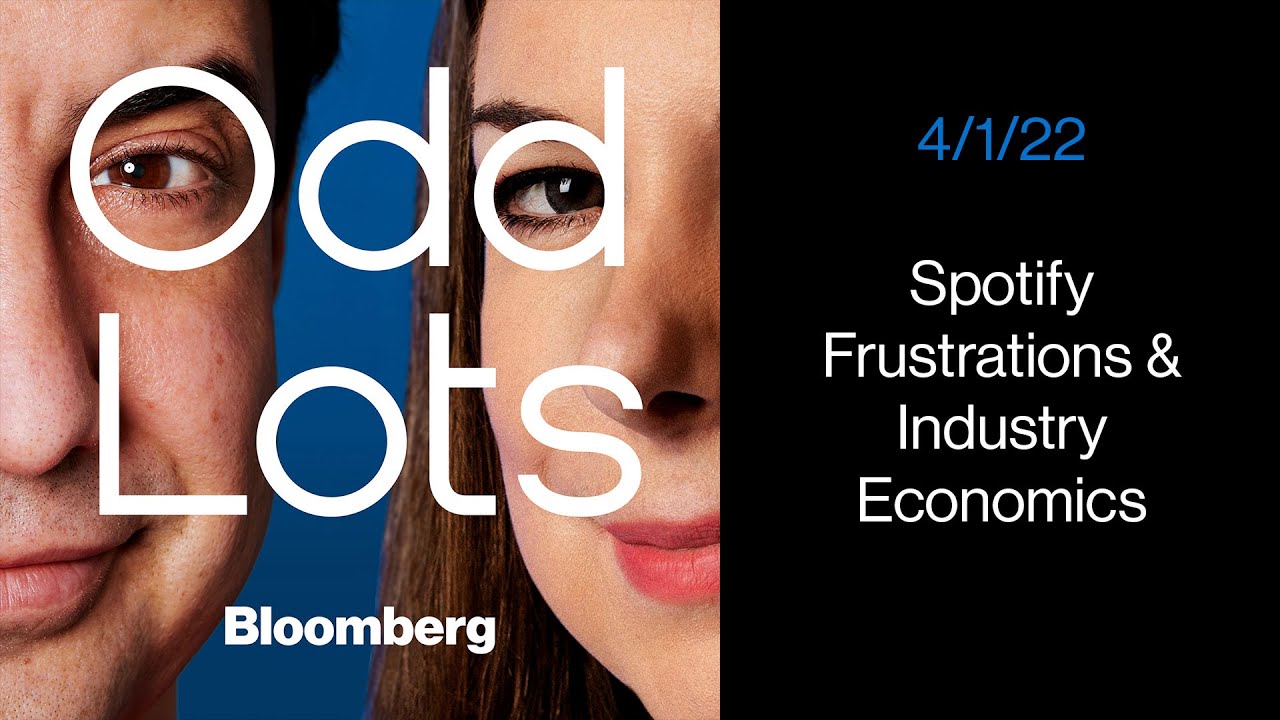
There was an interesting episode on Bloomberg’s Odd Lots. Earlier this year, a group of independent artists started a movement where they wanted to remove their music from Spotify.

The artists mainly seem to be upset about their ability to negotiate contracts for themselves. The review discusses, among other things, the legality of search engine optimization when it comes to music. Radio also has certain restrictions on this. The episode also discusses producing music with artificial intelligence.

If you haven’t listened to Colossus’ autumn review of UMG yet, it fits well here as a companion. A bit about the history of record labels, the commonalities of the three major business models with venture capital and copyright from the record label’s perspective. The UK, for example, is planning to further restrict the time window for owning copyrights. From this, what it would mean for a record label.

https://www.joincolossus.com/episodes/25864787/gokgol-kline-universal-music-group-the-gatekeepers-of-music?tab=transcript

Last year, the majors’ revenues increased precisely through streaming services. Streaming services work when they have a wide range of content. Here you can see the possibilities of a wide scale to negotiate properly. I will follow with interest whether the negotiations of independent artists go as desired or whether artists increasingly need major record labels.

In March, UMG made a new foray into the NFT world. We will apparently see what kind of virtual band manager Nöet All will put together for Kingship. The idea is not new. I will follow with interest whether the NFT band will change the music world and whether this will become a new cause for annoyance for the dinosaurs.

6 Likes

I’ve also been interested in UMG and have tried to learn more about it since its IPO. Somehow, it just seems surprisingly difficult to find information. For example, UMG’s IR pages still don’t have any sign of last year’s or even Q3’s financial report. Only press releases. Is there any information on where I could find these?

Why would this still be of interest? Below are a few reasons; let’s see if they spark a discussion.

  1. The competitive advantages are undeniable and sustainable. These stem from UMG’s catalog, which is probably the best in the industry. For example, UMG owns the rights to The Beatles’ music. No new music from them will be released, so if you want to use their music publicly, there’s no other option but to walk into UMG’s office, hat in hand. Other big names in UMG’s catalog include Bob Dylan, Abba, Metallica, Rolling Stones, Queen, Eminem, etc. In my opinion, this is timeless music that will generate continuous high-margin cash flow for UMG from now until forever. UMG also opportunistically acquires more whenever opportunities arise, such as the entire catalogs of Sting and Aerosmith recently. New catalogs are also built, of course, through newly recorded music.
  2. UMG is also a clear leader in the field of newly recorded music. For example, of the top ten most successful artists of 2021 on IFPI’s Global Artist Chart, 8 were UMG artists (BTS, Taylor Swift, The Weeknd, Billie Eilish, etc.). Also, of Spotify’s five most listened-to artists in 2021, 4 were UMG artists. This sector is more like a VC-type operation, living and dying with the people at UMG who discover new artists and develop those under contract. Currently, UMG seems to be performing better than its competitors in this regard.
  3. Music is a relatively defensive industry when it comes to music listened to via streaming services. In bad times, people might even listen to more music. Live music and vinyl, however, are luxury products, which will certainly be cut back when financial situations worsen.
  4. The record label is in the best negotiating position in the music value chain. They own the rights to the resource that is vital for Spotify and other streamers. On the other hand, record labels also have a good negotiating position with artists because they can support and market their music much better than artists could do without a record label or with smaller players.
  5. The streaming market will likely mature in the coming years. Currently, there’s a competition to see who can maintain predatory pricing the longest and survive. As the number of players in that sector decreases, prices will also rise. And then, referring to the previous point, record labels will also be able to negotiate larger royalties for their music.
  6. Developing markets hold a lot of potential for record labels if they can tap into it. Most music usage in these markets has long been unauthorized, but now record labels see that they can start collecting royalties as music streaming services consolidate. This is evidenced by UMG’s new royalty agreement with Tencent Music and their efforts to find new artists in places like India.
  7. Sir Lucian Grainge has done impressive work at the helm of UMG and has shown an ability to adapt to new markets and new digital music distribution channels faster than competitors. Full confidence in his work.

There are three big players in the market (UMG, Warner Music Group, and Sony Music Group), with UMG having emerged as the largest. I’m keenly following the industry’s development.

7 Likes

Well, not quite. In EU countries, the copyright protection period for sound recordings is 70 years from the time of recording. Many of the early hits by the artists you listed are already nearing 60 years. When the protection periods end, anyone who wishes can start releasing Beatles records just like Universal, and for example, Gramex royalties for radio play will cease.

It would, of course, be desirable to extend the protection period for sound recordings to 95 years, as the EU Commission originally proposed, but which was then reduced to 70 years. Perhaps oversimplifying a bit, the golden age of commercially significant music began in the 1960s. The protection period has been amended a few times based on the terms of that music. In the late 1980s, the protection period in Finland was only 25 years. From there, it rose to 50 years and most recently to 70 years.

It is also worth remembering that the use of recorded music often requires not only the permission of the owner of the master rights (usually the record company) but also the permission of the music publisher representing the composers/lyricists/arrangers. Often these rights are found in the catalog of a publisher belonging to the same group as the record company, but by no means always.

7 Likes

Thanks for the correction, this is absolutely true that these rights don’t last forever. My bad.

This topic was actually just discussed in the previous quarter’s analyst call. Unlike many other industry players, such as Hipgnosis already mentioned here, UMG, according to Grainge, is not interested in buying mere passive royalty streams. They focus on acquiring only catalogs where they have full control. In other words, they want to own the rights to both recorded and written music. This was done, I understand, with Sting and Aerosmith, for example. With new music, of course, the situation might be different, especially with the most famous artists.

4 Likes

For example, the publishing rights to The Beatles’ Lennon-McCartney songs are owned by Sony/ATV Music. Of course, The Beatles’ catalog was not acquired separately by Universal; it came to the company through the EMI deals.

Regarding the publishing rights to works, I would also pay attention to the validity of those agreements. Decades ago, the perpetuity of publishing rights was considered almost a given. In Finland, the situation changed significantly in the so-called Kuuva case, where EMI lost a dispute in which the songwriter wanted to terminate agreements made decades ago: Historiallinen ennakkopäätös - Kari Kuuva voitti ja EMI hävisi - Musiikintekijät Later, more of these agreements have been terminated in Finland quietly without lawsuits. I have no idea how these practices work in different countries in dispute situations, but I would consider it a matter worth noting when assessing business risks.

3 Likes

I’ve had the same feeling, that digging up this information is a huge task. :sweat_smile: With so little discussion or likes, I haven’t bothered to post everything here.

Please like posts and bring up things that interest you, so I know if it’s worth posting everything. :blush: It’s great that a discussion has sparked.

Post-listing financial data can be found here:

https://investors.universalmusic.com/reports/annual/

Just use the drop-down menu to find last year’s quarterly financial figures. UMG was spun off into the stock market by the French media company Vivendi. Vivendi owns, among others, Canal+ and Gameloft.

UMG’s earlier financial reports can be found in their financial information:

https://www.vivendi.com/en/shareholders-investors/financial-publications-and-reports/financial-results/

The listing prospectus might also be missing for some.

https://www.vivendi.com/wp-content/uploads/2021/09/Universal-Music-Group-Prospectus-14-September-2021.pdf

Interesting read.

I can’t really say which of these big players will be the one to bring it home. But you rightly said that UMG has increased its market share.

If you listened to the Odd Lots interview, it will be quite difficult for independent artists to get their voices heard with the big streamers. Without them, it’s also difficult to get their voices heard, as people simply get their music from there and are willing to pay monthly fees for music. Getting to the negotiating table requires some kind of organization. I would say it’s an even more frustrating evil than the stereotypical 80s manager that the DNA commercial mocks.

When you listen to both sides, the relationship between artists and record labels has soured over the years. For good reason. There’s the artist who wants to make music and get their share of the hard work. There’s the manager who sees the artist as a product to sell, and there’s the record label that, by investing in 10 artists, expects one of them to probably turn into a cash cow. It’s quite a risk, but for the record label, it’s enough that one of their artists succeeds. On the other hand, the successful artist probably doesn’t feel the need to finance the deals of the other nine less successful ones. We rarely hear about the stories where an artist signed a record deal, got a million, and just didn’t happen to succeed.

Somehow, reading between the lines, it seems that record labels have realized that it’s a real problem that artists don’t want to cooperate with them, but they just have to. This is a problem that needs to be changed, and apparently UMG intends to do so. In addition to already owning copyrights to evergreen classics, it is important for them to be an attractive partner for artists, helping them succeed, providing the keys to success, and enabling artists to focus on what they do best: making music.

A successful musician is often a polymath of our time. Success doesn’t come to anyone for free. Work has been put into it. However, people have a limited number of hours in a day. Being visible everywhere, creating very different fan experiences for many needs a lot from an organization, and in addition, negotiating good deals with big players for everything. Let’s also consider that the best financial potential of a single hit song is during the first three years after its release, and at the latest after ten years, only a fraction of the initial potential remains. Let’s not confuse this with the artist’s potential, but focus on the financial potential of a single song.

Phew… Finally, we get to this:

Spotify, for example, is only a fraction of the streaming market. Even with that, UMG’s negotiations lasted two years and were concluded in 2018. With YouTube, in 2019.
Over the past 12 months, UMG has negotiated agreements with, among others:

  • Snapchat
  • TikTok
  • Amazon Music
  • Twitch

In addition, it is clearly investing in entering the NFT market. Let’s see later what that will mean in practice. Will artists also receive royalties for images in which they appear in the future? It’s not yet entirely clear to me.

UMG already has negotiated contracts, and the big record labels accounted for 70% of all musical content.

So… It seems a bit like these scepter-wielding record labels would be needed. What I’ve tried to dig into with these competitors, it seems so far that UMG is further along in negotiations compared to other big players, and independents are just properly starting.

There are interesting pendulum swings in history. Netflix began an era where it had power because it had viewers. Competition has intensified among service providers, so perhaps negotiating power is slowly shifting towards those who own intellectual property rights. What will happen to the record labels’ venture capital model? I have my own educated guess for this. I will follow with interest. :blush:
8 Likes

You make a good point in your previous message (and this one). A few comments:

My understanding is that, for example, agreements with music services like YouTube and Spotify generally progress fairly simultaneously. There are four major players: Universal, Warner, Sony, and Merlin, which represents independent companies.

However, it must be remembered that even in digital services, record labels are only one negotiating party. A good example is the disagreements between YouTube and “Germany’s Teosto” (GEMA) years ago, which led to a large part of YouTube’s music being blocked from German consumers. And rightly so. It’s surprising how long a significant portion of the world’s music was available on YouTube, uploaded by users, without any euros flowing to the rights holders. And when compensation finally started to accumulate, it was initially quite ridiculous. Nowadays, YouTube is one of the most significant revenue sources for the music industry, even though there’s still room for improvement in compensation levels.

The biggest challenge in the industry, in my opinion, for the past 15-20 years has been getting consumers to pay for the music they use. Fortunately, the trend in Western countries has been quite encouraging. Just a few years ago, people like Jari Sarasvuo declared that the recording industry was a sunset industry and people would lose their jobs. Now, even Jari would probably admit that business can be done in the online world.

Another challenge is how to get consumers to pay enough for services. For example, Spotify’s monthly price is currently one-third less than the Storytel audiobook service. Over time, prices should be brought up to the same level. But that’s easier said than done when consumers have been accustomed to free or semi-free services for a long time.

P.S. Although business operations are always, in a way, about competition, the concept of “competitor” in the operations of record labels is quite different from much of the rest of the business world. Companies work more or less closely together, individuals are often in contact with “competitors” even in their free time, and for example, in advocacy, the goals are somewhat identical. This is true in Finland, but certainly largely elsewhere in the world too. In Finland, for example, the distribution of Universal’s physical records is handled by the indie company/distributor Playground Music.

2 Likes

Well, yes… I remember myself when in 2017, all Finnish music was temporarily removed from YouTube when the Finnish Teosto (Copyright Society of Composers and Publishers) and YouTube were at odds. A music creator acquaintance of mine lamented, I think it was in 2020, when his music was again pulled from YouTube and YouTubers had appealing videos, as they were at odds again.

It’s good that the small players are being supported, as hardworking individuals often don’t know how to demand their fair share.

The UK is apparently enacting a law that will legally return copyrights from record labels back to artists. Perhaps this will encourage record labels to make different kinds of agreements.

Perhaps the biggest problem is the same as with TV licenses or ethical investing. It doesn’t really bother you to pay a little more so that the creator gets proper compensation for their work. You just don’t want to be the fool who pays for others’ free lunches out of the goodness of your heart.

Sometimes I’m annoyed by, for example, YouTube’s and Spotify’s way of targeting certain types of music, and it’s often not what I’m looking for. It’s nice to always discover new things, and I could pay for a service that does that work for you. These services often tend to keep you in their desired bubble with their search engine optimization and monetization logic, and a lot of great music remains hidden or forgotten.

6 Likes

3.5. Q1 results will be released, and a webcast will be pushed out

Well.

I wonder if the 2021 report was already here.

More contracts have been signed.

https://www.prnewswire.com/news-releases/universal-music-publishing-group-signs-dave-bayley-of-glass-animals-to-exclusive-global-publishing-agreement-301537577.html

Glass Animals is unfamiliar to me, but for example, a song released by them a year ago has 276 million views on YouTube and is ranked 40th among the world’s most popular music videos.

Well… I guess I’m a boomer.

Also, a pretty good Q1. It probably doesn’t surprise anyone. Let the report speak for itself. :blush: Summer can come.

An overview of the remuneration system. Who wouldn’t be interested in that when it comes to a major record label.

A meeting is coming up on May 12th. For example, a proposal for buying back own shares is being suggested.

Could this be the company that doesn’t pay dividends?

2 Likes

UMG has received two credit ratings for the first time as an independent company since its listing.

Moody’s

Prime -2 short-term
Baa1 - Long-term

S&P Global Ratings

A2 short-term
BBB long-term

Both praised the moderate financial policy and market position, according to Muir.

Moody’s report

Notes

  • Vivendi and Tencent’s combined voting share is 48%.
  • Praise has been given for a cautious financial policy.
  • Moderate growth is expected.
  • After the pandemic, a recovery is expected in certain sectors, which, however, are low-margin revenue streams, and inflation limits the possibilities of raising margins.

It’s worth reading the whole report. These are always interesting. :grin:

https://m.moodys.com/research/Moodys-assigns-first-time-Baa1P-2-ratings-to-Universal-Music--PR_466481

Strengths

  1. UMG’s position as the world’s leading music company with stable market shares
  2. The ongoing shift to a more predictable and recurring revenue profile, based on the growth of streaming and publishing
  3. Consumer
  4. A proven track record of supporting and developing artists’ careers through a global network across 200 markets
  5. A best-in-class music catalog with good geographic diversity and monetization opportunities
  6. Experienced management with a proven ability to adapt to new trends through innovation
  7. A stable financial profile supported by strong cash flow generation (excluding catalog content acquisition) and relatively low gross leverage levels of slightly below 2.0x for the next two years (I don’t completely trust Google Translate’s Finnish translation; everyone translates at their own risk :sweat_smile:)

Risks

  1. The continuous need to invest in artists to ensure the company’s market leadership and market share with new hits
  2. The emergence of financial players in the industry who want to buy and commercialize music catalogs, leading to more expensive acquisition multiples
  3. Volatility of free cash flow, which depends on the company’s music content acquisition costs
  4. Risks related to technological development, which has previously prevented the company from monetizing its content; no such risks are currently visible within the rating horizon
  5. Lack of experience operating as a separate entity from Vivendi SE

I couldn’t immediately find S&P’s report. I’ll have to check it later when I have more time. :grinning_face:

8 Likes

Good analysis of UMG from Olli Pöyhönen. Worth a read. Many of the same things, of course,

https://www.inderes.fi/fi/artikkeli/universal-music-group-suuri-musiikin-omistaja

7 Likes