No ihan vaikka näin:
Ja siihen päälle matot, vuodevaatteet, valaisimet…. Ja ennen kaikkea ne kesäkalusteet.
No ihan vaikka näin:
Ja siihen päälle matot, vuodevaatteet, valaisimet…. Ja ennen kaikkea ne kesäkalusteet.
En ole ikinä ajatellut Sotkaa ja Askoa Tokmannin kilpailijana, mutta on tässä mielestäni ihan hyvä pointti. En usko että Tokmannin mittakaavasta puhutaan mistään valtavista asioista, mutta kyllä jossain kesäkalusteet kategoriassa voisi Tokmanni paljonkin hyötyä. Monella pienemmällä paikkakunnalla saattoi ennen olla vaihtoehtoina Sotka ja Tokmanni jos halusi ostaa kesäkalusteita. Ehkä Prisma ja tai Cittari myös samoilla apajilla. Minun lähimmän Tokmannin vieressä oli sekä Sotka että Asko.
Vahva usko asiasta mitään tietämättä. Niin mattoja on tokmannilla hyvin vähän, uskon että Ikea on se mistä ” ostetaan halvat” ja ne kellä on massia on ostanut ne Asko/isku ja siirtyy jonnekin vekelle vapsäläiselle tms. ( tai nettiin )
pihakalusteissa suurin on Masku ja taas asiakaskunta isku/asko on ihan eri kuin tokmannilla. Vahva usko että nämäkin siirtyy muualle kun tokmannille
Iskua ja askoa on on käyttänyt pääasiassa ” keskituloiset” vahva usko että osa siirtyy Ikeaan koska helppo ja kamat heti mukaan . Tai Vepsäläiselle ( kallis ja tavarat saa joskus)
Ainakaan minä en näe missään olosuhteissa että nämä kilpailisi keskenään mistään .
Voin toki olla väärässä. Mutta ainakin itse ostanut sängyt ja sohvat iskusta (varastopoistona 8-12 viikon toimitusajalla 
 ) muut huonekalut sitten Ikea/vepsäläinen/veke
Mun maailmassa Tokmannin suurin kilpailija on puuilo, jula ja biltema . Ja nämä ei kilpaile kun maks 1% samasta asiakas sekmentistä.
En minäkään Askoa, mutta Sotka menee imagollisesti ja tyylillisesti mielestäni jo melko lähelle. Aika isoja liiketiloja on myös Sotkan ja Askon myötä tulossa markkinoille, joten mikä tarvittaessa estäisi Tokmannia sopivissa paikoissa laajentamaan myymälöidensä huonekalujen saatavuutta ainakin paikallisesti. Viittaan siis lähinnä edellä linkittämäni tuoteryhmän valikoimissa oleviin tuotteisiin, joita saa tilattua verkosta mutta joita ei ole kaupassa. En toki odota, että Tokmanneille tulee sänky- ja sohvakokoluokan valikoimaa myymälöihin, vaikka niitä verkossa myydäänkin.
Tässä voi olla myös riski Tokmannin kannalta jos Jula ja Rusta alkaa näitä tiloja haalimaan.
Täällä pohjoisemmassa Ikea ei ole monellekaan vaihtoehto, jos haluaa mattoja päästä käsin tsekkaamaan ennen ostoa pienellä vaivalla. Aika monelle Sotka/Asko olleet edullisempien mattojen hankintapaikka ja Tokmannilla näyttää olevan myymälöissä juuri tän segmentin tuotteita, joten myynti voi kasvaa. Just oli uusimmassa mainoslehdessä nuita parinkympin mattoja tyrkyllä 8 eurolla.
Dollarstore hakee vahvasti halvimman toimijan asemaa ja imagoa. Ruotsissa hintavertailun tulokset on nostettu näkyvästi etusivulle lyhyesti ja ytimekkäästi: “Billigast.”, eli halvin. Viesti on kuluttajille selkeä, ilman ylimääräistä selittelyä.
Suomessa vastaavaa mielikuvaa rakennetaan “Suomen halvin” kampanjalla, jossa yksittäisiä tuotteita markkinoidaan lupauksella, ettei niitä saa muualta edullisemmin. Kyseessä on toimiva sisäänheittomekanismi erityisesti silloin kun leima kohdistuu arkisiin perustuotteisiin. Tällä hetkellä kampanja näyttää painottuvan brändi ja erikoistuotteisiin, kuten deodorantteihin, oliiviöljyyn, pienkonebensiiniin ja Muumi-mukeihin. Yksittäisten tuotteiden korostaminen ei välttämättä riitä rakentamaan laajempaa halpuuden hintamielikuvaa, mutta toimii silti tehokkaana sisäänheittokeinona.
“Suomen halvin” -kampanja on parasta mitä Tokmannissa on tapahtunut vuosiin. Joku erottautumistekijä Tokmannin rekan ja ämpärin jälkeen, jotka siis lanseerattiin jo vuosia sitten. Ja sisäänheittoa Tokmanni tarvitsee ennen muuta, koska tällä hetkellä myymälään ei eksy liiaksi ihmisiä.
Mitä taas tulee Sotkan ja Askon konkurssiin, niin olisin itse kääntymässä negatiivisen puolelle Tokmannin osalta. Tai paha sanoa, koska näennäinen kilpailu vierekkäisissä liikkeissä saattaa joidenkin tutkimusten mukaan lisätä molempien kaupallista suorituskykyä, kun taas autioituneet myymälät naapurissa karkottaa varmasti aktiivisesti kuluttajia.
Ja mikäli viereen tulee Puuilo, Rusta ja Jysk, niin tähän olisi mielenkiintoista kuulla olisiko vielä positiivista trafiikkia vai jääkö Tokmanni seinäruusuksi. 
Tästähän tulee kohtapuoliin ihan suora käytännön esimerkki. Heinolassa nimittäin hiljan avasi puuilo myymälänsä olemassa olleen tokmannin viereen, jysk oli jo ja rusta avaa ilmeisesti tässä kuussa samoin samaan lokaatioon.
Kuka tippuu ensin? Aika näyttää.
Mitenkä todennäköisenä pidätte enää tässä vaiheessa, että Tokmannilta tulisi negari? Jonkun verran on vielä shorttareilla luottoa, että ohjeistukseen ei päästä.
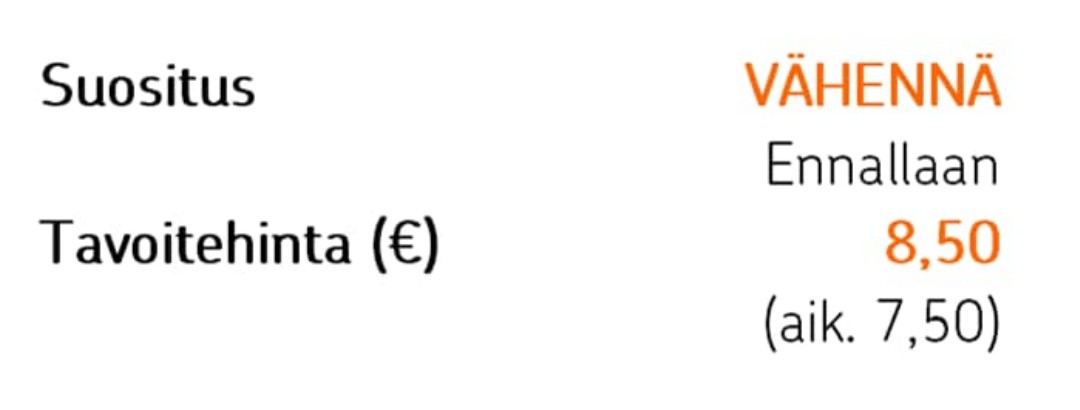
OP:n(kin) povaamaa tulosvaroitusta ei tullut, joten nyt OP ennustaa ohjeistuksen alarajan niukkaa ylitystä, ja päivittää tavoitehintaa:
Inderesin tulosennakkoa odotellen….
Henkilökohtaisesti uskon vielä tulosvaroitukseen. Kauppa ei varmasti ole käynyt siihen tahtiin kun kuluttajat ovat varovaisia ja tileillä on eniten rahaa sitten pitkiin aikoihin. Kulutus ei ole kasvanut eikä käppyrät näytä että kasvaisikaan. Paikallinen tokmanni on pulloillaan tavaraa. Viime kesän hattuja myydään ihan eurolla että pääsisivät niistä eroon kun uusi sesonki on jo pian edessä.
Paikallisen Tokmannin kuuluukin olla pullollaan tavaraa. Halpakaupan aggressiiivisten alennusten käyttötavaran myynnit on myös osa kupletin juonta.
Tokmannihan oli jo Q3:lla hyvässä vedossa. Dollarstore ei ollut, ja ongelmat kiteytyy siihen, ei Tokmanni-myymälöihin.
Elämme helmikuun loppua. Eiköhän Tokmannilla ole saatu jo viime vuoden lukemat ynnättyä.
Ikävä uutinen yhtiölle kuin asiakkaille
Uutisen perusteella kuulosti jonkun asiakkaan ongelmalta. Ehkä koneella ollut useamman perheenjäsenen salasanat tallennettuna.
Näihin klikkiotsikoihin voisi lisätä myös mitä uutinen oikeasti on.
“Iltalehdelle tulleen vihjeen mukaan tietoja olisi liikkunut viestipalvelu Telegramissa. Mikkonen ei tätä tietoa pysty vahvistamaan.
Mikkosen mukaan tietoihin on mitä ilmeisimmin päästy käsiksi jonkun asiakkaan henkilökohtaiselta, saastuneelta tietokoneelta.
– Kyse ei ole Tokmanniin kohdistuneesta tietomurrosta, Mikkonen kertoo. “
Kyllä tässä taisi Mr. Tokmanni tulla yllätetyksi housut nilkoissa ja nyt selitellään parhain päin. Telegram-viestissä väitetään noin 470 000:n asiakkaan tietojen vuotaneen sisältäen mm. osoitetietoja, tilaushistorian, nimet, säpot ym.
Ei yksittäisen asiakkaan saastuneelta koneelta pitäisi päästä käsiksi Tokmannin palvelimelle tai sitten Tokmannin tietoturva on todella heikolla tolalla. Ja vaikka se pääsy olisi tullut tällaiselta koneelta on Tokmannin palvelin korkattu tietoisesti. Kyllä tämä siis on nimenomaan Tokmanniin kohdistunut tietomurto.
On kyllä erikoinen keissi, kun Tokmanni ei ole tiedottanut asiasta omien kanaviensa kautta mitään, Iltalehden uutisesta ei ota oikein mitään tolkkua ja muut mediat vain siteeraa Iltalehteä.
Joko Tokmannilla on ongelma tai sillä ei ole ongelmaa. Jos vaihtoehto on ensimmäinen, ongelma pahenee melko paljon tuolla viestinnällä ja matalalla profiililla.
Ikävä juttu kaiken kaikkiaan.. Samaa mieltä, että Iltalehden uutinen aiheesta oli surkea ja Tokmannin viestintä kyseenalaista.
Tässä linkki kiinnostuneille aihetta käsittelevään linkedin postaukseen alkuperäisillä kuvankaappauksilla varustettuna.
Jos pahimman tapauksen riskejä haluaa hahmotella, niin kovin GDPR sanktio on 4% yrityksen liikevaihdosta (1,7 miljardista tämä tekee 70 miljoonaa) ja siihen päälle vaikutukset mielikuviin ja kulutuskäyttäytymiseen.
Se, että kuinka marginaalinen tämä pahimman skenaarion lopputulema on - mene ja tiedä.
Perkeleen perkele..
Erikoinen keissi, näyttäisi vähän Salesforcen kentiltä. Onkohan Tokmannilla käytössä?