A couple of weeks back, I wrote a post over in the “gaming as a counterweight to investing” thread that wasn’t really related to Remedy in any way:
As a sort of follow-up to that post, YouTube’s recommendations served up an interesting interview with Chris Wilson on the topic of (loosely translated) “is the business of the games industry killing games?”:
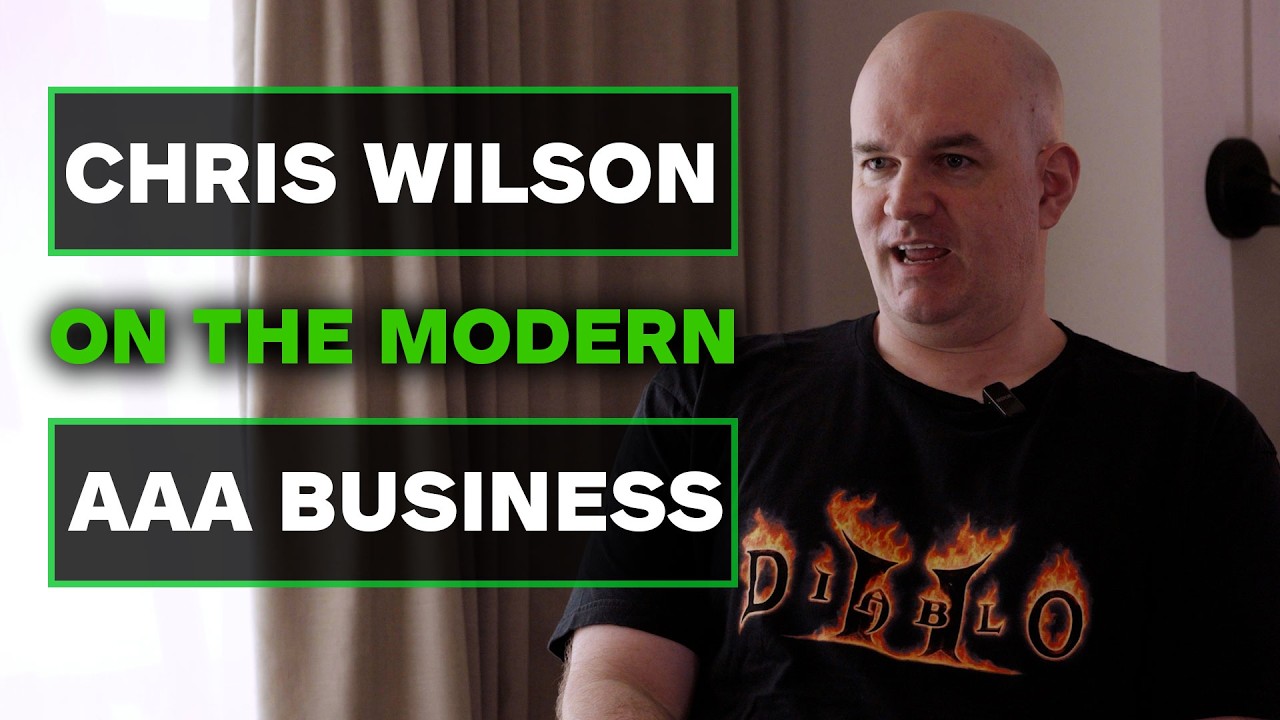
An absolute must-watch recommendation for this video as well (at least for the first ~15 minutes). In my opinion, Chris has an excellent perspective on the current state of the gaming industry because even though he has served as the founder and CEO of a game studio that grew large, I feel his passion for gaming and making games was never lost or compromised for the sake of chasing money. The interview/podcast revolves very heavily around the current state of the gaming industry and how many game studios are in trouble because game design is approached from the perspective of “how can we grow the business every year?” rather than “what is best for the players/customers?”
I’ve been playing games since I was a toddler and I’ve always believed that the best results in the long run are achieved with an approach like Grinding Gear Games’, where games are made with passion and vision-first—trying to make the best possible game and something people actually enjoy. Success (financial and otherwise) is a byproduct of the work, but making success and growth the primary goal can easily lead down paths that aren’t good for a game studio in the long run.
This thought has been spinning around in my head quite a bit lately while following the gaming industry, especially since I decided to part with my Remedy shares last week. Remedy has been a very meaningful stock to me, as it was practically my first direct stock investment six years ago, and my first forum post just under three years ago was also in this thread. Even though I sold my shares with a bit of teeth-gritting because the company doesn’t quite fit my current investment strategy, I have to say that when it comes to Remedy, I’ve always appreciated that you can see it in their work: even though the company is publicly listed, games are made passion-first, aiming to create the best possible games true to their own vision, while making money off games feels more like a secondary concern.
There is, however, the angle that while Remedy could certainly do things much more smartly from a financial perspective, at least game development and the company’s reputation haven’t been short-sightedly compromised by treating the customer like a cash cow to be milked as aggressively as possible. Instead, they try to deliver as much “value” to the player as possible. Fortunately, their current success is enough to allow game development to continue without funding issues, even if the pot of gold for investors keeps getting pushed back year after year. Still, I believe the goodwill generated among gamers will be a huge asset for Remedy in the long run and will bear fruit over time, translating into solid returns for investors as well—especially now that the multi-project model genuinely seems to be chugging along at full steam. Particularly in today’s gaming industry cash-grab climate, where customers are mostly seen as targets to be monetized as efficiently as possible and cutthroat monetization strategies are unfortunately all too common.
And I’m not trying to say there isn’t plenty to criticize about Remedy—there actually is quite a lot (missteps like FBC Firebreak, etc.)—but in the big picture, I think the company is doing the right things.