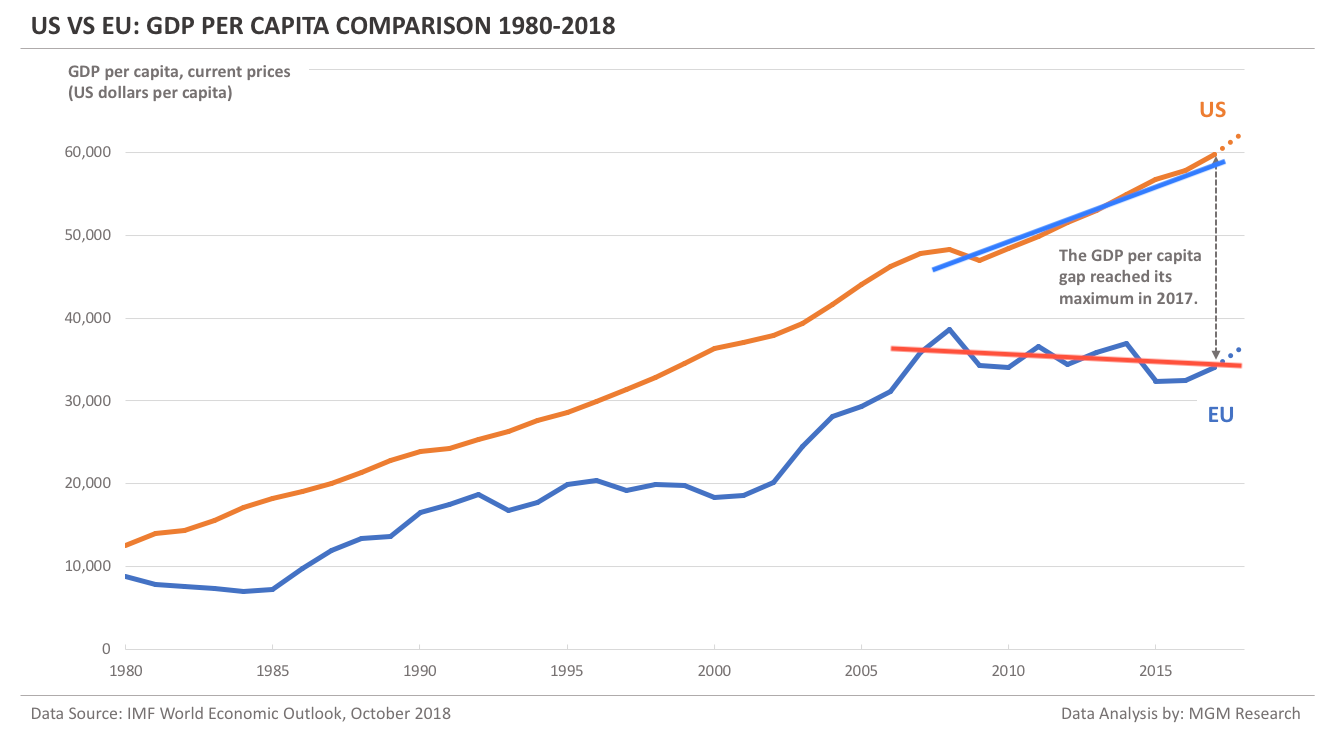
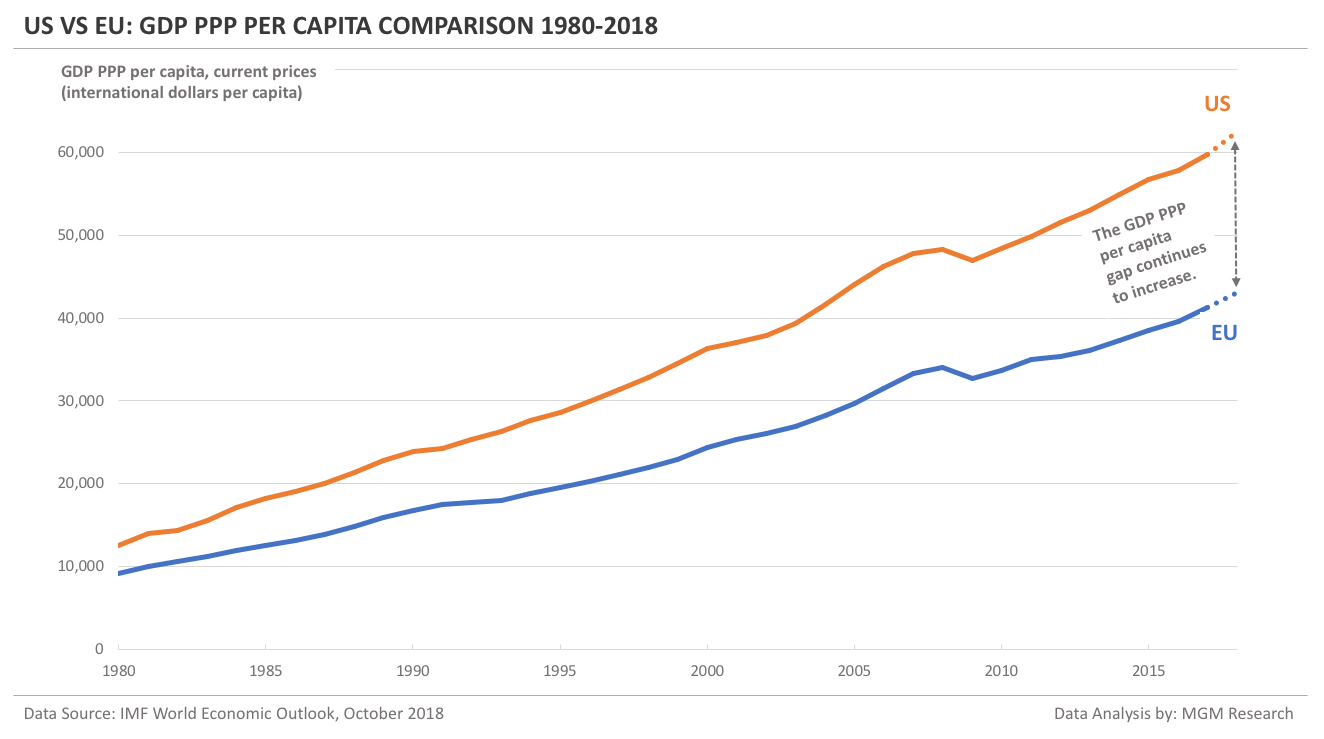
There was an interesting article in Viisas Raha magazine, which stated that the value of US technology stocks has exceeded the combined market capitalization of all listed companies in Europe. Market values reflect well the reality that everyone can observe around them – we are surrounded by American tech giants in our daily lives. In addition, a significant amount of technology comes from Asia. Europe certainly has a technology industry, but its scale is clearly smaller than that of the United States and Asia, and especially on the consumer side, we are completely outmatched.
Technology is a tool, a very powerful one. All industries utilize technological development, and through it, efficiency and growth spread widely to companies. Because it is about vital development, the companies’ home countries or ownerships are by no means insignificant. In reality, Europe is very dependent, especially on the “technology flow” coming from the United States, i.e., the essential tools needed to compete globally. When it comes to important tools, large network effects, and a strongly growing market, tech companies are able to maintain high profitability.
From an investor’s perspective, the situation is a bit complex. The future of European stock markets in the long term is the same as the success of European companies. On the one hand, Europe has not performed well in technology, and on the other hand, in traditional industry, Asians are more efficient than us. To avoid being too pessimistic, Europe certainly has strong sectors. They are often located in Europe outside the EU (e.g., Switzerland and Britain), which means they cannot properly utilize the EU’s muscles in global competition, which means that their competitiveness may also be weaker than comparable countries in the long run. Europe (and the EU) is larger than the United States in terms of population, and there is also expertise here, but we have not been able to channel that expertise in the same way.
So, where does a profitable and growing future come from? Especially for an index investor, the question is very relevant – global diversification is in principle worthwhile, but buying asset classes with declining growth and profitability does not necessarily bring a good long-term result, even if you could get them very cheaply.
Link to the article: Europa putosi härän selästä - Viisas raha