Yhdysvaltalainen kuluttajaelektroniikan jättiläinen Apple sai alkunsa vuonna 1976, jolloin Steve Jobs, Steve Wozniak ja Ronald Wayne perustivat Apple Computer nimellä toimineen yrityksen. Steve Jobs oli nuorena hippiaatteen seuraajana aloittanut vegaanisen erityisdiettinsä, johon kuului muun muassa omenoiden syöminen valtavissa määrin. Jobsin ehdotuksesta yhtiö saikin siis nimensä omenasta ja myös Macintosh-tietokoneet saivat aikanaan nimensä omenalajikkeen perusteella. Myöhemmin yhtiön nimi lyhennettiin muotoon Apple.
Historia
Alkuaikojen teknologinen läpilyönti oli Wozniakin lahjakkuuden ansiota, hänen suunniteltua osoituskäyttöjärjestelmään pohjautuneen Apple 1 tietokoneen. Wozniak oli kuitenkin luonteeltaan hyvin erilainen kuin Jobs, ja Wozniak olisi mieluusti valmistanut tietokoneita lähes omakustannehintaan. Periksiantamattomana myyntimiehenä ja innovoijana tunnettu Jobs sen sijaan näki tuotteessa kaupallisen potentiaalin.
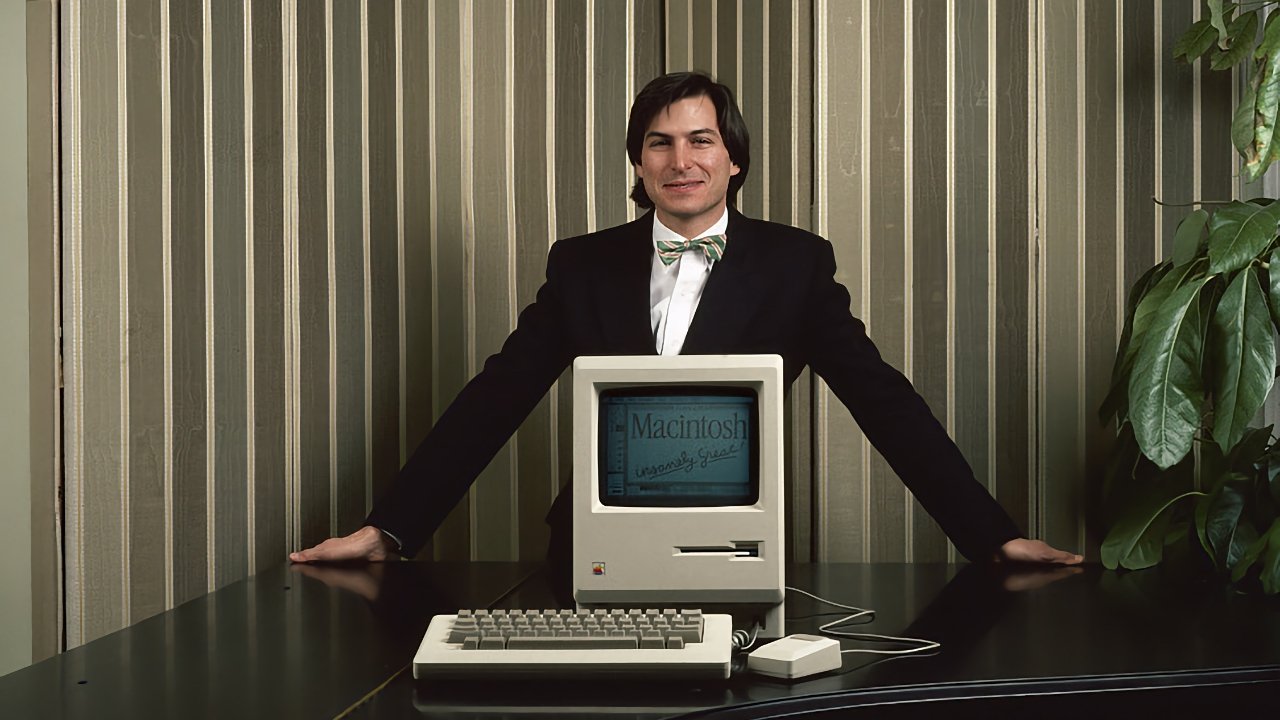
Merkittävä käännekohta tietokoneiden historiassa tapahtui vuonna 1979, kun Steve Jobs ja Jef Raskin vierailivat Xerox PARC:ssa, jossa he pääsivät tutustumaan graafisella käyttöliittymällä (GUI) toimineeseen Xerox Altoon. Jobs ymmärsi välittömästi graafisen käyttöliittymän luomat mahdollisuudet, jota ei vielä muualla ymmärretty. Apple alkoikin pian vierailun jälkeen suunnitella graafiseen käyttöliittymään pohjautunutta Apple Lisa tietokonetta. Vuotta myöhemmin Apple listautui keräten enemmän pääomaa kuin yksikään toinen yhtiö Ford Motor Companyn listautumisen jälkeen vuonna 1956. Listautumispäivän päätöskurssilla markkina-arvoksi muodostui 1.8 miljardia usd.
Vuonna 1983 Apple palkkasi toimitusjohtajakseen John Sculley, joka oli aiemmin työskennellyt Pepsillä. Pari vuotta myöhemmin Applen myynnin jäätyä toivottua vaisummaksi, Jobs yritti kääntää hallituksen Sculleyta vastaan hänen erottamiseksi. Valtataisto päättyi kuitenkin Jobsin tappioksi ja saman vuoden syyskuussa Jobs erosi Applesta muutamien muiden avainhenkilöiden kanssa, jonka jälkeen he perustivat uuden opetuskäyttöön suunnattujen tietokoneita myyneen yhtiön nimeltä NeXT.
Seuraavat 14 vuotta olivat Applelle haastavaa aikaa ilman Jobsia, mutta myöskään NeXT ei ikinä lyönyt läpi markkinoilla isossa mittakaavassa. Vuonna 1997 tapahtuikin Applen historian kannalta yksi merkittävimmistä käännekohdista, kun yhtiö oli joidenkin arvioiden mukaan 90 päivän päässä konkurssista. Apple osti Jobsin perustaman NeXT:n 427 miljoonalla usd ja Jobs teki näin ollen paluun Appleen neuvonantajana. Vain kuukausia myöhemmin Jobs kuitenkin uhkasi, että ellei silloinen toimitusjohtaja Gil Amelio sekä 7 hallituksen jäsentä kahdeksasta irtisanoudu, hän lähtee itse. Apple oli niin epätoivoisessa tilanteessa, että Jobsin vaatimus hyväksyttiin pienellä myönnytyksellä; kaksi hallituksen jäsentä saivat jäädä, jotta uutinen ei näyttäisi aivan niin hurjalta ulospäin. Hallitus nimitti Jobsin väliaikaiseksi toimitusjohtajaksi ja vain vähän myöhemmin toimitusjohtajaksi. Ensitöikseen Jobs lakkautti 70% silloisten työn alla olleiden tuotteiden suunnittelusta. Apple oli pelastettu konkurssilta ja sai uuden suunnan, joka keskittyi ennen kaikkea käyttäjäystävällisten laitteiden valmistukseen, joissa yhdistyi Jobsin visio elegantin yksinkertaisista, sulavalinjaisista ja intuitiivisen helposti käytettävistä laitteista. Perfektinismiin taipuvainen Jobs oli hyvin tarkka siitä, millaisia tuotteiden tulisi olla ja vaati niiden hiomista niin kauan, kunnes hän pystyi ylpeydellä esittelemään niitä.
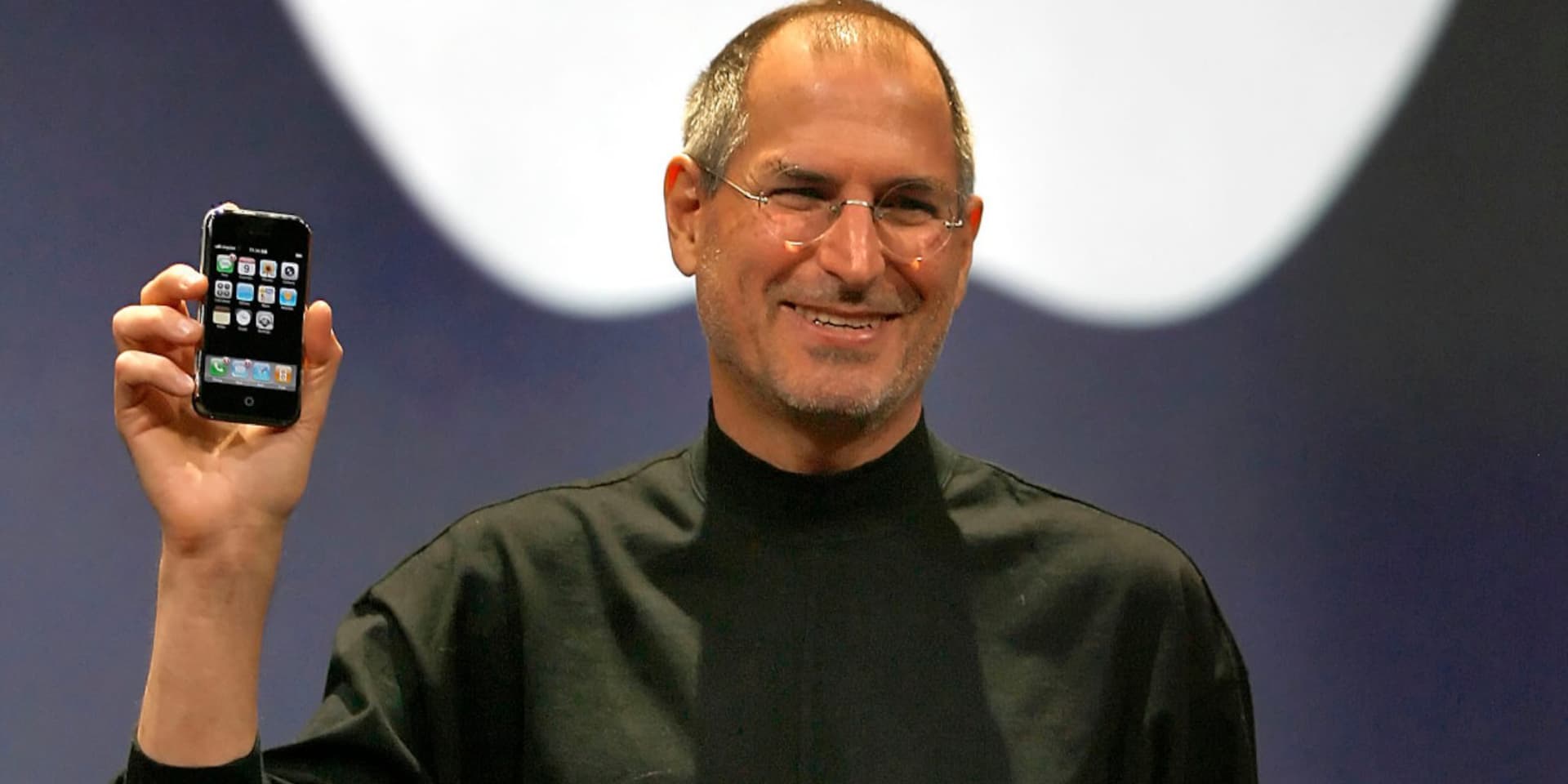
Vuonna 2001 Apple laajensi liiketoimintaansa esittelemällä markkinoille musiikin kuuntelun mullistaneen iPodin, jolle kilpailijoilta ei ikinä tullut kunnon haastajaa. Jobs oli myös 2000-luvulla muuta markkinaa vuosia edellä visioinnissa ja todettuaan kaikki käyttämänsä puhelimet kelvottomaksi roskaksi - kuten oli käynyt myös aivan ensimmäisten mp3-soittimien kohdalla, jotka innoittivat häntä suunnittelemaan iPodin - heräsi hänellä kiinnostus tuoda markkinoille aidosti helppokäyttöinen puhelin, jossa ei olisi fyysistä näppäimistöä lainkaan. Applen sisällä oltiin huolissaan, voisko pelkästään kosketusnäytöllä käytettävä puhelin kelvata yrityskäyttöön, jossa oltiin totuttu fyysisen näppäimistön ylivoimaisuuteen. Epäilyt osoittautuivat turhiksi, kun ensimmäinen iPhone julkistettiin vuonna 2007 ja myi 270 000 puhelinta jo pelkästään ensimmäisten 30 tunnin aikana. iPhonen julkaisu oli käänteentekevä hetki koko puhelinmarkkinoilla.
Apple nykyään
Sairastettuaan haimasyöpää useamman vuoden ajan, Steve Jobs lopulta kuoli lokakuussa 2011. Apple nimitti uudeksi toimitusjohtajakseen Tim Cookin, joka oli aiemmin toiminut operatiivisena johtajana ja oli Jobsin luottomiehiä, vaikkakin persoonallisuudeltaan Cook oli lähes täydellinen vastakohta Jobsille.
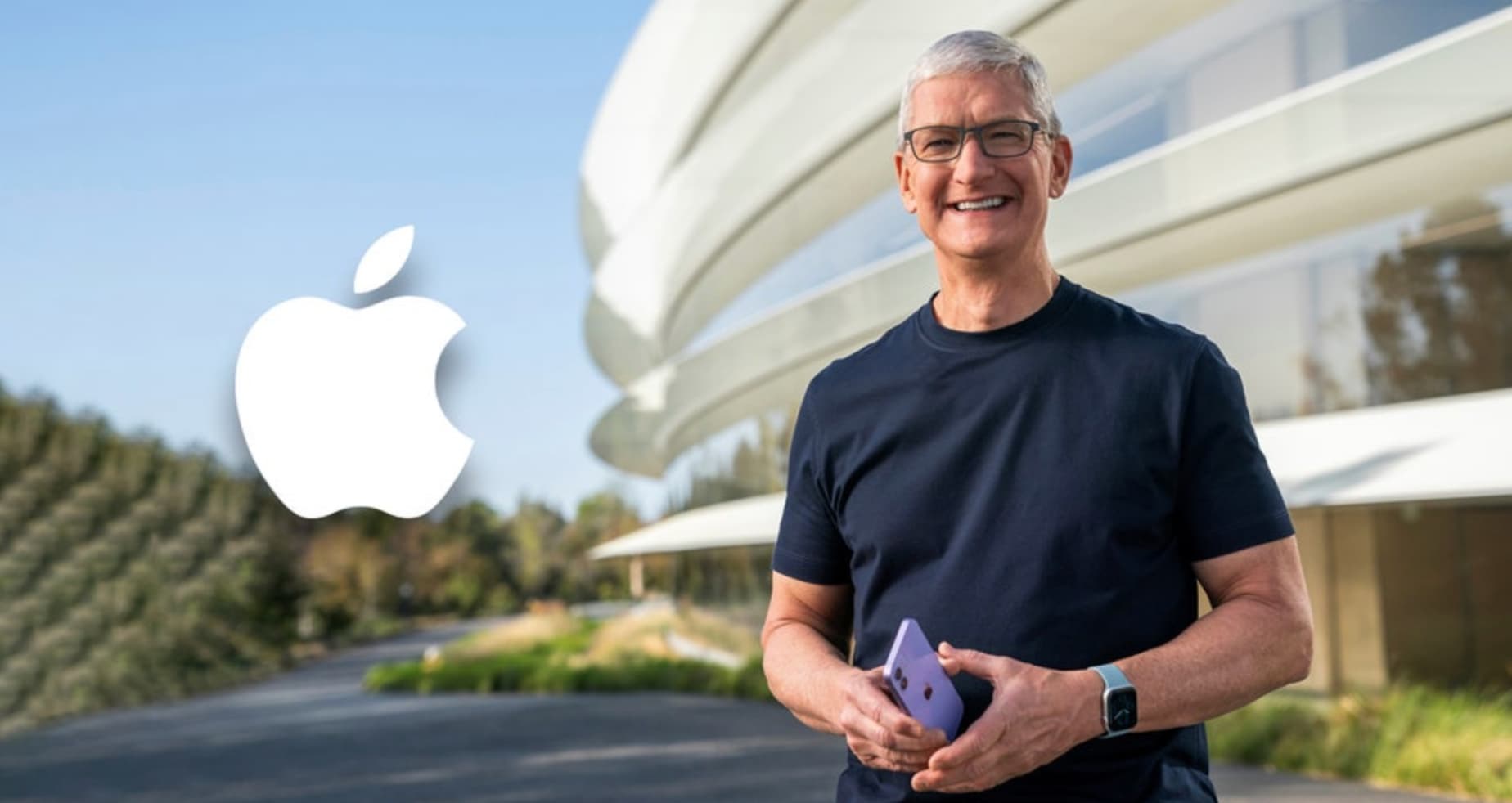
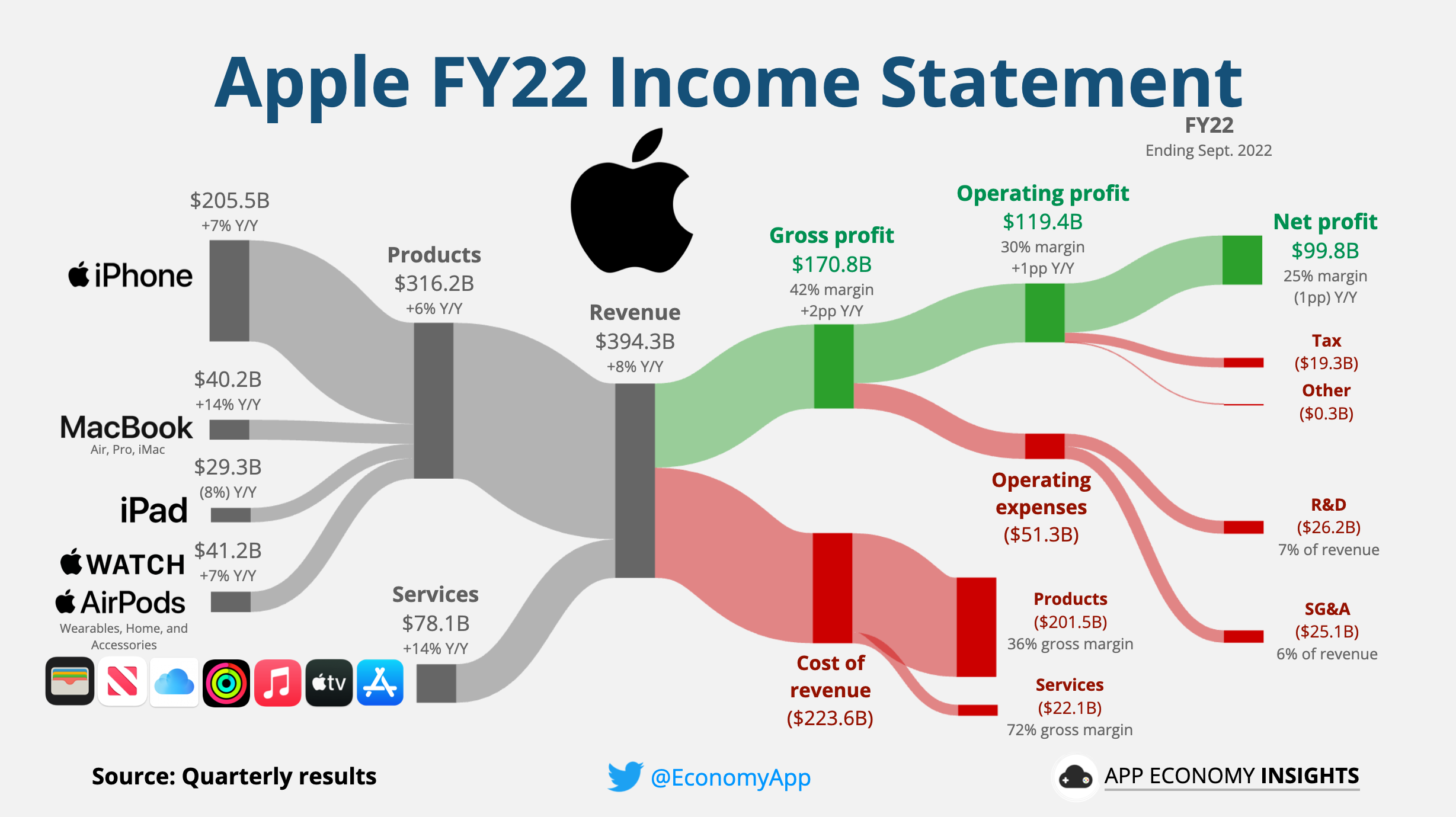
Cookin aikakauden aikana Apple on edelleen jatkanut uusien tuotteiden lanseeraamista ja innovointia. Tietokoneiden ja puhelimien lisäksi tuotevalikoimasta löytyy nykyään mm. myös iPadeja, kuulokkeita, puettavia älylaitteita sekä erilaisia digitaalisia palveluita kuten App Store, Apple TV ja Apple Wallet.
Kasvuaihiot
Onko Applen kultaiset vuodet sitten takana päin ja mista kasvua jatkossa? Viime aikoina taivaalle on tullut hieman tummia pilviä, kun Apple luopui oman itseajavan sähköautonsa kehittämisestä. Tämä ei toki ole ensimmäinen kerta, kun Apple luopuu jonkin asian kehittämisestä, mutta “Project Titan” nimellä kulkenut projekti alkoi jo vuonna 2014 ja päättyi viimein 10 vuotta myöhemmin tänä vuonna. Suurin osa projektissa mukana olleista siirrettiin generatiivisen tekoälyn kehitystyöhön.
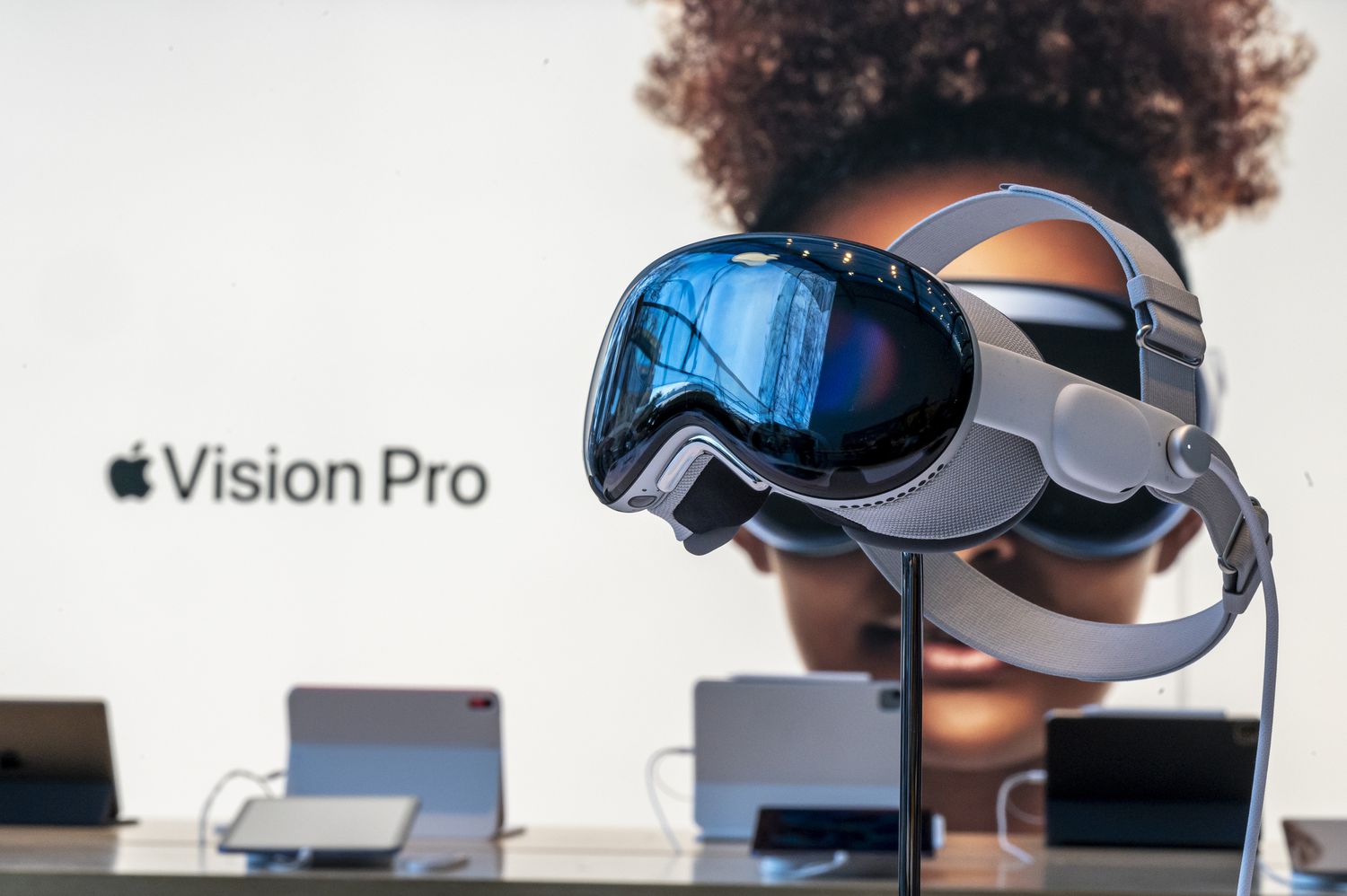
Vuonna 2023 Apple paljasti tehostetun todellisuuden virtuaalilasit Apple Vision Pro. Lasit ovat ensimmäinen uusi tuotesarja sitten Apple Watchin lanseeramisen vuonna 2015. 3500 euron hintalapulla varustetut lasit eivät kuitenkaan ole vielä lyöneet läpi uudehkolla markkinalla ja myyntiodotuksia on laskettu jo puoleen alkuperäisestä. Tämä näkyy myös google-haun tuloksissa, jotka ovat olleen tuotejulkistuksen jälkeen laskutrendillä. Laseista ei juurikaan puhuta enää.
Arvostus
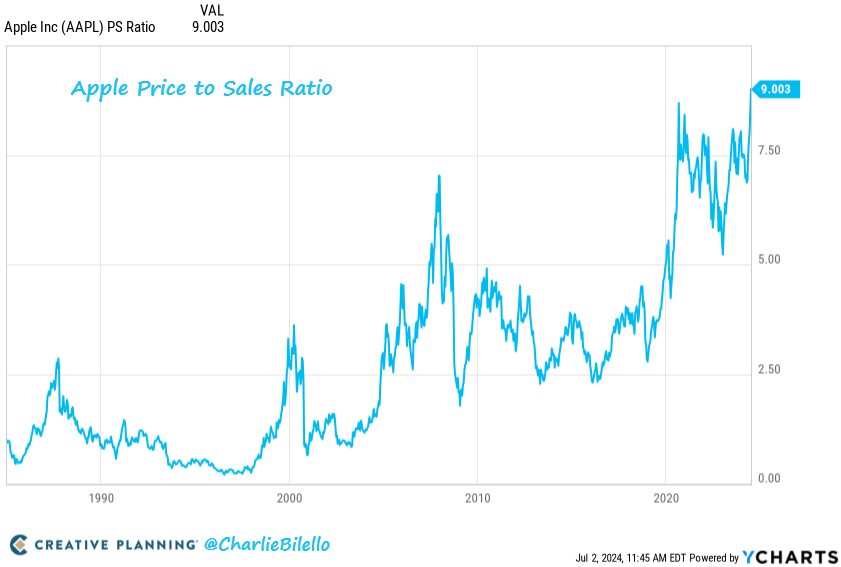
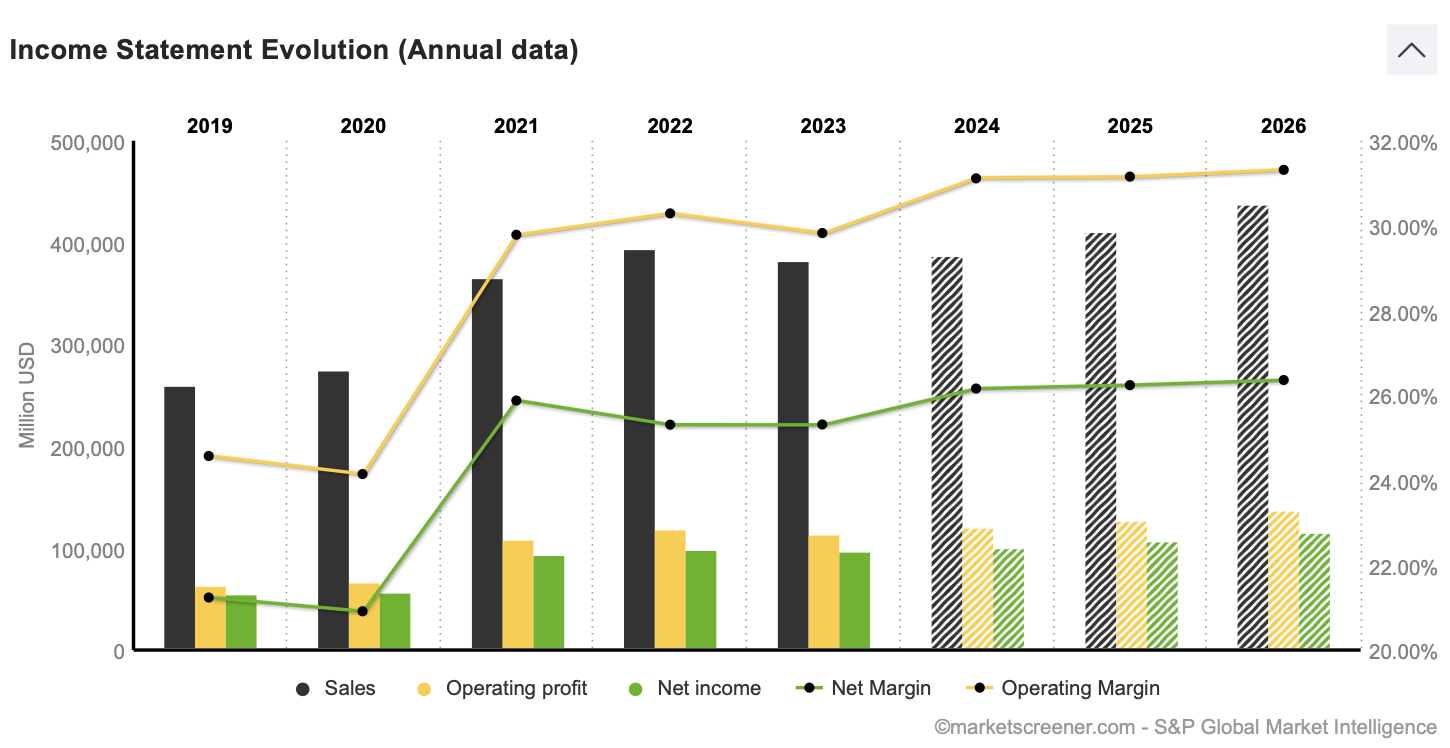
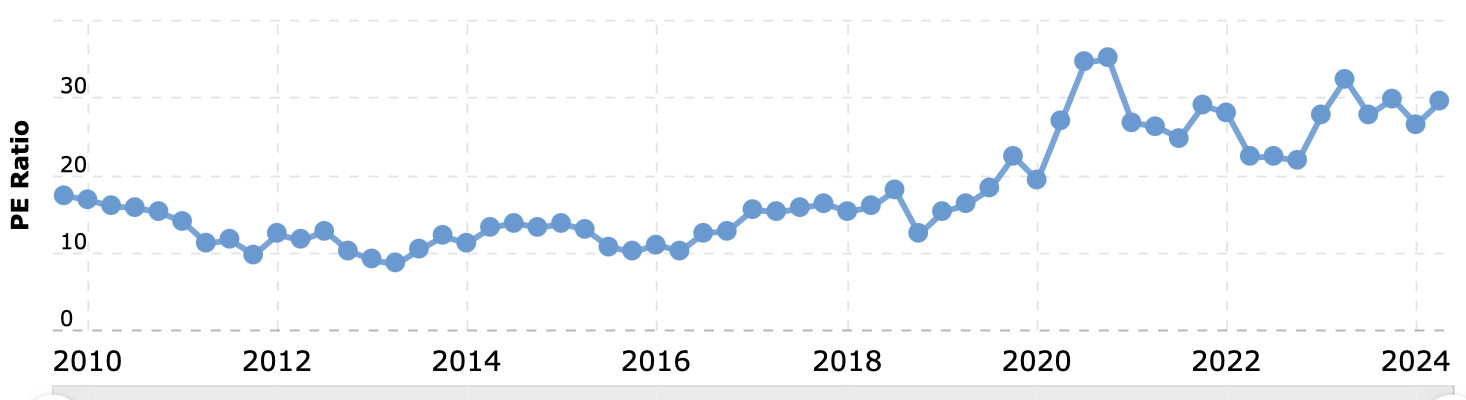
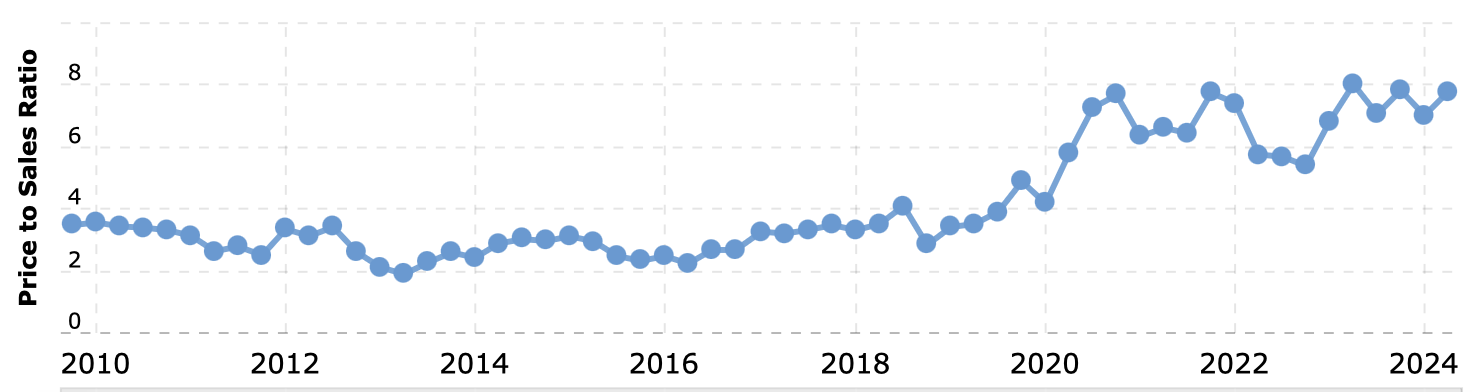
Apple majailee markkina-arvolla mitattuna maailman toiseksi arvokkaimpana yhtiönä Microsoftin vanavedessä, mutta enää vain niukasti Nvidian edellä 2 913 miljardin dollarin markkina-arvollaan. Kasvuvauhti on myös analyytikoiden ennusteiden perusteella hidastumaan päin ja vaikka kannattavuuden odotetaan hieman paranevan edellisestä vuodesta, huitelee arvostus silti kasvuodotuksiin nähden melko korkealla. Nähtäväksi jää pystyykö Apple vielä kiihdyttämään kasvuaan vai onko yhtiö saavuttanut huippunsa, josta on enää vaikea kasvaa markkinaa nopeammin.

 Muskihan on ollut perustamassa OpenAi:ta, mutta tiet erkanivat melko pian sen jälkeen vuonna 2018.