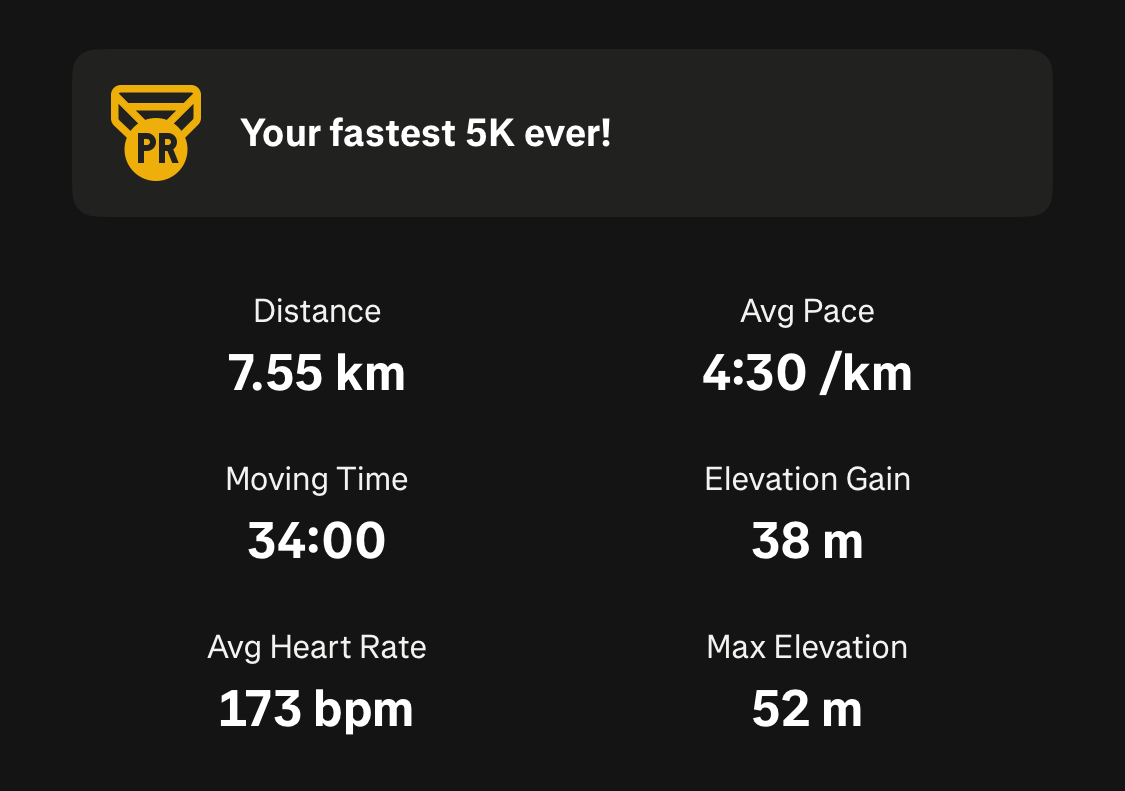
Ei varmaan kukaan epäile sitä, mitä olet tiettynä päivänä kuluttanut, mutta esimerkiksi dieetin kannalta suurempi merkitys on keskiarvo kulutuksella viikko -ja kuukausitasolla.
Toki tuo ei poista sitä faktaa, että yksilöllisiä eroja löytyy tästä huolimatta ja kyllä sillä arkiaktiivisuudella silti suuri vaikutus on. Salilla tavoitteellisesti treenaava kaverini pystyy syömään 4000 kcal/päivä ja pysymään todella kireänä painaen alle 75kg. Itsellä ylläpitokulutus ~3000 kcal 10kg painavampana, kellon näyttäessä yli 500 kcal enemmän. Molemmat ollaan noin 180cm. Se mikä meidät erottaa on se, että hän saa maatilalla joka päivä sen 20 000 askelta treenien päälle oman keskiarvoni pyöriessä 5000 nurkilla. Pitää joskus kysyä, mitä lukemaa hänelle älykello ehdottaa päivän kulutukseksi, veikkaan huomattavasti korkeampaa lukemaa kuin 4000 kcal.
Sitten on vielä se aineenvaihdunnan adaptiivisuus, elimistössä ei ole tarkkaa rajaa, missä juuri lihot tai laihdut, vaan esimerkiksi nostamalla kaloreita, myös elimistö nostaa vastaavasti kulutusta tietyn ikkunan sisällä. Tämäkin on yksilöllinen ominaisuus, niin ylös kuin alaspäin.
Sykemittari on tarkka arvioimaan sykettä ja sykevälivaihtelua. Ei kalorinkulutusta.
Treenin aikaista kalorinkulutusta voi melko tarkasti arvioida MET-taulukon Metabolinen ekvivalentti mukaan, missä siis ensin arvioidaan subjektiivista rasitusta, rasitukseen käytettyä aikaa ja kerrotaan tämä omilla painokiloilla (käytännössä näin, hifistely erikseen).
Eli jos 100 kg painava henkilö arvioi 1 tuntia kestävän juoksulenkin sijoittuvan MET-taulukossa kohtaan 8, on kalorinkulutus n. 800 kcal (100*1*8).
MET kohtaa arvioitaessa voi hyödyntää RPE/Borgin-asteikkoa rasituksen arviointiin.
Lepoaineenvaihduntaa voi arvioida siihen kylkeen esim tällä Mifflin-St. Jeorin yhtälöllä Lepokulutus
Keskiarvo kuukaudessa varmaan antaisi realistisemman kuvan kulutuksestasi. Jos tulee 20k askelta joka päivä niin se on kyllä hurja määrä!
Edit. Onneksi en liiku noin paljoa . Hirveä homma jo nyt pitää paino nykyisessä yhdellä treenillä per päivä. Tuo määrä vielä askelia päälle niin näyttäisin ajokoiralta.
Tuohon on kyllä pakko kommentoida. Itsellä on vähän sama tilanne että ei oikein tahdo ehtiä lenkkeilemään/kuntoilemaan mutta tässä on esimerkiksi viime kuun yhteenveto Polarin palvelusta, taitaa sisältää 4 lyhyttä kävelylenkkiä. Silti aina painostetaan että pitäisi kuntoilla enempi, hyötyliikunta ei ole mitään….
Rapia 10v sitten kun tuli ajettua yhdistelmäajoneuvoa elintarvikejakelussa työkseen niin perustyöpäivän askelmäärä pyöri siinä 30 000-40 000 nurkilla ja tuosta vielä yli puolet tuli kiskottua pumppukärriä ja painavaa lavaa perässä. Silti sekään ei lekurille riittänyt - koska kuljettajat ei tee mitään muuta kuin istuu ratin takana
Hurjia on askelmäärät. Itse hoipertelin tuossa juuri lenkin 12 km ja kävelin omasta mielestäni suhteellisen rivakasti 10 min/km. Askeleita tuli 22 tuhatta sille päivälle. Töissä suhteellisen normaali päivä ja kohtuullisesti istuskelua. Sillloin kun tein tehtaan lattialla suorittavaa työtä 10h päivässä saattoi askeleet nousta 30 tuhannen pintaan.
Huh mitä askelmääriä. Omat huippukuukaudet yleensä kesällä kun lomaa. Koostuvat hölkästä, koiralenkeistä jne. Huippukuut luokkaa 17k per päivä keskiarvolla. Mittaus tosin puhelimella, joka antaa vähemmän askelia kuin ranteessa olevat laitteet. Viime vuoden keskiarvo oli 13821.
Jatkakaa hyvää duunia!
Juokseminen on nykyisin erilaista kuin ennen. Lukiopoikana futista pelatessa painoa oli 67 kiloa, armeijan leivissä lenkkeillessä 72 kiloa ja välivuosikymmenen jälkeen painellaankin n. 95 kilossa.
Otin kuitenkin kavereiden haasteesta koppia ja rupesin tähtäämään johonkin polkujuoksutapahtumaan. Eilen ensimmäinen testi puolimaratonin juoksemisella: 2 h 10 min 44 sek otti itse juokseminen. Kun tavoite oli 6:30 kilometrejä juosta, täyttyi tavoite hyvinkin. Viimeinen kilsa 5:32 sisältäen reitin kovimman nousun.
Se oli samalla maaliskuun puolivälin jälkeen alkaneen juoksukauden 15. lenkki.
Aktiivinen elämäntapa lienee mahdollistanut kohtuullisen pitkätkin lenkit heti alkuun, kun muksun kärrylenkeillä askelia kertyy päivittäin 15-20 000 ja omat liikkumiset päälle. Päivittäiset lukemat lepopäivinä siellä 18-24 000 ja treenipäivinä 23-35 000 askelta.
Maanantaina aloitin myös pidemmät pyöräilyt 50 km startilla tavoitteena lisätä 10 km per viikko lisää, kunnes joka maanantai poljen 100 km.
(Askelet mitattu Polarin kellolla, joka muuntaa myös pyöräilyä askeliksi jollain laskelmalla.)
Treenit on kulkenut viime aikoina varsin hyvin ja Inderesin forumienkin seuraaminen on jäänyt vähemmälle, kun ajatukset on (töiden lisäksi) olleet niin vahvasti liikunnassa. Vaikka työt ovat vieneet huomattavasti aikaa treenaamiselta, on siltine treenit, jota on kerennyt tekemään tuntuneet hyvältä. Olen nyt ottanut treeniin ennemmin sellaisen asenteen, että arkena tehty treeni on tärkein treeni ja kaikki sen päälle on vain plussaa, mutta viikonloput ovat sitten tarjonneet mahdollisuuksia kovemmalle treenaamiselle.
Jotta viestiin tulisi konkretiaakin niin voidaan viime aikaisina “suorituksina” mainita seuraavat:
5 km uusi oma ennätys (22:26): tämä tuli pyöräilylenkin jälkeen ja ei alkuun ollut edes tarkoituksena juosta kovaa, mutta jalat veivät mennessään ja päätin sitten, että pingotaan sitten kovempaa, kun kerran lähtee.
Uusi pisin pyörälenkki (76 km): viikonlopun loistava sää innosti polkemaan pidemmän lenkin. Jatkoa varten pitää corea ja selkää treenata, kun loppua kohden alaselkä alkoi hieman kipeytämään.
Seuraavaksi sitten tuon juoksun, pyöräilyn, uinnin ja hyvin satunnaisen salilla käymisen ohelle mukaan suunnistuksen, jos sitä selviäisi Jukolan viestistä vähän paremmin kuin viime vuonna. Koitin tosin jo käydä kertaalleen kiintorasteilla suunnistamassa, mutta en millään löytänyt yhtäkään. Kolmannen rastin tietämillä se sitten valkeni, että ehkä en olekaan ihan niin huono suunnistaja, vaan rastit on yksinkertaisesti kerätty pois.
Minulla menee rytmi sekaisin jos on paljon töitä tai ylipäätänsä muita asioita. Aikaa olisi mutta keskittyminen kärsii ja treenit tekemättä. Samalla kärsii ruokapuoli. Sama juttu jos on joku paikka kipeänä, pystyisi treenaamaan mutta jostain syystä jää menemättä.
Pakko kiristää ruuvia nyt jos haluaa kuntoon ennen kesää. Saada rutiinit takaisin. Outoa kyllä, vaikka olen miinuksella ollut ja treenit ovat olleet välillä mitä sattut niin voimatsot ovat nousseet. En ymmärrä miten se on ollut mahdollista mutta veikkaan että kroppa on pysynyt freesinä matalan voluumin takia ja yhtäkään sarjaa en ole vienyt failureen. Pääsääntöisesti sarjat ovat olleet pitkiä. Vähän on kipuja ollut mm kyynärvarsissa, enkä ole hauista ( tärkein lihas) pystynyt treenaamaan. Yksi asia on ainakin selvä ja se on se että 112kiloiseksi en halua takaisin.
Salitreeni -tubekanava on musta tosi hyvä treeniaiheinen kanava; sellaista konstailematonta asiallista ja hyödyllistä asiaa ertiyisesti voimatreenaajille.
Tällä kertaa aiheena oli peruskuntotreenistä salilla.
Haluatko suurempia nostotuloksia ja vahvemman perustan saliharjoitteluun? Tässä videossa käydään peruskuntotreenaaminen, jolla voi kasvattaa voimaa ja parantaa suorituskykyä kuntosalilla.
Videolla tutustutaan peruskunto salitreenaamiseen, sen tärkeimpiin hyötyihin sekä siihen, miksi vahva peruskunto auttaa sekä aloittelijoita että kokeneempia treenaajia saavuttamaan parempia tuloksia. Käymme myös läpi, millainen saliohjelma tukee voiman kehitystä, lihaskuntoa ja turvallista harjoittelua.
Video sopii niin aloittelijoille kuin kokeneemmillekin kuntosaliharrastajille, jotka haluavat rakentaa vahvan perustan voimaharjoittelulle ja kehittää suorituskykyään pitkäjänteisesti.
Huhtikuun alussa päätin ottaa vihdoin itseäni niskasta kiinni parempaan kuntoon pääsemisen osalta. Runsaat kaksi vuotta kestänyt painonpudotusprojektini oli kyllä edennyt (n. 10kg tiputettu), mutta viimeisen puoli vuotta paino oli jäänyt aikalailla paikalleen.
Salilla on tullut käytyä 2-3 kertaa viikossa ja satunnaisilla lenkeillä, mutta etätyöläisenä päivittäinen arkiliikunta tuppaa helposti jäämään aivan liian vähäiseksi.
Aloin käymään aamulenkillä päivittäin. Käyn sellaisen runsaan puoli tuntia, 4-5km ennen aamiaisen syömistä. Äkkiä siihen tottui, nyt kuukauden jälkeen lenkillä käynti tuntuu jo aamuun kuuluvalta rutiinilta!
Lisäksi otin kokeiluksi Foodvisor-nimisen sovelluksen syömisten kirjaamista varten. En sentään laske kaikkia kaloreita, mutta olen kyllä keittiövaakaa ja sovelluksen tekoälytoimintoja hyödyntämällä kirjaillut syömiseni päivittäin pysyäkseni varmemmin kalorivajeessa.
Voin sanoa, että näyttäisi purevan! Paino on nyt tippunut kuukaudessa päälle kilon.
Thundertepin uudella videolla ihastellaan erityisesti Janeten huimia suorituksia.
Uudella videolla käsittelemme Janette Ylisoinin menestystä EM-kilpailuista ja juniorien MM-kilpailuista. Myös Kanavalta tuttu Jarkko Perttula on kilpaillut ensimmäiset kilpailunsa WPC liiton alla. Mitchell Hooper kruunattiin maailman vahvimmaksi mieheksi jälleen.
Elämäni parasta aikaa jälleen tiedossa, eli Utin uuden vlogin katsomista ja kuuntelemista
Aiheet:
00:00 ALKULÄTINÄT 00:17 Kannattaako kotona treenata käsiä jos salista tulee taukoa? 04:00 Hölmöilyt bodauksessa 08:20 Itselle maksimaaliset treenivolyymit 15:35 Onko supistavat liikkeet huonoja? 22:35 Onko mitään väliä mistä kalorit/makrot ottaa? 37:20 Golf-kyynärpään kuntoutus 43:00 LOPPULÖPINÄT
Tällä kanavalla on lyhyitä venytys-, jumppa- ja kuntoutusvideoita.
Ei tietenkään mitään “ihmelääkkeitä” vaivoihin tai jumeihin, vaikka videoilta joskus voi tulla sellainen olo, mutta mielestäni tuolta kanavalta joka tapauksessa saa silti hyviä vinkkejä pieniin vaivoihin sekä niihin jumeihin.
Vähäistä ollut omat postaukset tähän ketjuun. Treenejä ei suinkaan ole unohdettu eikä salilla käyntiä lopetettu. Olen tehnyt reilu puoli vuotta seuraavalla ohjelmalla.
Rinta + Jalat
lepo
Selkä+olkapäät
Aerobinen+Hauis
Kierto uusiksi
Aika yksinkertaisella ohjelmalla menty. Liikkeitä vähän sarjoja 4/liike ja palautuminen välissä 1,5-2min. Siinä missä vuosi sitten mentiin 5 jakoisella, nyt mennään 2 jakoisella. Kehitystä tulee edelleen, mutta hitaammin.
1.päivä 5-6 sarjaa penkkiä, tällä hetkellä toistoja 4.
bulgarialainen 4x6-8 ja prässi. Treeni on käytännössä siinä, joka toinen viikko teen ristikkäistaljassa rinnan lisäksi.
Hetkeksi olen joutunut vielä yksinkertaistamaan kun toinen olkapää otti jostain kipeää. Pystärit tauolla ja penkki tehdään kapeana. Hauska miten siinä on tultu ylös ja ollaan jo lähellä sitä mitä se oli leveällä otteella.
Ajattelin mennä tällä vielä hetken ( puoli vuotta ) ja sitten hivenen vaihtaa liikkeitä. Ehkä mave taas mukaan ja penkin voisi vaihtaa vinopenkiksi jos mennään takaisin leveään, pitänee ottaa dippi lisäpainoilla rintapäivään. Selkäpäivänä haluan keskittyä yläselkään ja lapojen väliin, koska olen melkein valmis lyömään vetoa siitä että ainakin osa olkapään kivuista johtuu lavan hallinnasta. Olen totaalisen rakastunut bulgarialaiseen joten se pysynee jalkojen pääliikkeenä vielä pitkään.
 . Hirveä homma jo nyt pitää paino nykyisessä yhdellä treenillä per päivä. Tuo määrä vielä askelia päälle niin näyttäisin ajokoiralta.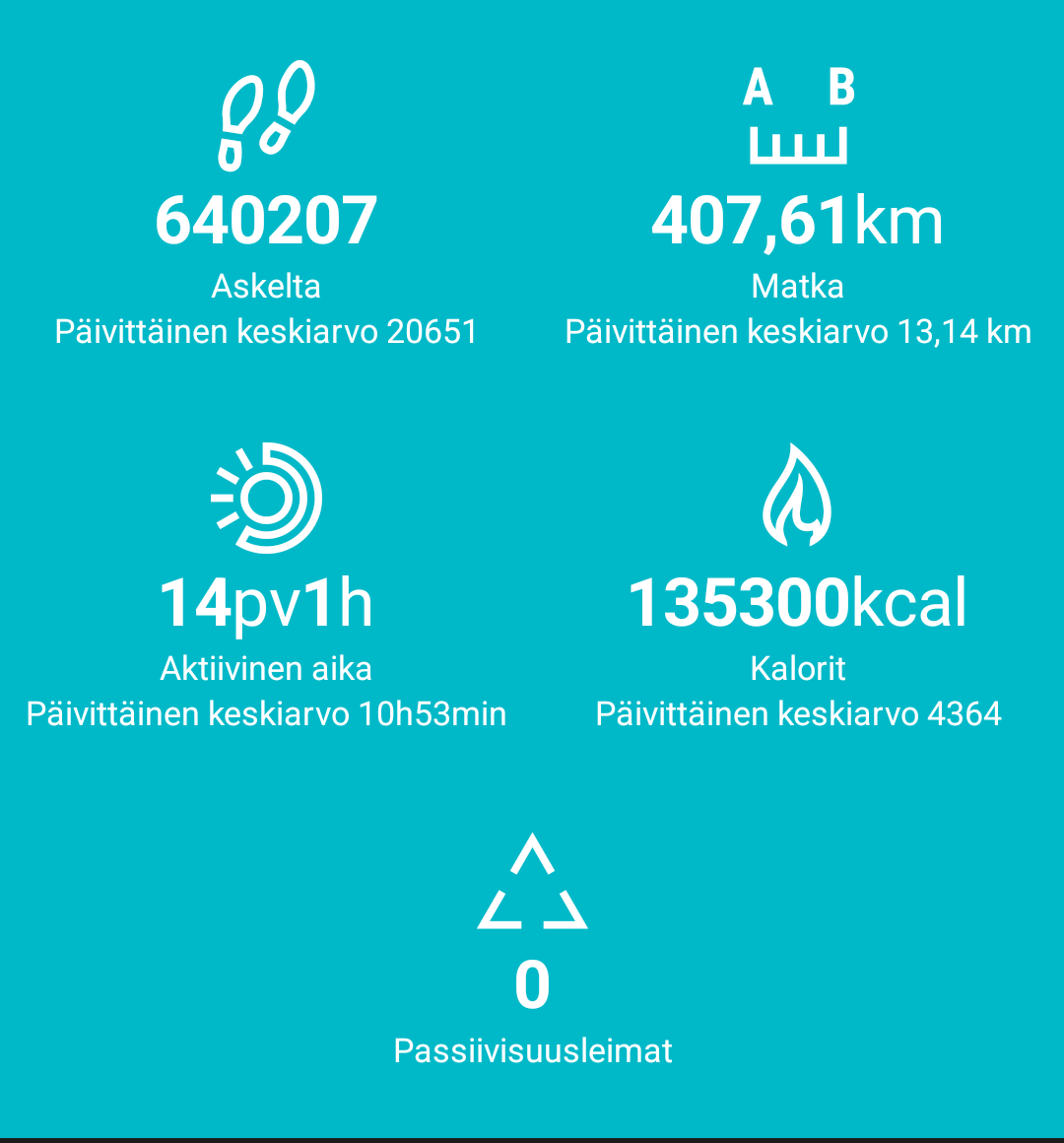

 Keskiarvo itsellä ~16000 vrk kuukausitasolla.