Is Toyo Solar the next multibagger?

This is an interesting and fairly recent player in the solar energy sector. The company was founded only in late 2022, but it has scaled its operations exceptionally aggressively and listed in the United States.
At the same time, they announced two new supply agreements for the U.S. market, with a total value of $185.6 million.

This is an integrated operator that seeks to cover the entire value chain from wafers to solar cells and finished PV modules. Currently, Toyo already has 2 GW of cell production in Vietnam and a 4 GW factory in Ethiopia, but the most interesting angle of the investment story relates to their ongoing conquest of the U.S. market.

In early June, Toyo announced it would build a 1.5 GW facility in the Houston area in Texas. The investment is valued at approximately $357 million.

Toyo started its own 1 GW solar module factory in Houston, Texas, in October 2025. Therefore, some of the finished panels (modules) sold in the U.S. are already being assembled on-site in the USA, but the cells used in them are still imported from abroad.

The U.S. solar cell market is currently well-protected from cheap Chinese production, and cells produced in the United States are eligible for the 45X tax credit.

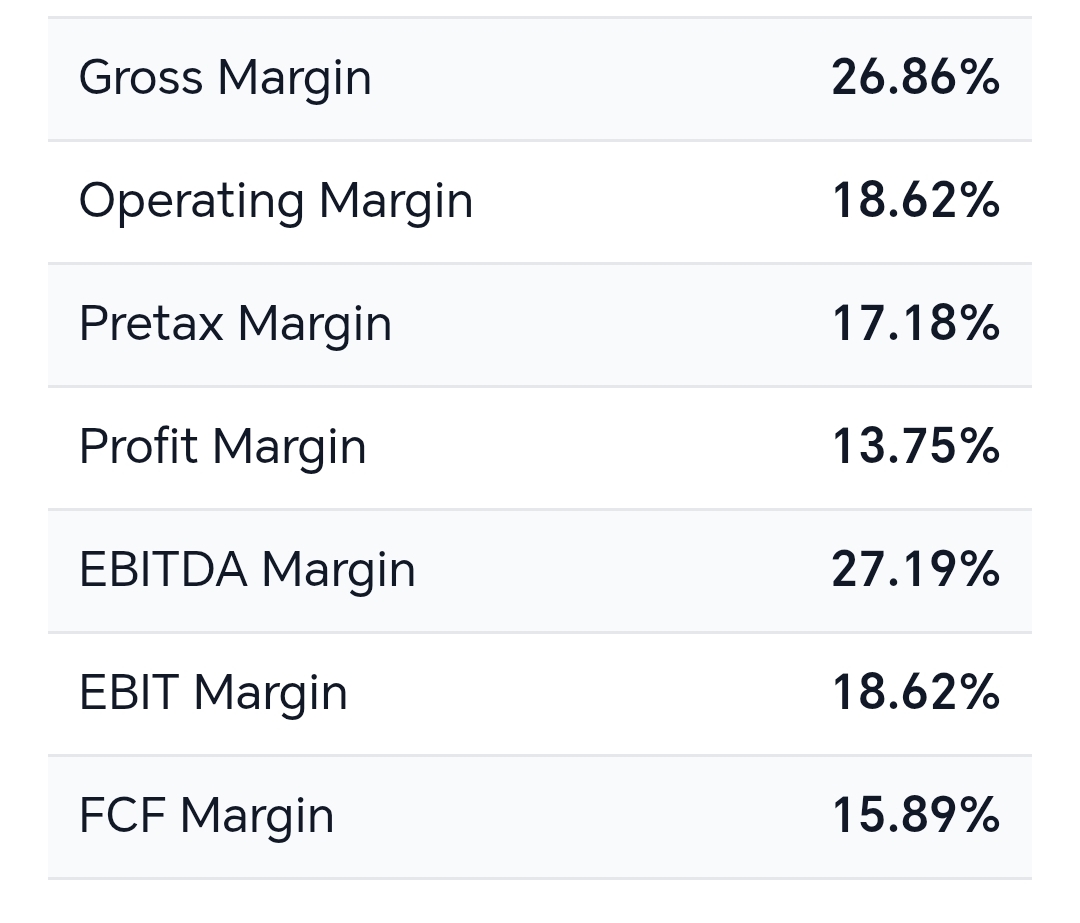
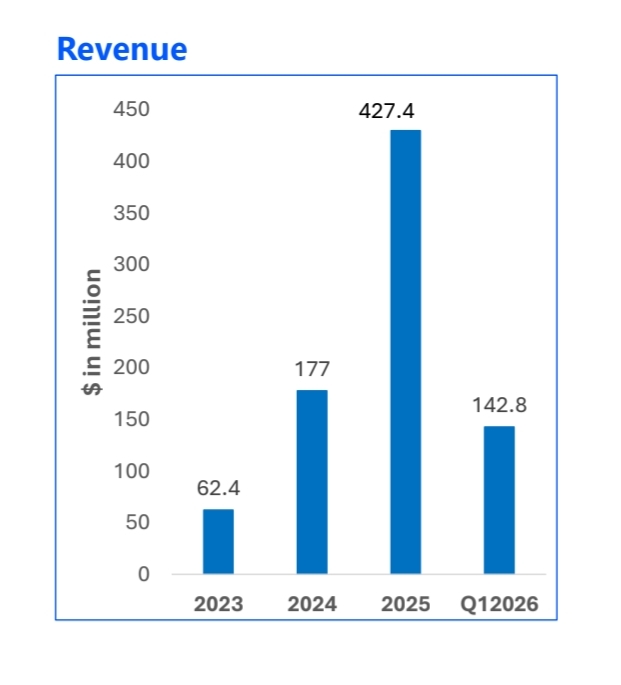
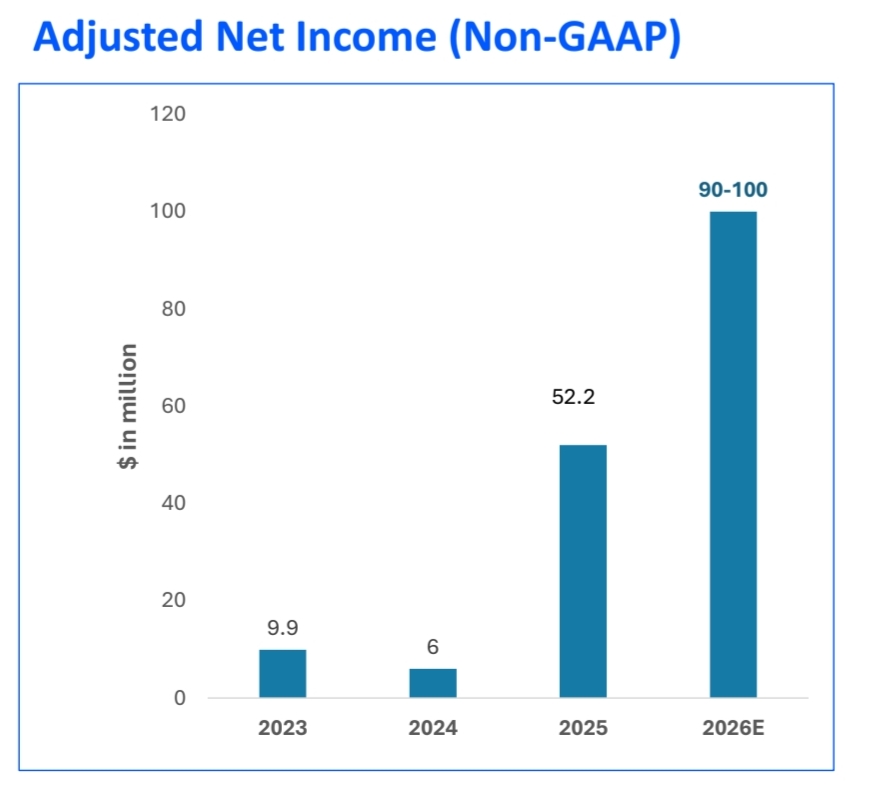
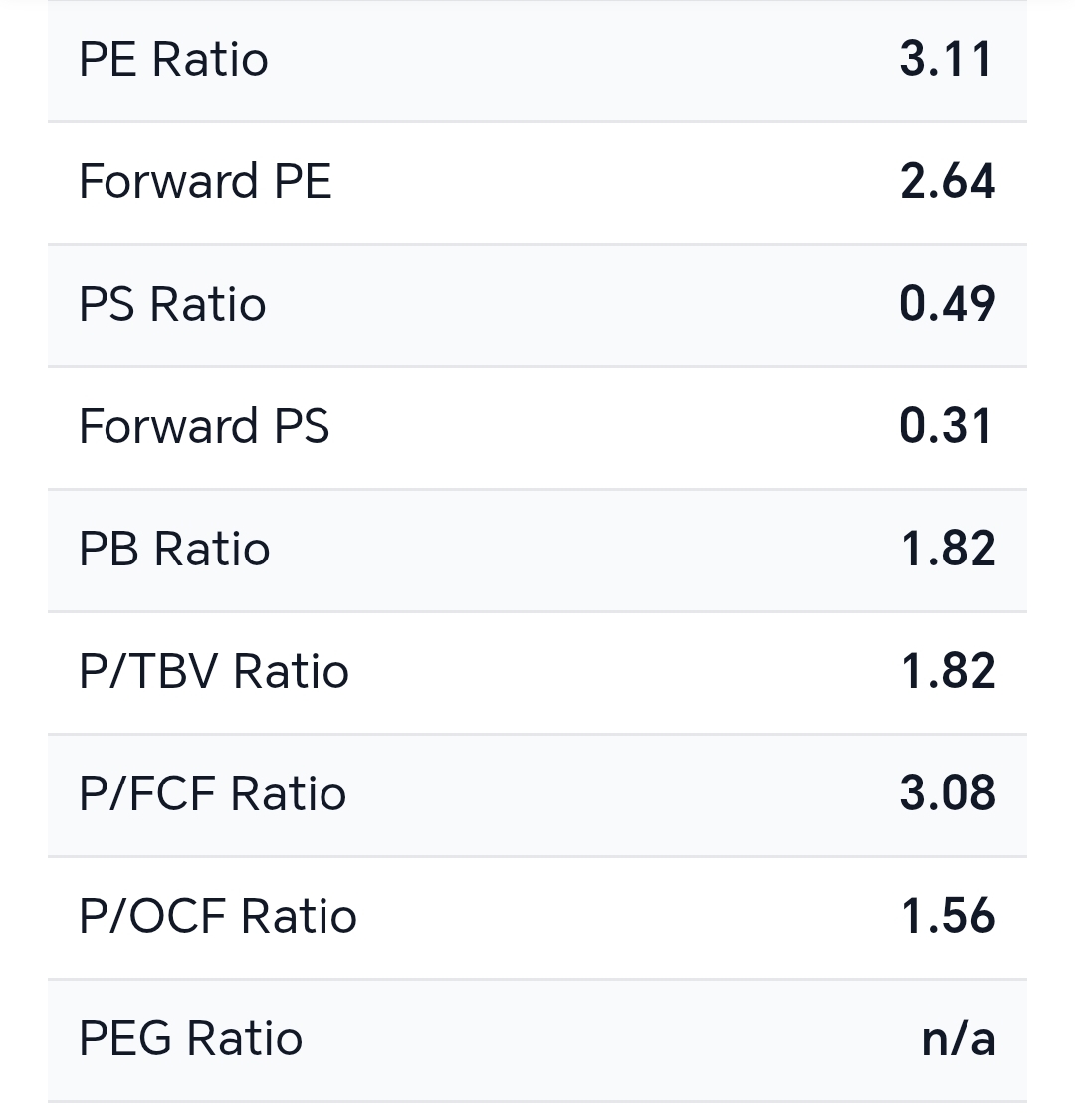
What makes this interesting are the numbers below.


13 Likes

Interesting, I have to ask before I start looking into the company more deeply, what kind of wrinkle has appeared in the story lately, considering the direction the stock price is headed…

7 Likes

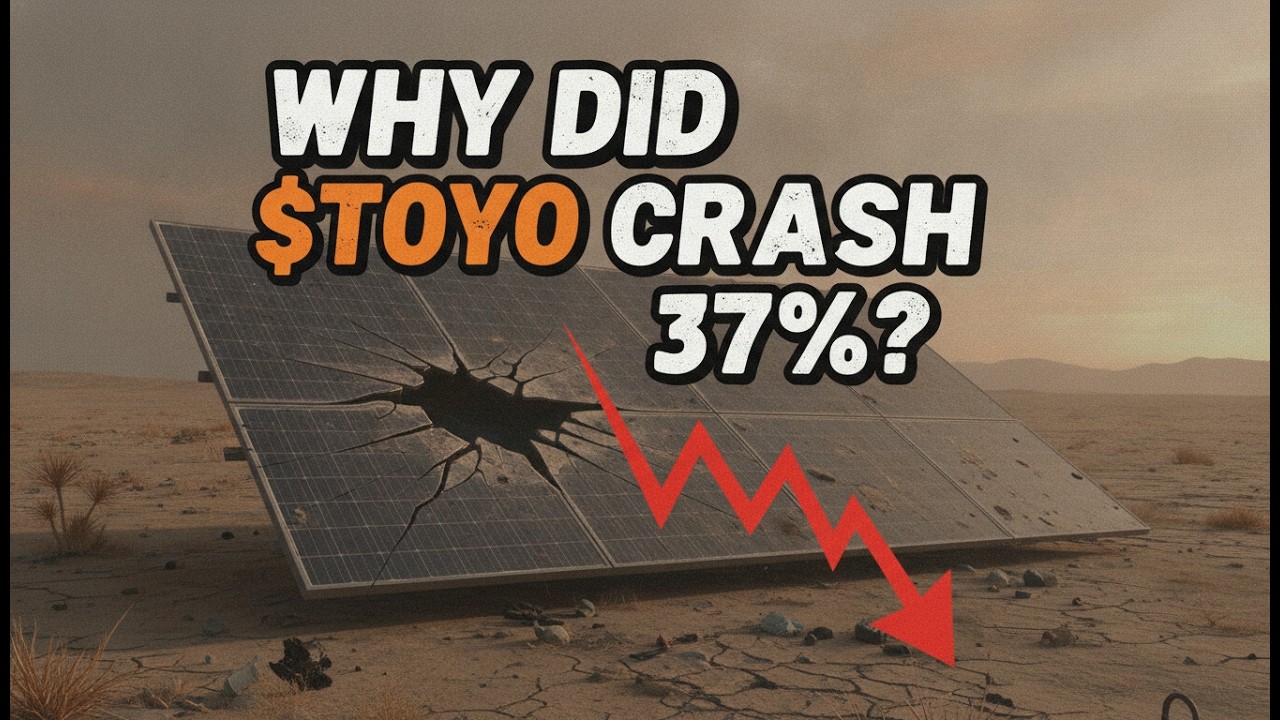
The stock price has fallen since June 24th, after the company announced a new 50 million share offering which caused a dilution of approximately 12% in the share capital.

The reason for the drop in the share price was the structure of the offering without a lock-up period. That is, $11 per share + a $13.20 warrant. As a result, a large portion of those who participated in the offering sold their shares immediately.

Additionally, the company’s float after the offering is approximately 19% of the total share capital. Founder Junsei Ryu owns about 80.4% of the company.

8 Likes

Below is a video about the company.

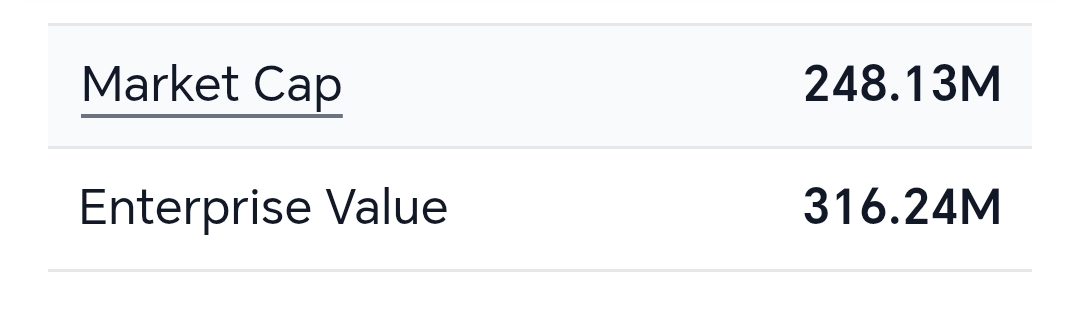
A question that piques an investor’s interest is: why are the company’s valuation multiples so cheap? Now that the dilution from the share issue has taken place and been priced in, the valuation multiples are still extremely low. The share price has apparently plummeted due to selling pressure, but even so. Is there some glaring reason why Mr. Market is assigning the company a P/E ratio of 3 with those financial metrics? At the pre-issue share price, the P/E was around 8.

4 Likes

I have been pondering this as well, but these micro-cap stocks often have these kinds of pricing errors. There is certainly all sorts of insider selling and the like here. If that U.S. import ban on China holds up, their future looks rosy indeed. Large orders are definitely coming in from customers, with some in the range of 80m per customer.

What I believe is keeping the share price down is that 200-250m funding gap needed to finance the U.S. factory, which is set to be completed in 2028 and costs 357m. Since 80% of the company’s revenue now comes from the United States, that factory is essential for business continuity.

1 Like

I consider the patent dispute initiated by First Solar to be the single biggest risk in TOYO’s investment case at the moment.

First Solar filed a complaint in February 2026, which led the U.S. International Trade Commission (USITC) to launch an official Section 337 investigation in March 2026, titled Certain TOPCon Solar Cells, Modules, Panels, Components Thereof (Inv. No. 337-TA-1494). The respondents include, among others, TOYO Co., Ltd., TOYO Solar Texas LLC, and VSUN Solar USA.

First Solar alleges that the respondents’ products based on TOPCon technology infringe upon its patents and is primarily seeking a so-called General Exclusion Order (GEO). If granted, this would be a highly significant ruling, as it could prevent the import of all TOPCon products deemed to infringe on these patents into the United States, regardless of the manufacturer. Alternatively, First Solar is seeking a more limited exclusion order as well as cease-and-desist orders against the respondents.

As of now, no ruling has been issued in the case, and the USITC has not taken a stance on the substance of the allegations. TOYO’s products continue to be imported into the United States normally.

The risk to TOYO is significant, as approximately 80% of the company’s revenue comes from the United States. Although the factory located in Texas assembles modules locally, the cells are still imported from Vietnam and Ethiopia. A potential import ban would target these very cells, so the current production model does not offer protection against this risk.

What makes the situation particularly interesting is that First Solar itself does not use TOPCon technology at all. The company’s own technology is based on CdTe thin-film cells, but it has acquired TOPCon patents through acquisitions and is now using them against its competitors.

This is not the first patent dispute surrounding TOYO. JinkoSolar challenged the TOYO–VSUN–Abalance group regarding TOPCon patents back in December 2024, but the parties reached a settlement at the end of 2025, and the lawsuits were withdrawn in early 2026.

In my own view, however, a complete GEO ruling is unlikely. TOPCon is currently the world’s leading solar cell technology, and a general import ban would affect a significant portion of U.S. panel imports. More likely alternatives could be a settlement, licensing agreements, challenging the patents, or a more limited order concerning only certain operators.

Section 337 cases typically last about 16–18 months, so a decision is estimated to arrive in late 2027. Interestingly, at the same time, TOYO is pursuing an HJT cell factory in Houston. This may turn out to be a strategically very important move, as HJT is a different cell structure and does not fall under the scope of the TOPCon patents. If patent risks regarding TOPCon increase, the HJT factory could effectively serve as an insurance policy for TOYO against this very scenario.
4 Likes

In addition to the patent dispute, Toyo is being accused of using Chinese-made silicon wafers in their solar panels. According to the company itself, the country of origin for the wafers and the materials used in them is the USA along with a few Southeast Asian countries, and the manufacturing of the panels is said to take place in Ethiopia. However, the accusations claim this is not true and that Toyo is using these measures to circumvent tariffs imposed on China. If the matter is investigated and Toyo is found guilty, it could result in retroactive customs duties, which would, in turn, have a very significant impact on both the financing of the Houston factory construction and the realized earnings, and consequently on the stock’s valuation multiples.

4 Likes

The DoC had 30 days to decide whether to initiate the investigation. The petition was filed on May 12, 2026, and the Department of Commerce had 30 days to decide on launching the investigation—meaning the deadline was around June 11, 2026. The deadline has therefore passed nearly a month ago, but there is no confirmation from either side in public sources: there is no news regarding the official launch of an investigation, nor its rejection. In other words, an official decision has not yet been published in either direction.

3 Likes

Here is a good analysis of the company.

3 Likes