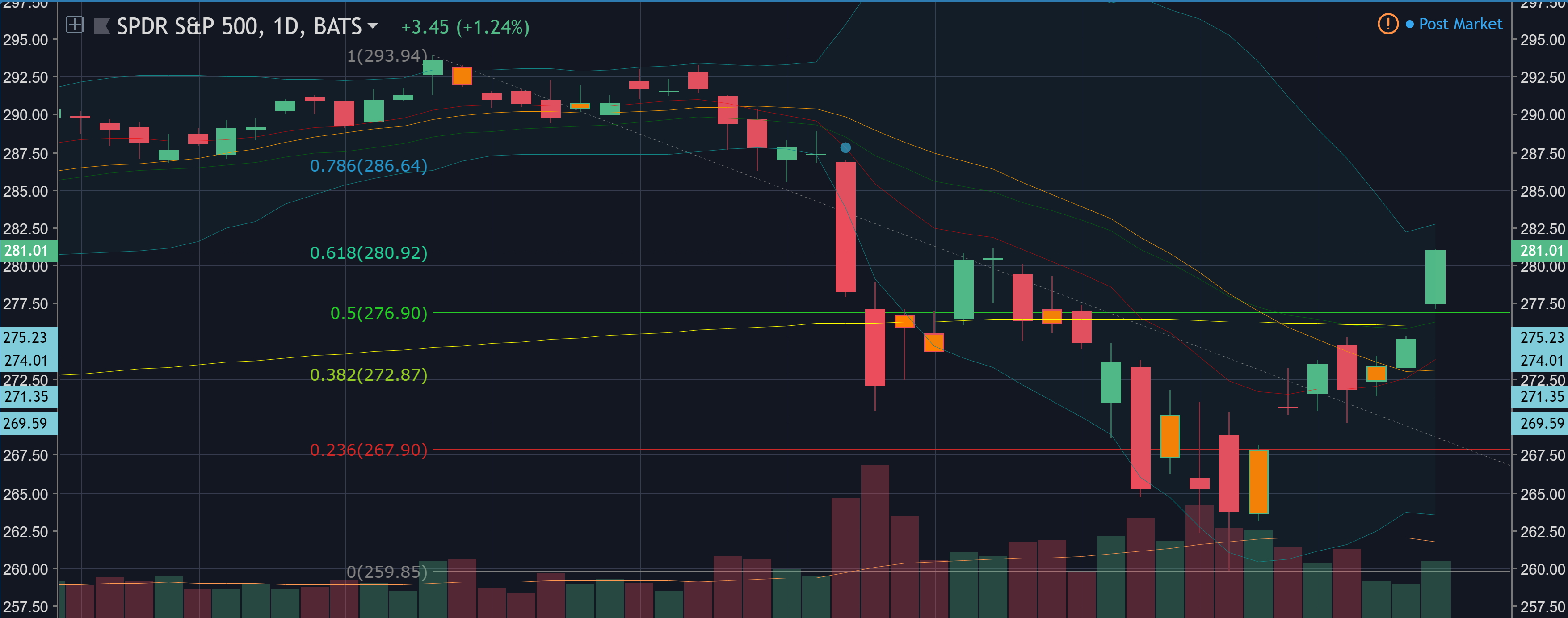
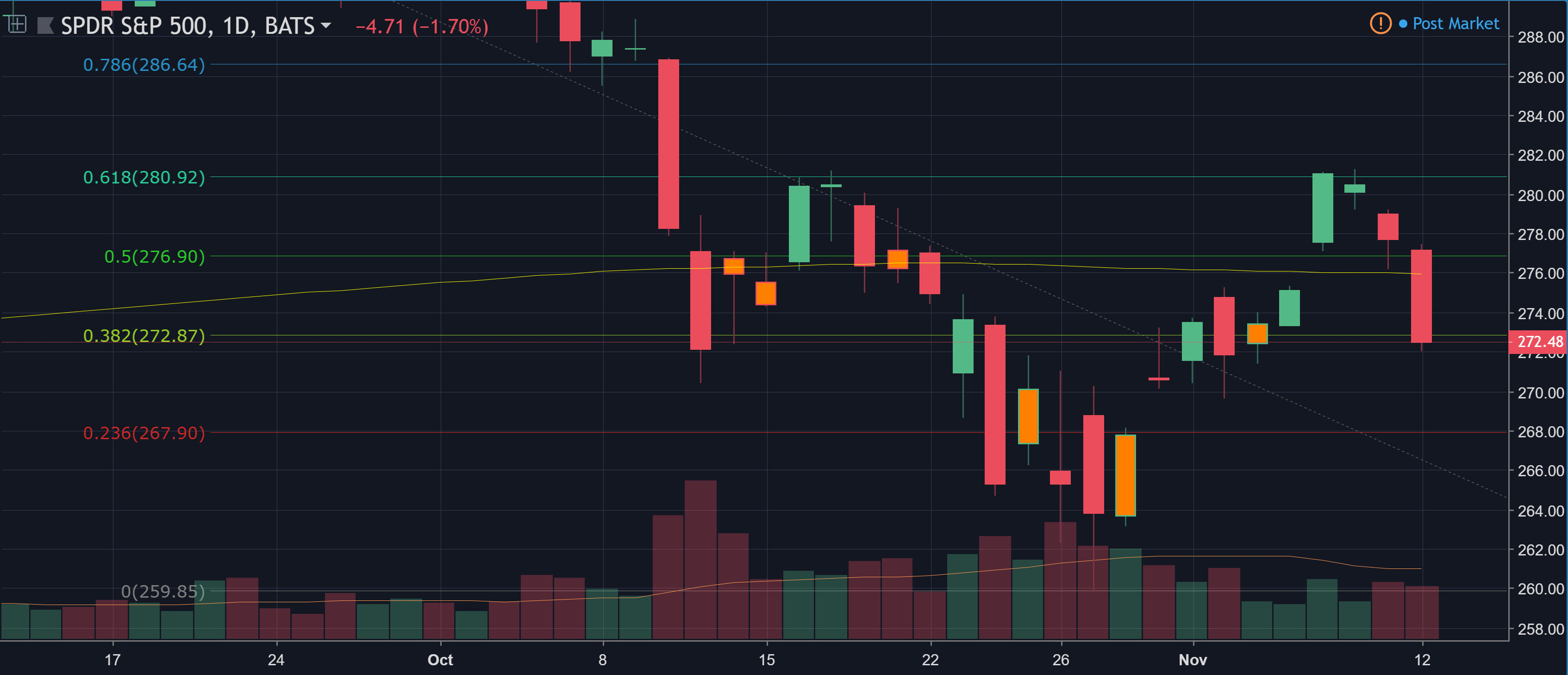
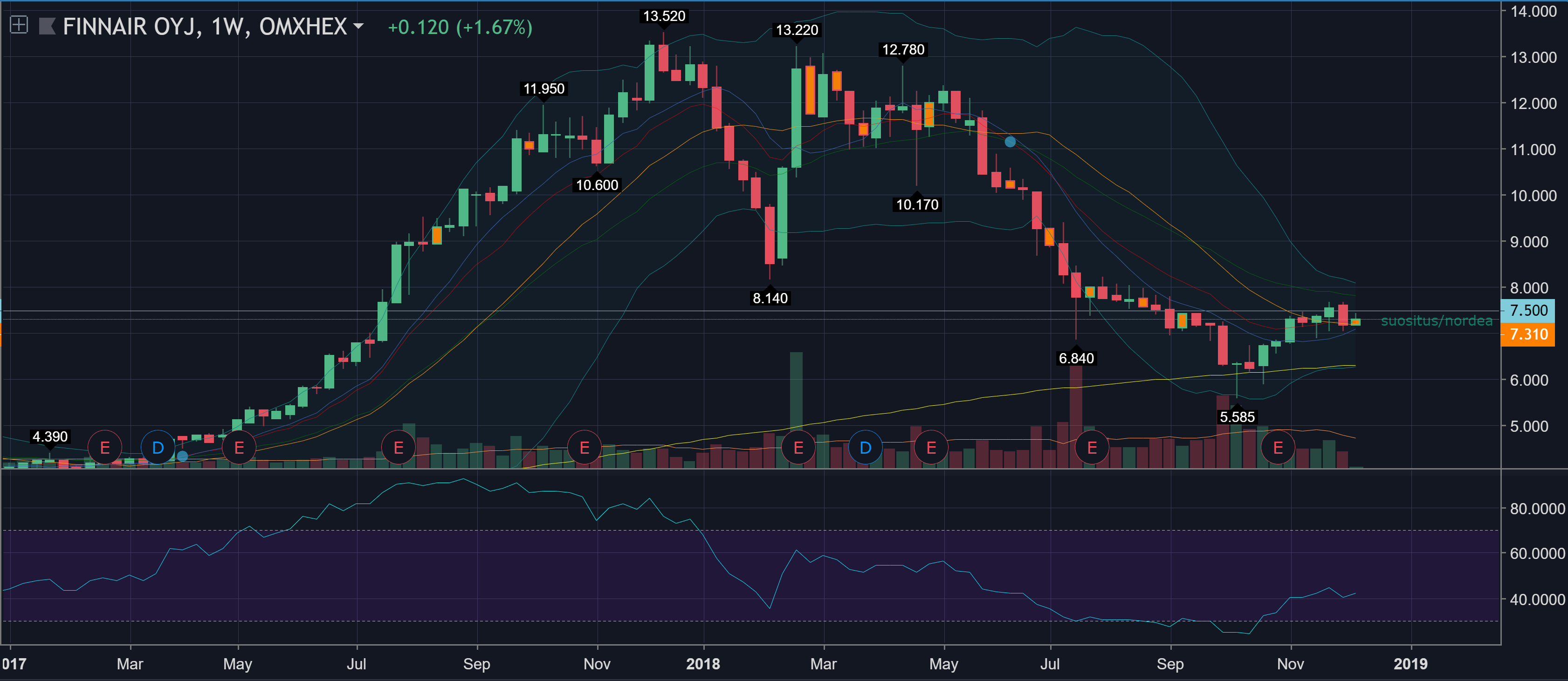
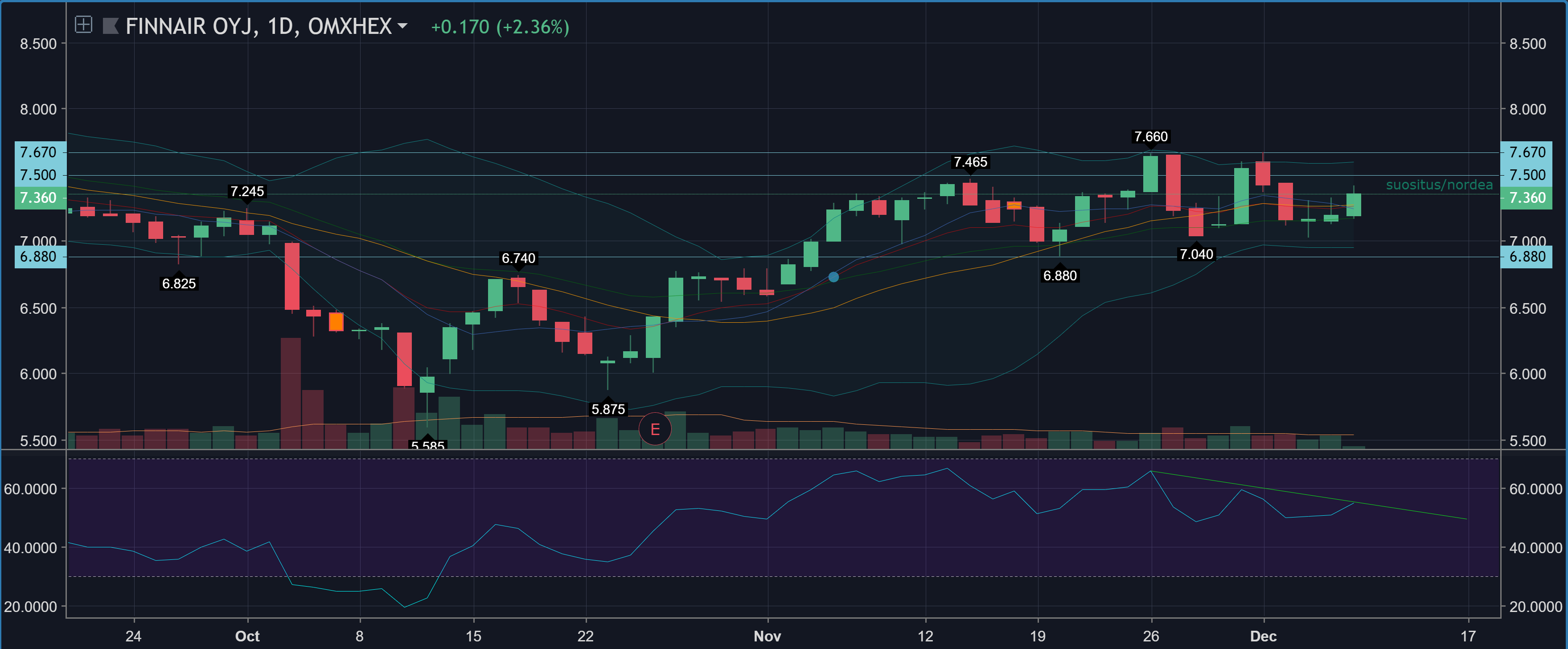
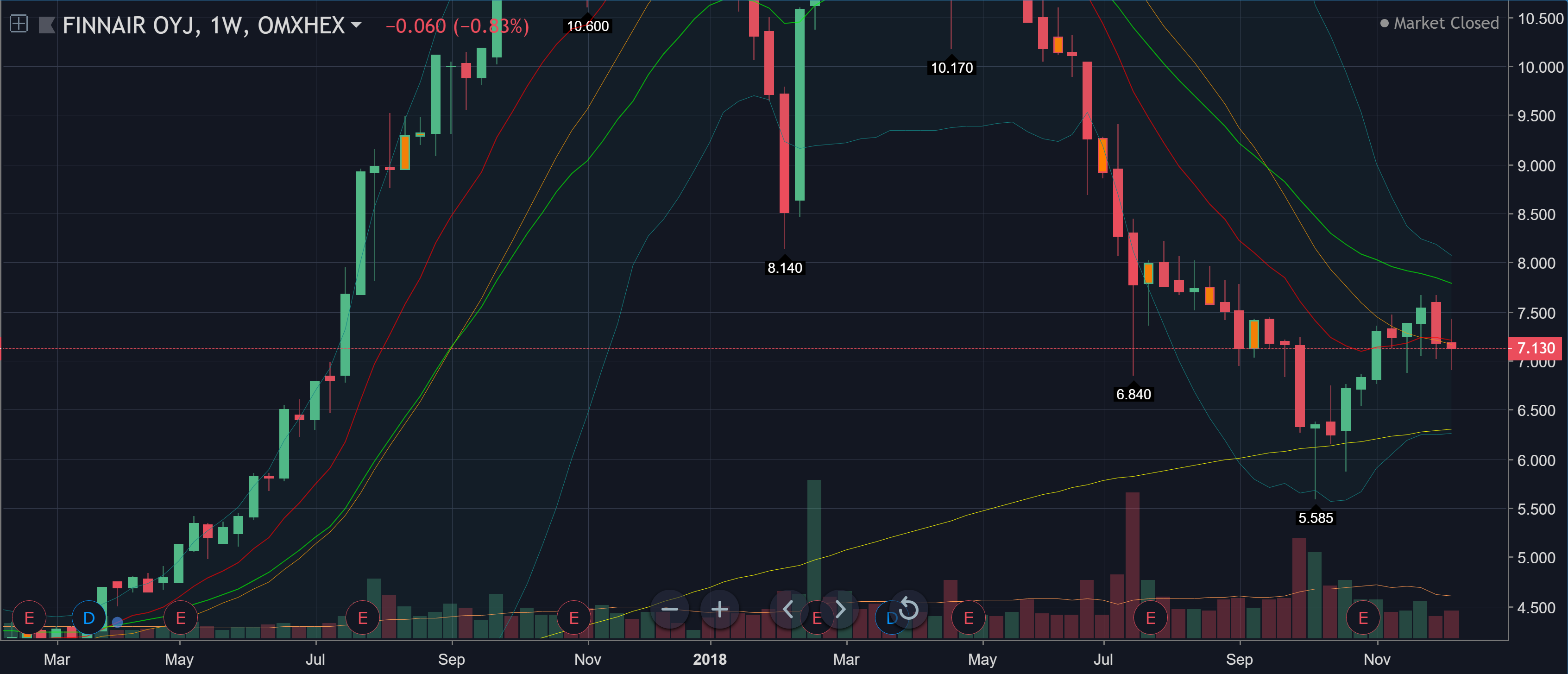
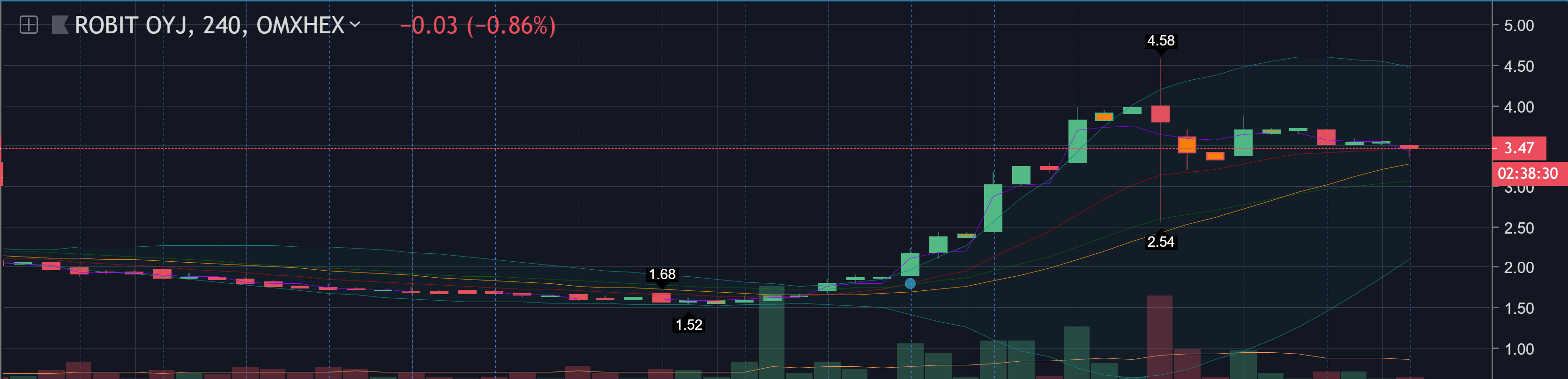
I don’t have the energy to explain this to those who are completely unfamiliar with it. I encourage anyone interested to research and learn about it. Investopedia.com is a perfectly decent basic source of information. Once the basic concepts are clear, you can start by looking for a few basic indicators, buying a tool to use them, and getting online course data for the desired stock exchanges. That’s how it starts.
I copied a short summary from the site above, which describes quite well what it’s all about.
@g3235286: You yourself probably examine price curves, their rises and falls, and look for price levels where the prices have been before. Technical analysis (TA) allows data to be analyzed more deeply, and statistical data can help determine when it’s a good time to buy or sell, or to try to predict the future. Prices tend to settle according to certain patterns. On the other hand, all the information that has formed for a stock through fundamental analysis (FA) is contained within the price curves. If the market has mispriced something, one can of course try to correct it through FA and form one’s own opinion. However, the markets do not necessarily price things in the same way.
In addition to TA, I also try to understand the main aspects of FA for the target of purchase, so I am not a TA purist. I believe that utilizing both is the best way to try to do things as well and professionally as possible.
I haven’t looked for any discussion groups in Finland regarding TA, but I do actively participate in one international group.
Charles Dow released a series of editorials discussing technical analysis theory. His writings included two basic assumptions that have continued to form the framework for technical analysis trading.
- Markets are efficient with values representing factors that influence a security’s price
- Market price movements are not purely random but move in identifiable patterns and trends that tend to repeat over time
The efficient market assumption essentially means the market price of a security at any given point in time accurately reflects all available information, and therefore represents the true fair value of the security. This assumption is based on the idea that the market price reflects the sum total knowledge of all market participants. While this assumption is generally believed to be true, it can be affected by news or announcements about a security that may have varied short-term or long-term influence on a security’s price.
The second basic assumption underlying technical analysis, the notion that price changes are not random, leads to the belief of technical analysts that market trends, both short-term and long-term, can be identified, enabling market traders to profit from investing based on trend analysis.
Read more: Technical Analysis https://www.investopedia.com/terms/t/technicalanalysis.asp#ixzz5WAmP3lhS
Follow us: Investopedia on Facebook