Supermicro (SMCI) - Like a little NVIDIA

Supermicro was founded in 1993, as was NVIDIA. Supermicro produces server and storage capacity, graphics processors, and customizes a wide range of customer-specific solutions for server racks.

What interests me about the company right now?

  1. Security. The company’s main production is in the USA. Additionally, factories in Taiwan and the Netherlands. Main production in the USA brings resilience to geopolitical situations.
  2. Even the name suggests a traditional IT hardware company, but underneath, desired solutions have been developed.
  3. It is now investing in these: AI, Cloud, Enterprise, Edge/5G
  4. So, it also produces high-end solutions for AI, Cloud, Edge, Telco racks filled with NVIDIA and AMD equipment.
  5. It is transforming itself from a component supplier to a full-service provider (“full stack rack”).
  6. Supermicro is valued at 4 billion, NVIDIA at almost 400 billion.
  7. It is priced in the market as a hardware supplier.

Shall we explore together what Supermicro tells us about the technology market outlook?

29 Likes

I went through the latest quarterly earnings (Q1/2023) investor call. The company describes how it is currently transforming into a HW service provider, which will enable it to grow and improve margins. In the next breath, it maintains official figures for flat growth and warns of a temporary weakening of margins due to macro risks. And in the following sentence, it states that supply chain difficulties no longer bother them. The company also says that Intel, AMD, and NVIDIA are renewing their CPU and GPU products, and they are involved in these renewals; the CEO specifically mentioned Metaverse and Omniverse, which use Supermicro’s solutions. Additionally, it was mentioned that CPU and GPU prices are now rising, which improves Supermicro’s margin.

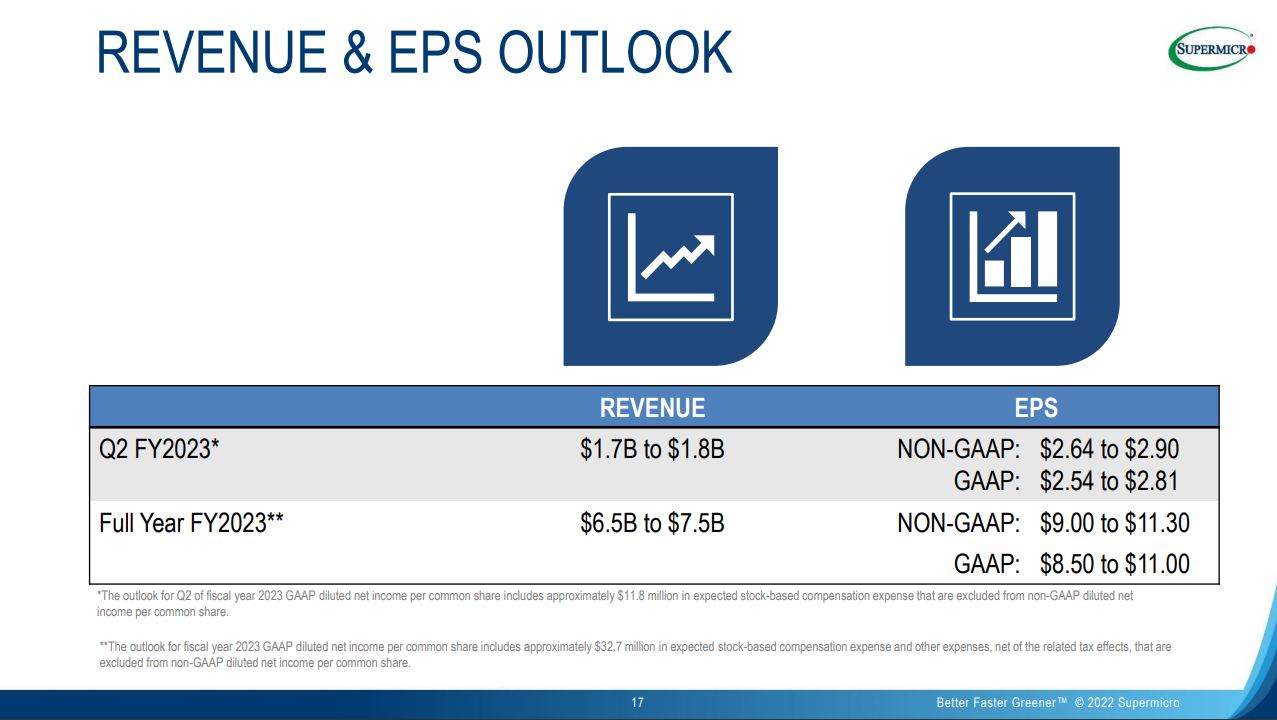
Management provided an outlook for the fiscal year ending June 30, 2023, with GAAP net income of €8.50 - €11 per share and annual revenue between €6.5 - €7.5 billion.

Regarding valuations, this company is quite retro, like the 80s. The official net income for the fiscal year ending June 30, 2023, based on the current share price, is less than 10. The company also generates positive cash flow roughly in proportion to net income. With the current market capitalization of 5 billion and the aforementioned revenue forecast, P/S < 1. Something doesn’t quite add up here – apparently, the market still doubts or hesitates regarding Supermicro.

7 Likes

Supermicro will now be added to the S&P MidCap 400 index starting Dec 22
Steel Dynamics Set to Join S&P 500; Super Micro Computer to Join S&P MidCap 400 (prnewswire.com)

3 Likes

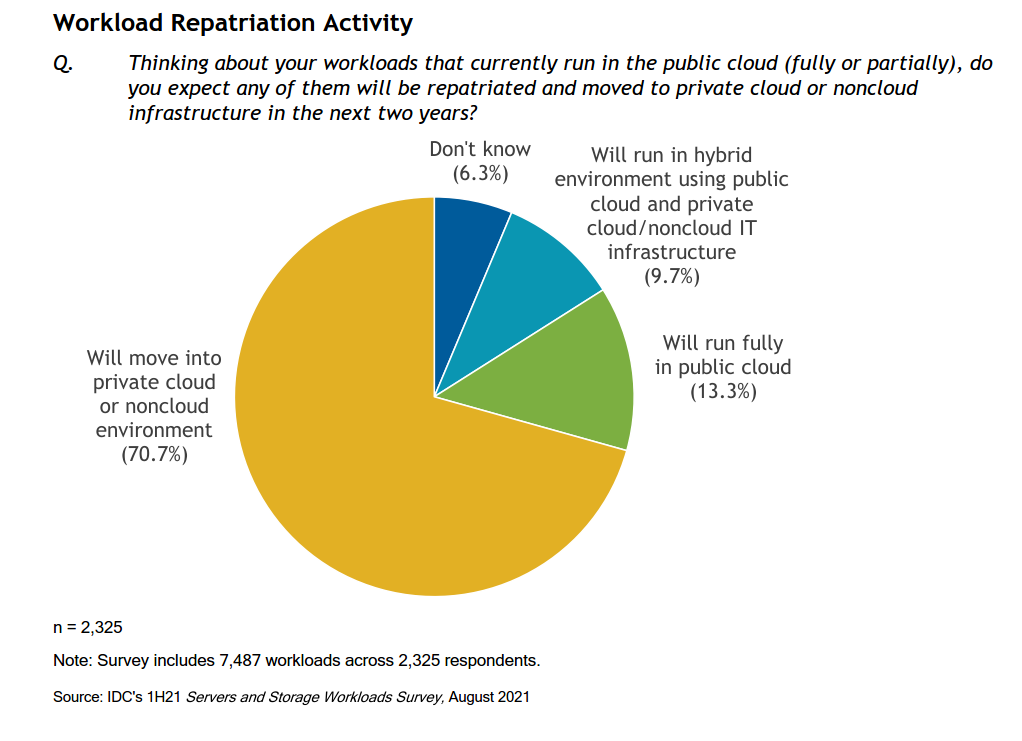
Supermicro’s CEO Charles Liang is really bullish about his company’s future in recent videos. I haven’t followed the company before, so I can’t say if the CEO has been this way since 1993. It’s not an easy company to get a handle on. But now I feel like I’ve made some kind of “discovery.” Below is a summary of an IDC study from summer 2021. Even then, there was a visible trend of starting to use companies’ own clouds (private cloud) instead of public ones.


This would mean that public clouds (Google Cloud, Amazon AWS, and Microsoft Azure) are no longer growing at the market rate; part of the growth is going into companies’ own clouds.

So here is one “opportunity” for Supermicro. Meaning setting up a private cloud as a total solution. There’s a pretty good description of this:
Why Supermicro for On-Prem Data Centers | Supermicro

7 Likes

One shouldn’t start reading threads about new companies on days off; you might accidentally spend the whole day looking into them. This is certainly an interesting case!

It seems it hasn’t stirred up much thought among forum members yet; thanks @karhulalainen for opening the thread and keeping it active. Based on my surface-level scratch, I’d perhaps want to distance myself from the idea of it being a “little NVIDIA”—after all, the companies operate at completely different stages of solution creation, and Supermicro also provides solutions unrelated to GPU computing. Of course, an essential part of SMCI’s product mix is GPU-intensive solutions, and the company packages NVIDIA’s hardware into ready-made rack-level solutions to meet those specific needs.

Supermicro’s market can probably be outlined through its competitors; the most significant ones are likely Dell, HPE, and Lenovo, and one Seeking Alpha article also brought up IBM and Cisco as peers. This article provides a good basic overview of the company, and it was also the only one I could read with free credentials—worth a look for those getting to know the firm:

https://seekingalpha.com/article/4566545-super-micro-computer-super-financials-and-undervalued

IDC collects and publishes (apparently paid?) tracking of the server market; I found a free excerpt from one publication. Super Micro was around the fifth-largest server unit supplier by volume around the third quarter of 2021, but this data is starting to get quite old. In any case, a small sample for those interested in the market is here:

https://www.idc.com/getdoc.jsp?containerId=prUS48221821

It’s still a mystery to me what makes Supermicro’s racks better than those of its competitors, but the results speak for themselves. I must admit, a clearer understanding of the entire company’s offering is still somewhat obscured. I’ll highlight some picks from the latest quarterly presentation Q1/23, which can be found via the link below. Note: a non-standard fiscal year that ends in June.

https://s25.q4cdn.com/632471818/files/doc_financials/2023/q1/Earnings-Deck-Q1FY23-Final.pdf

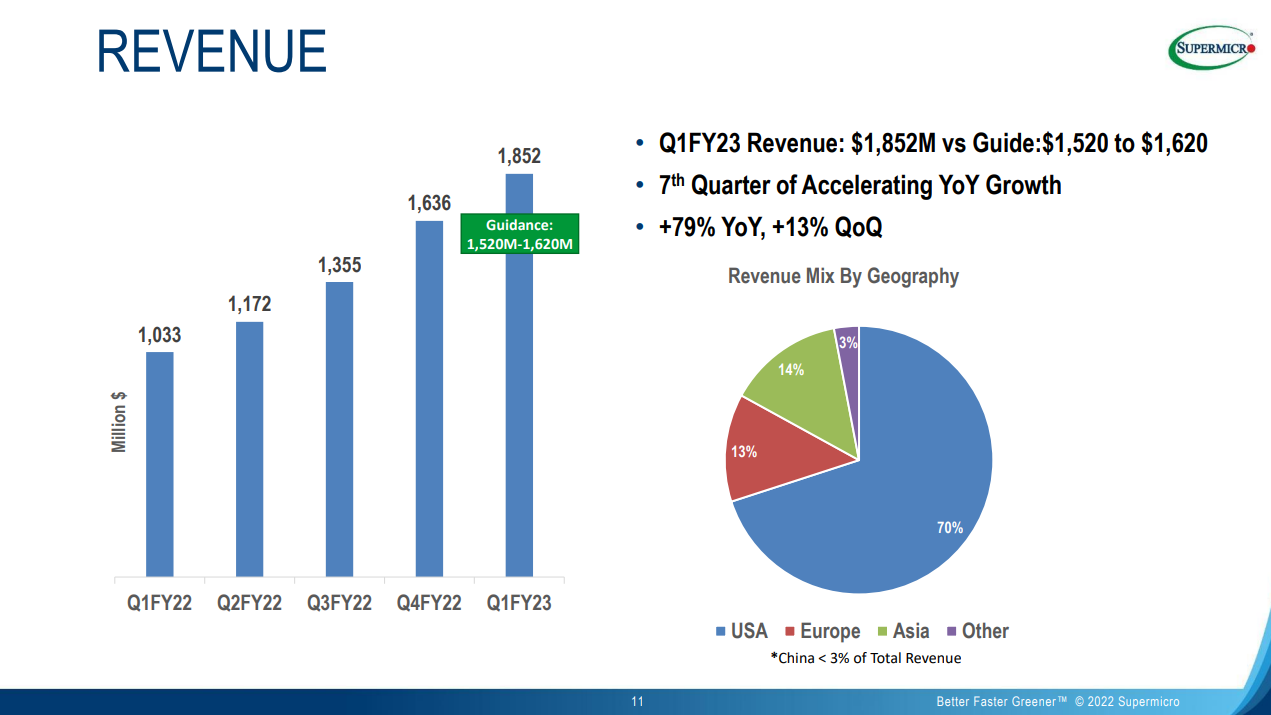
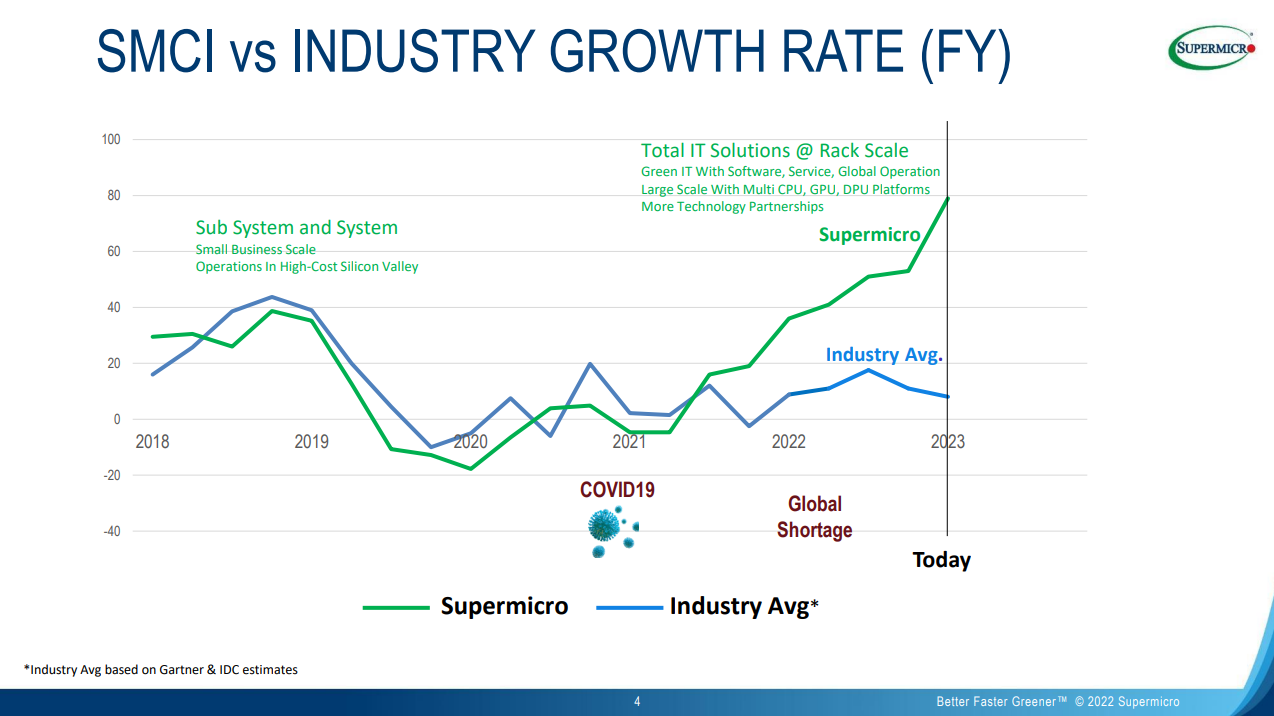
Supermicro’s market growth has apparently fluctuated on a quarterly basis between -10% and 20% in recent years, but SMCI has broken away from the industry average and blasted out a modest 80% growth last quarter.

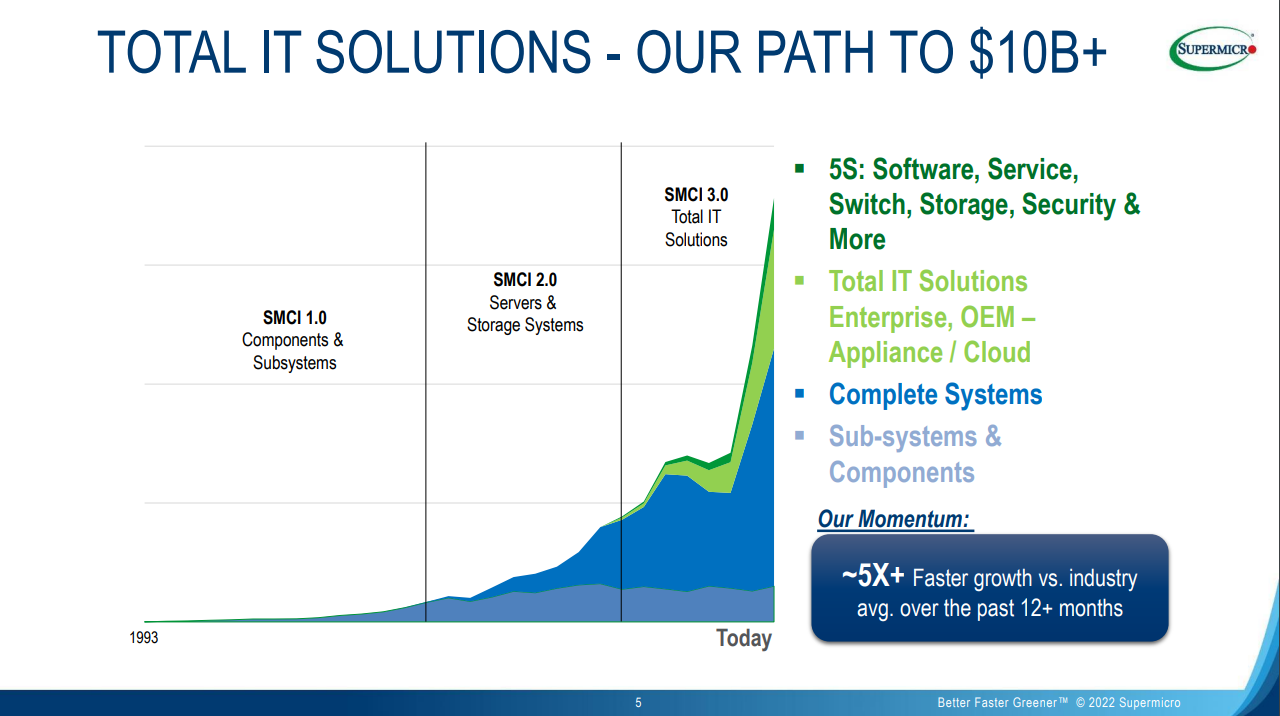
An essential part of sales consists of complete systems, but this new segment, “Total IT Solutions,” is growing rapidly and seems to be the component embracing the future. I don’t quite know the exact difference between “complete systems” and “total IT solutions” yet, as both seem to include entire racks.

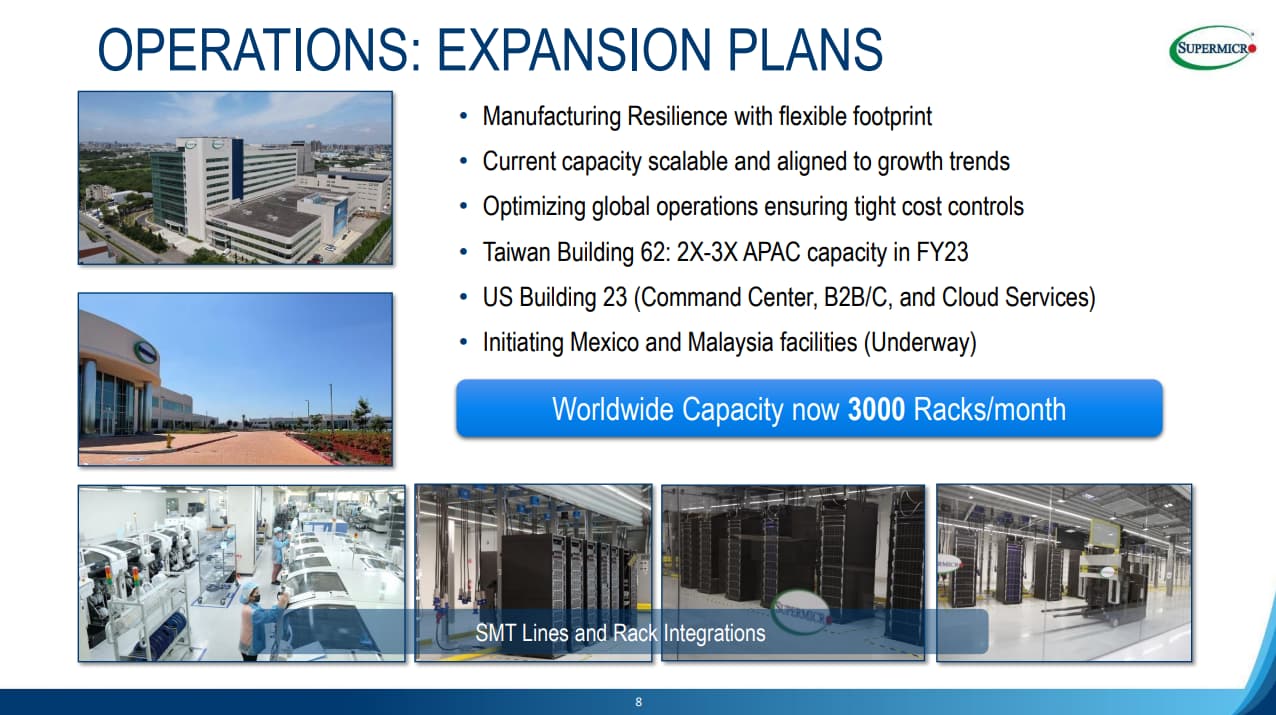
Production capacity is being increased rapidly, and for now, the current capacity also seems to be scaling well. Production facilities are found at least in the United States, Taiwan, and the Netherlands, with new openings apparently coming to Mexico and Malaysia as well.

Then there’s the numerical side that caught my interest. Firstly, the company’s valuation, just over $4 billion, has only recently pushed Supermicro into the mid-cap category, which is presumably still under the radar for the majority of the investing public. Even though I’m looking at a market (stock market) that’s less familiar to me, I’d venture to guess that the retail investor still has an advantage before the big money potentially gets interested later. The share price has certainly woken up already, but in light of the multiples, we’re still in quite relaxed territory, especially by US standards. P/E TTM looks to be around 10, and P/E based on 2022 earnings is 15.7.

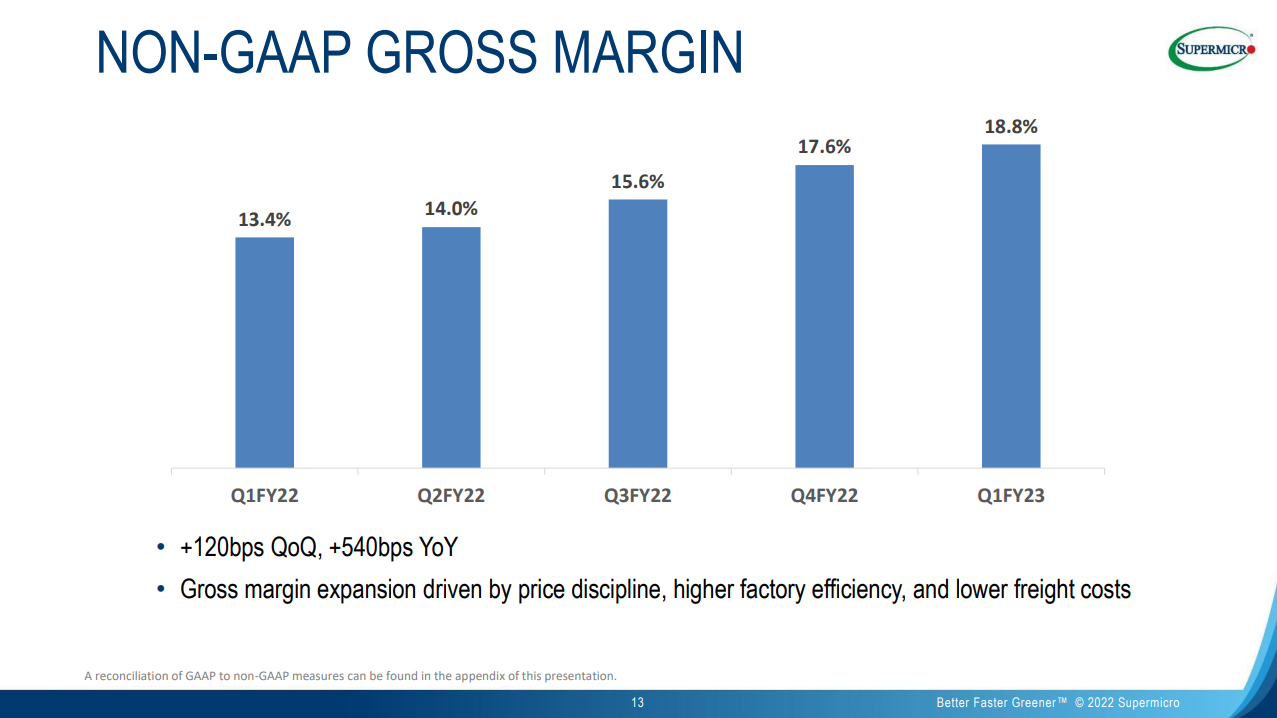
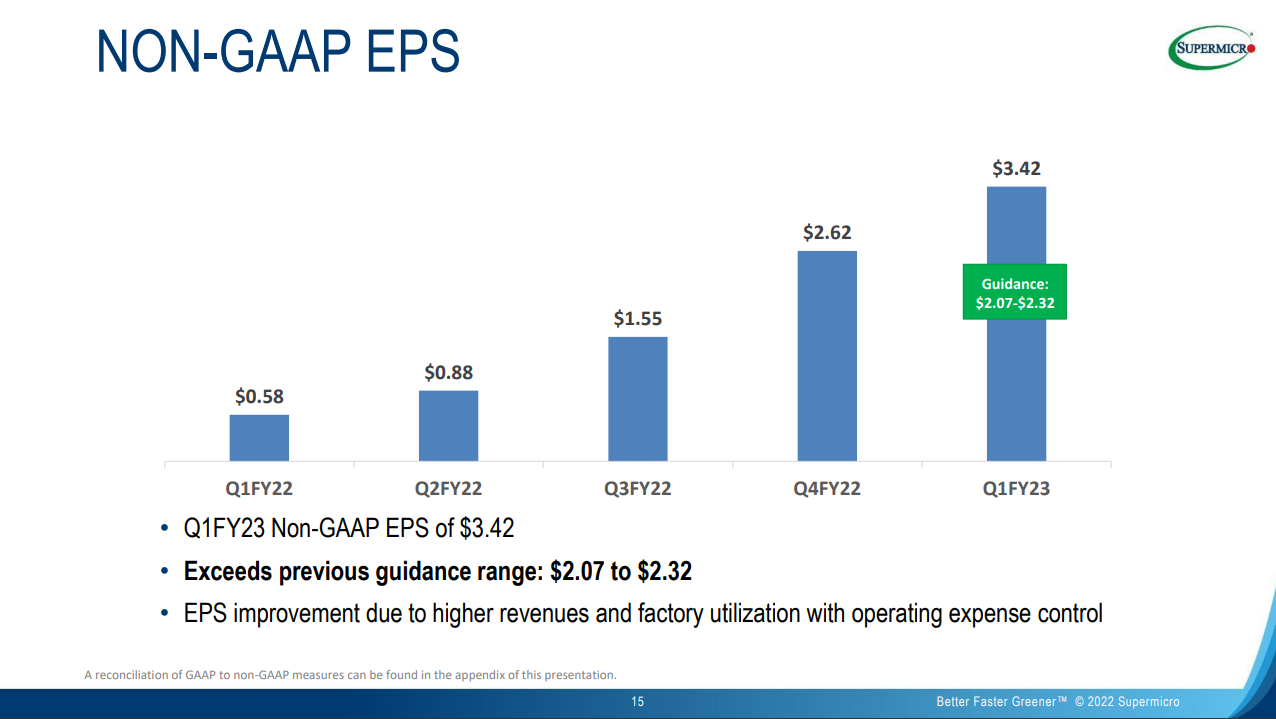
The numbers have grown at a steady, fast pace over the last year, and at least for the previous year, the average guidance has also been regularly exceeded. Whether this is just how things are done there or if the market is also exceeding internal expectations, I don’t know. Anyway, EPS in particular has grown tremendously as margins have improved, and there’s no end in sight.

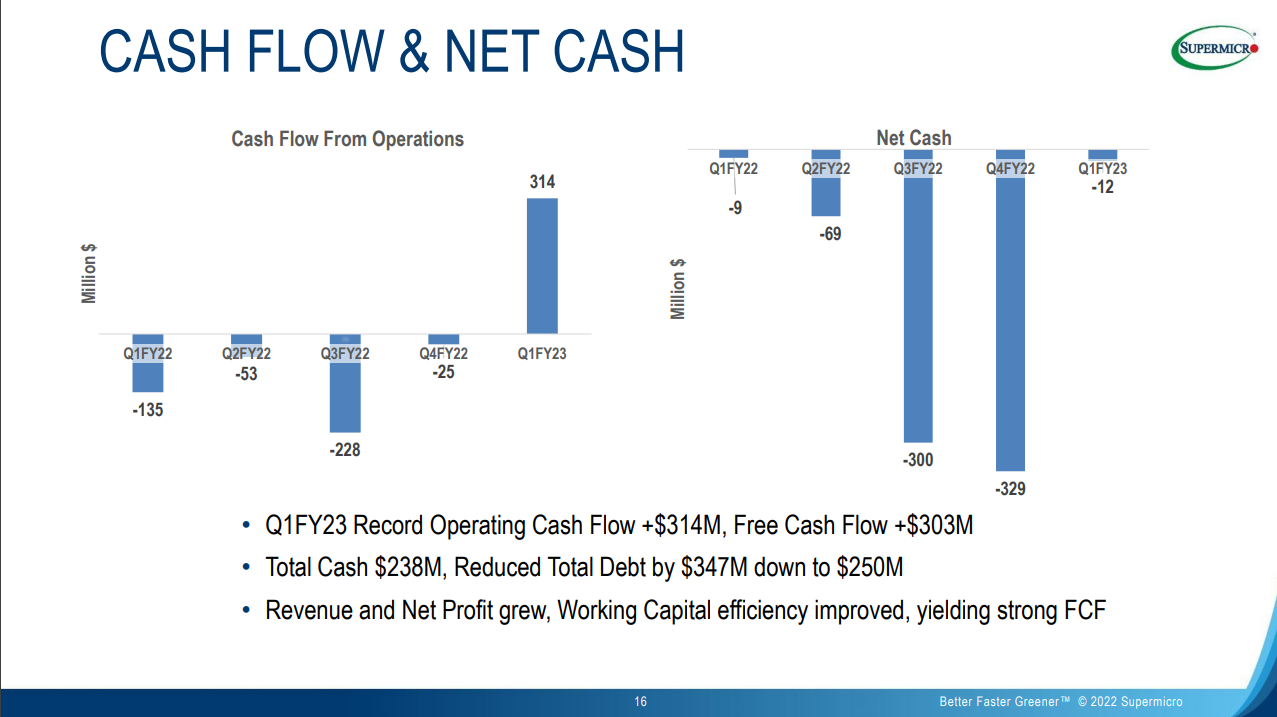
Cash flow turned heavily positive in the previous quarter. The discrepancy between previous cash flow and earnings should be dug into more, but my guess would be it’s due to investments. The balance sheet, however, seems healthy.

The forecast is pure honey for the market. Revenue for the current fiscal year is guided at $6.5 – $7.5 billion ($5.2bn FY2022) and EPS is a whopping $9 – $11.30 ($5.65 FY2022), which has already been significantly raised from the Q4/21 guidance of “At least $7.50.”

As a longer-term guidance, the CEO spoke in the 2021 annual report about reaching $10bn in revenue within a 3–5 year timeframe. The annual report can be found here:

https://s25.q4cdn.com/632471818/files/doc_financials/2021/ar/154013_PROOF-ONLY_DY_lo-res_Revised-Letter.pdf

I’d guess the dividend policy pleases most forum members; Super Micro Computer has not paid dividends in its history. I didn’t see any major mentions of buybacks at a quick glance, although news was found from last August about a $200M buyback program valid until January 2024.


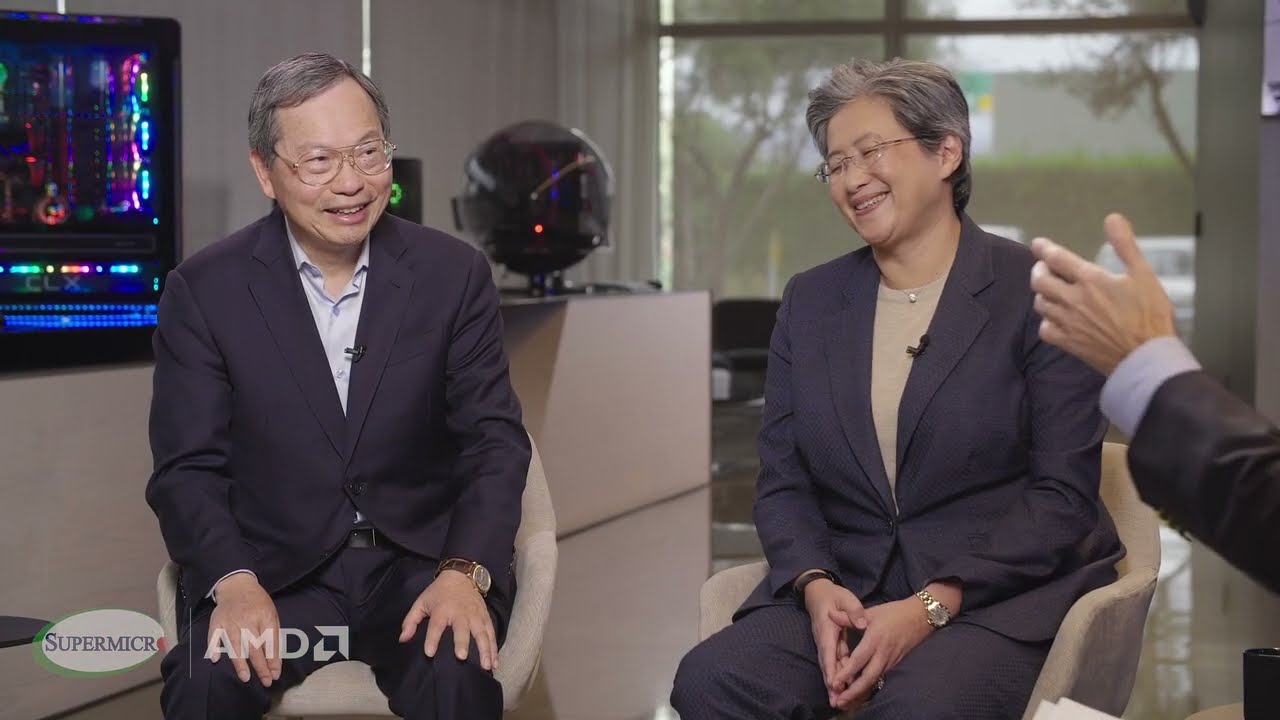
Finally, some video materials; I didn’t really pick out anything special from these, but you get a bit of a feel for Supermicro’s founder and CEO. He seems like a laid-back guy and appears alongside AMD’s CEO as an equal; for me, only his strong accent occasionally makes it difficult to interpret his speech. Green values are strongly featured, especially in the name of energy efficiency, but in the case of servers, this translates into very tangible value due to lower electricity bills and easier-to-implement cooling.
16 Likes

Good, thanks @tonimerkki for digging into this. We should keep digging, as there are signs that the company is keeping up with the times. For example, energy efficiency, quality, and efficiency go hand in hand. Need to keep investigating. The company is being priced as a general hardware retailer, i.e., even the market hasn’t yet found the so-called “extra hook” in the company, so it’s valued based on safe P/E ratios.

4 Likes

it was also the only one I could read with free credentials, worth a look for those getting to know the company

If you turn off JavaScript in your browser, you can read Seeking Alpha articles without an account. Basically, you go to the article first, then disable JavaScript in the browser settings and refresh the page.

10 Likes

What I posted in the NVIDIA thread applies just as well here. As the big players build metaverses, Supermicro produces components and comprehensive solutions tailored to customer needs for them.

I have to say, I’m starting to get really excited about this case. Here are a few more observations accumulated while getting to know the company, if they help in stimulating the discussion (NB! mainly based on internet discussions, not facts):

I dug through Reddit discussions about Super Micro as a server manufacturer. Users of SMCI products clearly consider the products to be high quality and, above all, affordable. There doesn’t seem to be a single complaint about the quality of the hardware; it’s seen as meeting the needs of even the most demanding/largest data center customers. In home lab discussions, the only downside mentioned is the noise level of the devices.

Prices are commented to be roughly half the prices of other data center equipment providers (HPE, Dell, Lenovo). On the flip side, at least in discussions from 8-10 years ago, the lack of support is criticized; at least in the last decade, Supermicro has focused on selling hardware as a “white box,” i.e., without support. In side comments, people like to boast that against the lack of support, you can buy a second identical device for the warehouse in advance and the purchase will still be cheaper than from larger manufacturers. There has likely been development in providing support, but it’s still not highly praised. The missing support is apparently usually replaced by the data center operator’s own DC support staff and a pile of spare parts.

One factor promoting the competitive advantage of an individual device also emerged. Supermicro builds its solutions to be plug-and-play ready and vendor-unlocked, while competitors apparently deliver a “puzzle” and further lock their products’ internals to selected components. I don’t know how important this is to customers, but the philosophy is appreciated in the discussions. Additionally, Supermicro’s rack units are likely easier to repair, i.e., components within the device (mostly power supplies in the examples) can be replaced. When a competitor’s device has enough components fail, it is apparently usually replaced with a completely new one.


So far, I’m becoming convinced of the technical quality of SMCI’s products; they are undoubtedly very competitive in the data center equipment market. One still has to figure out the drivers of the changed market and predicted growth, but they are clearly related to Supermicro’s transformation from a hardware supplier to a solutions provider (or even a service provider?). Large organizations, and apparently especially those engaged in massive GPU computing, appreciate their own data centers and even private clouds, where control over computing power is entirely in their own hands and the infra is configurable to their own needs. GPU computing purchased from the public cloud is also incredibly expensive, and on-prem solutions easily prove to be cheaper than even a public cloud option billed by the minute. There are at least plenty of success stories to be found in these cases:

Those success stories also seem to build the entire direction of the company, where one important offering from Supermicro is built on pre-designed, built, and tested high-performance computing (HPC) environments. Another featured offering is cloud solutions, both public cloud and private cloud, for which Supermicro apparently builds/offers ready-made solutions, though it’s hard to say anything about their competitiveness.


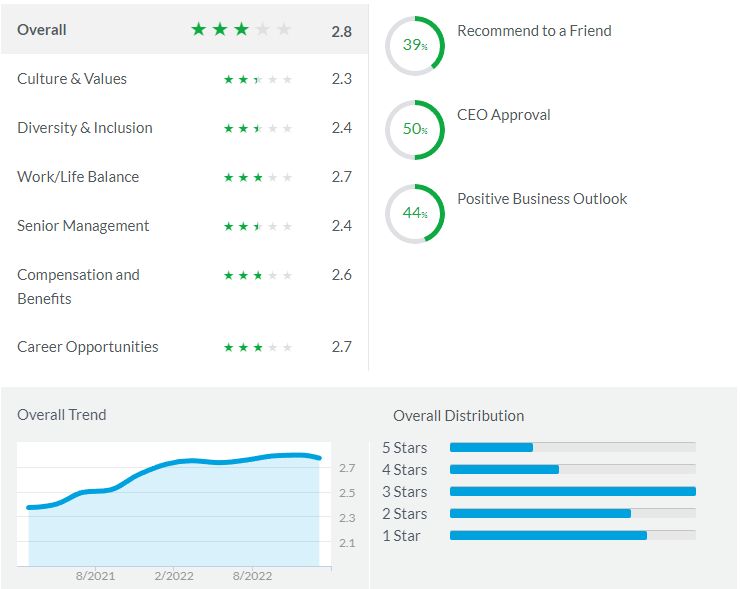
One completely separate observation from Glassdoor. These reviews should be taken with a grain of salt, but interesting information can be found in the comments:

https://www.glassdoor.com/Reviews/Super-Micro-Computer-Inc-Supermicro-Reviews-E7993.htm

Supermicro’s ratings are not flattering, and a look at the open comments reveals the biggest problems to be in management, long working days, and low salaries. The CEO is not criticized particularly much, but the old-fashioned senior management gets really blasted; micromanagement and politics(?) are not appreciated (also mentioned “Asian culture” and “Chinese culture”). I have to say that the company’s persona feels a bit shabby anyway; undoubtedly some kind of management refresh would be in order from many employees’ perspective.


And one more minor observation from the CEO’s speeches. I read the CEO’s comments in the company’s annual reports from 2014 to 2021 (reports were not found for all years) and I would dare to say that the current optimism is at a new level, at least in Charles Liang’s speeches. In previous years, the man has been satisfied with the company’s direction and development, but the following comment from the 2021 report is quite new compared to pre-covid times.

My optimism regarding Supermicro’s future, and our ability to achieve growth well above industry averages has never been greater. My confidence in our ambitious long-term vision and strategy of achieving $10 billion in annual sales along with increased profitability over the next 3-5 years is stronger and appears to be happening faster than it was planned.

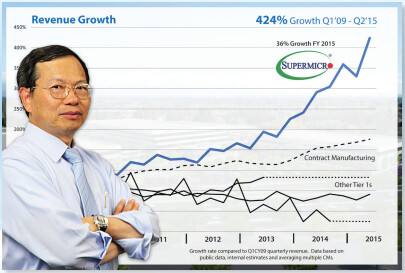
Fortunately, the picture accompanying the CEO’s greeting is now a normal portrait, and they no longer practice the 2014-2015 style :grin:

5 Likes

Yeah, to me the company’s corporate culture feels like a time travel trip to 80s IT firms. What @tonimerkki mentioned about service being replaced by flexible availability of spare parts could also mean flexibility in the race over the coming years as those data centers are equipped to be increasingly efficient and green. You’d think the bigger players might even want to buy this “hardware store”. And it’s always a good sign when the CEO is genuinely excited about his company’s products.

The company’s Wikipedia page tells about its history. What should one think of these?

On October 4, 2018, Bloomberg Businessweek published a report, citing unnamed corporate and governmental sources, which claimed that the Chinese People’s Liberation Army had forced Supermicro’s Chinese sub-contractors to add microchips with hardware backdoors to its servers. The report claimed that the compromised servers had been sold to U.S. government divisions (including the CIA and Department of Defense) and contractors and at least 30 commercial clients.

In February 2021, Bloomberg Business reported that Supermicro had been compromised since 2011, U.S. intelligence keeping it a secret to gather intelligence about China and warning only a small number of potential targets.

In November 2021, the joint venture of Super Micro Computer and Fiberhome Telecommunication Technologies won a contract for supplying servers to Xinjiang Bingtuan for ‘public safety purposes’, which is associated with the suppression of Uyghurs ethnic group and construction of a surveillance system in the province of Xinjiang.

On December 21, 2021, the Washington Post together with Russian dissident authors Andrei Soldatov and Irina Borogan, accused the company of supplying 30 servers to the Moscow control center for Internet censorship in Russia.

4 Likes

In the turmoil of global politics, the risk of scandals exists.

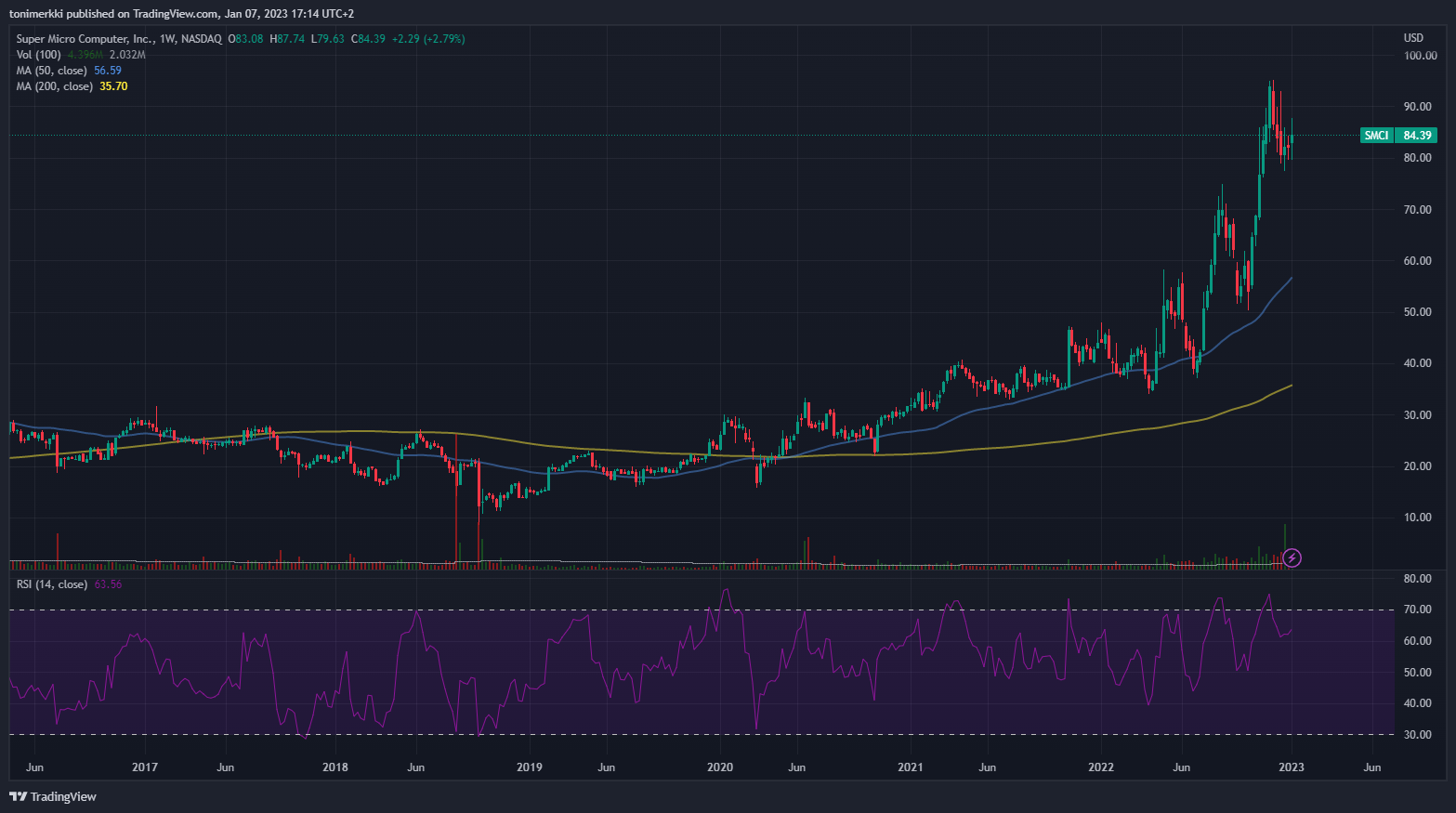
SMCI is also a stock hyped by Investor’s Business Daily and CANSLIM investors, and it’s certainly on many watchlists across the pond. Despite all the hype, the stock has been trading sideways for a few months. Let’s keep an eye on whether it takes off if the overall market improves or if some positive news emerges.

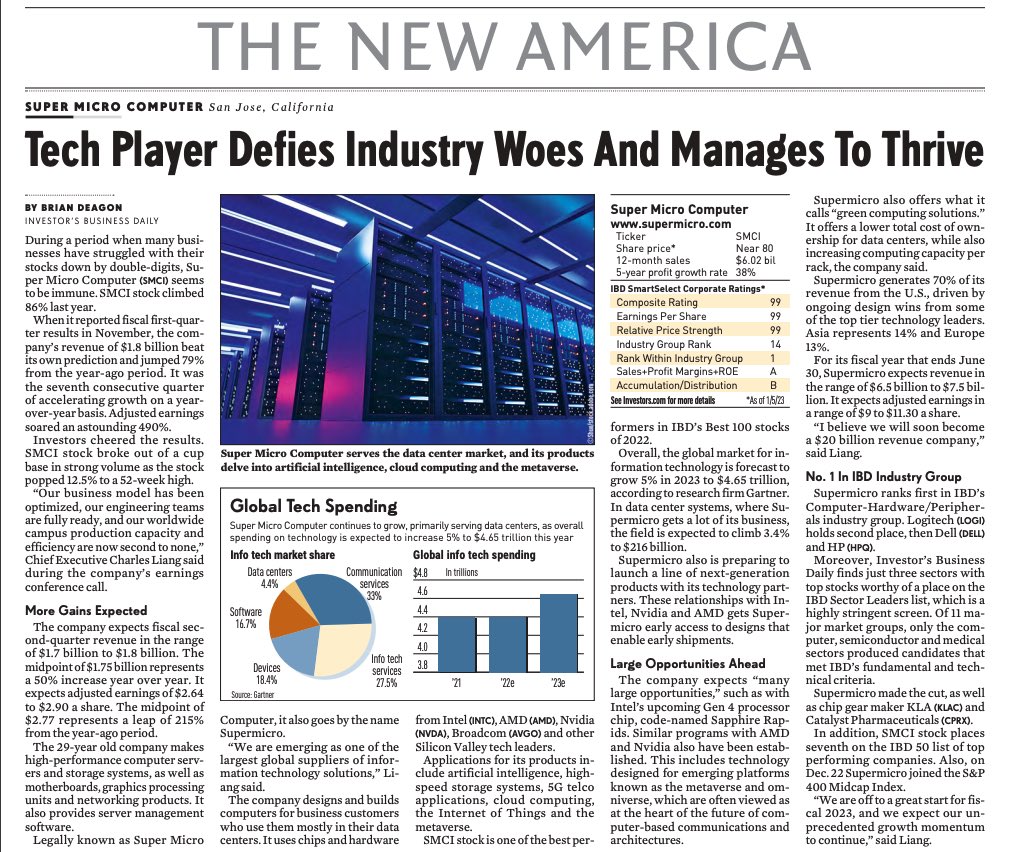
Investor’s Business Daily:

2 Likes

So, for me, the company’s corporate culture feels like a trip back in time to 80s IT firms

Do you think this is a good or a bad thing?

I have relatively positive experiences with Supero’s products and the company from my “day job.” It’s exactly that kind of no-nonsense approach that is all too rare in the industry. Competitors HPE and Dell seem like significantly more burdensome server vendors from a customer perspective, although all of them have their pros.

I can’t really say one way or the other about the company’s future prospects.

2 Likes

Great to get some experience with the hardware vendor into the thread! Can you elaborate more on the differences between the vendors, or comment on the observations I picked up above regarding the experiences of Redditors?

Out of interest, is there support for Supermicro’s equipment available in Finland from the company itself or through an intermediary?

2 Likes

Good question. In my view, that “80s” vibe is still reflected in the share price, meaning the company might not be considered presentable by all investors. If the company starts to develop and modernize its management and build its services, these will likely start increasing the demand for the stock and the valuation will rise. So, from an investor’s perspective, perhaps more of a good thing than a bad thing.

1 Like

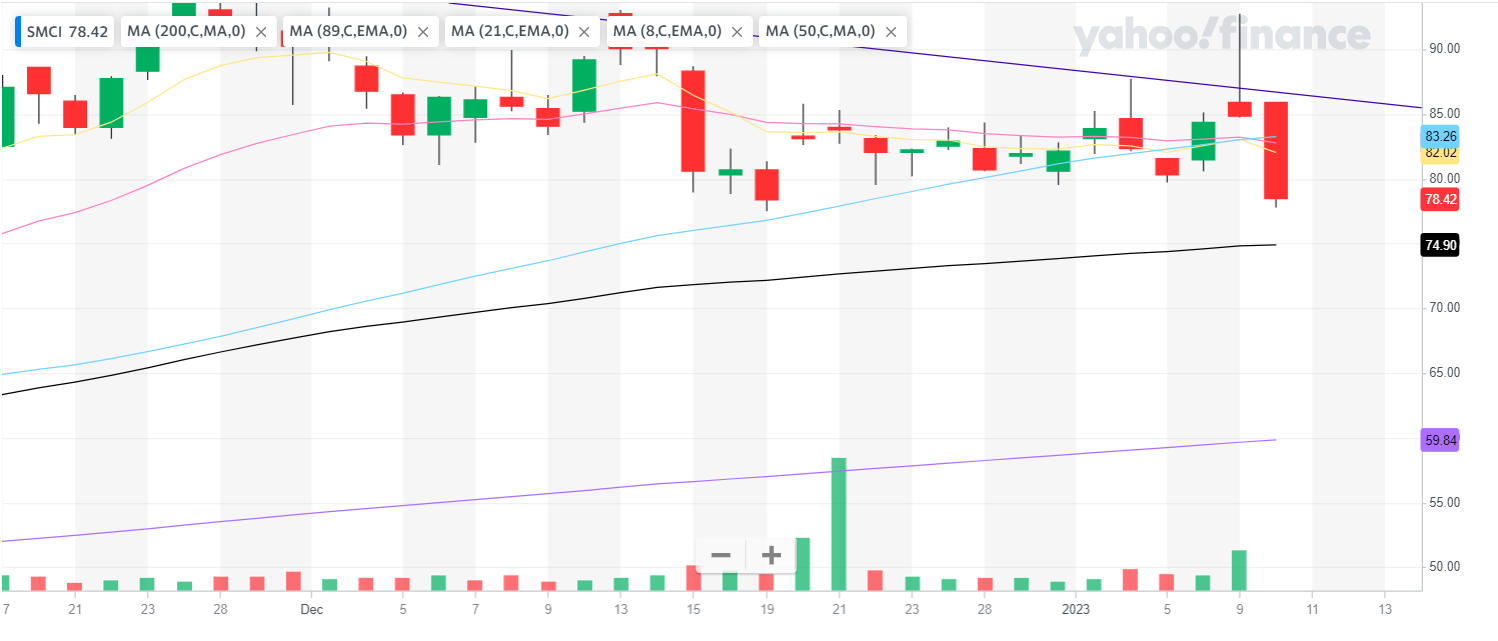
Yesterday there was a pretty ugly candle (the one with the long tail) in SMCI, and it has continued the slide today, likely due to an activist investor’s short report. As of writing, it’s down 14.5% from the peak on January 9, 2023.

I’m not that familiar with the activist investment firm in question, but at least Hindenburg Research and Jim Chanos follow them on Twitter. Someone more skilled with financial statements and balance sheets can probably draw their own conclusions about the allegations.

https://twitter.com/sprucepointcap/status/1612812137092550657?s=20&t=Pm_s3T7xrpMAy-pbuZ0WnQ
https://twitter.com/sprucepointcap/status/1612813899597766661?s=20&t=Pm_s3T7xrpMAy-pbuZ0WnQ
https://twitter.com/sprucepointcap/status/1612815146849550338?s=20&t=Pm_s3T7xrpMAy-pbuZ0WnQ

Do your own research, but I just posted this here so nobody misses it.

6 Likes

There’s the scandal. This is the second time this has happened to me within a year; Scorpion Capital called IonQ a scam last spring. That short seller can hardly contain themselves when talking about a ”ridiculous” way to manipulate.

The ”80s” is like this. We aren’t quite respectable yet. Let’s see what happens. But it’s a bold move to short now, when the rise in interest rates is starting to level off and the economy doesn’t really seem to be tipping into a recession either. Will there be a short squeeze at some point?

1 Like

Wow, I wouldn’t have guessed my own “anti-Midas touch” had so much kick that an entry made yesterday would wake up a major short activist the very next day :joy:

My own expertise isn’t enough to interpret US accounting, so I’m mainly waiting with interest for potential rebuttals to the short report. Spruce Point Capital itself seems to be a major player in the shorting community; googling reveals stories of successful shorting over several years.

Those interested can download the full short report here:

The report in PowerPoint format is quite heavy reading, but apparently this is the summary / main thesis:

On Twitter, there’s already been some mocking about using a three-year-old event (already known to the market) as short fuel, but undoubtedly that case comes as new information to many retail investors, including myself. That yellow box also doesn’t include nearly all of the report’s content; there are (perhaps justified, a pity my number-crunching skills aren’t up to it) doubts about earnings converting into hard cash plus other accounting-related highlights.

Problems with accounting and the SEC are clearly serious events and increase at least my own assessment of the case’s riskiness. Some of the justifications for the negative outlook, however, make me smile a bit, as things like the following also come up in the report:

  • SMCI appears to now be targeting larger customers, which carries with it greater risks such as bigger discounts and margin concessions along with worsening payment terms.

  • Downside risk 40 – 50 % (fair value $42.39– $50.86) is based on statically setting the EV / Sales multiple to the 2018 – 2022 average (i.e., EV/S 0.35x – 0.40x). In the table presenting peer valuations, where the current high EV / S valuation is criticized, it also shows how SMCI’s EV / EBITDA is lower than the peer group average.


Short reports are a fairly foreign concept to me, but it feels like there isn’t as much material built around this case as there usually is. However, based on Spruce Point Capital’s track record, I’ll be watching the market reaction / comments closely and will keep the buy button hidden for a while.

5 Likes

I’ve come across a few rebuttals to the short report on Twitter, which mostly end up echoing fears about the diminishing significance of Meta for SMCI’s growth. On Seeking Alpha, an apparently quite smart(?) writer, Jeremy Blum, has offered the following rebuttal:

https://seekingalpha.com/article/4569052-rebuttal-to-spruce-point-capital-short-report-on-super-micro

The authors of the rebuttals highlighted in the attached tweets are unlikely to be particularly high-profile—at least their writing style isn’t very convincing—but let’s share these as well:

https://twitter.com/CVCResearch/status/1612948578598793217?s=20&t=4ijd7z4Sjpc-DOHV6chxJQ

https://twitter.com/CVCResearch/status/1612948583107661825?s=20&t=hTy-KJCk9uHGtKZda5jqIA

2 Likes