En löytänyt tähän liittyvää ketjua, “Tulevaisuuden teknologiat ja trendit” on laaja ketju ja tämä alue ehkä ansaitsee oman ketjun
Olen seurannut runsaan vuoden sähköisten lentokoneiden kehitystä, varsinkin eVTOL-sektoria ja erityisesti EHangiä ja toki sen kilpailijoita.
Itse sijoitin EHang:n kurssilla 8 ja toki jälkeen päin ajatellen liian vähän. Ehang on nyt siis kurssissa 40 ja nousu on tapahtunut 2 kk aikana.
Alueelle voi olettaa samanlaista IPO/SPAC ryntäystä kuin vaikka Lidar-alueelle
Alueen toimijoita on useita mm. EHang, Lilium, Airbus, Kitty Hawk ja Volocopter sekä useita muita.
Perusterminologiaa löytyy vaikka EHangin White paperista EHang UAM Systems White Paper
eVTOL-laitteissa teknisesti helpoin lienee toteuttaa drone-tyyppinen laite kuten EHang.
Mitä enemmän lentäessä saadaan siipipinta-alaa, sitä hiljaisempi sekä energiatehokkaampi lentokone on pidemmillä matkoilla. Useat eVTOL-valmistajat yrittävätkin saada kääntyväsiipistä eVTOL-laitetta kehitetyksi
EHang lähestyi asiaa eri tavalla. He kehittävät melko yksinkertaisen drone-tyyppisen lentolaitteen, mutta pyrkivät saamaan sen nopeasti riittävän turvalliseksi kuljettamaan ihmisiä.
EHang 184 julkaisiin jo 2016 ja EHang 216 vuonna 2017. Kumpikin kuljetti ihmisiä jo tuolloin.
EHang rakensi laitteensa toimimaan ilman lentäjää (AAV, Autonomous Aerial Vehicles)
Kaiken lisäksi EHang rakensi usean AAV:n hallitsemiseen järjestelmän.
Eli EHang rakensi melko yksinkertaisen lentolaitteen, mutta rakensi koko paketin siten, että se mahdollistaa useita liiketoiminnallisia käyttötapauksia
EHang kutsuu EHang 216 rakennetta alustaksi, jota voi muokata eri käyttötapauksiin, kuten logistiikkaan, palontorjuntaan jne.
Oma visioni:
Kuten Finnair on todennut, isommat lentokoneet eivät ole kannattavia lyhyillä (200-300km) etäisyyksillä.
Nämä voidaan ehkä tulevaisuudessa korvata pienemmillä sähköisillä koneilla. Täyttöastetta on helpompi kasvattaa (useita pieniä koneita vs yksi iso)
eVTOL-laitteet eivät vaadi suuria lentokenttiä, joten matkalla Helsingistä Tampereelle voi tehdä välipysähdyksiä.
Useat n. 6-10 matkustajan koneet samalla reitilä mahdollistaisivat dynaamisen reittien muodostamisen, riippuen siitä mistä matkustajat lähtevät ja mikä on kunkin päätepysäkki.
Esim. Helsinki - Tampere lennoilla osa voi kiertää Espoosta ja osa Vantaalta ja optimoida reitin.
Varaamiseen on helppo tehdä mobiilisovelluksia
Olisi hienoa jos tulisi mielipiteitä tälle nopeasti kasvavalle alueelle joka mahdollistaa F.I.R.E:n meille kaikille 
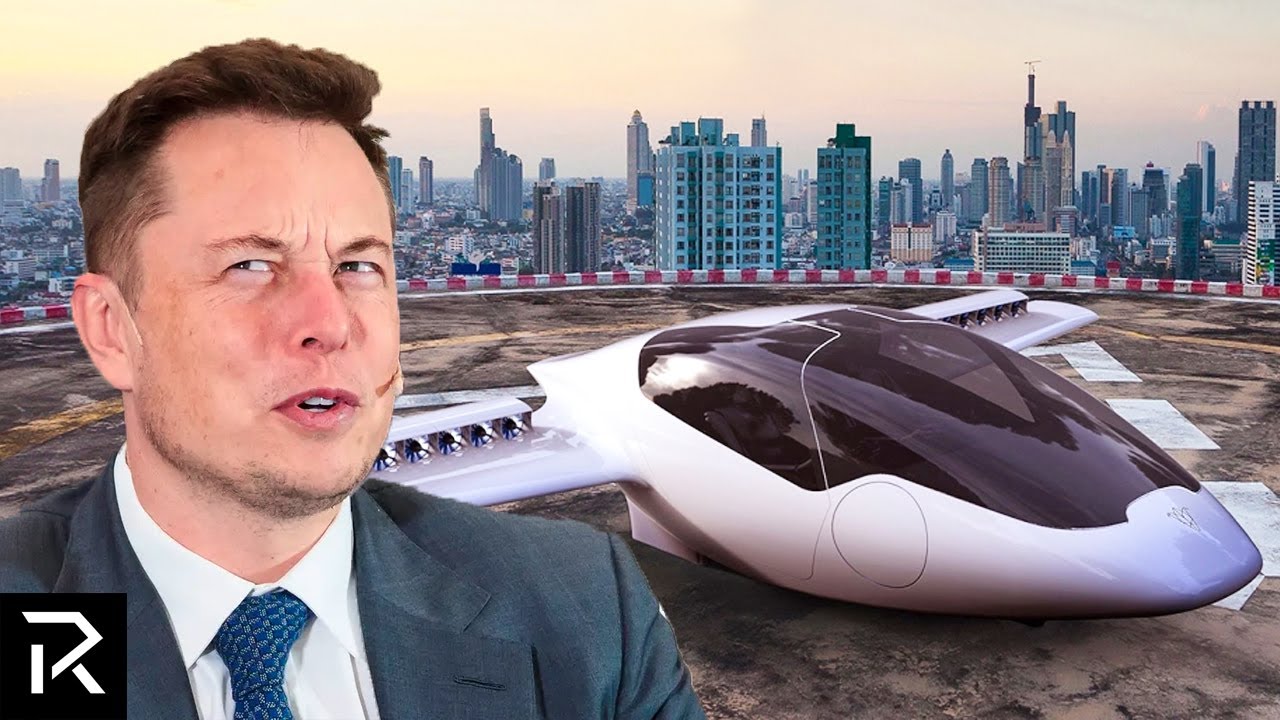
 Treidauspaikkoja siis luvassa ja jokuhan noista firmoista voi selvitä voittajana. Nyt täytyisi vaan löytää se.