The cycling and especially the e-bike markets seem to be experiencing some kind of corona-triggered boom. If you look at the markets in Europe, the supply and demand ratio for bikes is completely distorted, goods are out of stock almost everywhere, and at the moment, bikes are being sold that will be delivered next autumn (!). For many bike models, prices have been raised as summer approaches.
Availability problems have been blamed on a component shortage, meaning that bike components are not available in sufficient quantities from key manufacturers (Shimano, SRAM, etc.). This affects the availability of both new bikes and spare parts.
Has anyone looked into the market in more detail? Could this be the makings of a longer-lasting mega-trend? Presumably, the sale of e-bikes reduces the sale of traditional bikes, but due to higher prices and the growing demand for e-bikes, the overall market could also grow significantly.
Interesting opening, as a hobbyist, I actively follow the bike market. Last year, sales were already incredibly hot, and this summer, it seems that there will be no availability until well into next year, with the biggest bottleneck probably being the component shortage. Of course, once a new bike is acquired, there shouldn’t be an immediate need for an upgrade unless people are drawn into buying better and more expensive models through the gateway drug theory (and this is very easy for dedicated gram-weenies).
The tax benefit introduced at the beginning of the year should also increase electric bike sales in particular, so there might be potential there. This also aligns with the current wellness trend. I’ll have to look into this more; a quick Google search revealed at least this relatively recent article.
It’s not just a spike in demand caused by COVID-19. E-bike sales have been a significant part of total sales in Central Europe for years. The number of enthusiasts has grown in various areas of cycling in recent years, although fat bike sales have been declining for a couple of years, with the exception of the Nordic countries. Now, in addition to electrically assisted bikes, sales are growing particularly in the gravel bike segment (a road bike-like bike with wider tires).
Even before COVID-19, delivery times for more expensive hobby bikes from many popular brands were several months.
There has been talk that cycling would displace golf. In Finland, several CEOs of listed companies actively cycle.
I have been cycling for over 60 years, and the hobby is not waning. Currently, my garage contains a road bike for asphalt, a gravel bike for gravel roads and easy forest trails, a fat bike for year-round off-road riding, and a full-suspension trail bike for mixed off-road riding, all in active use. Additionally, in the back of the garage, there are a few older bikes that are used less often.
I ride 5-8,000 km per year, mainly off-road. I will get an e-bike when my riding buddies, who are 20-40 years younger, start going faster; that time is not yet for me. Some of my friends who ride e-bikes go on rides with me.
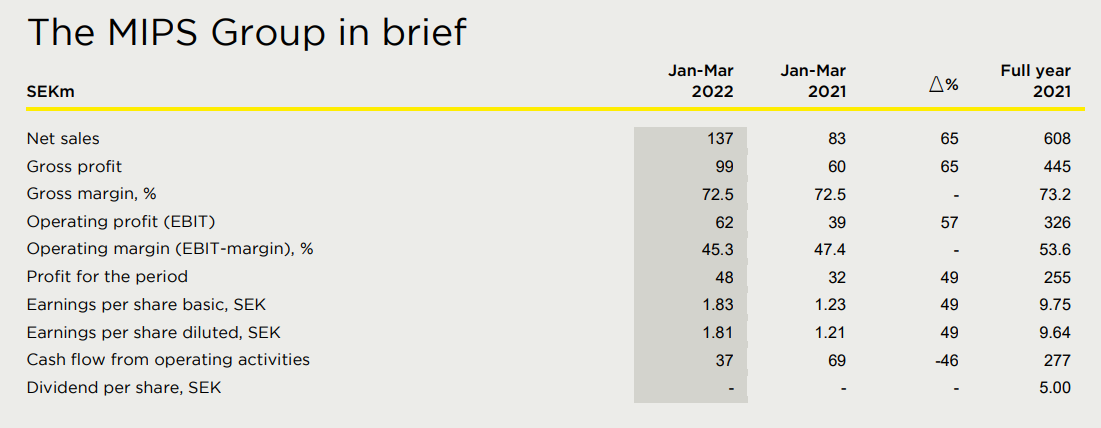
Since we are on an investment forum, I must mention that my portfolio includes the Swedish company Mips Ab, which developed MIPS technology for helmets (including non-cycling helmets), which it sells to helmet manufacturers worldwide.
I bought Ameria back then because of its cycling-related brands (Mavic and Enve). Unfortunately, the good company was delisted.
With e-bikes, displays have come to bikes. I wonder if any motor manufacturer uses QT? Significant electric motor manufacturers include Shimano, Bosch, Yamaha, and Brose.
An article from a couple of years ago behind a paywall:
Unfortunately, it seems that both the manufacturing of components (gears/drivetrains, brakes, tires, rims, frames) and bicycle assembly appear to be a highly fragmented market, with most companies not publicly listed.
Shimano is, of course, an exception, but accessing the Japanese stock exchange from Finland is likely quite challenging.
I also looked into it, and this does seem to be the case. Shimano is available at least from Nordnet as a US version. Otherwise, it seems to focus on a few larger players. Acell Group has Nishiki, Tunturi, Raleigh, and Haibikes, which are clearly everyday bikes. Dorel Industries, on the other hand, has Cannondale, GT, and Mongoose, which are slightly more specialized rides.
It would have been nice to own Mavic and Enve, too bad it’s no longer possible. Mips could have potential, even if it’s not strictly in the cycling sector anymore.
It seems that electric bikes are similar to electric cars, in that their features and prices have developed to a level that most people accept. This raises demand to a whole new level, and now there’s also the demand peak brought on by Corona.
I myself just bought my first electric bike. Tunturi bikes seemed to be reasonably well available for now. You can’t really get anything from Helkama. The store complained about a component shortage due to Corona.
From an investment perspective, Shimano is surely a strong choice.
If I were to invest in cycling, I would look into companies that offer virtual riding environments for home cycling. They are constantly evolving and becoming more realistic. There are many cyclists worldwide who cannot cycle outdoors all year round; it’s difficult in big cities, traffic is increasing, and cycling outdoors can be too dangerous, etc. The number of indoor cyclists is growing. The most interesting aspect would probably be the companies developing the software for these.
A quick Google search will surely reveal a lot of useful information about these fitness apps, whether now is the right time to invest, and if so, where.
“We expect FitTechs to continue growing as distribution platforms in their own right, across content types like music, branding campaigns, lifestyle video content, and eSports, leading to new revenue opportunities in licensing/ads,” Golding and Nollen wrote in the report.
After the recent decline, Mips is starting to look quite reasonably valued, even?
Supply chain issues plagued Q4.
“During the fourth quarter, many helmet factories in China were affected by the power restrictions implemented at the end of the third quarter,” he said. “Neither in the fourth quarter nor during the full year did MIPS fail to fulfill an order, but the general demand for helmets could not be met, and the helmet factories have not been able to produce at full capacity.”