Matala P/E ja BETA, korkea osinko ja ROE.
Nämä siis inderesin antamia vuoden 2018 lukuja.
Mikä voisi mennä pieleen?
Matala P/E ja BETA, korkea osinko ja ROE.
Nämä siis inderesin antamia vuoden 2018 lukuja.
Mikä voisi mennä pieleen?
Moi!
Empä usko että muu voi mennä “pieleen” kuin se että Granon toimintaa ei saada riittävästi tehostettua. Tai paukut digitaliasaatioon ei tuota hedelmää… Nyt Panostajan asetelmat näyttävät erittäin hyvältä. Granolla on käyttökate kunnossa.
Carrot plussalle, Oscarin kasvu, kl-varaosat kasvaa, Megaklinikka tehostamisella plussalle, Selog maltillinen.
CoreHw on kysymysmerkki… Kääntyykö nyt reilusti plussalle vai ei? Isompia kauppoja on tuloillaan mutta tuleeko ne nyt vai vasta seuraavaan kvartaaliin kun vuodenvaihde?
Mitäs näkemyksiä nyt firmasta. Kurssihan on laskenut aika lailla ja alkaa vaikuttaa houkuttelevalta.
Granohan on tehnyt ihan mukavaa käyttökatetta, mutta poistot ovat aika suuria. Jokohan tehostamistoimet alkavat tuottaa tulosta?
Muita mielenkiintoisia tuloksen tekijöitä on KL-varaosat joiden uskon edelleen petraavan sillä heidän edustamansa merkit ovat hyvin esillä ja satsaus verkkokauppaan ym alkaa tuottaa tulosta.
Carotin uskon petranneen selvästi ja syytä olisikin sillä edelleen nyt on vuokrafirmojen markkinat ja en usko että lähivuosina tulee tarve vähenemään.
Oscar software tulee tekemään hyvän tuloksen ja kasvaa kohisten… Tästä veikkaan seuraavaa lypsylehmää Panostajalle
Täytenä kysymysmerkkinä on Core-Hw… Toivon tältä paljon mutta odottavan aika on pitkä. Todellinen Jackpot olisi jos saavat piakkoin oman tuotteen ulos ja se on vielä sellainen joka oikeasti myy.
Muista Granon alla toimivista yrityksistä en nää oikein potentiaalia. Megaklinikka, Selog, Heatmasters ja Helakeskus on firmoja joista pitää päästä eroon ja hankkia firmoja joilla on parempi potentiaali.
Mitäs muuut arvon palstalaiset pohtii?
Kohtahan Q4 päättyy tämän firman kohdalla…
Miten arvioitte Panostajan tilikauden 2019 kehityksen? Viime vuosi oli hyvä lähinnä onnistuneen KotiSun exitin kautta. Kuitenkin salkussa on monta yhtiötä, jotka eivät ole vuosiin tehneet tulosta ja joiden valuaatio on mielestäni iso ?-merkki. Uusista tulokkaista varmaan Oscar mielenkiintoinen. Itse en laittaisi kovin paljon odotusarvoja Carotin tyyppisille yrityksille, sillä niillä kyllä tehdään isoja liikevaihtolukuja, mutta kannattavuus(riskit) ovat suuret, sillä marginaalit pienet.
Samaa mieltä Carotista, mutta tavoite on Panostajalla kasvattaa se 100M liikevaihtoluokkaan. Suomessa edelleen käytetään vuokratyötä verrattain vähän verrattuna muihin pohjoismaihin/Eurooppaan.
Vaikka katteet ovat n.5% luokkaa niin uskon että tämä firma saadaan myytyä suuremmille toimijoille hyvällä katteella.Tuskin jää Panostajalle “pitkään” salkkuun. Tuossa esimerkki mitä Barona maksoi op-teamista. Tiedä sitten mikä olisi Carotin hintalappu 100M likevaihdolla ja 5M nettotuloksella.
Onko viimeisessä suosituksessa huomioitu että Granon nettovelat on laskenut karvan alle 51 miljoonaan sekä panostajan omistusosuus on 54,8%? Pelkästään näillä saan korkeamman arvon Granolle. Velat lyhenee ripeästi ja se nostaa Panostajan Granopotin arvoa. Viime vuonna pelkästään velat lyhenivät yli 8M.
Takomalta odotettiin useita vuosia käännettä ja useampi kaveri siellä kävi sitä yrittämässä. Granon osalta historia näyttää toistuvan eli johto ei syystä tai toisesta saa laivaa käännettyä. Carrot ei vaikuta alkutaipaleen perusteella hyvältä sijoitukselta. Nämä kaksi firmaa ovat liikevaihdoltaan isoimmat osuudet Panostajassa.
Sitten on salkussa lisänä muutama ikivanha pikkukiska (Heatmasters, Helakeskus, Hygga ja Tilatukku), mitkä saisi realisoida ulos heti viemästä johdon aikaa.
Core ja Oscar vaikuttavat hyviltä kohteilta ja potentiaali on suuri 5 vuoden aikajänteellä. Näiden kahden varaan toki Panostajan tulevaisuus ei voi perustua.
Takoman siivoamisen jälkeen ajattelin, että nyt on latu auki menestykseen, mutta pettymys pettymyksen perään täältä tulee. Tekisi mieli lyödä laitaan kaikki ja unohtaa koko olemassa olo, mutta viikkoinen kurssilasku saa miettimään lisäsijoitusten tekemistä. Huonoihin firmoihinkin voi sijoittaa, jos hinta on kohdillaan. Firmalla on nyt kassassa rahaa ja jos sitä eivät ihan tyhmiin sijoituksiin hassaa, on osinko taattu jatkossakin.
Mielenkiintoinen muuten tämä IFRS 16 vaikutus yhtiöiden velkamäärissä. Jopas hankaloitui vertailu historiaan.
Syitä iloon ja juhliin kuin myös varautumista ja toimintakyvyn vahvistamista
Panostajan sijoituskohteissa on eletty vilkasta syksyä!
Hygga juhli lokakuussa 10-vuotista taivaltaan , jonka aikana yhtiö on kasvanut Suomen suurimmaksi yksityiseksi hammaslääkäriasemaksi. Kasvu jatkuu uusien avauksien myötä merkittävästi.
Grano on joutunut vahvistamaan toimintaedellytyksiään tänä syksynä uudelleenjärjestelyillä. Rinnalla on elänyt kuitenkin myös vahva uuden luomisen aalto . Nyt yhtiö on tuonut markkinoille koronavirusta tappavan suojateipin.
Gugguussa on eletty energistä syksyä. Yhtiön nettikauppa vahvistaa asemiaan Euroopassa samalla, kun näkyvyys sosiaalisessa mediassa kasvaa. Vaikuttajamarkkinointi on Gugguun yksi vahvuus.
Pistän tännekin ensireaktioni tulokseen twiitin muodossa:
Pitää yrittää jatkossa olla täällä aktiivinen, niin saadaan keskustelua Panostajastakin.
Grano alkaa päästä iskuun. Kunhan liikevaihto vielä elpyisi niin alkaisi näkymään viivan alla. Käyttökate nousi jo 22 prosenttiin… Granon velka myös pienenee nyt vauhdilla-> nostaa arvoa.
Hygga saa nyt tulevina vuosina hyvän tilaisuuden kasvaa… Ostopalvelut moninkertaistaa liikevaihdon ja sitä kautta hyvin asiat hoitamalla saa arvokasta mainosta ja varmasti pysyviä asiakkaita/uusia asiakkaita. Lisäksi tyytyväiset asiakkaat suosittelevat myös muille palvelua.
CoreHW on mielenkiintoisessa vaiheessa oman tuotteensa kanssa. Jos se lyö läpi niin vain taivas rajana. Perusliiketoiminta myös kannattavaa. Kasvava firma jolla kuitenkin vaihteluita kvartaaleissa.
Korona sotkenut jonkin verran Granon sekä CoreHW businestä…
Oscar tekee perusvarmaa liikevaihtoa ja toivottavasti kasvu edelleen kiihtyy.
Helat/Heatmasters bulkkibusinesta ja niissä täytyy pitää kulut kurissa ja velat pienenä.
Vahva kassa täytyisi saada töihin ja tuottamaan meille osakkeenomistajille voittoa. Luulisi ostettavaa löytyvän.
Numeroihin ei pelkästään kannata katsoa sillä esimerkiksi CoreHW, Oscarin, Hyggan kasvu syö pääomaa mutta sataa laariin myöhemmin.
Granolta jään odottamaan todella paljon jatkossa kun viimeiset tehostamiset saadaan maaliin.
Carrot on ollut todellinen pettymys. EI edes sanoja kuinka puihin tuota on hoidettu.
Tommila on lyhyessä ajassa tehnyt oikeita peliliikkeitä toimarina.
Mielenkiinnolla jään odottamaan seuraavaa vuotta. Mieluusti kuulen muidenkin ajatuksia nykyisistä salkkuyhtiöistä.
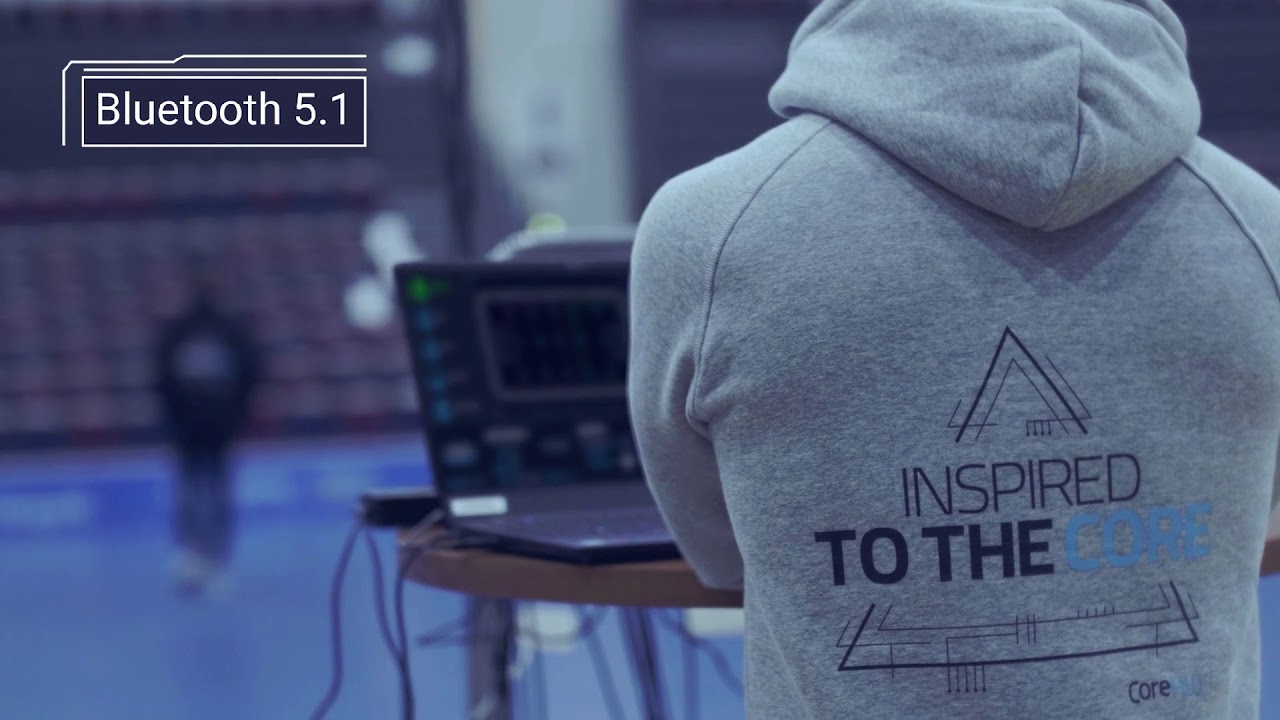
Muutama ihan uusi tuotevideo CoreHw demokitistä. Näyttää lupaavalta, kunhan markkinointiin osataan satsata.

Gugguu oli hyvä veto johdolta. Perheelliset palstalaiset voivat mahdollisesti olla jo tuotteiden kanssa tuttuja, eli kyseessä hieman kalliimman luokan lastenvaatteet.
Mielenkiintoiseksi Gugguu tekee se, että pikkuyhtiöllä on ollut paljon positiivista pöhinää nettipalstoilla vanhempien kesken, se on nyt “SE” brändi. Käytetyistäkin Gugguu vaatteista maksetaan melkein uusien hintoja. Eli mielenkiinnolla jään katsomaan. Tässä pitäisi brändäyksen kanssa jaksaa muistaa se imago, eikä lähteä kiinalaisten halpatuottajien kelkkaan. Nettikaupan leviäminen esim Britteihin olisi suotavaa, briteissä olisi markkinaa kunnon lastenvaatteille. Vaihtoehtoina täällä ovat eritason marketti kamaa, GAP, tai sitten erittäin kalliita Maison:in tai muiden erikoismerkkien hengentuotteita, jotka tähtäävät kansan ylimpään sentiiliin. Polarn och Pyret on itsensä tänne jo saanutkin, tosin kivijalkakauppoja ei taida olla kuin muutama.
Oscarista sanon sen, että koronan aiheuttama muutos työskentelyssä luulisi satavan Oscarin laariin, ja seuraan tilannetta innolla.
Carrot henkilövuokrauksesta bisneksenä en itse henkilökohtaisesti pidä - yhtiö on yhtä hyvä kuin työntekijänsä - kirjaimellisesti. Tässä siis vaarana se että hyvät työntekijät kyllä huomataan ja ne eivät kauaa carrotin kirjoissa vanhene, jättäen perään ne ehkä eivät niin tehokkaat henkilöt.
Hygga:llä näen hyvää tulevaisuutta - isot ikäluokat ovat nyt suurimmaksi osaksi eläkkeellä. Nyt olisi aikaa ja suurimmalla osalla myös varaa terveytensä huoltamiseen. Alalla on myös tapahtunut jonkin verran fuusioita - onko Hygga potentiaalinen kohde? Ehkä, mutta mielelläni näkisin Hyggan kasvattavan toimintojaan, ja kansainvälistyvän.
Panostaja on mielestäni todella edullisella arvostuksella nyt tarjolla. Granossa käännettä on pedattu tehostuksilla ja potentiaali tulee olemaan aina 8-10miljoonan liikevoittoon tällä tilikaudella. Q2 ja Q4 on mahdollista 3- 3.5 miljoonan liikevoitto ja Q1 ja Q3 1-1.5 miljoonaa.
Mukavasti olisi tulosta jo tullut ilman näitä alaskirjauksia. Oscar ja coreHw kasvuyrityksiä joten sieltä ei odetettavissa kuin kasvuun satsaamista. Samoin Hygga. Mutta nämä ovat tulevaisuuden tuloksen tekijöitä joko kasvupanostusten jälkeen tai myytäessä.
Muut yhtiöt kun tekevät sen ±0 tuloksen niin jää jo viivan alle hyvin jaettavaa.
Itsellä on vahva luotto siihen että Granon tehostamiset alkavat tuottaa nyt tulosta. Viimeistään Q2 tulee yllätys. Nyt tätä saa vielä erittäin edullisesti potentiaaliin nähden.
Uusi laaja raportti Panostajasta julkaistu tänään:
Laajat raportithan on kaikille avoimia, joten käykäähän kurkkaamassa!
Jos liikevaihto saadaan kunnolla kasvuun parin vuoden laskun jälkeen, nuo luvut on ihan realistisia. Kannattaa kuitenkin huomioida, että Q4’20-kannattavuustaso ei yhtiön mukaan ollut realistinen jatkossa - kulut oli vedetty niin minimiin, etteivät ne olleet kestävällä tasolla. Kasvun kautta kannattavuusparannus olisi sitten kestävämpi.
Lisäksi kannattaa huomioida, että Granossa on suuri lähes 45 %:n vähemmistöomistus. Tuo Granon liikevoiton katsominen voi siten johtaa harhaan - siinähän Panostaja konsolidoi 100 % Granon liikevoitosta, mutta jos ja kun Granosta tulosta tulee, vähemmistöosuuksissa menee sitten merkittävä osa muille kuin Panostajan omistajille. Sitä ennen on mennyt velkojillekin oma siivu, vaikka korot nyt on kuinka alhaalla. Nämä jää usein huomioimatta, minkä takia toistelen - ei henkilökohtaista.
Näkyykö velan lyheneminen arvostuksissa vai hilataanko arvostuskertoimia sitä mukaa eri jiiriasentoon? Eikö Granossa velat kuitenkin lyhene vauhdilla?
Vuodessa n. 76miljoonasta noin 60miljoonaan.
Tietenkin liikevaihto nyt vähän sakannut koronan myötä mutta jos lähtee nousuun tai palautumaan, käyttökate säilyy hyvänä, velat vähenevät vauhdilla sekä liikevoitto kohenee niin näen arvostuksenne aika alakanttiin. Velan väheneminen täytyy näkyä arvostuksessa jos muut muuttujat pysyvät samoina.
Tuolla velanmaksuvauhdilla Grano 4-5 vuoden päästä nettovelaton.
Vaikka kuinka olisi sijoitusyhtiö niin parasta arvonlisäystä olisi kun Grano roikotettaisiin velattomaksi ja käänne valmisteltasiin huolella. Tuolla teidän nykyarvostuksella Panostajan osuuden arvo olisi velattomana 60,72M.
Tekee yksistään 1.15€ osaketta kohti. Typerin ratkaisu tämä on myydä kiireellä pois alihintaan jollekkin isommalle toimijalle.
Ja tuo teidän arvostus on mielestäni kaiken kaikkiaan aika “maltillinen”
Tuskin Panostajan kohdalla on mitään syytäkään olla muuta kuin maltillinen. Erilaisilla laskemilla yrityksen arvo on ollut varmaan viimeiset 10 vuotta liian alhainen. Tulos ei ole kuitenkaan noussut ollenkaan ja näytöt ovat heikot. Omistaja-arvon tuhoamisesta on enemmän näyttöjä kuin sen kasvattamisesta.
Riippuu mistä vinkkelistä katsoo. Olihan tuohon raporttiin laskettu kokonaistuottoa myöskin. Kotisun oli erittäin tuottoisa ostos kaiken kaikkiaan… mutta on siellä hutejakin. Aika näyttää onko kannattavaa olla kyydissä. Arvotus on ainakin halpa. Puolet osakkeen arvosta kassassa rahana. Eikös tuonne rappariin ole laskettu että.viimeiset 15 vuotta keskimäärin 5,5% vuodessa tuotto… varmaan suurin osa jaettu osinkoina/pääoman palautuksina.
Eihän esimerkiksi kasvuyhtiöitä voida edes arvottaa siten että tuijotetaan paljonko viivan alle jää vaan täytyy katsoa kasvaako toiminta aidosti ja pysyykö tuottavana… tottakai jos investoidaan ja henkilöstömäärä kasvaa niin kasvaa kulutkin. Esim. Corehw ja Oscar ovat kasvuyhtiöitä joita ei voi arvottaa seuraamalla panostajan viivan alle jäätävää jaettavaa vastaan. Näistä mahdolliset tuotot tulee yhtiöt myydessä kuten sijoitusyhtiötoimintaan kuuluu. Silloin on syytä seurata miten kasvutarina edistyy…
Mielenkiintoisimmassa vaiheessa on mielestäni CoreHw tuotelanseerauksen kanssa ja Oscar saas-erptoimintansa kanssa. Hygga myös mielenkiintoisessa vaiheessa lisenssitoiminan, asterhankkeen sekä ostopalvelutuottajan ominaisuudessa. Liikevaihto tulee kasvamaan todella paljon Hyggalla, mutta eri asia paljonko tullaan saamaan liikevoittoa… luulisi jos kiinteät kulut on jokseenkin samat (tilat, laitteet) niin toiminta tehostuisi, mutta jää nähtäväksi. Tosin kesällä ainakin etsittiin lisenssitoiminnan kehittämiseen aika isoa ryhmää joten tällä saralla kasvuun satsataan myös Hyggassa.
Vuosi alkanut mukavasti. Pikku osinko ja irtautuminen.Onkohan osto housut päällä?
Tämän päivän Q1-tulos ei kyllä riemunkiljahduksia aiheuttanut.
Hyggan kasvu, Oscarin ja CoreHW:n tilauskantojen hyvä tilanne ovat ainoat positiiviset asiat. Näissäkin kyllä hieman tummuutta hopeareunukseen rakentavia asioita on: Hygga edelleen tappiolla, Oscar ei vuoden takaiseen Q1:n verrattuna kasvanut ja CoreHW:n Q ei ollut myöskään hyvä.
Carrotista pitää päästä eroon ja kuitata tappiot eikä tuolle alalle kannata lähteä enää sekoilemaan.
Suurin murheenkryyni on tietenkin Granon kääntyminen taas tappiolle, kun ala ei varsinaisesti mikään kuumin trendi ole ja jatkuvaa tulosta pitäisi pystyä vaikeinakin aikoina pystyä tekemään.
Helakeskuksen myynti tulee Q2:lle. Heatmasters on ollut pitkässä salkussa eikä kasvua ole näkyvissä, tästäkin voisi irtaantua, mutta jotain uutta pitäisi löytää tilalle.
Itse olen malttanut kyydissä pysyä ja osinkojen kautta vuosien saatossa ollaan edelleen plussan puolella, vaan nyt olisi aika tehdä taas seuraava menestystarina.
Oma usko on ollut Oscar Softwaressa, joka on ollut rakentelemassa SaaS-toimintoja ja olisi onnistuessaan arvokas lisä portfoliossa.
CoreHW:lla on myös potentiaalia jonkun verran ja Hygga voisi voittaa markkinaa, jos hammaslääkäripuolta ulkoistetaan Helsingin ulkopuolellakin.
Tällä hetkellä en omiani juuri nyt tähän taitaisi kiinnittää ennen kuin Oscar kääntää itsensä kasvu-uralle tai tulee joku hyvä uusi hankinta.
Annetaan vanhojen lappujen kuitenkin pysyä salkussa ja katsotaan, saako porukka kelkan käännettyä.