Oura Health Oy on vuonna 2013 perustettu suomalainen hyvinvointisormusta kehittävä ja valmistava yritys. Yhtiöllä on yli 600 työntekijää ja markkinajohtajuus älysormusten myynnissä, sekä valtava kokoelma keskeisiä älysormusten patentteja tuomaan pysyvän ja kestävän kilpailuedun muita tulokkaita vastaan. Ouran uusi toimitusjohtaja on jo aiemmin vienyt kaksi yhtiötä pörssiin, mutta yhtiö alkaa olemaan liian iso kotimaiseen pörssiympäristöön, joten mahdollinen listautuminen tehdään todennäköisemmin Amerikkaan.
The company announced in November 2024 that it expects to grow 100% in 2024, to roughly $500M.
Oura olisi aivan huippukohde pörssiin, ja olen jo muutaman vuoden harmitellut kun ei ole ollut mahdollista sitä pörssistä ostaa. Jos listautuminen jenkkeihin tapahtuu, valuaatio tulee todennäköisesti olemaan jotain hemmetin kalliin ja yltiökalliin väliltä.
Kaikenkaikkiaan olisihan se mahtavaa, jos Ourasta saataisiin uusi teknojätti Suomeen!
Itsellä ei ole kokemusta Ouran tuotteista saatika muiden toimijoiden vastaavista tuotteista, mutta kertokaapa te viisaammat, miten Ouran tapa rahastaa asiakkaita veloittamalla joka kuukausi 6 euroa jotta pääset katsomaan dataa sun muuta mitä sormus imee käyttäjältä? Käsitykseni mukaan Ouran kilpailijat eivät tätä tee.
Varmaan se oikea perustelu on, että Oura rahastaa koska Oura pystyy rahastamaan, kun ovat parhaita mitä saatavilla on. Jos ostat kilpailijoiden älysormuksen, niin et tiedä onko ne firmat edes pystyssä muutaman vuoden päästä (Oura on haastanut jokaisen markkinatoimijan oikeuteen patenttirikkomuksista), monetisoiko ne sun datan myymällä sitä kolmansille osapuolille ja jatkaako ne ylipäätänsä laitteiden valmistamista. Pahimmillaan väärän valmistajan valitsemalla kaikki sun data on pian menetetty.
Onhan tossa tietysti käyttäjän kannalta se, että kuukausimaksu sitouttaa käyttämään sormusta ja toisaalta taas sitouttaa Ouraa kehittämään sovellusta ja tuomaan jatkuvasti uusia ominaisuuksia, koska jollain se kuukausimaksun arvo pitää lunastaa.
Varmasti mielenkiintoisin ratkaisu minkä Ouran sormus mahdollistaa, on ehkäisypillereistä ja kondomeista luopumisen ilmoittamalla milloin voi harrastaa seksiä turvallisesti ja milloin on riski (tai mahdollisuus), että lapsia syntyy yhdynnän seurauksena:
Markkinajohtajana on todennäköistä, että Ouraan tulee eniten erilaisia integraatioita muihin terveyssektorin keskeisiin laitteisiin ja kun käyttäjän henkilökohtaista dataa kertyy vuosien ajan, niin siitä saadaan synergiahyötyjä pitkällä aikavälillä.
Kyllähän se algoritmin fiksuus kanssa maksaa itsensä nopeasti takaisin
Itselleni tuo kuukausimaksu tuntui aluksi hyvin nihkeältä. Hetken myös kokeilin käyttää sormusta ilman kuukausimaksua ja totesin, että Oura on onnistunut laittamaan lähes kaiken höydyllisen datan piiloon maksumuurin taakse. Pian palasinkin takaisin jäseneksi.
Uni ja palautuminen ei tosiaan mitään rakettitiedettä ole. Nuku tarpeeksi, pidä säännölllinen unirytmi, vältä alkoholia jne. Itselleni kuitenkin tuo sormuksesta saatavan datan seuraaminen on motivoitunut panostamaan omaan hyvinvointiin merkittävästi. Näin ollen tuo 6e/kk ei mielestäni suuri sijoitus ole siihen, että jaksat arjessa paremmin ja teet oman hyvinvointisi kannalta järkevämpiä päätöksiä. Lisäksi kuten Eka jo mainitsi, niin Oura on jatkuvasti tuonut sovellukseen lisää ominaisuuksia, mikä osaltaan helpottaa hyväksymään 6e/kk jäsenmaksun.
Liiketoiminnan kannalta näen positiivisena sen, että sormus on lähes hyödytön ilman jäsenmaksua. Kun kerran sormuksen ostat, niin jäsenmaksulla saatava lisä-arvo myös takaa, että pysyt jäsenenä. Myös sormuksen eteenpäin myyminen seuraavalle käyttäjälle on vaikeampaa vrt. urheilukelloihin. Jokaisella kun sattuu kuitenkin olemaan hieman erikokoiset sormet.
Sen verran pitää vielä firmaa kehua, että pari vuotta sitten kun oman sormuksen akunkesto heikentyi merkittävästi, niin lähettivät uuden sormuksen ilman veloitusta vanhan tilalle.
Asiakkaana olen ollut yritykseen ja tuotteeseen todella tyytyväinen ja innolla jo odotankin listautumista.
sukupolven Oura on ollut käytössä 1,5 vuotta ja olen ollut tyytyväinen. Teen vuorotyötä ja tämä on lisännyt tietoisuutta unesta ja sen vaiheista.
Nopeasti selitettynä Oura pisteyttää unesi ja antaa myös valmiuspisteet päivän jaksamiselle. Uusia ominaisuuksiakin on tullut käyttöhistorian aikana, kuten stressin mittaus ja oirevahti, joka ennustaa mahdollisesti tulevasta sairaudesta. Kuluvalla viikolla sairastin influenssan ja sormus ilmoitti kehon lämpötilan noususta.
Mitä kuuden euron kk-maksuun tulee niin se on pieni sijoitus terveyteen.
Oura on varmasti todella hyvä tuote ja sille löytyy paljon käyttäjiä. Itse en voi tälläistä käyttää, en voi edes pitää vihkisormusta koska teen käsillä paljon töitä. Miulla on toiminut ranteessa oleva Garmin koska se ei häiritse fyysistä työtä. Ouralle kuitenkin löytyy oma käyttäjäkunta. Toivon yhtiölle menestystä.
Oura menestynyt oikeustoimissa kilpailijoita vastaan. Ultrahumanin taru saattaa jopa loppua tähän:
Inside the legal drama that may exile Ultrahuman from the US
In an order dated 18 April, a US International Trade Commission (ITC) judge ruled that the Ring AIR—which tracks sleep, heart rate, skin temperature, and other health metrics— infringes every element of a smart-ring patent owned by Finnish wearable giant Oura, per court filings accessed by The Ken. It’s a big win for the $5.2 billion-valued company in a legal battle that has dragged on since September 2023, and sets the stage for a final showdown this August.
This is a big blow for Ultrahuman, whose Ring AIR makes up 90% of its revenue across the US, the UK, the UAE,…
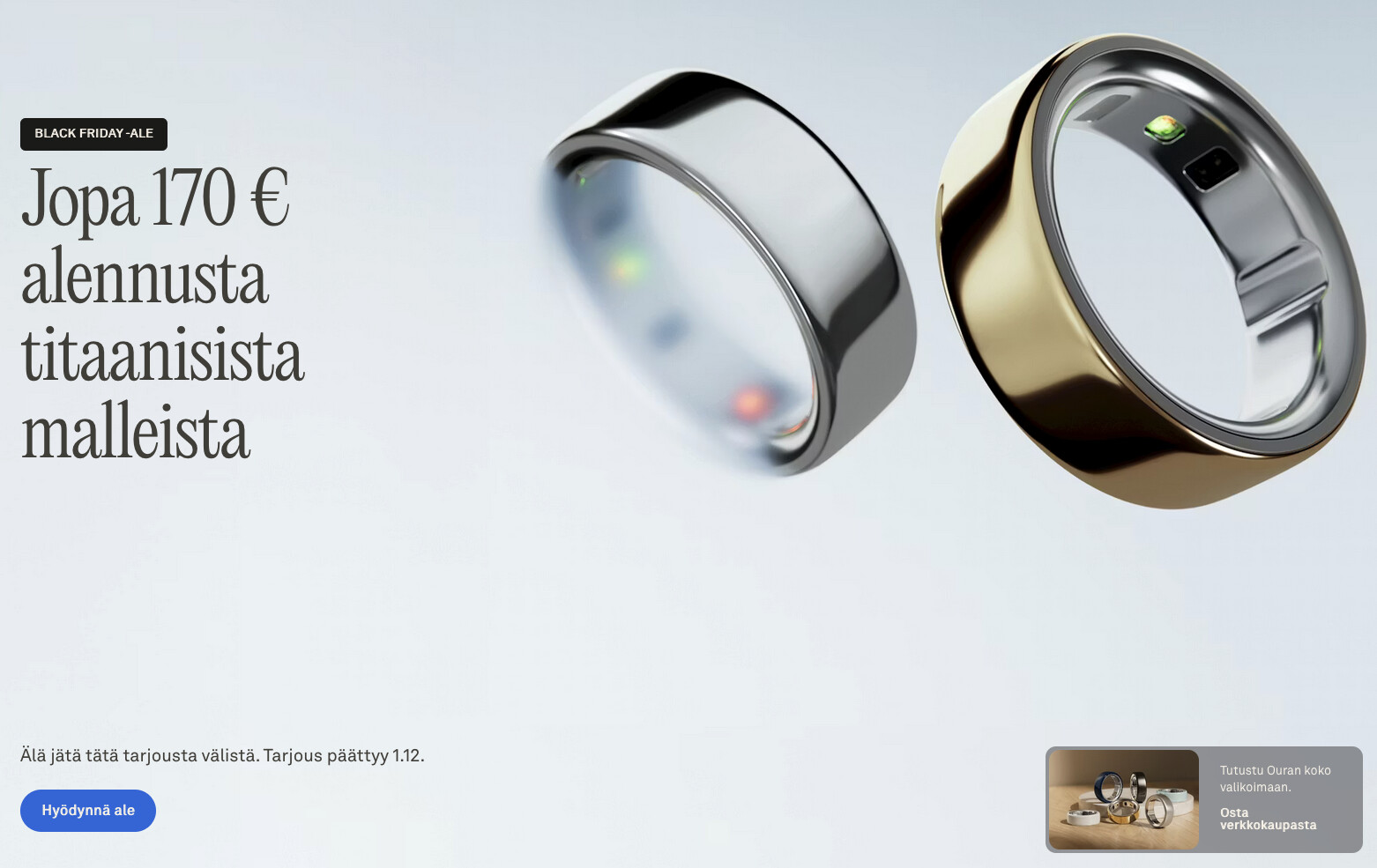
“Oura. Älysormus kunnon, stressin, unen ja terveyden hallintaan.”
Reilun vuoden kokemuksella olemme vaimon ja veljeni perheen kanssa tyytyväisiä sormuksen suorituskykyyn. Negatiivista on sormuksen akun kestävyys. Vaimo sai uuden ilmaiseksi, kun akku hyytyi alle vuodessa, nyt itsellä ja veljen vaimolla pitää ladata joka päivä eikä takuu enää yli 1v jälkeen auta. Mielestäni akun pitäisi olla kestävämpi, jotain 3v keston jo ymmärtäisin ja sovinnolla ostaisin uuden sormuksen.
Onhan näissä ollut jonkinverran akkuhaasteita, pienemmissä muutenkin taisi olla pienempi akkukin. Ymmärtääkseni varsin hyvin Oura on uusia / huollettuja antanut tilalle takuun loppumisen jälkeenkin. Toisaalta hyvähän se antaakin uusi sormus, varsinkin jos kk maksava asiakas… Omalla kohdalla gen2 toimi hyvin ja nyt vuoden päivät ollut gen4 toimii samaan malliin. Ei täydelliisesti, mutta omaan tarpeeseen riittävän hyvin. Omat sormukset ovat olleet kokoa 13 ja nyt 12.
Tässä on SalkunRakentajan juttu Ourasta, ja mm. siitä miten yhtiö aikaa pysyä pörden ulkopuolella sekä siitä, että yhtiö aikoo mahdollisesti tehdä ostotarjouksen nykyisille sijoittajilleen.
Oululaislähtöinen Oura Health Oy valmistelee ostotarjousta nykyisille sijoittajilleen, kertoo uutistoimisto Bloomberg nimettömiin lähteisiin vedoten.
Järjestelyn tarkoituksena on tarjota aikaisille sijoittajille mahdollisuus likvidoida omistuksiaan ilman, että yhtiön tarvitsee listautua pörssiin.
Ostotarjouksessa osakkeenomistajat voivat myydä osakkeitaan noin 25 prosentin alennuksella verrattuna viime syksyn Series E -rahoituskierrokseen. Tuolloin yhtiö keräsi yli 900 miljoonaa dollaria rahoitusta 11 miljardin dollarin arvostuksella.