Magnite – from shadows to light

When we think of digital advertising, Facebook comes to mind. Google. Amazon. Americans use the term ‘walled gardens’. This means that these big players keep user data and information to themselves, or at least make sure they get the most benefit from it.

Magnite is a company whose business is advertisement technology. In some sources, it is also listed as an advertising agency, in others as a communications company. The confusion may also be due to the corporate merger completed in summer 2020 (The Rubicon Project and Telaria = Magnite).

The product is a ‘specialized CTV technology and platform’. Magnite’s clients rely on the company to save money and make their commercial communication more efficient, for example, by eliminating overlaps, unnecessary repetition, and targeting the right message to the right audience through the right device. Americans are giving up their expensive cable subscriptions, and Connected TV is taking its place. In the US, this means, for example, Roku, Apple TV, smart TVs… there are many options, and even game consoles can probably be included here.

I’m opening this thread because, since the fall, the belief has been strengthening in the depths of the internet that Magnite’s year 2021 will be strong, as it is believed to grow not only in business but also to benefit from changes related to technology, politics, and the industry.

  1. Politics

Google and Facebook are constantly under fire from authorities. On Thursday, news broke that Trump’s allies in Texas are accusing them of colluding in the advertising market. It remains to be seen whether the accusations can be proven in court, but it is reasonable to believe that if cracks appear in the walls of these ‘walled gardens’, Magnite has everything to gain.

  1. CTV is growing anyway

The Q3 earnings report released in November makes for positive reading. Debt-to-equity is 0.13; as I understand it, that’s a very low figure. A zero result is a normal result if growth continues. The beginning of the year was difficult, but now it seems that the merger and the corona have passed.
https://www.businesswire.com/news/home/20201117006225/en/Magnite-CTV-Business-Sees-Strong-Growth-Year-Over-Year-Driven-By-Increasing-CTV-Viewership-Addressable-Advertising-and-Strong-Marketplace-Demand

magnite_revenue_growth

  1. Independent

Magnite always makes sure to state how they are “the world’s largest independent sell-side platform for every channel and format.” There is skepticism on both sides of the ad exchange regarding the giants, and, for example, Thursday’s news certainly doesn’t alleviate the suspicions.

This completely omitted the risks, but I’m sure there are some. There are certainly plenty of competitors as well. Let’s get back to them later; it took surprisingly long when I tried to explain to myself in Finnish what the company even does. I hope the company succeeds anyway; it would be really embarrassing if I opened my own thread and then Americans no longer want to advertise anything. I own shares.

Here are the Financial Highlights Q3 2020:
https://investor.magnite.com/static-files/d638243b-71a0-4d5d-ab9b-92b45b45c19e

Edit: Message edited to avoid confusion

12 Likes

I’m reading the original post and I can’t even make sense of what it says. Let’s try this:

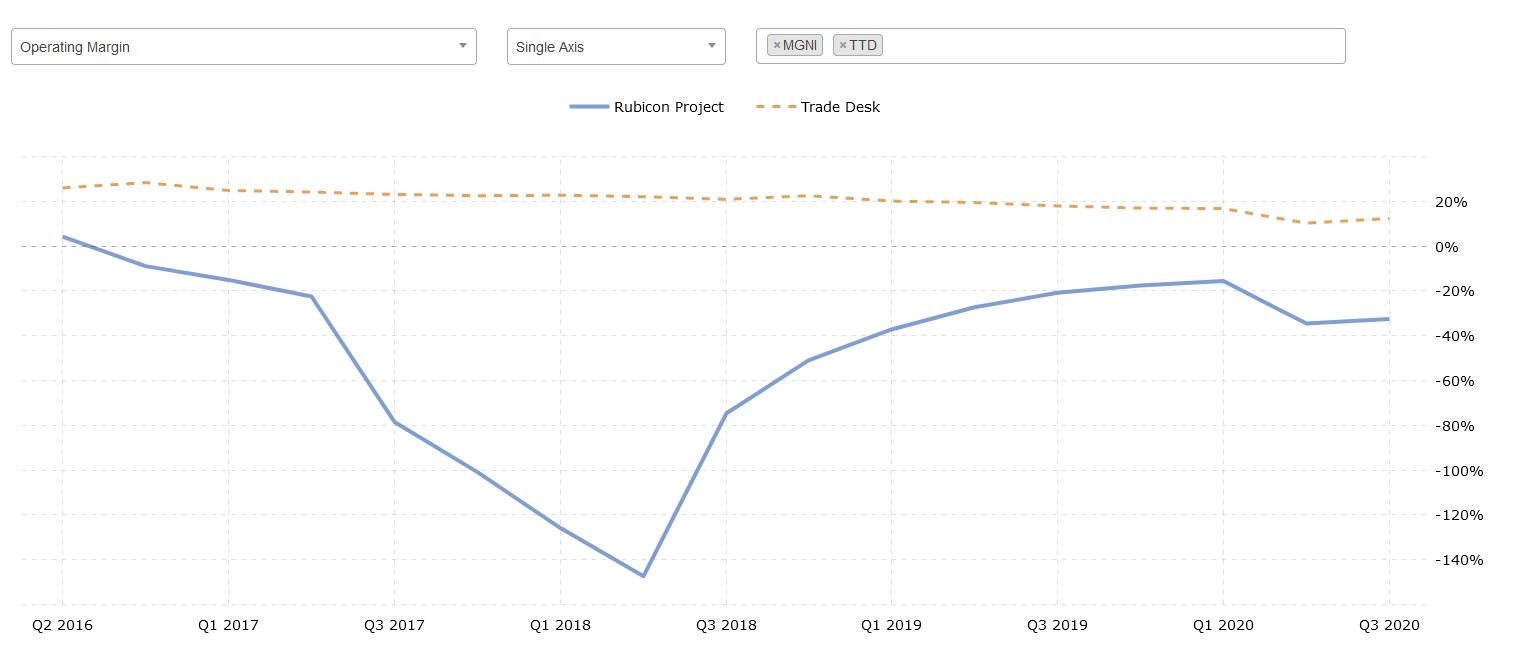
$TTD, or The Trade Desk, has risen a million percent this year. It also operates in CTV advertising, but it’s not a competitor to $MGNI Magnite; it’s on the opposite side or a different side. Image from Wikipedia.

The Trade Desk’s clients are advertisers like Pepsi, while Magnite’s clients are platforms where ads are displayed, like Disney. People believe that because the most well-known DSP firm is worth about 40 billion dollars, the most well-known SSP firm cannot be worth only a couple of billion dollars. Perhaps for this reason, an analyst named Susquehanna also issued a buy recommendation and a $30 price target on Friday, December 18th.

Even though Magnite and big tech companies are not direct competitors, anonymous internet people believe that any problems these monsters, who run their own ecosystems, encounter will somehow benefit smaller players. This is speculation; we cannot know for sure whether small and agile companies will benefit if the operations of large companies become more difficult for one reason or another.

Edit:

The more you look at the financial figures, the worse they seem. However, a rising tide lifts all boats, and when the tide goes out, a value investor sits on the shore staring at naked people. Magnite will continue to make write-offs for at least the next five years. This reminds me of Nokia’s acquisitions. The difference, however, is that for now, at least, someone wants to buy Magnite shares.

All hope, however, is placed on the rapid growth of the CTV segment. Currently, it accounts for 18% of revenue, while mobile and desktop account for a combined 82%. My completely amateur opinion is that the stock is completely overpriced and the valuation makes no sense, but because no one understands what the company does and compares it directly to The Trade Desk, there may be more upside. In addition, The Motley Fool has made it its life’s mission to hype Magnite.

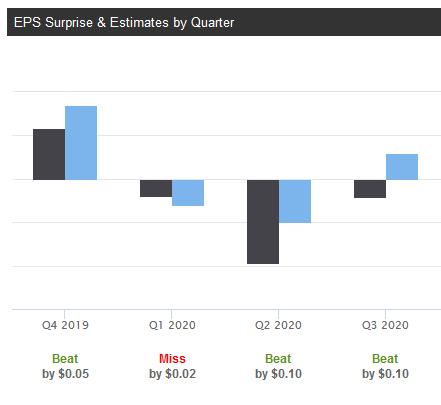
This image, however, tells a lot:

5 Likes

It’s difficult to assess the company’s past and future growth because the figures are imprecise. Old figures often belong to Rubicon Project, as Telaria was merged into it, and only then was the company’s name changed to its current form. I also can’t claim to be an expert in the US CTV ad market; to my knowledge, for example, Disney+ doesn’t show any ads, but Hulu does. Discovery Channel, a new client, also uses ads in its service.

The advertising and marketing industry is generally not very transparent to outsiders. If someone places an ad in a local newspaper, the intention is for people to see the product being advertised, not who ordered or placed the ad on the page.

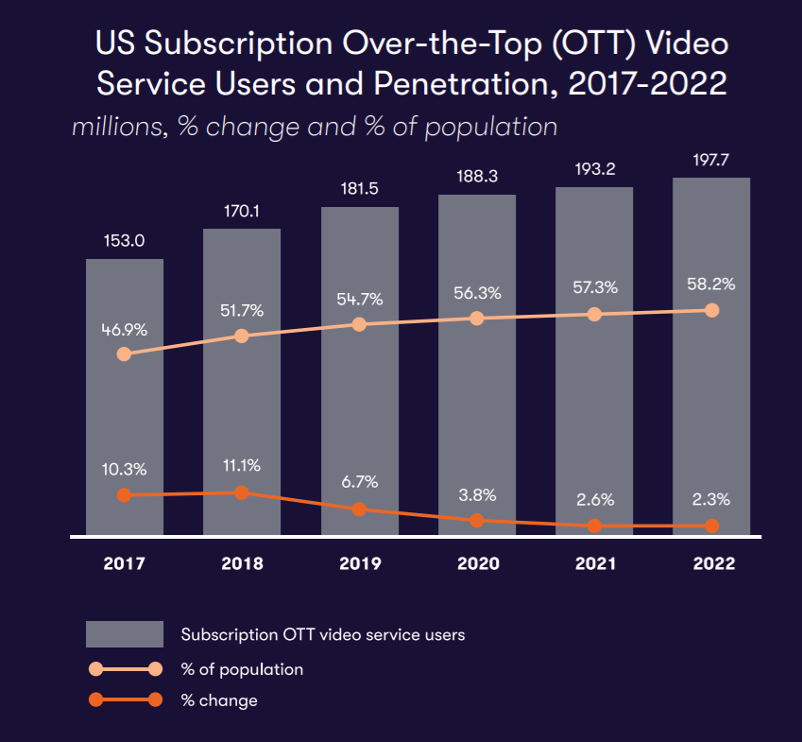
Here are some forecasts, but it’s good to remember that there are other companies in the industry. There are also many types of devices, but this is not a ‘winner takes it all’ market. There can be multiple winners here. The fragmentation of the industry can also be a challenge, not just an opportunity. No one can really even say where the market begins and ends or put it into numbers.

https://www.acquisio.com/blog/agency/connected-tv/


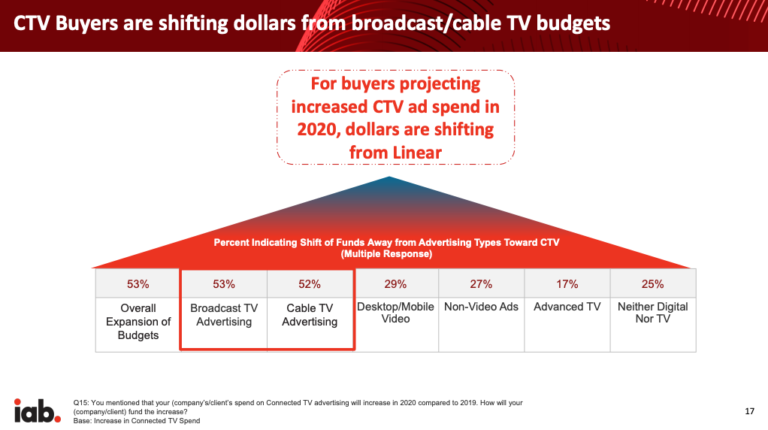
The number of devices doesn’t grow much annually, but the money spent on advertising is likely to increase. Money follows the audience, which is shifting away from traditional TV, in addition to organic growth.


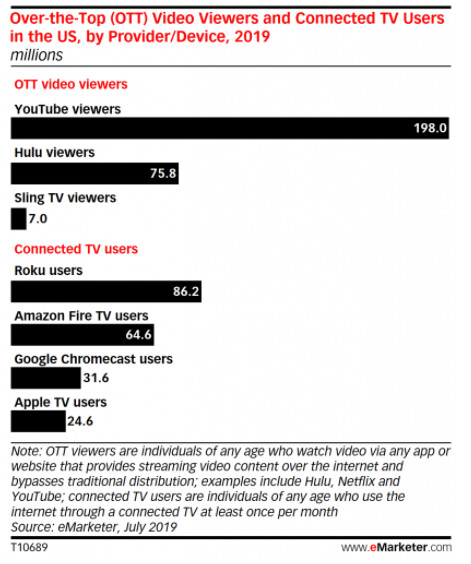
Roku operates on both sides of the ad exchange, and its business has performed well this year. The image is from this article:

2 Likes