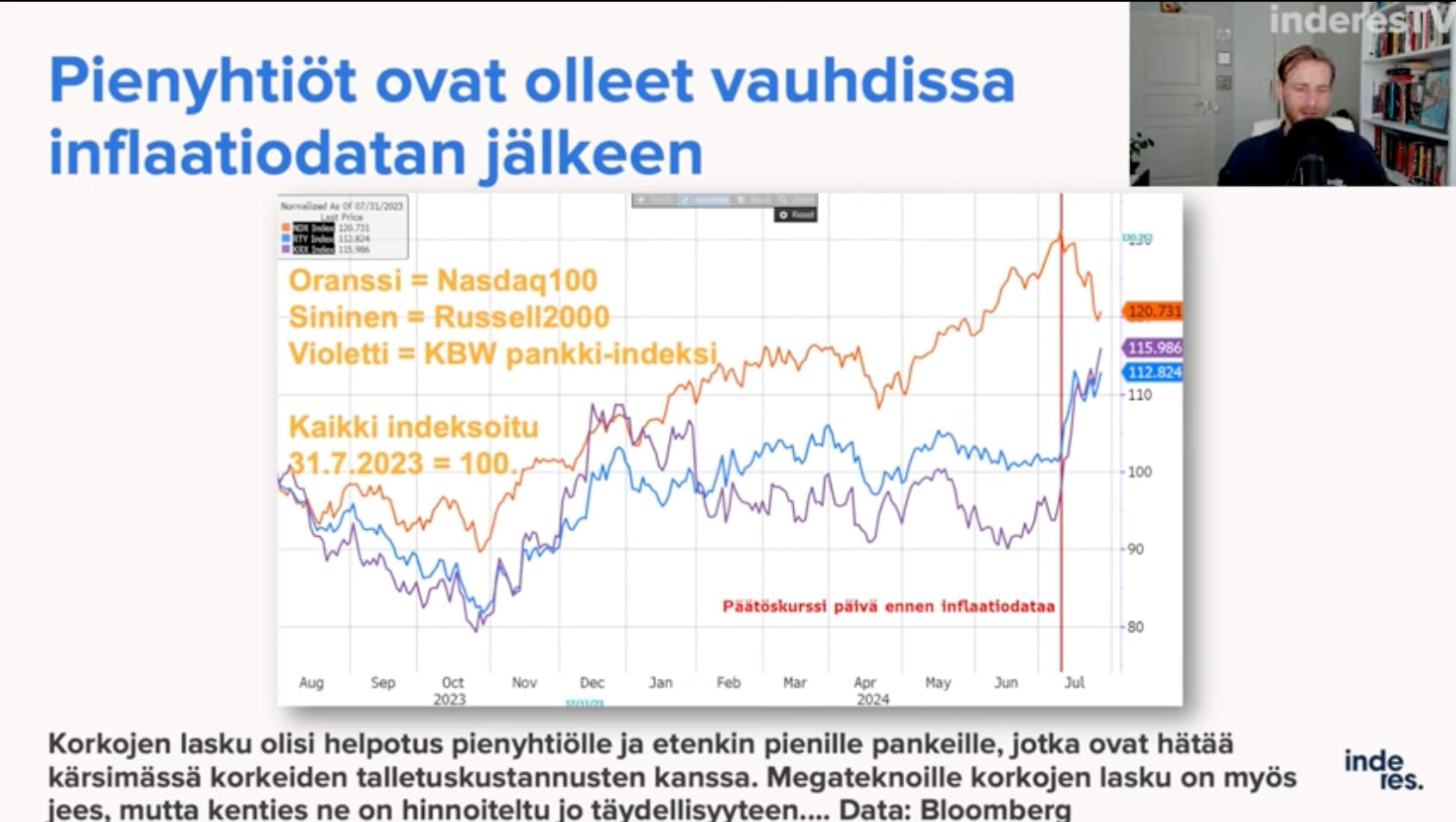
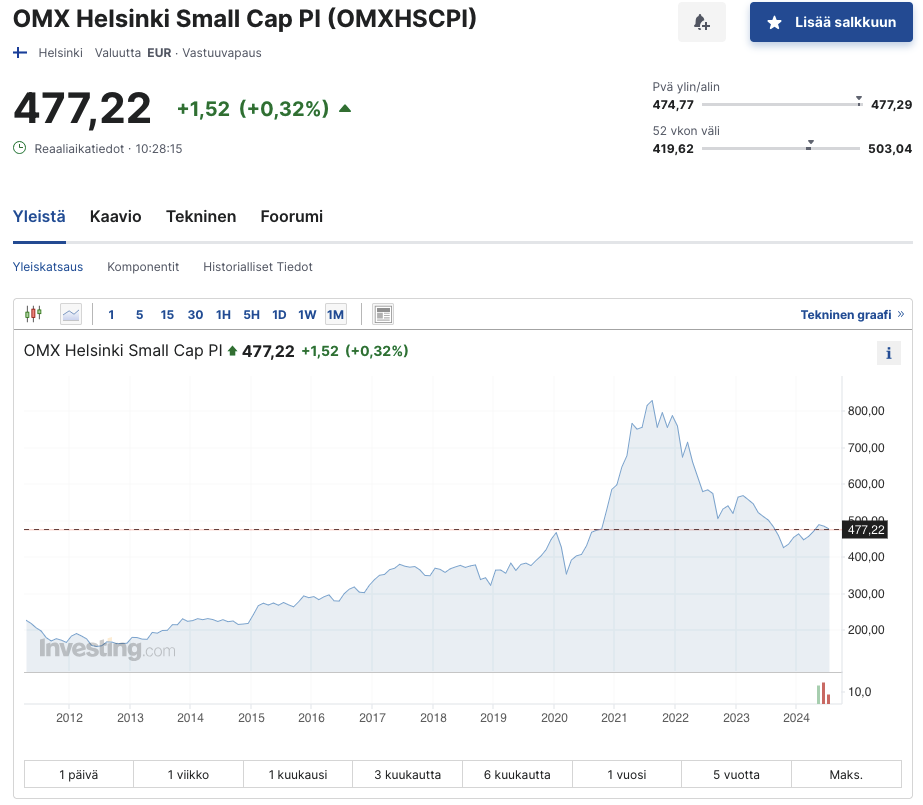
Hesuli tarjoaa erilaisia katarttisia kokemuksia molemmista päistä. Aiemmin mainitun Amor fatin lisäksi kuuluisia Hesuliin liittyviä katsomuksia tai kielikuvia ovat myös Memento mori, Urea iacta est, Veni, vidi, anti ja Et tu, Rettig?
Legendan mukaan myös Nietzsche näki kävellessään hesulisijoittajan ostamassa dipin dipin dippiä. Nietzsche halasi salkkua itkien ja sanoi “äiti olen hölmö”. Sen jälkeen hän menetti tajuntansa eikä hänen mielensä koskaan enää toipunut ennalleen.
Historiankirjoituksen mukaan myös Marcus Aureliuksen stoalainen arki vaihtui Nesteen tankkaamisen jälkeen ooppiumiriippuvuudeksi.
Aika usein ja päivä päivältä useammin tulee mieleen, että mikä on saanut foorumin jäsenet uskomaan tähän Hesuli Wonderlandiin? Mikä meillä Suomessa on hyvin tällä hetkellä? Toki isommat yhtiöt toimii koko maailmassa, mutta ne pienyhtiöt, jotka toimii Suomessa? Miten ne voi tehdä käännöksen?
Sinun rahoilla - käytkö aktiivisesti syömässä lounaalla, illalla - ostatko verkkokauppa.com:ista etkä XXL:stä - syötkö kotimaista kalaa Norjan lohen sijasta jne.
Minusta tuntuu, että Hesuli mörnii vielä jonkin aikaa…
Mielenkiintoista pohdintaa osakkeiden tulevista tuotoista viime päivinä. Kiinteistösijoituksilla ei tietysti ole mitään tekemistä osakkeiden tulevien tuottojen kanssa, mutta ehkä tämä tarina toimii jonkinlaisena muistutuksena korkoa korolle-efektin voimasta.
Legendan mukaan eräs hollantilainen merimies, Peter Minuit, osti jokseenkin asumattoman saaren kaukana kaikesta noin 24 dollarin arvoisilla helyillä. Tässä vaiheessa kaikki jo tajuavat että puhutaan Manhattanista. Ja lähes asumattomasta saaresta on tullut maailman finanssikeskus ja aivan huikea varallisuuden keskittymä. Maan hinta on luonnollisesti kohonnut pilviin. Mikä on tämän uskomattoman kaukonäköisen kinnteistösijoituksen (ei nyt piitata siitä onko tarina tosi) vuotuinen tuotto? Vajaat viisi prosenttia reaalituottoa per vuosi.
Tällä nyt ei tietystikään ole mitään tekemistä osakkeiden tulevien tuottojen kanssa. Mutta ehkä on hyvä muistaa kuinka valtavista varallisuuden muutoksista puhutaan pidemmällä aikavälillä jos historialliset tuotot sattuisivat olemaan tae tulevasta.
Mun mielestä yleensä, kun pohditaan Suomen - tai hesulin - ongelmia, niin listataan ne samat, mitkä on lähestulkoon kaikkialla muuallakin. On totta, että meillä on ikääntyvä väestö, kohta pari vuosikymmentä mörninyt talous, kaupoissa myydään ulkomailla tehtyä tavaraa ja kaduilla ulkomaalaisia firmoja (jos tämä nyt lasketaan miinukseksi), poliittinen jakolinja tappeluineen, jne., mutta missä maassa ei ole näin? Jos katsotaan muita Euroopan maita, niin samat ongelmat niissä pitkälti on ja vaikka joillain mailla mennee vähän paremmin näillä mittareilla, niin aika monella huonommin.
Jos katsotaan ns. kehittyviä markkinoita, niin useimmalla sielläkin on nämä ongelmat ja siihen päälle kahta kertaluokkaa jäykempi byrokratia ja usein vielä todella korruptoitunut hallinto (ja nyt ei puhuta mistään kaavoituksesta ja ylihintaan ostetuista vessoista, jotka nekin on vakavia ja pitäisi kitkeä juurineen pois).
Jenkit ovat poikkeus, joskaan ei kaikissa näissä asioissa, ja se näkyy arvostuskertoimissakin. Eli joko hyväksyy reilusti matalamman tuotto-odotuksen, tai sitten näitä muita ikäviä juttuja. Tai toki jos löytyy joku pörssi, missä tuotto-odotus ei ole matala ja ei ole näitä listattuja ongelmia, niin kuulen kyllä mielelläni.
-Hei jätkä, eikö ollukin hyvä aamupuuro?
-Oli joo hyvää.
-Tiiätkös, löysin aamuvarhaisella ne vatut tuolta mökin takaa pusikkoalueen reunasta. Siellä on tosi paljon vattuja!
-Joo mä tiiän että siellä on paljon vattuja.
-Mistä sen tiedät?
-Mä käyn aina puskapissalla siellä.
-…
-…no mut iskä, sadehan huuhtelee eiks niin?
-Joo, niin huuhtelee
Tässä aamutuimaan mietin Helsingin pörssin tilaa ja Inderesin aiempaa mottoa “Tehdään Helsingin pörssistä parempi markkinapaikka”. Moton tausta juontui siitä, että 2010-luvulla Helsingin pörssin pienyhtiöistä oli saatavilla vähän tietoa eikä lainkaan analyysiä, tulosinfot oli suljettujen ovien takana, osakevaihto oli kuivunut ja useimmat firmat mörnivät.
Tavallaan Inderes onnistui tätä omalta osaltaan korjaamaan yli odotusten. Hesuli on parempi markkinapaikka monella tapaa, ja yksityissijoittajan pääsy analyysin ja tiedon ääreen on kertaluokkaa, noh parempaa.
Nykyisiä mottoja, mitä pyörii raporteissa, ovat “Analyysi kuuluu kaikille” (josta on kylläkin hauskempi vaihtoehtoversio epävirallisesti liikkeellä, “Analyysi kuuluu kakille”) ja “Tieto on sijoittajan perusoikeus” (Tietoevryn osakkeet?).
Tuolle missiolle parantaa Hesulia tänä päivänä olisi jälleen kysyntää. Infoa on kyllä saatavilla, mutta firmat mörnivät. Rötösherratasoisia yritysostoja ollaan tekemässä muutamista firmoista, kuten Purmo ja Innofactor, joissa muita osakkaita kohdellaan epäreilusti. Osakevaihto on jälleen kuin kuivakaudella.
Erityisesti sloganilla olisi lokaatio muunneltuna tehtävää Ruotsissa, missä maksullinen analyysi tunnetaan maksettuna rakkautena.
Kyllä meinaa tulla kateus täällä foorumilla, kun toiset vaan kalastelee, saunoo, juo olutta ja marjastaa luonnossa, kun itse joutuu olemaan konttorilla ja mielessään toivoo, että Hesuli (ja muut oman salkun “tähdet” ) vielä joskus kunnolla nousisivat.
Hesarissa tänään artikkeli Trump:in ampumisesta ja jäin ihmettelemään tekstin sisältöä…ehkäpä joku teistä ymmärtää paremmin:
»Yksi paikallispoliisin tarkka-ampujista oli lopettamassa työvuoroaan, kun hän huomasi jonkun istuskelevan piknikpöydässä lähistöllä. Istuskelija näki poliisin poistuvan rakennuksesta, ja poliisi ilmoitti havainnostaan kollegoilleen kello 16.26.
.
.
.
Crooks ampuu laukaukset katolta, joka on yhteydessä siihen varastorakennukseen, josta ensimmäinen poliiseista oli aiemmin poistumassa.«
.
.
.
» 6. heinäkuuta Crooks etsi hakukoneesta tietoa siitä, kuinka kaukana John F. Kennedyn vuonna 1963 ampunut Lee Harvey Oswald oli ampuessaan presidentin.«
Oikea vastaus on n. 81m (266 ft) ja James Earl Ray ampui Martin Luther Kingin vain n. 63 metrin etäisyydeltä.
Edit: Laitetaan nyt tasapuolisuuden nimessä myös Trumpin salamurhayrityksen etäisyys, tosin en löytänyt tarkkaa mittaa mutta 121-137m:n haarukka löytyy Wikipediasta (eng.):
Nyt kun pörssilistautumisia, tai ainakin aikeita, alkaa taas pintaantua on hyvä nostaa uudelleen tämä kesäkuinen Vartti IPO-markkinasta, IPO-tuotoista ja alkaako niitä nyt tulemaan.
Koitas rauhouttua hetkeksi , kohta meillä menee kaikki aika täällä Foorumilla.
Tosi asiassa hyviä ja mielenkiintoisia avauksia, joista monen yhtiöketjen olisi luullut olleen jo auki


 , kohta meillä menee kaikki aika täällä Foorumilla.