I’ve only been familiar with HF for about a day, so the analysis is by no means as in-depth as it is for other retail companies I follow for work.
But I really like how differently and data-drivenly they have thought about this business model, and I’ve written a bit of my own stream of consciousness here.
When considering Kesko, I don’t believe they are interested in competing with HelloFresh due to the structural differences in their business models. Essentially, synergy would only come from purchasing volumes, but after that, everything in the business is done differently before the food reaches the consumer’s plate.
I’ve been thinking about the fundamental differences in my head:
- Kesko’s job is to procure products from the food industry to its own distribution centers, market and price them, and also brand its own private-label products (approx. 20% of sales), then distribute them to a nationwide store network. Kesko takes a sales margin and some other chain fees from this when it sells goods to the retailer, so that it can finance the aforementioned operations, and the remaining operating profit percentage currently hovers around 7%.
After this, Kesko’s retailer operates at the customer interface and again takes a sales margin when it sells the product to the customer, as it, in turn, has to finance store rents, staff, etc., and an operating profit percentage should also remain for the operation to make sense.
Consumers, in turn, are wanted to come to the store because it is more cost-effective within the current distribution framework. Online grocery sales are also growing for Kesko (approx. 3% of sales), but in this case too, online orders are fulfilled from the store. Currently, products are manually picked from shelves, and investments are underway in the first back-of-store picking automation (MFC) in Ruoholahti.
Consumers, on the other hand, must know what they want to buy when they go to the store. Kesko and the retailer, in turn, try to predict what consumers in the area want to buy from the store by optimizing store sales data and category management, which is why the SKU count is wide to offer a bit of everything for everyone. The SKU count in Citymarkets is, if I remember correctly, around 30,000.
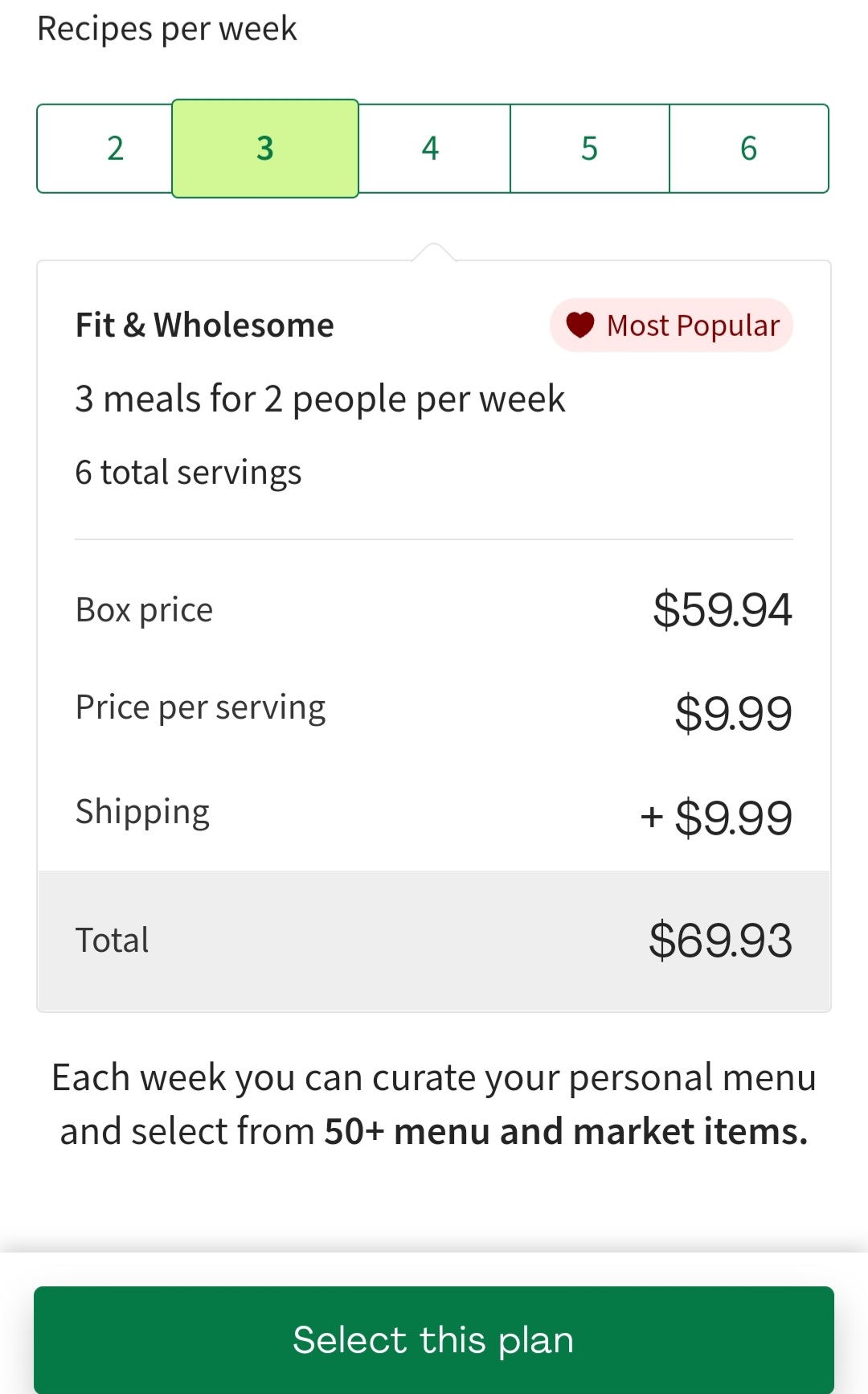
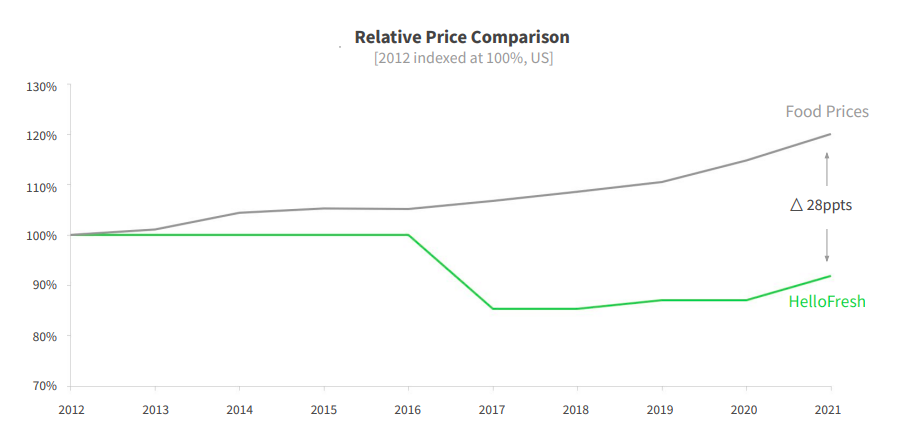
- HelloFresh, on the other hand, does all this in what I consider an admirable lean manner, and it’s quite realistic that this leaves around a 10% operating profit margin.
Products come directly from producers through HelloFresh’s own automated distribution centers, from where they are delivered directly to the home. Volume is critical in transport, and HF has already managed to rise to an impressive level of over 5 billion globally, which is promising.
Large volumes can be achieved quickly in procurement when the SKU count is only a few hundred per week.
Consumers are offered some 50 meal kits, and they are asked about a week in advance what they want to buy from these for the following week. This means that demand is already known at this stage when procurement volumes are adjusted, there is no waste, and the raw materials are fresh (this is like something out of a Lean Management textbook).
There’s also no need to brand own products when the consumer isn’t choosing products from the shelf. Marketing can focus solely on the main brands and optimizing customer acquisition. (100% of sales are so-called Private Label).
The competitive advantage of Kesko and other grocery stores is still that consumers generally want all daily necessities at once, in addition to meal kits (milk, detergent, coffee). But that doesn’t mean that HF couldn’t come to the consumer’s home every now and then.
As a consumer myself, I have used Sanna’s Ruokakassi in Finland and I like the ease of the concept, as I don’t have to think about recipes or search for products in the store. The only weakness of Sanna’s concept is that they don’t have enough volume to bring consumer prices close to grocery stores.
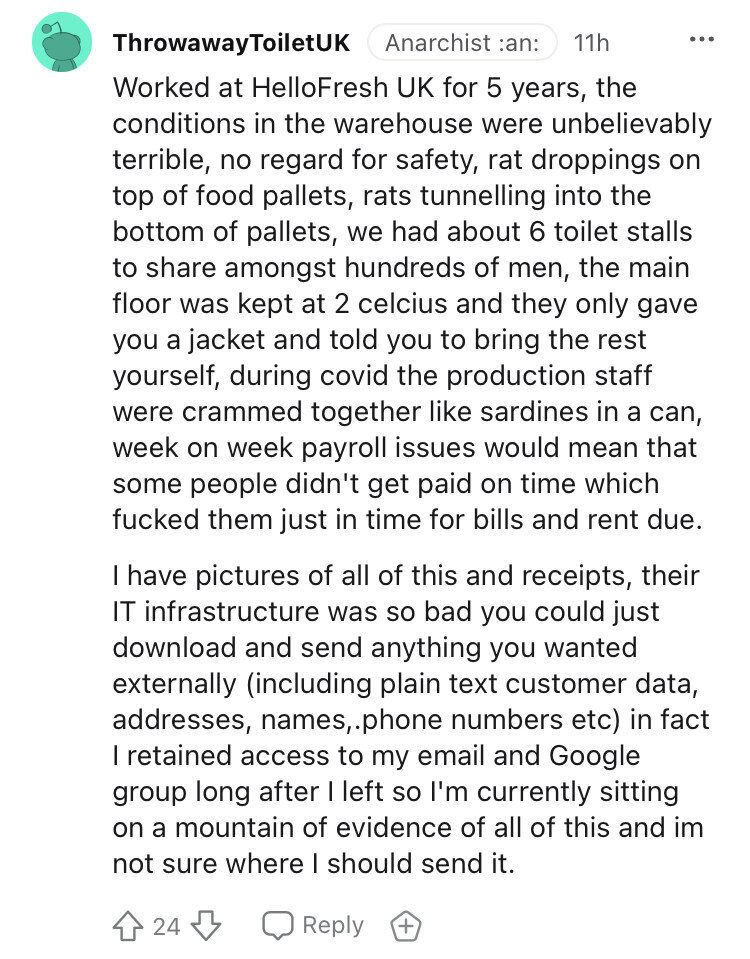
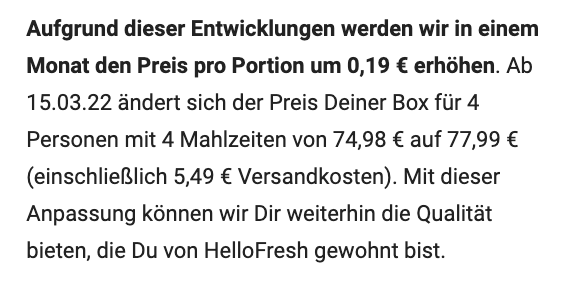

 I’ve had a strong principle of only investing in familiar companies followed by my own team, and almost every time I’ve strayed from this, I’ve taken a hit.