Pistetään ketju pystyyn ruotsalaiselle firmalle nimeltä Azelio. Foorumilla ollut jo useampaan otteeseen keskustelua firmasta ja omistajiakin löytyy ainakin osta ja myy -ketjun perusteella. Yhtiö on ruotsalaisella analyysitalo RedEye:lla seurannassa.
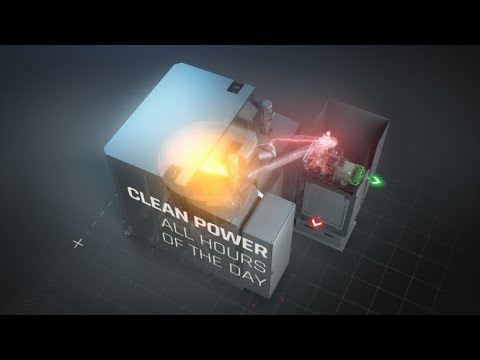
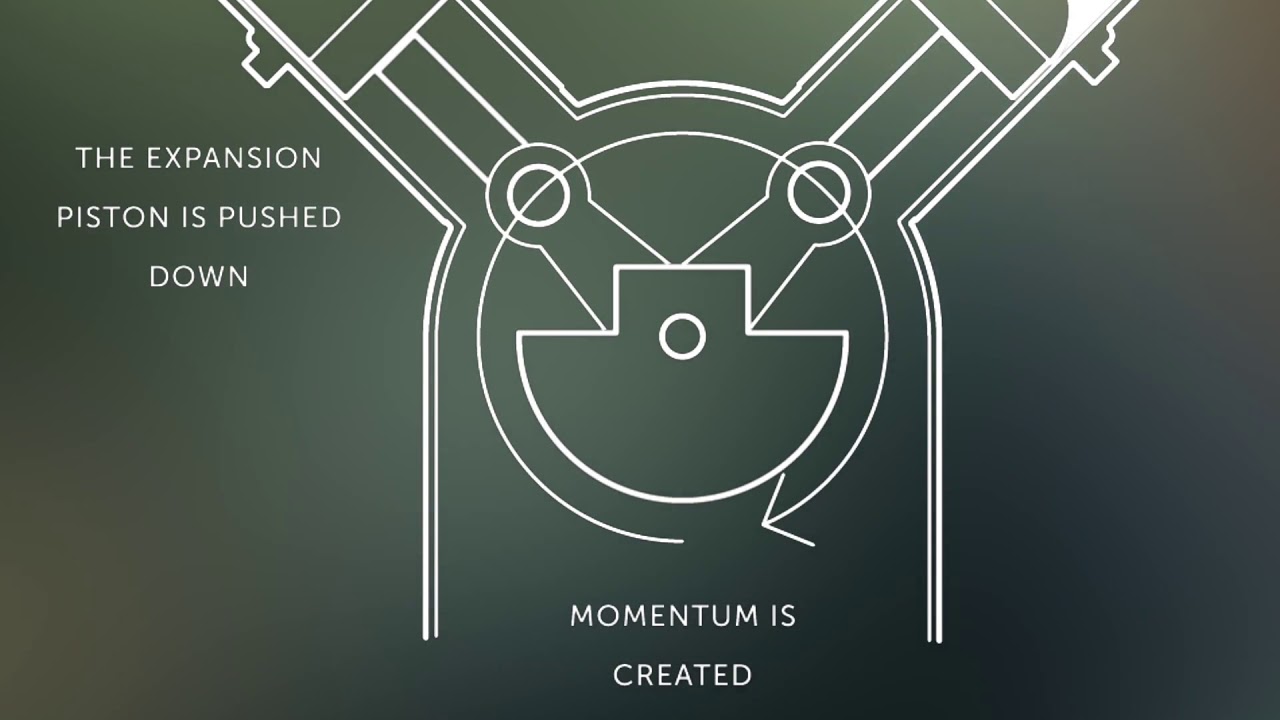
Kyseessä on firma, joka valmistaa energianvarastointiin tarkoitettavia laitteitta. Tuuli-, aurinkovoimaa ja muita ympäristöystävällisiä energialähteitä käytettäessä syntyy päästöjä hyvin vähän tai ei ollenkaan - riippuen käytettävästä energialähteestä. Ratkaisu perustuu lämpöenergialla (kaasulla) toimivan stirlingmoottorin tuottamaan energiaan, jonka generaattori muuttaa sähköksi. Stirlingmoottorin toiminta perustuu kaasujen lämpötilavaihtelulla aikaan saatuihin paine-eroihin, joiden avulla energiaa tuotetaan energiaa sähköksi muuntavalle generaattorille. Toimintaa on havainnollistettu seuraavilla videoilla, ensin koko ratkaisu ja sitten stirlingmoottorin toimintaperiaate (videoissa on englanninkieliset tekstitykset saatavilla):
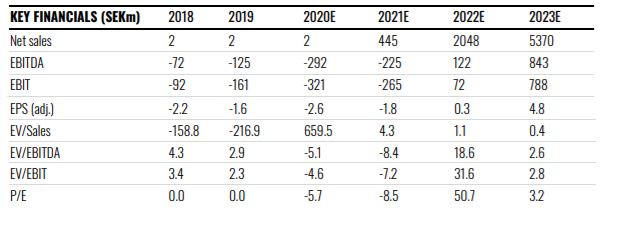
RedEye:lla on tosiaan yhtiö seurannassa, ja he arvioivatkin liiketoiminnan ottavan jättimäisiä harppauksia seuraavina vuosina. Azelio on siirtymässä kaupallistamisvaiheeseen, kun tuotetestauksia on saatu/tullaan toivottavasti saamaan onnistuneesti päätökseen. Tässä ennusteet kaikille avoimena olevasta elokuun raportista:
Lisää yksityiskohtaisia sekä olennaisia tietoja kannattaa katsoa yhtiön sivuilta: https://www.azelio.com/
sekä RedEye:n yhtiösivulta: Azelio - Redeye.
Raportti heinäkuulta:
RedEye heinäkuussa:
“Currently two verification projects installed, one on Morocco and one in Sweden, consisting of two storage + Stirling units each. A third project is being installed in Abu Dhabi during Q3 2020,consisting of four storage units with Stirling’s.” s.11
“In Q4 2019, Azelio successfully installed its first two projects in Åmål and Ouarzazate. We would further like to highlight that data from the different projects most likely will be released as they go, even if we believe that 12 months of running data is a critical dataset probably wanted by customers” s.9
Lehdistötiedotteen perusteella tuota kolmatta projektia laitettiin kasaan vielä viime viikolla, mutta odottavatko sijoittajat jotain tietoa vielä ennen vuoden loppua noista kahdesta ensimmäisestä projektista? Marokon projektissakin on ilmeisesti ollut aikamoisia ongelmia matkustusrajoitteen takia.
Todella mielenkiintonen case, paljon on myyntipuheita mutta erittäin vakuuttavia piirteitä esim.
Patenteista jotka myönnetty, se on aina hyvä merkki. Näyttäisi myös hyvin olevan jalkaa ulkomailla mikä myös positiivinen asia, ensvuonna jo isot odotukset eli will see
Otetaan alkuun pieni seurantapossa ja lisäillään jos homma kehittyy
Yksi asia mikä tässä itseä mietityttää, on hyötysuhde. Tuo 90% hyötysuhde siis saavutetaan, kun tuotetaan sähköä sekä lämpöä? Onko Kaliforniassa ja Pohjois-Afrikassa tarvetta tälle extra lämmölle?
Poistin oman viestin. Koska siinä oli selvästi virheellistä tietoa. Eli lämpö pysyy hyvin tallessa ja lämmön varastointi on melko lailla huoltovapaa, Stirling engine huoltoväli 6000 tuntia ja lämmöstä sähköksi n. 30% hyötysuhde?
Mielenkiintoinen poiminta. Kiva näistä lukea, vaikka ei vielä osaa sanoa miten hyödyllinen keksintö kyseessä. Varmasti olisi kova keksintö, jos ratkaistaisiin ikuinen ongelma miten varastoidaan aurinkopaneelien sähkö.
Paljon kysymyksiä tästä kyllä silti herää. Onkohan päämarkkina ja ajatus sijoittaa näitä aurinkopaneelifarmien kylkeen ja syöttää sitten energiaa sähköverkkoon vai tehtaiden käyttöön? Soveltuuko kyseinen keksintö kaikkialle?
Kuulostaisi hyvältä, jos 90% aurinkosähkön energiasta saataisiin varastoitua. 30% hyötysuhteella ei kyllä kuulosta mitenkään erityisen mahtavalta. Ja tuo perus 13kW ulostulos riittäisi tuottamaan tyyliin muutaman keskikokoisen kerrostalon sähköt, riippuen toki kiinteistöstä.
Pitänee vielä katsella sivuja tarkemmin, tuolla voi olla vastauksiakin.
Kaivelin vähän lisää Red Eyen rapsasta ja siellä mainittiin näin:
“When comparing energy storage, solutions specific efficiency in terms of energy losses will
be measured. In Azelio’s case, they have an efficiency of 29% from stored thermal energy to
electricity, but can reach up to 90% efficiency from electricity to electricity and heat at 55-65
degrees C. The residual heat comes out at 55-65C from the process and can be used as lowtemperature district heating, for desalination of thermal water, for industrial process heat and
cooling through absorption cooling processes. To verify the solutions total cost efficiency
and make the solution bankable, the company is currently running verification projects which
we will address in the next chapter.”
Rapsassa mainitaan myös, että kiinnostusta löytyy huimasti ja ihan varteenotettavia projekteja olisi tuloillaan. Paljon kuitenkin taitaa riippua noista pilottiprojektien tuloksista.
Tuon linkin videossahan on systeemi jossa heijastetaan peileillä auringonsäteitä kuumentamaan Azelion stirlingmoottorin alumiinisäiliötä, ja sen systeemin hyötysuhde olisi 30%. Normaalien aurinkopaneelien hyötysuhde on alhaisempi.
Kuitenkin jossain oli maininta että sähköstä sähköön varastoinnin hyötysuhde olisi 90%. Onkohan se luotettavaa tietoa? Kuinkahan se oikein onnistuu? Tämähän olisi paljon parempi hyötysuhde sähkön säilömiseen kuin vedyllä.
Ruotsissa toinenkin yhtiö tekee näitä Stirling-moottoreita. Swedish Stirling. Eivät taida olla kuitenkaan suoria kilpailijoita Azeliolle. Ovat keskittyneet tekemään teollisuuden kuumista savukaasuista sähköä. Heilläkin n. 30% hyötysuhde lämpöenergian muuttamisessa sähköksi.
“In Azelio’s case, they have an efficiency of 29% from stored thermal energy to
electricity, but can reach up to 90% efficiency from electricity to electricity and heat at 55-65
degrees C”
Mielestäni tuossa tarkoitetaan kuitenkin CHP (combined heat and power) hyötysuhdetta, eli siihen on lämpö laskettu mukaan.
Azelio has created a complete energy-producing system for installations between 0.1MW-100MW with a storage capacity of 13 hours of electricity generation at nominal output. This means that the solution can be adjusted to the demand with an output of for example 26% if run on 50% output
En tiedä millainen arsenaali moottoreita ja varastointiyksiköitä tarvittaan, mutta koko sijoituskeissi pohjautuu kustannustehokkuuteen tietyissä olosuhteissa, ainakin sen käsityksen sain tuosta Red Eyen rapsasta.
In Azelio’s case, the focus will initially be towards projects up to 20MW, while in a second phase up two 100MW at mini or -off-gridswhere the storage capacity need is in the range of 4-13hrs.
Jos tavoite on saada 100MW voimala pystyyn lähivuosina, niin on vaikea kuvitella tuhatta stirling-moottoria ja “aromipesää” pumppaamassa rinnakkain. Näissä ei kuitenkaan käytetä mitään harvinaisia metalleja, joten siinä mielessä voi olla edullista laajentaa tehokapasiteettia. En sitten tiedä miten se käytännössä tapahtuu.
Niin tälle oli ihan omakin ketju. Käsittääkseni noita Mou sopimiksia on nyt jonkin verran. Nyt vaan tuotantoa skaalaamaan, niin pääsisi toimittamaan ja jos hyvin menee, niin luulisi jatkoakin seuraavan? Ostin vielä erän nro 5. ei mitään kauheita, mutta yhteensä itseasiassa on ihan kohtuu iso positio suhteutettuna muihin uusiutuviin, jotka on tosi hajautettuja!