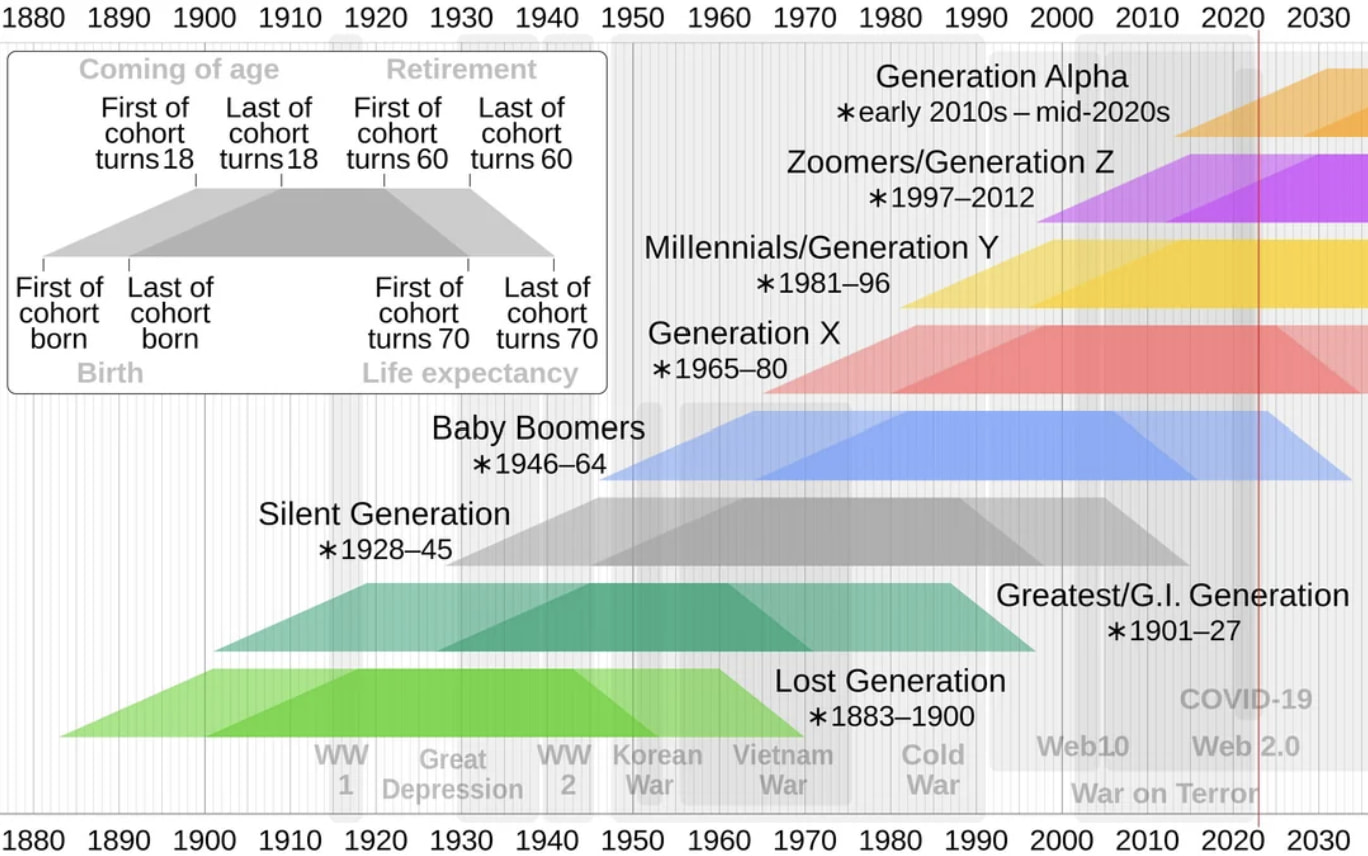
Käsittääkseni enin kritiikki kohdistuu suuriin ikäluokkiin, jotka ovat jo eläkkeellä, heillä numero alkaa kolmosella.
13 tykkäystä
Niin, Kritiikki eläkkeiden suuruuksista ja saadusta suhteellisesta hyödystä kohdistunee eniten hiljaiseen ja boomer sukupolveen.
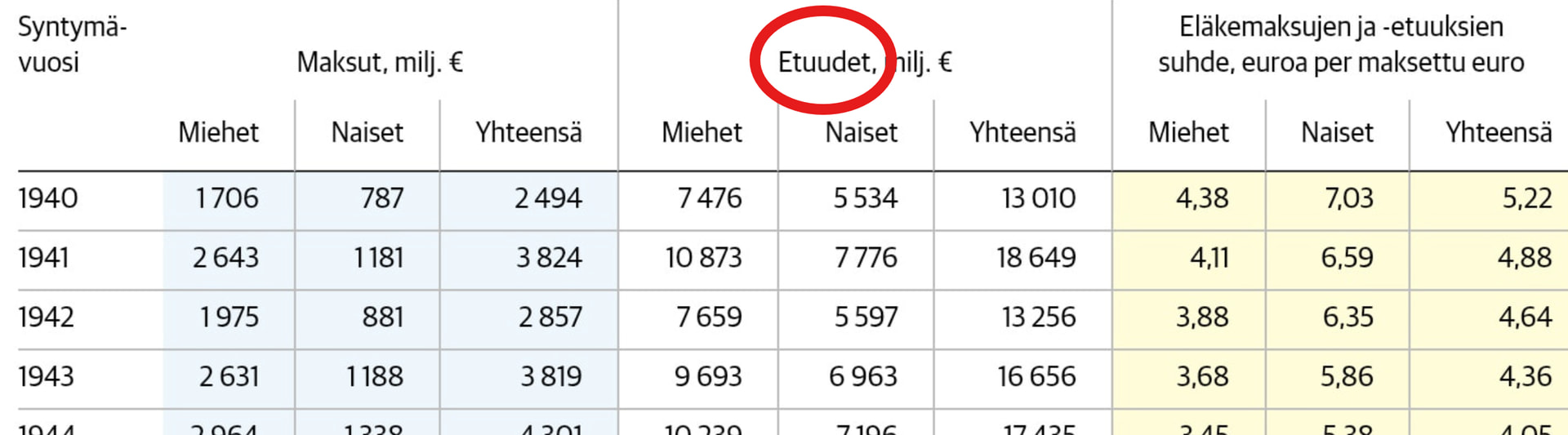
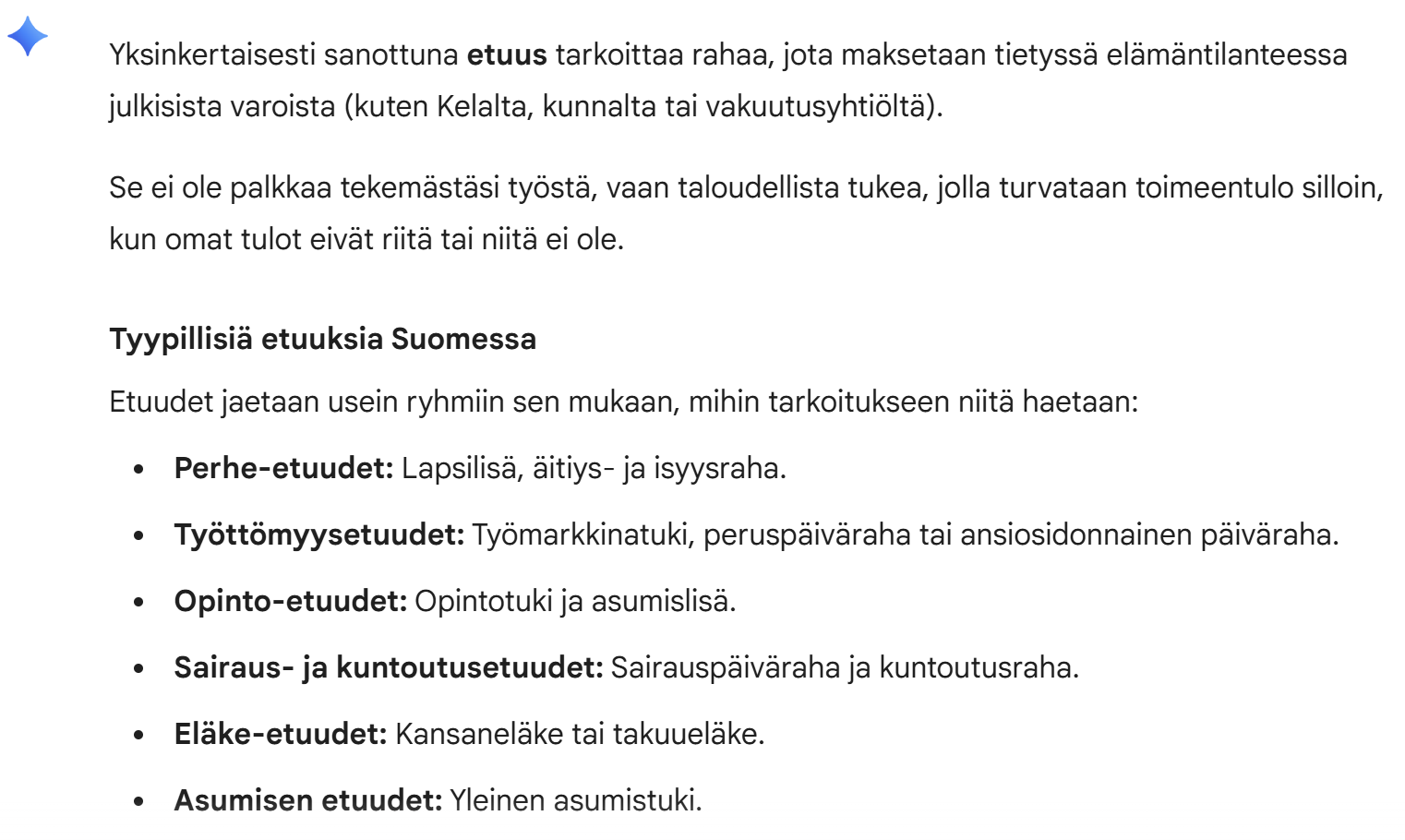
Mielenkiintoista myös, että kauppalehden taulukossa käytetään sanaa “etuus”. Geminin kanssa pohdin mitä etuus oikein tarkoittaa. Eläke siis on sosiaaliturvaa, johon saa ennalta määritellyn suuruisen oikeuden oman työuransa tai sen puuttumisen perusteella.
3 tykkäystä
Tuohon “mutkun minä indeksirahastoihin sijoittamalla”…
Muutkaan työeläke-sijoittajaa ei sen kummempia tuottoja saa
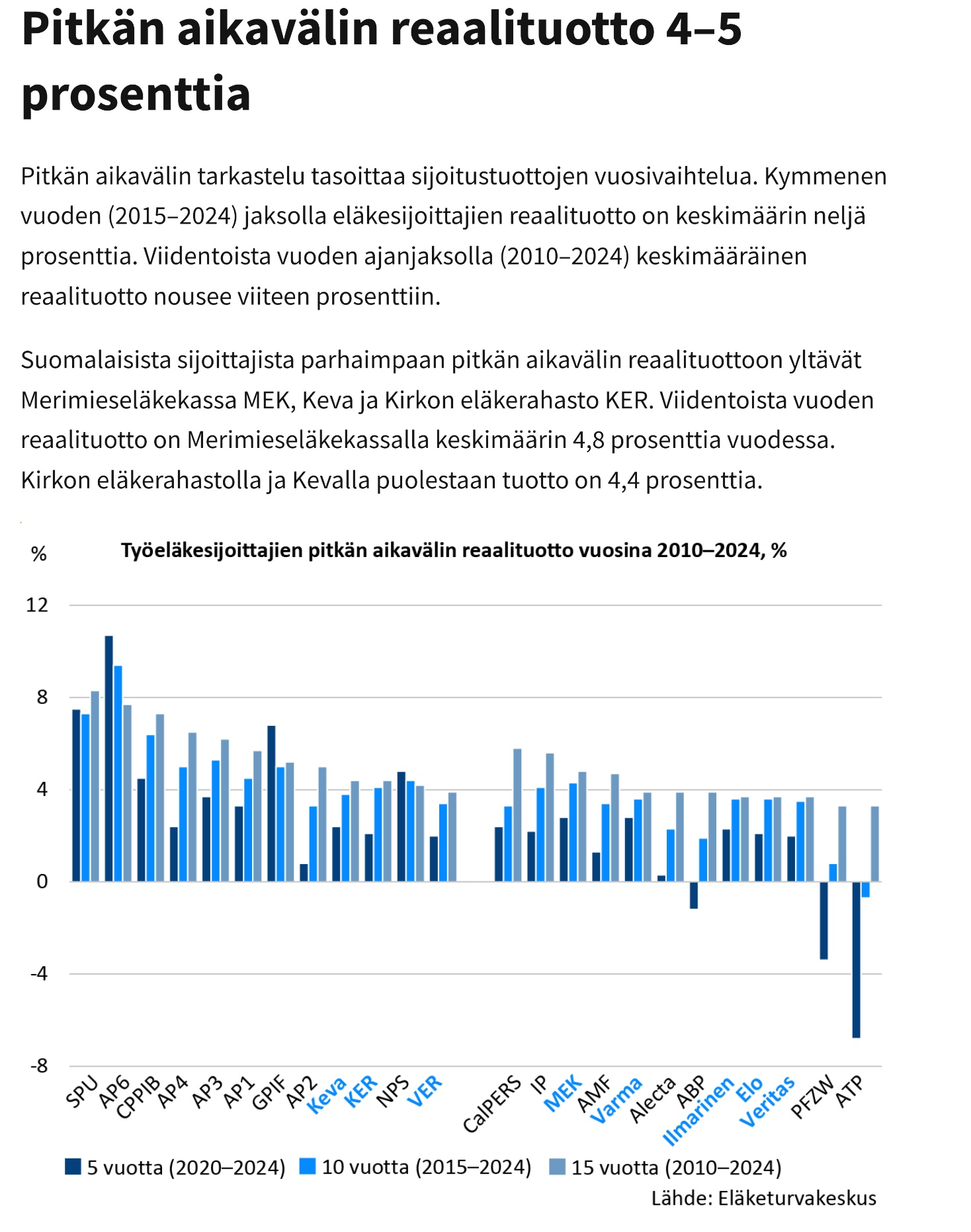
Eläkesijoittajia ohjaa vahvasti sijoitussäännöt.
Huomaamme helposti, että aikavälillä 2010-2024 parhaat tuotot on saanut sijoitukset, joissa osakkeiden sijoitusmäärä on ollut suuri.
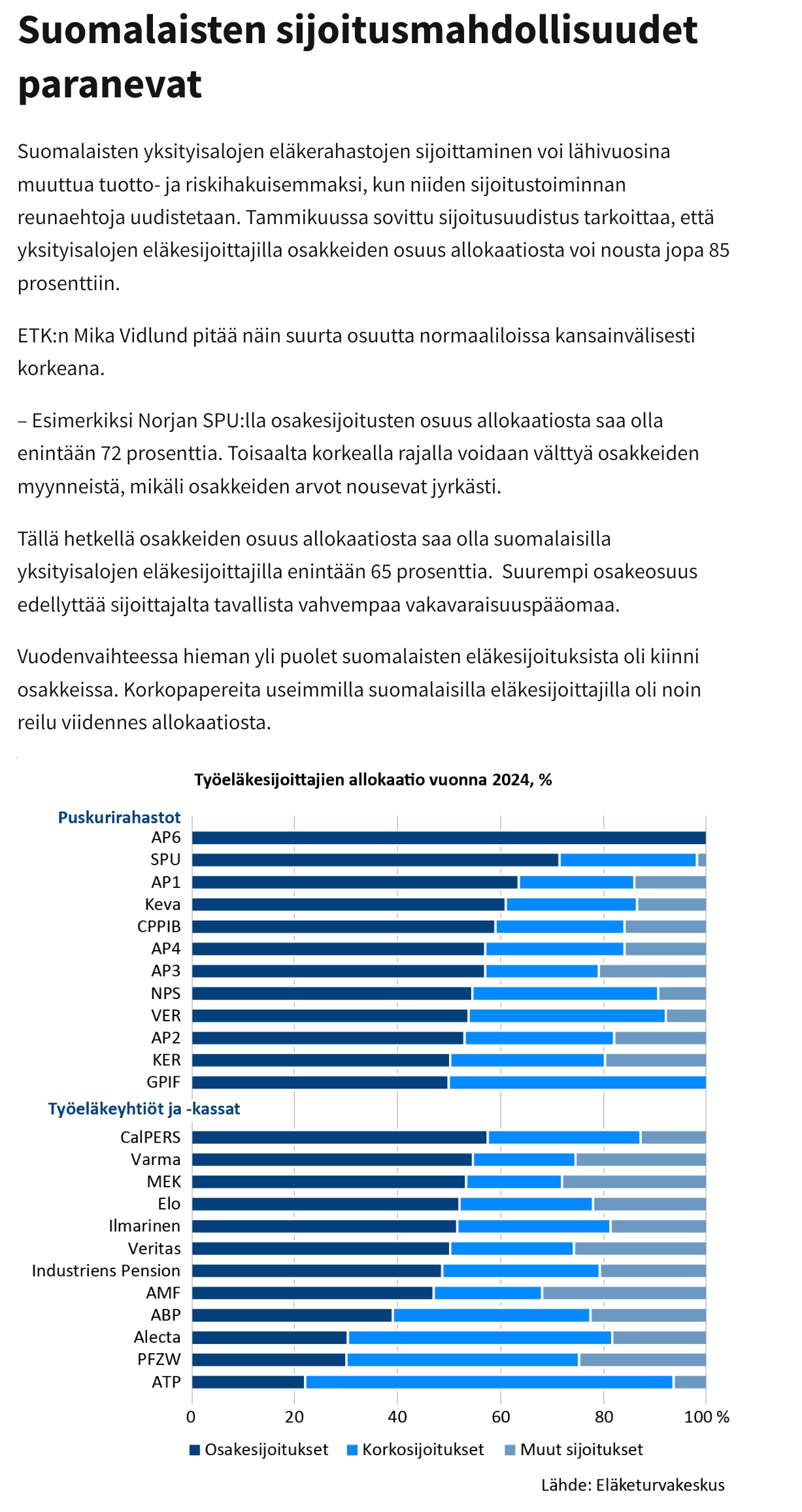
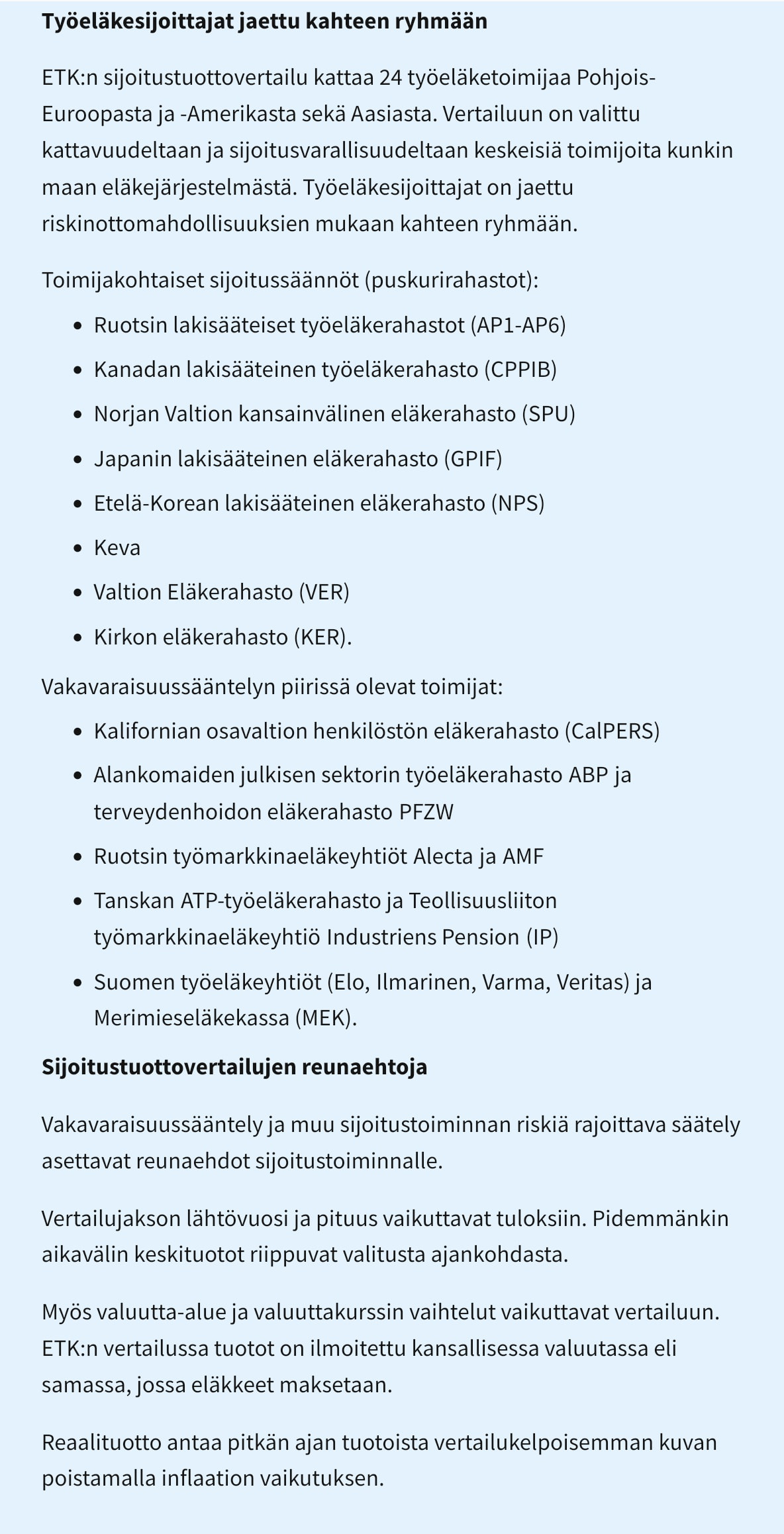
“Suomalaisten sijoitusmahdollisuudet paranevat
Suomalaisten yksityisalojen eläkerahastojen sijoittaminen voi lähivuosina muuttua tuotto- ja riskihakuisemmaksi, kun niiden sijoitustoiminnan reunaehtoja uudistetaan. Tammikuussa sovittu sijoitusuudistus tarkoittaa, että yksityisalojen eläkesijoittajilla osakkeiden osuus allokaatiosta voi nousta jopa 85 prosenttiin.”
Lähde:
2 tykkäystä
Ei tietenkään, kun missään eläkerahastossa ei ole 100% osakepainoa. Sen sijaan nuorelle aikuiselle 100% osakepaino maailmanindeksissä lienee kaikkein riskittömin sijoitus, kun sijoitushorisontti on 30-40 vuotta.
Jokainen voi omalla kohdallaan miettiä kumman valitsisi:
- Nykytilanne, jossa annat keskimäärin 1000e/kk eläkeyhtiölle, joka maksaa sinulle 67 ikävuoden jälkeen hieman rapiat 2000e/kk eläkettä.
- Sijoitat itse 1000e/kk ja jäät 67-vuotiaana miljonäärinä työelämästä pois.
Luulen että suurin osa työssäkäyvistä ihmisistä valitsisi ilomielin vaihtoehdon 2. Mutta eipä ole mahdollista suomalaiselle palkansaajalle, ihan mahdoton ajatuskin että ihminen saisi mahdollisuuden rikastua.
30 tykkäystä
Ruotsin työeläkejärjestelmän puskurirahasto AP6 (46,2 %). Suljettu rahasto sijoittaa vain osakkeisiin ja on erikoistunut pörssin ulkopuolisiin korkean riskin kohteisiin.
Ruotsissa sijoitetaan 2.5% ja palkansaaja voi valita rahastot itse (AP7 on oletusvaihtoehto, jos ei tee valintaa).
Käytännössä kaikissa maissa kerätään sekä työnantajan ja työntekijän maksua.
Eli missään maassa ei luoteta “kun minä sijoitan eläkettäni varten indeksiin”.
Suomeenkin kaipaisin eläkemaksukattoa (esim mediaanipalkka +25%), jokainen saisi hoitaa sen yli menevän eläketurvansa itse.
7 tykkäystä
Kyllä, mutta prosentit vain ovat paljon pienempiä. USA:ssa pakolliset eläkemaksut palkasta noin 12% ja sen jälkeen voikin sijoittaa omatoimisesti indeksiin 401(k)-tilille.
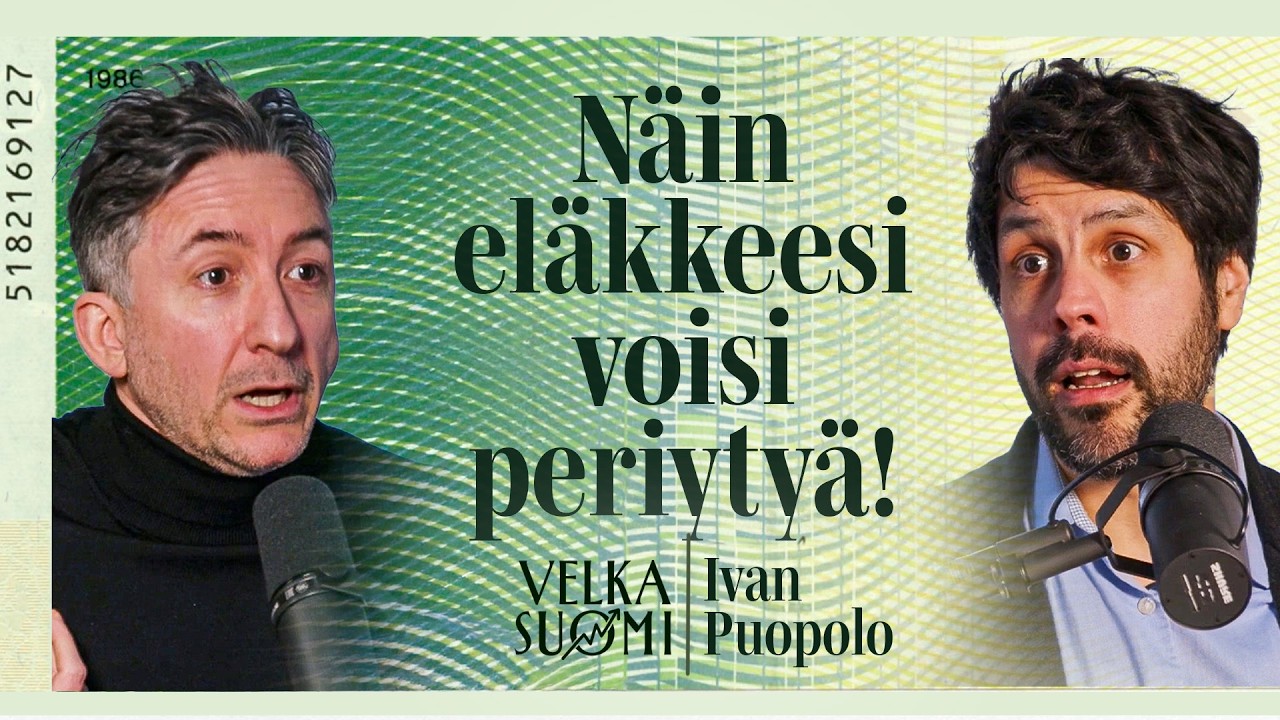
Ivan Puopolon ja Mauri Kotamäen Asiastudio-keskustelussa tuotiin esiin mielenkiintoinen idea, miten samantyyppisen ratkaisun voisi toteuttaa Suomessa. Eli eläkemaksun rahastoitavaksi menevä osuus (noin 17% maksusta) annettaisiin ihmisten itse sijoitettavaksi ja se olisi heti hänelle korvamerkittyä omaisuutta.
6 tykkäystä
Suomen talousoikeistolaisimmat somevaikuttajat ja yrittäjät laittoivat pystyyn kansalaisaloitteen, jonka tarkoitus on alentaa yrittäjien mielivaltaisia yel-maksuja. Kuitenkin aloite toteutuessaan nostaisi suurimman osan maksuja, varsinkin keski- ja hyvätuloisissa. Aloitteen vaatimus yel-maksujen sitomisesta todellisiin tuloihin on sama, mitä esim köyhälistöyrittäjien järjestö Myry on vaatinut koko ajan.
Yksi aloitteen vastuuhenkilö Lauri Vuohensilta on somessa öyhöttänyt, että tarkoitus on herättää huomiota eikä korjata viallista järjestelmää siten kuin se pitäisi korjata. Että allekirjoittakaapa siitä huolimatta, että maksunne nousevat.
En tiedä, mitä järkeä tässä touhussa on, mutta ainakin itsellä meni usko näiden sankarien kykyihin tehdä Suomesta parempi maa yrittäjille.
3 tykkäystä
Sehän vähän riippuu mitä “tuloa” siinä huomioitaisi, palkkana maksaminen kannattaisi tuolloin minimoida, nykyisin se 3k€/kuussa on vielä kohtuu kustannustehokasta verollisesti jos toinen vaihtoehto on nostaa huojennettuja osinkoja (joista tosin aloitteleva yrittäjä saa haaveilla)…
Huomioimisen arvoista on, että liki puolet suomalaisista yrittäjistä toimii yksityisenä elinkeinonharjoittajana. Ja yhä useammin nykyajan yrittäjyys on luonteeltaan sellaista, että se on ihan perusteltua esim. osakeyhtiön perustamiseen nähden.
Kansalaisaloite on tosiaan vaatimuksiltaan sellainen, että ei tulisi mieleenkään allekirjoittaa sitä. Samaten kun ei tulisi mieleenkään liittyä vastaavanlaista uudistusta ajavan Mikro- ja pienyrittäjien jäseneksi. Ei sillä, että muutenkaan olisin järjestöihmisiä.
Varsin raflaava pääkirjoitus hesarissa.
Peukku ylös tälle
Toinen tärkeä uudistus koskee työeläkeyhtiöiden yhdistämistä ehdotetun Kanadan mallin mukaisesti. Yhden työeläkelaitoksen malli toisi säästöjä tehostamalla toimintaa. Lisäksi malli olisi eläkeläisten kannalta yksinkertaisempi ja selkeämpi.
Tämä taas kuulostaa aivan karmealta. Työikäisten pitäisi siis Hiilamon mielestä keskittyä kustantamaan suurten ikäluokkien sotepalvelut omien eläkkeidensä kustannuksella, ettei vain nykyisten eläkeläisten tarvisi kustantaa niitä omasta pussistaan.
Viime kesänä eläkeyhtiö Varman toimitusjohtaja Risto Murto varoitti, ettei vanhuksille ole ehkä tarjolla riittävästi ympärivuorokautista hoitoa. Eläkkeisiin siis rahaa riittäisi, muttei eläkeläisten hoitoon ja hoivaan.
Murron herättämässä keskustelussa unohtui tärkeä seikka: eläkkeet eivät ole erillään hoidosta ja hoivasta. Sote-palveluiden rahapulan vuoksi niiden omavastuut ovat Suomessa erittäin korkeita. Lisäksi monet käyttävät tai ainakin varautuvat käyttämään huomattavia summia yksityisten palveluiden hankkimiseen. Suurestakaan eläkkeestä ei ole iloa, jos kaikki ylimääräiset varat kuluvat sote-palveluihin.
Valtiontalouden sopeuttamisessa tulisi tutkia mahdollisuutta alentaa eläkemaksuja tilapäisesti – sinä aikana, jolloin suurten ikäluokkien sote-palveluiden tarve on suurin – tinkimällä eläkerahastojen kasvattamisesta. En ehdota eläkerahastojen purkamista (jota nykyinen hallitus jo harjoitti nostamalla miljardi euroa Valtion eläkerahastosta), vaan niiden ylimääräisen tuoton käyttämistä eläkemaksujen tilapäiseen alentamiseen.
Yksi vaihtoehto on luopua kahden seuraavan hallituskauden ajaksi palkansaajien seitsemän prosentin työeläkemaksusta. Koska kyse olisi määräaikaisesta järjestelystä, vaikutus rahastojen pitkän aikavälin kestävyyteen jäisi rajalliseksi verrattuna julkisen talouden vakauttamisen hyötyihin.
Samalla hyvinvointialueet voisivat saada oikeuden verottaa asukkaitaan. Kyseessä olisi nimenomaisesti sote-vero varmistamaan sote-palveluiden rahoitusta ja parantamaan niiden kannustimia tehokkaaseen toimintaan.
12 tykkäystä
YEL-uudistus etenee:
“2028 alkaen kaikille yrittäjille on tulossa mahdollisuus valita, perustuvatko heidän yel-maksunsa ja eläkekertymänsä laskennalliseen työtuloon vai todelliseen ansiotuloon.”
Onhan tuo selvä parannus nykyiseen.
Omalla kohdallani mielenkiinto kohdistuu nyt tuohon laskennalliseen työtuloon. Vielä hiljattain eläkeyhtiöiden laskuri teki minulle työtulosuosituksen, jonka yläraja oli liikevaihtoa suurempi ja itse suosituskin hyvin lähellä sitä. Jossain vaiheessa joku on potkaissut vanhaa hajalla olevaa laskuria tai jotain, sillä tällä hetkellä jopa työtulosuositus on jokseenkin järkeen käypä ja työtulon liikkumavaran alaraja lähellä inhimillistä.
1 tykkäys
Mitenhän uudistus mahtaa toimia sivutoimisilla yrittäjillä 
Itselläni valtaosa tuloista tulee palkkatyöstä ja yrityksestä olen nostanut vain osinkoa. Huomioidaanko todelliseen työtuloon jatkossa vain yrityksestä nostettu palkka, joka on tässä tapauksessa 0€. Tarvitseeko YEL:iä silloin edes maksaa… 
1 tykkäys
HS:n jutussa sanotaan, että
"todellisiin ansiotuloihin ei tulla huomioimaan yrittäjien nostamia osinkoja, jotka on verotettu ansiotulona. "
Eikö tämä tarkoita sitä, että mikäli oy:ssa nostaa rahat ulos osinkoina, ansiotulot ovat nolla euroa eikä eläkemaksuja tarvitse maksaa ollenkaan. Tämä olisi niin ilmiselvä porsaanreikä, että se varmasti tukitaan jotenkin.
Sitten on mielenkiintoista nähdä miten todellinen ansiotulo määritellään. Onko se edellisen vuoden ansiotulo, useamman vuoden keskiarvo vai mennäänkö saman vuoden arvioidulla tulolla jota korjataan tarvittaessa jälkeenpäin kuten ennakkoverotuksessa.
3 tykkäystä
Tuossa kai oli vielä joku tuollainen, että yel-maksu ei saa olla 50 prosenttia pienempi kuin työtulon perusteella laskettu olisi. Jos nyt muistan lukeneeni oikein. Että nollapalkoilla ei välty yel-maksusta.
1 tykkäys
Ei, vaan:
“laskennallisen työtulon tulee vastaisuudessa olla vähintään 50 prosenttia yrittäjän todellisista ansiotuloista.”
2 tykkäystä
Mikäli uudistus tulee voimaan 2028 ja haluaa että maksu määräytyy todellisen palkkatulon mukaan niin katsotaanko se vuoden 2027 palkoista? Jos suuren eläkemaksun maksaminen ei kiinnosta niin osakeyhtiön pyörittäjät voivat tämän vuoden vielä maksaa palkkaa ja osinkoa kuten hyvältä tuntuu ja alkaa ensi vuonna siirtää painopistettä osinkoihin?
1 tykkäys
Uudistus vaikuttaa kokonaisuutena tarkastellen hyvältä. Asia, joka kuitenkin ihmetyttää hieman on se, että ilmeisesti uusien yrittäjien alennusprosentista ollaan luopumassa. Ei oikein sovi yhteen sen tavoitteen kanssa, että maahaan kuitenkin ilmeisesti halutaan lisää kasvuhaluisia yrityksiä. Toki 4 vuoden alennusjakso on ollut melko pitkä, eli ymmärtäisin ajan lyhentämisen, mutta kokonaan lopettaminen ei mielestäni ole hyvä asia… Mutta kuten todettua, niin kokonaisuutena kuitenkin selvästi plussalle tämä uudistus yrittäjyyden näkökulmasta. Mielenkiintoista sitten nähdä, miten tuo todellisiin tuloihin perustuva YEL-laskutus tapahtuu – maksetaan aina tavallaan vuoden jälkikäteen?
1 tykkäys
Mitä tarkoitat pelin menettämisellä?
Eläkejärjestelmää on säädetty koko sen olemassaolon ajan mm. maksujen määrää, niiden maksajaa ja eläkeikää muuttaen. Ei tässä ole mitään muuta uutta kuin se, että nuoret valittavat enemmän. Vaimoni on ollut koko työikänsä rakentamassa eläkerahastoja ja hänen palkastaan on peritty sen mukaisia työeläkemaksuja. Se on oikein, koska se on tarpeen järjestelmän kestävyyden varmistamiseksi. Hänen työuransa alussa hänen eläkeikänsä oli 58 vuotta. Nyt hän tekee jatkuvaa 3-vuoroa ja eläkeikä on 65 vuotta. Sekin on hyväksyttävää entistä paremman elinajan odotteen ja eläkejärjestelmän kestävyyden vuoksi.
Se ei ole hyväksyttävää, että nuoriso uhriutuu eläkeiän parin vuoden noususta.
Työeläkejärjestelmä näyttää sitä paremmalta, mitä nuoremmin silmin sitä katsoo. Perusteluna työeläkerahastojen kasvutrendi ja tuotto-odotuksen parantaminen osakepainoa kasvattaen. Jo nyt noin 2/3 eläkkeistä voitaisiin maksaa rahastojen tuotolla. Jopa 70% työeläkevakuutusmaksujen summasta rahastoidaan tulevia eläkkeitä varten. Työeläkkeiden rahoitus ei ole koskaan ollut näin varmalla pohjalla.
Ongelma ovat muut eläkkeet, joihin ei varoja rahastoida jo ennalta. Siksi tölkin potkiminen YEL-maksujen perusteita säätämällä on asiatonta näpertelyä, joka yrittää kaikin keinoin välttää ratkaisemasta ongelmaa. Ainoa järkevä ratkaisu eläkejärjestelmäksi on varojen rahastointi ennalta.
7 tykkäystä
Tämän päivän eläkeläiset eivät ole koskaan maksaneet sellaisia eläkemaksuja, mikä oikeuttaisi nykyisen eläketason. Ja vastaavasti tämän päivän nuoret ei saa maksamilleen eläkemaksuille likimainkaan vastaavaa vastinetta. Ja maksajan roolissa olevilla ikäluokillako ei ole edes oikeutta ottaa asiaan kantaa?
Eläkevarojen lisäksi kannattaisi tarkastella myös eläkevastuita. Se usein unohtuu. Ja samaan aikaan meillä on kaikenmaailman kimmokiljusia, jotka ihan tosissaan haluaisivat ulosmitata rahastojen kertymää nykyeläkeläisten hyväksi, ja jotka vielä saavat ajatuksilleen verrattain laajaa kannatusta.
On niin perhanan helppo puhua eläkejärjestelmän toimivuudesta ja reiluudesta, jos itse sattuu olemaan jo eläkeikäinen.
55 tykkäystä
Boomereiksi laajasti käsitetyt 1946 - 64 ikäluokat eivät ole eläkkeiden suhteen yhteinäinen monoliitti. Vain vanhimmat boomerit saivat ilmaiset eläkkeet. Ikäsarjan loppupäässä 1960-luvulla syntyneet ovat olleet joko täysin tai lähes koko työikänsä rakentamassa 1990-luvun alusta lähtien kasvatettuja eläkerahastoja.
He eivät ole itse maksaneet nykyisten eläkkeidensa tasoisia eläkevakuutusmaksuja, mutta työnantajan maksut huomioon ottaen heidän palkoistaan on peritty riittävät eläkevakuutusmaksut vaikka koko ikäluokka eläisi satavuotiaiksi. Valitettavasti niitä rahoja ei voitu sijoittaa eläkerahastoihin täysimääräisesti, koska samalla piti maksaa vanhempien eläkkeitä. Ei se ole nuorien eläkeläisten vika, ettei niitä varoja ole rahastoitu täysimääräisesti vaan rahastoja on kasvatettu samalla kun on maksettu vanhempia eläkkeitä.
Nykytilanne ei ole myöskään nuorten yksinoikeus. Tervetuloa boomerien joukkoon, jossa tietämättänne olette jo!
On toki oikeus ottaa kantaa. Mutta ei ole oikeutta esiintyä ainoana vanhempiaan heikommalla palautusprosentilla eläkettä saavana sukupolvena, koska se ei ole totta.
Täsmälleen sama ilmiö toteutui jo 1950-luvulla ja 1960-luvulla syntyneiden osalta. Hekin ovat maksaneet edeltäjiään isommat eläkevakuutusmaksut yli sukupolvien TRENDINOMAISESTI ALENEVALLA palautusprosentilla. Ei tässä siis ole mitään sellaista uutta, joka asettaisi vain yhden sukupolven muita heikompaan asemaan. Eläkejärjestelmän historian perusteella me kaikki olemme edeltäjiämme heikommassa asemassa kunnes järjestelmä saadaan korjatuksi täysin rahastoivaksi.
Ongelman loivat alun perin sodan käynyt sukupolvi ryhtyessään maksamaan eläkkeitä ilman rahastointia. Se näytti varmaan sillä hetkellä hyvältä idealta? Tätä valintaa on nyt korjattu jo yli 30 vuotta ja tilanne paranee koko ajan rahastointiasteen kasvaessa ja rahastojen tuoton parentuessa. Haukuttavana oleva nuorten eläkeläisten sukupolvi aloitti eläkevarojen rahastoinnin.
Ehdottoman jyrkästi samaa mieltä! Politrukkien lyhytjänteisyys on selkeä riski eläkejärjestelmälle. Minusta oli pelottavaa kuulla omien laskelmieni yhteydessä eläkerahaston johtotehtävissä työskennelleen arvio, että täysin rahastoivaan eläkejärjestelmään pyrkimiselle voi olla vaikea löytää poliittista tukea.
En näe mitään muuta järjellistä ratkaisua kuin määrätietoisen eläkerahastojen kasvattamisen ja tuotto-odotuksen parantamisen osakepainoa nostaen. Näetkö sinä paremman vaihtoehdon?
Anna palautteesi 1950-luvulla eläkejärjestelmän luoneille. Minä puhuin siitä, kuinka yksi kaikkien muiden kanssa samassa trendissä elävä sukupolvi kuvittelee olevansa jotenkin erikoinen ja syyllistää niitä, jotka aloittivat korjaavat toimenpiteet. Minusta se ei ole reilua.
Minä tosiaan laskin oman eläkekertymäotteeni läpi pari vuotta sitten eläkkeelle jäätyäni. Tarkistin työntekijän ja työnantajan eläkevakuutusmaksuprosentit eri vuosikymmenillä (en jaksanut hakea yksittäisiä vuosia, vaan keskimääräistin vuosikymmenen tasolla). Kumuloin varat laskennallisesti kohtuullisella tuotolla läpi työurani. Lopputuloksena päättelin, että jo 1950-luvun viimeisten ikäluokkien palkoista on peritty riittävät eläkevakuutusmaksut heidän työeläkkeisiinsä. Itse asiassa enemmänkin, koska asiaa tarkistaessani meistä oli enää alle 80% elossa.
Kerroin havainnostani suomalaisen eläkevakuutusyhtiön johtotehtävissä istuneelle tuttavalleni, joka vahvisti arvioni oikeaksi.
Valitettavasti niitä varoja ei voitu rahastoida täysimääräisenä, koska myös meidän piti maksaa samalla vanhempiemme eläkkeitä. Onneksi tilanne on kuitenkin parantunut siten, että rahastojen tuotolla voitiin maksaa 35 vuotta sitten suunnilleen 0 % työeläkkeistä ja nyt jo lähes 70%.
Minusta tilanne ei ratkea syyllisiä etsimällä, vaan jo vuosikymmeniä sitten aloitettua hyvää työtä jatkamalla kohti 100% ja sen yli. Onko parempia ehdotuksia?
Omalta kohdaltani en tunne syyllisyyttä, vaikka saankin eläkettä pienemmällä palautusprosentilla kuin vanhemmat ja suuremmalla prosentilla kuin nuoremmat. Olen sentään sen laskutaitoisen sukupolven edustaja, joka ymmärsi aloittaa eläkevarojen rahastoinnin.
Onko sinulla parempia ratkaisuja kuin täysin rahastoiva eläkejärjestelmä?
P.S. Jokainen ikäluokka elää omaa aikaansa. Nuoret pääsevät helpommalla, koska
- alle 23 vuotias ansaitsee eläkettä
- opinnoista saa eläkettä
- äitiyslomasta saa eläkettä
- täysin rahastoivan eläkejärjestelmän piirustukset ja 2 kerrosta 3 tarvittavasta jo rakennettuna
- oman eläketurvan rakentamisen maailmanlaajuiset työkalut ovat tarjolla.
Vielä 1980-luvulla piti anoa Suomen Pankista lupa viedä itse ansaitsemaansa rahaa ulkomaille. Bogle oli Sovjet Finlandissa vain akateemikkojen tuntema teoreetikko. Jos Inderesin keskustelupalstan olisi ladannut silloin Kermit protokollalla ARPAnetin ylitse, keskustelun sisältö ulkomaisten osakkeiden ja rahastojen ostamisesta olisi ollut täysin absurdi haavekuva eri maailmasta.
16 tykkäystä