After a demanding year that ended with a succesful final spurt, the BMW Group is determined to remain on a course of recovery in 2021 and has set itself ambitious targets, including significant growth in Group profit before tax . The Automotive segment is expected to a record a solid increase in deliveries . The segment EBIT margin is forecast to improve to within a range of 6 and 8 percent for the full year 2021.
Tämä, ilmeisesti CLAR gen. 2., on mahdollisesti Seeingin. Kenties.
By 2026, new vehicle assembly facilities will be built on the existing engine production site, based on the new cluster architecture specifically geared towards electric drivetrains. The BMW Group is investing some € 400 million in these measures.
Driver assistance systems vahvasti mukana kehityksessä:
The new generation of powertrains will be based on highly scalable modules capable of covering all market segments and Neue Klasse variants from high-volume series through to exclusive high-performance M models . An electric drivetrain based on the hydrogen fuel cell is also a distinct option going forward. The typical BMW driving experience will be additionally enhanced by focusing on the design features of fully electric vehicles, including options for state-of-the-art driver assistance systems and highly automated driving.
Colin oli linkannut ylläolevan jutun. Kuulemma hardware agnostic -strategialla ei pitkälle pötkitä.
Kuulemma Smartti ihan paniikissa kun tämmöistä kirjoitetaan. t. Seeing-jengi.
Ana Villamor, Technology & Market Analyst, Yole Développement
Alex Q. Huang, Professor, University of Texas, Austin
Anup Bhalla, VP of Engineering, UnitedSiC
Phil Koopman, Co-Founder of Edge Case Research, Associate Professor, Carnegie Mellon University
Phil Magney, Founder of VSI Labs
Egil Juliussen, Auto industry Analyst
Ivo Marocco, Director of Marketing and Business Development, Texas Instruments
Colin Barnden, Lead Analyst at Semicast Research
15:45 CET
10:45am EDT
(TT3) Why Do We Need Driver Monitoring System?
By Colin Barnden, lead analyst at Semicast Research
, EE Times “Seriously Skeptical” columnist
We all get tired and distracted, and some days have a busy head too. Sitting on the couch or behind a desk, none of this is life-threatening. But sitting behind the wheel of a car traveling at highway speed, all of this is life-threatening. Disengaged, distracted and drowsy drivers kill themselves and other road users. Why are advisory and regulatory bodies demanding use of driver monitoring systems? Because road safety is for everyone.
16:05 CET
11:05am EDT
(TT4) Panel Discussion on Driver Monitoring
Panel Discussion with
Colin Barnden, lead analyst, Semicast Research
Caroline Chung, Senior Business Development Manager, Veoneer
Nick DiFore, senior vice president, general manager, Automotive at Seeing Machines
Willard Tu, senior director, Xilinx
Andy Hanvey, director of automotive marketing, Omnivision
moderated by EE Times Editor Junko Yoshida
The automotive industry is looking into new technologies to monitor the status of the driver and occupants inside a car. As they introduce more automated features into their vehicles, carmakers see it imperative to detect the driver’s alertness and attention to the driving task. The panel will explore the state-of-the-art DMS technologies – today and tomorrow, DMS requirements for sensors and processors, various ways to implement DMS algorithms (pros and cons) inside a vehicle, and discuss what exactly OEMs and tier ones are look for in DMS.
16:55 CET
11:55am EDT
(TT5) Technical Trends with Driver Monitoring
Details about this presentation will follow soon
Tämän taitaa saada napsautettua kalenteriin suoraan tuolta ja kalenterilinkistä pääsee streamiin ilmeisesti ilman rekisteröitymistä… en oo varma
Tuon perusteella i4 käyttää sitä CLAR:n sukupolvea, jossa myös hybridit ja polttomoottoriautot —> 1st gen CLAR.
Tämän perusteella CLAR 2nd gen., jossa todennäköisesti Seeing Machines, olisi tulossa vasta 2025 alkaen. Lisäksi uutisen mukaan:
i4 on siis nykyisellä CLAR:lla
i3 yritettiin omalla ”ev” alustallaan mutta jäi miljardien arvoiseksi kokeiluksi.
Summa summarum: Käsitän asian niin, että on hyvä mahdollisuus Smartile saada i4 sekä keskeisiä suurivolyymisiä malleja CLAR 1st gen. alustan myötä. Vielä emme tiedä onko i4 DMS.
Disclaimer: tämä on vain arvio, ei fakta. Omistan osaketta.
Lisäys: on mielenkiintoista, että oman arvioni mukaan Smartin nykyiset DW CLAR alustalle ei riitä lukumäärällisesti kaikkiin alustan malleihin —> joko dual sourcing tai sitten tulossa on todella merkittäviä uusia winnejä tälle alustalle melko pian
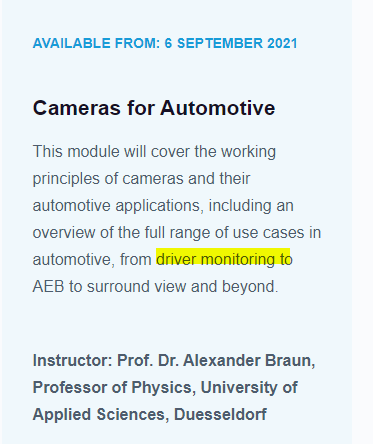
In particular, the new branch in Burgess Hill in England has a major strategic significance for Continental’s subsidiary. The site’s focus is on the development and adaptation of Advanced Driver Assistance Systems (ADAS). ADAS technologies are playing an increasingly important role in modern vehicles. From 2022, all new cars in the European Union must be equipped with various assistance systems. These include emergency braking and lane departure warning systems as well as warning systems that detect driver fatigue. The new EU regulations are intended to help better protect vehicle occupants, pedestrians and cyclists and increase trust in automated driving functions.
Ja mielestäni tämä ei ole mitenkään smartilta pois, kun sitä kysyttiin. Ehkä päinvastoin.
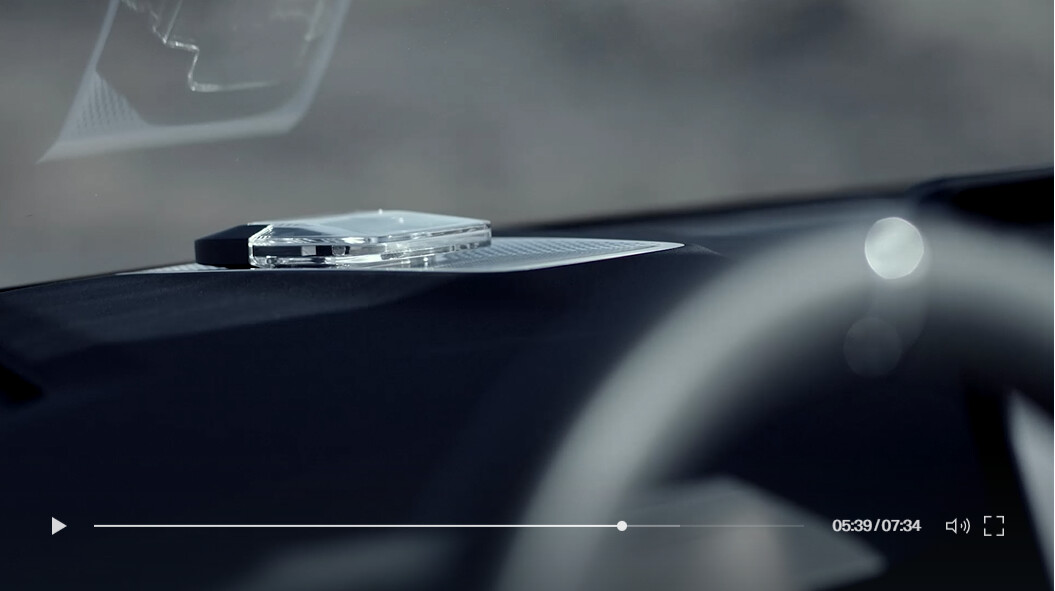
Polestar Preceptissä, elikkä “kolmosessa” on ainakin PR-matskuissa nähty Smartti sitten
Eye-tracking and proximity
You don’t need to know everything.
What began as a reprimand to nosy people has become a guiding principle when it comes to HMI design. As screens keep getting bigger, as their resolution improves, and as more and more functions are dreamt up to “improve the in-car experience”, displays in cars are less about important information and more about how colourful, interactive and (let’s face it) distracting they can be.
Not only is this unnecessary, it’s unsafe. Vivid, colourful, gamified screens are beautiful, but they distract the eye. In darkened driving conditions, they can make it much harder to see the road. Polestar has a two-fold approach on how to make an HMI parcel out only the most important information, right when it’s needed.
The first is eye-tracking. The HMI knows where the driver is looking at any given time and adjusts the different in-car displays accordingly.
The second has to do with proximity. When the screen senses that a hand is coming towards it, a few things occur: the screen shows more information, buttons and sliders enlarge for easier manipulation, and the screen becomes brighter.
You don’t need to know everything. At least, not while you’re driving. The new Polestar HMI displays what you need to know, when you need to know it.
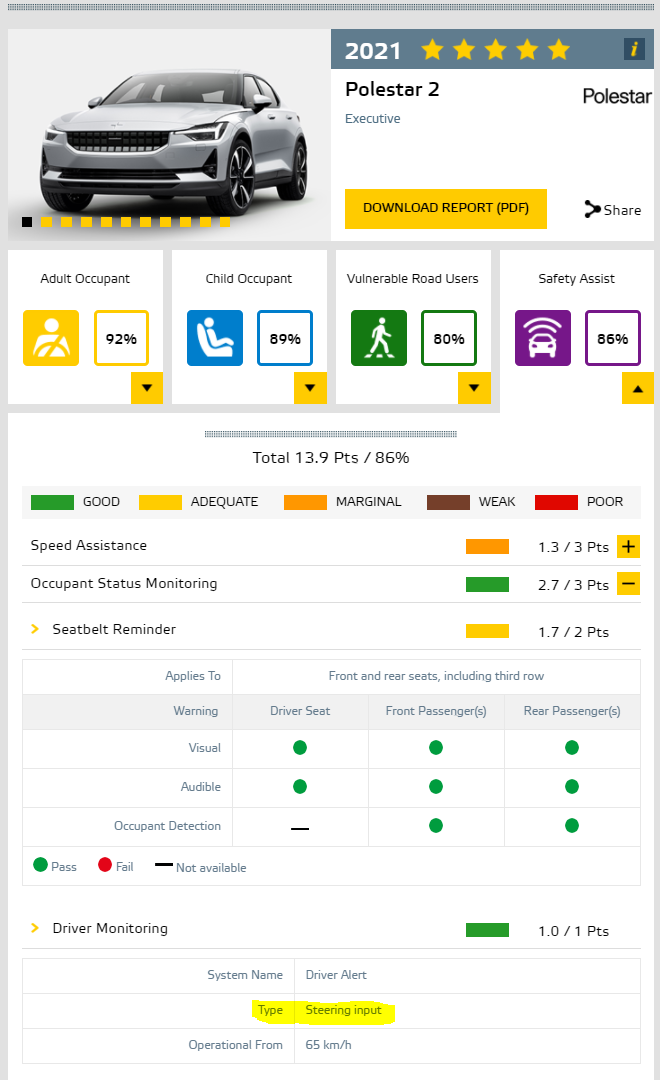
Pitääpä vielä katsoa onko testissä arvioitu DMS:ää mitenkään…
It seems clear from the circumstances (the road curved; the car went straight) that Woods didn’t have the GV80’s lane-keeping feature activated—for that, the driver needs to opt in. But the automated emergency braking is enabled at all times, so it’s likely that feature helped mitigate the mayhem, once the car left the road and a crash became imminent. The black box data will tell that tale. The GV80 also has a driver attention warning system that, per Genesis, analyzes driving patterns and “issues visual and audio alerts when it senses you should stop and rest for safety’s sake.”
Miksi näin? Tarkoitatko, että polestarin malleihin eri dms toimittaja eri mantereille. Eikö smartin tj tällaisen ajatuksen käytännössä teilannut häränpaskana. Jaa ihmeessä, jos olet löytänyt jotain mistä sait tuon johtopäätöksen
Siis polestar-volvo-kiina yhtälö menee smart ja japani- usa valmistetut autot uskon menevän seeing. Saksalaisista en osaa sanoa. Tämä on pelkkä olettamus ei tieto.
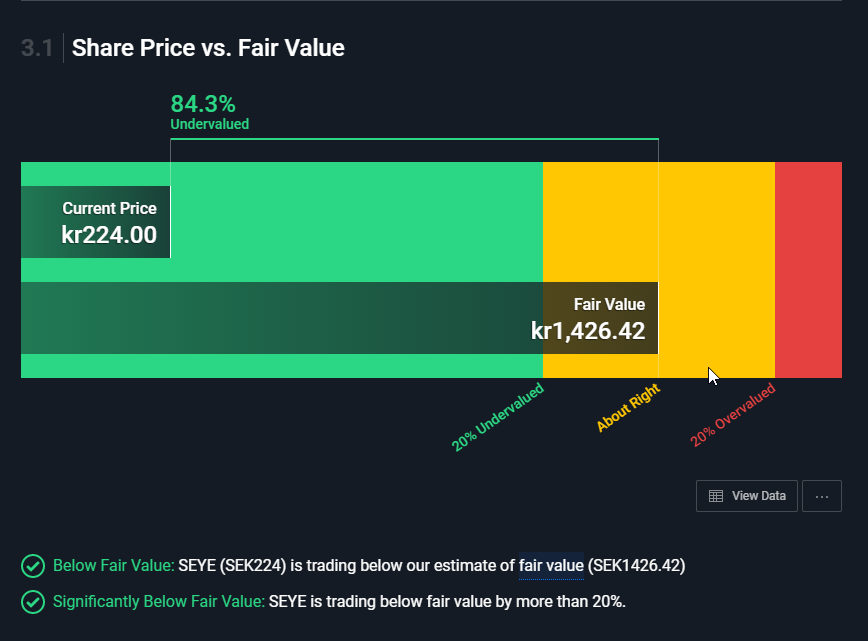
Nämä Simplywallstreetin DCF-analyysit ovat välillä enemmän, välillä vähemmän viihteellisiä, mutta katsotaan, mihin tämä tarina vie. Laitan tästä DCF-laskelman lukemasta itselleni muistutuksen kalenteriin päivämäärälle 18.03.2030.