Are there any scenarios about how big a share of the plastics market Stora could take and with what profitability? Do the products have competitiveness beyond just hipsters?
“Are there any scenarios on what share of the plastic market Stora could capture and with what profitability? Do the products have competitiveness beyond just hipsters?”
This is a very small project, at least partly in the pilot phase, so scenario analysis on conquering market shares from plastic is not yet relevant. However, the opening is interesting and a step in the right direction. As products, molded fibers are likely significantly more expensive than current solutions, but Stora Enso may be able to sell them very profitably for some niche applications.
Forests don’t look expensive right now, which company would you recommend? I’ve never owned Stora, UPM, or Metsä Board. Which is the best company and why?
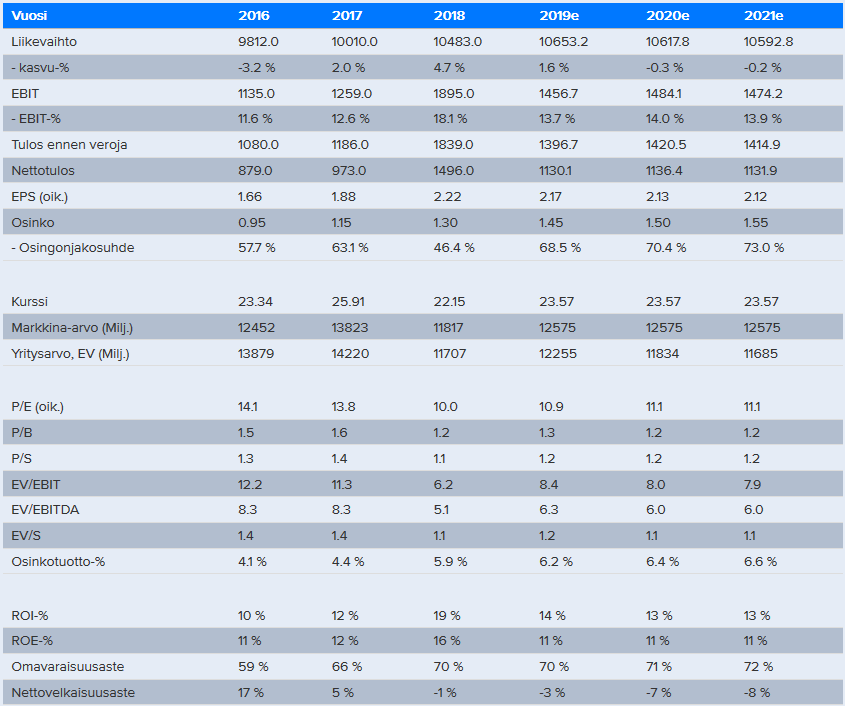
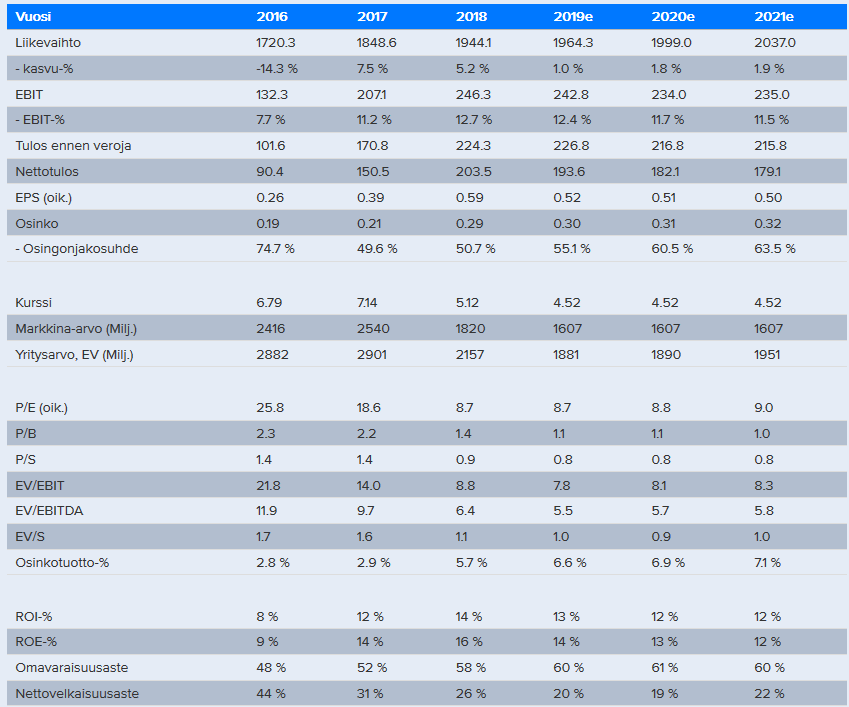
Thanks, that was precisely the problem, that I might not have the energy to research. Let’s ask it differently. At current valuations, if I take an equal amount of each, is it a good deal in your opinion? P/B (price-to-book ratio) was probably 1.3 for UPM and 1.1 for the others.
And thanks, Nyyb.k, maybe tomorrow I’ll look into forest companies. I already have over 20 companies swirling in my head…
Years ago, I was contemplating UPM at 7-8€. When it jumped to 12€, I thought it was too expensive, or that it had just risen, so it wasn’t worth buying now After that, all UPM prices felt expensive. Why do we sometimes get stuck on absolute prices?
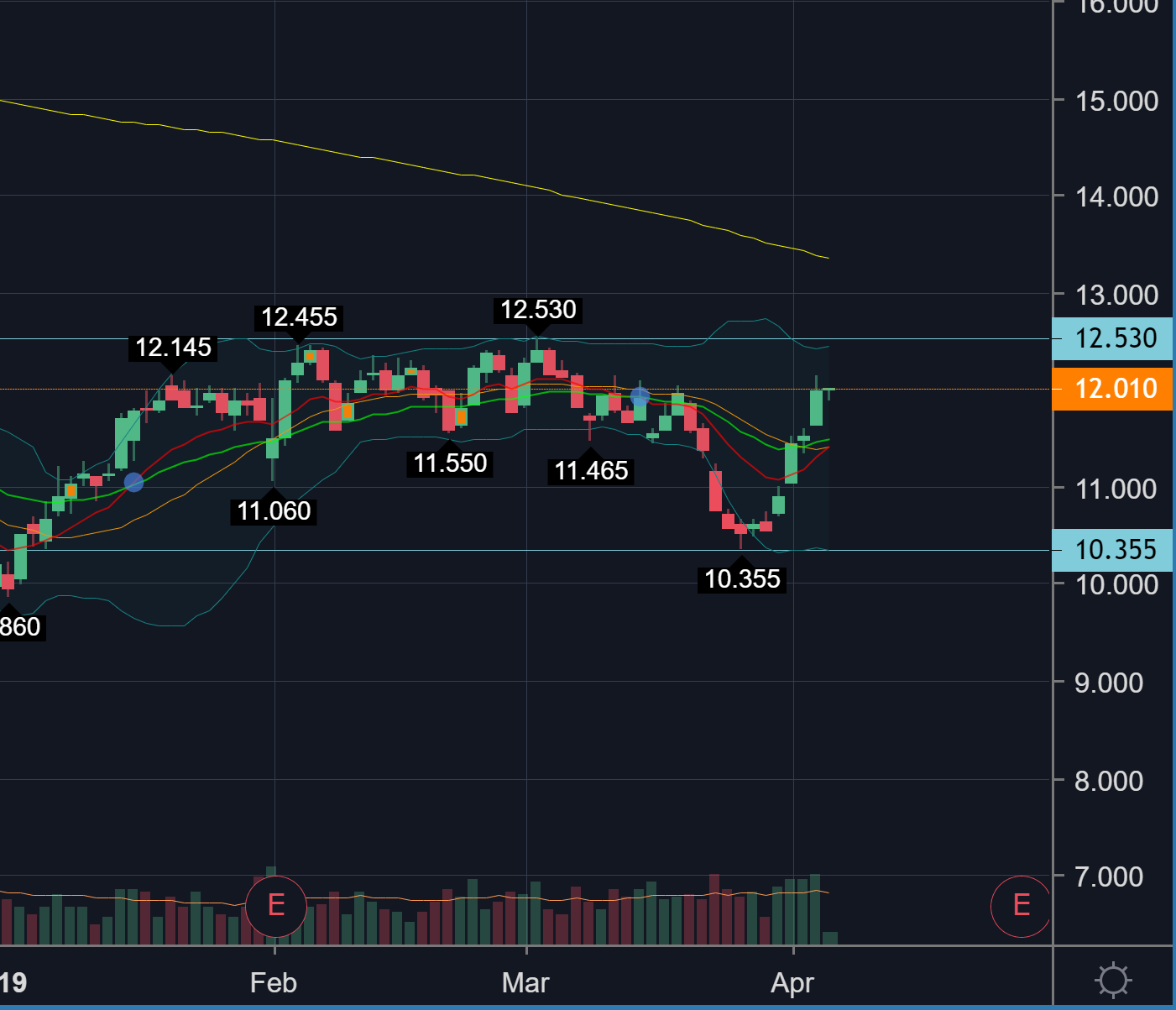
This MB case is indeed strange. Down about -26% in a month; in my opinion, it’s a bit of an overreaction to the investment announcements and the games of the big shots.
Over the year, more than half of the share price has melted away, and over 40% for Stora in the same period.
Are we sliding back to the levels of the Crimean crisis for MB, around €3.50, or is a change of direction already on the horizon? One would think that a psychological support level would be met at around €3.50 at the latest.
Yeah, MB is affordable too, maybe they overshot with the Kemi project. The project isn’t going to happen, it’s a political carrot for government negotiations…
First it goes down when investments are announced, and knowing the Finnish market, it’ll go down even more if the project fails. This would be a great stock for short speculation in one direction or another.
However, I personally believe the price will correct upwards at least somewhat from these figures, who knows when.
The decline was mostly due to the unexpected investment needs of the Husum plant, where the old factory has to be updated. The factory was thus worn out earlier than the markets had anticipated. Since production will not increase as a result of the investment, this is an expense that surprised the market.
In addition to the reasons mentioned by others, forest companies are cyclical companies that are relatively dependent on global economic cycles, so market nervousness, e.g., regarding trade wars, hits them with leverage.
How does this business cycle dependency manifest itself? For example, Metsä Board’s Asset Turnover ratio, which stabilizes its balance sheet total, has remained between 0.8 and 0.9 for the past ten years. This means that the company’s products have a very stable and predictable demand. Operating profit margins, however, have been significantly higher than historical averages in recent years, which creates an impression of affordability when calculated with a simple P/E ratio. We are living in a Goldilocks era where harmful inflation and debt interest rates are not punishing companies.
Here’s an interesting phenomenon: the relationship between operating profit margin and revenue is a multiplication, but from the operating profit, interest on debt must be subtracted as a fixed expense. These, in turn, depend on the amount of debt. If there is a lot of debt, this causes significant fluctuation in net income when economic conditions change.
Companies do not generally report their fixed costs, which would be important for calculating operating leverage. Are fixed costs all expenses that are not direct production costs of the product sold? If so, I concluded this:
Fixed costs = total costs - variable costs.
Total costs = revenue - operating profit.
Variable costs = revenue - revenue * gross margin.
Calculated fixed costs for Metsä Board for the 2018 financial year:
Fixed costs = 1834 - 1407.46 = 426.54 M€
Companies’ costs have indeed remained under control recently, and as a result, stocks may appear reasonably priced even after such a rise. Outokumpu also looked like that before the financial crisis. At some point, however, the environment is likely to return to normal, and then the ability to generate profits will be more challenging. Even in the US, company profits have been good thanks to tax cuts, but that’s not permanent either: competition will gradually eat away at that extra profit.





 After that, all UPM prices felt expensive. Why do we sometimes get stuck on absolute prices?