Onko joku tutkinut asiaa tai sijoittanut metsään? Täysin tuntematon alue minulle mutta sellupohjaiset tuotteet ja metsät hiilinieluna lienevät jonkinlainen isompi megatrendi, joten pitäisi varmaan sivistää itseään.
3 tykkäystä
Viime vuonna taisi jotkut pankit mainostella ‘metsä’ rahastojaan.
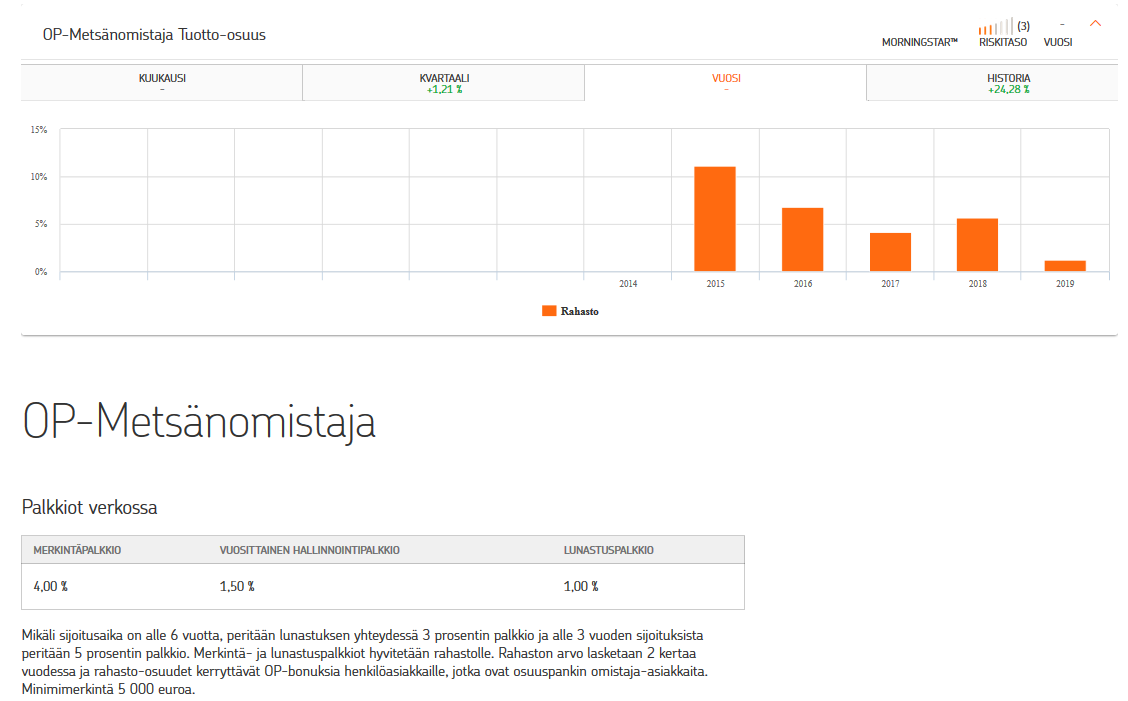
Pikaisella googlauksella, OP:n rahasto ainakin aika suolanen kuluineen 
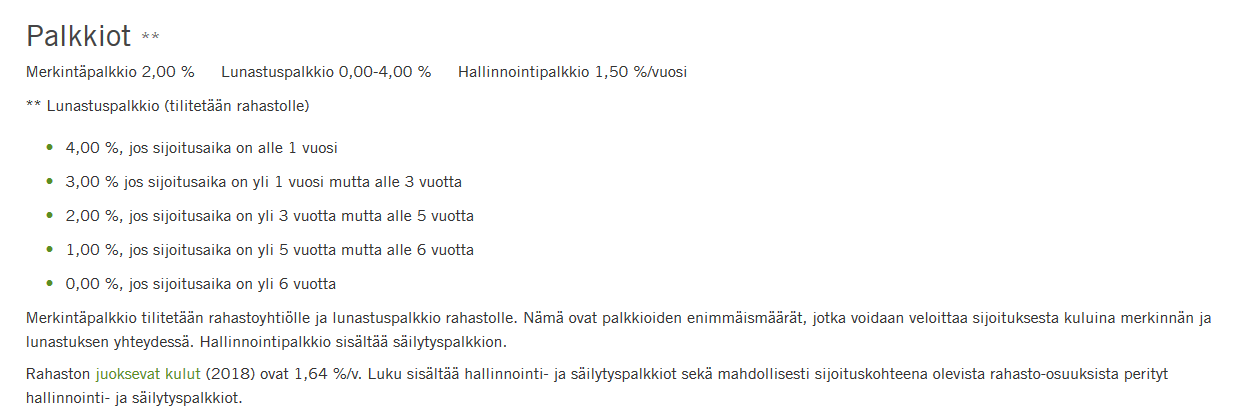
E: S-pankin metsän kulut
1 tykkäys
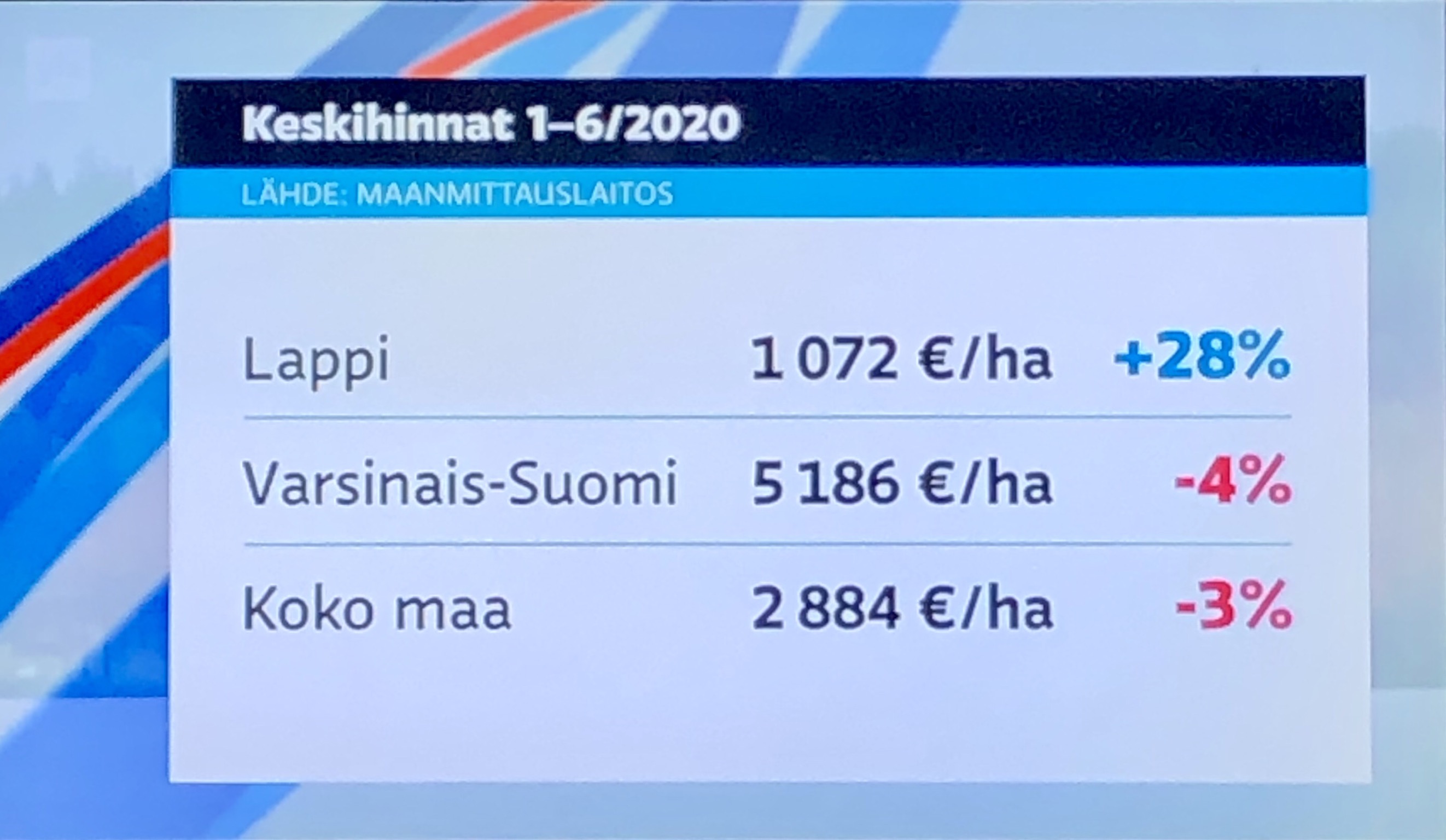
Metsärahastojen juoksevat prosentuaaliset palkkiot ymmärtää, kun metsän kasvu ja siten tuotto riippuu konkreettisesti sen hoitamisesta. Myös sijainti vaikuttaa metsän kasvuun. Lapissa puut kasvavat huomattavasti hitaammin kuin Etelä-Suomessa. Metsä voisi olla oiva sijoituskohde sellaiselle ihmiselle, joka tykkää tehdä asioita käsillään. Arvon kasvun riskit ovat lähinnä myrskyt, metsäpalot ja eläinten aiheuttamat tuhot. Malttia pitää olla myös. Avohakatun metsän kasvussa entiselleen kestää kymmeniä vuosia.
Noiden rahastojen tuotot ovat olleet näköjään kohtuullisia, mutta pitäisi vähän perata läpi mistä ne tuotot ovat muodostuneet. Mieluummin ostaisin silti itse palstat ja heiluisin saha kädessä. Toki ne harvennukset mitä on tullut tehtyä on mennyt mökille käyttöön ja tutuille. Bensa ei paljoa maksa, mutta ajalle ei kannata laskea hintaa
Viime vuosikymmenien korkeampi lämpötila on kiihdyttänyt puiden kasvua huomattavasti enemmän pohjoisessa kuin etelässä. Kauppalehdessä taisi itse asiassa olla juttua tästä. Etelässä noin 20 pinnaa ja pohjoisessa lähempänä 50 prosenttia kiihtynyt kasvu. Ruotsin eteläosissa kasvun kiihtyminen on alkanut taittumaan perinteisten puulajikkeiden kärsiessä kuivuudesta ja sama voi olla edessä myös eteläisessä Suomessa.
Kovaa hommaa, huonolla ja pitkäkestoisella tuotolla.
Uutena vitsauksena ilmastonmuutoksen myötä tykkylumi, joka kuluneenakin talvella katkoi palstallani kuusikon latvuksia, muutamia keskeltäkin poikki.
Metsässä on kuitenkin ihana työskennellä, mitä nyt pystyy, kuten taimien istutus ja raivaus.
Joo metsä kasvaa tautisen hitaasti. Paju, leppä ja haapa kyllä kasvavat vauhdilla, mutta havumetsät ei tukkipuuta synny käden käänteessä.
Itseä hymyilyttää kun pari tuttua naamailee metsän tuotoilla, ovat kaataneet parhaaseen kasvuikään tulevaa koivua ja myyneet polttopuuna. Joo o… no ensiapuna tietty tuokin toimii mutta bemareita ei klapipusseilla vaihdeta… kuten väittävät.
8 tykkäystä
Stora Enson uuden metsänomistajan opas kertoo mm. tuotoista:
Päätehakkuun jälkeen tulee luoda uusi taimikko ja se maksaa puolestaan 500 - 1200 €/ha.
5 tykkäystä
Jonkun verran tulee seurattua metsämarkkinoita. Viime vuosina metsiin sijoittavien keskuudessa on ollut melko paljon puhetta metsätilojen hintojen karkaamisesta niin korkealle, että ”perinteisen metsäsijoittajan” on vaikea löytää järkihintaista ostettavaa.
Syypääksi hintojen nousuun on osoiteltu metsäsijoitusrahastoja, jotka ostavat metsiä ylihintaan saadakseen rahastoihin virtaavat varat sijoitettua. Metsärahastojen sanotaan tuottavan voittoa lähinnä rahastoyhtiöille itselleen — ja nimenomaan palkkioiden kautta. Niinpä rahastoyhtiöiden kannattaa edelleen markkinoida ja myydä metsärahasto-osuuksia, vaikka rahastojen tuotto-odotukset ovat merkittävästi kaventuneet metsätilojen hintojen kohoamisen myötä. Itsepetos lienee hyvä sana kuvaamaan toimintaa — vaiko peräti petos?
Esimerkkinä marraskuinen 145 hehtaarin metsäkauppa Lapista (Metsälehti Makasiinista 1/2020 poimittuna): Tilan ns. käypä arvo 59 tonnia, hintapyyntö 67, ”perinteisten metsäsijoittajien” tekemät tarjoukset 51–67 tonnia. Ja sitten sijoitusyhtiön tekemä tarjous: 81 tonnia. Tuollaisella tarjouksella on melko selvää, kenen kanssa myyjä tekee kaupat. Ainespuuston mottihinta oli 20 % alueen keskiarvohintaa korkeampi. Kaiken kukkuraksi kyseessä oli määräala, joten myös 3400 euron suuruinen lohkomiskustannus tuli rahasto-osakkaiden maksettavaksi. En jaksa varsinaisesti laskea, mutta pikaisen arvioni mukaan kyseinen metsätila tuottaa seuraavan 20 vuoden aikana enemmän kuluja kuin tuloja. Mutta ehkä se saadaan myytyä jollekin kiinalaiselle matkailuyrittäjälle hyvään hintaan vuonna 2050.
11 tykkäystä
Tätä metsärahastojen toimintaa on paljon ihmetelty. Ylihinnoilla ostetut tilat, miten noista saa ikinä omat takaisin tai markkinoidun 4-7%:n tuotto pääomalle?
Nyt ylihintaan ostetut metsätilat ovat hyviä päätöksiä, jos puunhinta on tulevaisuudessa korkeampi, jos metsistä voi saada tuottoa muulla tavoin kuin metsätalouden muodossa: hiilensidonnasta, virkistyspalveluista, metsästysoikeuksista, luonnonvarojen vuokraamisesta tms.
Nämä ovat spekulatiivista jossittelua, ei ole näköpiirissä pitkään aikaan tuollaista. Mutta tosiaan, 50-vuoden kuluttua voi ollakin.
Tällä hetkellä ei voi muuta tuumia, kuin jossakin vaiheessa tulee köyden pää vetävän käteen.
Rahaa virtaa metsärahastoihin, mutta entä miten tapahtuu jos pitää ulos päin virrata rahaa? Mitä salkunhoitaja tekee tuollaisessa tilanteessa? Myykö se metsätiloja alle hankintahinnan?
Lisäksi kaupunkilaiset “vihreiden arvojen” sijoittajat laittavat mieluusti rahaa metsärahastoihin, koska pitävät rahastojen metsätaloutta “vastuullisena ja vihreänä”
Mutta voi veljet jos näkisitte mitä tehdään metsätilalla, jolle on asetettu yli 4%:n tuottovaatimus. Sieltä hakataan aivan kaikki. Niin paljon kuin vain voi ottaa ainespuuta pois. Hieno termi on “metsätilan haltuunottohakkuu.”
Lisäksi kustannusten säästämiseksi jätetään metsänhoito tekemättä. Sitten näille lätkäistään vastuullisuudesta kertova sertifionti FSC, ja ollaan tyytyväisiä.
Aiempi omistajasukupolvi kääntyisi haudassa, jos tietäisi miten uusi omistaja raiskaa metsätilan, jota on kasvatettu ja hoidettu kaikkien parhaiden metsäoppien mukaisesti. Ja parhaana vitsinä, tällä aiemmalla omistajalla ei ollut sitä sertifiontiakaan.
13 tykkäystä
Lisäksi mainittakoon että vaikka metsäyhtiöt väittävät kasvattavansa enemmän kuin hakkaavat ja muuta ympäristöystävällistä, ne eivät kerro millaista metsä on. Talousmetsissä eliö -sekä puulajisto on erittäin köyhää monimuotoisuuden kannalta sekä metsän rakenne hyvin yksipuolista. Yksi avohakkuu saadaan aikaiseksi yhdellä palstalla käytännössä vain kerran sukupolvessa, sillä puilla kestää kasvaa vähintään 60v kunnes niistä tulee tarpeeksi isoja kelvatakseen monipuolisempaan käyttöön. Joten jos kiinnostaa luontoa säästää, ei kannata sijoittaa avohakkuita tukevaan toimintaan, korkeintaan jatkuvan kasvatuksen metodeilla toimiviin yhtiöihin. Jos aiheesta haluaa tietää lisää, suosittelen lukemiseksi “Metsä meidän jälkeemme” kirjaa.
4 tykkäystä
Pitkäjänteistä puuhaa on metsäsijoittaminen. Itse raivauksia ja istutuksia tehden siitä jää vähän tuottoakin. Itsellä 20 vuoden kokemus tästä touhusta. Viimeiseen viiteen vuoteen en ole metsätiloja hankkinut, hinnat tosiaan karanneet. Syynä juurikin rahastojen ja suurten yksityissijoittajien mukaan tulo, sekä tuo metsätilavähennys.
6 tykkäystä
1 tykkäys
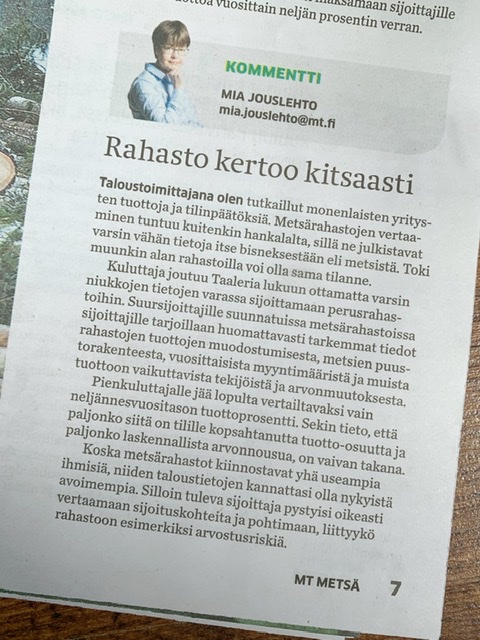
Vanhasta lehdestä (MT Metsä 2/2020) osui silmään taloustoimittajan kommentti, joka saattaa kiinnostaa ”helppoa” metsäsijoittamista pohtivia lukijoita.
3 tykkäystä
Metsämaan hinnan nousu ja puun kasvu on perinteisesti suojannut inflaatiolta. Miten nyt vallitsevassa tilanteessa kun rahaa printataan. Suojaako metsän omistaminen vastaavalla tavalla kuin arvometalleihin sijoittaminen inflaatiolta?
Metlan tilastojen mukaan puun hinta ei ole noussut edes inflaation vertaa sitten 70-luvun
Nykyinen alhainen korkotaso, metsärahastot ym ovat vain puhaltaneet kuplaa, joka on nostanut metsäpalstojen hintaa
4 tykkäystä
Kiitos. Eli puukauppa ei varsinaisesti suojaisi, mutta metsätilojen hinnannousu taas kompensoisi inflaatiota. Ymmärsinkö oikein?
Innostuin etsimään metlan sivuilta tietoa. Sieltä löytyi metsäsijoittamisen kannattavuudesta tällainen arvio: Tilastot | Luonnonvarakeskus
En nyt ihan noinkaan sanoisi. Olen vähän pienempiä palstoja ajankuluksi seurannut ja hinnat ovat täysin poskettomia. Pitäisi iskeä satoja tonneja kiinni niin ei tarvitsisi katsella ylihintaisia puuhapalstoja.Tuotto-odotus jää prosentteihin näillä hinnoilla
Enkä kyllä luottaisi siihen ikuiseen arvonnousuun. Nytkin puun hinta tullut alas ja enemmän pitäisi muka maksaa
Soittelivat juuri, onko kellään kokemusta tästä Sveitsiläisestä (hallinoi yli 400MEur rahastoja, toiminut yli 20v). Sijoittavat Teak (tiikki?) plantaaseihin CostaRicassa ja Equadorissa joita hoitaa paikallinen säätiö.
https://www.lifeforestry.com/plantagen.html
Pienimmillään pääsisi mukaan 4000Eurolla. Sijoitus on osaan plantaasista ja ulos pääsisi jo 5v jälkeen mutta suosittelevat pysymään 12v.
Onko muita ideoista metsä rahastoista ?
Tiikki, Costa Rica ja Ecuador ovat minulle melko tuntemattomia juttuja, mutta LFG:n nettisivuilla esitetyt runkotiheydet ja harvennuskäytännöt ym. eivät saa minua vakuuttuneeksi siitä, että sijoituksella olisi mahdollista päästä 12+ % vuosituottoon. Lisäksi sijoittaminen yksittäisen plantaasin yksittäisiin puihin tuntuu arveluttavalta.