Tässä on Renatolta vielä yhtiöraporttikin Q1:n jälkeen
Saab toimitti vahvan Q1-tuloksen ylittäen odotuksemme liikevaihdon, marginaalien ja kassavirran osalta. Jokainen liiketoiminta-alue kasvoi kaksinumeroisella vauhdilla, kun taas Surveillance ja Dynamics erottuivat kannattavuudellaan. Konserni muuntaa myös 274 BSEK:n tilauskantaansa vauhdilla, joka jättää vähän epäilyksiä sen toimeenpanokyvystä. Kysyntäympäristö pysyy rakenteellisesti ennallaan, ja Euroopan uudelleenvarustautuminen ei ole tunteisiin perustuvaa eikä pysähdy, koska globaali huomio siirtyy muualle. Pikemminkin Yhdysvaltain armeijan kasvavat sitoumukset muilla näyttämöillä vain vahvistavat eurooppalaisten valtioiden perusteluja rahoittaa enemmän omaa puolustustaan. Siksi emme näe Saabin kysyntänäkymissä heikkenemistä edelliseen päivitykseemme verrattuna. Tätä taustaa vasten pidämme edelleen operatiivisia ja makrofundamentteja vakuuttavina, kun taas nykyinen arvostus tekee odotetusta tuotosta houkuttelevamman kuin aiemmin. Nostamme tavoitehintamme hieman 622 SEK:iin ja nostamme suosituksemme lisää-tasolle (aik. vähennä).
Kolme Dynamicsin lehdistötiedotetta viidessä päivässä eivät ole satunnaisia tuotepäivityksiä
Kokonaisuutena tarkasteltuna HEAT 758 -panssarintorjunta-ammus, Bolide 2 -ohjus ja Barracuda Poncho muodostavat näkemyksemme mukaan johdonmukaisen vastauksen nykyaikaisesta sodankäynnistä saatuihin oppeihin. Räjähdysreaktiivinen panssari (ERA) on heikentänyt merkittävästi perinteisten panssarintorjunta-aseiden tehoa. Jatkuva droonivalvonta on tehnyt yksittäisen sotilaan kätkeytymisestä taktisen välttämättömyyden eikä vain pienen piirin erikoiskyvykkyyttä. Samaan aikaan ilmauhkien leviäminen risteilyohjuksista edullisiin kaupallisiin drooneihin on nostanut lyhyen kantaman ilmapuolustuksen (SHORAD) suorituskykyvaatimuksia. Jokainen tuote vastaa suoraan yhteen näistä muutoksista.
Strategisesti merkittävää on se, ettei Saab rakenna täysin uusia ekosysteemejä tyhjästä. Kaikki kolme tuotetta hyödyntävät olemassa olevia alustoja ja vakiintunutta asiakaskuntaa, mikä lyhentää kaupallistamispolkua huomattavasti verrattuna puhtaalta pöydältä aloitettuihin ohjelmiin. Tällä on merkitystä markkinassa, jossa asiakkaat priorisoivat yhä enemmän nopeasti käyttöön otettavia päivityksiä vuosikymmenien mittaisten kehityssyklien sijaan.
Uskomme, että taloudelliset vaikutukset ovat suhteellisen selkeät. Kaikki kolme tuotetta kuuluvat Dynamics-liiketoiminta-alueeseen, joka saavutti ensimmäisellä vuosineljänneksellä 17,5 prosentin liikevoittomarginaalin (EBIT margin) ja 1,2-kertaisen tilauskertymän suhteen liikevaihtoon (book-to-bill ratio). Ampumatarvikkeet ja lyhyen syklin kulutustavarat, kuten HEAT 758 ja Bolide 2, edustavat tällä hetkellä puolustussektorin nopeimmin kiertäviä liikevaihtoluokkia. Tätä tukevat sekä Euroopan varastojen täydentäminen että aktiivinen kulutus taistelukentillä. Bolide 2 on erityisen tärkeä, koska toimitukset alkavat vuonna 2027 ja ohjuksesta tulee RBS 70 NG -järjestelmän vakiovaruste. Käytännössä tämä tekee siitä pikemminkin pakollisen täydennys- ja päivityssyklin osan kuin valinnaisen lisäosan, mikä sitoo sen suoraan asennettuun laitekantaan.
Barracuda Poncho on tuotekehityksen näkökulmasta kenties mielenkiintoisin näistä kolmesta. Saab laajentaa naamiointiosaamistaan ajoneuvoista ja alustoista yksittäiseen sotilaaseen, mikä heijastaa sitä, miten droonien yleistyminen on muuttanut alttiutta taistelukentällä. Kevyt, metsä-, aavikko- ja arktisiin olosuhteisiin soveltuva suojatuote on operatiivisesti yksinkertainen, skaalautuva ja luonteeltaan kuluva tarvike. Tämä luo hyvin erilaisen taloudellisen profiilin kuin perinteiset puolustusvoimien alustaohjelmat.
Mikään näistä julkistuksista ei yksinään muuta ennusteitamme. Kollektiivisesti ne kuitenkin vahvistavat näkemystä siitä, että Dynamicsilla on yksi parhaiten nykyiseen kysyntäympäristöön soveltuvista tuoteportfolioista. Mikä tärkeämpää, Saab näyttää mukauttavan tuotevalikoimaansa vastaamaan itse sodankäynnin kehitystä.
Saab toimittaa siis 17 kappaletta Giraffe 1X -tutkia Ranskan asevoimille asennettuna Scania V3P -taktisiin ajoneuvoihin. Toimitukset tapahtuvat vuosina 2026 ja 2027. Yhtiö ei julkistanut sopimuksen arvoa, mutta vertailukohdat auttavat haarukoimaan kohtuullisen hintaluokan. Ison-Britannian puolustusministeriö maksoi 264 miljoonaa kruunua (MSEK) 11 yksiköstä toukokuussa 2023, mikä tarkoittaa noin 18–20 miljoonaa kruunua per tutka sisältäen laitteiston ja tuen. Ranskan sopimus vaikuttaa laajemmalta. Se sisältää yhteisen kehityskomponentin integroidulle ajoneuvoratkaisulle sekä varaosat, koulutuksen ja tuen. Tällä perusteella kokonaisarvo välillä ~550–800 MSEK (~32–47 MSEK per yksikkö) vaikuttaa mielestäni järkevältä, ja ~650–700 MSEK (~38–41 MSEK per yksikkö) on kohtuullinen keskipiste. Kyseessä on pieni tilaus. Se ei ole riittävän suuri muuttaakseen ennusteita, mutta ei mielestäni täysin merkityksetönkään.
Uskon myös, että tämän tuotesarjan marginaaliprofiili on houkutteleva. Giraffe 1X on kypsä AESA-alusta (AESA, Active Electronically Scanned Array), jolla on vakiintunut toimitusketju, minkä pitäisi tukea vahvaa inkrementaalista kannattavuutta. Tutkalaitteiston marginaalit ovat todennäköisesti Surveillance-yksikön 9,6 prosentin EBIT-keskiarvon yläpuolella, mahdollisesti ~13–17 prosentin välillä, mitä tukevat oma immateriaalioikeus (IP) ja suhteellisen alhaiset marginaaliset tuotantokustannukset. Ajoneuvojen integrointityö todennäköisesti laimentaa tätä jonkin verran, sillä integrointi muistuttaa taloudellisesti enemmän palveluita kuin tuotteita. Siitä huolimatta jälkimarkkina on se, missä tapaus muuttuu mielenkiintoisemmaksi. Ohjelmistopäivitykset, suorituskyvyn parannukset, varaosat ja pitkäaikainen tuki alustalle, joka on suunniteltu mukautumaan kehittyvään uhkaympäristöön, voivat tuoda vahvoja marginaaleja ja jatkuvaa arvoa, jotka eivät näy otsikkotason tilausluvuissa.
Uskon, että strateginen arvo voi merkitä yhtä paljon tai jopa enemmän kuin taloudellinen arvo. Ranska on uskottava NATO-viiteasiakas, ja se vahvistaa Saabin asemaa tulevissa hankkeissa. Joten vaikka tämä ei ole sijoitusteesiä muuttava tilaus, se on sellainen voitto, joka vahvistaa laajempaa kokonaiskuvaa. Se lisää liikevaihtoa, tukee todennäköisesti marginaaleja ja parantaa Saabin asemaa markkinoiden osassa, jossa uskottavuus kumuloituu.
Saabilta kaksi tiedotetta kahdessa päivässä, kaksi rakenteellista havaintoa:
Tässä ei ole kyse vain asekaupasta. Näen tämän Saabin strategisena tapana syventää asiakaslukitusta (lock-in). 10 vuoden puitesopimus, harjoitusadapterit, Carl-Gustaf-ulkokoulutusjärjestelmät ja paikallinen teollinen yhteistyö sitovat Liettuan tiukemmin järjestelmään. Kun armeija on koulutettu Carl-Gustafiin, rakentanut doktriininsa sen ympärille ja kytkenyt paikallisen teollisuuden siihen, vaihtaminen käy erittäin kalliiksi.
Carl-Gustafin arvoketju: Ensin ase, sitten koulutus, sitten adapterit ja ammukset, ja lopulta päivitykset ajan myötä. Minulle 640 miljoonan kruunun kattohinta on lähes sivuseikka. Merkitsevää on se, että Liettuasta tuli juuri Carl-Gustafin jatkuvan liikevaihdon asiakas seuraavaksi vuosikymmeneksi tai pidemmäksi aikaa. Saab jatkaa eurooppalaisten siteidensä vahvistamista. Hyvä asia liiketoiminnan pitkän aikavälin kannalta.
Minulle tässä on vähemmän kyse ensilennosta ja enemmän jakelusta. GlobalEye on liian kallis useimmille maille. MQ-9B-alustalle asennettu LoyalEye antaa Saabille pääsyn tähän toiseen markkinasegmenttiin. GA-ASI myy lentokoneen, Saab myy sensorin, ohjelmiston ja älykkyyskerroksen sen päälle. Tämä tarkoittaa pääsyä laajaan asennettuun laitekantaan ilman tarvetta myydä uutta lentokonealustaa. Toisin sanoen: yksi tuotekokonaisuus premium-segmentille ja toinen laajemmille markkinoille. Tämäkin on hyvä asia liiketoiminnan pitkän aikavälin kannalta.
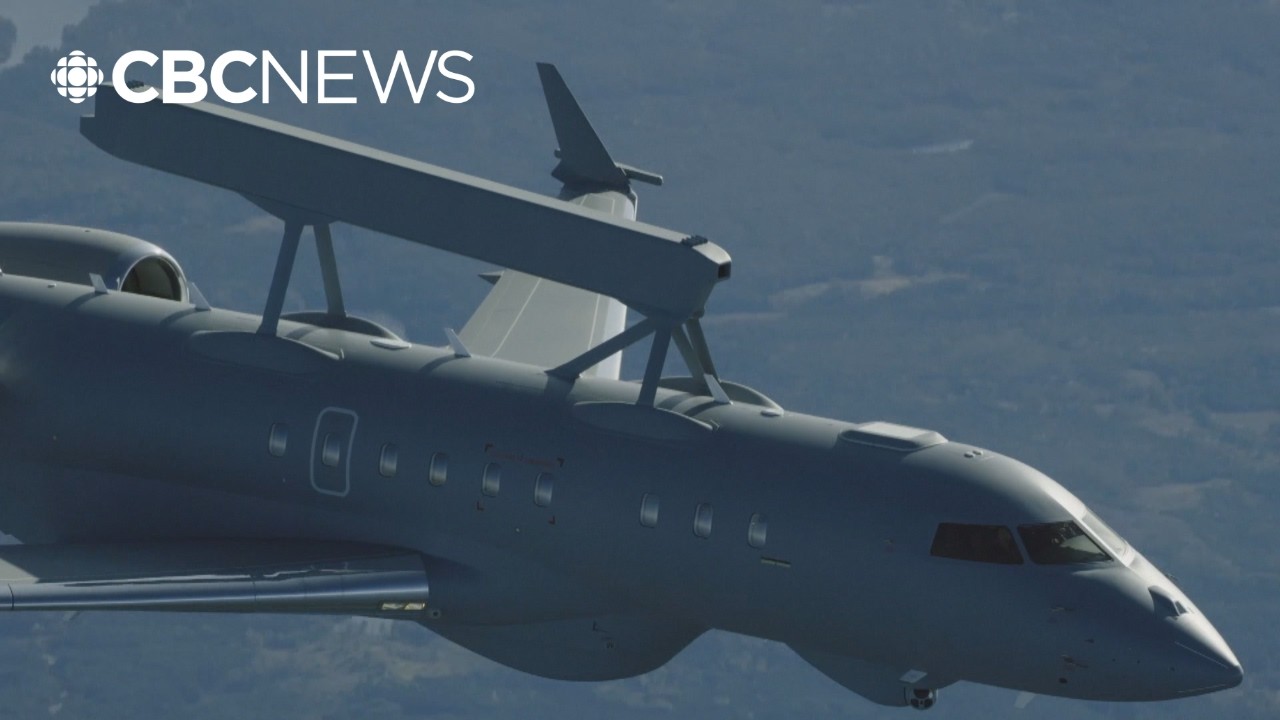
Kanada etenee valvontakoneiden hankinnassa Saabin kanssa. Ei varsinaisia tilauksia kuitenkaan vielä.
The announcement was made by Canadian Prime Minister Mark Carney at CANSEC, Canada’s largest defence and security trade show. Saab has offered to build, maintain and upgrade the Canadian GlobalEyes with a team of Canadian partners. The goal is to transfer knowledge and technology to Canada that will grow the domestic defence industry. Saab also plans to invest in research and development work in Canada, as part of the future programme.
Paikallinen kumppani GlobalEye-hankinnassa on CAE (formerly Canadian Aviation Electronics):
Uutisissa informatiivinen pätkä aiheesta (CBC News, 3 min). Pääministeri maininnut 40 Bombardierin ja Saabin rakentamaa konetta, 3000 työpaikkaa ja sen, että Kanadassa voitaisiin valmistaa näitä myös vientiin muihin Nato-maihin.
Kauan tästäkin on näköjään puhuttu (lainattu viesti on syyskuulta 2023).
Asia etenee, sekä vanhempien koneiden (Gripen C/D) lahjoituksen että uusien koneiden (Gripen E/F) ostamisen osalta. Saab ei tiedotteen mukaan ole vielä tehnyt sopimusta tai saanut tilausta tähän liittyen, mutta joka tapauksessa hyvältä kuulostaa yhtiön kannalta.
Pääministeri Ulf Kristerssonin mukaan Ruotsi lahjoittaa 16 kappaletta käytettyjä JAS 39 Gripen -hävittäjiä Ukrainalle. Koneet ovat Gripenin C- ja D-malleja.
Lahjoitettujen koneiden luovutus alkaa ensi vuoden alussa, Kristersson kertoi.
Lisäksi Ruotsi myy Ukrainalle 20 kappaletta Gripen-koneen uutta E-mallia.
Gripenit ja Meteor ohjukset ovat paperilla kovia. Huomioitavaa on, että kumpaakaan ei ole taidettu koeponnistettu todellisessa ilmataistelussa. Saabin insinöörit tulevat epäilemättä keräämään roppakaupalla dataa ja palautetta Ukrainasta.
Koneiden myyntikin voi saada piristysruiskeen, kun kylkeen liimataan “combat proven” tarra.
Taistelukokemus on yksi arvokkaimmista myyntivalteista, joita hävittäjävalmistajalla voi olla. Sitä voidaan simuloida, mutta parhaimmillaankin tulokset ovat hyvin epätarkkoja. Gripen, joka on toiminut kiistanalaisessa ilmatilassa, sietänyt elektronisen sodankäynnin painetta ja säilyttänyt toimintavarmuutensa todellisen sotastressin alla, muuttuu täysin eri tuotteeksi myöhemmissä vientikampanjoissa. Saabilla ei ole aiemmin ollut tällaista näyttöä. Ukraina voisi muuttaa tilanteen.
Gripen E/F tarjoaisi Saabelle todellista suorituskykydataa nykyaikaisen ilmasodan eri osa-alueilta – lennokkien torjunnasta ilmatorjunnan lamauttamiseen – minkä sen insinööritiimit voisivat muuttaa ohjelmistopäivityksiksi, taktisiksi parannuksiksi ja dokumentoiduiksi suorituskykyväitteiksi. Myös C/D-versioilla on merkitystä, sillä niiden pitäisi saapua Ukrainaan aikaisemmin ja tarjota palautetta taistelukentältä ennen kuin E/F-laivue on kokonaisuudessaan toimitettu. Jokainen Ukrainassa lennetty Gripen-lentotunti vahvistaisi sitä empiiristä näyttöä, jota Saab voi hyödyntää tulevissa kampanjoissa, olipa kyseessä sitten Filippiinit, Argentiina tai seuraava avoin tarjouskilpailu. Tässä mielessä Ukrainan ohjelma ei ole vain asiakassuhde, vaan elävä operatiivinen laboratorio, jolla on merkittävää arvoa tulevalle Gripen-myynnille.
Renato on antanut kommenttinsa, kun Ukraina on hankkimassa mahdollisesti jopa 20 Gripen E/F -hävittäjää, ja lisäksi Ruotsi on lahjoittamassa 16 Gripen C/D -hävittäjää, mikä voi tuoda myötätuulta Saabin Aeronauticsin liiketoimintaan.
Ruotsi ja Ukraina tiedottivat yhdessä, että Ukraina aikoo hankkia aluksi enintään 20 Gripen E/F -hävittäjää, samalla kun Ruotsi lahjoittaa 16 Gripen C/D -hävittäjää ja korvaa ne uusilla lentokoneilla. Vaikka sopimusta ei ole vielä allekirjoitettu, uskomme, että kahden hallituksen päämiehen yhteinen ilmoitus lokakuun 2025 aiesopimuksen jälkeen tekee tästä lopputuloksesta erittäin todennäköisen. Jos neuvottelut saadaan onnistuneesti päätökseen ja rahoitus varmistetaan, tämä siirtyy bull-skenaariosta perusskenaarioon, mikä pakottaa meidät tekemään ennustenostoja Aeronauticsin keskipitkän ja pitkän aikavälin liikevaihto- ja marginaaliodotuksiimme.
Ruotsi tilaa sensoreita ja johtamisjärjestelmiä (C2) maapohjaiseen ilmatorjuntaan, sisältäen Saabin Giraffe AMB -tutkia ja C2-kyvykkyyksiä. Keskeisin johtopäätökseni lehdistötiedotteesta on, että yhtiö jatkaa liikevaihtovertikaalinsa vahvistamista alueella, jossa sillä on jo vakaa ja paraneva asema. Näin ollen tilaus ei itsessään muuta sijoituscasea merkittävästi.
Kaikki ilmatorjuntaan liittyvä säilyy mielestäni strategisesti houkuttelevana. Nykyaikaisia konflikteja määrittää yhä enemmän se, kuka pystyy havaitsemaan, seuraamaan ja torjumaan uhkia ilmatilassa – aina lentokoneista ja ohjuksista droneihin ja hakeutuviin asejärjestelmiin (loitering munitions). Ilmatorjunta on yksi kansallisen resilienssin ydinkerroksista nyt ja tulevaisuudessa. Käytännön tasolla tämä tarkoittaa Ruotsin puolustusvoimille parantunutta tilannekuvaa, nopeampia reaktioaikoja sekä maajoukkoyksiköiden ja kriittisen infrastruktuurin korkeampaa eloonjäämiskykyä. Joten hyviä uutisia.
22,4 miljoonan dollarin tilauksen otsikko aliarvioi strategisen merkityksen. Ratkaisevaa on sen takana oleva kokonaisuus. BEST MAC on nimenomaan rakennettu sillaksi Yhdysvaltain maavoimien seuraavan sukupolven synteettiseen koulutusympäristöön (Synthetic Training Environment, STE), joka on armeijan miljardien dollarien hanke koulutusinfrastruktuurin modernisoimiseksi tulevan vuosikymmenen aikana. Voittamalla BEST MAC -sopimuksen toisen erän (Lot 2), Saab ei ainoastaan myy laserilmaisimia Yhdysvaltain armeijalle. Näkemykseni mukaan se integroituu osaksi armeijan koulutuksen modernisoinnin vertikaalia vaiheessa, jossa arkkitehtuuria ollaan vasta luomassa.
Ymmärtääkseni – mutta tästä ei pidä vetää liian suoria johtopäätöksiä – nyt toimitettavat järjestelmät on suunniteltu integroitumaan vanhoihin TESS-laitteistoihin säilyttäen samalla yhteensopivuuden STE-siirtymän kanssa. Tämä on tärkeää, koska Saabin teknologiasta voi tulla osa sitä yhteensopivuuskerrosta, jonka varaan armeija rakentaa tulevaisuuttaan. Koulutussimulaatioissa, kuten myös tutka- sekä johtamis- ja hallintajärjestelmissä, integraatiokerroksen määrittelyssä auttava toimittaja on yleensä vahvoilla päivityssyklien koittaessa.
Ei ole epäilystäkään siitä, etteikö Yhdysvaltain maavoimat olisi maailman tärkein referenssiasiakas puolustushankinnoissa. Maltillisillakin sopimusarvoilla voi olla suhteettoman suuri signaalivaikutus, kun ne ovat osa laajempaa modernisointiohjelmaa. Keskipitkällä aikavälillä mielestäni olennainen kysymys ei ole BEST MAC -sopimuksen 60,8 miljoonaa dollaria, vaan se, onko Saab asemissa suoria tilauksia varten STE:n laajentuessa. Siinä vaiheessa tilauskoot voivat muuttua merkittäviksi – sellaisiksi, jotka muuttavat ennusteita.
Toistaiseksi tilaus on liian pieni. Joten pidetään vain silmällä, miten tilanne kehittyy.
Muutama päivä sitten Ruotsi ja Brasilia antoivat yhteisen julkilausuman. Molemmat maat haluavat laajentaa teollista yhteistyötään 20:llä uudella Gripen-hävittäjällä.
Brasilian ensimmäinen paikallisesti valmistettu Gripen E rullaa ulos Gavião Peixotosta maaliskuussa 2026. Tämä on merkittävää, koska kotimainen tuotanto muuttaa ohjelman poliittista luonnetta. Kun työpaikat, insinööriosaaminen, teollinen taitotieto ja kansallinen ylpeys kytkeytyvät puolustusalustaan, sen korvaamisesta tulee erittäin vaikeaa.
Nyt keskustelun alla olevia 20 lisäkonetta ei siis tule nähdä erillisenä myyntikampanjana. Ne ovat pikemminkin luonnollinen jatkumo ohjelmalle, jonka Brasilia on jo integroinut itseensä. Saab yksinkertaisesti laajentaa toimintaansa järjestelmässä, jota varten Brasilia on jo kehittänyt teollisen valmistuspohjan. Nämä ovat erittäin pitkäaikaisia omaisuuseriä.
Suunniteltu innovaatiokeskus tuo mukaan uuden positiivisen ulottuvuuden, sillä pysyvä tutkimus- ja kehitysyksikkö (R&D), joka keskittyy Gripenin kehitykseen, ylläpitoon ja päivityksiin, on poikkeuksellinen asia. Näiden ohjelmien tyypillisen keston perusteella puhumme 30–40 vuoden institutionaalisesta sitoutumisesta. Brasilialaiset insinöörit kerryttävät osaamista alustan ympärille, tulevilla päivityksillä on paikallinen tekninen pohja, ja ohjelmasta tulee ajan myötä yhä vaikeampi purkaa. Omasta näkökulmastani Saabin kaltaisessa liiketoiminnassa tämä on syvin ja vahvin asiakaslukituksen (customer lock-in) muoto, sillä asiakas on itse mukana muovaamassa tuotetta.
C-390-yhteys tekee rakenteesta vielä mielenkiintoisemman. Ruotsi ostaa brasilialaisia kuljetuskoneita samalla kun Brasilia laajentaa Gripen-laivastoaan. Tämä muuttaa suhteen aidoksi kahdenväliseksi puolustusteolliseksi ja poliittiseksi sopimukseksi kahden maan välillä. Se luo jonkinasteista keskinäistä riippuvuutta. Keskinäinen teollinen ja poliittinen riippuvuus on kestävämpää kuin puhdas vientikauppa, koska molemmilla osapuolilla on jotain puolustettavaa. Ruotsilla on intressi Embraerin C-390:n menestykseen. Brasilialla on intressi Gripenin pitkän aikavälin kehitykseen. Ohjelma on siten ankkuroitu “normaalin” hankintasyklin yläpuolelle.
Jos oletetaan “all-in”-hinnaksi noin 150 miljoonaa dollaria (MUSD) per kone, 20 ylimääräistä Gripen E/F -konetta tarkoittaisi noin 3 miljardin dollarin (~3 BUSD) potentiaalista arvoa ohjelmalle. Brasilian tuotantopohja auttaa myös helpottamaan Saabin kapasiteettirajoitteita ajan myötä, koska osa tulevasta volyymikasvusta tapahtuu Ruotsin ulkopuolella.
Yhtiö myy Public Safety Solutions -yksikkönsä norjalaiselle Omda AS:lle. Kyseessä on 75 hengen ohjelmistoyksikkö, joka palvelee poliisi-, palo-, lentoasema- ja kuljetusoperaattoreita. Kaupan odotetaan toteutuvan vuoden 2026 neljännellä neljänneksellä.
Taloudellinen vaikutus on merkityksetön Saabin noin 79 miljardin kruunun liikevaihtopohjaan nähden. Mielestäni olennainen seikka on portfolion painopiste. Saab poistaa Surveillance-liiketoiminta-alueeltaan siviilipuolen ohjelmistoliiketoiminnan ja keskittää portfoliotaan entisestään puolustuskysyntään, jossa kasvun näkyvyys, marginaalit ja strateginen arvo ovat rakenteellisesti vahvempia.
Tällä on merkitystä, sillä Saab toteuttaa jo nyt useita suuria ohjelmia samanaikaisesti. Gripenin tuotanto kiihtyy, A26 on edelleen merkittävä sukellusveneohjelma, LoyalEye etenee kehityksessä ja Kanada on edelleen tärkeä GlobalEye- (ja mahdollisesti Gripen-) mahdollisuus. Tätä taustaa vasten uskon, että pienilläkin divestoinneilla voi olla arvoa, jos ne vähentävät monimutkaisuutta ja vapauttavat johdon kapasiteettia.
Tämä yrityskauppa ei muuta sijoitusteesiä. Se kuitenkin sopii selkeään kaavaan. Saab näyttää karsivan ydinliiketoimintaan kuulumattomia omaisuuseriään ja vapauttavan johdon resursseja tukeakseen alueita, joilla sillä on selkeästi vahvemmat kilpailuedut. Uskon, että ajan myötä tämän pitäisi tukea parempaa kasvun laatua, selkeämpiä marginaaleja ja vahvempaa sijoitetun pääoman tuottoa (ROIC).