Maybe it’s easier for rebalancing to take US (jenkkilä) with several ETFs and then DM ex USA and EM in addition. You also get a slightly better diversification, as no part of the developed markets is left out.
4 Likes
Since I can’t buy US-listed ETFs in Finland, I was still able to buy a call option on SPY ETF on Mandatum Trader. Can you practically buy all US ETF funds if you do it using options? For example, IGV would be interesting, as software companies have fallen so much, but does it make sense to buy a call option on that?
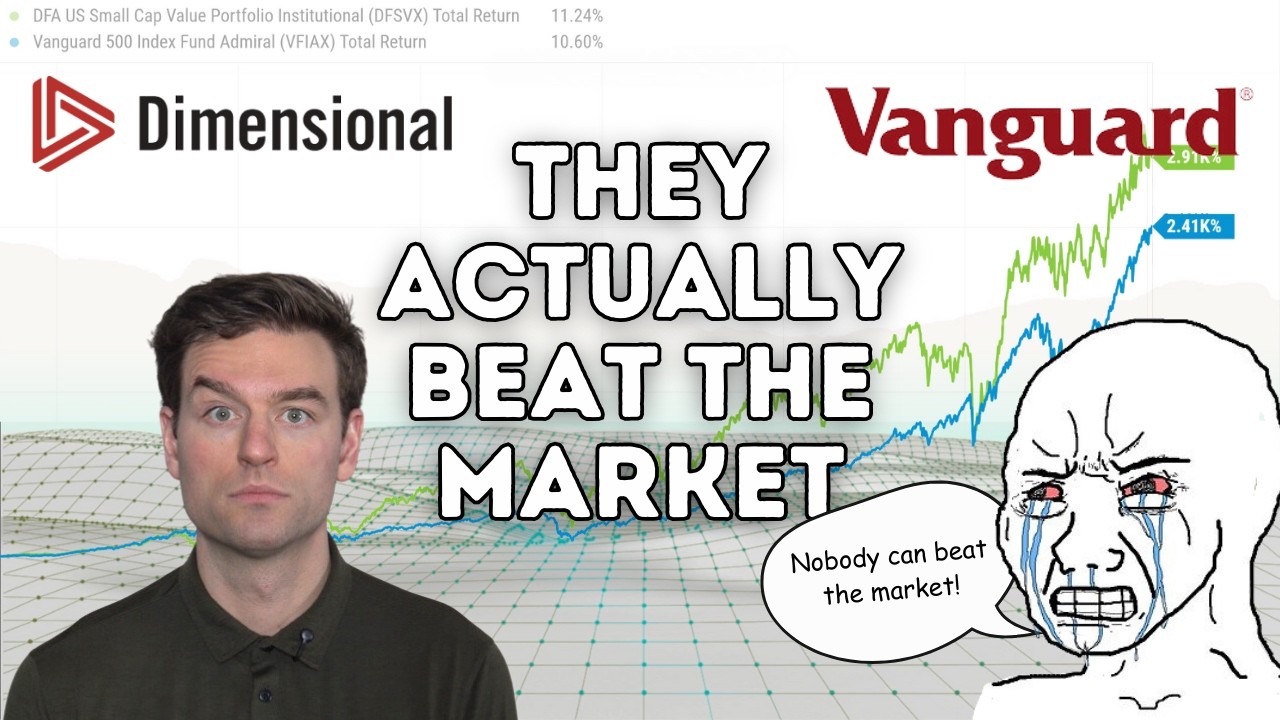
Found this gem. Now Finns also have the opportunity to invest in similar funds (AVWS, DEGT, etc.). The best thing about these is that you will likely get an OK return, but in addition, they offer the possibility of getting a significantly better return than basic indices. And the better return expectation is still based on academic theory. Are there others excited about this here?
11 Likes
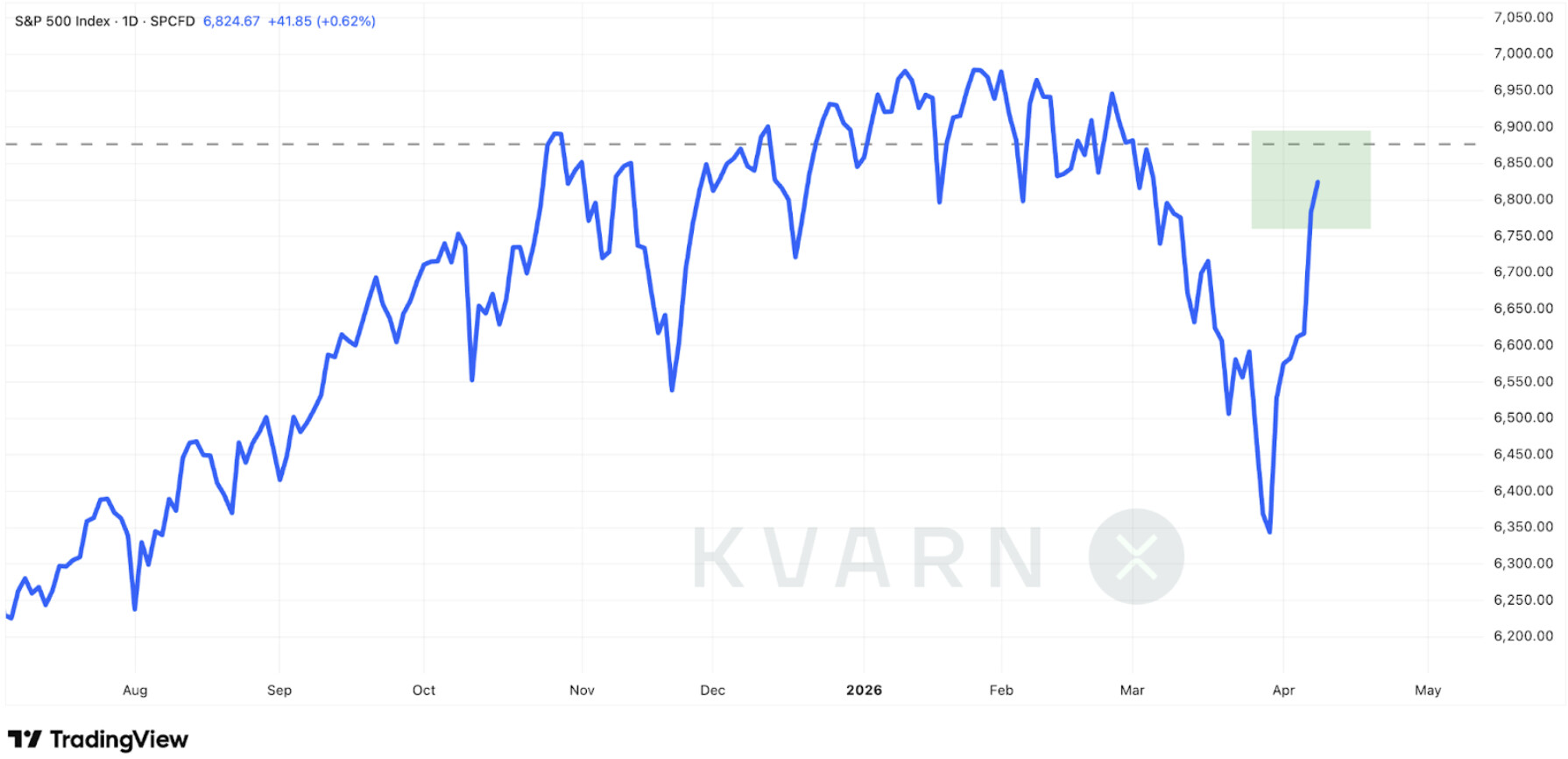
News received this week about a potential ceasefire in the Middle East conflict has sent stock markets soaring.
The S&P 500 index is now less than a percentage point away from its level before the conflict began.
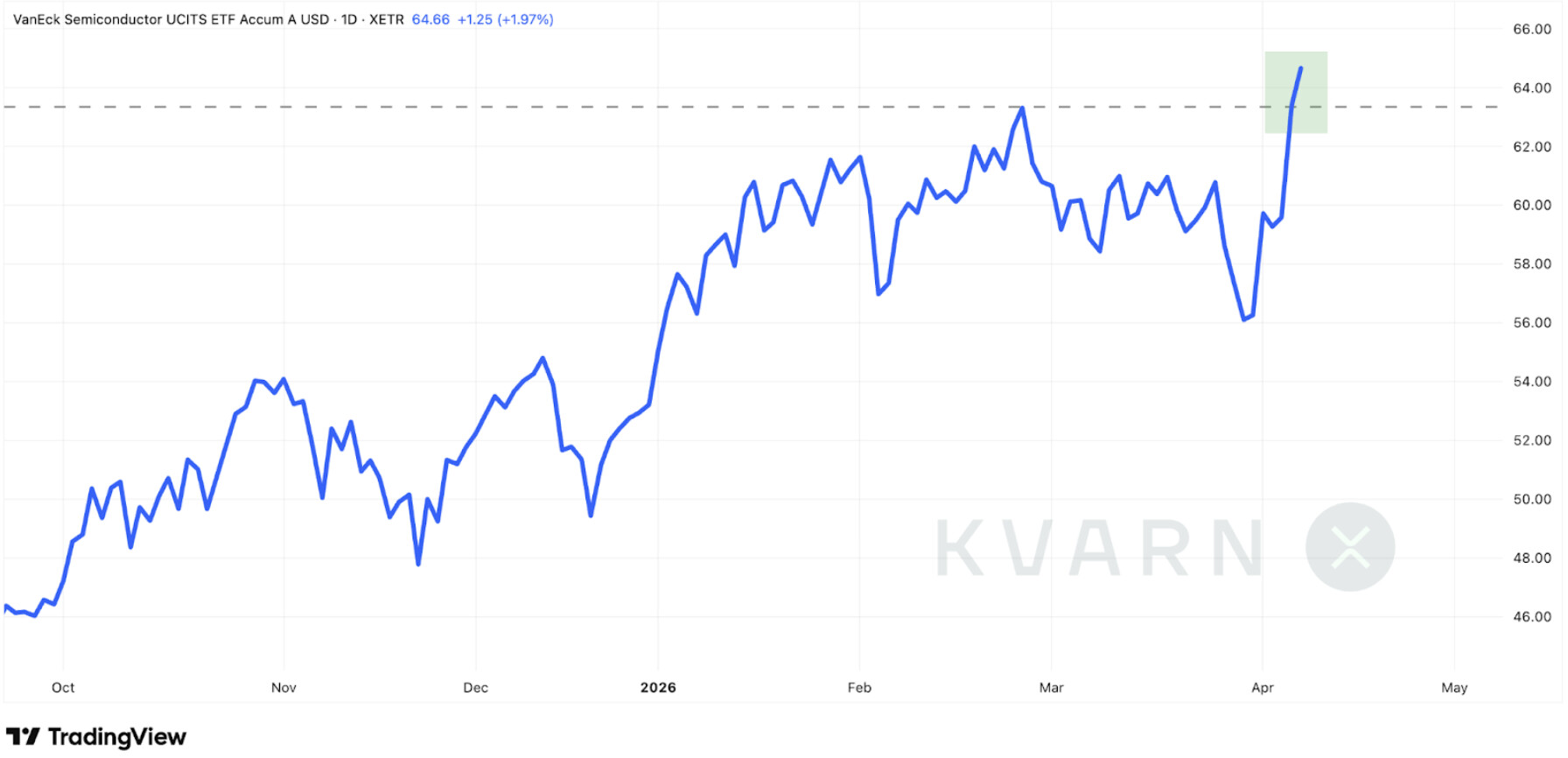
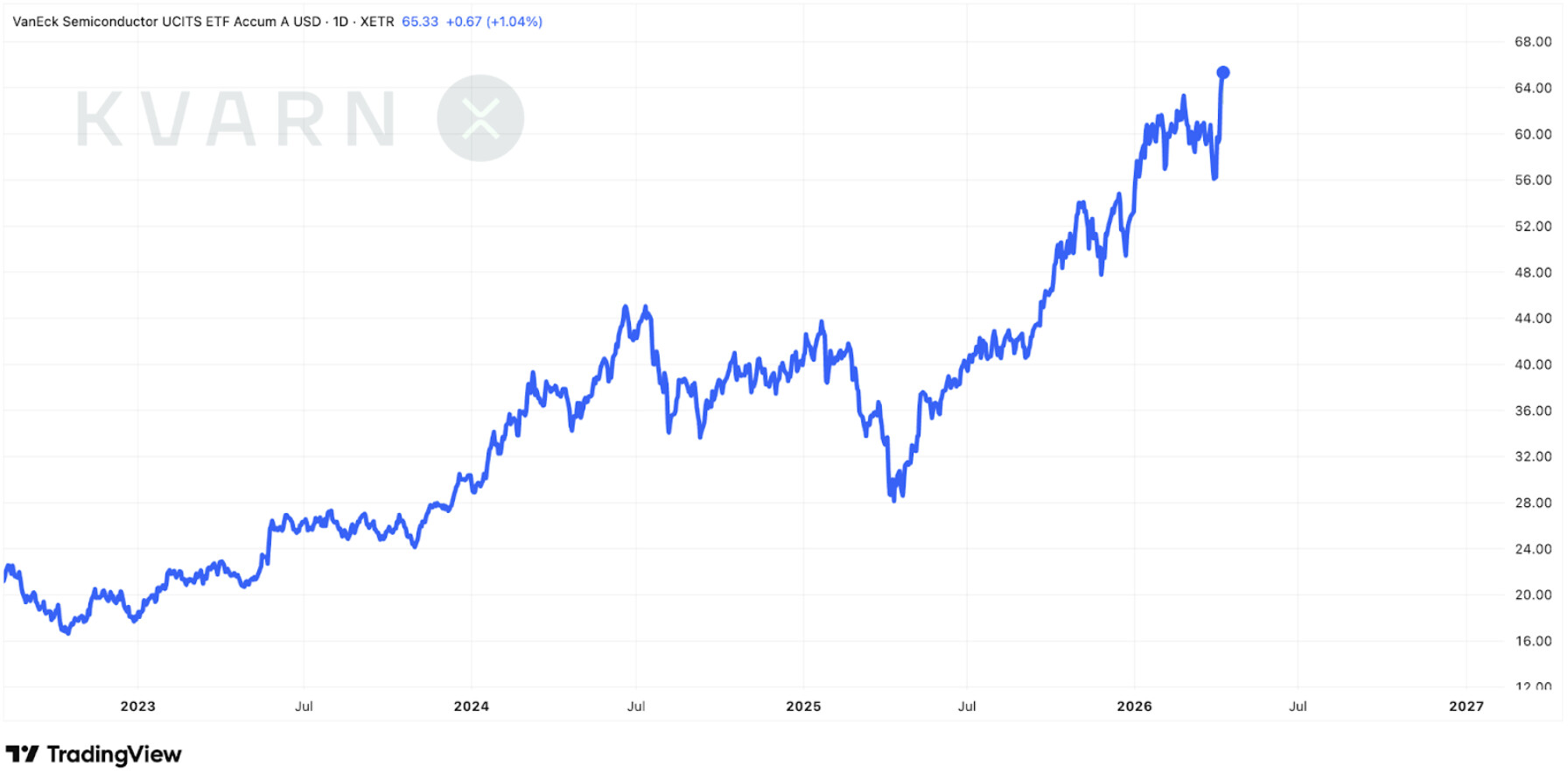
Perhaps the strongest hint of investors’ renewed appetite for risk can be found in a pair of semiconductors closely linked to artificial intelligence.
The share price of the VanEck Semiconductor ETF (VVSM), which invests in semiconductors, rose to new all-time highs yesterday.
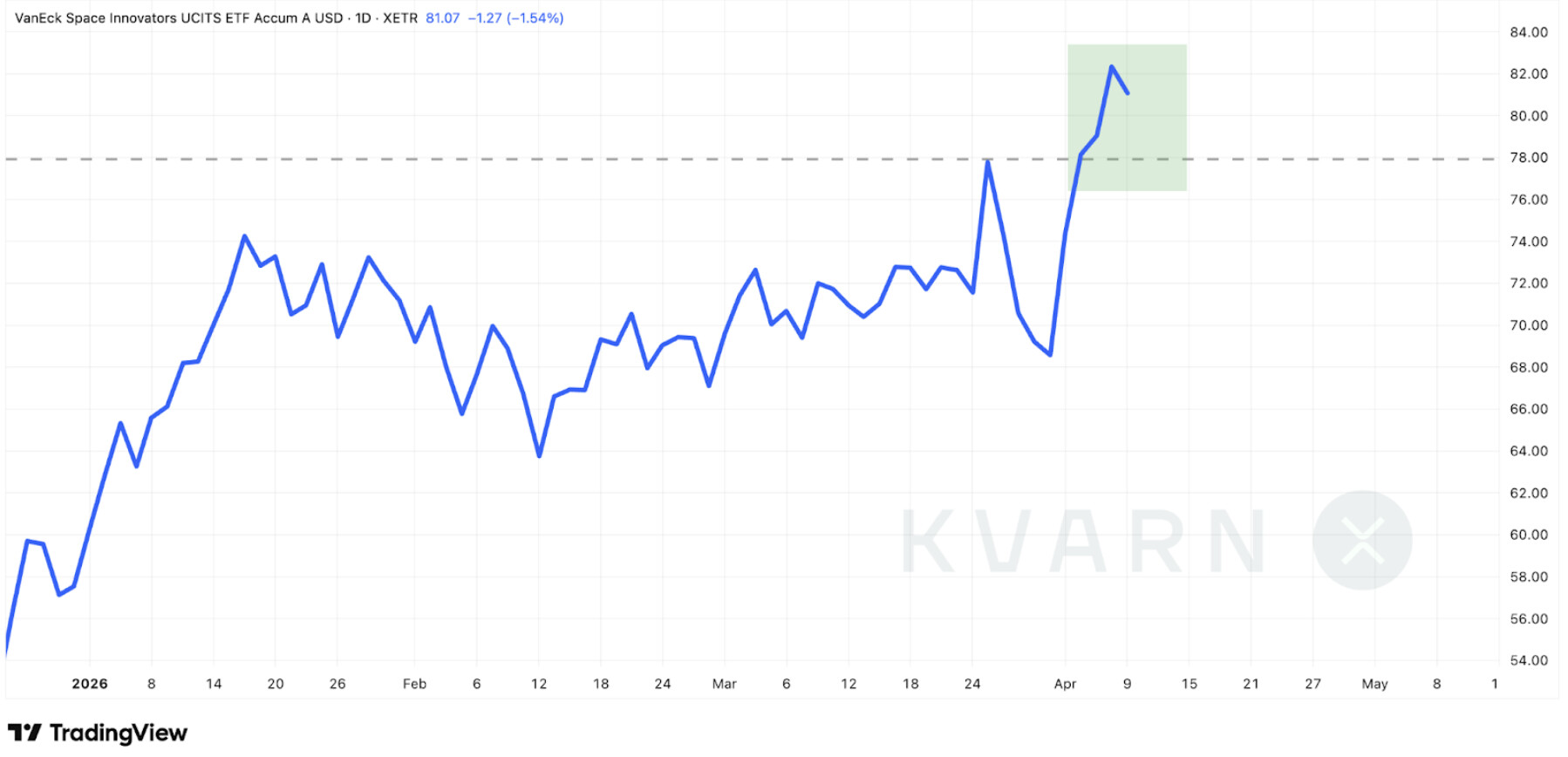
The share price of the VanEck Space Innovators UCITS ETF (JEDI), which invests in space technology, has also risen to new record highs this week.
These signs suggest that investors’ risk appetite is clearly strengthening at the moment.
Happy Friday!
2 Likes
Yes, in Finland you can buy US-listed ETFs and other stuff when you get a broker from the USA. Worth looking into.
One can often get an indication of stock market risk appetite by looking at the stock performance of semiconductor companies.
Semiconductors are closely linked to the AI revolution that is changing the whole world.
Investors’ increasing risk appetite is often first reflected in the stock prices of these companies.
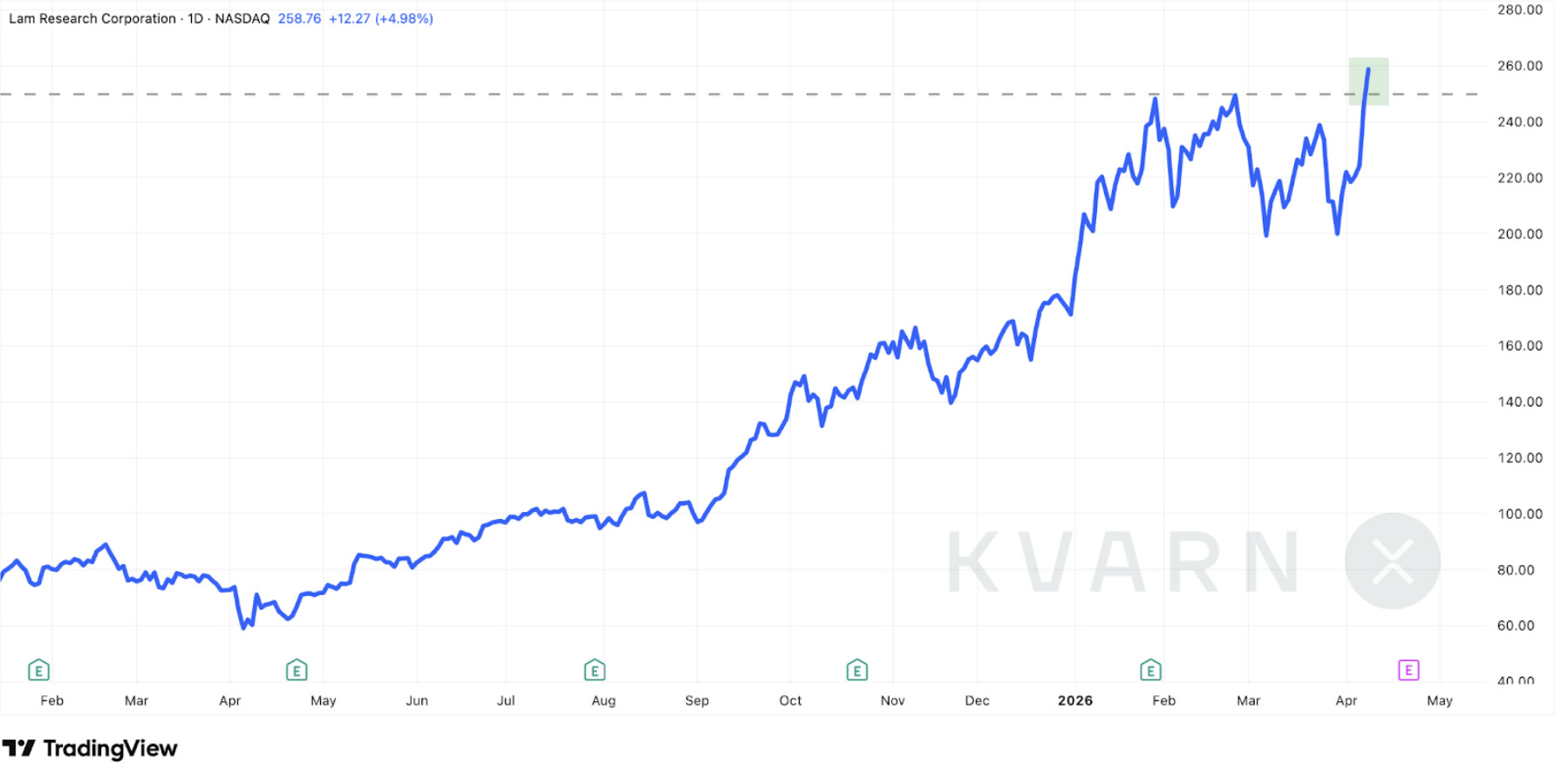
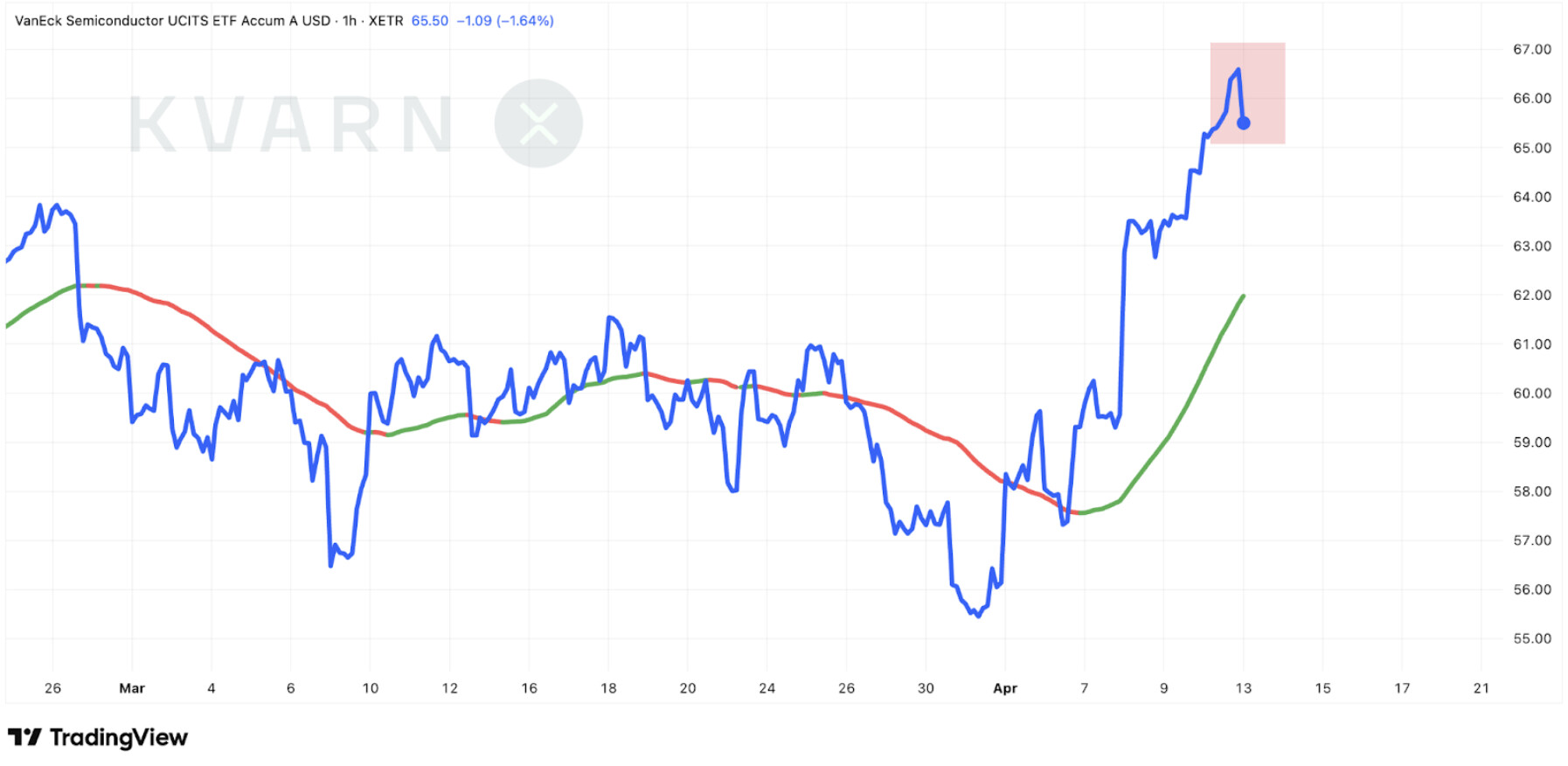
Over the last week, the semiconductor sector has started to look very strong.
Among others, the stock price of Lam Research Corporation (LRCX), which produces equipment needed for manufacturing semiconductors, has risen to a new all-time high.
Even indications received over the weekend about the continuation of the Middle East conflict seem to have caused only a very slight dip in semiconductor sector prices.
Have a nice Monday!
1 Like
Through options, I know that ARK erf (ETF) has been bought, so it must have been possible.
The SPYI ETF is mentioned quite a lot here. I checked through OP and saw that the annual fees would be 0.18% and then an additional €8 trading fee.
I could put about €2000-€4000 into an ETF. Which one would be good since I already own Helsinki stock exchange shares and have monthly savings going into global and European index funds?
How big of a difference is it if the fees are below 0.1% or, for example, 0.18%?
There’s an excellent calculator on Seligson’s website for comparing these costs. You can see the exact amounts in euros. I recommend using it!
2 Likes
Equity investors have long been accustomed to seeking returns primarily from the US stock market.
This has been justified for a long time, as the drivers of the stock market’s rise have primarily been large US-registered technology companies.
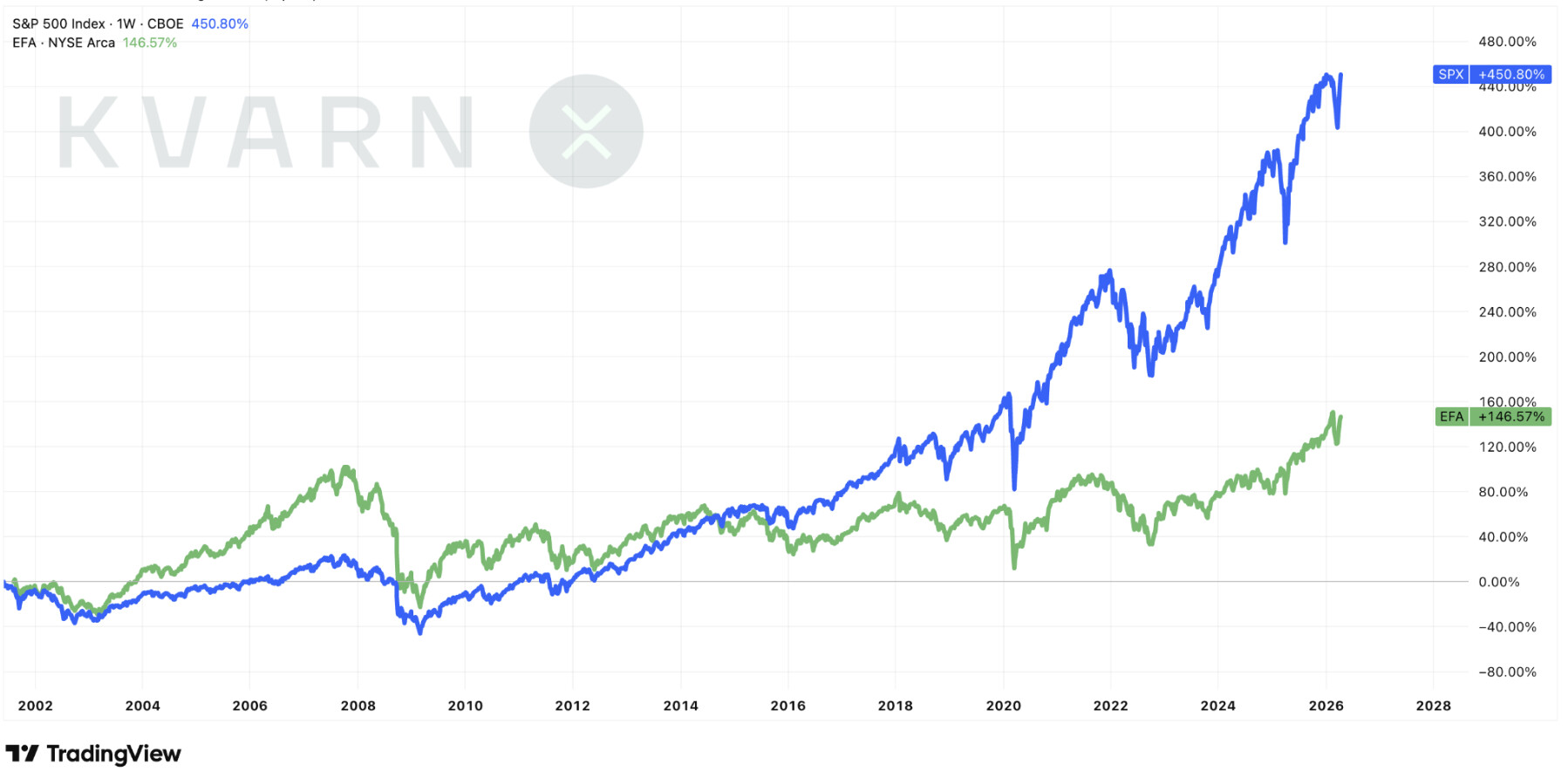
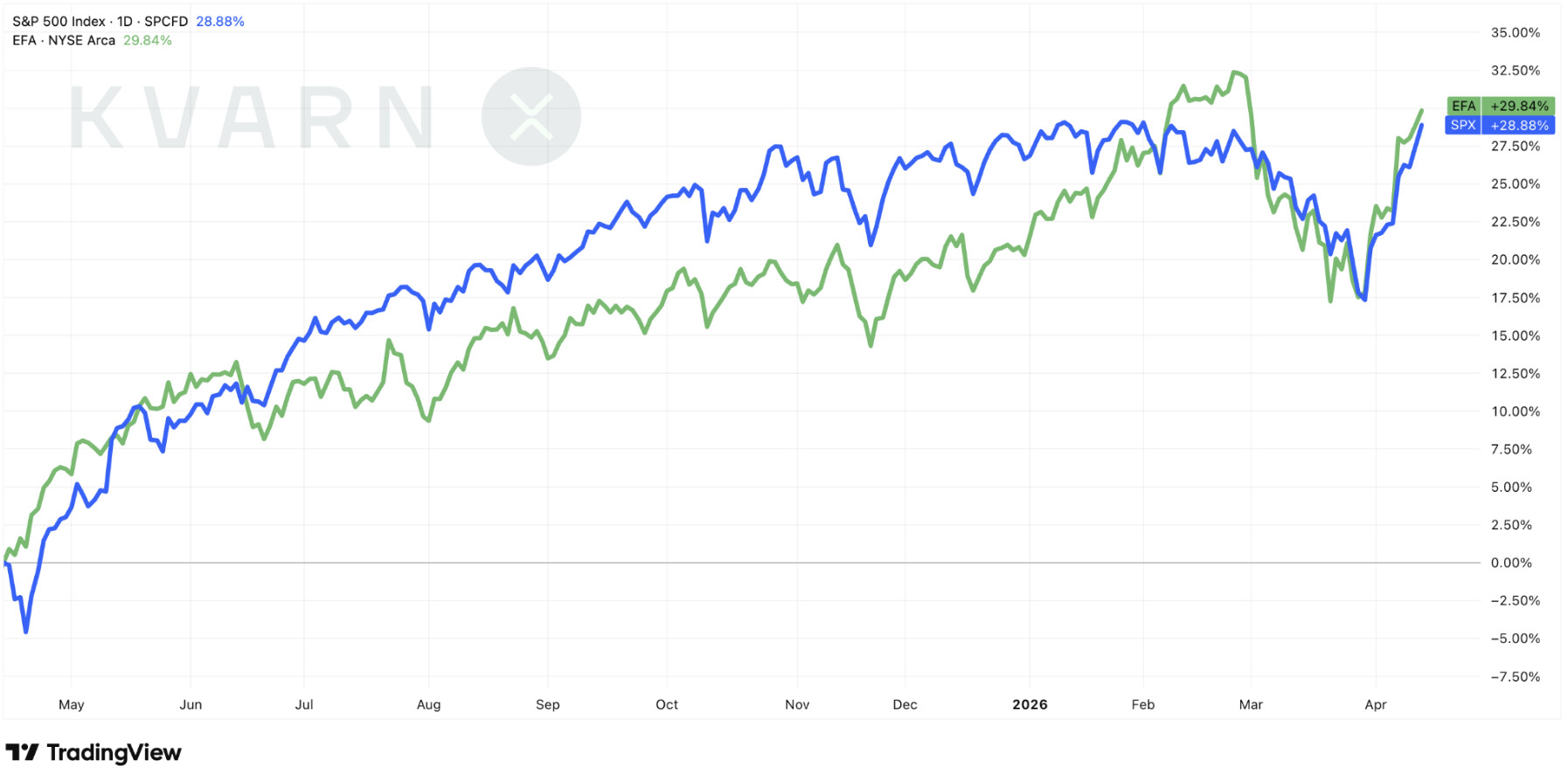
Indeed, in the 2000s, the US stock market (SPX) has performed significantly better than markets outside North America (EFA).
However, over the past year, this gap has begun to narrow.
At this moment, an informed investor should also keep an eye on other markets.
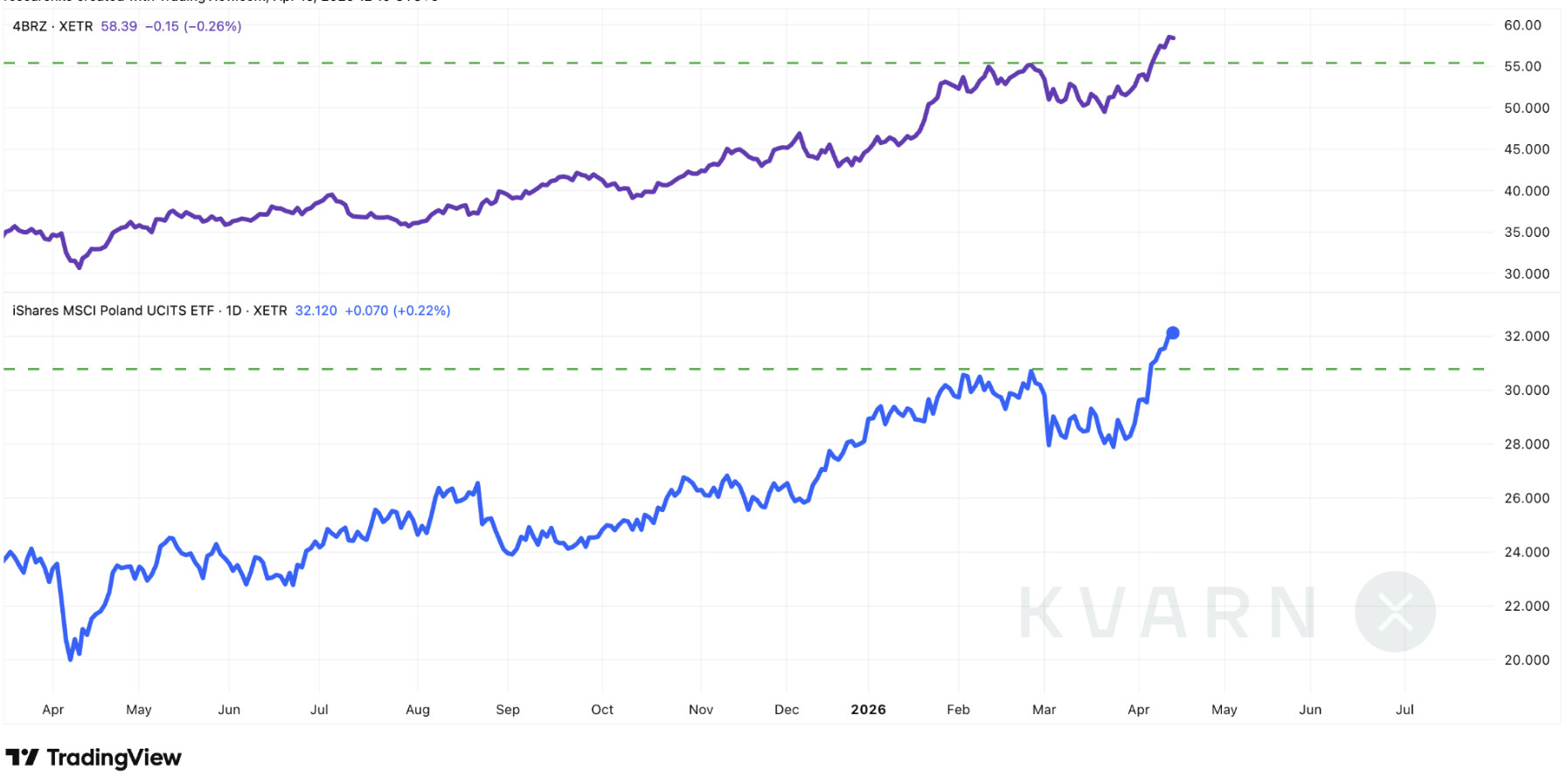
Among the most interesting stock markets right now, we highlight Brazil and Poland, among others.
The share prices of the country-specific ETFs for both countries have already risen above their levels prior to the Middle East conflict.
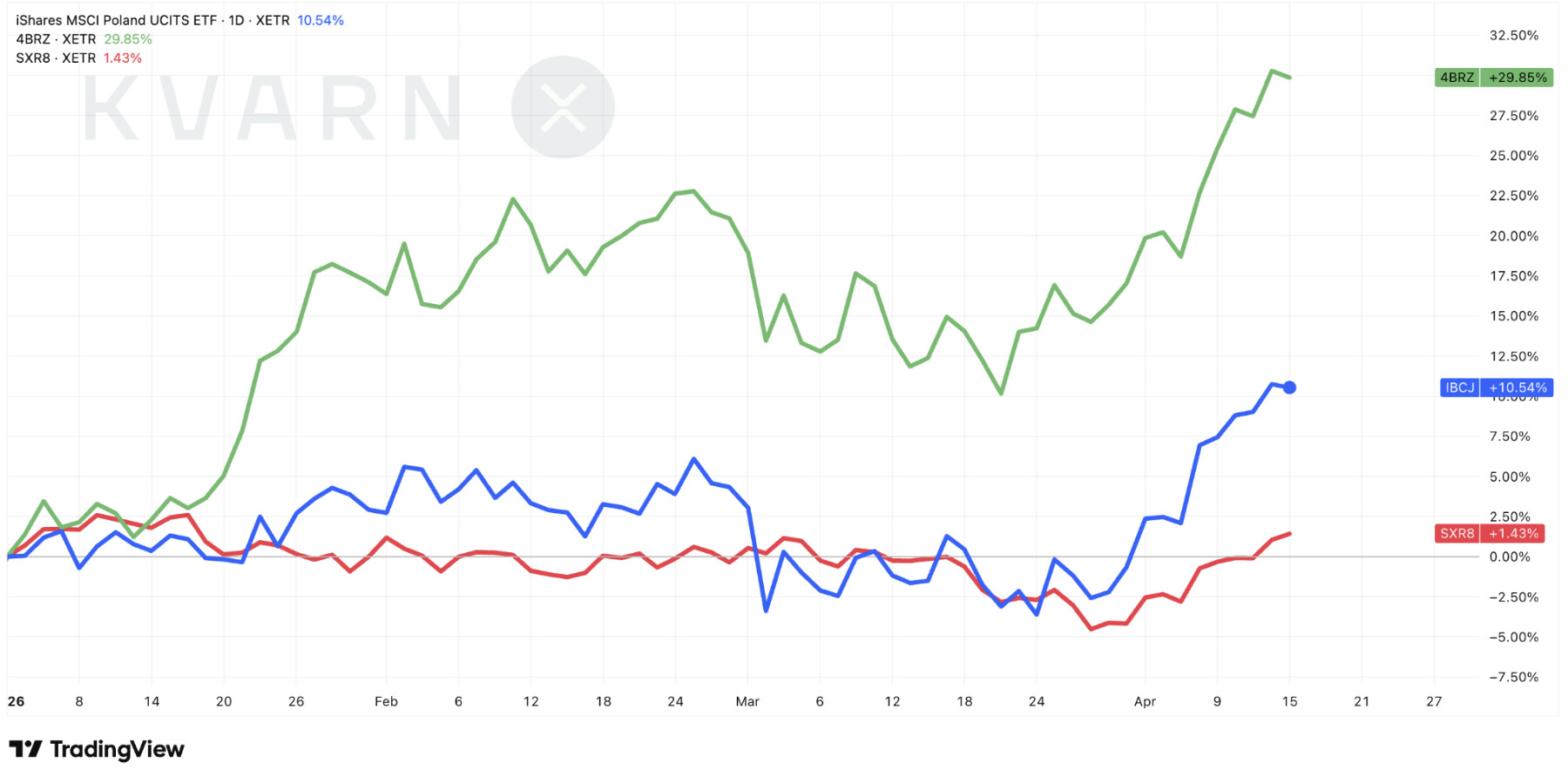
Since the beginning of 2026, both the Brazilian (4BRZ) and Polish (IBCJ) country-specific ETFs have outperformed the US (SXR8) many times over.
Have a nice Wednesday!
2 Likes
It would be nice to hear the reasoning for why these specific markets are the most interesting. For a crypto bro, a price chart might be a sufficient fundamental, but on this forum, the majority are interested in actual fundamentals.
15 Likes
In Brazil, most likely oil, commodities, banks etc.
https://x.com/howtoswingtrade/status/2042725744670052524
The Real’s exchange rate is also supportive at the moment.
1 Like
@TuomasMaksimainen I think your posts would fit best in this thread and would reach significantly more readers there as well.
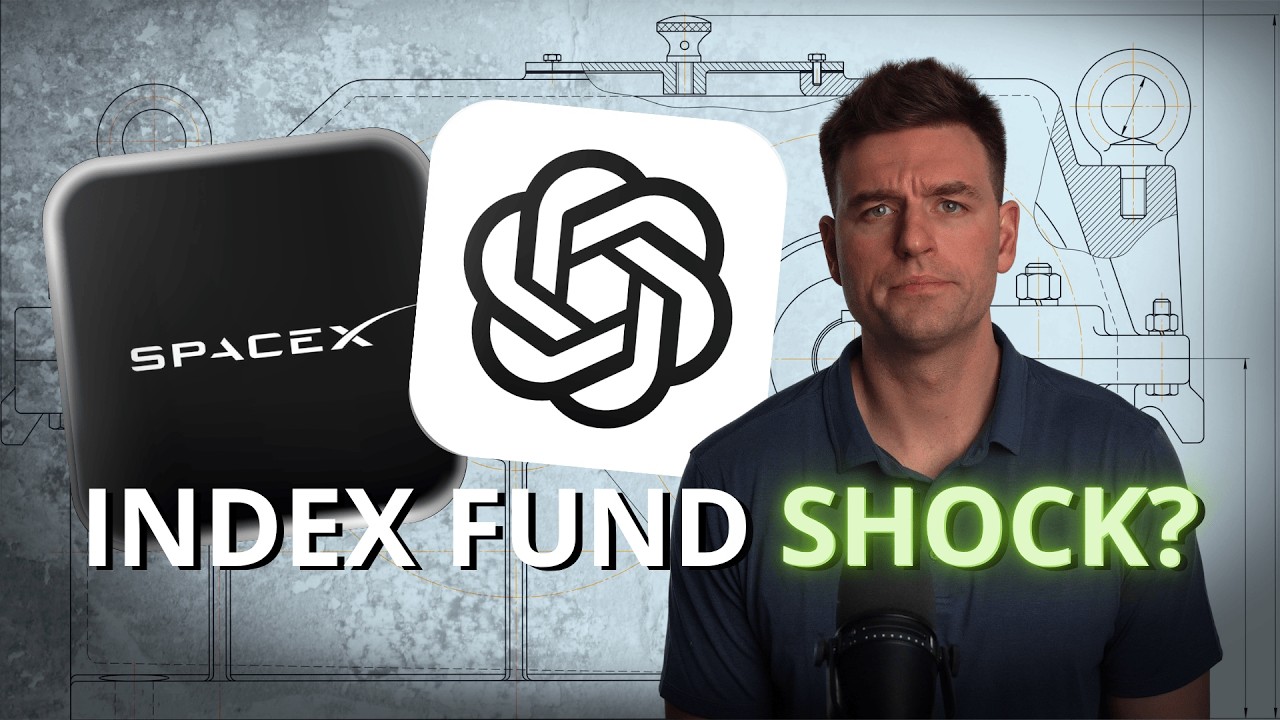
To avoid being completely off-topic, I’ll add this latest one from Ben Felix
Some massive companies are set to go public very soon. Private companies like SpaceX, OpenAI, and Anthropic would rank among the largest public companies if they went public, and index funds would be forced to buy their stock. That means if you are an index fund investor, you may soon be investing in these companies whether you like it or not. The problem is that most IPOs are terrible investments, and these ones in particular raise some questions.
3 Likes
Does anyone here hold any ETFs that pay dividends directly to the investor?
I’ve been looking into them for a while now and my head always ends up spinning, so I’m open to any suggestions on what might be worth checking out 
Forget about it. It doesn’t make sense tax-wise 
Summary
From a Finnish investor’s perspective, accumulating (growth) ETFs are generally more efficient than distributing funds for the following reasons:
1. Tax Deferral and the Power of Compounding
In Finland, an investor pays capital gains tax (30% or 34%) on dividends immediately at the time of payment. In an accumulating ETF, the fund reinvests dividends directly without creating a taxable event for the investor.
- Untaxed growth: The portion that would otherwise go to the tax authorities remains in the fund to grow with compounding interest.
- Mathematical advantage: In the long run, the difference is significant because the investment capital is larger in every reinvestment compared to a situation where tax would have been withheld first.
2. Cost-Efficiency
In a distributing fund, the investor often has to manually purchase new units to get the dividends back into the market.
- Brokerage fees: Reinvesting often incurs trading costs. In an accumulating ETF, the fund manager handles this on institutional terms and without investor-specific brokerage fees.
- Automation: The investment grows automatically without the need to track payments and perform manual actions.
3. Tax Management and Realization
An accumulating ETF gives the investor full control over deciding when to pay taxes.
- Timing of sale: Tax is only paid when units are sold. The investor can time sales, for example, to tax years when they have capital losses to deduct.
- Deemed acquisition cost (hankintameno-olettama): Particularly in very long-term holding (over 10 years), an accumulating ETF benefits from the 40% deemed acquisition cost. Since dividends have increased the value of the fund unit, the entire pot (original capital + accumulated dividends) is taxed at the time of sale using the deemed acquisition cost, which significantly lowers the effective tax rate.
18 Likes
I bought that for an investment insurance account.
1 Like
Yes, I have many dist versions, because dividends are an investor’s salary.
2 Likes
It is easy to agree with this on a general level.
However, I have been crunching the numbers with these dist-ETFs since leverage is available for investing (€50k, fixed collateral so no risk of a margin call, total interest 12-month Euribor + 1.5%, monthly installments, loan term 7 years). For example, the ETF linked by @Otso_Karhu above would pay dividends almost exactly equal to the loan interest. The dividends could be used to cover the interest costs and also offset the dividend taxes, at least in the first few years.
I’m just not fully aware of the withholding tax issues related to dist-ETFs. Does the withholding tax rate depend on the ETF’s listing country or the exchange of the underlying securities? Could someone explain this to me in simple terms?
1 Like
Not really from either, but rather where the ETF’s headquarters is located. Usually Ireland or Luxembourg, which levy 0% withholding tax.
However, the dividend paid by the ETF is not treated as a dividend, but as a return of capital, which is subject to 30%/34% tax.
9 Likes
Even if you were to use the dividend or a corresponding amount every month, a distributing ETF is tax-wise worse in Finland:
When receiving a dividend (or the return mentioned by @CitisenJ), tax is paid on 100% of the income received, meaning a tax of 30/34% on the total dividend.
When selling a corresponding portion: Especially in the beginning, the majority is just the capital you invested, which is not taxed. If, for example, the fund has grown 10% from its original value, tax is paid only on this portion. For a 100-unit “dividend” or sale, for instance, you only pay tax on the roughly 10 units of capital gain, meaning the tax is about 3 units.
Naturally, the dynamics change over the long term, but never to the advantage of a distributing ETF.
Edit: Typos
10 Likes