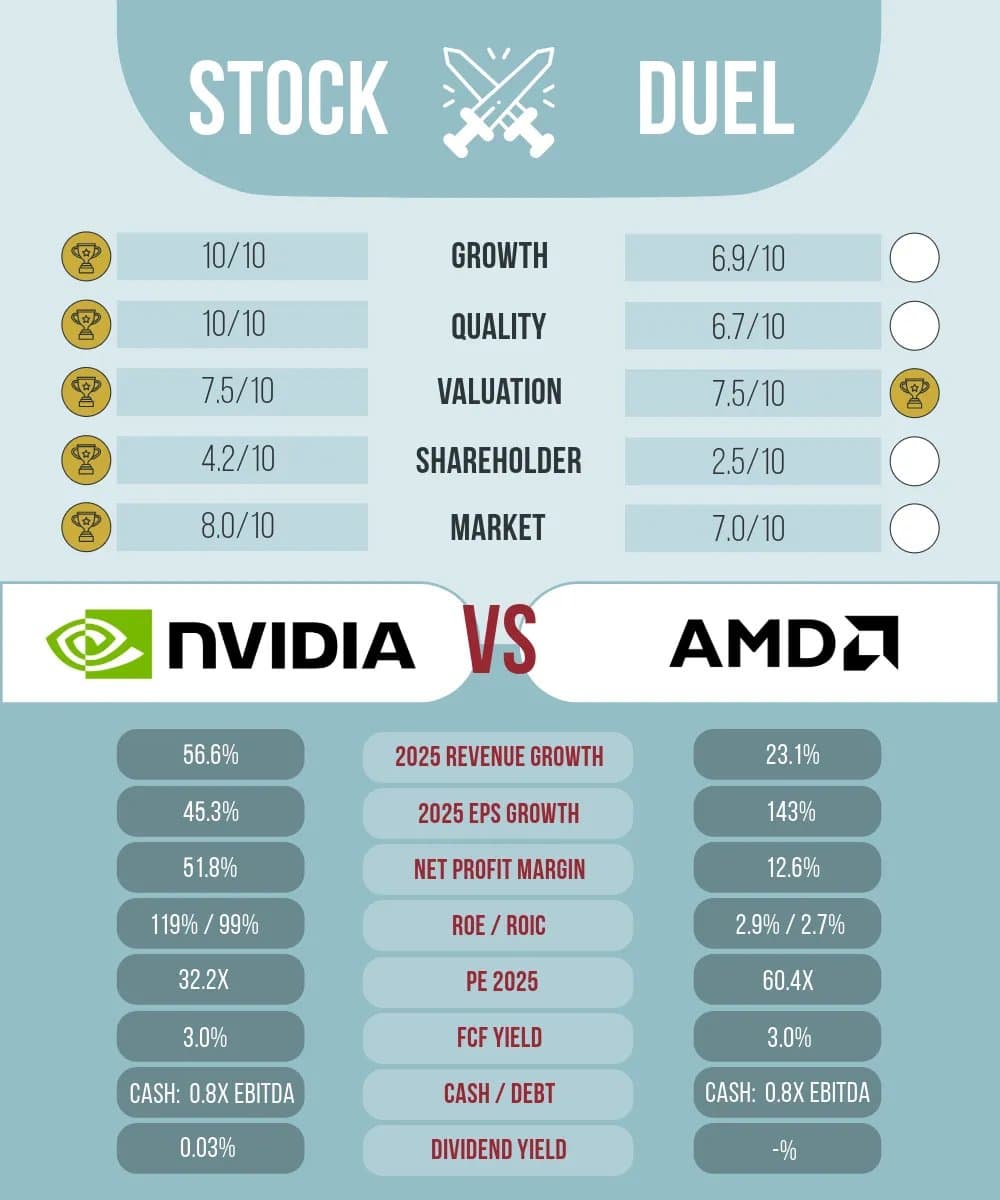
Here’s a quick comparison of Nvidia vs AMD 
https://x.com/Quality_stocksA/status/1924080405281398983

The article below discusses how Qualcomm plans to launch data center processors that work with Nvidia’s AI chips and software. This is part of the company’s strategy to expand beyond the smartphone market and strengthen its position in AI solutions.
This is part of the company’s strategy to expand beyond the smartphone market and strengthen its position in AI solutions.
Intel introduced new graphics cards and expanded the availability of AI accelerators.
The new Arc Pro B60 and B50 models are aimed at workstations for tasks such as architecture, engineering, and AI, and three new usage options were released for Gaudi 3 accelerators. Intel AI Assistant Builder is now available on GitHub.
A short article on the topic can be found below.
[broken stream link removed]
AMD’s Computex presentation, at least new Threadripper workstation processors will probably be announced.
Edit: YouTube couldn’t stream today, the whole stream broke down and the recording stops halfway.
Press release with the information in text format:
AMD has posted the full presentation that was marred live due to YouTube’s issues. Watch it here:

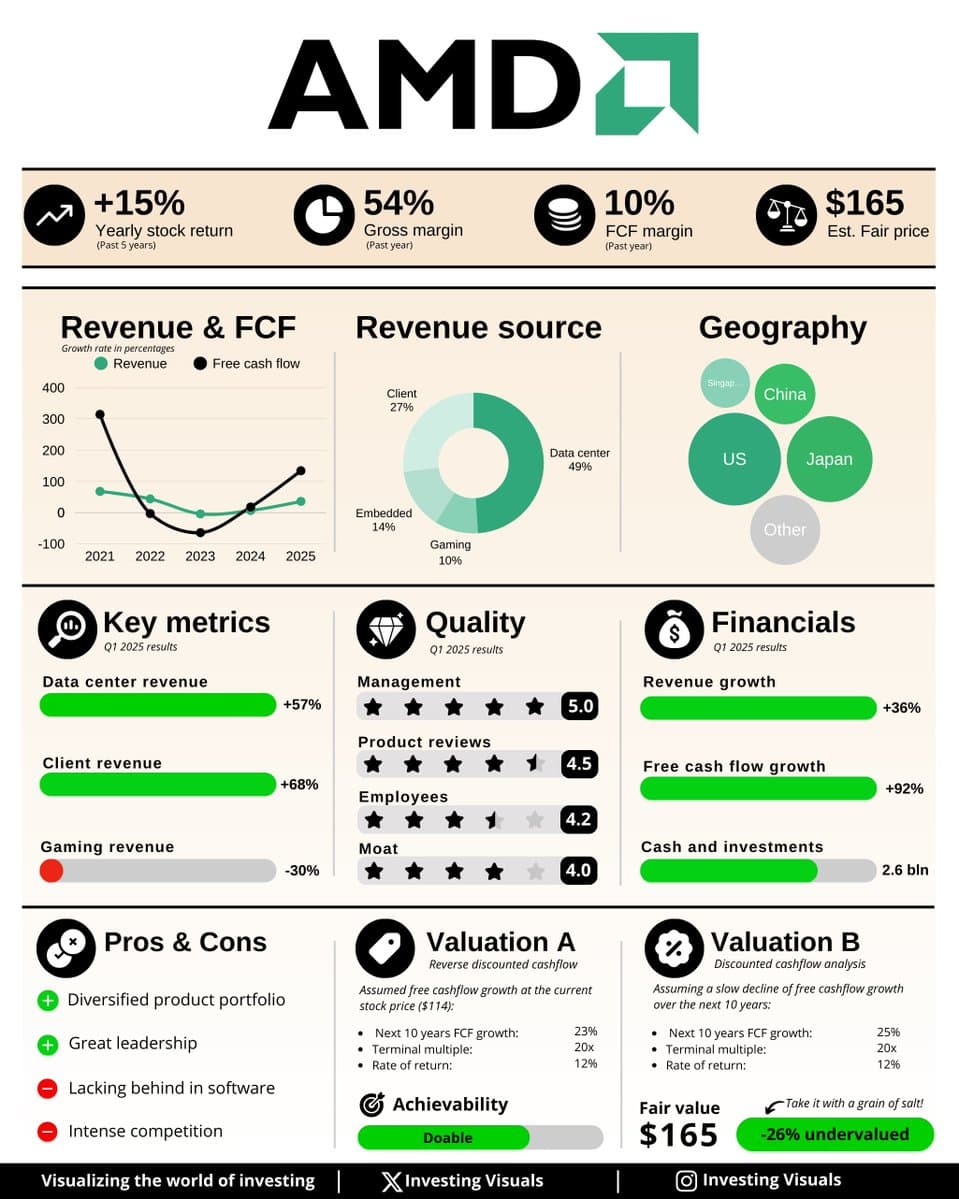
Here’s Investing visuals’ review of AMD.
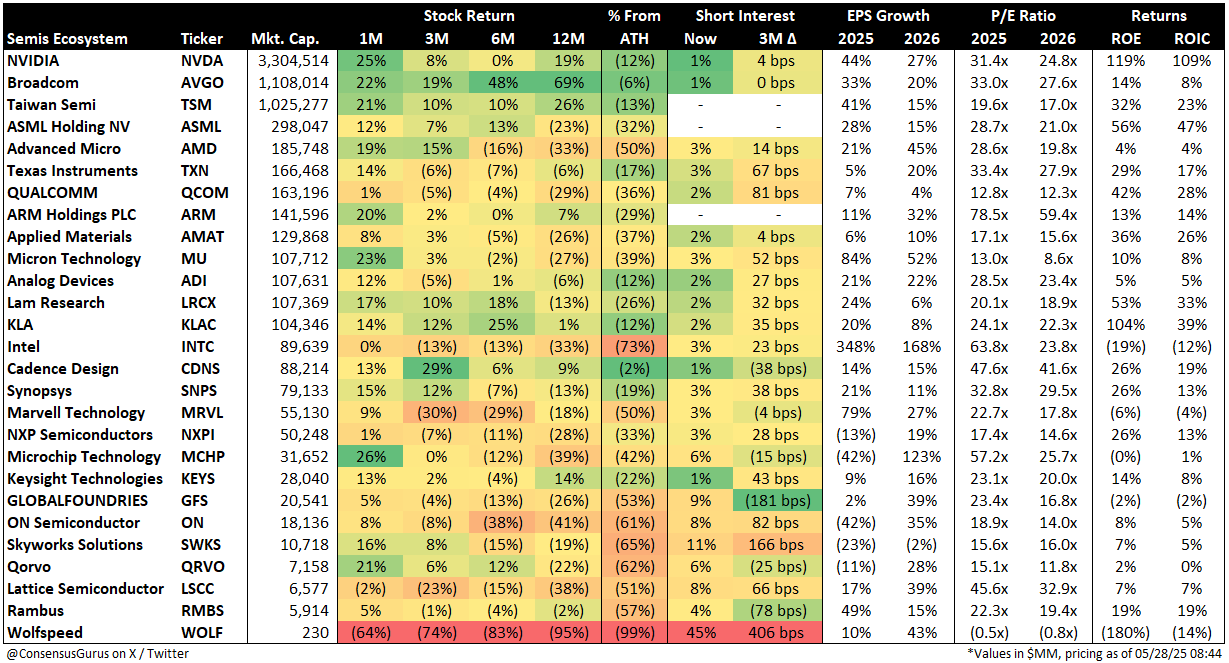
Here are the sentiments again in the updated table
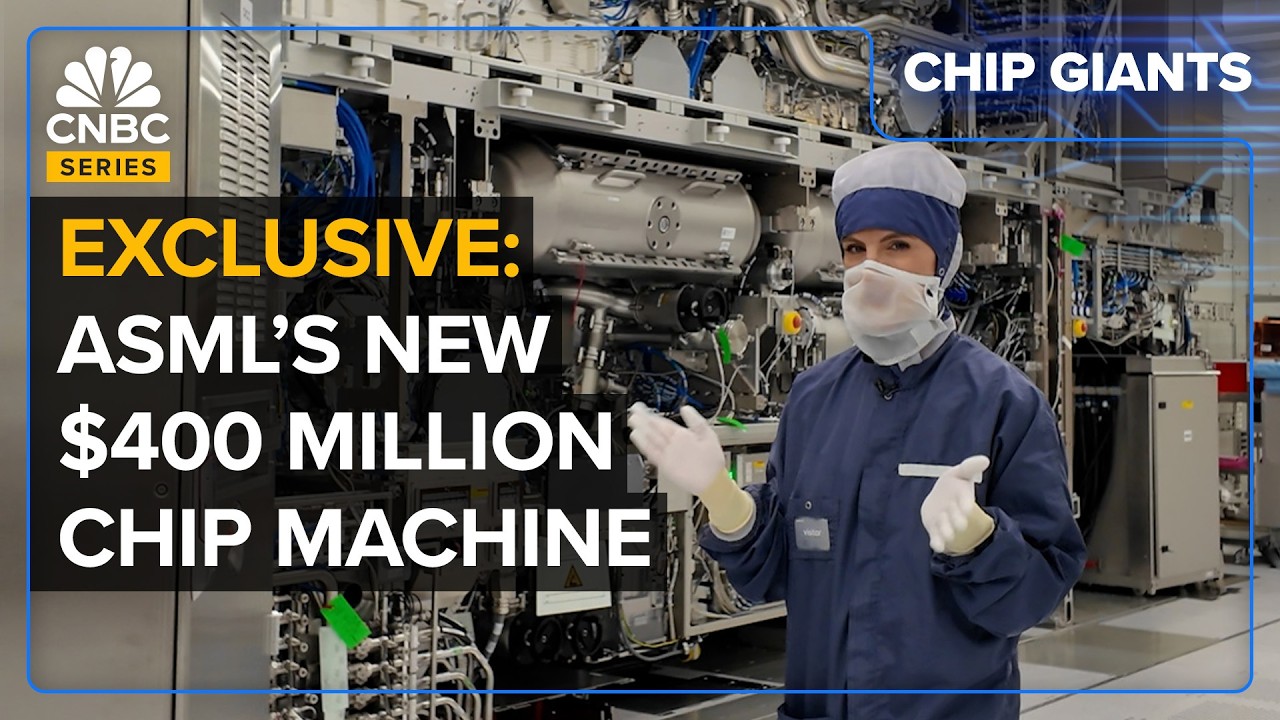
An interesting CNBC video about ASML, which covers, among other things, the latest High NA technology, the US and Chinese markets, as well as ASML’s locations and global supply chain in general.
Although the company has strong dependencies on various parts of the world, I think it’s great that the core expertise of such a technological crown jewel is in Europe, including component suppliers like Zeiss. Hopefully, the value of this expertise is truly understood among European leaders.
Conveniently just before Big Green’s quarterly report… Sigh.
That doesn’t affect NVIDIA in any way. If anything, positively. It’s about chip design software.
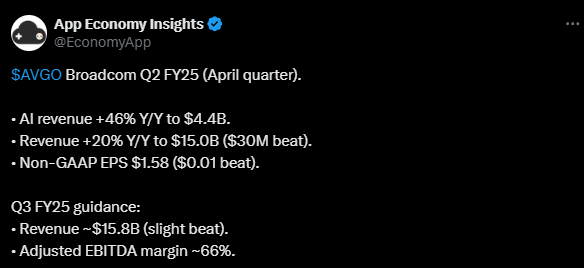
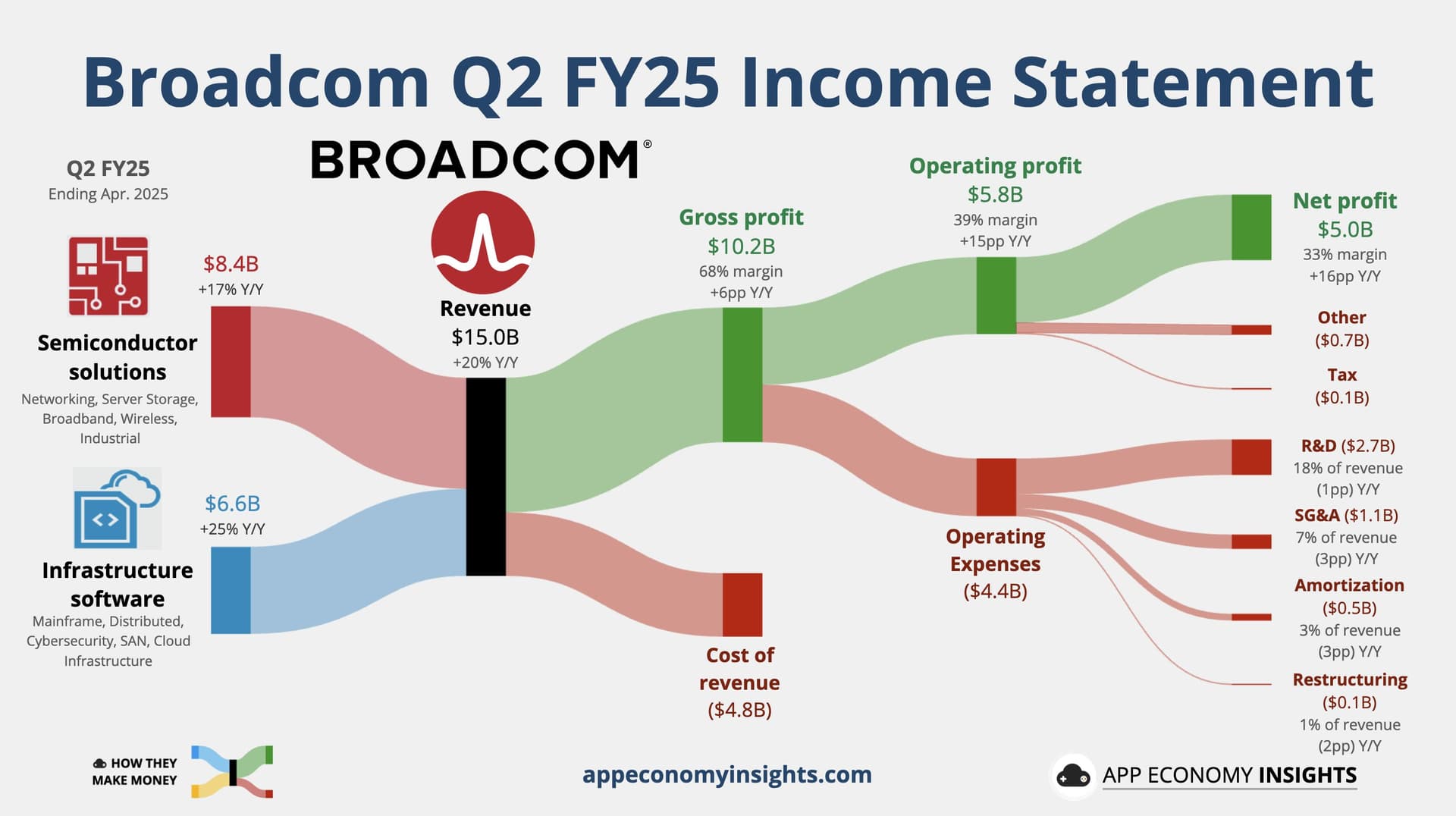
Broadcom reported record second-quarter results, supported by strong growth in AI chips and the VMware business.
Revenue grew significantly year-over-year, and the development of AI revenue, in particular, was remarkable. Profitability remained high, and free cash flow reached a record level. Additionally, the company returned significant funds to shareholders as dividends and share repurchases.
Continued growth is expected for the third quarter, especially in the AI segment.
https://x.com/EconomyApp/status/1930724212240769145

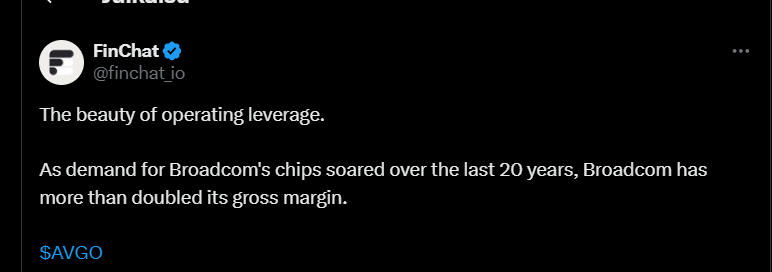
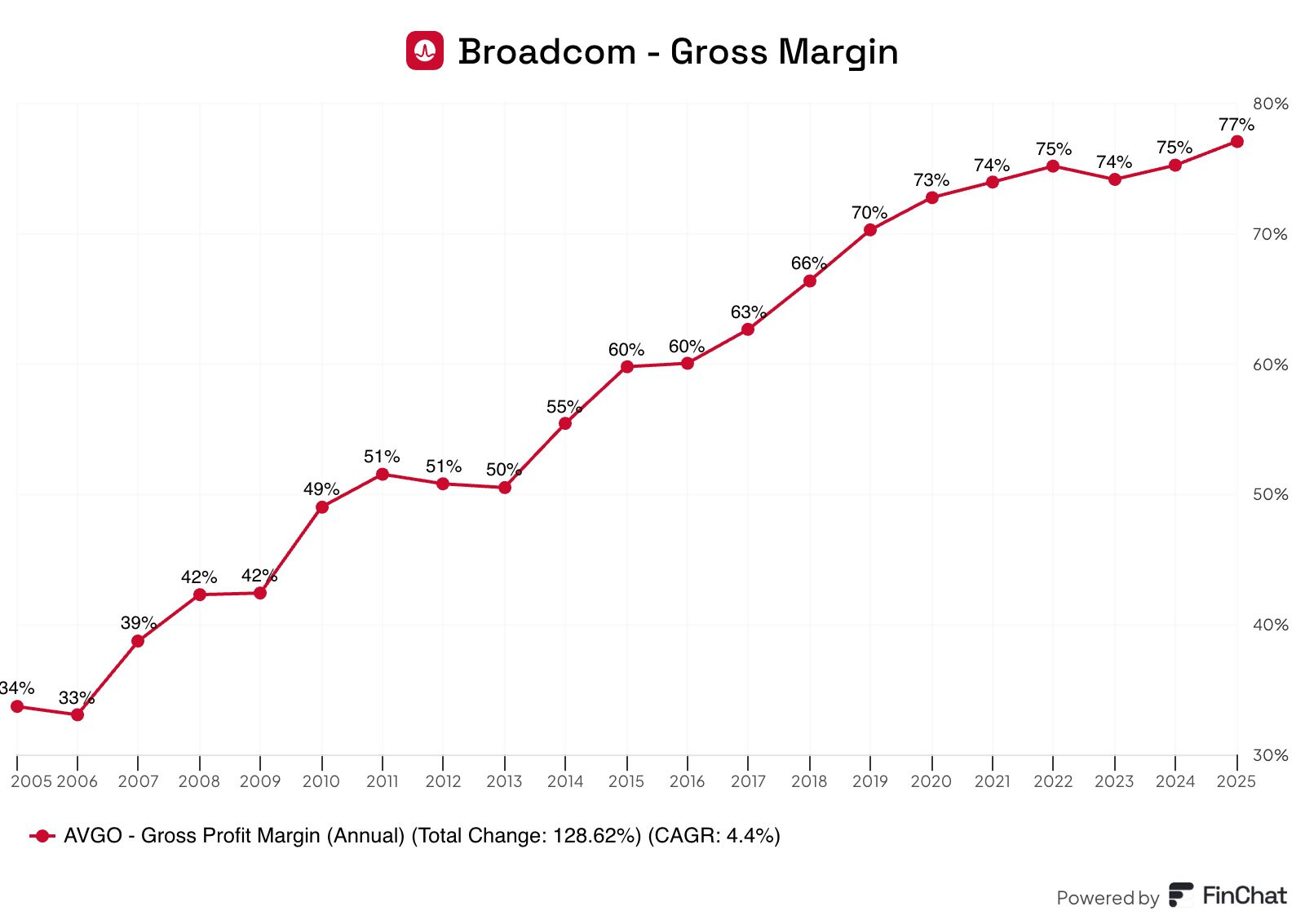
Broadcom’s gross margin percentage curve looks relatively beautiful.
AMD is holding an AI keynote. New datacenter hardware is coming out.

According to the article below, AMD has intensified its collaboration with AI startup companies to develop better chips and software to successfully compete against Nvidia.
The company has acquired both server and software companies and is particularly investing in its ROCm software. For example, Cohere has benefited from AMD’s software improvements, and OpenAI has also influenced the design of the upcoming MI450 chip.
More on the matter can be found in the article below.
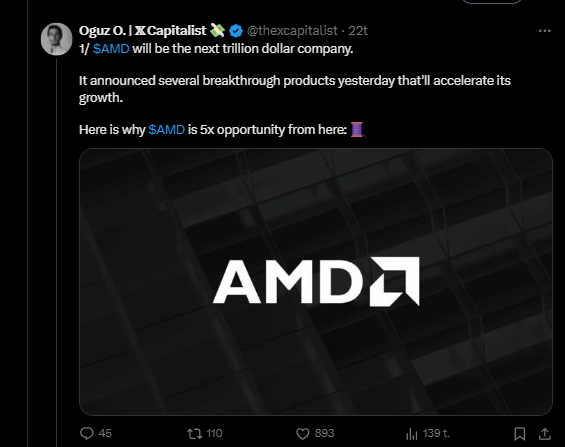
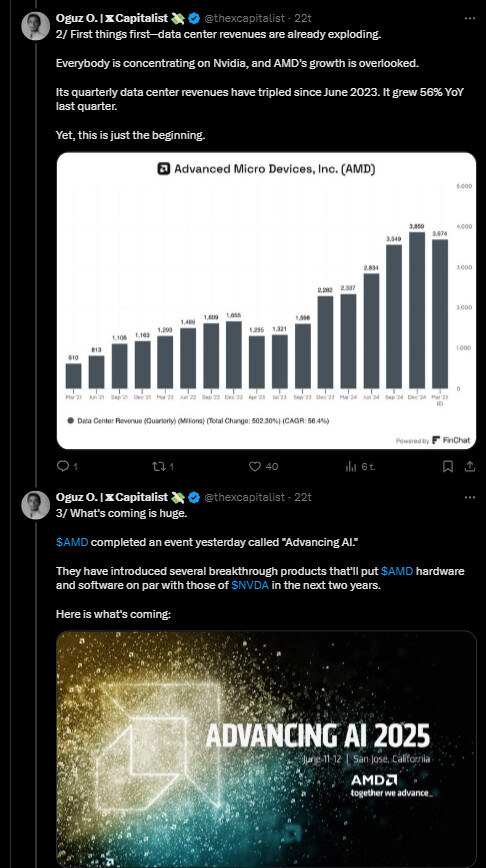
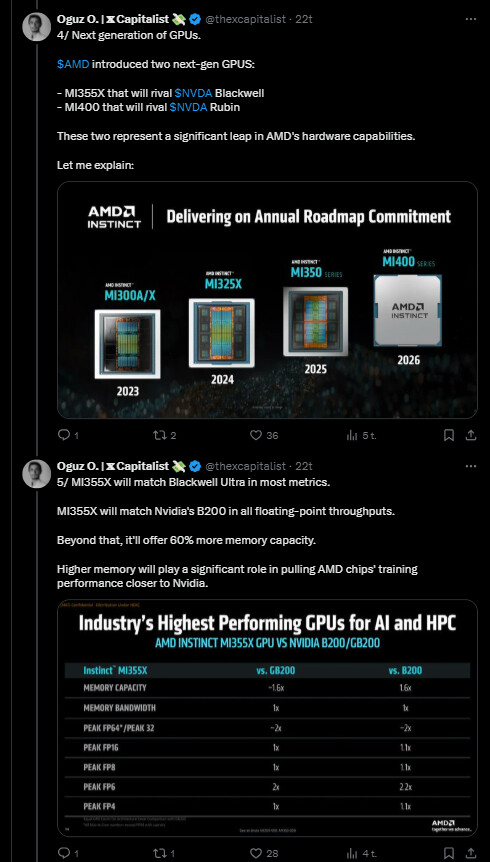
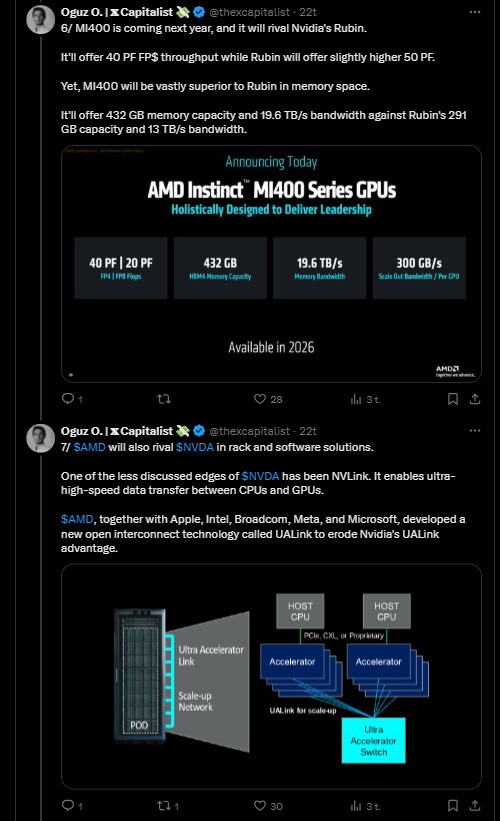
The tweet thread explains how AMD is aiming for the trillion-dollar valuation. Thanks to new AI and data center products, the company can quintuple its value, according to the tweeter. The thread also explains why AMD can challenge Nvidia in the coming years, in both hardware and software.
https://x.com/thexcapitalist/status/1933502175289782283
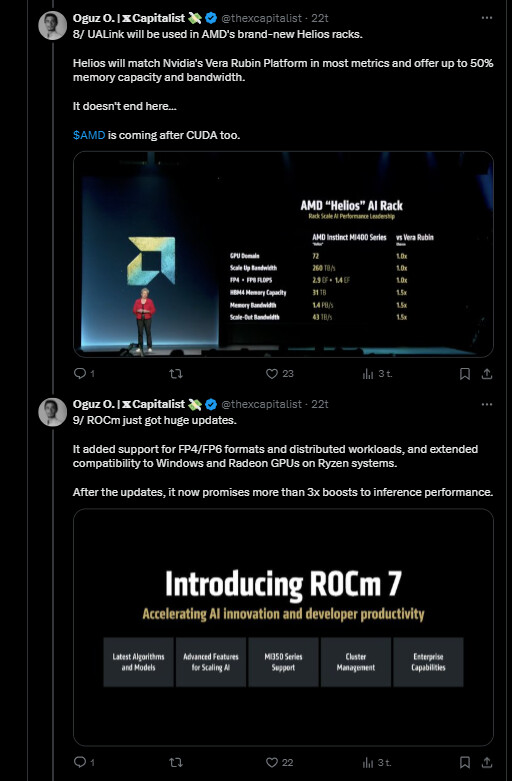
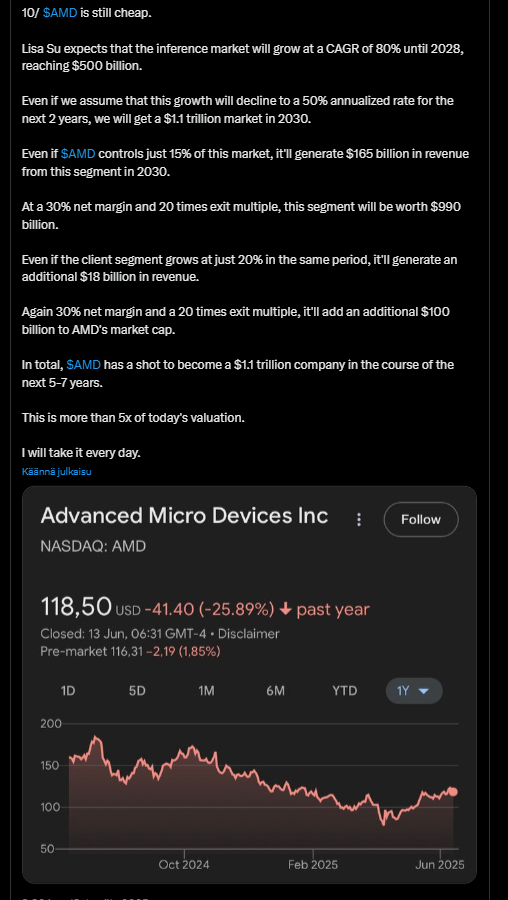
https://t.co/DqiY2057CJ (link to the last tweet)
What do forum members think, can AMD really challenge NVIDIA in the future? At AMD’s Advancing AI day, the company’s new product launches strongly demonstrated its will to challenge NVIDIA’s AI leadership on multiple levels. Below is a discussion, partly assisted by ChatGPT:
For example:
But in summary:
AMD’s Advancing AI day launches were a precise counter-attack to NVIDIA, directly competing with NVIDIA’s best AI chips and rack systems. AMD broadly rejected closed ecosystems, emphasizing an alternative with open standards, price competition, and collaboration commitments with major AI players.
If one considers AMD’s valuation (and in my opinion, rather moderate analyst earnings growth expectations), it is not in a bubble: This year’s P/E hovers around 35, and EV/Sales around 8. The company doesn’t even need to capture a very significant market share, as the AI market is growing rapidly. The company’s stock price is also now strongly above support levels and in a strong uptrend. Although perhaps temporarily overbought.
On the hardware front, the race is clearly on. Things were announced there that, in principle, surpass the power of the hardware offered by NVIDIA’s roadmap. Practical implementation will still take a while – AMD will only have a system connecting the entire rack next year – but it’s clear that AMD is going all in on this competition, even though they started a bit behind. The software side is the question mark. Open standards have always been AMD’s way of operating, but that also practically means that customers often have to tinker a bit on the software side, whereas in the same situation, NVIDIA offers “ready-made solutions” as long as you stay within their ecosystem.
If AI demand remains strong for the next 2-3 years, it’s quite certain that AMD will gain market share, but the rest is then up to speculation. The leather jacket man hates losing, and it’s very possible that these announcements will be reacted to by tweaking the roadmap, and NVIDIA will bring even more powerful hardware within a 2-3 year timeframe.
Good summary video of AMD’s launch event if you want a bit of expert commentary as a spice.
Atte and Alexander Järf from Sifter discussed the semiconductor industry. The focus was especially on manufacturing technology companies, e.g., Applied Materials, Lam Research, Disco, and Besi. Duration 1h 8min.