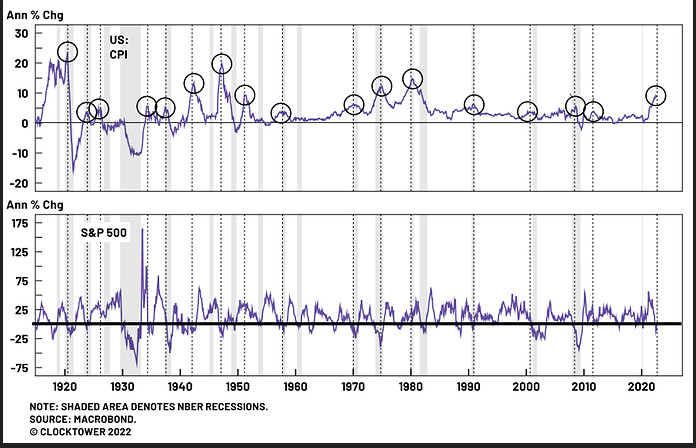
“Economists have almost systematically underestimated core inflation this year. In six out of eight months, the consensus forecast of economists has been lower than the realized core inflation. A similar situation was seen in the 1970s, when higher-than-expected inflation weakened the performance of stock markets in the United States.”
“The market is now pricing in a 68 percent probability of a 75 basis point rate hike at next week’s interest rate meeting. The futures market is pricing in a staggering 32 percent probability of a 100 basis point rate hike.”
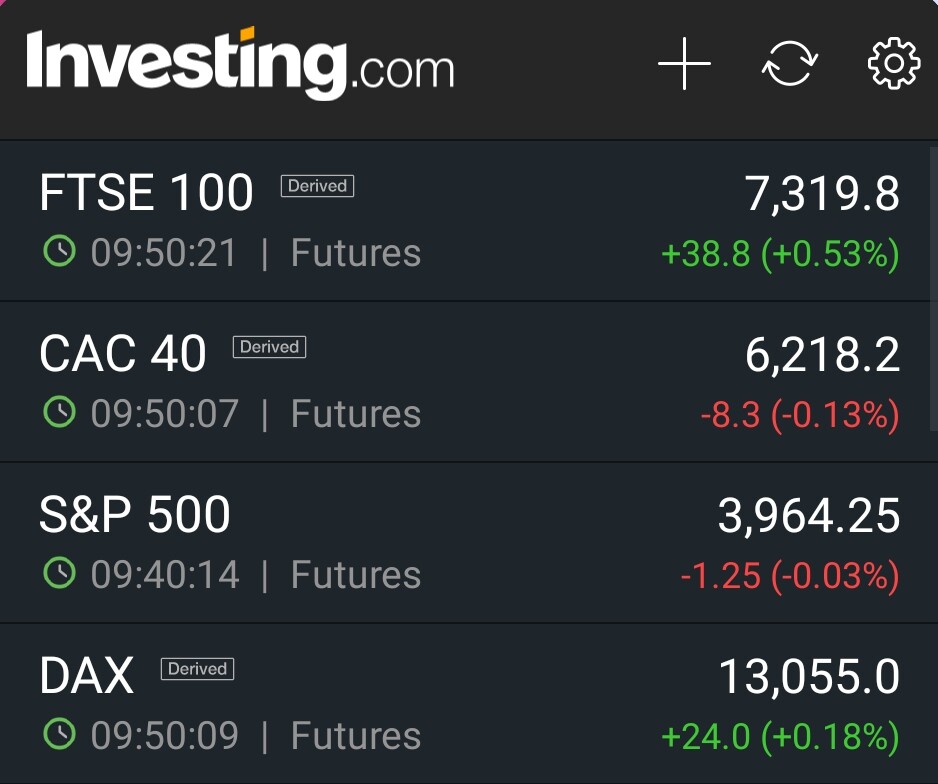
Where can one find the market direction and opening levels in the mornings before European stock exchanges open?
USA and Asian indices provide some indication, but are there direct futures for European stock exchanges or pre-market information for European or even Nordic stock exchanges available before the market opens?
A few picks from this morning’s Vartti (Quarterly Review).
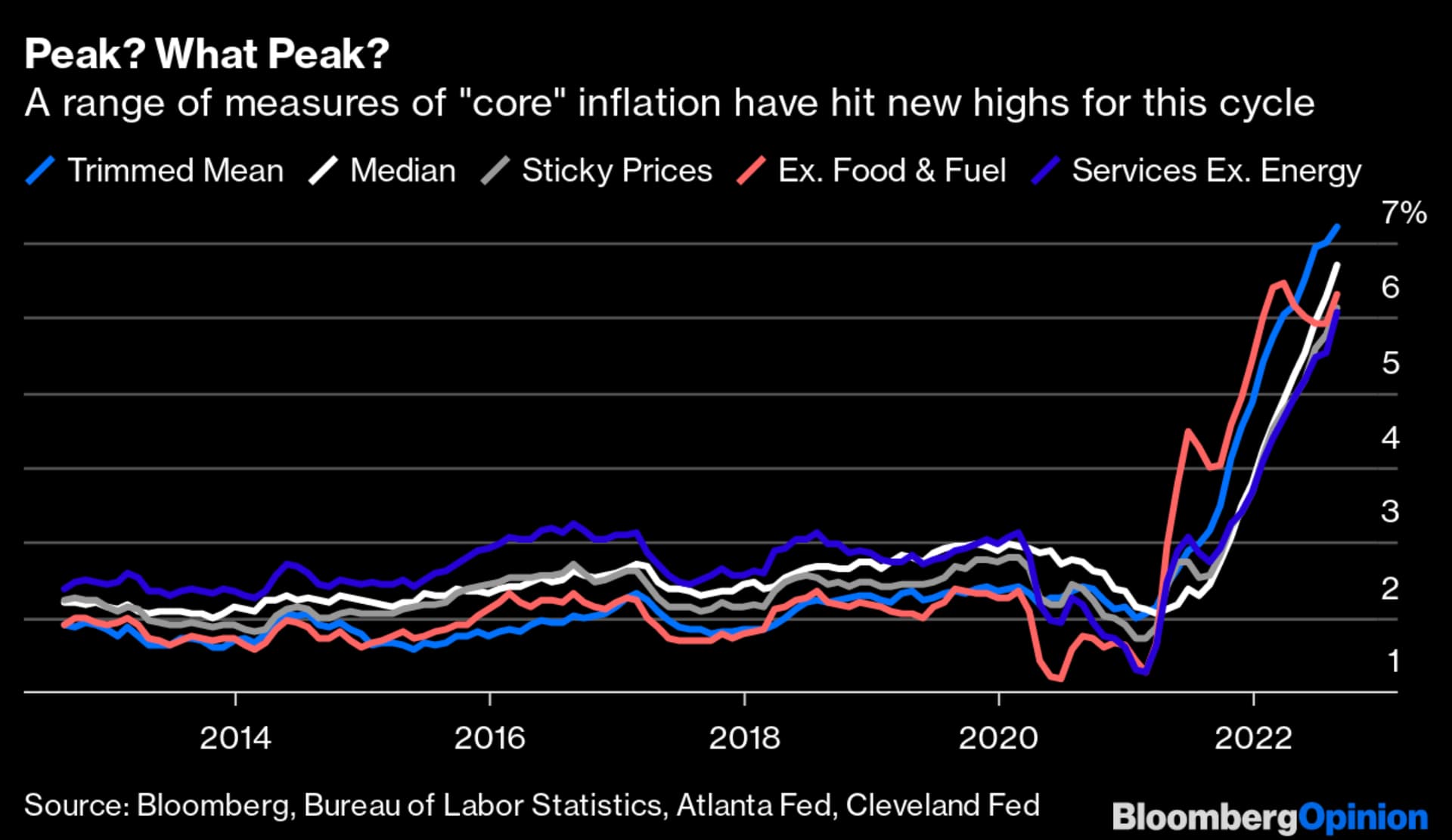
Inflation is sticky by almost any measure, whether looking at trimmed metrics, median, sticky inflation, services, etc.
As long as these don’t turn, the Fed will raise interest rates with a vengeance.
Inflation will turn, but the worse it gets before that, the more likely it will be brought down by a severe recession, which is not good for the economy or stocks…
I don’t give much value to the Euro Stoxx 600’s forward P/E, because as often stated, forecasts assume tremendous earnings growth as if there were no energy crisis or recession.
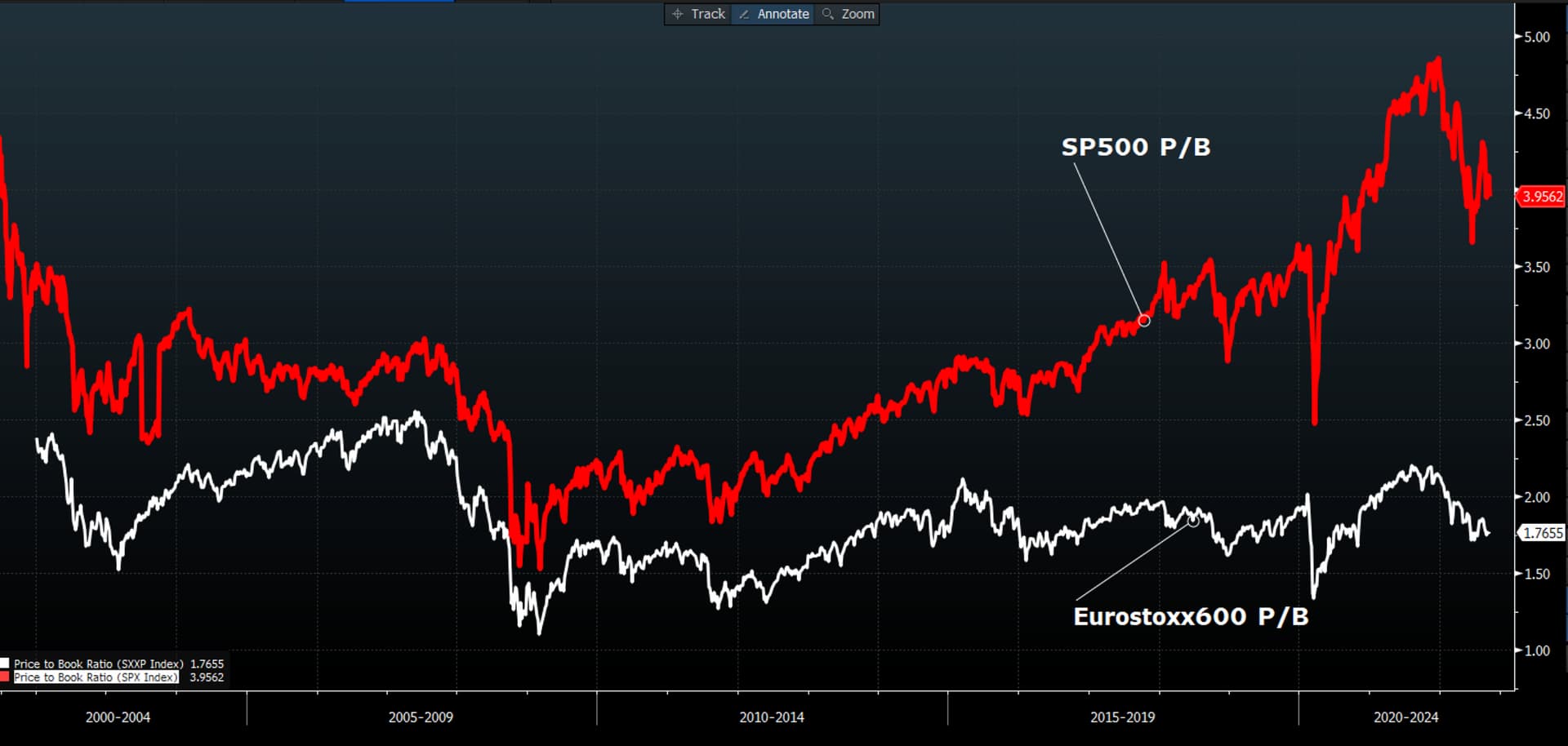
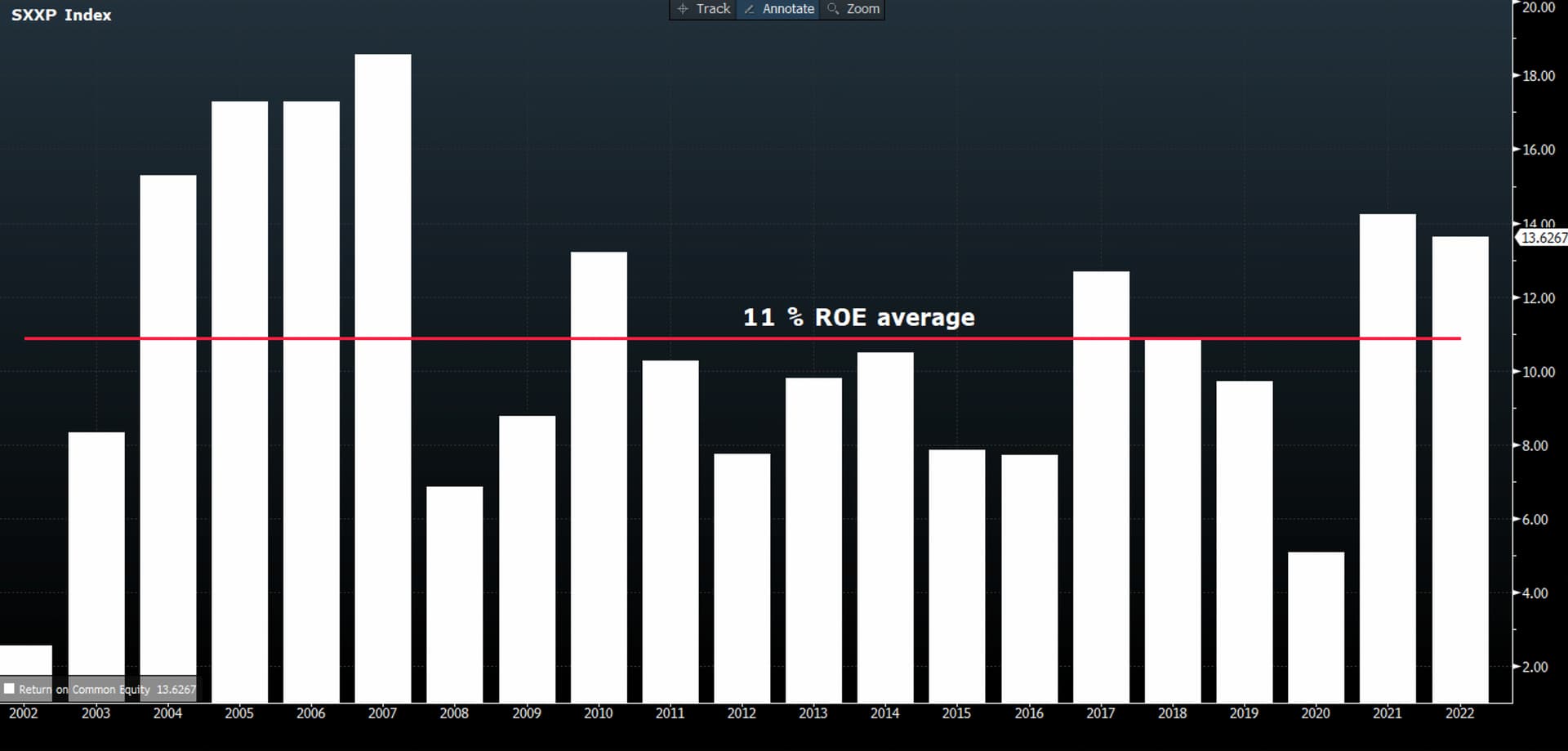
Measured by P/B, European stocks are valued at 1.8x book value. That’s a little or a lot, depending on the level of return on equity the investor believes in.
I don’t know what place, forum, or whatever would be the right one for positive feedback, but that video was again a powerfully strong set! For the love of the game, thank you.
Every investor, even the more experienced ones, should watch those through.
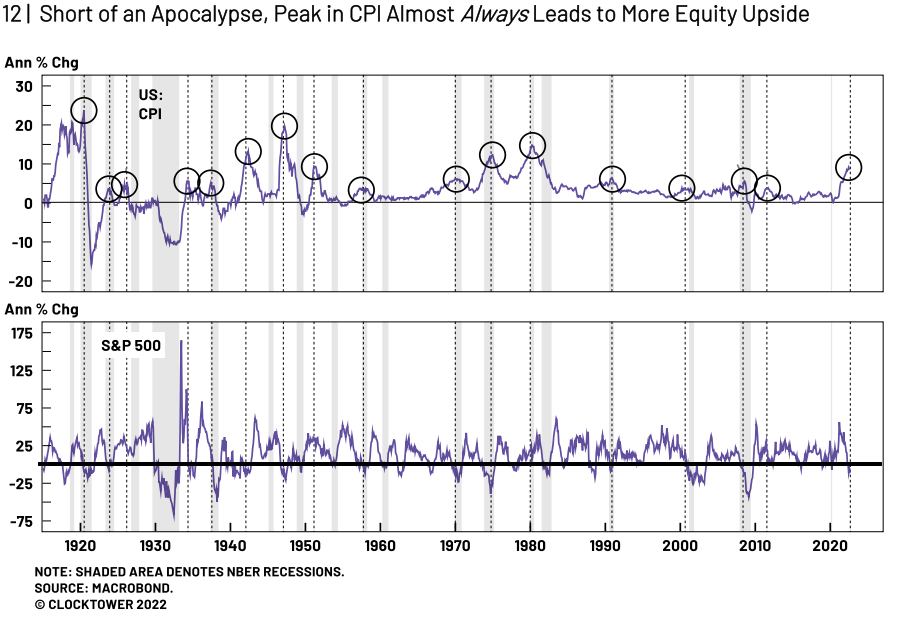
The 70s always look equally disturbing. Was there always a premature slowdown with interest rates, or why was the inflation monster always let loose again? Well, let’s hope history doesn’t repeat itself now in the 2020s
In my opinion, this is a topic that is not much discussed, but I think the weak euro and the energy crisis in Europe make European tech stocks attractive to me. Companies operating in Europe benefit from this because, for globally operating companies, a large portion of their income is in dollars and their costs are in euros, mainly salary/personnel expenses. Often, these costs do not rise at the same rate as inflation and/or the devaluation of the local currency. The rise in energy prices also does not erode operating profit in the same way as it does for many manufacturing companies whose production is largely based on energy consumption.
All this, combined with a situation where general opinion is still dismissive of European tech, makes this situation a very attractive place for me to buy good companies at what I consider to be a remarkably cheap price.
The people from Turku are at it again, namely @Isa_Hudd and @Marianne_Palmu. You should also subscribe to Inderes Nordic; there are interesting videos about interesting topics and subjects.
“Macrovoices from Turku - hot topics from the macroeconomic environment explained in a few minutes and an easy way. Join us and keep yourself posted! Episode 2.The Real Estate Market & Wealth Effect”
Contents: 00:00 Introduction 00:52 Decreasing housing prices 01:22 Problems in the real estate sector impacts the economy through various channels 01:43 Wealth effect - negative wealth effect
FedEx reported dismal numbers yesterday, withdrew its guidance for the unusual 2023 fiscal year, and the CEO spoke about a recession in an interview with Jim Cramer.
A carrier like FedEx has a reasonably good feel for the economy’s direction, as a large part of the economy involves moving goods from one place to another.
The stock dropped 15% after hours, for those wondering if a recession is already priced in or not…
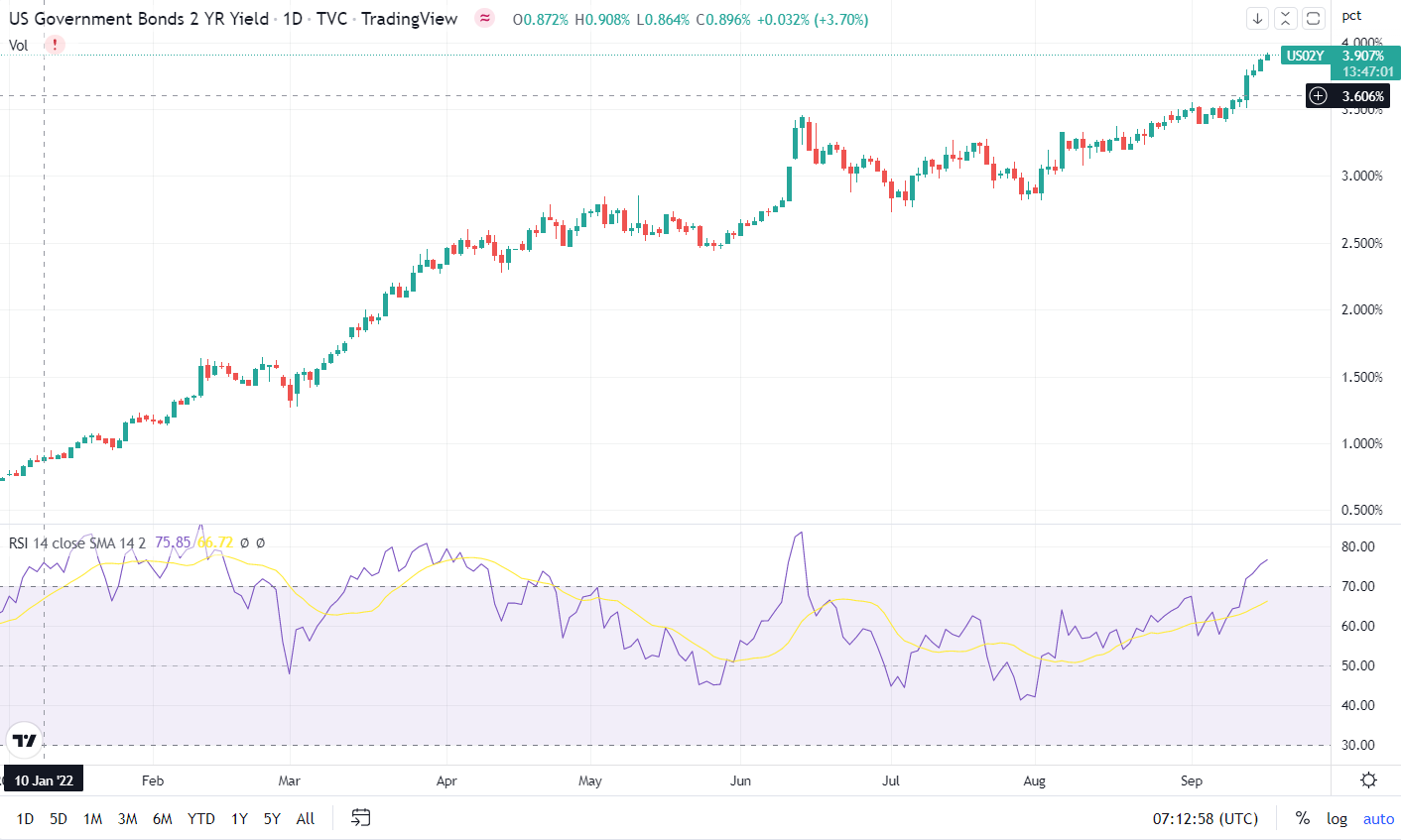
Here’s the U.S. 2-year yield, year-to-date. I can’t find any “peak inflation” point in that graph; there’s still a lot of catching up to do. So, 0.75 rate hikes will continue, and tech stocks, in particular, will remain under pressure. I’m eagerly awaiting when those earnings forecasts start to decline; currently, only the impact of interest rates on the accepted valuation multiple has been priced in.
In typical Taleb fashion, the statement is exaggerated, but he does have a point. Interest rates have been near zero for the past 15 years, creating a generation (myself included) that hasn’t experienced the value of money, or interest, to the extent that older generations have. This has also been reflected in the somewhat overly optimistic expectations of younger analysts, especially when compared to Eki’s conservative forecasts and recommendations.
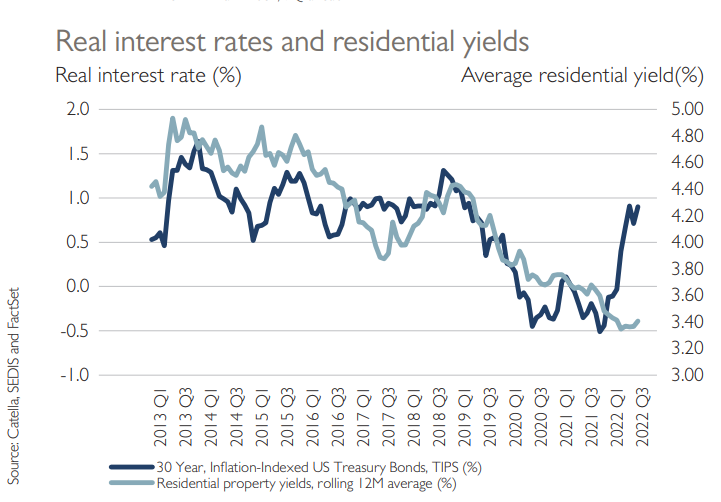
It’s just strange what happens in the markets when capital suddenly starts earning returns from interest rates again. Vast sums of money (e.g., from pension companies) are much easier to invest in government bonds than in stock markets.
At the same time, it’s probably been noticed what happens to the valuation levels of growth companies that don’t generate cash flow when the time value of money becomes a relevant concept again.
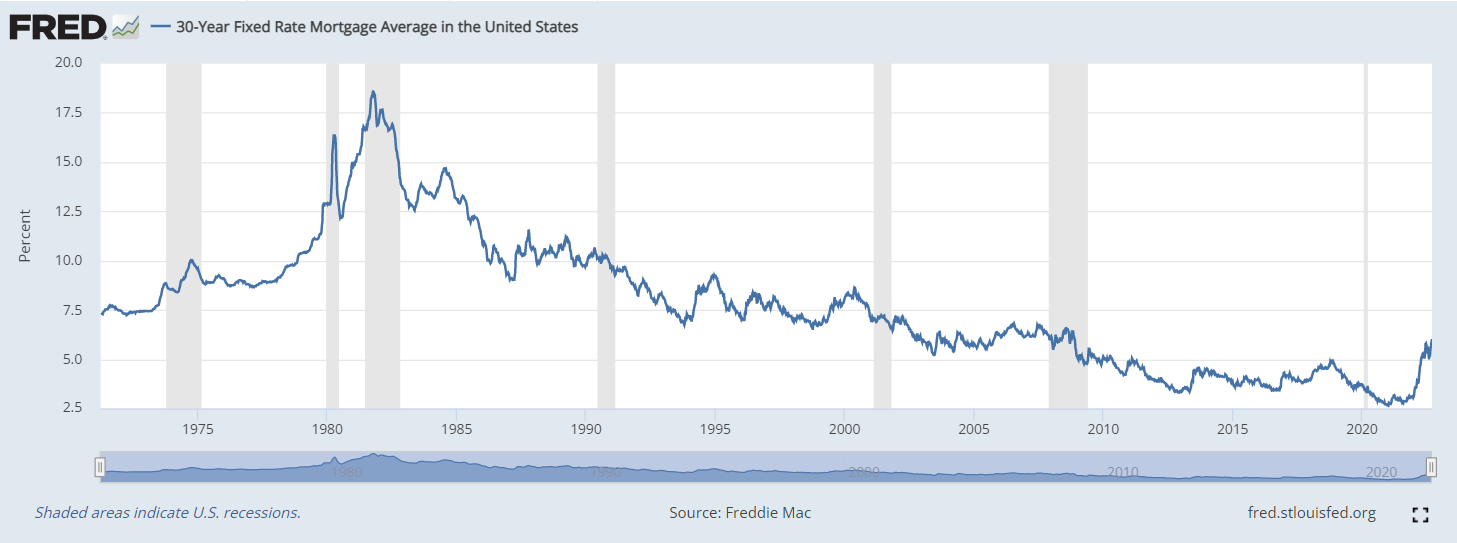
Then we can consider what kind of distortion this period has ultimately caused in the markets. Stock prices have already fallen significantly, and the damage to growth companies has been ugly, but what about the world’s largest asset class – real estate? The 30-year fixed mortgage rate has fluctu fluctuated between 3-8% in the 2000s. During the high inflation of the 70s and early 80s, it was almost 18%. At the same time, one can ponder the moral decay it has caused in politics when money has literally been available from “the wall.”
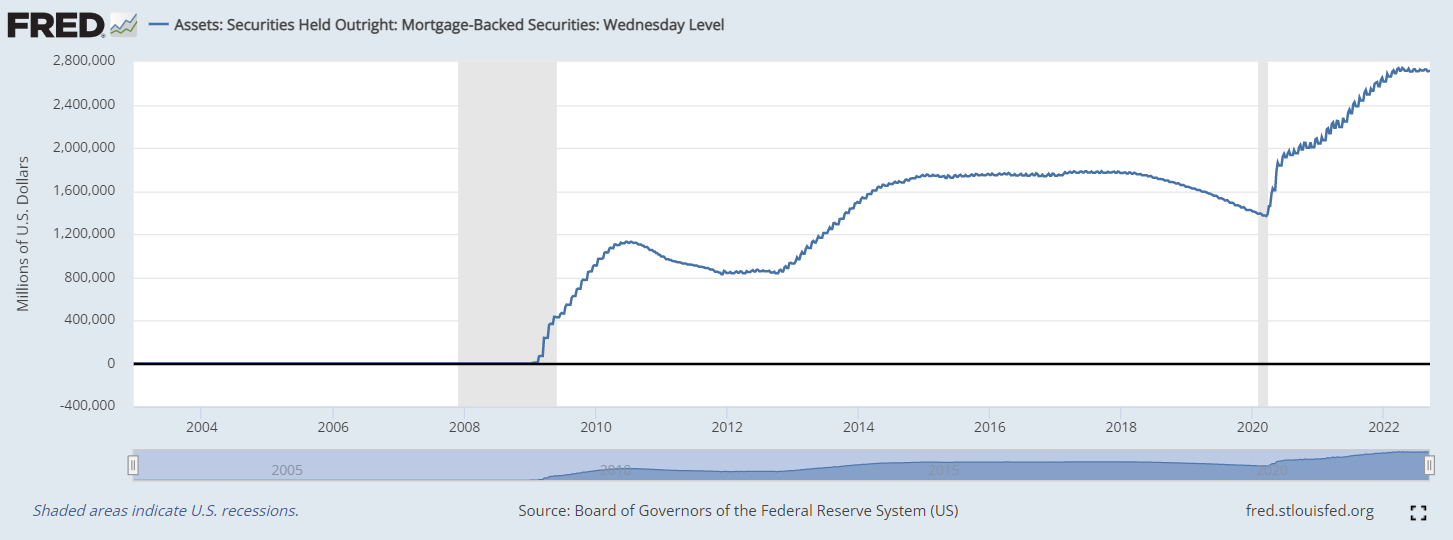
From that, one can see that the Fed’s actions clearly reduced the risk premium. The Fed was much more aggressive in the markets than in 2008, when the housing market itself went into crisis. And the craziest part is that the Fed continued its actions to prop up the housing market even in 2012-2014, to stimulate the housing market or whatever rationale they used.
Finally, I must say that the comparison of Bitcoin to a cancerous tumor certainly made me smile.
Stocks “feel” like they have partly absorbed the higher interest rate environment: after all, it’s precisely the long-duration darlings, spearheaded by the ARK ETF, that have crashed.
If interest rates rise sharply even more, this will naturally change. But the stock market has limited leverage and is not the largest asset class, so its impact elsewhere is limited, especially if only a part of the stock market collapses.
In contrast, real estate has immense leverage, it’s not as liquid, and through leverage, it’s directly connected to the banking system.
An active reader of this thread will see the problem here, which does not need further explanation.
Another interesting thought, by chance, I’ve been pondering the same things you brought up in your excellent writing for the past 24 hours: will debt go “out of fashion”? There’s a reason why certain age groups avoid debt like the plague. Once it hits you in the wallet…
What would be the implications for a world where deleveraging is the order of the day? Smells like… debt deflation.
It’s true that stock markets aren’t that bad. Everyone operating in the stock market knows its volatile nature, but housing markets are not perceived as volatile, and their hidden risks are not always considered.
It is admittedly crazy that newspapers have written about real estate investing as if it were free money. Roughly, these stories have gone like this:
Buy a property with approximately 70% leverage. Get a tenant who pays down your loan, and remember to deduct everything in taxes. Buy a new property, because values and rents only go up. Rent it out. Then buy a property with 100% leverage using already owned properties. And the cycle continues.
At some point, you move to Florida to enjoy the fruits of your labor.
But what if the value doesn’t go up? Or the cash flow (rental income) turns south. Or those loan interest rates skyrocket. To my knowledge, in Finland, customers’ solvency is tested with 6% interest rates. Probably not a big problem in Finland, but Finland is just a part of the euro and the global world, which many do not always take into account. The crisis would not start in Finland but somewhere else entirely.
The industry is super sensitive to costs. Could it be that they didn’t hedge their aviation fuel? I don’t know, just a wild guess.
Edit: I read the report. They are mainly complaining about the disappearance of demand. Could competitors have taken business with better prices? Prices in the industry have risen very quickly due to inflation, and perhaps that has driven an surprisingly large number of companies to switch suppliers, so that a general downturn would hit those who are performing worst in the competition, while others are doing “ok”.
Or perhaps other parcel freight companies will also have a poor earnings report next quarter.
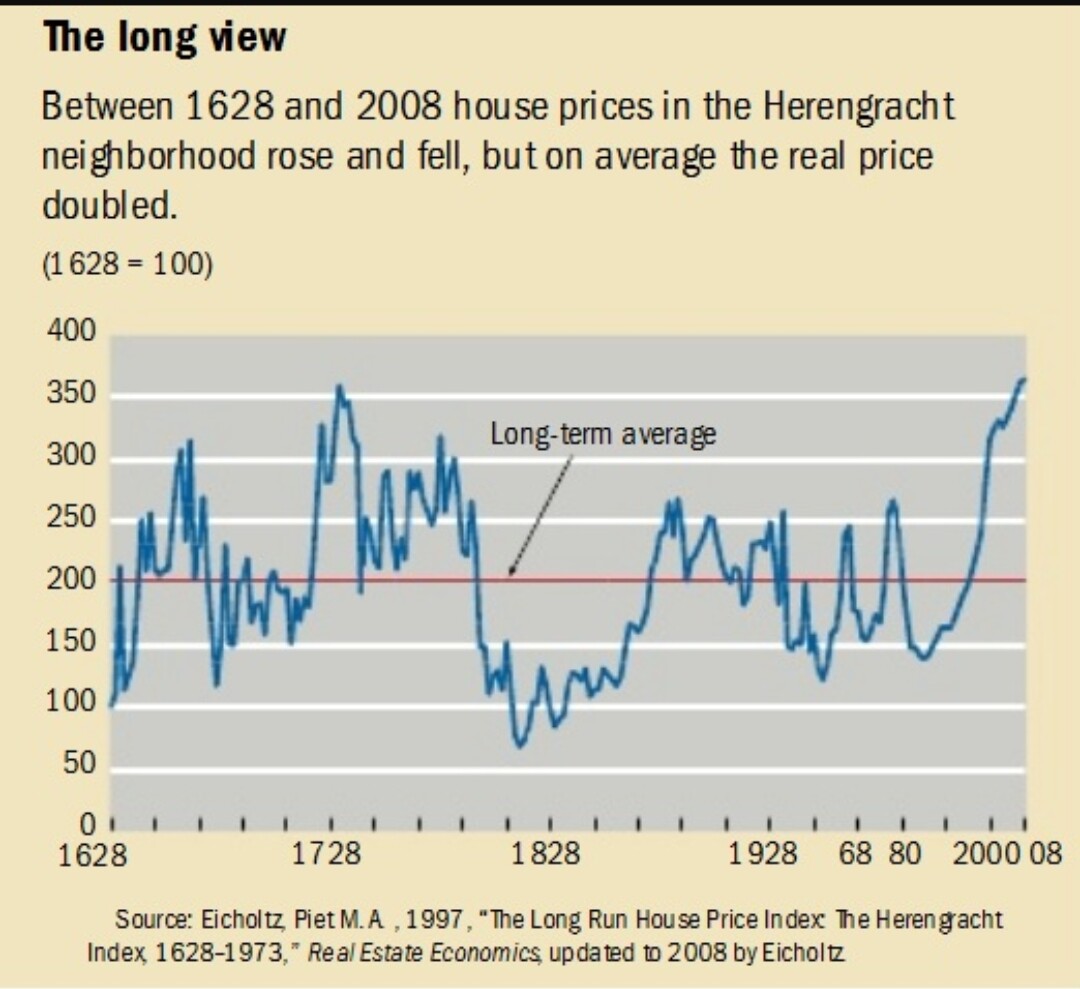
Thanks to outstanding Dutch record-keeping, Eichholz managed to construct the Herengracht house index covering house prices from the construction of the Herengracht in the 1620s all the way to 1975 at first, and later extended to 2008.
The thing with Herengracht is that it never fell out of favor during all these years, it was always (and still is) part of Amsterdam’s most attractive real estate.
1620s The Dutch Republic is in its first stage of its rise to global power.
1628 – 1633 The economy soars. Herengracht house prices double. The index begins at 100 in 1628 and reaches 212.7 in 1632
2000s Global property boom. In 2007 Dutch newspaper Handelsblad reported:
The average house on the Herengracht now costs 2.6 million euros. That is, on an inflation-adjusted basis, just a bit less than in 1736, when house prices along the Herengracht were at their historical high. If house prices keep rising at their current tempo, the 271-year-old record will be tied in 2008.





 You should also subscribe to Inderes Nordic; there are interesting videos about interesting topics and subjects.