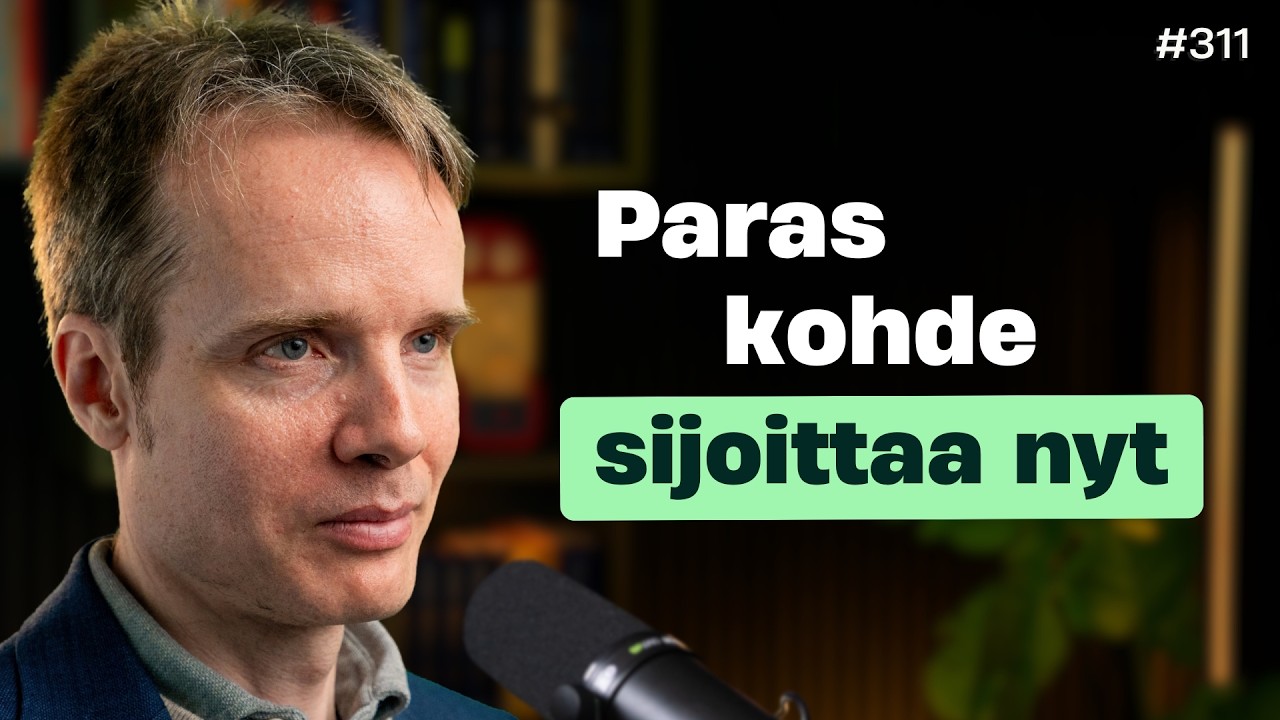
@m_jylha:n vieraana Pörssipodissa olivat pääekonomisti Pasi Kuoppamäki Milttonilta ja toimitusjohtaja Charly Salonius-Pasternak Nordic West Officesta
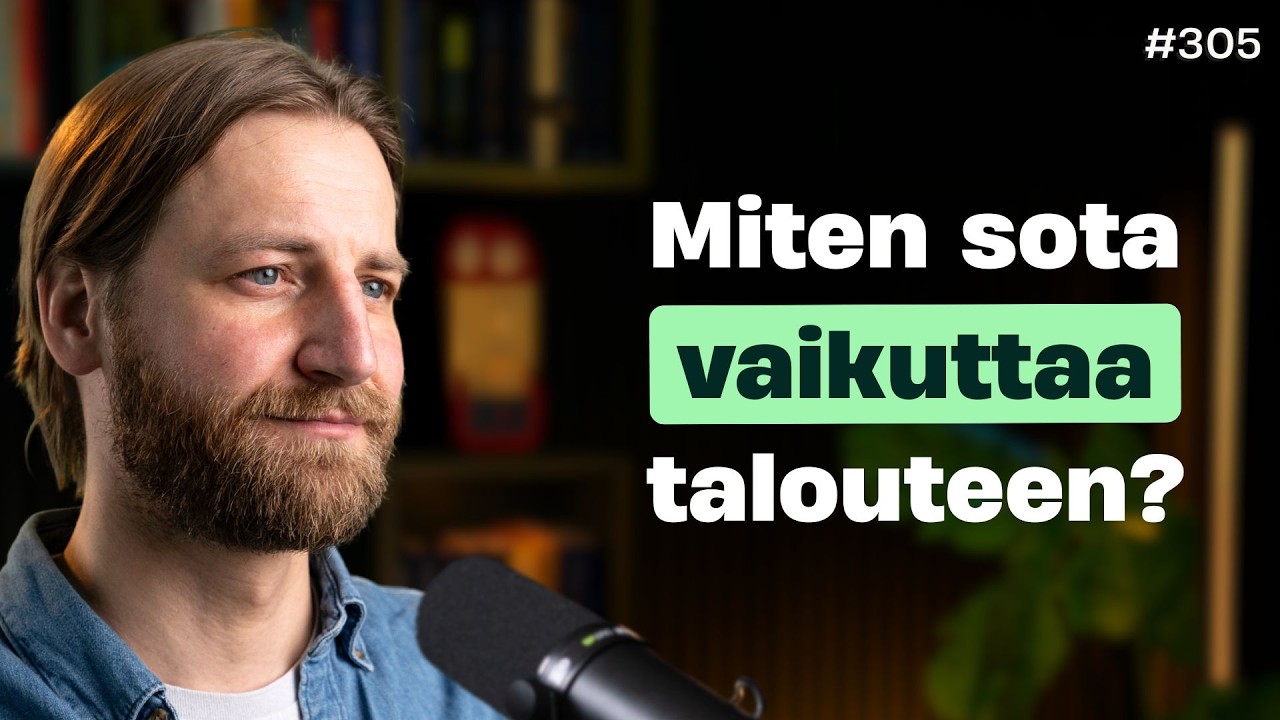
Kansainvälisen valuuttarahaston synkimmässä arviossa maailmantalouden kasvu hidastuu Iranin sodan seurauksena kahteen prosenttiin, mikä IMF:n määritelmän mukaan tarkoittaa taantumaa. Samalla inflaatio nousisi yli kuuteen prosenttiin. Työllisyys- ja inflaatiotavoitteet vetävät rahapolitiikkaa eri suuntiin, eikä konfliktille näy loppua. Tekikö Donald Trump tähän asti suurimman virheensä hyökätessään Iraniin? Keskustelemassa pääekonomisti Pasi Kuoppamäki Milttonilta ja toimitusjohtaja Charly Salonius-Pasternak Nordic West Officesta. Juontajana Mikko Jylhä.
Aiheet:
00:29 Esittely 01:38 Trump ja Iranin sota 19:23 Naton yhtenäisyys? 22:48 Tekoäly puolustuksessa 34:15 Sodan talousvaikutukset 45:32 Irti tuontienergiasta 50:40 Suomen talous, tekoäly 59:03 Unkarin vaalitulos 1:07:10 Lopuksi
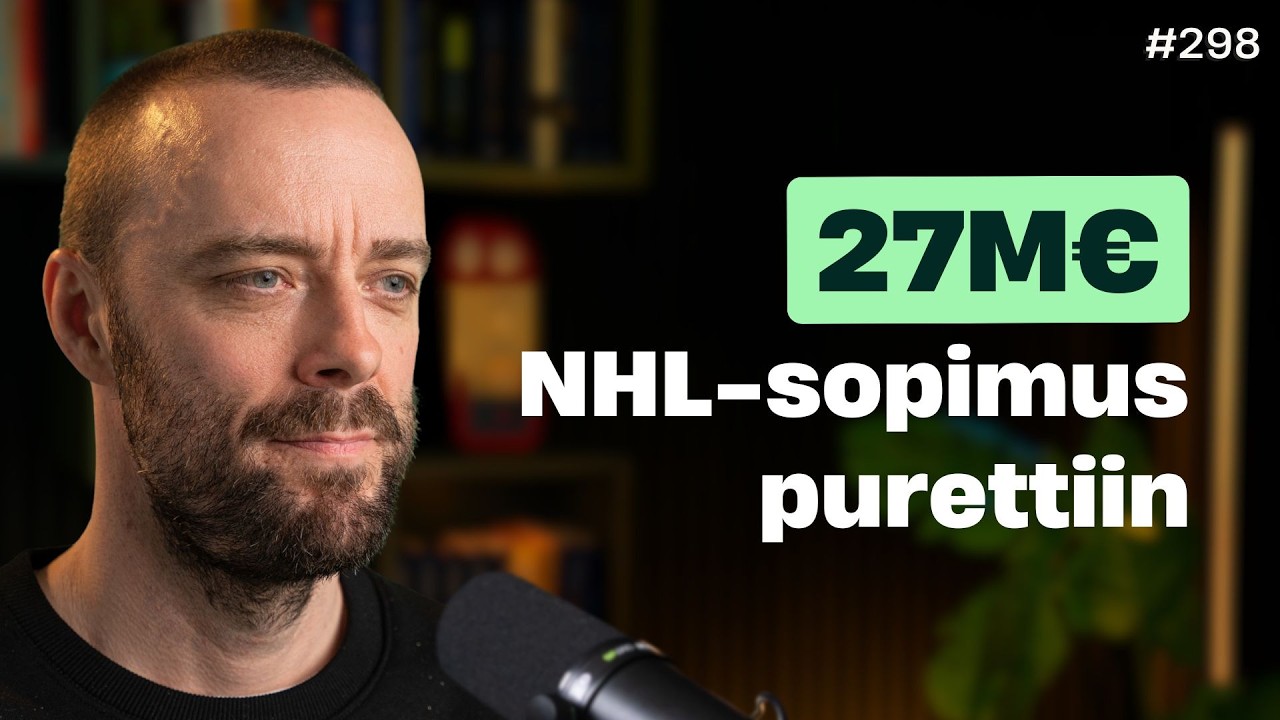
Sijoituskästissä oli mielenkiintoinen vieras, eli Ville Leino. Jaksossa oli asiaa mm. yrittäjyydestä, huippu-urheilusta ja siitä saatavien oppien siirtämisestä bisnekseen jne.
Aiheet:
0:00 Intro 2:20 Miten sovit jääkiekkokulttuuriin? 7:54 Raipelle huutaminen pelissä 11:47 Ensimmäinen NHL-sopimus ja peli 14:24 AHL:stä suoraan NHL:n ykköskenttään 17:33 Late bloomerin paineet 23:52 NHL-uran hienoimmat muistot 27:52 Mitä tähtenä nouseminen NHL:ssä teki mielellesi? 31:22 Pitääkö paikkaansa, että jokaisen pelin ensimmäinen laukaus meni maaliin? 33:17 Buffalon sopimus (27 miljoonaa) 34:42 Mitä ajattelit, kun Buffalo tarjosi sopimusta? 41:04 Tuliko Buffalon sopimuksesta paineita? 43:49 Miksi Leinoa ei peluutettu prime timessa Buffalossa? 45:44 Kuinka paljon julkiset palkkaluvut ja media vaikuttivat sinuun? 47:15 Miten keuhko voi puhjeta? 49:52 Kumpi johti uran alamäkeen – loukkaantumiset vai henkinen kantti? 51:11 NHL-urallesi naurettiin meemivideoissa 52:56 Miten sait kuulla siitä, että NHL-ura loppuu? 54:56 Millainen ajomatka Bostonista oli, kun tiesit, että kaikki on ohi? 56:44 Sinut ostettiin ulos NHL:stä? 58:54 Olitko kova kuluttamaan rahaa? (Louis Vuitton -arkku) 1:04:45 Mikä on ollut tyhmin ostos? 1:07:50 Miten päädyit perustamaan Billebeinon? 1:12:01 Kuinka nopeasti Billebeino lähti kasvamaan? 1:14:28 Millainen siirtymä urheilijasta yrittäjäksi oli? 1:17:33 Kuinka olet hyödyntänyt jääkiekkouran oppeja yrittäjyydessä? 1:20:24 Mitä konkreettisesti olet vienyt NHL-joukkueiden opeista Billebeinoon? 1:24:08 Billebeinon yrityssaneeraus 1:43:08 Mitä yrityssaneerauksesta seuraavaksi? 1:50:01 Mitä NHL-uran rahoista on jäljellä? 1:53:08 Sijoitatko rahaa johonkin? 1:56:33 Mielipide kryptoista?
Juuri näin. Lähinnä urheilu- ja sometähtipodihan tuo nykyään on. Jos ei osakkeista ja rahastoista enää juttua irtoa, niin mielelläni olisin kuullut sitten vaikka erikoisemmista sijoituskohteista ja maista. Varmaan on asiantuntijoita hyvinkin tuntemattomilta aloilta, joilla olisi paljonkin kerrottavaa mitä ihmeellisimmistä jutuista. Ekana tulis mieleen vaikka trendikäs energia-ala. Joku sähköpörssi ja kaupankäynti sähköllä on niin huonosti tunnettu asia, että mielellään siitä kuuntelisi juttua.
Sijoituskästissä on kyllä itselleni mielenkiintoiset vieraat vähentyneet huomattavasti. Alkujaan olin täysin heidän kohderyhmää, mutta kaippa meidän sijoittajina pitää ymmärtää, että markkinatalous sanelee ehdot. Jos sometähdillä ja julkkiksilla saa enemmän kuuntelijoita, miksi pakottaa muutaman tuhannen ihmisen nichelle podia kassavirrasta.
Kuuntelijat ne on tolla alalla mitkä ratkaisee, joten ymmärrän täysin miksi formaatti on muuttunut. Ymmärryksestä huolimatta oma kuuntelu on vähentynyt ehkä noin 5% jaksoista.
Tämä ei ole myöskään kriikkiä tai “heitteri”- kommentti. Toivon ukoille pitkää uraa ja mehevää tilipussia valitsemallaan polulla!
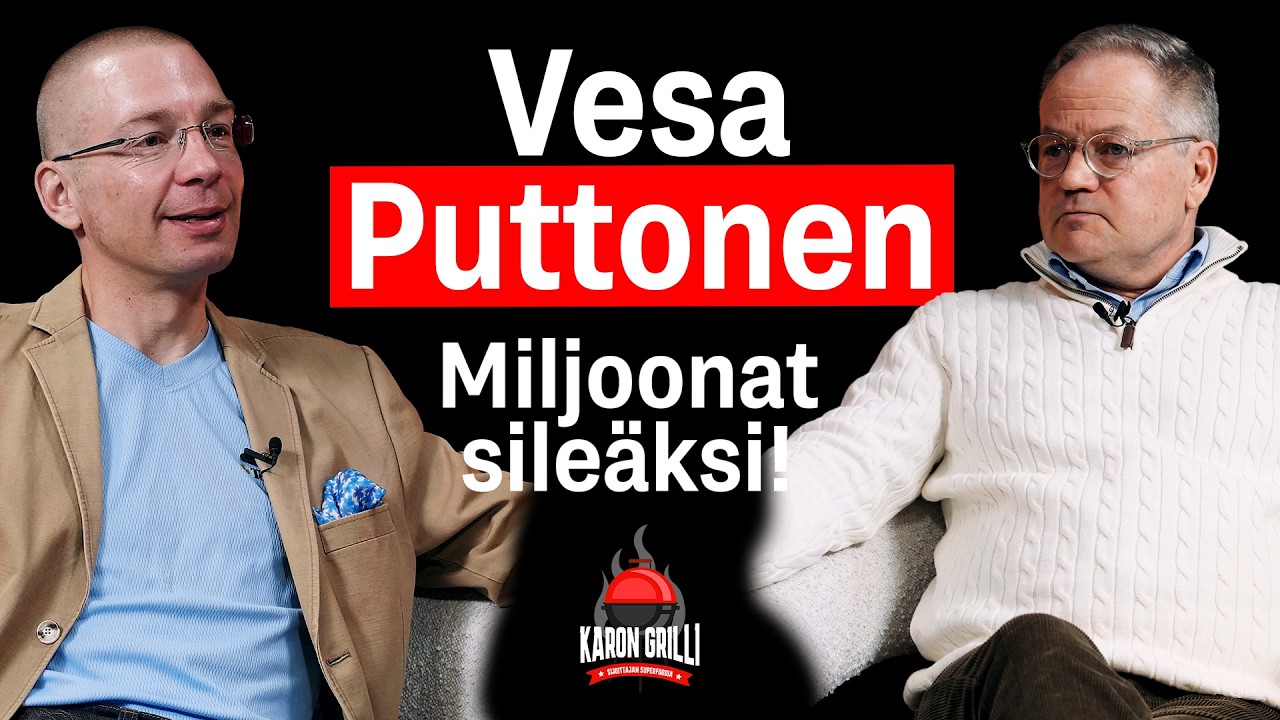
Puttosen Vesku oli @Karo_Hamalainen:n vieraana. Alokas haastattelee -ketjusta tutut veljet keskustelivat mielenkiintoisista aiheista, erityisesti energiajuomista!
Muuntautuminen muurahaisesta heinäsirkaksi ei todellakaan ole mikään helppo asia, mutta kun sitä nyt on jonkin aikaa opetellut, niin kyllähän se tanssiminen ja lauleskelukin tuntuu ihan hyvältä”, rahoituksen professori Vesa Puttonen sanoo.
Hän viittaa siihen, että viime vuosina hän on pyrkinyt aktiivisesti muuttamaan rahankäyttöään. Sen sijaan että varallisuutta pitäisi kaiken aikaa kartuttaa, hän on ottanut ohjelmalliseksi tehtäväksi rahan kuluttamisen ja laatinut itselleen kulutusbudjetin samalla tavalla kuin säästäjiä neuvotaan budjetoimaan säästöt.
”Vuoden lopussa olen tyytyväinen, kun olen saanut kulutusbudjettini täyteen.”
Kulutusmoodiin siirtyminen ei tietenkään tarkoita sitä, etteikö Puttonen tavoittelisi sijoituksillaan tuottoa. Sehän on ikään kuin sijoituspelin idea.
”On tavattoman mielenkiintoista seurata, mitä yrityksissä tapahtuu. Miten hyvältä tuntuukaan, kun onnistuu jossain sijoituksessa! Sillä, laskeeko sijoitussalkku tänään 10 prosenttia, ei ole mitään merkitystä elämääni nyt eikä tulevaisuudessa.”
Grillillä puhutaan myös sijoitusmaailman ajankohtaisista ilmiöistä kuten markkinoiden muuttumisesta vähemmän tehokkaiksi. Vesa Puttonen kertoo myös, miksi on sijoittanut F-Secureen ja miksi vähentänyt omistustaan Eagle Filtersissä.
Jaksosta selviää myös someyleisöä kuohuttanut kysymys: Miksi juuri ED-energiajuoma on rahoituksen professorin suosikki?
Salkunhoitaja Pasi Havia on laittanut suurimman osan rahastonsa salkusta tekoälyyn ja teknologiaan.
Jaksossa käydään läpi koko tekoälyn arvoketju: datakeskusten sähköntuotannosta Nvidian siruihin ja muistin pullonkaulaan. Lisäksi Havia kertoo, miksi välttää nyt ohjelmistoyhtiöitä sijoituskohteena.
Havia myös paljastaa, miten hän itse vibe-koodaa tekoälyllä omia sijoitustyökalujaan.
@m_jylha:n Pörssipodin tuorein jakso olisi tässä teille perjantain kunniaksi.
Podcasteista on tullut sijoittajille tärkeä tietolähde. Nordnetin Rahapodi ja Traders’ Club ovat vakiinnuttaneet paikkansa sijoituskeskustelussa. Kesko hyödyntää podeja ja vaikuttajaviestintää tekemällä kaupallisia yhteistöitä. Mimmit sijoittaa on kasvanut monikavaiseksi mediaksi, joka tekee podeja, järjestää tapahtumia ja kirjoittaa taloudesta. Miten hyödyntää podeja omassa viestinnässä? Miltton Phenomenal -tapahtumassa aiheesta keskustelivat sijoittajasuhdejohtaja Hanna Jaakkola Keskosta, operatiivinen johtaja Evita Lestinen Mimmit sijoittaa -mediasta ja maajohtaja Suvi Tuppurainen Nordnet Suomesta. Juontajana Mikko Jylhä.
Aiheet:
00:15 Esittely 03:12 Nordnetin merkkituotteet 08:29 Sijoittajasentimentti 11:37 Hanna IR-työstä 13:00 Kesko: podit ja vaikuttajat 22:15 Mimmit sijoittaa -media 31:23 Henkilöbrändien tärkeys 39:27 Kuuntelijaprofiileista 41:01 Tarjonta ja kilpailu 43:27 Voiko podi korvata tekstin? 48:31 Tekoälyllä tehty sisältö 53:05 Milloin oma podcast?
@m_jylha:n vieraana oli salkunhoitaja Petter Langenskiöld Evlistä
Tärkeimmät markkinateemat ovat nyt tekoäly, energia ja valtioiden velkaantuminen, listaa salkunhoitaja Petter Langenskiöld Evlistä. Hän hoitaa työkseen kolmea rahastoa, joista kulta- ja hopeakaivosyhtiöihin sijoittava Evli Silver and Gold tuotti viime vuonna yli 150 prosenttia. Rahasto perustettiin vuonna 2016 oletukselle, että valtioiden ylivelkaantuminen ja keskuspankkien ennätyksellinen omien valtioiden epäsuora rahoittaminen vahvistavat kullan ja hopean hintoja merkittävästi. Langenskiöld hyödyntää kontrasijoittamista, ja tekoälykärsijöiden lisäksi hän on tällä hetkellä kiinnostunut esimerkiksi Euroopan autoteollisuudesta. Mikko Jylhä haastattelee.
Aiheet:
00:24 Velkaantuminen ja keskuspankit 27:07 Kultakaivosyhtiöt ja arvometallit 40:24 Kryptot, dollarin valta-asema 54:18 Tekoälykärsijät, Evli Hannibal 1:12:17 Britannian osakemarkkinat 1:16:46 Sijoitusympäristö nyt? 1:24:11 Kiinteistösijoitusyhtiöt 1:31:11 Tärkeimmät markkinateemat 1:38:24 Warsh aloittaa Fedissä
@m_jylha:n vieraana Pörssipodissa oli tällä kertaa Aaron Kaartinen
Sijoittaja Aaron Kaartinen työskenteli vuosia osakeanalyytikkona, mutta jättäytyi pois päivätöistä vuonna 2021. Elämänmuutoksen mahdollisti osakesalkku, josta löytyivät sekä Revenio Group että Qt Group. Viime vuodet ovat olleet pienyhtiöille vaikeita, mutta Kaartinen luottaa niihin edelleen. Hän etsii kohteita Pohjoismaista ja Euroopasta, ja on kasvuyritysten lisäksi kiinnostunut käänneyhtiöistä. Kuinka moni pieni käänneyhtiö lopulta kääntyy? Mikä on makrotalouden tapahtumien paino Kaartisen sijoituspäätöksissä? Mikko Jylhä haastattelee.
Aiheet:
00:26 Pois päivätöistä 10:51 Makron merkitys 18:09 Ulos Duellista 21:52 Tekoälyn eteneminen 28:01 Käänneyhtiöt 37:30 Mennyt pienyhtiöbuumi 49:03 Revenio Group, Qt 58:31 Lindex Group 1:01:06 Coffee Stain ja pelit 1:08:27 Shelly Group 1:13:27 Dellia salkun suurin 1:21:40 Lopuksi
Tässä jaksossa vieraana on Verneri Pulkkinen, jonka kanssa sukelletaan historian, talouden ja sijoittamisen risteyskohtiin. Keskustelussa pohditaan, miksi historia auttaa ymmärtämään nykymaailmaa usein paremmin kuin hektinen uutisvirta, ja millä tavoin nykypäivän globalisaatio, suurvaltajännitteet ja liittosuhteet muistuttavat aiempia murroskausia. Jaksossa käydään läpi ensimmäisen maailmansodan opetuksia, teknologioiden hidasta kypsymistä, pörssikuplien toistuvia psykologisia kaavoja sekä sitä, miten sodat ja kriisit ovat historiallisesti vaikuttaneet osakemarkkinoihin. Lopuksi puhutaan osaketuottojen pitkän aikavälin oletuksista, markkina-ajoittamisen vaikeudesta, säästämisen ja velkaantumisen roolista taloudessa sekä siitä, miten sijoittajan kannattaa suhtautua historiaan: ei ennustuskoneena, vaan ajattelun työkaluna.
Aiheet:
0:00 Intro 2:03 Jos haluaa ymmärtää nykyhetkeä: historia vs uutismedia 7:05 Millä tavalla historia flirttailee menneisyyden kanssa? 10:32 Keksinnöt, jotka keksittiin jo 100 vuotta sitten 12:24 Nykytilanne vs. WW1 14:55 Miksi ensimmäinen maailmansota syttyi? 20:47 Onko sodilla ja osakemarkkinoilla tapana kulkea samaa kaavaa? 26:11 Pitääkö 9 % tuotot menneisyydessä ja tulevaisuudessa paikkaansa? 30:59 Miten talous reagoi WW1:een ja miten siitä palauduttiin? 33:49 Onko deflaatio vakava asia? 39:45 Väite: “Vaurastujan tienestit ovat pois muilta” 45:07 Syntyikö WW1:stä mitään hyvää ihmisille? 46:53 Miten mentiin 20 vuotta myöhemmin vielä kauhempaan konfliktiin – WW2? 50:47 Miten natsit nousivat valtaan ja saivat tollaisen suosion? 52:15 Miten WW1 ja WW2 erosivat toisistaan? 54:51 Oliko WW2 hirvein aika sijoittaa? 57:40 Mitä hyvää WW2 toi? 1:00:39 WW2:n jälkeiset merkittävimmät sodat 1:04:17 Raaka-aineet ja innovaatio 1:08:02 Syy-seuraussuhteet Lähi-idän konfliktilla Suomeen 1:13:29 Aliuutisoidut asiat suhteessa merkitykseen 1:16:55 Onko jenkkipörssiä kannatellut aina muutama yhtiö? 1:21:35 Minä päivänä pörssi kosahtaa? 1:23:29 Indikaattorit historiassa pörssikuplasta 1:28:15 Miten luonnehtisit nykyhetkeä – mikä on relevanttia? 1:40:43 Mielipide kryptoista?
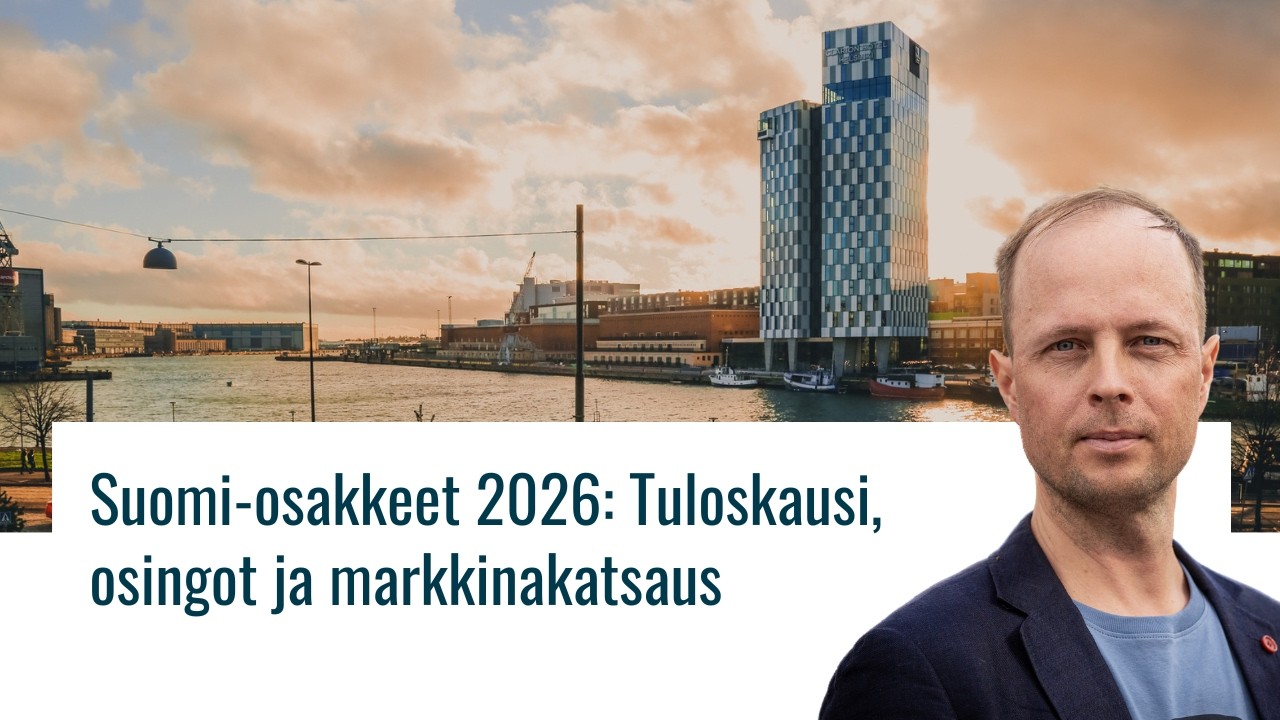
Tässä on Timo Heikkilän video, jossa tehdään tuloskausitsekkaus ja markkinakatsaus
Suomen osakemarkkinoilla eletään poikkeuksellisen mielenkiintoista aikaa. Käynnissä oleva tuloskausi nostaa odotukset korkealle, ja osingot kiinnostavat sijoittajia. Lähi-idän tilanteen aiheuttama epävarmuus heiluttaa markkinoita – mutta tarjoaa samalla mahdollisuuksia sijoittajille. Webinaari järjestettiin 5.5.2026 klo 18.00. Vetäjänä toimii Timo Heikkilä Sijoittaja.fi:stä. Webinaarin sisältö:
Mitä tuloskausi paljastaa yhtiöiden todellisesta kunnosta?
Kannattaako osinkojen perässä vielä juosta vai löytyykö arvo muualta?
Mitkä suomalaisyhtiöt ovat kiinnostavimpia juuri nyt?
Olipa ilo kuunnella turinointia sijoituskästin poikien kanssa, kun varteista poiketen ei tarvinnut pelkkää monologia pitää ja aikaa oli. Tuo historian tuntemus on kyllä kadehdittavaa. Sen pohjalta kun sitten tarkastelee syy- ja seuraussuhteita niin ei ihme että homma on vakuuttavaa.
Tykkään muutenkin tuosta asillisesta ja analyyttisestä lähestymisestä kaikkeen, ilman että se on kuitenkaan kuivaa ja tylsää. Sitä nykyajan tiktok-kohkaamista ja mölyämistä, jossa kaikki mutkat vedetään suoriksi, ei vaan tahdo enää jaksaa!
Mää oon nykyään ihan Ferneri-fani!
Sain kunnian keskustella sijoittamisesta, markkinoista ja erityisesti myös lapsille ja nuorille sijoittamisesta Karri Salmen ja Sven-Eric Holmströmin kanssa. Näillä herroilla on varmasti yksi parhaimmista näköalapaikoista edellä mainittujen aiheiden piirissä.
Käy kuuntelemassa uusin jakso Youtubesta, Spotifyista tai Podimosta!
Osakemarkkinat ovat jatkaneet nousuaan teknologiayhtiöiden vetämänä, vaikka Iranin sota aiheuttaa epävarmuutta. Tekoälyyn liittyvissä osakkeissa ollaan nähty alkuvuonna huimia, jopa satojen prosenttien kurssinousuja. Kesällä saattaa toteutua kaikkien aikojen arvokkain pörssilistautuminen, jos Elon Muskin perustama SpaceX tulee pörssiin. Salkunhoitaja, treidaaja Jukka Lepikkö on kiinnostunut erityisesti yrityksistä, jotka hyötyvät kasvavista investoinneista datakeskuksiin ja tekoälyinfrastruktuuriin. Mikko Jylhä haastattelee.
00:35 Salkunhoitajan perspektiivi 5:30 Sijoitusteemana AI-infra 7:10 Nvidia, AMD, Broadcom, Intel 19:00 TSMC 23:02 Hyperskaalaajat 24:39 Muistinvalmistajat: Micron 31:47 Wärtsilä ja Bloom Energy 43:14 Arvostrategian tulevaisuus? 46:44 Nokia 49:01 Palo Alto Networks 55:24 Kvanttiyhtiöt: IONQ 1:02:26 Tesla ja SpaceX 1:13:46 Miksi ei kuplaa? 1:16:06 Missä kiinalaisyhtiöt? 1:18:48 Lopuksi
Nyt on kunnollista, tosin ehdin vasta aloittaa kuuntelun, eli Sijoituskästin vieraana oli Pietari Laurila
Tässä jaksossa vieraana on Pietari Laurila, jonka sijoitustoimintaa seuraavat miljoonat ihmiset ja jonka liikkeitä kopioidaan valtavalla pääomalla. Keskustelussa pureudutaan siihen, mikä Pietarin sijoitustyylissä erottaa hänet muista, miksi hän suosii arvoa ja sektorinäkemystä teknologiahypen sijaan sekä miten hän rakentaa salkkunsa tilanteessa, jossa geopoliittinen epävarmuus heiluttaa markkinoita tavallista enemmän.
Samalla käydään läpi Pietarin tämänhetkistä salkkua, näkemyksiä energiasta, eurooppalaisista pankeista ja terveydenhuollosta sekä sitä, miten Hormuzinsalmen kriisi voi näkyä markkinoilla ja sijoittajan päätöksissä. (Jakso nauhoitettu 20.5.2026)
Aiheet:
00:00 Intro 2:33 Maailman seuratuin salkku 5:21 Seuraajien menettäminen 5:58 Öljymarkkinat 12:30 Lähi-idän tilanne, Hormuzinsalmi 17:27 Mitä salkusta löytyy kuvauspäivänä? 22:01 Pankit sijoituksena (salkun sisältö) 26:46 Jom Kippur -sota 30:31 Öljykriisistä lamaan? 32:42 Terveydenhuoltosektori (salkun sisältö) 36:22 Kriisin jatkuminen parempi salkulle? 38:53 Poikkeuksellinen vuosikymmen menossa? 42:43 Populistisen politiikan hyvät & huonot puolet 49:06 Päivittäistavarakaupan osakkeet (salkun sisältö) 51:44 Satunnainen kokoelma arvoyhtiöitä (salkun sisältö) 53:40 Maailmanlopun salkku? 54:51 Kriisin jälkeen 57:28 Mistä yhtiöstä erityisen innoissaan? 59:14 Salkun track record & ison pääoman ongelma 1:04:39 Tuotot tänä vuonna 1:07:37 Seuraajien palaute salkusta 1:13:12 Salkun arvo 1:13:47 Makronäkemys vs yhtiöiden poimiminen 1:20:45 Tekoälyosakkeet kuplassa? 1:23:45 Tekoälyn hyödyntäminen analyysissä 1:32:20 Arki Dubaissa 1:37:06 Mielipide kryptovaluutoista?
Listautumisen yhteydessä yhtiöitä markkinoidaan sijoittajille poikkeuksellisen laajasti. Investointipankkiirit ja > muut tarinankerronnan ammattilaiset on valjastettu esittämään yhtiö sellaisena, jona se saa mahdollisimman suuren arvon.
Muutama vuosi sitten yhtiöt profiloituivat vihreämmän maailman maalareiksi. Tällä hetkellä neuvonantajat raapivat päänsä puhki, kuinka yhtiön saisi esitettyä puolustusteollisuuden yhtiönä.
Käyttäähän armeija näkkileipääkin, mutta ei se tee näkkileipävalmistajasta puolustusfirmaa.
Listautumisen markkinoinnissa maalatun tarinan ja yhtiön todellisuuden vertaaminen on yksi seikoista, joihin kiinnitän huomiota, kun arvioin listautuvaa yhtiötä sijoituskohteena. Ylimarkkinoiminen ja satuilu antavat listautumiselle happaman sivumaun.
Grillin monologijaksossa kerron prosessin, jonka avulla tutustun listautuvaan yhtiöön, ja nostan esiin asiat, joihin kiinnitän huomiota arvioidessani listautumiseen osallistumista. Listautumisessa kun tavanomaisen yhtiöanalyysin rinnalla on monta muuta seikkaa, joiden perusteella voi pyrkiä uumoilemaan listautuvan yhtiön lyhyen ja keskipitkän aikavälin kehitystä.
Ovatko tulosluvut kestäviä? Onko niitä kaunisteltu tulosmanipulaation (financial engineering) keinoin normaalia enemmän?
Millaisia ankkurisijoittajia yhtiö on saanut? Mikä mahtaa olla yhtiön suurimpien omistajien suunnitelma ja intressit yhtiön suhteen?
Aiemmin Grillissä on käsitelty sitä, mitä tilastot kertovat listautumisista. Kannattaako niihin osallistua ja millä taktiikalla?
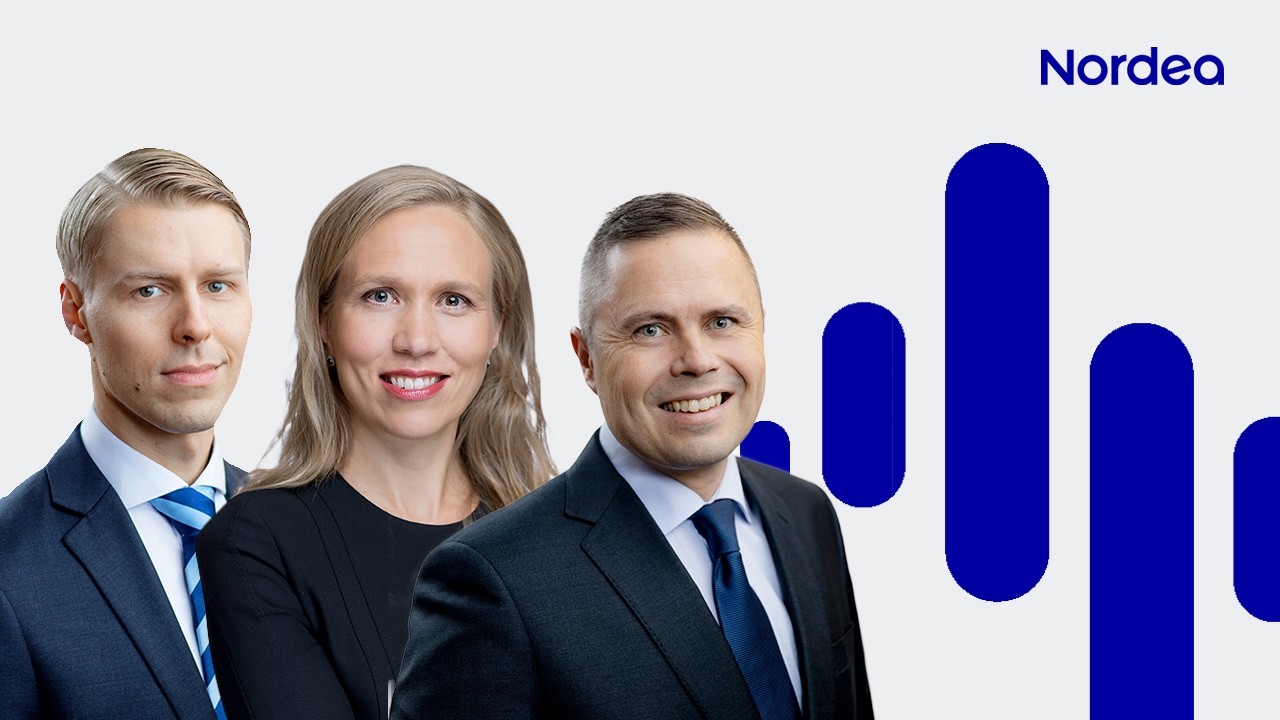
Tässä on tuore Nordean podi, jossa keskustellaan ajankohtaisista asioista.
Pörssikurssien reipas nousu jatkui toukokuussa. Mikä tätä selittää? Mistä kehittyvien maiden pörssien isot tuottoerot johtuvat? Mitä sijoittaja voi jatkolta odottaa? Strategimme Hertta Alava, Ville Korhonen ja Antti Saari keskustelevat muun muassa näistä teemoista.
Minua vähän jurppii tämän ketjun otsikko. Eivät podcastit ja kirjat ole toisensa poissulkevia vaan niillä on eri käyttötarkoituksia. On esimerkiksi vaikea lukea kirjaa kun leikkaa nurmikkoa.
Pitäisikö ketjun nimi vaihtaa esimerkiksi muotoon “Podcastit talousaiheista”


 Juuri näin. Lähinnä urheilu- ja sometähtipodihan tuo nykyään on. Jos ei osakkeista ja rahastoista enää juttua irtoa, niin mielelläni olisin kuullut sitten vaikka erikoisemmista sijoituskohteista ja maista. Varmaan on asiantuntijoita hyvinkin tuntemattomilta aloilta, joilla olisi paljonkin kerrottavaa mitä ihmeellisimmistä jutuista. Ekana tulis mieleen vaikka trendikäs energia-ala. Joku sähköpörssi ja kaupankäynti sähköllä on niin huonosti tunnettu asia, että mielellään siitä kuuntelisi juttua.