Globaaleissa megacap yhtiöissä pitkään töitä tehneenä voin vakuuttaa, että maayhtiöllä ei ole mitään sanottavaa tälläisiin päätöksiin. NYC ilmoittaa keneltä ostetaan juomat.
2 tykkäystä
Eilen kun jälleen kerran ravintolassa “kokista” pyydettyäni minulta kysyttiin jälleen kerran kelpaako pepsi jäin ruokaa odotellessa miettimään näiden juomien markkinaosuuksia suomalaisissa ravintoloissa. Omien kokemusten mukaan ravintoissa Pepsin markkinaosuus on ihan ylivoimainen. Johtuuko se sitten asiakkaiden oletetuista mieltymyksistä, hinnasta vai markkinoinnista, en tiedä.
Omasta jääkaapista löytyy nykyään Maxia ja Zeroa ja se kumpaa milloinkin otan riippuu minkä kanssa sitä aion juoda. Suorina osakesijoituksia löytyy tällä hetkellä vain kokista.
2 tykkäystä
Varmaan kaikki em. asiat vaikuttaa, mutta suurin merkitys taitaa olla diileillä mitä ketjut tekee toimittajien kanssa. Paras yksikköhinta voittaa. Lisäksi Pepsi on inasen makeampaa kuin cokis, joten keskimäärin se ravintolassa uppoaa paremmin keskivertokuluttajaan jolle brändillä ei väliä. Koska makeampi == parempi == parempi asiakaskokemus.
2 tykkäystä
Tässä on Pepsistä lyhyehkö tviittiketju, ihan hyvä, mutta ei sinällään ihmeempää. 
https://x.com/srn_wealth_89/status/1875568331706507563


3 tykkäystä
Tviittiketjun mukaan Pepsi vaikuttaa tällä hetkellä erittäin edulliselta. FastGraph-analyysin perusteella osakkeella voi olla potentiaalia tuoda jopa yli 15 % vuosittaisia tuottoja.
Useat merkittävät sijoittajat omistavat paljon tätä yhtiötä, mutta ei kai siinä kummallisempaa. Yhtiötä haastavat laskevat myyntivolyymit ja terveyskeskeinen politiikka, mikä painaa markkinoiden mielialaa. Tämä on tviittaajan mukaan luonut narratiivin, että yhtiö on saavuttamassa “kylläisyyspisteensä”, mutta toisaalta vastakkainen näkökulma korostaa juomien ja välipalojen jatkuvaa kysyntää. Yhtiö seuraa kuluttajatrendejä esimerkiksi Siete-hankinta.
Tekninen analyysi osoittaa osakkeen olevan ylimyyty.
https://x.com/ftorre104/status/1876607041248346323


10 tykkäystä
Pepsi Maxin litrahinta on noussut 0,6 eurosta ennen inflaatiota 0,84 euroon per litra, eli 40 % (Prisma). Ihmisten ansiot eivät ole samalla lailla nousseet ja Pepsin myyntivolyymeissa on laskupainetta. Vaihdoin itsekin merkkiä edullisempaan.
Onko PepsiCo edullinen osake? Alla faktoja:
Osakkeita ulkona (1.lokakuuta 2024): 1 371 989 025
Osakkeen hinta: $142,82
Market cap: 195 947 miljoonaa.
Velat (Q3): 38490 + 6524 = 45014 miljoonaa
Likvidit varat: 7308 + 743 = 8051 miljoonaa
Enterprise value (EV): 195 947 + 45014 - 8051 = 232 910 miljoonaa.
Entäpä kassavirrat?

Taseen omavaraisuusaste on 19,5 %. Pepsikään ei voi loputtomasti velkaantua osinkoa maksaakseen ja toisaalta osingon maksamisen jälkeen rahaa ei jää paljoa investoitavaksi. Luulen että osakkeen fundamentteihin perustuva tuotto-odotus jäänee noin 3,5 %:iin ennen osinkoveroja.
2 tykkäystä
Tässä on tällainen tiivis analyysi Pepsistä.
Referoiden:
Pepsin kasvun hidastuminen on ollut arvattavissa yrityksen kypsyyden vuoksi, mutta pitkän aikavälin kasvupotentiaali on joka tapauksessakohtuullinen. Nuoret kuluttavat edelleen paljon välipaloja, vaikka terveysbuumi haastaa. Kilpailu kovenee, mutta yhtiö pysyy vakaana sijoituksena tarjoten mainion osinkotuoton. 
https://x.com/Quality_stocksA/status/1879890129893896213


4 tykkäystä
Pepsin tulos ylitti odotukset voiton osalta, mutta liikevaihto ja orgaaninen kasvu jäivät hieman ennusteista.
Pohjois-Amerikassa Frito-Layn ja Quaker Foodsin liikevaihto laskivat, kun taas kansainväliset markkinat, kuten erityisesti Eurooppa ja Aasia kasvoivat vahvasti. Valuuttakurssit vaikuttivat negatiivisesti tulokseen. Vuoden 2025 näkymissä odotetaan maltillista kasvua ja jatkoinvestointeja kansainvälisiin markkinoihin, samalla kun Pohjois-Amerikan liiketoimintaa pyritään vahvistamaan strategisesti.
https://x.com/CmgVenture/status/1886779674904174833


8 tykkäystä
Yhtiön ensimmäinen kvartaali oli vakaa epävarmasta maailmantilanteesta huolimatta.
Tulevaisuudessa globaalin kaupan kehitys voi kuitenkin nostaa toimituskuluja ja kuluttajien tilanne on monin paikoin heikko. Yhtiö pyrkii hallitsemaan kustannuksia ja kehittämään kansainvälistä liiketoimintaansa sekä parantamaan erityisesti Pohjois-Amerikan tulosta.
Vuoden 2025 liikevaihdon odotetaan kasvavan hieman, mutta toisaalta tuloksen odotetaan pysyvän samalla tasolla. Osinkoa korotetaan viidellä prosentilla.

https://x.com/Earnings_Time/status/1915347758870913412

Tässä tviitissä on tärkeät nostot:
https://x.com/finchat_io/status/1915400851470061945


7 tykkäystä
Blumma jutussa tuotitaan esille, miten yhtiö on laskenut koko vuoden tulosnäkymiään epävarman kauppapolitiikan ja heikkenevän kuluttajaluottamuksen vuoksi, jotka nostavat kustannuksia ja vähentävät tuotteiden kysyntää.
Yhtiö odottaa nyt tuloksensa pysyvän vuoden 2024 tasolla aiempien kasvunäkymien sijaan, lisäksi terveysministeriön suunnitelmat kieltää tietyt elintarvikevärit ja rajoittaa sokeristen tuotteiden saatavuutta voivat vaikuttaa yhtiön liiketoimintaan.
7 tykkäystä
tulos kai aika flätti tänä vuonna ja pepsico korottaa todennäköisesti osinkoa. katselin piruuttain FCF / dividend suhdetta viimeiseltä 5 vuodelta:

aikalailla tapissa ollaan vapaan kassavirran ja osingon kanssa. Pepsi tulee kyllä kääntämään kaikki kivet, että 53 vuotta nousevaa osinkoa jatkuu.
9 tykkäystä
Kiinnostava yhtiö ja valuaatio mutta tuo toimintojen jatkuminen Venäjällä julmasta hyökkäyssodasta huolimatta on kyllä turhan hävytöntä omaan makuun.
2 tykkäystä
Pepsi on venäjäyhteyksien kanssa ehkä mielenkiintoisin yritys mitä löytyy. Yhtiö on ollut venäjällä lähes alusta asti. Onnistui välttämään Stalinin massamurhakaudet, mutta mukana kaikkina muina massamurhakausina jostain 70-luvulta alkaen. Neuvostoliiton sotilasparaatista löytyy logo taustalta:

Miksi näin? Tuosta on ollut jotain spekulaatiota että CIA myötävaikutti vientiluvan saamiseen, jotta päästiin tuomaan tuulahdus kapitalismia ja vapautta mordorin ytimeen. (Mutta tämä oli toki aikana kun jenkkien puolella oli vielä kyky pehmeään vaikuttamiseen ja monimutkaiseen ajatteluun.)
Tämä johti lopulta siihen että Pepsillä oli neuvostoliiton romahdettua iso kasa saatavia entiseltä neuvostoliitolta, mikä maksettiin sillä mitä valtiolta löytyi, ja ainoa asia mistä neuvostoliitossa ei ollut pulaa oli sotavermeet. Joten lopulta Pepsillä oli hetken aikaa maailman kuudenneksi suurin laivasto.
Noin yleisesti länsiyhtiöiden toiminta nykyisessä mordorissa on hyvin tuomittavaa. Mutta erityisesti Pepsin kohdalla tässä kuviossa on mielenkiintoisia sivujuonteita.
6 tykkäystä
Tässä on video Pepsin armeijasta.
Pepsi-Colan historia ulottuu 1890-luvulle, jolloin Pohjois-Carolinan apteekkari Caleb Bradham kehitti uuden juoman nimeltään Brad’s Drink. Tavoitteena oli luoda virkistävä juoma, joka edistäisi terveyttä ja auttaisi ruoansulatuksessa. Viiden vuoden jälkeen juoma nimettiin Pepsi-Colaksi, ja se alkoi nopeasti saavuttaa suosiota. Pepsi-Colan virallinen yritys perustettiin vuonna 1902.
Pepsi kasvoi nopeasti, mutta ensimmäinen maailmansota toi haasteita. Sokerin hinnan nousu ja Bradhamin strateginen virhe johti yhtiön konkurssiin vuonna 1923. Sen jälkeen Pepsi siirtyi useiden eri omistajien hallintaan. 1930-luvulla yritys palasi voimakkaasti markkinoille myymällä suurempia pulloja pienemmällä hinnalla, mikä auttoi sitä saamaan jalansijaa juomamarkkinoilla ja kilpailemaan Coca-Colan kanssa.
1950-luvulla Pepsi laajensi toimintaansa kansainvälisesti ja onnistui murtautumaan Neuvostoliiton markkinoille kylmän sodan aikana. Vuonna 1958 solmittiin Lacy-Zarubin-sopimus, joka avasi kulttuurivaihdon Yhdysvaltojen ja Neuvostoliiton välillä. Pepsi pääsi ensimmäisenä amerikkalaisena brändinä Neuvostoliiton markkinoille. Brändi nähtiin symbolina länsimaisesta elämäntyylistä ja kapitalismista. Pepsi saavuttikin suurta suosiota neuvostokansalaisten keskuudessa.
1980-luvun lopulla Neuvostoliiton taloudellinen tilanne heikkeni merkittävästi, ja maan valuutta, rupla, ei ollut kansainvälisesti käyttökelpoinen. Neuvostoliitto ei enää voinut maksaa Pepsin tuotteista vodkalla, kuten aiemmissa barter-sopimuksissa, ja sen oli etsittävä uusi ratkaisu. Vuonna 1989 Neuvostoliitto tarjosi Pepsille maksuksi sotatarvikkeita, mukaan lukien 17 sukellusvenettä, risteilijä, fregatti ja hävittäjä. Tämän erikoisen kaupan arvo oli noin 3 miljardia dollaria.
Sopimus oli paitsi taloudellisesti merkittävä myös symbolisesti tärkeä. Neuvostoliitto joutui myymään sotilasvarusteitaan maksaakseen länsimaisista tuotteista, mikä kuvasti maan taloudellista kriisiä ja kylmän sodan loppuvaihetta. Pepsin toimitusjohtaja Donald Kendall oli keskeisessä roolissa neuvotteluissa, ja sopimuksen jälkeen Kendall vitsaili, että Pepsi “riisui Neuvostoliittoa aseista nopeammin kuin Yhdysvaltain hallitus.”
Pepsi ei pitänyt sotalaivastoa itsellään, vaan myi alukset romuksi, mikä toi yhtiölle huomattavia taloudellisia hyötyjä. Tämä poikkeuksellinen sopimus herätti kansainvälistä huomiota, ja Pepsiä kutsuttiin hetkellisesti maailman kuudenneksi suurimmaksi sotilaalliseksi voimaksi. Sopimus symboloi Neuvostoliiton talouden ja järjestelmän lopullista romahdusta kylmän sodan loppuvaiheessa.
Neuvostoliiton hajoaminen joulukuussa 1991 vaikeutti Pepsin toimintaa, mutta yritys säilytti asemansa Venäjällä ja muissa entisissä Neuvostoliiton maissa, vaikka Coca-Cola otti osan markkinoista haltuunsa.
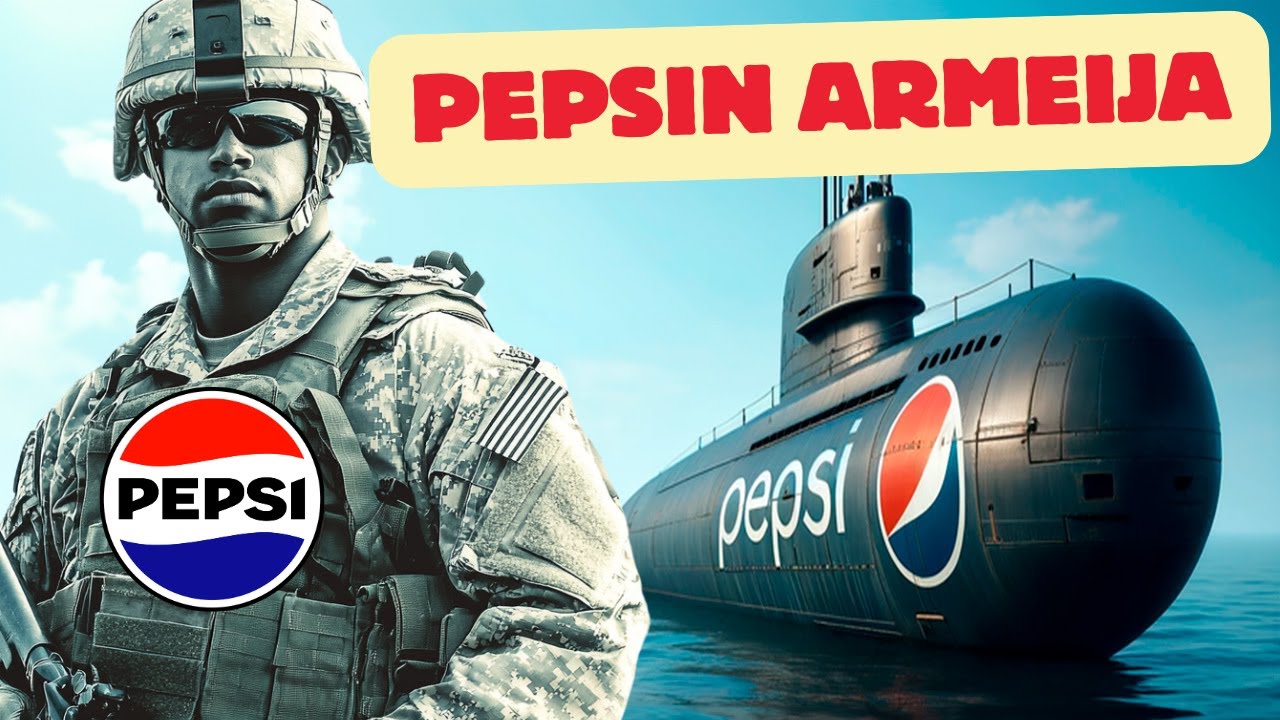
Timestampit: 0:00 Johdanto 0:51 Mistä Pepsi sai alkunsa 3:52 Cola-juomia ja vodkaa 8:22 Neuvostoliitto maksoi juomansa sotakalustolla 11:56 Pepsi myy sotakalustonsa 13:12 Mitä Pepsille kävi, kun Neuvostoliitto romahti?
10 tykkäystä
Pepsillä alkaa olemaan tärkein asia kondiksessa. 
https://x.com/finchat_io/status/1924881065803710479


Pitääkö sitä muutakin katsoa kuin osinkoprosenttia? 
2 tykkäystä
Odotetulla kasvulla saisi lasketella vielä ~30%. Noin 20 PE on aika rapsakka maksaa lähes kokonaan tuosta osingosta tulevasta tuotosta.
Vain jos osinko% on alle 8. =P
2 tykkäystä
Pepsin P/E-luku ja ehkä yhtiö osittain muutenkin on vajonnut alas osakekursseineen.
https://x.com/KoyfinCharts/status/1932811361228369961


3 tykkäystä
Pepsi on tällä arvostustasolla pitkästä aikaa harkitsemisen arvoinen sijoituskohde. Yhtiö on erittäin hyvin johdettu.
10 tykkäystä
Pepsi Number Fever – historian kallein painovirhe?
Mistä oli kyse?
Pepsi Number Fever (“Pepsi 349”) oli Pepsi Philippinesin (PCPPI) helmikuussa 1992 lanseeraama arvontakampanja. Pullojen korkkien sisäpuolelle painettiin numerot 001–999, ja joka ilta televisiossa julkistettiin voittava numero. Pienimmät palkinnot olivat 100 pesoa (~4 USD) ja pääpalkinto 1 miljoona pesoa (~40 000 USD). Tämä summa vastasi tuolloin 611 kuukauden keskipalkkaa Filippiineillä. Myynti nousi heti: Pepsin markkinaosuus pomppasi 19,4 %:sta 24,9 %:iin ja kuukausimyynnit 10 milj. → 14 milj. USD
“Voittava” numero 349
25.5.1992 uutislähetys TV Patrol julkisti voittajaksi numeron 349. Ongelmana oli, että turvakoodillisia päävoittokorkkeja oli tehty vain kaksi, mutta valmistuksen aiemmassa vaiheessa oli jo painettu 800 000 tavallista korkkia, joissa luki niin ikään 349. Laskennallisesti Pepsi oli “lupautunut” maksamaan 32 miljardia dollaria.
Pepsin ensireaktio & “hyväntahdonkorvaus”
Yhtiö ilmoitti nopeasti että ilman turvakoodia olevat korkit eivät käy lunastukseen. Tästä syntyi kriisi joka eskaloitui nopeasti, lopulta Pepsi tarjosi jokaiselle “valekorkin” haltijalle 500 peson (n. 18 USD) sovittelusumman. 486 170 ihmistä hyväksyi tarjouksen, mikä maksoi yhtiölle 240 milj. pesoa (8,9 milj. USD).
Mellakat ja väkivalta
Kaikki eivät suostuneet kompromissiin. “349 Alliance” –niminen ryhmä järjesti boikotteja ja mielenosoituksia. Joukko iskuja kohdistui varastoihin ja Pepsi-rekkoihin jossa kivitettiin, poltettiin ja pommitettiin 37 rekkaa. Pommi-isku Manilassa tappoi opettajan ja 5-vuotiaan lapsen, kranaatti Davaossa surmasi kolme Pepsi-työntekijää. Ainakin 5 ihmistä kuoli ja useita loukkaantui.
Oikeusjutut ja tuomioistuimet
Noin 22 000 ihmistä vei Pepsin oikeuteen (689 siviilikannetta, 5 200 rikosyhteyteen liittyvää kantelua). Alemmat oikeusasteet langettivat yhtiölle pieniä vahingonkorvauksia, mutta Filippiinien korkein oikeus päätti vuonna 2006, ettei PCPPI ole velvollinen maksamaan korkkeihin painettuja summia. Pepsi maksoi Filippiinien kauppaministeriölle 6000 dollarin virhemaksun.
Maine & markkinaosuus: Yhtiöstä tuli niin vihattu Filippiineillä että he joutuivat uudelleen nimeämään koripallojoukkueensa Pepsi Hotshotsista 7UP Uncolaksi.
Myynti sukelsi kriisin jälkeen hetkellisesti 17 %:iin, mutta toipui vuoteen 1994 mennessä 21 %:iin.
Kampanja palkittiin Ig Nobel-rauhapalkinnolla “eri leirejä yhdistävästä vaikutuksestaan” – kaikki vihasivat Pepsiä.
Filippiineillä elää yhä sanonta “349ed”, joka tarkoittaa tulla huijatuksi.

30 tykkäystä
Tästä tuli mieleen omat muistot Pepsin markkinatempauksesta mikä ajoittuu noin vuosituhannen vaihteeseen. Silloin Pepsi lanseerasi kampanjan missä pepsipullojen etikettejä keräämällä sai erilaisia palkintoja. Paras palkinto oli lähes listahinnaltaan lähes 2000 euroa maksanut läppäri mikä edellytti kampanja-aikana 1000 pullon etikettien keräämistä.
Tuohon aikaan 1,5 litran Pepsipullot oli hinnoiteltu 4kpl pakkauksessa siten, että ostamalla 1500 litraa Pepsiä, kaatamalla juomat viemäriin, irroittamalla etiketit ja palauttamalla panttipullot palkintona olleen läppärin olisi saanut halvemmalla kuin kaupasta ostettuna. Eli yrittelijäälle opiskelijalle todellinen nobrainer.
Siihen aikaan some oli vielä kehittymätöntä, mutta tieto tästä hinnoitteluvirheestä kuitenkin liikkui. Lopulta minäkin kävin ostamassa citymarketista muutaman ostoskärryllisen pulloja joiden etiketit liottelin pesuhuoneessa. Etikettömiä pulloja myin halvalla ensin kavereille ja myöhemmin jonkun tekemällä “etikettömien pepsipullojen myyntisivustolla”. Pepsi lunasti etiketit ja muistikuvieni mukaan osa sai tietokoneesta uudemman mallin kun kampanjaa varten varatut vanhemman malliset koneet loppuivat kesken.
Vastaavia selkeitä ja helpommin hyödynnettävissä olleita kampanjoiden hinnoitteluvirheitä oli paljon myös nettipokerin kovimman buumin aikoihin.
Sijoituscasena Pepsiä ja Kokista olen melko passiivisesti seuraillut joista kokista hieman omistan. Näiden kahden yhtiön viime vuosien kurssikehitystä vertailtaessa itselläni tulee varmaan liikaa mieleen telia vs elisa, joista salkussani on ollut aina enemmän halvemman oloista Teliaa mikä tuntuu olevan ikuinen lupaus.
Toistaiseksi ainoa pysyvämpi Pepsi omistukseni on 80-luvun loppupuolelta Neuvostoliitosta ostamani pullollinen Pepsiä. Osinkoa siitä ei ole saanut, mutta todennäköisesti arvonnousua on tullut.
13 tykkäystä