Tää vähän outo - uudelleenpakattu ja vähän kiillotettu Surviving Mars? Viitisen vuotta sitten julkaistua Surviving Marsia myydään edelleen 29 eurolla, tähän bundlattu pari lisäosaa ja hinta 39.
Vaikka tää on remastered, niin viiden vuoden takaiselle pelille tehdystä remasterointi nyt tuskin houkuttaa kovin monia ostaan tämän - varsinkin kun alkuperäiselle on tullut viitisentoista lisäosaa.
Ehkä rahkeet ei riittänyt kokonaisvaltaiseen uudistukseen, jolloin olisi voitu myydä ‘Surviving Mars II’?
Olen pohtinut viime päivinä Paradoxin osaketta, ja jopa ostin Victoria 3:n osareineen PC:lle Lyncheilläkseni. Ajattelin jakaa hajanaiset ajatukseni teille
Peka jo viime vuonna ansiollisesti kuvasi yhden Paradoxin tuoreen pääpelin, Victoria 3:n, ongelmia. Hän taisi jopa ylempänä ketjussa kuvata tarkemmin pelikokemustaan pelin parissa, jos oikein muistan. En lähde valuvikoja kertaamaa, mutta käytännössä Pekan kokemus tiivistää Paradox-sijoittajan elämän, joka koostuu seuraavista vaiheista:
Paradox julkaisee klassisen pelisarjan uuden version bugisena kasana palavaa kompostia
Vanhan pelin lojaali pelakunta toteaa: “Ihan siisti peli, mutta me pelataan tätä vasta kun se toimii, ja kun siihen on isketty pari hyvää laajennusta kylkeen. Peruspeli on itessään vähän tylsä.”
Paradox tekee työtä käskettyä ja pari vuotta kuluu
Lopputulos: Onko peli parantunut ja ovatko pelaajat löytäneet pelin pariin?
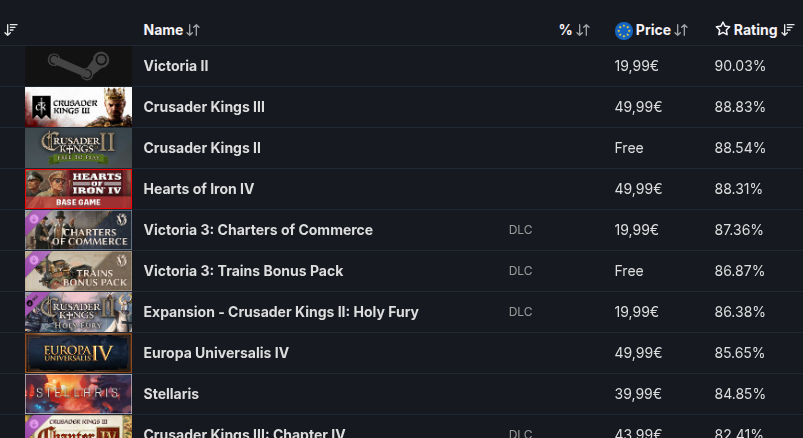
Victoria 3:n (julkaistu alkujaan 2022) voidaan helposti sanoa parantuneen. Kesäkuussa julkaistu iso laajennus, Charters of Commerce, on Paradoxin kaikkien aikojen korkeimmaksi arvostettu DLC. Kärkipaikalta sai vihdoin väistyä 2018 julkaistu CK 2:n DLC, Holy Fury
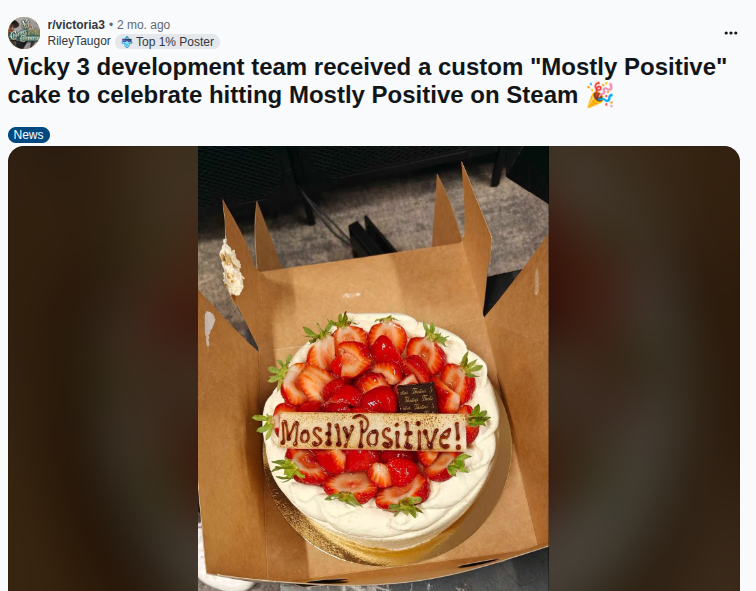
Tätä ennen Victoria 3:seen oltiin viime vuonna julkaistu merkittävä ja arvostettu DLC, Sphere of influence. Tämän lisäksi lisättiin jotain yksittäsiä valtioita ja kosmeettisia päivityksiä. Mitä lie fortnite-skinejä. Kuitenkin: voi rohkeasti sanoa, että näiden kahden pääsisällön momentumin myötä Victoria 3:n pelattavuus on parantunut ja arvostelut ovat nousseet tasaisesti. Redditissä keskimääräinen postaus alkaa olla positiivinen ja Steamissakin päästiin tasolle “Mostly positive”. Suomeksi käännettynä: peli on vihdoin viihdyttävä ja pelikelpoinen. Pelin devaajatiimi juhli tätä käännepistettä kakulla:
Myös Youtubessa sisällöntuottajien Victoria 3-videot keräväät omaan silmään terveesti katseluita. Parhaan videot ovat muutamassa miljoonassa, mutta keskiverrot tasossa 10-100 t. katselua. Redditissä ketjun seuraajamäärä on noin 150 t., joka ylittää vanhan pelin ketjun seuraajamäärän reilusti.
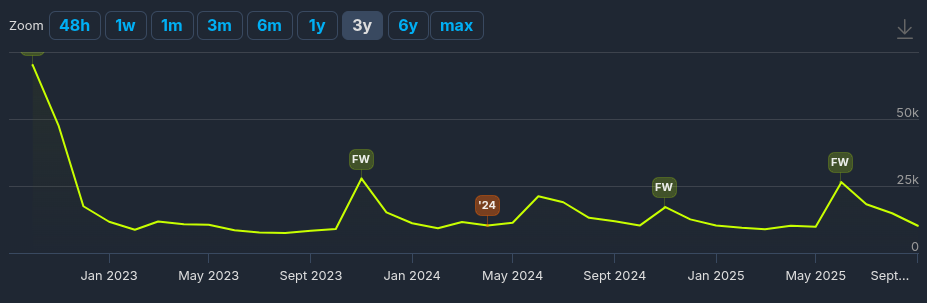
Kenties tärkeimpänä: Pelin pelaajamäärät ovat alkaneet nousta julkaisua seuranneesta “dipistä”. 2023-vuoden noin 7000 pelaajan minimistä on (ensimmäinen ilmainen kokeilu poislukien) aina DLC:n julkaisu kerrallaan saavutettu korkeampia huippuja.
Kesäkuisen Charters of Commercen 26 tuhannen pelaajan huipun jälkeen ollaan tasaisesti hakattu 10-15 tuhannen pelaajan määrä tämä kesä. IMO, ihan hyvä suoritus ja parannusta viime vuosien 7-8000 tuhannen pelaajan keskiarvosta. Tärkeintä on saada maksimimäärät nousuun aina lisäosien yhteydessä.
Kokonaisuutena pelin voisi kuvata omaavan terveen alayhteisön. Pitkässä juoksussa tämä on tärkeää, sillä tämä alayhteisö on usein se sosiaalisuuden moottori, joka saa ihmisiä pysymään pelin parissa pidempään ja ostamaan uudempia laajennuksia. Varsinkin kun kyseessä on Victoria 3:n kaltainen valtion talous-simulaattori, joka ei koskaan tule näkemään päivänvaloa mainstreamissa
Mielestäni on Victoria 3 on hyvä esimerkki Paradoxin pelin tyypillisestä elämän alkuvaiheesta. Studiolla on hyvä kokemus ja osaaminen muuttaa rikkinäisistä nörtti-peleistä aikaa kestäviä helmiä.
Osakkeen arvostuksesta ja katalyyteistä
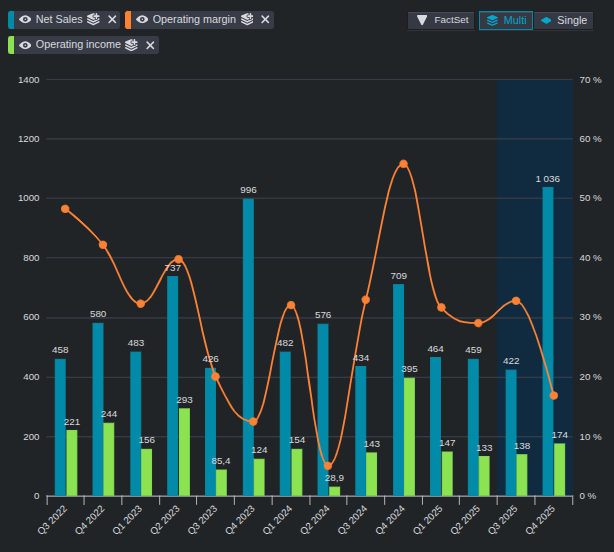
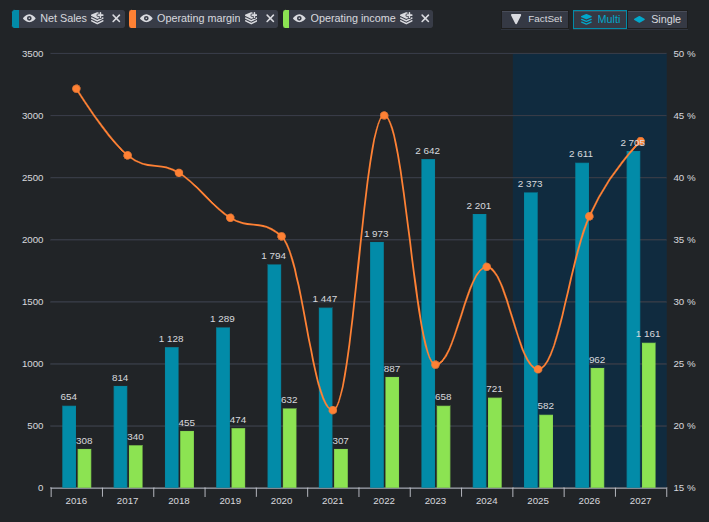
Q2-raportin jälkeen kaikki analyytikot lienevät tuunanneet mallejaan, sekä ottaneen EU V:n ja Bloodlines 2:n julkaisun huomioon Q4:lla. Kun tähän yhdistää joulumyynnin (vuoden vilkkainta aikaa), niin liikevaihdollisesti sieltä pitäisi olla tulossa Paradoxin kaikkien aikojen suurin liikevaihdollinen kvartaali:
Samaan aikaan käyttökatteen odotetaan heikentyvän. Oletan tämän johtuvan nousevista markkinointi- ja kehityskustannuksista e.m. julkaisuihin liittyen. Tämän jälkeen yhtiö alkaa kuitenkin generoimaan roimaa katetta. Ensi vuodelle ennustetaan vielä +10%:n liikevaihdon kasvua ja noin miljardin käyttökatetta parantuvan kannattavuuden myötä. Vuonna 2027 liikevaihdon odotetaan vielä hieman nousevan, mutta kannattavuuden entisestään parantuneen. Itselläni tuo ‘27-ennuste voisi toteutua, jos yhtiö malttaisi keskittyä vaan ydinpeleihinsä, mutta saapi nähdä mitä indieroskaa siellä taas päätetään kehittää…
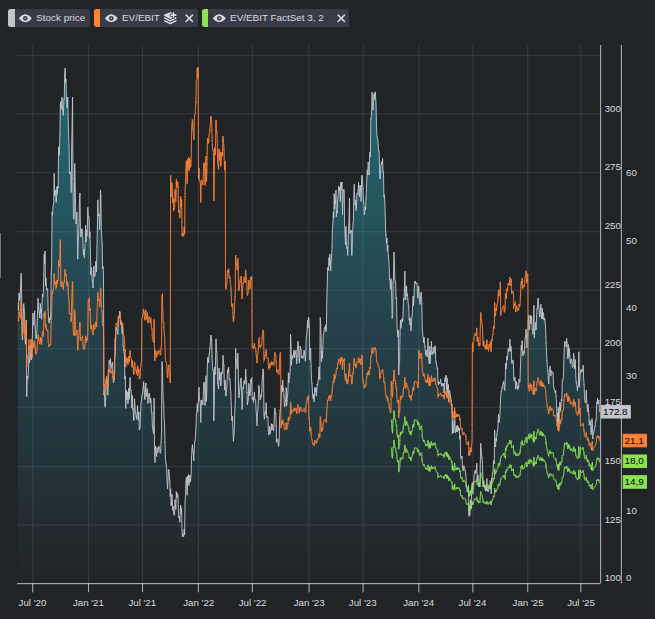
Täten hyvällä käyttökate→ liikevoitto-konversiolla yhtiötä hinnoitellaan vuosille 2026 ja 2027 noin 18x- ja 15x-kertoimilla konsensuksen mukaan. Olisikohan ansaittu taso tuolla 20x-paikkeilla…?
Mitä yritän tässä sanoa on, että osake reagoi mielestäni erittäin vaisusti EU V:n Q4-julkaisupäivän julistukseen. Yleensä näissä peliyhtiöissä isojen pelin julkaisua frontataan etukäteen ja julkaisupäivänä sitten myydän nousut poies. Tämä ennakkoralli ei ole mielestäni alkanut vielä, osittain varmaan johtuen Bloodlines 2:n tuomasta epävarmuudesta (sama suomeksi: epävarmuus= ruotsin kruunuja heitettän kankkulan kaivoon).
Tällä hetkellä yhtiön tuotto-odotusta tukee mielestäni:
- realistiset ennusteet seuraavalle vuodelle, joiden myötä liikevaihto takaisin kasvuun EU V:n julkaisun myötä
toteutuessaan kerrointen nousu ylös
suuren pelin tuleva julkaisu ja sen tuoma pieni ralli (hieman spekulatiivinen, mutta realistinen)
Kun bloodlines on saatu julkaistua (ja ehkä kuopattua), niin jäljelle jäävät pelit ovat aika solideja→ mr. market tykkää paradoxista enemmän?
Positiivisia optioita tuotto-odotukseen:
- Bloodlines 2 ei olekkaan negatiivisen ROI:n peli
Q4:n kannattavuus yllättää positiivisesti, kuten se teki viime vuonna. Yleensä analyytikoilla on vaikeuksia ennustaa Q4:n kuluja ihan syystäkin
EU V ei olekkaan buginen kasa palavaa kompostia, vaan saa lentävän lähdön
Yhtiöllä on tosi vahva kassa, joten noin 3%:n osinko odotettavissa keväällä. Pientä varaa olisi myös korotukselle, nyt kun nettokassalla ei saa enää niin hyvää tuottoa korkotuotteista korkojen laskettua
Paradoxin toimintatapoja pitkään seuranneena täytyykin heti alkuun todeta, että tuo kuvaus on täysin totta. Myös tuo Charters of Commerce oli aivan pirun hyvä laajennus ja siitä on universaali konsensus, että se olisi pitänyt olla mukana jo julkaisuvaiheessa. Olen sittemmin palannut Victoria 3 pariin ja ostanut kaikki lisäosat ja uskon, että peli yltää ensi vuonna Paradoxin parhaimmistoon, kunhan vielä pari kriittistä lisäosaa saadaan julkaistua ja peli nostettua sille tasolle, että sitä on mielekästä pelata. Itse firmaan en kyllä varmaan ikinä sijoittaisi, koska onhan toi nyt aina semmoista täyttää sekoilua uusien pelien julkaisujen parissa, ettei se koskaan tunnu menevän putkeen ja sitten niitä ongelmia paikkaillaan vuosikausia maksullisilla lisäosilla
Juuri näin – koko ansaintalogiikka perustuu siihen, että tehdään laaja ja kattava pohja, johon sitten työnnetään valtava määrä sisältöä. Todistetusti se toimi myös sinun tapauksessasi
Lisäksi parasta tässä on se, että pelaajat ovat suureksi osaksi hyväksyneet tämän. Ja kuten @Verneri_Pulkkinen kaivoi jostain CMD:stä tai vuoskarista niin pelaajien retentio on aivan järisyttävän korkea ja ikäluokka jotka näitä pelaa on rahakkaita perheen-isejä, kuten minä - paitsi en ole varakas
Ja vielä se, että yleensä se vaatii yhden tai kaksi lisäosaa jotka kääntää laivan suunnan. Sen jälkeen myydään peruspeli ja aina lisäosa koska se on pakollinen osa jo sitä kokonaisuutta.
Edit. Lisäksi minun mielestä on myös hyvä, että base case kaikille julkaisuille on se että ne epäonnistuu ja ovat “kauhea kasa kompostia”. Pääsee yllättämään positiviisesti.
Kiitoksia mielenkiintoisesta keskustelusta. Pakko on kuitenkin tulla karhuilemaan tänne, koska pelifirmojen tapaan Paradoxin arvostus tuntuu varsin hapokkaalta. P/E 30 peliyhtiöstä joka ei ole onnistunut saamaan suurta kasvua viime vuosina ja keskittyy niche-segmenttiin tuntuu noh, aika hintavalta. Vaikka firma onkin laadukas ja pitkäikäinen sekä taloudellisesti vakavarainen. Pelimarkkina ja taistelu ihmisten vapaa-ajasta on kovaa eikä firma ole käsittääkseni onnistunut houkuttelemaan valtavia massoja pelaajia hardcore-strategiapelaajien ulkopuolelta.
Sen verran taustaa että olen pelannut jostain vuodesta 2001 asti Paradoxin pelejä, alkaen alkuperäisestä Europa Universaliksesta (jonka cd löytyy yhä kaapista muiden kanssa) ja siinä sivussa pelata Hearts of Iron-pelisarjan pelejä. Kuitenkin viimeiset (eli EU4 ja HoI4) ovat jääneet viime vuosina vähemmälle, vaikka molemmat pelit on tullut hankittua ja ensimmäiseen myös suunnilleen kaikki lisäosat. HoI4 ja Victoria 3 (joka on ensimmäinen Victoria jonka ostin) on itse asiassa jäänyt kokonaan pelaamatta.
EU1 julkaistiin 2000, EU2 2001 (Svea Riken kanssa samoihin aikoihin ja ainakin oman cd:n mukana tuli myös se), EU3 2007 ja EU4 2013, josta on puskettu parikymmentä lisäosaa vuosikymmenen aikana ulos. Se ei ole mielestäni itsestään selvää, että paatuneemmatkin fanit lähtevät heti messiin uuteen Europa Universalikseen käytettyään satoja euroja rahaa ja satoja/tuhansia tunteja aikaa aiempiin peleihin. Ja toisaalta massiivisena pelinä EU5 tuskin tulee olemaan helposti lähestyttävä uudelle pelaajakunnalle.
Itse en usko että tulen EU5:sta ostamaan, ainakaan heti alkuun. Samaa on todennut kaveripiirissä toinen varakas Paradoxin pelien suurkuluttaja. Yksinkertaisesti pelit ovat menneet niin monimutkaisiksi ja aikaa vieviksi lisäosien myötä, että en löydä helposti aikaa niille. Aiemmin sentään kun pelimekaniikat oppi, oli helpompi lähteä pelaamaan uutta kampanjaa. Ja tosiaan Paradoxilla kuten monilla muidenkin firmojen strategiapeleillä (köh köh CIV7) on tapana puskea ulos keskeneräisiä tekeleitä ja korjata alkuperäisen pelin virheet myöhemmin DLC:n avulla.
Kysymykseni kuuluu lähinnä että mistä Paradox saisi uutta pelaajakuntaa ja kannattavaa kasvua, joka oikeuttaisi mielestäni tällä hetkellä varsin kireän arvostuksen?
Olen miettinyt paljon tätä samaa, koska ajatus Paradoxin omistamisesta taas vaihteeksi on herättänyt mielenkiintoani.
Korjaus arvostukseen ensin. Paradoxin yritysarvo on joku 17 miljardia kruunua. Ketjussa on visioitu, minunkin toimesta ja mielestäni edelleen oikein, että yhtiö pystyy jauhamaan 800-1000 miljoonaa kruunua vapaata kassavirtaa “normisti”, sillä ydinpelit ovat häkellyttävän kannattavia (liikevoittomarginaalit muistaakseni +50 %, kannattaa tarkistaa ylempää ketjusta). Ja Paradoxia rasittaa edelleen “legacy”-rönsyt, kuten nämä Bloodlinesit ja PA kakkoset.
Täten EV/FCF olisi normalisoidusti joku 21-17x, mikä ei ole överi.
Paradoxin niche-pelaajakunta on sekä vahvuus että heikkous, ehkäpä enemmän vahvuus tänä pelimarkkinan todella vaikeana aikana. Suurpelit kuten GTA V (kohta VI), Fortnite yms. tekevät pienille pelifirmoille ilmatilan ahtaaksi. Paradoxin ydinpelaajakunta, eli karttoja piirtävät miehet, eivät välttämättä ole suurimpia GTA-faneja ja siksi Paradox on pysynyt hyvin turvassa omassa valtakunnassaan.
Mutta voiko tuo valtakunta ja sen populaatio tosiaan kasvaa paljoa pitkässä juoksussa? Eittämättä olen itsekin varovainen kasvun suhteen, joskin samalla sitä tukee pelien paraneva monetisaatio (DLC:t ja hinnoittelu) samalla kun oletettavasti yhtiö löytää lisää itselleen karttojen piirtelijöitä.
EV/FCF ~20x hinnoittelu bisnekselle, joka tekee +20-30 % pääoman tuottoa (PDX aktivoi aggressiivisesti taseeseen pelikehitysmenoja, minkä takia pääoman tuottoa on mielekäs katsoa) ja kasvaa edes hitusen ei ole väärin, pikemminkin oikeansuuntainen.
Tässä on pakko esittää vastakysymys: Mikä takaa, etteivät Bloodlinesit ja PA Kakkoset tule toistumaan? Minua ei kiinnosta niin paljon kassavirta, vaan se oikea alarivi pelibisneksessä koska huteja tulee aina. Ilman niitä ei tule myöskään menestystä.
Itselläni ehkä suurimpana pelkona Paradoxiin sijoittamisessa on, että European Universalis V:sta ei tule luvattua profeettaa, vaan posketon floppi. Porukalle on kovin helppo jäädä grindaamaan huippuunsa tuunattua tuotetta sen viimeistelemättömän (jalokiven/kasaa paskaa) sijaan, kun EU4 on saanut rakkautta ja lisäosia yli kymmenen vuotta.
Paradox on mielestäni osoittanut aiemmilla julkaisuilla, että malli toimii. Aina on niitä, jotka haluavat kokeilla EU5:ttä heti julkaisupäivänä vaikka tietävät, että se luultavasti on buginen kasa paskaa. Toisaalta EU4:ää voi myydä merkittäviä määriä vielä pitkään, jopa vuosia EU5:n julkaisun jälkeen.
En ole tarkasti seurannut EU5:n kehitystä, mutta muutamien feature-videoiden perusteella Paradox on kyllä rohkeasti kehittämässä uutta versiota pelisarjaan. EU5:ssä kun tulee olemaan pop-mekaniikkoja Victoriasta, npc-mekaniikkoja CK:sta ja toisaalta uskalletaan palata aiempien EU-versioiden mekaniikkoihin niiltä osin, kuin uudistukset EU4:ssä eivät ehkä ole olleet onnistuneita.
Kokonaisuutena pelin monimutkaisuus näyttää jälleen lisääntyvän, mikä on toisaalta hyvä asia, toisaalta tietysti lisää epätasapainotekijöitä peliin. Riskiä siis on otettu.
Kaikkein suurin riskitekijä on mielestäni kuitenkin pelin aloitusvuoden työntäminen syvälle keskiajan puolelle. Nyt tullaan menemään vähintään 150-200 vuotta peliajassa ennen kuin EU:n perinteiset oleelliset pelimekaniikat kuten kolonialismi ja uskonpuhdistus ovat relevantteja. Tässäkin on hyvät puolensa (uusi skenaario) mutta mielestäni todella iso riski. Jaksavatko pelaajat pelata uudelle ajalle?
Ehkä en vain ole riittävästi perehtynyt siihen, mikä kaikki pelissä muuttuu aiempaan verrattuna. Mutta posketonta floppia en ainakaan tähän asti nähdyn perusteella pysty odottamaan.
Tämä on itse asiassa jännä pointti Europa Universaliksen puolella. Onko aloitusvuoden siirtäminen fail vai flop (vai jopa onnistuminen, kun nyt vedetään EU2:sta 80+ vuotta kauemmaksi)?
Ja nyt mennään Edvard Mustan aikakaudelle ja sitäkin aiempaan, eli Mustaa Surmaa edeltävälle aikakaudelle eli EU5 alkaa vuodesta 1337. 1444 tuntui sellaiselta superturbo-vuodelta: Bysantti oli vielä olemassa, eikä Englannin romahdus Ranskassa ollut vielä itsestään selvyys. Lisäksi Ottomaanien valloitushaluja rajoittava koalitio oli saanut isosti takkiinsa.
Tämän voi siirtää tarvittaessa parempaan topikkiin. Osa hankkii pelin heti myös sen takia, että peliä on helpompi oppia askel kerrallaan. Paradoxin mallissa on kivaa pelaajalle se, että kun hallitset kaikki perusmekaniikat, niin peliin tulee lisätoiminnallisuuksia.
En ole asiaan kovin syvällisesti perehtynyt vaikka previkoitahan pelistä riittää. Mutuilen kuitenkin käänteisestä näkökulmasta: EU4:n yleinen heikkous on ollut se, että peli alkaa usein olla 200 vuoden jälkeen lopussa, vaikka kalenteria riittää vielä toiset 200. Pelaajat juurikaan eivät jaksa sitä pidemmälle, koska hommasta meinaa tulla mekaanista suorittamista ja “kartan maalaamista”. Siirtomaa-ajan sijoitus keskipelin seudulle voi olla rytmityksen kantilta ihan järkevääkin.
Yksi iso muutos tapahtui viime vuonna: toimari, joka oli aloittanut rönsyilyn, sai kenkää, ja Paradoxin alkuperäinen toimari palasi TJ:ksi. Tämän perusteella uskoisin itse, että firman fokus on taas terävöitynyt. BL on sunk costia, koska pillit olisi voinut laittaa pussiin vuosi sitten mutta haluttiin vielä saattaa työ loppuun, mikä jälkikäteen katsottuna ainakin näyttää huonolta idealta, mutta tuskin siellä vastaavia projekteja enää aloitetaan.
Paradox-ketju on siitä ainutlaatuinen, että täällä voisi oikeasti keskustella Bysantin kaatumisesta, Burgundin hallitsijan Kaarle Rohkean kaatumisesta Nancyn taistelussa 1477 ja siitä seuranneesta hajoamisesta jne.
Jep, vaikka Westerin toimariksi paluusta on jo aikaa peliprojekteissa on valtavan pitkät hännät.
Olen itsekin ymmärtänyt, että fokus on nyt paljon tarkempi. Takavuosina runsasta kassavirtaa on allokoitu sinne tänne liian hövelisti ja siitä on otettu oppia.
Huom., Paradox on silti yhtiö joka uskaltaa edelleenkin ottaa riskejä peleissään eli se ei tarkoita sitä etteikö yhtiö kokeilisi jotain hassua jatkossakin. Mutta todennäköisesti se tapahtuu sen omassa indiestudiossa Arcissa hyvin hallituin kehityspanoksin.
Paradoxin peleistä EU4 on mielestäni kaikista paras grand strategy peli ja omat odotukset EU5 kohtaan ovat korkealla. Myös Crusaders Kings ja HOI -pelisarjat ovat erittäin hyviä. Mielestäni Paradoxin kannattaisi keskittyä vain tämän tyylisiin niche -pelisarjoihin, mutta ymmärrän pelitalon joutuvan rönsyilemään muuallekin kasvun takia. Omien kokemusten perusteella EU, Victoria, CK ja HOI -pelisarjat ovat todellakin tietynlaisten ihmisten pelejä. Esimerkiksi kaikki tuntemani kyseisiä pelisarjoja pelaavat henkilöt ovat vähintään kiinnostuneita historiasta. Pelit eivät aukea täysin pelaajalle, jos ei ole kontekstista tarpeeksi ymmärrystä, esimerkiksi toisen maailman sodan Saksan tai tanskalaisen viikinkikuninkaan larppaaminen on hauskempaa, jos tietää tapahtumien kulun historiassa. Nämä pelit vaativat muutenkin kärsivällisyyttä ja mielikuvitusta eivätkä sovi kovin hyvin “pärinäeeroille”, jotka haluavat näyttävää toimintaa koko ajan.
Saa nähdä miten gen Z ottaa vastaan Paradoxin grand strategyt vai jääkö se vanhempien sukupolvien peleiksi. Nykyisin pelit menevät nopean toiminnan ja kilpailullisuuden suuntaan. Suosituimpia peligenrejä lienee moba sekä FPS-pelit (COD, CS2, Dota 2, LOL). Paradoxin pelejä on vaikea nähdä e-sports lajeina niin kuin Counter-Strike ja Dota. Melkein joka peliin koitetaan myös rakentaa nykyisin joku “kilpailullinen” ulottuvuus, esim. ranked pelimuoto.
Itse tykkään Paradoxin monetisointimallista eli mahdollisimman paljon DLC tai muuta ostettavaa sisältöä. Nykyisin moni peli noudattaa juuri tällaista mallia, esim. CS2 ja Dota ovat ilmaisia pelejä, mutta pelaajat haluavat ostaa skinejä / uhkapelata saadakseen hienoja skinejä aseelle tai pelihahmolle. Henkilökohtaisesti minua ei häiritse, että pelaajaa rahastetaan koko ajan, koska sillä saa kuitenkin kehittyvää peliä ja laatua ainakin Paradoxin kohdalla. Voi myös jättää ostamatta lisäosan ja peli on silti hyvä. Sanoisin, että tällainen malli on hyvä sekä pelaajalle että yhtiön omistajalle.
Itse en omista Paradoxia enkä ole varmaan sijoittamassakaan. Peliala ei sijoitusmielessä ole tuttu. Paradox näyttäisi tunnuslukujen perusteella suorittavan paljon paremmin kuin meidän oma Remedy, mutta myös arvostus on korkeammalla ansaitusti.
PDX julkaisema ja C Promptin kehittämä Millenia-pelin kehitys on päättynyt. Tämä peli ei koskaan päässyt lähellekään sitä potentiaalia mitä tällä olisi voinut olla. Julkaisussa tavoitettiin genreen nähden ihan ok määrä pelaajia ~8000 mutta kritiikki kohdistui että peli oli keskeneräinen ja huonosti balansoitu eikä konsepti oikein kunnolla koskaan realisoitunut.
Omistajien lukumäärä arvioiden mukaan oli noin 94 000 - 105 000. Peli julkaistiin 03/2024 joten ei tälle kovin pitkää ikää annettu.
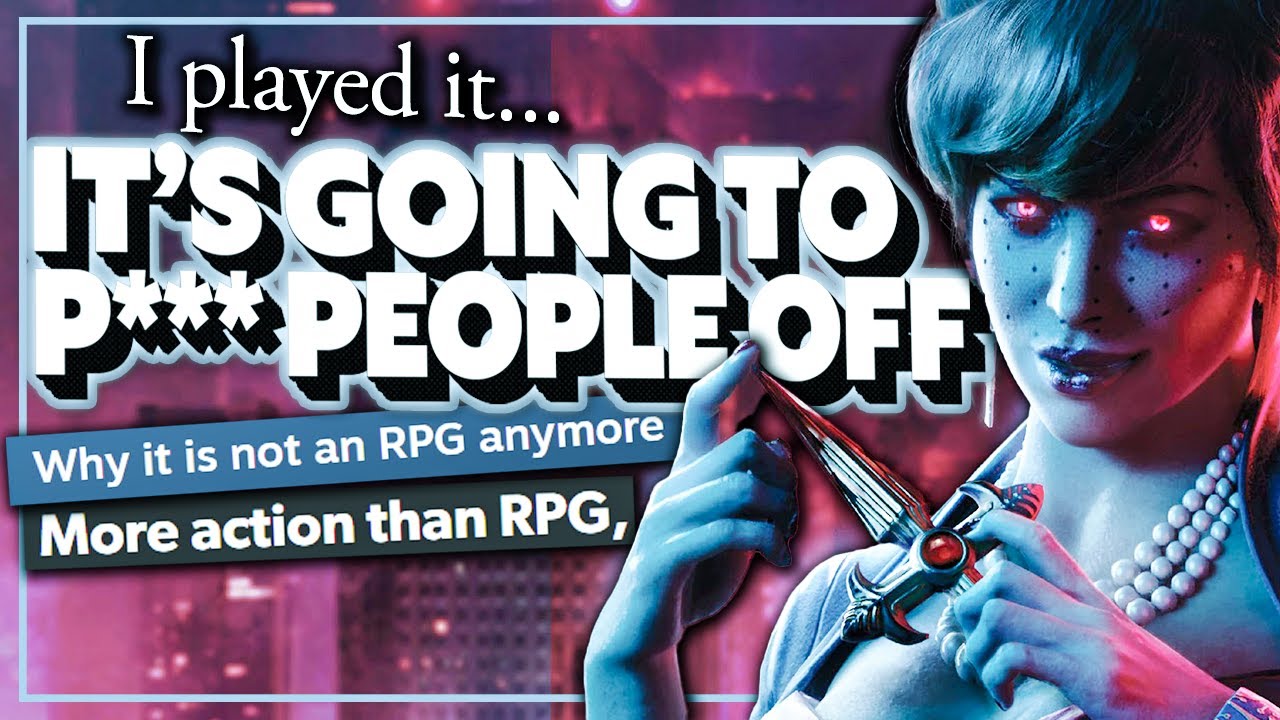
Paradoxin osake on ollut vaihteeksi paineessa. Ilmeisesti Bloodlines 2, ainakin hätäisesti internetiä selaamalla, ei ole saamassa lämmintä vastaanottoa. Se ei tavallaan yllättäisi, koska peli on ollut vuosia “kehityshelvetissä” ja kehitysstudio vaihtui kesken matkan.
Jos Bloodlines 2 floppaa ja kehitys loppuu, olisi enää PA2 jäljellä isoista “legacy” -projekteista. Jos B2 olisikin menestys, se olisi valtava yllätys. Joskin se pitäisi olla suht iso menestys käsittääkseni jotta sijoituksen tuotto olisi mitenkään järkevä. Tässä yritetään varmaan saada hiluja takaisin. Vähän kuin rakentaisi ison budjetin ydinvoimalan mitä ei saada toimivaksi, rakentaja on vaihdettu eikä alkuperäinen tilaaja aio enää ostaa voimalaa, mutta toivotaan että joku ostaa sen edes pikkurahalla ja muuntaa sen vaikkapa reiviluolakeskukseksi.