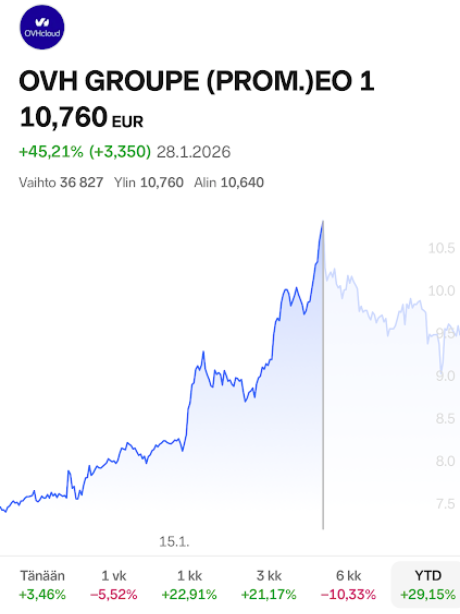
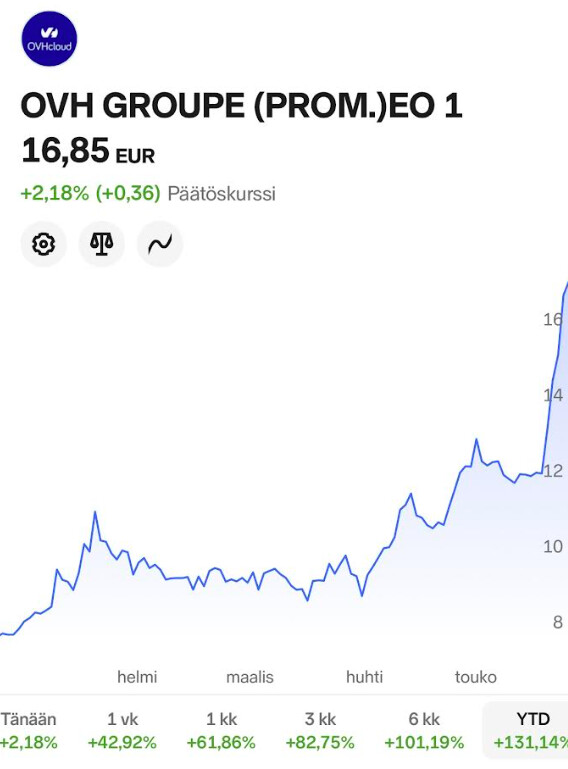
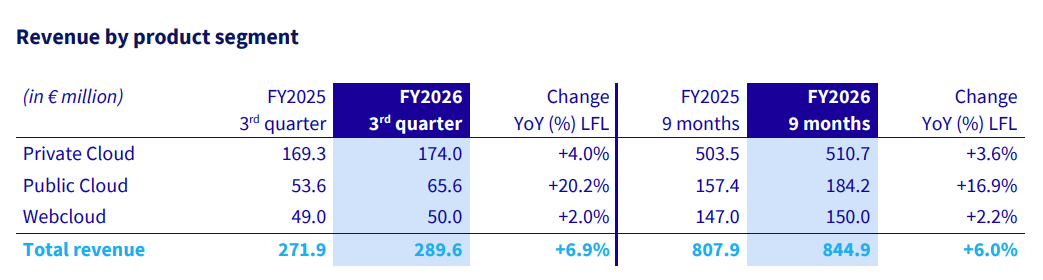
Ranskalainen OVH Cloud on käytännössä ainoa varteenotettava iso eurooppalainen pilvipalvelu. Sen emoyhtiön osake OVH Group on listattu pariisin pörssiin ja se on mukana Eurostoxx600 indeksissä. Ohjelmistot ovat siirtymässä enenevissä määrin pilvipalveluihin. Tämä megatrendi on vain vahvistumassa tekoälyn myötä. Tällä hetkellä pilvipalvelumarkkinoita hallitsee kolme isoa peluria: Amazon, Microsoft ja Google. Näiden kolmen yhtiöiden tulokset pilvipalveluista ovat kasvaneet nopeasti satumaisiin summiin:
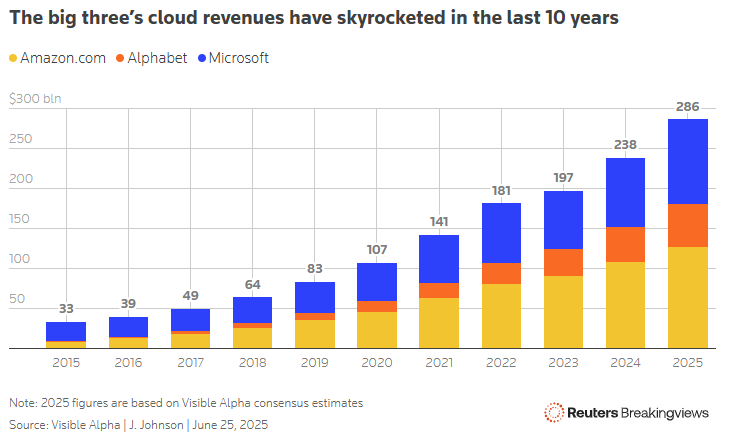
Pilvipalvelut ovat keskittyneet näille kolmelle jätille hyperskaalaedun takia. Teknojäteillä on ollut varaa investoida miljardeja datakeskuksiin. Minusta on surullista miten Eurooppa on jäänyt tässä kehityksessä jälkeen. Tämä kehitys uhkaa jo näivettää Euroopan talouden, kun tämä tarkoittaa suuria rahavirtoja pois Euroopasta. Lisäksi tämä myös tekee Euroopan riippuvaiseksi Yhdysvalloista, kun kriittinen infrastruktuuri on yhdysvaltalaisten yritysten hallinnassa.
Minua kiinnostaisi kuulla muiden näkemyksiä onko OVH Groupilla mitään mahdollisuuksia kilpailla teknojättejä vastaan?
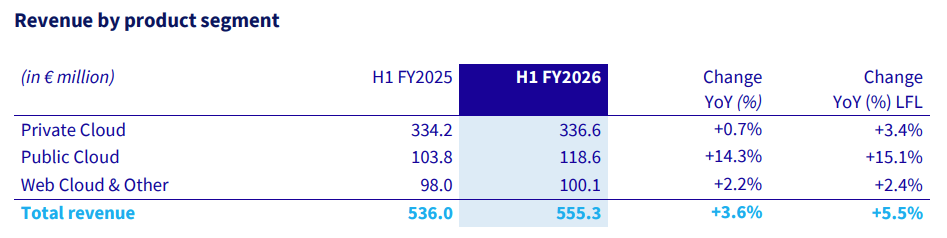
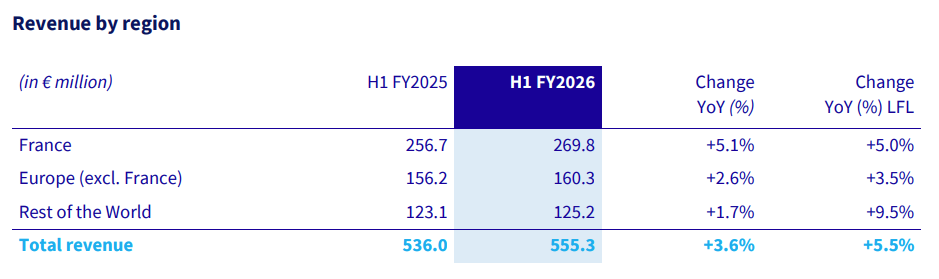
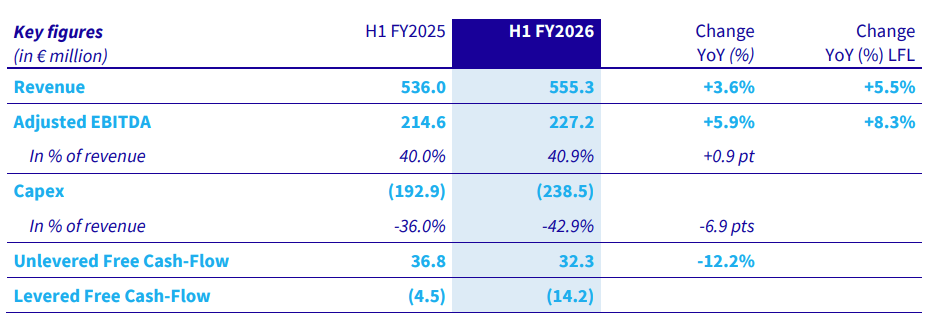
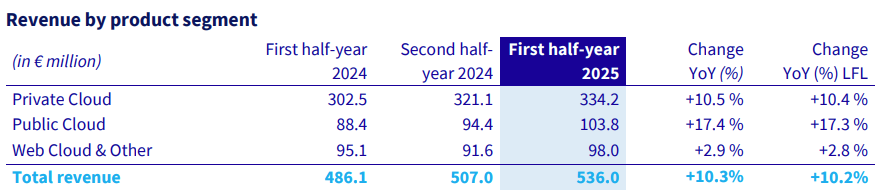
OVH Cloud tarjoaa palveluita erityisesti julkisille toimijoille, joille datasuvereniteetti on tärkeää. Tämän lisäksi se tarjoaa pienille yrityksille palveluita edullisella ja joustavalla hinnoittelulla. Näkisin että Yhdysvaltojen politiikan muututtua entistä hullumpaan suuntaan, eurooppalaiselle pilvipalvelulle olisi tarvetta. Lukujen valossa OVH Group on myös kasvanut vakuuttavasti. H1 2025 orgaaninen kasvu oli 10,2% ja käyttökate 40%.
H1 2025 tulos:
Taloustiedettä opiskelleena minun on hyvin hankala ymmärtää miten kolme teknojättiä tekee niin suurta tulosta pilvipalveluilla. Taloustieteen teorioiden mukaan, jos jollain alalla on näin suuret voitot datakeskuksiin investoimisen ansiosta, pitäisi alalle tulla muitakin yrityksiä, ja ajan myötä markkinat jakautuisivat useamman yrityksen kesken. Keskustelin töissä aiheesta erään devaajan kanssa, joka oli aiemmin töissä cloud engineerinä eräässä suuressa suomalaisessa yrityksessä. Hänen mukaansa suuret yritykset saattavat maksaa pilvipalveluista yli miljardi euroa vuodessa, mutta helppous ajaa ne Googlen, AWS:n tai Azuren käyttäjiksi. Yrityksillä saattaa olla yli 200 ohjelmistoa käytettävissä, jolloin kun kerran on siirrytty pilveen, palveluntarjoajaa on hankala vaihtaa, kun kaikki ohjelmistot pitäisi siirtää uudelleen toiselle palveluntarjoajalle. Yritykset saattavat myös samalla ostaa muita palveluita/ohjelmistoja Googlelta, Microsoftilta tai Amazonilta, ja tietyt ohjelmat ovat paremmin yhteensopivia teknojättien omilla pilvipalveluilla. Pienillä yrityksillä on taas käytössä vähemmän ohjelmistoja, jolloin niiden on helpompi ostaa palvelu halvimmalta tarjoajalta, ja ne voivat helpommin vaihtaa palveluntarjoajaa. Tämän takia OVH Group on onnistunut erityisesti saamaan pieniä yrityksiä asiakkaikseen. Toki pienten yritysten osalta pilvipalveluissa kilpailu on kovempaa, mutta pilvimarkkinat kasvavat niin kovaa vauhtia, että olen varovaisen kiinnostunut OVH Groupista. Lisäksi OVH Groupin kasvaessa se voi alkaa päästä kilpailemaan samoista asiakkaista kolmen ison teknojätin kanssa. Julkisella puolella uskoisin OVH Groupin erityisesti pärjäävän, kun Euroopassa on herätty data suvereniteetin tärkeyteen.