Limonaadin “valmistaminen” tehtaalla ei vaadi suuria laitteistoja verrattuna vaikka kaljaan tai maitoon. Muistaakseni yhdessä koneessa ennen pullotuskonetta sekoitetaan tiiviste ja vesi, pullotuksessa lisätään hiilihappoa. Että onhan se mahdollista, että Olvilla on nykyisin tarpeeksi logistiikkatilaa ja lastauskapasiteettiä isolle brändille. Tiiviste on sitten ison brändin omaa tavaraa, jota tuodaan säiliöautolla.
Odotuksista jäätiin tuloksen osalta. “Liiketulos pieneni 14,5 prosenttia vertailukaudesta ja oli 10,6 (12,4) miljoonaa euroa. Pienentyminen johtui erityisesti Tanskan liiketuloksen heikentymisestä. Lisäksi liiketulosta rasittavat edelliseen vuoteen verrattuna hankintahintojen allokoinneista aiheutuneet poistot. Uusien tytäryhtiöiden liiketulos jäi kokonaisuutena tappiolle johtuen muun muassa haltuunottokustannuksista ja myynnillisesti alhaiseen vuosineljännekseen nähden korkeista kustannuksista.”
Liikevaihto about odotuksiin, mutta Valko-Venäjä teki noin 5 MEUR odotettua enemmän myyntiä ja muualla oli pehmeämpää. Eli rakenteellinen kehitys tällä saralla oli ei-toivottu.
”Juomayhtiö Olvin liikevoitto oli tammi–maaliskuussa 10,6 miljoonaa euroa. Tulos alitti FactSetin kokoaman analyytikkoennusteen, jossa odotettiin 13,9 miljoonan euron liikevoittoa.
Yhtiön liikevaihto oli katsauskaudella 148 miljoonaa euroa, mikä ylitti tietokanta Factsetin seuraamien analyytikoiden 146 miljoonan euron ennusteen. Liikevoittomarginaali asettui 7,2 prosenttiin.”
Kovin oli pehmeä raportti. EPS vertailukauteen verrattuna -40% . Tanskan ongelmia ei vieläkään saatu korjattua, eikä mitään merkkejä siitä, että tilanne parantuisi nopeasti. Näkymät pidettiin ennallaan, vaikka Värska kaupan toteutumisesta ei mitään tietoa. Ilman Valko-Venäjää tulos näyttäisi vieläkin pahemmalta.
Positiivista se, että Q1 ei yhtiölle merkittävä kvartaali, mutta seuraavilla kvartaaleilla vastaava suoritus ei vain yksinkertaisesti enää riitä.
Toisaalta seuraaville kvartaaleille tuo epävarmuutta kuluttajakysyntä, iranin sodan aiheuttama materiaalien ja logistiikan kustannusten nousu. Lisäksi yritysjärjestelyjen integraatio aiheuttaa lisäkustannuksia.
Semminkin, kun Q1:llä näkyi viime vuodesta poiketen pääsiäismyynti, ja vastaavasti kun sitä ei nyt viime vuodesta poiketen näy Q2:lla.
Itseäni mietityttää panimoissa tällä hetkellä Iranin tilanteen vaikutua tölkkien saatavuuteen ja kustannuskehitykseen. Ja toisaalta panimoiden keskinäinen asema mahdollisten ongelmien ilmetessä. Olvin vahvuus on tietenkin suuri koko, joka on eduksi toimitusvarmuudessa. Toisaalta tuotteiden matala hintapiste tarkoittaa sitä, että hintojen noustessa se tölkki syö kyllä kateosuutta aivan suhteettoman paljon, ellei kustannuksia saada siirrettyä helposti myyntihintoihin.
OP laski Olvin tavoitehinnan 34 eurosta 33 euroon, mutta kääntyi kurssilaskun myötä lisää-puolelle (aiemmin vähennä).
Aiemmin OP ennusti Olvin yltävän ohjeistuksen keskitasolle, nyt sen alalaidan lähettyville 84,8 MEUR tuloksella. OP:n tulosodotus laski siis 3,4 MEU:lla. Samalla tuloksen laatua heikennettiin, kun Valko-Venäjän bisneksille odotetaan 1,5 MEUR alempaa enemmän tulosta.
Sandelsin etumatka Suomen parhaana edullisena lager-oluena kasvaa:
Siitä parhaudesta voidaan aina keskustella niin Sandelsin kuin kaikkien listan bulkkibissejen osalta, mutta brändivoimasta ja kilpailukyvystä tulokset kertovat.
OP Pohjolan analyytikko Matti Kaurolan mukaan juuri alkoholittomat tuotteet muodostavat Olvin tärkeimmän pitkän aikavälin kasvulähteen.
Perinteisen oluen kulutus on Suomessa ollut pitkään tasaista tai laskevaa, kun taas alkoholittomien oluiden, virvoitusjuomien ja vesien markkina on kasvanut hyvinä vuosina noin viisi prosenttia vuodessa.
Myös yritysostot tukevat tätä kehitystä.
Esimerkiksi virolaisen Värska Originaalin hankinta kasvattaa valmistuttuaan Olvin alkoholittomien tuotteiden volyymia noin kymmenellä prosentilla.
Olvin alkuvuoden luvut tukevat samaa kehityssuuntaa.
Suomessa myynti kasvoi sekä alkoholillisissa että alkoholittomissa tuotteissa, ja erityisen hyvin kehittyivät energiajuomat sekä hard seltzer -tuotteet.
Olvi sijoittajia kiinnostava Iltalehden juttu Hard Seltzerien kasvusta. Jutussa siteerataan Alkon tuotepäällikköä, jonka mukaan Hard Seltzerien myynti (Alkossa) on kaksinkertaistunut sitten viime kesän. Kyseessä on siis koko juomakategoria, ei pelkästään Olvin Hard Seltzerit.
Samankaltaista viestintää tullut myös Keskon suunnalta.
Alkoholia sisältävistä juomista eniten kesällä kasvaa alkoholijuomasekoitusten, esimerkiksi hard seltzereiden suosio.
Hard seltzereiden noste ei koske pelkästään tätä kesää, sillä niiden kysyntä on ollut kasvussa jo useamman vuoden ja kuluvan vuoden aikana kasvu on kiihtynyt entisestään.
OP julkaisi viime perjantaina Olvin tulosennakon. Otsikko kertonee olennaisen: “Tuloskasvu on jo hinnoiteltu osakkeeseen”. Tavoitehinta säilyi 33 eurossa, mutta kurssinousun myötä lisää-suositus vaihtui vähennä-suositukseksi. Itse olen lappuja pyöritellessä lisännyt osaketta taas.
OP:n raportista: “Ennustamme yhtiön liikevaihdon kasvaneen 10,6 % vertailukaudesta ja olevan 215,8 miljoonaa euroa. Liikevaihdon kasvua ajaa etenkin Suomen segmentissä viime vuotta parempi alkukesän sää yhdistettynä yksityisen kulutuksen kasvuun. Samoin Muu Eurooppa -segmentin myyntiä kasvattaa ostettujen yhtiöiden myötä kasvavat volyymit. Oikaistun liikevoiton puolestaan ennustamme kasvavan 28,2 miljoonaan euroon Suomen ja Valko-Venäjän segmenttien vetämänä.”
Koko vuodelta OP odottaa 84 MEUR liikevoittoa, joka osuu ohjeistuksen 84-92 MEUR alalaitaan. Tulosvaroituksen riskiä OP pitää koholla olevana.
Hoksasin, että Olvin yhteistyö Pernod Ricardin kanssa ei ole herättänyt täällä keskustelua:
“Valikoimaan kuuluu ikonisia nimiä eri kategorioista, kuten Absolut Vodka, Jameson, Chivas Regal, Ballantine’s -viskit ja Martell-konjakki. Lisäksi portfolioon kuuluvat mm. Beefeater-gini, Havana Club ja Bumbu -rommit, Kahlua-likööri ja Aberlour-viski sekä G.H. Mumm & Perrier-Jouët -samppanjat.”
@Rauli_Juva sinä kun olet viinaan menevä mies - no hehheh, siis Anora-analyytikko - tiedätkö kuvioista enempää. Ajaako Pernod Ricard Suomen konttorinta kokonaan alas ja Olvi ottaa kaikesta “maailmanmerkkien” jakelusta täällä vastuun? Kotoisia brändejähän yhtiö jobbasikin jo taannoin Hartwallille?
Ja missä haarukassa tuollaisen diilin taloudelinen hyöty voisi liikkua, kun Olvi (Servaali) pääsee hyödyntämään nykyistä koneistoaan jakelussa? Onko tulosriviä miettien kyse enemmän taustakohinasta vai jostain taloudellisesti relevantista asiasta Suomen liiketoiminnassa?
Ei Pernodilla liene kovinkaan suurta suomen toimintaa muutenkaan, kun tehdas on jo mennyt Hartwallille ja maahantuonti/jakelu hoitui kolmannen osapuolen toimesta. Aika kevyt maaorganisaatio siis. Varmasti hyvä diili ja iso kokonaisuus Olville. Jään mielenkiinnolla odottamaan Raulin kommentteja.
"Liikevaihto kasvoi 15,0 prosenttia ja oli 224,4 (195,1) miljoonaa euroa volyymin, paremman tuotevalikoiman ja keskihinnan tukemana.
Liiketulos kasvoi 21,0 prosenttia ja oli 31,8 (26,3) miljoonaa euroa."
Konsensusodote oli 227,7 MEUR liikevaihto ja 28,9 MEUR liikevoitto. OP odotti liikevaihdoksi 215,8 MEUR ja liikevoitoksi 28,2 MEUR, josta Valko-Venäjän osuus 12 MEUR.
Valko-Venäjän osuus tuloksesta 14,6 MEUR, joten sen suuri osuus latistaa kokoaiskuvaa.
Suomessa liikevoitto jäi 10,1 MEUR:oon, kun OP odotti 11,2 MEUR. Muualla Euroopassa voitto 7,3 MEUR, kun OP odotti 5,6 MEUR.
Ohjeistusta hieman hienosäädettiin:
“Olvi-konsernin tilikauden 2026 liiketuloksen odotetaan olevan 84-90 miljoonaa euroa. Aikaisemmin odotetun liiketuloksen ilmoitettiin olevan 84-92 miljoonan euron välillä. Arvioitu liiketulos on tarkentunut ensimmäisen puolen vuoden toteutumien mukaisesti.”
Oma nosto osarista on tämä: “Uusien liiketoimintojen vaikutus segmentin tulokseen oli toisella vuosineljänneksellä jo selvästi positiivinen. Haltuunottamisista ja integraatioista aiheutuu kertaluonteisia kuluja vuodelle 2026. Synergiat alkavat toteutua pääasiassa vuonna 2027.”
Ohjeistuksen tarkennus oli silmissäni myös positiivinen uutinen, koska alalaita piti ja esimerkiksi OP on povaillut ahkerasti yhtiöltä negatiivista tulosvaroitusta.
Ongelmat ovat siis Valko-Venäjän liian suuri osuus tuloksesta sekä Tanskan käänteen sietämätön vaikeus.
Lyhyesti: käsittääkseni kyllä. Ja muissakin pohjoismaissa karsii toimintaa, olikohan niin että Norjasta poistui myös, mutta Ruotsiin ainakin jäi. Tämä toki heidän mittakaavassa on pientä hienosäätöä.
Tästä en varsinaisesti mitään tiedä. Kaupparekkarista kuitenkin selviää että Pernod Ricard Finlandin viimeisin raportoitu liikevaihto on vain reilut 3 MEUR, en toki tiedä edustaako tuo jakelun todellista arvoa kun on ollut saman konsernin sisällä. Jakelun marginaalihan on vain joitakin prosentteja EBIT-tasolla, joten siitä ei paljoa jäisi tulosta.
Servaalin lukuja on näköjään 2024 tuoreimmat ja eihän se kokonaisuutenakaan ole tehnyt kuin 1-1,5 MEUR EBITtiä. Eli sanoisin näiden pohjalta, ettei tämä Pernod-Ricard diili koko Olvin tai edes Suomen tuloksessa ole oleellinen, mutta se on vaan mun arvaus. Hyvä lisä toki heidän valikoimaan jakelupuolella.
OP toisti 33 euron tavoitehinnan ja vähennä-suosituksen. “Tulosvaroitusriski lähti, mutta väärästä syystä”, oli raportin paljon puhuva otsikko. Eli tulosta syntyy, mutta liiaksi Valko-Venäjältä.
OP korottii kuluvan vuoden liikevoitto-odotustaan 3,7 MEUR:lla 88,1 MEUR:oon, mutta muutos painottuu lähes kokonaan Valko-Venäjään. Liikevaihtoennustetta vedettiin 10 MEUR alas 763 MEUR:oon ja Valko-Venäjän osuus kasvoi sen sisällä 12 MEUR:lla.
Omat laput laitoin perjantaina kiertoon. Ostellaan taas kolmellakympillä.
Maariskihän tässä paisuu paisumistaan. OP:n ennusteen mukaan 47 % kuluvan vuoden tuloksesta tulee Valko-Venäjältä. Itse kiinnitän huomiota myös “muu Eurooppa” -segmentin riskin kasvuun. On ihan eri riskitason hommaa tehdä kaljabisnestä Virossa kuin vaikka Serbiassa. On sitten näkemyskysymys, näkyvätkö nämä riskit Olvin nykykurssissa jo riittävästi vai liiankin paljon.
“Kesäkuun lopussa Vestfyen-panimo esitteli vuoden 2025 tilinpäätöksensä, jossa yhtiö menetti peräti 26 prosenttia liikevaihdostaan, joka päätyi 129,8 miljoonaan Tanskan kruunuun, ja tulos oli -44,8 miljoonaa Tanskan kruunua.”
6 miljoonan tappio ei oikeen kuulosta hyvältä kun otetaan huomioon tämä:
Q2 2026:
Liiketulos parani ValkoVenäjällä, pysyi edellisen vuoden tasolla Suomessa ja heikkeni Muu Eurooppa -segmentissä Tanskan myyntivolyymin laskusta johtuvasta tappion lisääntymisestä
Tuohan nostaa Olvin ongelmia entisestään. Puolet kassasta on jumissa Valko-Venäjällä ja muu liiketoiminta paikkaa isolla kädellä Tanskan surkeaa tilannetta. Joku voisi sanoa sen ääneen, että Olvi on rikkinäinen yhtiö vahvalla historialla.
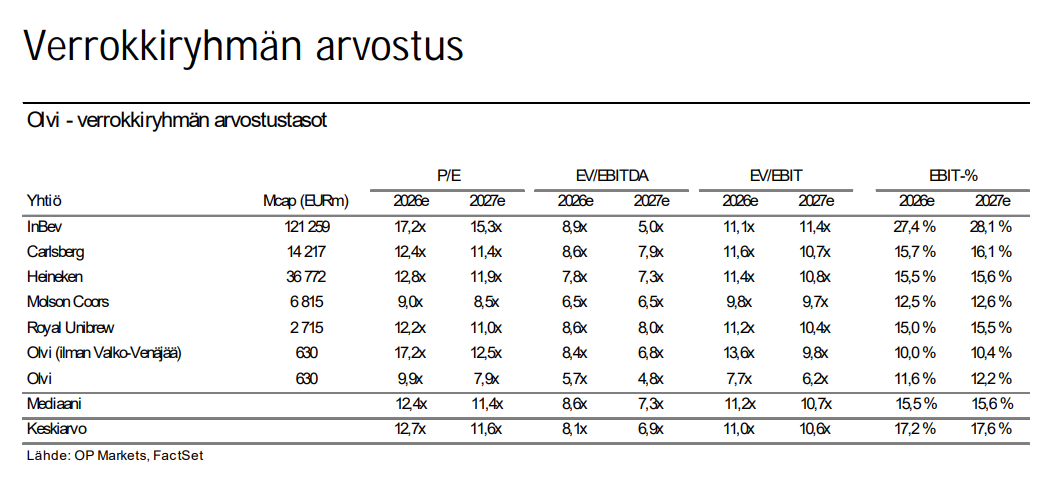
Olvilla on todella paljon tekemistä näiden asioiden kanssa ja P/E-luku ei kerro tässä tapauksessa yhtään mitään liiketoiminnan todellista ansaintavoimasta.
En edes uskolla laskea mikä on yhtiön vapaa kassavirta kun lasketaan Valko-Venäjä ulos kuvioista. Veikkaan ei ole kovin korkea luku suhteessa markkina-arvoon. Tase alkaa paljastaa pian tilannetta siten, että velkaa joudutaan ottamaan lisää vaikka näennäisesti kassavaroja paljon.
Vapaata kassavirtaa tulee liiketoiminnasta 30 miljoonaa. Kun Valko-Venäjä tekee tulosta 21 miljoonaa, sen osuus on korkeintaan tuon verran. Ei siis mitään hätää, kassavirta on vahva.
Tanskan rämpimisessä minua huolestuttaa erityisesti se, että tuo “saavutus” tehtiin vuotena, jolloin Jolly Colan suosio räjähti ja tuote palautti ikonisen asemansa. Mutta tuokin mahdollisuus ryssittiin toimitusvaikeuksilla, epätarkoituksenmukaisilla tuotepakkauksilla yms. Nyt toki korjausliikkeitä on tehty tuomalla markkinoille 6-packit, mutta aika myöhään ollaan liikkeellä.
Jos mennään alkoholittomiin juomiin, niin Suomessa Olvi loistaa hienosti vesissä. Mehukivennäisvedet ovat saavuttaneet suvereenin ykkösaseman ja ainakin itseni yllätti se, että myös vichyissä firma on ykkönen. Hartwallin versio kun on kuitenkin varsin ikoninen kilpailija, vaikkei nyt mistään greippilonkero-vallihaudasta puhutakaan.
Limonadeissa sen sijaan ihmettelen sekoilua: Ihan tunnetut Olvi colat haudattiin kaikessa hiljaisuudessa ja nyt liikkeelle lähdetään nollapisteestä uudella Juju-tuotebrändillä. En tiedä mikä on homman juju, mutta suomalaisille tutuin Juju on venäjämielinen salaliitoteoreetikko-räppäri.