Tämä ketju on jatkoa kommentille: Nokia sijoituskohteena (Osa 3) - #11430 käyttäjältä 0-Kelvin.
Edellinen ketju:
Tämä ketju on jatkoa kommentille: Nokia sijoituskohteena (Osa 3) - #11430 käyttäjältä 0-Kelvin.
Edellinen ketju:
Nonniis uusi ketju avattu,
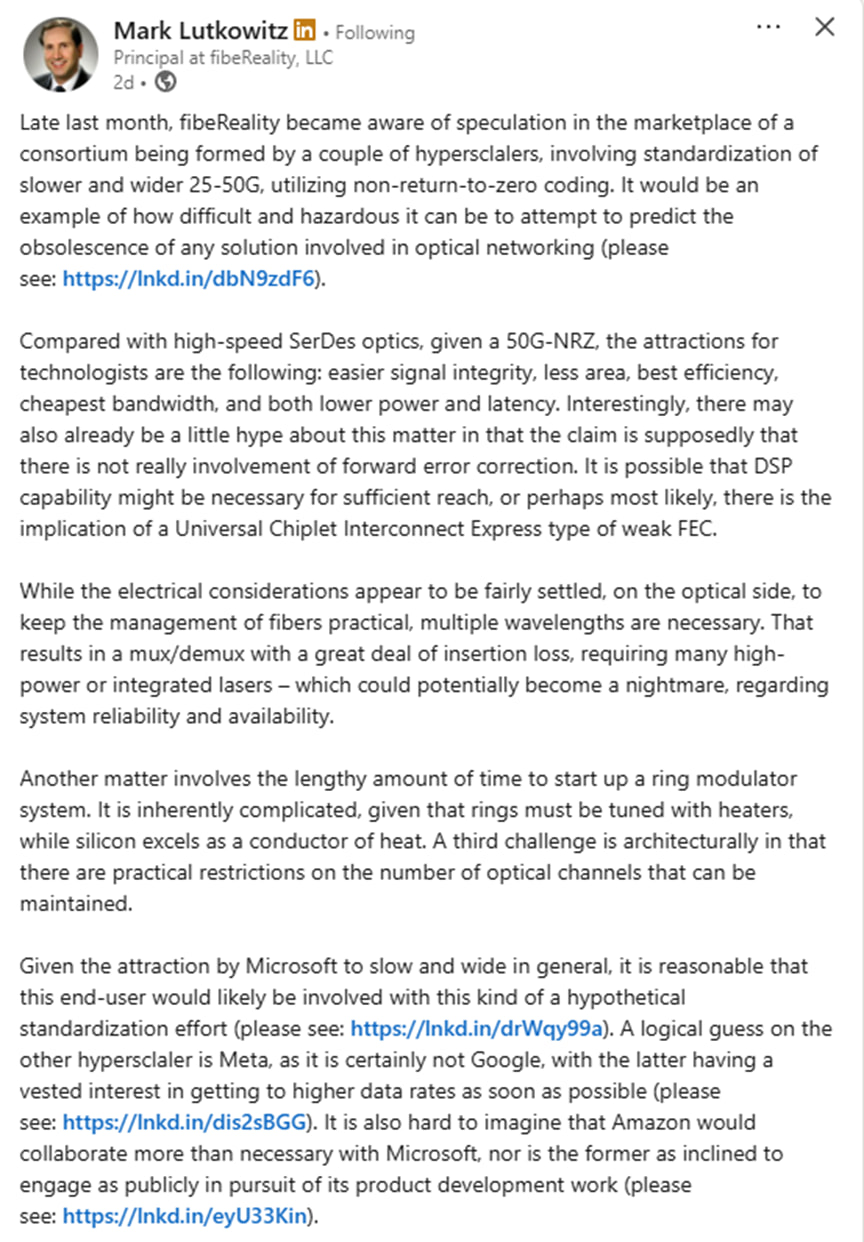
Mielenkiintoinen asia tuli linkkarista vastaan.
Markkinoilla liikkuu spekulaatioita konsortiosta (todennäköisesti Microsoft ja Meta), joka kehittää standardia hitaammille mutta leveämmille 25-50G-yhteyksille käyttäen perinteistä NRZ-koodausta (Non-Return-to-Zero).
Teknisenä haasteena optinen monimutkaisuus: Jotta kuitumäärä pysyy hallinnassa, tarvitaan useita aallonpituuksia (WDM). Tämä vaatii paljon tehoa tai integroituja lasereita, mikä voi olla “painajainen” järjestelmän luotettavuuden kannalta.
FibeReality mainitsee, että pii-pohjaiset rengasmodulaattorit ja integroidut laserit piillä ovat haastavia lämmönhallinnan ja luotettavuuden vuoksi. Tarvitaan siis luultavasti jälleen InP (Indiumfosfidi) -teknologiaa, sillä se on luonnostaan parempi materiaali lasereille ja optisille komponenteille kuin pii huomattavasti korkeamman lämmönkestävyyden vuoksi - lisäksi se on energiatehokkaampi.
Siinä mielessä tämä on Nokialle jälleen myönteinen huhu, sillä optinen osaaminen on jälleen keskiössä. Molempien Microsoftin ja Metan on mielestäni huhuttu olevan Nokian (Infineran) datakeskusasiakkaita, joten sikäli linkki Nokiaan olisi luonnollinen myös tämän kehityksen osalta.
Yksi tekoälyhuomio:
Tarkastelin Nokian (ja Infineran) tuoreita patenttihakuja. Erityisen mielenkiintoinen on patentti, joka käsittelee “monikanavaista integroitua optista lähetintä, jossa on passiivinen lämmönhallinta”.
- Miksi tämä on tärkeää? fibeReality mainitsi, että monen aallonpituuden (mux/demux) hallinta voi olla “painajainen” luotettavuuden kannalta.
- Nokian ratkaisu: Nokia on patentoinut tavan integroida nämä lasereiden aallonpituudet Indiumfosfidi-sirulle (InP) niin, etteivät ne vaadi jatkuvaa sähköistä lämmitystä pysyäkseen vakaana. Tämä poistaa sen “painajaisen”, josta Microsoft ja Meta ovat huolissaan.
Toisella palstalla väitettiin, että 1) Nokia ei ole Ciena ja 2) Nokian ja Ericssonin kurssikäyrät menevät varsin samanlaisesti. Vaikka kumpikin väite faktisesti onkin totta (esim. kurssikehitys vuoden alusta Nokia +16% ja Ericsson +20%), on syytä tarkastella kumpaakin asiaa tarkemmin.
Voidaan kärjistäen myös sanoa, että puolisen vuotta sitten ei myöskään Ciena ollut Ciena. Puolessa vuodessa sen kurssi raketoi 270% n. 90 dollarista 335 dollariin. Ciena on toki edelläkävijä vahvalla tilauskannalla, mutta Nokialla on optisissa verkoissa etuja, kuten vertikaalinen integraatio, joita ei Cienalla ole. Lisää aiheesta linkistä.
Katsotaanpa P/E:tä Marketscreenerin lukujen perusteella.
Ericsson: 10.6 (2025) 17.4 (2026) 15.9 (2027)
Nokia: 46.4 (2025) 26 (2026) 21.5 (2027)
Toisin sanoen Nokian nykyvoittoa arvotetaan paljon Ericssonia korkeammalle heijastaen Nokian odotettavissa olevaa tulosparannusta. Nokia nähdään nyt “AI-infrastruktuuriosakkeena” Infineran ja optisten verkkojen kasvun ansiosta, kun taas Ericsson on Nokia paljon riippuvaisempi hitaasti elpyvästä RAN-markkinasta.
Matkapuhelinverkkotoiminta tietysti on Nokialla pitkään ollut murheenkryyni, mikä heikentää lukuja. NVIDIA-yhteistyö ja suurempi ohjelmistopainotteisuus oman raudan kehittämisen sijaan voi jollakin aikavälillä tuoda helpotusta kulukurin lisäksi.
Nokia on myös alkanut panostaa enemmän NI:n tuotekehitykseen: €1,536 milj. viime vuonna (+€329 milj. kasvua edellisvuodesta). Kuitenkin NI:n t&k-panostukset sisältävä bruttomarginaali on pysynyt varsin vakaana. Se oli 44,6 % (Q4/2025) ja 45,4 % (Q4/2024) sekä koko vuoden osalta 41,1 % (2025) ja 42,0 % (2024). Tämä viittaa tuotteiden kilpailukykyyn ja hinnoitteluvoimaan.
Infineran integrointi tähtää 200 miljoonan euron vuosittaisiin synergioihin, mutta se vaatii etupainotteisia panostuksia. Merkittävä kuluerä on San Josen optoelektroniikkatehtaan modernisointi, joka on määrä saada tuotantokuntoon vuoden 2026 aikana. Jos hanke onnistuu, InP-sirujen tuotantokustannukset laskevat merkittävästi uuden automaation ja suurempien 6 tuuman (150 mm) kiekkojen myötä (2,25x pinta-ala nykyiseen 4 tuumaan verrattuna). Tulosvaikutus näkyy täysimääräisesti vasta vuoden 2027 luvuissa.
Tuohon voisi lisätä vielä P/B arvon. Nokia 1,48,Ericsson 2,74ja Ciena 9,81 ( lähde marketsreener) Otetaan osa tekoälyn kannanotoista seuraavaan. Jos arvioidaan P/b mukaan, markkina ei odota Nokialta suurta kasvua. Muuten tuo Nokian P/e arvo voisi olla myös noin 20, se vastaa todellista arvoa.Mm.Inderes käyttää sitä.Kuvastaa enemmän “tuottoa.” Alla tekoälyn analyysi.

 Tärkeä oivallus: P/B ja P/E yhdessä = ROE-odotus
On olemassa yksinkertaistettu yhteys:
Kun tämän ajattelee käänteisesti:
Eli korkea P/B + korkea P/E tarkoittaa, että markkina hinnoittelee erittäin korkeaa tulevaa pääoman tuottoa.
 Cienalla markkina odottaa:
joko erittäin vahvaa ROE-parannusta
tai pitkää, nopeaa kasvujaksoa
Nokialla markkina ei hinnoittele vastaavaa parannusta
Laitan vastineeni viestiisi toisella palstalla myös tänne.
Historiallinen taaperrus toki on totta, mutta vuoden 2026 Nokia on eri yhtiö kuin vuoden 2020 Nokia. Markkina ei ole vielä herännyt siihen, mitä Nokian teknologiapariteetti ja oma tuotanto merkitsee Nokian optisten verkkojen kilpailukyvylle.
Nokia ja Ericsson julkistivat tänään merkittävän yhteistyön, jonka tavoitteena on edistää merkittävästi älykästä automaatiota erityisvalmisteisissa (purpose-built), cloud RAN- ja Open RAN -verkoissa.
Nvidian pyrkimys 6G:n avoimen lähdekoodin käyttöönottoon saattaa huolestuttaa Ericssonia ja Nokiaa
https://www.lightreading.com/6g/nvidia-bid-to-open-source-6g-may-rattle-ericsson-and-nokia
Tämä tiedote ei taidakaan olla vielä täällä. MWC2026 on alkanut ja RAN -puolen (MI) asioita saattaa tupsahdella.
Jo aiemmin julkistetut operaattorikumppanit:
- T-Mobile U.S. (Seattle): Ensimmäinen “over-the-air” -testi, jossa Nokian Massive MIMO -radio ja NVIDIA Grace Hopper 200 -palvelin pyörittivät samanaikaisesti verkkoliikennettä ja raskaita tekoälysovelluksia (kuten generatiivista tekoälyä).
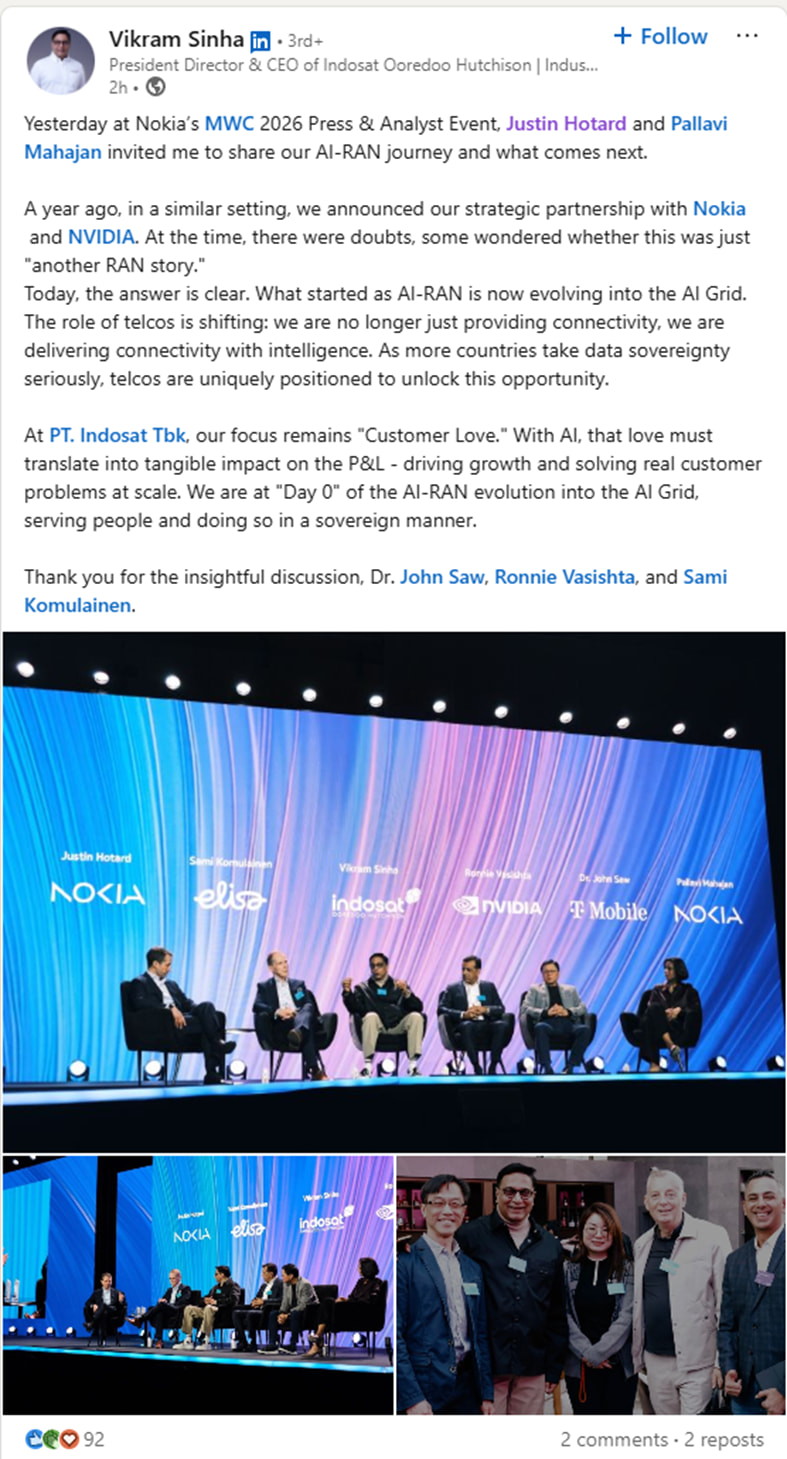
- Indosat (IOH): Kaakkois-Aasian ensimmäinen AI-RAN-pohjainen 5G-puhelu.
- SoftBank: Osoitti, miten verkon ylimääräistä laskentakapasiteettia voidaan myydä ulkopuolisille AI-tehtäville (monetisaatio).
Nokia on myös pystynyt laajentamaan ekosysteemiä. Nyt mainitaan Quanta ja SuperMicro uusina niminä:
- Palvelintoimittajat: Dell Technologies, Hewlett Packard Enterprise, Quanta (QCT) ja SuperMicro.
- Ohjelmistoalustat: Red Hat (OpenShift), joka mahdollistaa pilvinatiivin hallinnan.
- Sirut: NVIDIA Blackwell -pohjaiset GPU:t (kuten RTX PRO Blackwell) integroidaan nyt suoraan Nokian anyRAN-arkkitehtuuriin.
Ja viimeisenä ”Supporting Quotes” -lausunnot seuraavilta:
BT, Elisa, NTT DOCOMO, Vodafone..
Ronnie Vasishta, Senior Vice President of Telecommunications at NVIDIA: The telecommunications industry is at a turning point. Instead of upgrading networks in big, hardware-heavy cycles, we now have the opportunity to build them as fully software-driven systems. By running AI and radio access networks on the same accelerated computing platform, we make sure the network supports business needs — not the other way around
Nokia lanseeraa uuden sukupolven Doksuri Remote Radio Heads (RRH) -tuoteperheen. Nämä eivät ole vain tavallisia radiolaitteita, vaan ne on suunniteltu nimenomaan AI-RAN-arkkitehtuuriin.
- Energiatehokkuus: Jopa 30 % parempi hyötysuhde. Tämä on kriittistä, koska tekoälysovellukset kasvattavat verkon sähkönkulutusta.
- Keveys ja nopeus: Radiot ovat 25 % kevyempiä, ja uusi kiinnitysmekanismi vähentää asennusaikaa peräti 70 %. Tämä säästää operaattoreilta miljoonia asennuskustannuksissa.
- ReefShark SoC: Radiot toimivat Nokian uusimmalla ReefShark-sirulla, joka tuo älykkyyttä suoraan antenniin (Edge-laskenta).
Eli edelleenkään radioihin ei ole työnnetty GPU:ta vaan SoC - kuten oli odotettavaa. Vaikka tekoäly kommentoi radion liitosta osana AI-RAN arkkitehtuuria, itse näen tuon tavallisena jatkumona aiempaan. Ehkä jotain parempaa liitosta saadaan basebandiin - AI -kuorman työstöön.
Pallavi Mahajan, Nokian teknologia- ja tekoälyjohtaja, totesi paneelikeskustelussa, että kokeilu T-Mobilen kanssa ”on hyvä todiste, joka näyttää maailmalle”, mihin suuntaan laitetoimittaja ja ekosysteemi ovat matkalla.
”Nyt, 2026 on vuosi, jolloin teemme ensimmäisen kaupallisen kokeilumme, ja 2027 on vuosi, jolloin meillä on ensimmäinen kaupallinen julkaisu ulkona”, hän sanoi. ”Tämä on asia, joka innostaa meitä todella paljon.”
Nokia selitti, että integraatio edustaa merkittävää edistysaskelta RAN:n kehittämisessä tekoälypohjaiseksi alustaksi, joka voi isännöidä kolmannen osapuolen tekoälytyökuormia, avaten uusia palvelu- ja liikevaihtomahdollisuuksia perinteisen liitettävyyden lisäksi noudattaen samalla AI‑RAN Alliancen arkkitehtuuriperiaatteita.
Näiden operaattoreiden lisäksi BT Group, Elisa, NTT Docomo ja Vodafone ovat mukana kokeiluissa Nvidian ja Nokian kanssa vahvistaakseen AI‑RAN:n valmiuden todellisiin käyttöönottoihin.
https://www.fierce-network.com/wireless/nokia-promises-commercial-ai-ran-2027
Teknologiajohtaja Mahajan sanoi, että kaupallinen AI-RAN saapuu vuonna 2027
Jos joku jaksaa kahlata, Nokian eilinen MWC 2026 Press and Analyst Event.
Maaliskuu
02,
2026
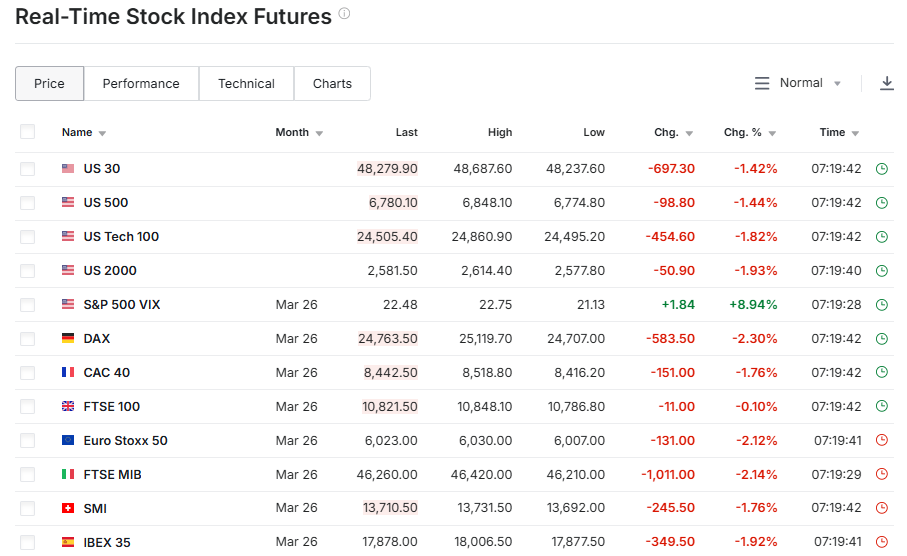
vaikka mielenkiintoista uutista pukkaa voi olla hyviä ostopaikkoja tänään/tällä viikolla
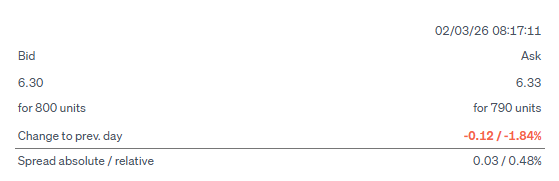
Frankki (ei merkittävä, tiedän) tällä hetkellä:
ja esim saksa futut -2,28%
Heips, on muuten kova uutinen, että Nokia ja DT laajentaa yhteistyötä. Ja varsinkin tämä seuraava lause:
Nokia will collaborate with Deutsche Telekom as its strategic co-creation partner for AI‑native RAN (AI-RAN) development.
Niin onko tässä pieniä merkkejä tilanteesta, jossa Nokia kerää ensikävijän hyötyä tilanteesta? Nokian baseband on siis paljon kilpailijoita ennen Nvidia -yhteistyölle. Vaikka toki GPU:ta (tai Nvidiaa) ei taidettu tiedotteessa mainita. Kuitenkin sanottiin: "As we move toward fully programmable and autonomous networks..)
Niin karua kun Iranin tilanne on, niin epäilen että tuon(kin) tilanteen tuoma verkkopiikki tulee osoittamaan tarpeen lisäkapasiteetille. Maailmaa on menossa kohti AI:ta - on RAN siinä täysimääräisesti mukana vai ei?
Tuo tuonee lisäkysyntää myös sotilaspuolen verkoille.
Tiedote:
https://www.lightreading.com/5g/t-mobile-eager-to-test-nokia-s-ai-ran-this-year
T-Mobile eager to test Nokia’s AI RAN this year
T-Mobile chief technology officer John Saw said he would be “really upset” if Nokia did not deliver an AI RAN radio that he can test in the field in the next 12 months, speaking at Nokia’s press conference on the eve of Mobile World Congress.
Hotard assured Saw that he would “definitely” get his wish for equipment to try out.
According to Nokia’s product timeline, field trials are expected in the fourth quarter this year for 5G software featuring time division duplex massive MIMO, multi-user MIMO and higher order quadrature amplitude modulation.
Commercial 5G offerings are slated to be ready in the fourth quarter of 2027. For 6G products, that would be "just a software update," but Nokia did not provide a date for availability.
Tällä LightReading jutulla oli normaalista poikkeava kirjoittaja, joka selittänee otsikoinnin Nokia -myönteisyyttä. Jos olisi ollut normisettiä, olisi se voinut olla tyyliin: "“Nokia’s $1B Nvidia rescue bid: Finnish soul has been sold for American silicon and NO real progress”.
Sama taustalla oleva asia, mutta myönteisellä tai negatiivisella asenteella siitä saa monta versiota. 
In an earlier statement on Monday, Nokia and Deutsche Telekom said they would expand their collaboration to speed up development of cloud-based, disaggregated and AI-native radio access network (RAN) technology.
This will lay down building blocks for programmable and automated mobile networks that are simpler, faster and better optimised for future connectivity needs as a global AI boom reshapes the industry, they said.
- NVIDIA ANNOUNCES STRATEGIC PARTNERSHIP WITH LUMENTUM TO DEVELOP STATE-OF-THE-ART OPTICS TECHNOLOGY
- NVIDIA CORP - IN ADDITION, NVIDIA IS INVESTING $2 BILLION IN LUMENTUM TO SUPPORT RESEARCH AND DEVELOPMENT, FUTURE CAPACITY AND OPERATIONS
- NVIDIA CORP: MULTIYEAR STRATEGIC AGREEMENTS WITH LUMENTUM HOLDINGS
Milelenkiintoista Lumentum on vahvasti optisessa pelissä mukana.
Ja samoin Coherent.
- NVIDIA AND COHERENT ANNOUNCE STRATEGIC PARTNERSHIP TO DEVELOP OPTICS TECHNOLOGY TO SCALE NEXT-GENERATION DATA CENTER ARCHITECTURE
- COHERENT CORP: NONEXCLUSIVE AGREEMENT INCLUDES AN NVIDIA MULTIBILLION-DOLLAR PURCHASE COMMITMENT
- COHERENT CORP: IN ADDITION NVIDIA IS INVESTING $2 BILLION IN COHERENT
- COHERENT CORP: MULTIYEAR STRATEGIC AGREEMENT TO ADVANCE FRONTIER OF ADVANCED OPTICS TECHNOLOGIES
“Auts”
molempiin näköjään sama 2jaardia