Totta nuorempi väestö on raittiimpaa ja osa käy salilla. NoHo on tätä trendiä tullut vastaan ostamalla mehubaariketjun. Myös pubiketjun osto, jolla haetaan miedompien parissa viihtyviä voitaneen vastaavan tähän trendiin. Toisaalta NoHo panostaa elämysravintoloihin, jossa yhdistetään urheilullisia toimintoja toimii terveysajattelioiden suhteen.
8 tykkäystä
Todella harvoin tulee enää nykyään yhtään pidempiä viestejä mistään aiheesta tehtyä kun tunnutaan tarttuvan epäollenaisuuksiin ja siihen että jokaisen asian kohdalla erikseen mitään poissulkuja ja poikkeuksia kirjoitella , mutta palastellaan nyt.
Jos liikevaihdosta 73% on koko vuoden osalta keskittynyt suomeen (en jaksa laskea onko BBS miten laskettu ilmoitettuihin lukuihin) on mielestäni täysin loogista keskittyä Suomeen kun tämä uutinen josta sain pitkästä aikaa innoituksen kirjoittaa tänne yhtään mitään keskittyi Suomen yökerhomarkkinaan eikä Norjan yökerhoihin tai burgereiden voittokulkuun Sveitsissä.
Ravintoloiksi muutettuna tämä lukumäärä on 243 ravintolaa Suomessa ja 53 ulkomailla ja on tämänkin puolesta erittäin oleellista keskittyä ylivoimaisesti suurimpaan markkinaan.
Kiva että Sveitsissä kulkee ja niin kulkee myös F&B:llä suomessa, BBS on konsernin ainoa liiketoiminta josta en jaksa olla huolissani vaikka heidän hallituksen puheenjohtajan esiintyminen ei itseäni erityisesti CMD:ssä vakuuttanut, onneksi hänen päätyönsä on ihan muualla kuin esiintymislavalla.
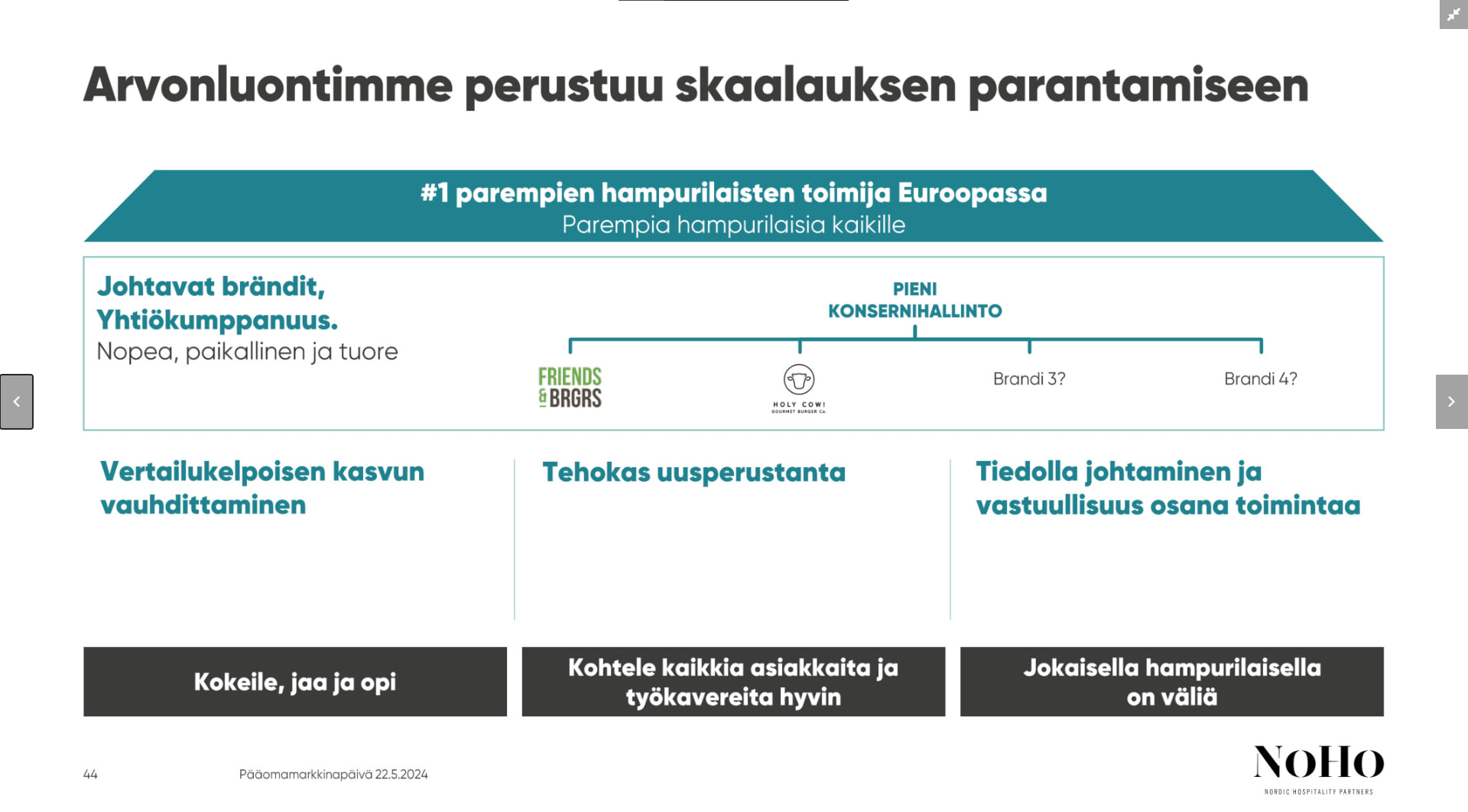
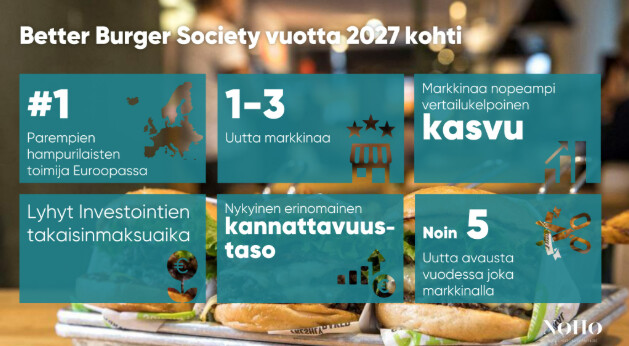
Nyt kun asia tuli puheeksi niin 1,5 vuotta sitten oli kovat suunnittelmat sen suhteen kuinka portfoliota ollaan laajentamssa ja kuinka 2027 mennessä uusia markkinoita oltaisiin avaamassa 1-3.
Uusia ostoksia tämän suhteen ei ole kuitenkaan näkynyt ja voisi olettaa että ensi vuonna jokin ostos saattaisi päätyä BBS:n kuoriin.
Olettaen että palvelulle on kysyntää, jos nykymuotoinen yökerho ei tule konseptina toimeen suurien kulujen vuoksi niin ei sekään tule toimeen.
Onko yökerhojen suhteen nyt kyseessä nyt syklinen sellu ja kysyntä on vain aallonpohjassa vai onko tämä paperiteollisuus joka matkalla kohti nollaa? Itse en näe että tämä markkina voisi lähteä kasvamaan ennen kuin Suomen bkt ja palkat alkaisivat taas kasvaa tai että alkoholin hinta laskisi merkittävästi veronalennusten myötä, nykyinen hintataso on vain niin käsittämöttämän kallis ettei maskavaa asiaskaskuntaa ole riittävästi pyörittämään nykyistä yökerhokantaa.
Onko siellä kyseessä vain pieni puhuri ja markkina palaa pienen hikan jälkeen jälleen edelliselle tasolla vai pysyvä tasokorjaus alaspäin? Onko Nohon portfolio siellä väärin asemoitu? Campingeja Norjasta löytyy useampi ja Suomen päässä niiden suhteen oli myös suuria suunnitelmia että niitä lähdettäisiin avaamaan useampi, avauksia niiden suhteen ei ole kuulunut ja onko konsepti sielläkin vaikeuksissa kuten Suomessa?
Norjankin haasteet ovat tässä kohtaa kuitenkin olleet kohta jo noin vuoden pituisia ja niiden juurisyynä on tämä suomestakin tuttu kuluttajakysynnän heikkous, Norjan markkinoiden dynamiikasta ei ole itselläni edes mitään perstuntumaan enkä lähde arvioimaan kuinka todennäköistä on että kysyntä kääntyy siellä kasvuun jälleen ensi vuonna.
Siitä voimme olla pitkälti samaa mieltä ettei tilanne enää huonommaksi oikein voi mennä, oletus on kuitenkin hyvin rohkea että nyt ensi vuonna kulutus lähtisi kovempaan kasvuun ja näitä säästöjä oltaisiin pantattu nimenomaan tavallista kuluttamista varten, itse näen ennemmin että nämä säästöt laitettaisiin rakentamiseen ja remontointiin tai sitten säästöt jäävät tileille odottamaan jälleen sitä kuuluisaa pahaa päivää joka tuntuu olevan arkipäivää täällä talouskasvun jälkeisessä pohjolassa.
Nohokin on todennäköisesti ihan hyvä sijoitus vaikka bkt:n kasvu surullista käyrää jatkaisikin, erinomainen sijoitus vaatisi sitten puolestaan hieman vetoapua kansantalouden puolelta ja kun portfolio nyt tuolta näyttää niin on loogista suomeen keskittyä.
Yksi asia vielä loppuun, Hookkia oltiin monistamassa joka suuntaan kuin kopiokoneella konsanaan, mutta eipä noita ole juurikaan CMD:n jälkeen ilmestynyt.
Ehkä sitten ensi vuonna?
Markkinahäirikkö ja pilvikeittiöin levittäytyvä Huuva on kuitenkin samaan aikaan avannut todella monta uutta ravintolaa josta saa myös Siipiweikkojen tuotteita, jos Hook meinaa vielä lähteä laajentumaan niin tilaahaan tuokin markkinalta vie kun siipimarkkinankaan kysyntä ei ole rajantonta (paitsi Tampereella) .
26 tykkäystä
Tuote kunnossa vol2.
5 tykkäystä
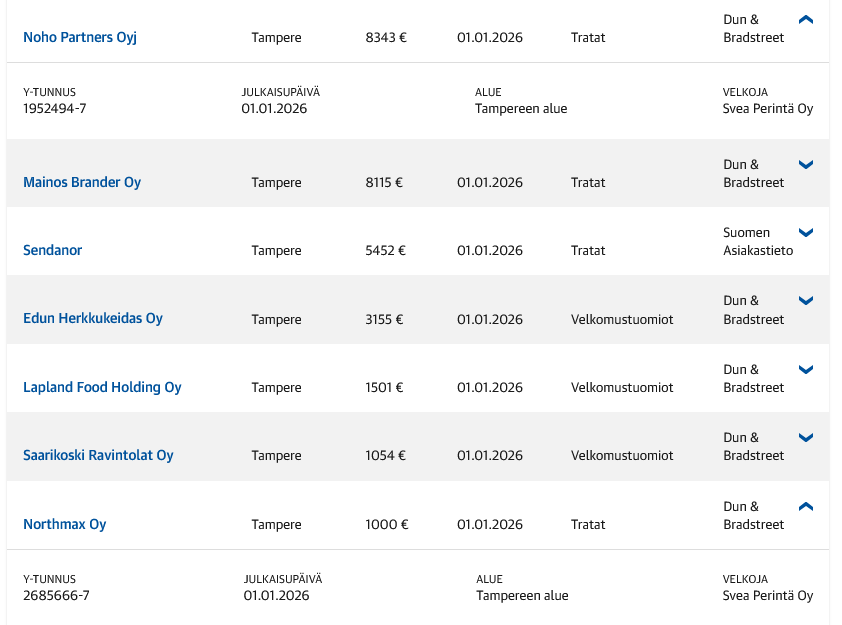
Taas paukkunut NoHo Parnerts Oyj:lle (8343€) sekä Northmax Oy (1000€) tratat.
2 tykkäystä
Juu, huomasin saman:
Kyllähän nämä Nohon ympärillä tapahtuvat jutut hieman kummalliselta tuntuu, kun täältä lukemalla kyseessä on arvostettu ja menestyvä pörssiyhtiö. Tässä ketjussa en muista juurikaan nähdyn käsiteltävän Rivermax Oy:n tapausta, jossa jälkikäteen katsottuna heikosti kannattava ravintolatoiminta vuokravastuineen siirrettiin bulvaanina toimineen virolaisen rikollisen nimiin:
Tässä keikauksessa suurena kärsijänä oli ainakin Citycon, joka on yrittänyt periä Rivermaxilta mittavia vuokrasaataviaan.
Tällaisten kuprujen teko saattaa vaikeuttaa pahoinkin Nohon tulevaa liiketoimintaa, kun vuokranantajat ei enää luotakaan velvoitteiden tulevan hoidetuksi tytäryhtiöiden vastuista.
11 tykkäystä
Nuo ei liity millään tavalla nohoon ostaja ostanut liiketoiminnat, ja jatkanut niitä miten ne liittyvät nohoon?
@Sauli_Vilen alkaa mediassa ja palstalla olemaan sen verran paljon näitä maksuhäiriö keskusteluja, että onko mahdollista näistä kysellä toimitusjohtajalta?
17 tykkäystä
Joulukuussa Heikkilän Proprius Partners lisännyt ja kaiketi entinen terveystalo tj ja hallituksen jäsen Yrjö Närhinen ostanut tai muulla tavalla järjestellyt itselleen 40k lappua.
16 tykkäystä
19 tykkäystä
Hyvää tätä vuotta ketjuun! Ehdottomasti otan tämän kysymyslistalle Q4-haastikseen. 
Muistutuksena myös, että NoHon (kuten valtaosalla muistakin pörssiyhtiöistä) on webcastissa avoin Q&A, eli sinne voi myös heittää näitä kysymyksiä.
10 tykkäystä
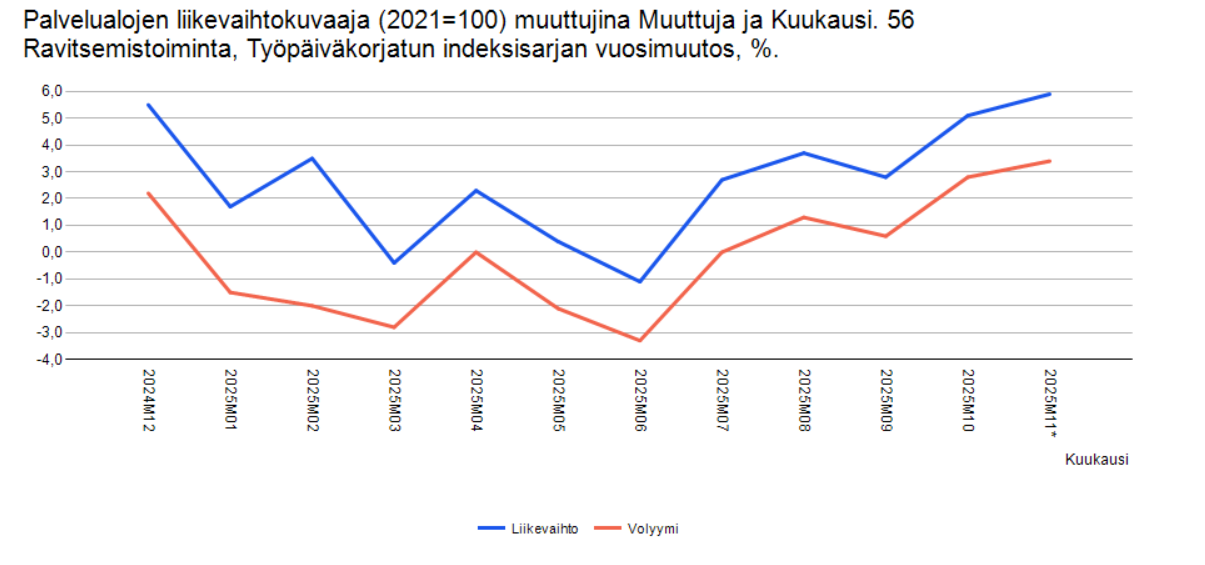
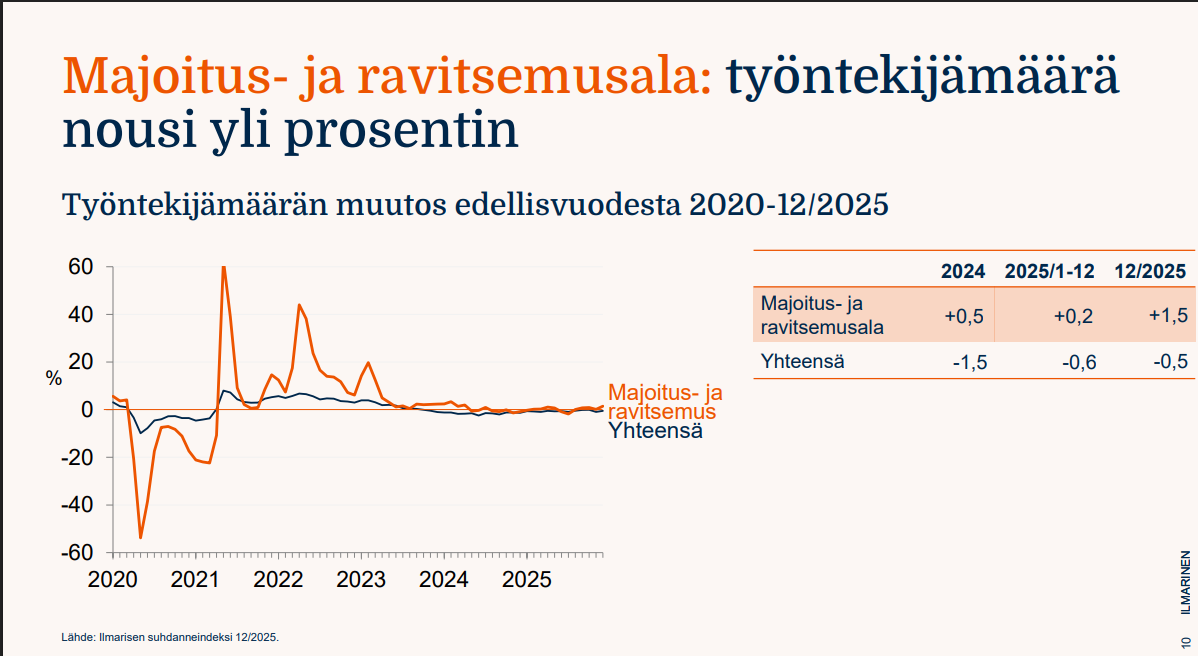
Ilmarisen suhdanneindeksin mukaan ravintola- ja majoitusalan työntekijöiden määrä jatkoi kasvussa joulukuussa:
12 tykkäystä
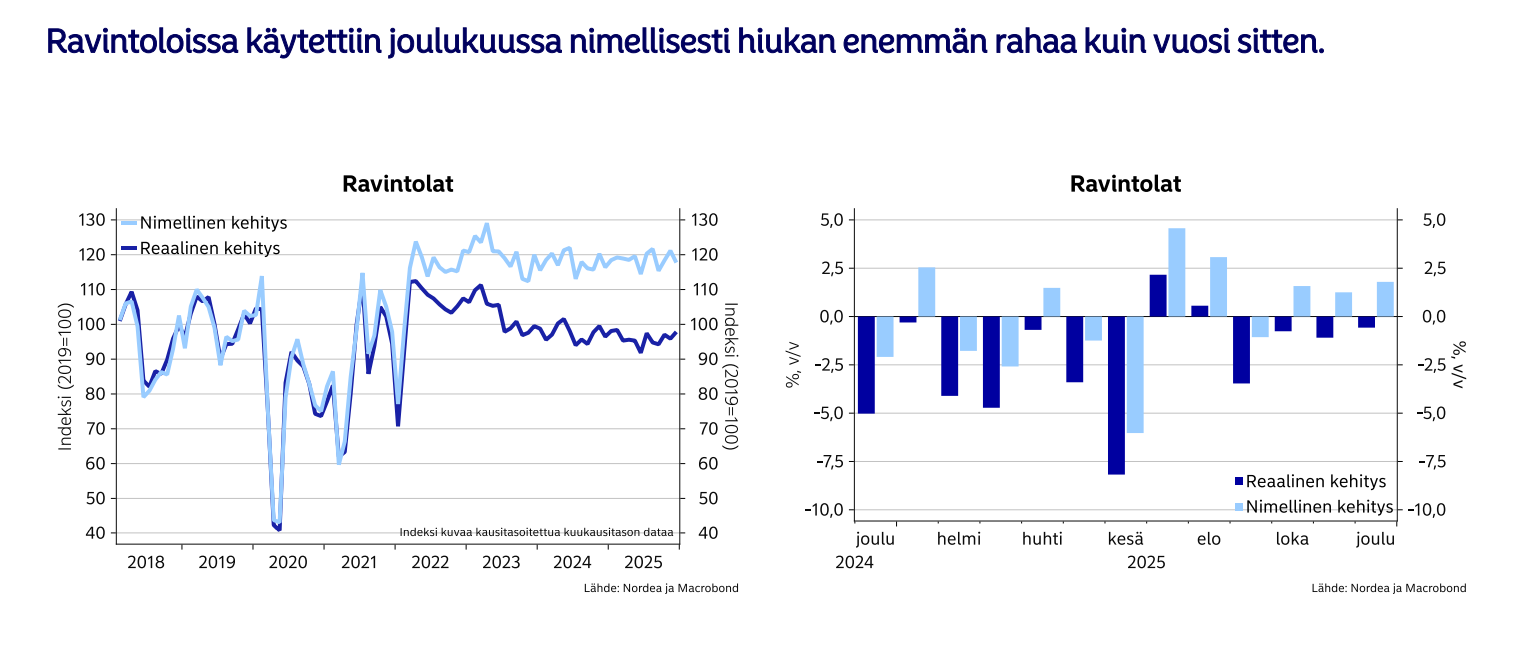
Suurimman tukkurin eli Kespron myyntikin kasvoi 8,1% ja vertailukelpoisesti 4-6%. Josko tämä elpyminen tästä käynnistyisi.
13 tykkäystä
Tervehdys! 
NoHo Partnersin tilinpäätöstiedote julkaistaan keskiviikkona 11.2. n. klo 8.00. Tulosinfotilaisuus analyytikoille, sijoittajille ja medialle järjestetään samana päivänä klo 10 Kulttuurikasarmin tapahtumatilassa Helsingissä. Tilaisuudessa on tarjolla aamiainen klo 9.30 alkaen. 
 Pyydämme tilaisuuteen paikan päälle osallistuvia ilmoittautumaan viimeistään perjantaina 6.2.2026 sähköpostitse osoitteeseen ir@noho.fi.
Tilaisuutta voi seurata tuttuun tapaan myös verkossa.
Lisätiedot täältä.
Näkemisiin!
15 tykkäystä
Nyt taas vähän isompi tratta:

Velkojana Kauppakeskus Mylly jossa Noholla useampikin ravintola.
8 tykkäystä
Juu, kolme ravintolaa näyttäisi tuolla olevan. Kuukaudessa ei uskoisi tuollaisia vuokrarästejä tuolta kertyvän, joten ei taida olla kyse pelkästään yhdestä “unohduksesta”.

5 tykkäystä
Neljä mitkä linkittyy NoHooon, mutta toki erilaisien järjestelyiden kautta. Friends&Brgers, Classic American Diner, Hanko Aasia ja Jungle Juice bar.
5 tykkäystä
NoHo Partners Oyj:n alla on vain American Diner Mylly ja loput ovat eri yrityksen alla. Näin ollen oletettavaa, että kyseessä on tämän paikan vuokrat.
4 tykkäystä
Luin tuossa äskettäin op:n ennakkoa tältä päivältä. Kyllä sielä ainakin vaikuttaa olevan kova luotto yhtiöön ja markkinan paranemiseen. Toistivat 9.6€ tavoitehinnan.
5 tykkäystä
Varsin mukavasti on käynyt väkeä NoHon ravintoloissa tämän perusteella.
Helsingin Messukeskuksessa viime vuonna yli miljoona kävijää | Uutisia lyhyesti | Yle
8 tykkäystä