Despite its small size, so much was being written about Nextcell in the Diamyd Medical discussion, and Diamyd no longer considers the company an associated company, so I decided to create a separate thread for it.
Nordnet: Nextcell (NXTCL )
Nextcell Pharma Home
The Swedish life science company NextCell Pharma is a clinical-stage biotech company whose primary focus is developing stem cell treatments for autoimmune and inflammatory diseases. At the time of writing, the company has a minuscule market cap of €10M – but that is precisely why I find it so interesting. In my opinion, the company is absurdly cheap relative to its potential.
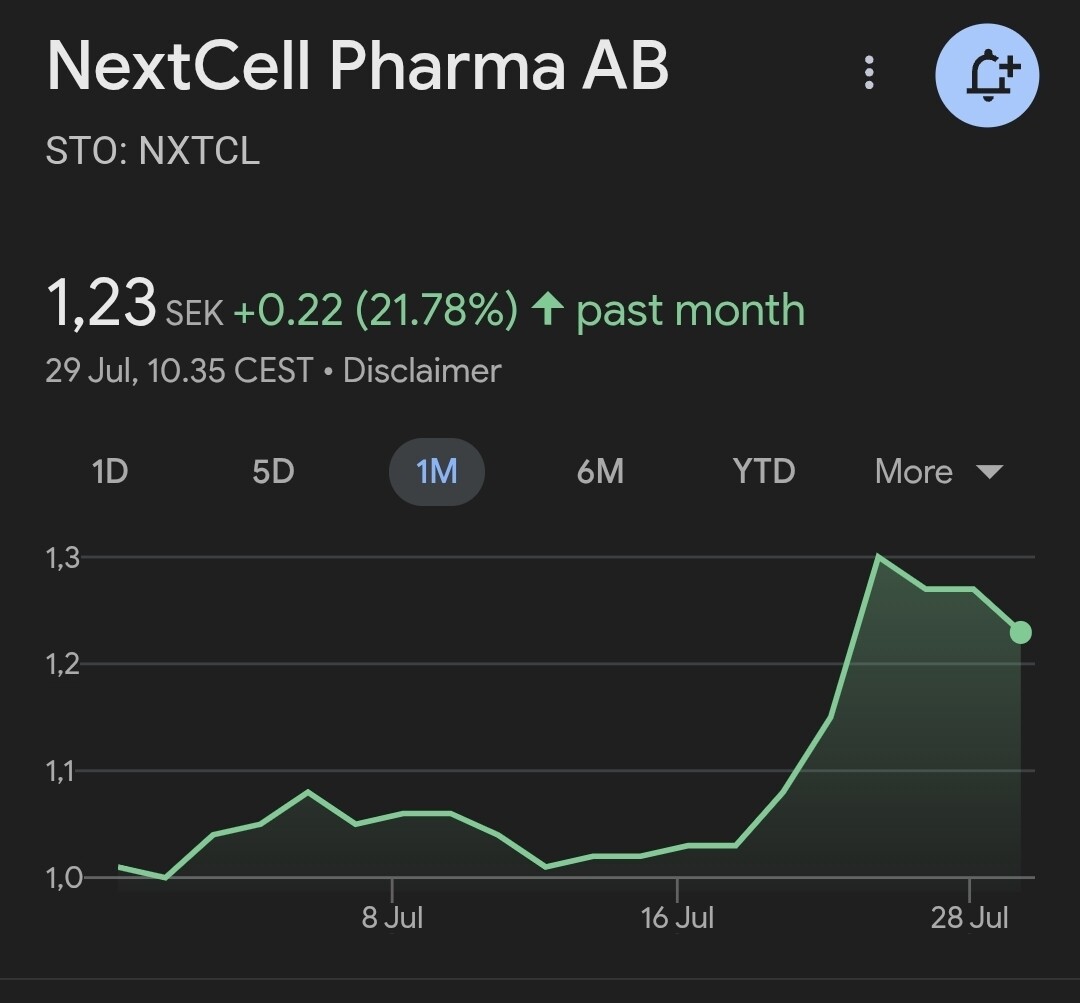
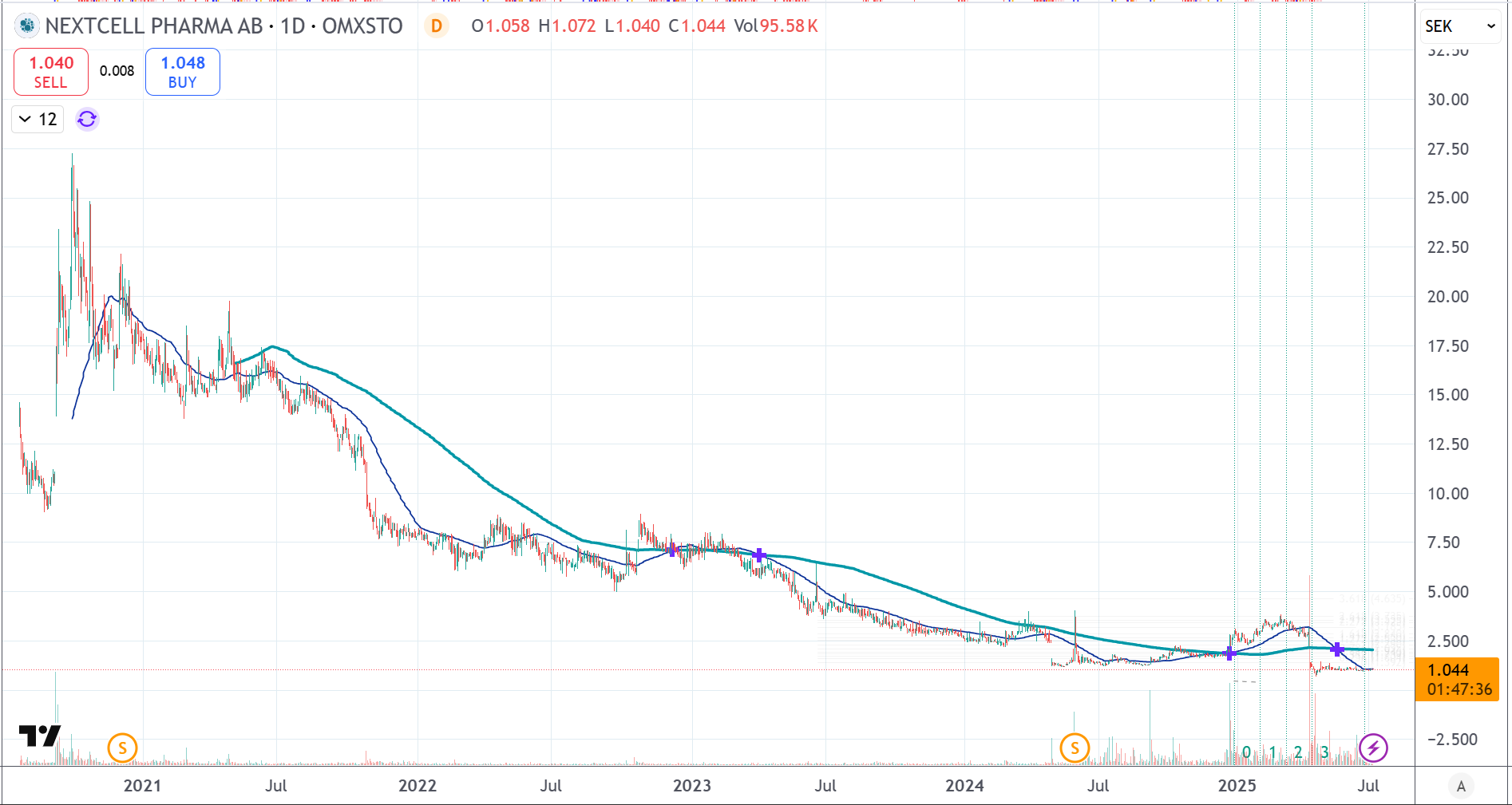
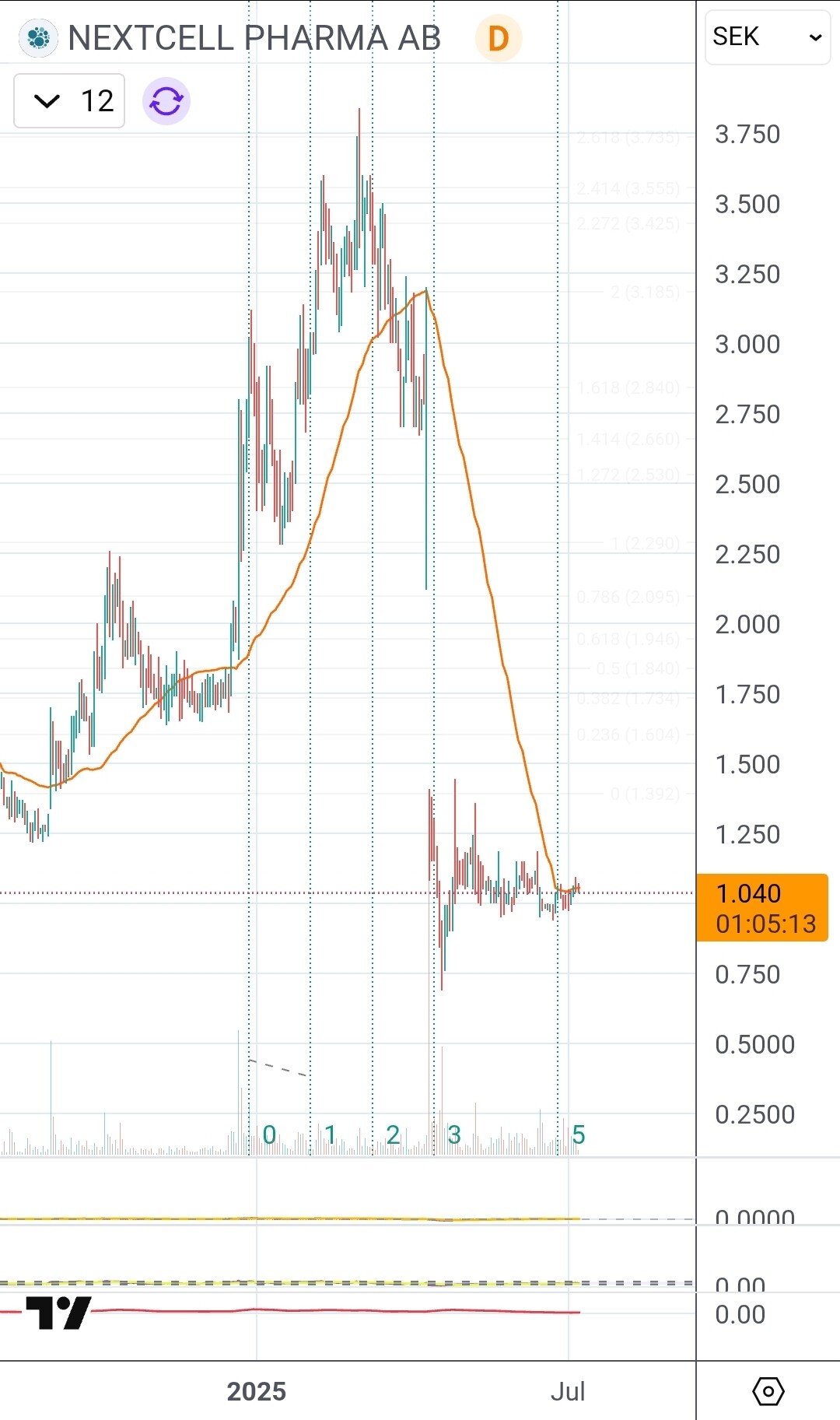
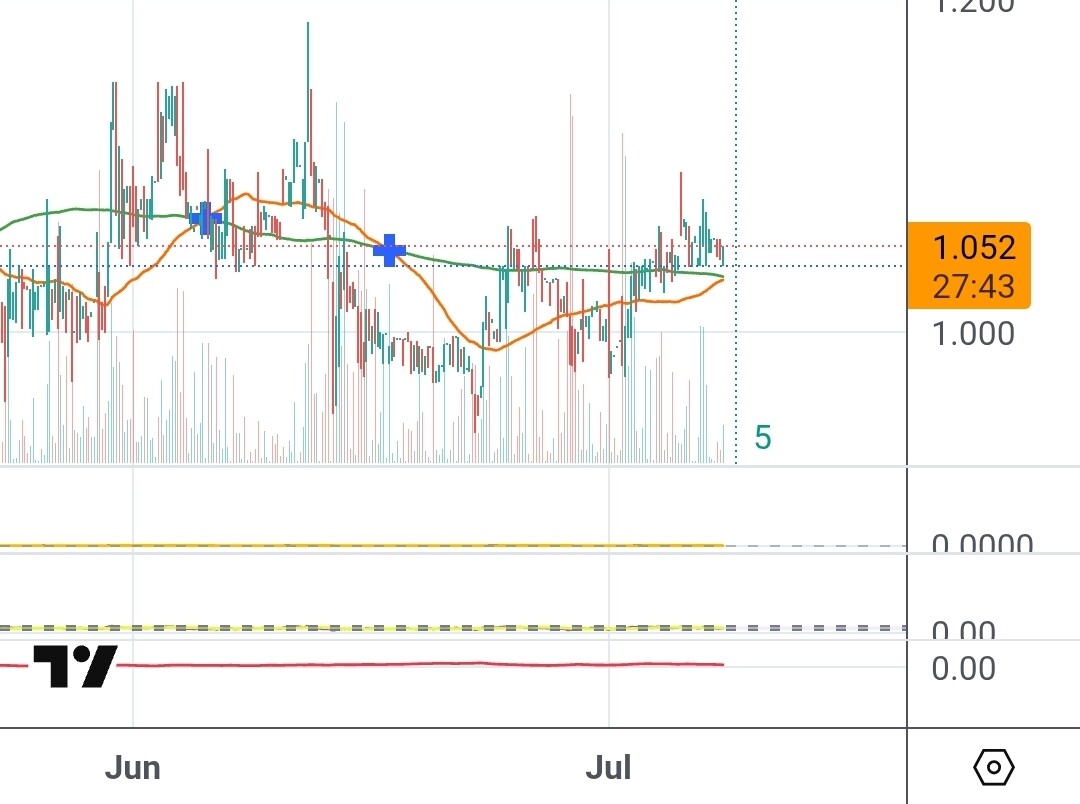
Before proceeding, it is worth emphasizing that, as the stock’s history shows, this may also be a brilliant opportunity to burn your money, typical of small-cap biotechs, if the journey continues in the same fashion:
Protrans Stem Cell Treatment
At the core of Nextcell’s treatments is the Protrans stem cell therapy, which is first being piloted for the treatment of type 1 diabetes. In a way, this is a competitor to Diamyd Medical, although the approach differs slightly. Additionally, it is worth mentioning that Diamyd Medical owns a fairly significant stake in Nextcell’s shares.
Nextcell’s product Protrans is considerably more generic as a product and has the potential to serve as a treatment for numerous autoimmune and inflammatory diseases, of which T1D is only the first in the research pipeline. NextCell Pharma’s ProTrans cell therapy is based on mesenchymal stromal cells (MSCs), which are selected using Nextcell’s algorithm based on their optimal immunomodulatory function. MSCs possess broad anti-inflammatory and immune-modulating properties, making them a potential treatment for several other diseases besides diabetes. For example, a study published in Nature in May 2025 supports the idea that the treatment method used by Nextcell could also have potential in, for instance, Alzheimer’s treatment. Indeed, Nextcell filed a patent application for the use of ProTrans in the treatment of central nervous system (CNS) and neurodegenerative diseases years before the Nature article was published. This patent application is reportedly still pending in several countries, such as Australia, Canada, Europe, Hong Kong, and the United States.
NextCell has also previously mentioned developing stem cell products that could enable and increase the body’s acceptance of organ transplants, such as kidney transplants. The immunomodulatory capacity of stem cells could help prevent rejection reactions. In general, MSCs are widely researched in regenerative medicine for tissue repair and regeneration. Although NextCell’s main focus is on immunomodulation, ProTrans cells can theoretically also support tissue healing in various injuries or diseases, but this does not appear to be Nextcell’s focus at the moment.
Stem cells are certainly at the cutting edge of future medicine, and there is already plenty of evidence of the therapeutic potential of stem cells. However, stem cells alone cannot be patented, but Nextcell has successfully built multi-layered patent protection around its product. Protrans treatment involves a cell composition selected, purified, and manufactured using NextCell’s algorithmic method, which is used for the treatment of specific autoimmune diseases. Nextcell’s patent protection covers:
Product patents: The ProTrans cell preparation itself, defined through its unique cell composition.
Method patents: The industrial process by which the ProTrans preparation is produced (the so-called “selection algorithm”).
Use patents: The use of the aforementioned product for the treatment of specific diseases, such as type 1 diabetes.
Company Structure and Business Areas
Let’s take a closer look at the other building blocks of the entity. Drug development is packaged within the Nextcell parent company, but unlike a dime-a-dozen biotech, the company also has a growing core business that already generates some cash flow. EBITDA is naturally still negative, and earnings per share (EPS) are in the red. This is expected at this stage, as the largest revenue streams will only come through potential drug approvals and partnerships.
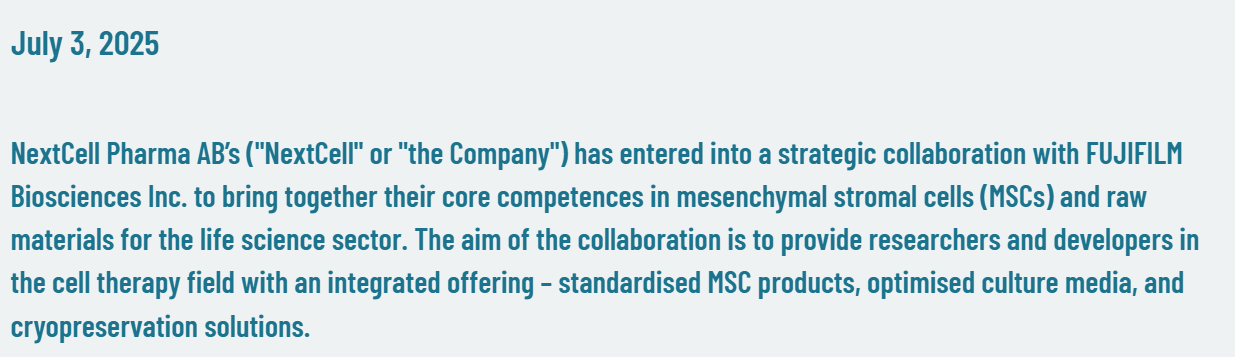
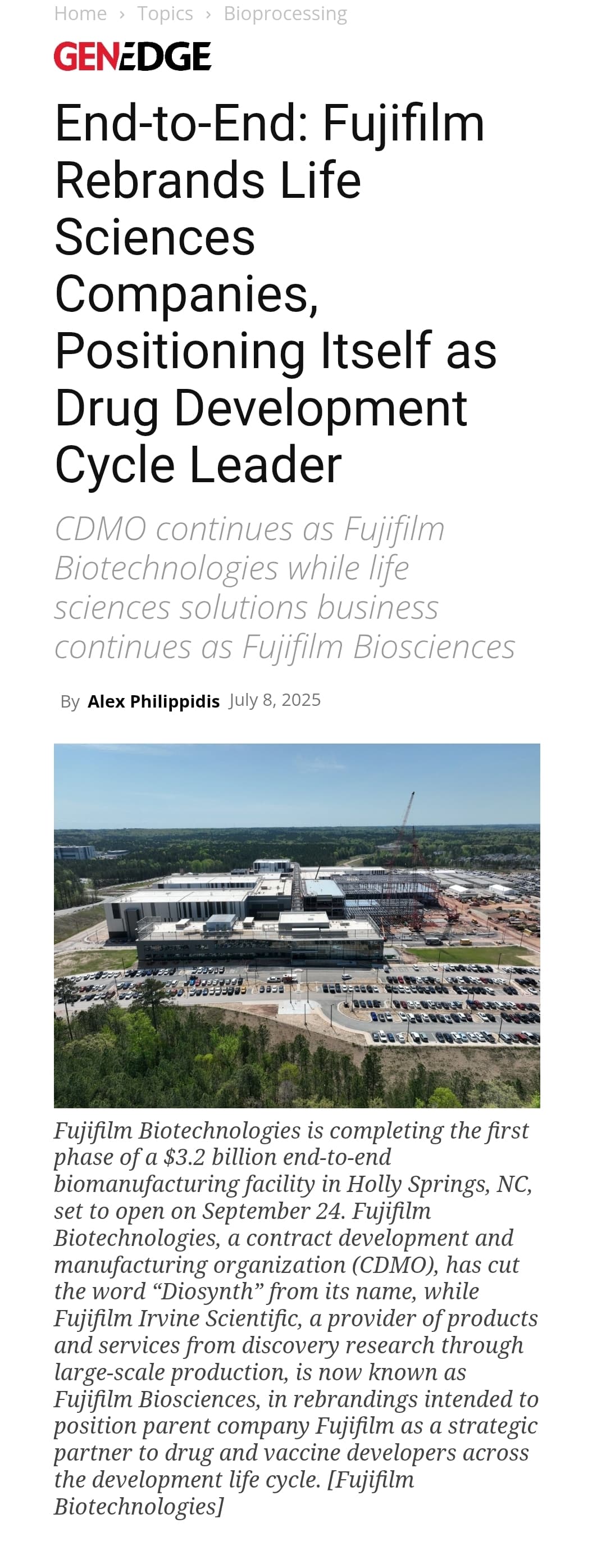
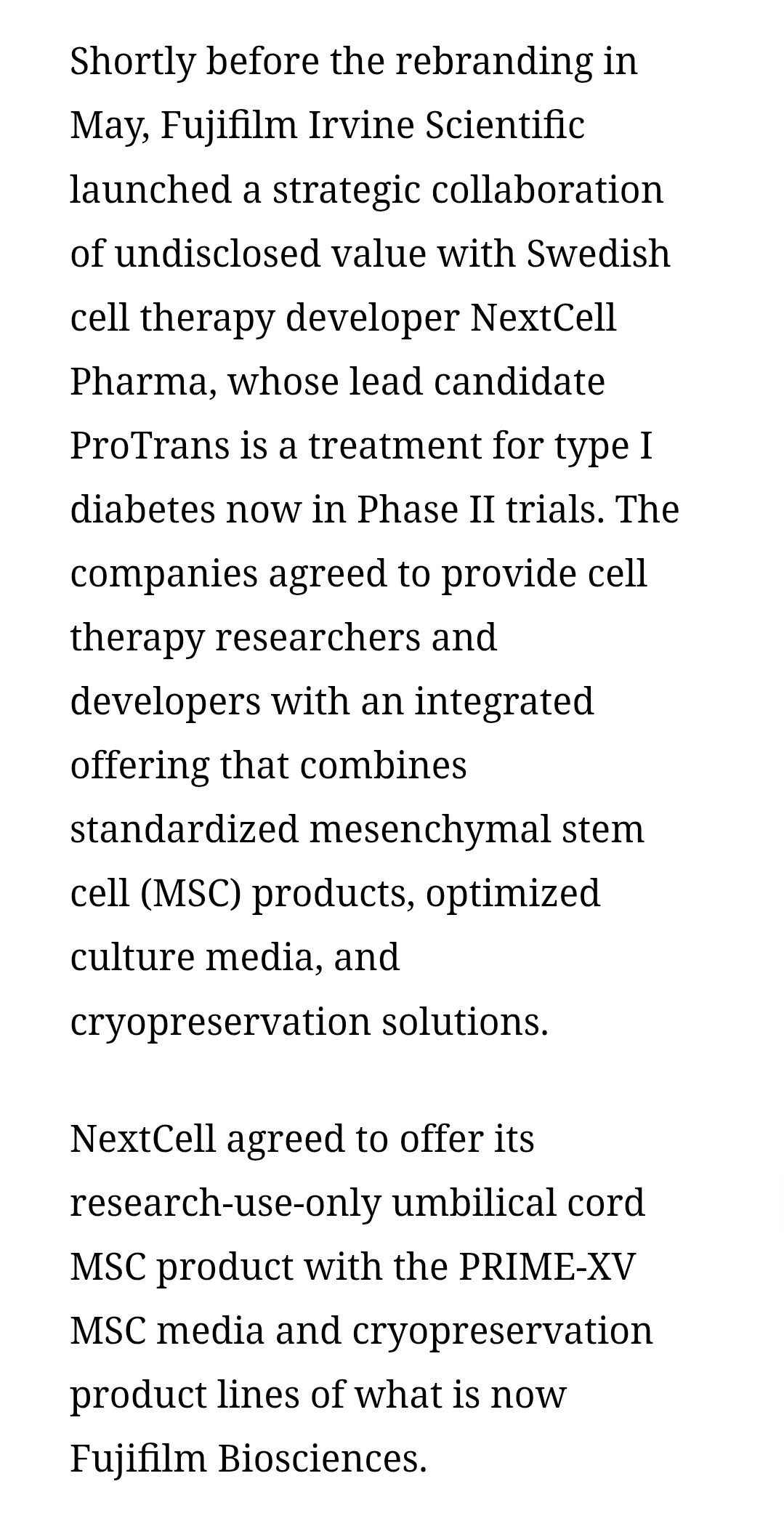
New business areas: NextCell Pharma recently announced a “strategic collaboration” with FUJIFILM Irvine Scientific (now part of FUJIFILM Bioscience). The aim of this collaboration is to provide researchers and industry players with an integrated solution that supports the development and validation of new cell and gene therapies. This is thus a new vertical business area.
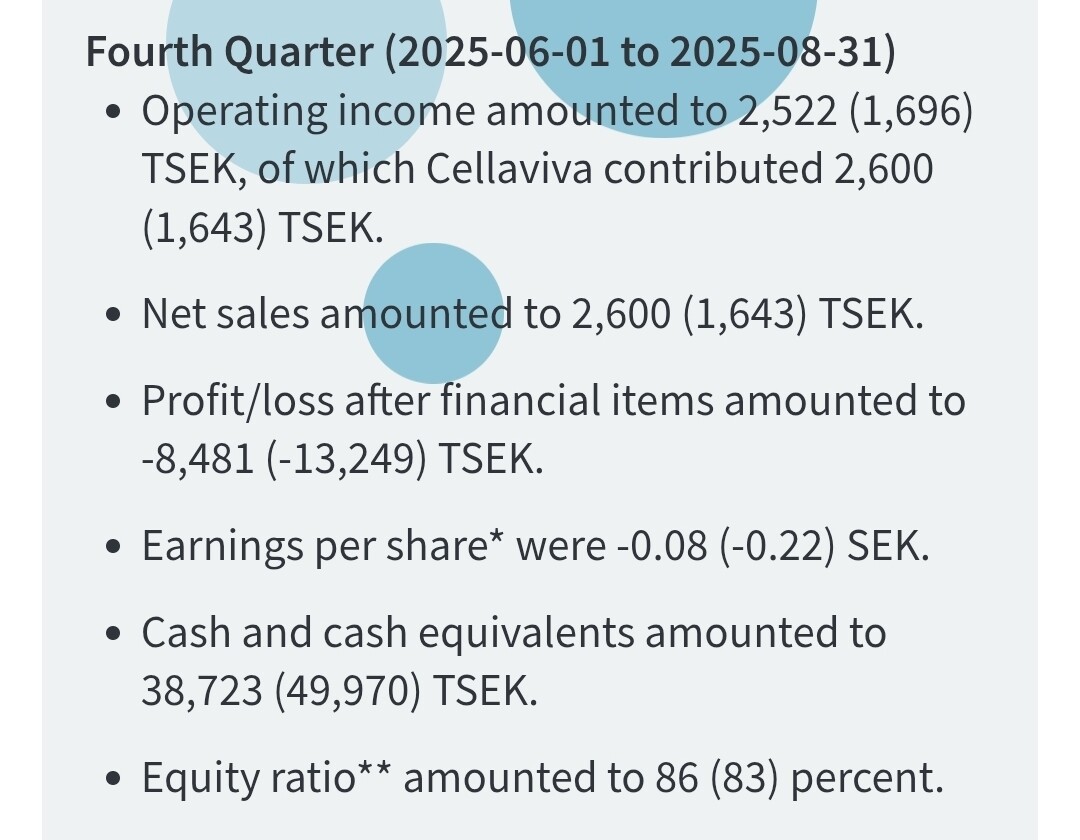
Cellaviva Subsidiary: This is the largest family cell/stem cell bank in the Nordic countries, meaning they store stem cells collected from the umbilical cord and tissues at birth for future use. This brings in cash flow and acts as a pillar for research. In the future, Cellaviva could expand its services or even serve as a commercialization platform for certain stem cell treatments. In terms of status, this operates relatively stably and already provides ongoing revenue. In the last quarter, sales were only SEK 3.2m but showed 39% growth YoY. The cell banking business itself can be hugely valuable in the future, even if Protrans as a treatment does not hitthrough.
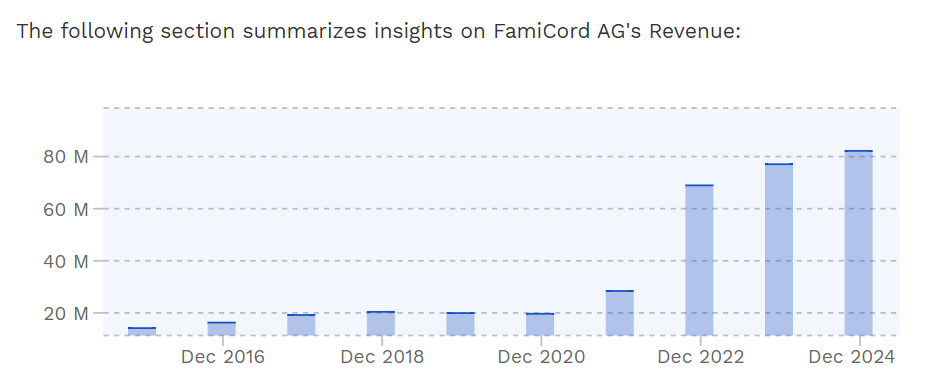
In addition, NextCell owns an 8.5% stake in FamicordTX, a startup focusing on cancer treatments specialized in CAR-T cell therapy. FamicordTX is a subsidiary of the Polish FamiCord AG, which in turn operates Europe’s largest cell bank with strong growth figures: < which also support Cellaviva’s business potential
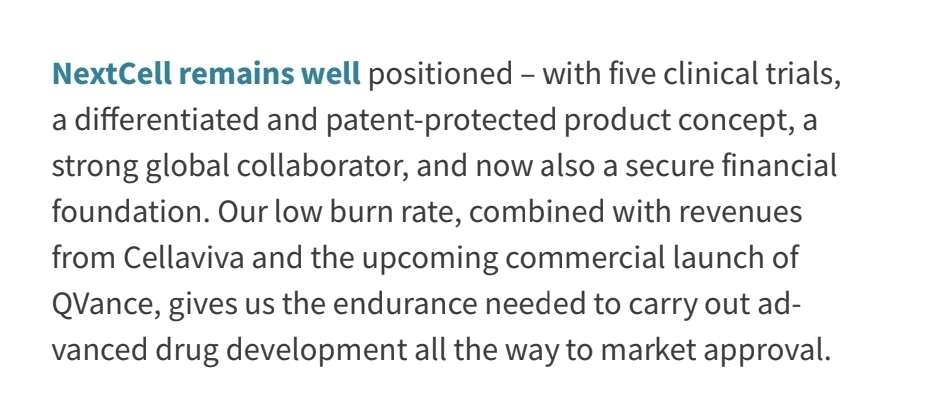
Qvance AB: A 100% owned subsidiary founded at the end of 2024, whose mission is to act as a quality control (QC) and analysis service provider for cell and gene therapies as well as other biological drugs. This addressed an existing need, as the Nordic countries lack sufficient laboratory services required by the industry. Qvance is expected to generate revenue already during 2025 and already has an existing partnership agreement with bioMérieux. Qvance is aiming for a GMP license in the near future, which would enable the expansion of its business into contract manufacturing. A contract laboratory serving Big Pharma could in itself cover NextCell’s entire market capitalization in a few years, as there are very few competitors in the Nordic countries.
It is therefore extremely positive that a broad repertoire of business is being developed as part of NextCell, which signals that management is confident that expensive drug trials will yield results and thus not drag down the entire rest of the operation with them.
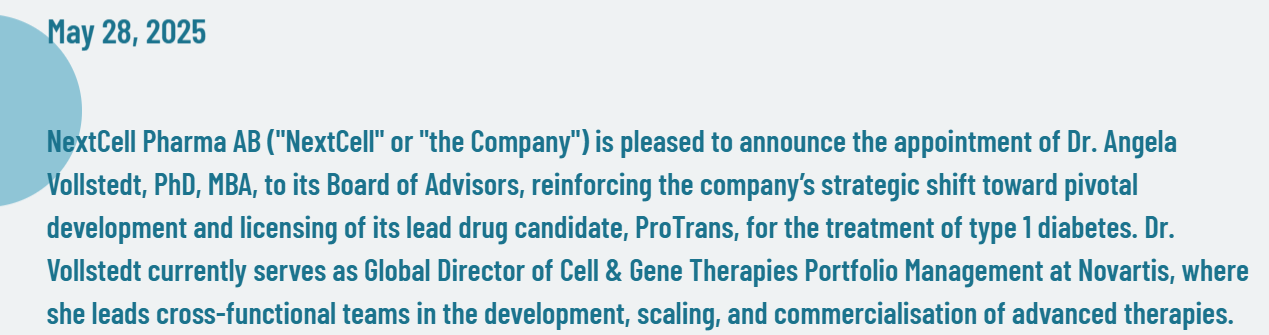
NextCell also has a strong Advisory Board, to which some heavy hitters with deep roots in the Big Pharma world, such as giants like Novartis, Eli Lilly, Sanofi, or AstraZeneca, have recently been appointed. In fact, Novartis’s currently sitting international portfolio manager has recently been appointed to the advisory board. This raises the question: has Novartis set its sights on NextCell?
The journey to approval will take years and there is plenty of uncertainty regarding the success of the phases, but when the potential peak sales of TD1 treatment alone are calculated in the billions and a phase 3 financing agreement would potentially be worth hundreds of millions, this could be a quite profitable lottery ticket in the near future with the company’s market cap being only around €10M.
Protrans Studies
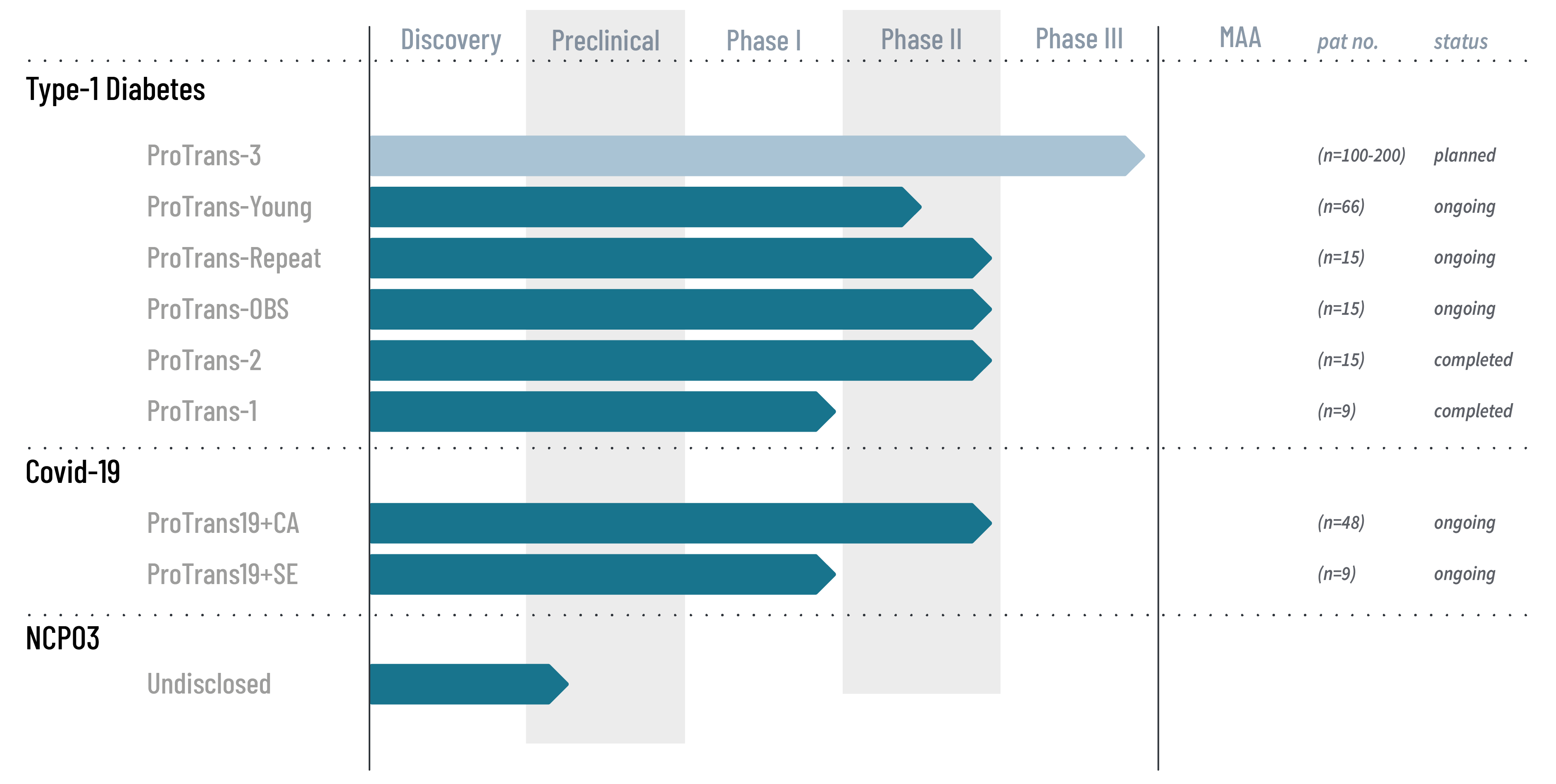
The company has conducted several small studies and the results have been promising, although sample sizes have been small. For example, in the Protrans-2 study published in 2023, ProTrans-treated patients retained an average of 90% of their own insulin production one year after treatment, while in the placebo group the corresponding figure was 53%. The result is extremely strong compared to similar ones. Data from the 5-year follow-up study published in May 2024 showed that patients in the ProTrans group retained an average of 57% of their insulin production after five years, while in the placebo group the corresponding figure was 14%. This was a single treatment: Protrans-repeat showed that repeated treatment can preserve and even improve insulin production for six years. Especially the patients who received the highest dose retained an average of 91% of their insulin production six years after the first dose.
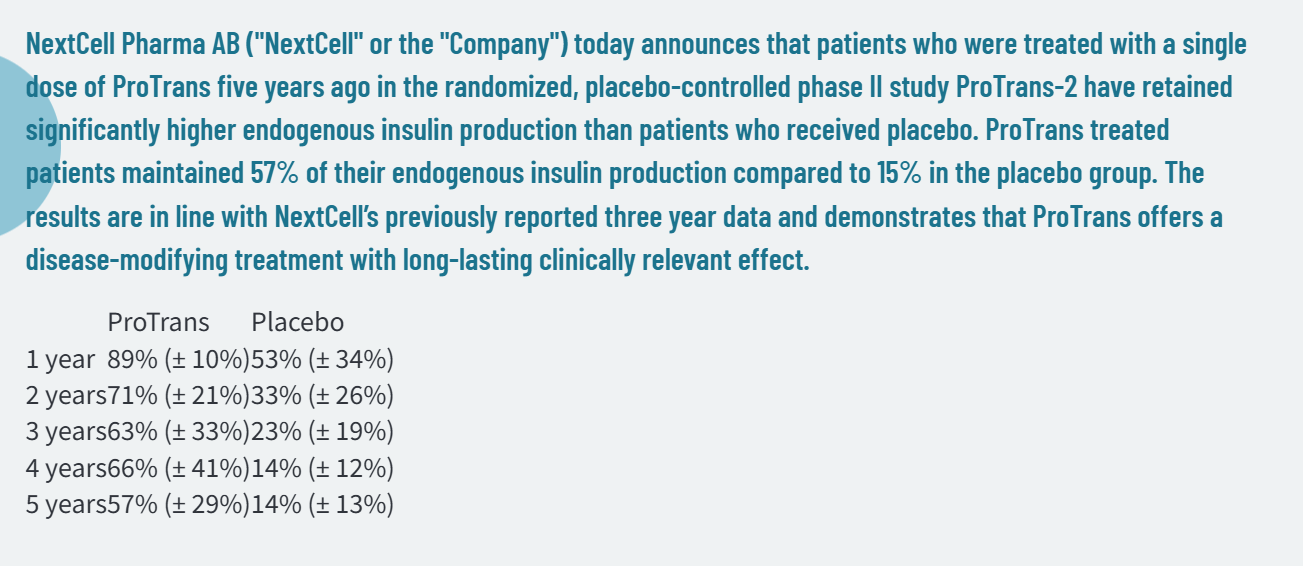
In the spring of 2025, 1-year study results from a study targeting the adolescent cohort were published, and the stock experienced a harsh 70% drop because statistical significance was not achieved within the 1-year time window. However, I immediately considered this a total overreaction to the 1-year results, as the results still showed a strong trend and there are very justified reasons for the outlying results in the youth group, due to the timing relative to diagnosis and young age (the well-known honeymoon phase of diabetes). However, the entire Protrans-young study is a five-year study. Later, the company also published a release analyzing the results, largely arriving at the same conclusions as my own preliminary thoughts. The results have also been discussed in the latest quarterly report.
Stock and Valuation
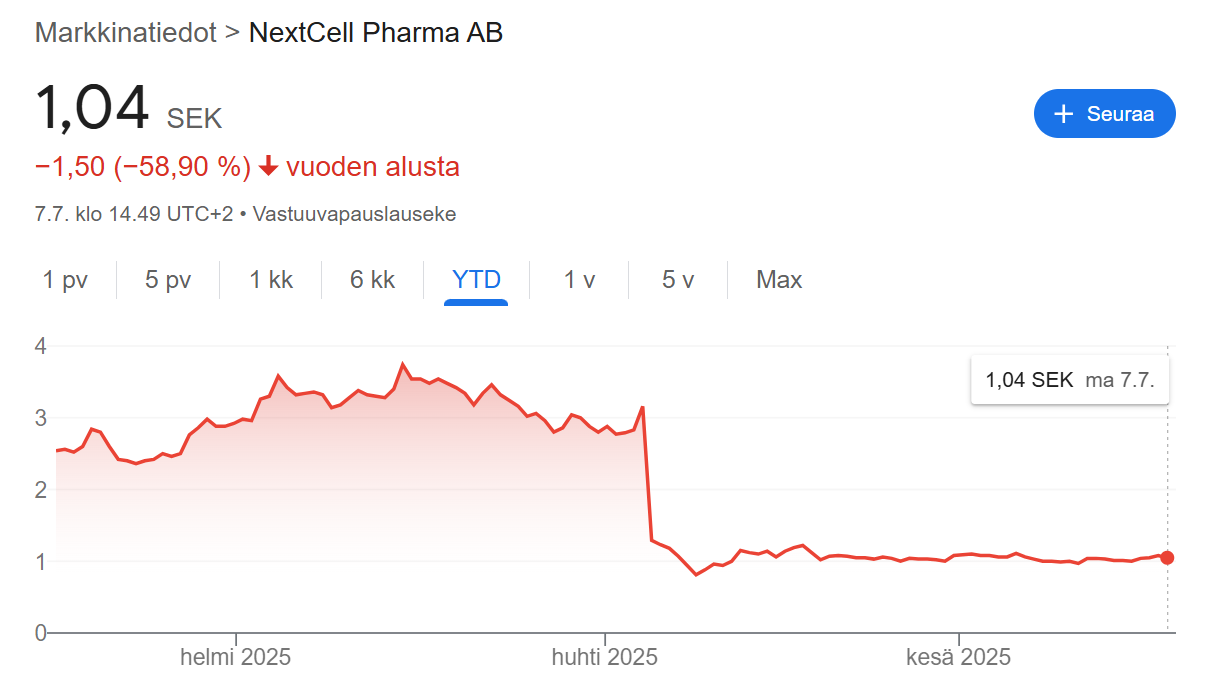
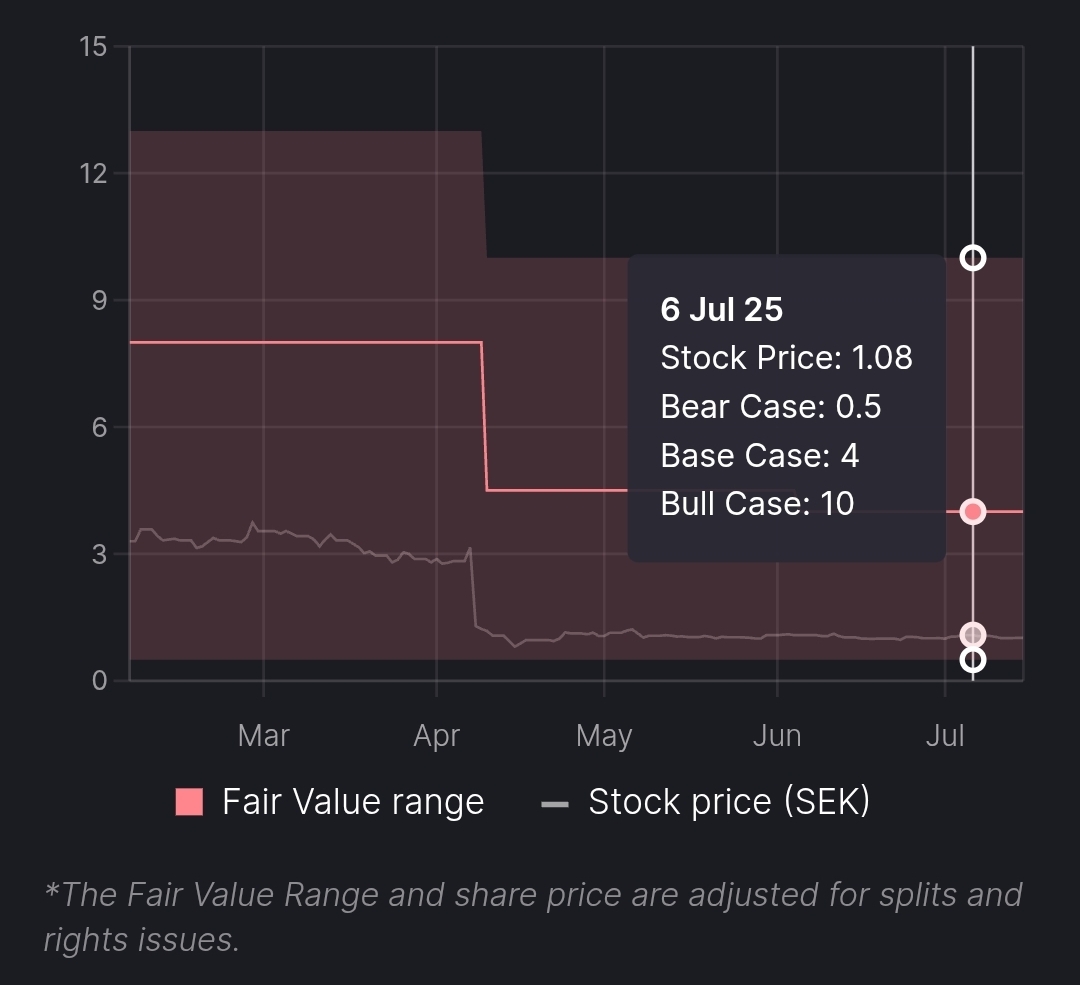
However, the market has not yet recovered from that spring 2025 drop, and the stock is dirt cheap, even though based on previous research evidence, the probability of Phase 2 success is very high. If, for example, we use the parameter used in Redeye’s 4.5 SEK valuation (4.5 SEK) of a $650M marketing agreement in 2027, this would imply that the market is pricing in an absurdly poor 10-15% probability of Phase 2 success, which is however not justified by the study results.
At best, the stock was close to 20 SEK in 2022, which is almost 2000% higher, taking dilutions into accountabout 5 times the market value.
Near-term drivers
Although Redeye talks about a deal in 2027, the company has communicated that it aims to secure a major partner during phase 2, which is also signaled by investments in the advisory board. Nextcell recently completed a share issue during Q2 2025, following which the CEO has stated that the company is funded until the end of 2026. The risk of potential new dilutions is certainly high, but I do not believe it will materialize at least before the spring or summer of 2026. In a good scenario, the company will secure a partnership agreement before then. One can only guess the probabilities for this, but a partnership agreement would easily catapult the company to at least an order of magnitude larger. On the other hand, we might have to wait for the partnership until the full 1-year interim results from the ProTrans-Young study are available after the summer of 2026. At that time, a sample of 7-11 year olds will also be included. However, during 2025, we can at least expect communication regarding the launch and certification of the Qvance business, product development with Fujifilm, and news on the progress of patent applications.
I will update the content over time.

 I had to go through Sab’s results and compare them to Diamyd’s, but I haven’t had time yet.