Katselin hieman ja huomasin LVMH/luksusosakkeiden ketjun ilmeisesti puuttuvan? Yksittäisiä esim. kosmetiikkaketjuja löysin, joten toivottavasti ei ole piilossa jotain samanlaista kuin nyt teen. Tämä on myös ensimmäinen tekemäni ketju, joten bear with me. En kerro tässä mitenkään LVMH:sta huonona tai hyvänä sijoituskohteena, vaan yritän pitää sen niin, että saa vain yleisen kuvan 
Tänne voisi pistää suoraan LVMH:n alla oleviin luksustaloihin liittyvät uutiset, mutta myös jos alalla heiluu tai raketoi jokin. Eli luksustuotteisiin ylipäätänsä, koska kilpailijoiden ja tämä alan asiat vaikuttavat usein suoraan toisiinsa 
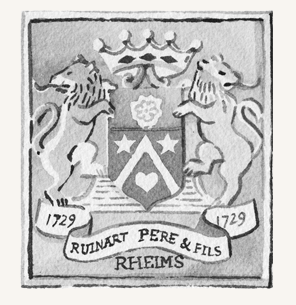
LVMH - Moët Hennessy Louis Vuitton SE on valtava kasa käsityön, yrittäjyyden, muodin ja tyylin historiaa, joka on eri “sattumien”, yritysostojen ja yhdistymisien kautta päätynyt nykyiseen tilaansa. Lumipallon ensimmäisen taputtelun sai aikaan 1593 Sauvagen perhe Château d’Yquem viinitilan ostollaan, jolla he yli sata vuotta parantelivat työtänsä juoma-alalla. Tämän jälkeen 1729 ensimmäinen shampanjatalo perustettiin Nicolas Ruinartin toimesta
Näiden jälkeen nähdäänkin jo isoja nimiä ja tapahtumia alalla, kuten 1743 Moet & Chandon, 1765 Hennessy,1816 Veuve Cliquet, 1846 Loewe, 1852 Le Bon Marche (ensimmäinen moderni tavaratalo), ja isot osat palapelissä 1845 Louis Vuitton sekä 1859, kun Hennessy keskittyy globaaliin myyntiin, jonka jälkeen ensimmäinen lasti myytiin Kiinaan. Tästä saavutukset vain jatkuvat, kun 1889 tuoksualalla Guerlain valmistaa ensimmäisen tuoksun synteettisten raaka-aineiden kanssa, Villa-alalla 1924 aloittaa Loro Piana ja Christian Dior sytyttää nykyisen luksustuotekonseptin kipinän Miss Dior kokoelmalla. LVMH:n syntytarinaan liittyviä tekijöitä on paljon muitakin, mutta voisimme hypätä näistä merkittävimpiin, jotka ovat 1971 Moët Hennessy yhdistyminen ja 1987 tapahtunut Moët Hennessy ja Louis Vuitton sulautumiskauppa. Tässä kohtaa mukaan tulee Ranskalainen liikemies Bernard Arnault. Vuoden 2017 lopussa LVMH:n ainoa suurin osakkeenomistaja oli Arnault Family Group, Bernard Arnaultin holdingyhtiö. Konsernin määräysvalta oli 46,84 % LVMH:n osakkeista ja 63,13 % sen äänivallasta. Mutta miten tähän päästiin ja miten hän liittyy sulautumiseen ja LVMH:n tarinaan?
Arnault on syntynyt yrittäjäperheeseen, jonka rakennus- ja kiinteistöyhtiössä hän myös myöhemmin opintojensa jälkeen työskentelikin, Arnault muutti perheensä kanssa hetkeksi Yhdysvaltoihin 1981 sosialistien valtaannousun takia, mutta palasi takaisin Ranskaan 1983. Tällöin hän osti Boussac tekstiiliyrityksen, johon Christian Dior kuului. Hän nosti CD:n uusille vesille ja vei firmaa eteenpäin. Tämä tuli hänen 1980 saadusta ideasta liittyä luksusbrändeihin. Tästä hieman eteenpäin, ja hän alkoi työskentelemään Moët Hennessyn toimitusjohtajan Alain Chevalierin ja Louis Vuittonin presidentin Henry Racamierin kanssa yhdistetyn luksustalon perustamisesta. Tämä konserni onnistui vuonna 1987 ja yleellisyystavaroihin erikoistunut monialayhtiöjätti LVMH syntyi. Tämän idean kipinä myös sai aluilleen Ranskalaisen Kering ja Sveitsiläisen Richemont monialayhtiön tarinan.
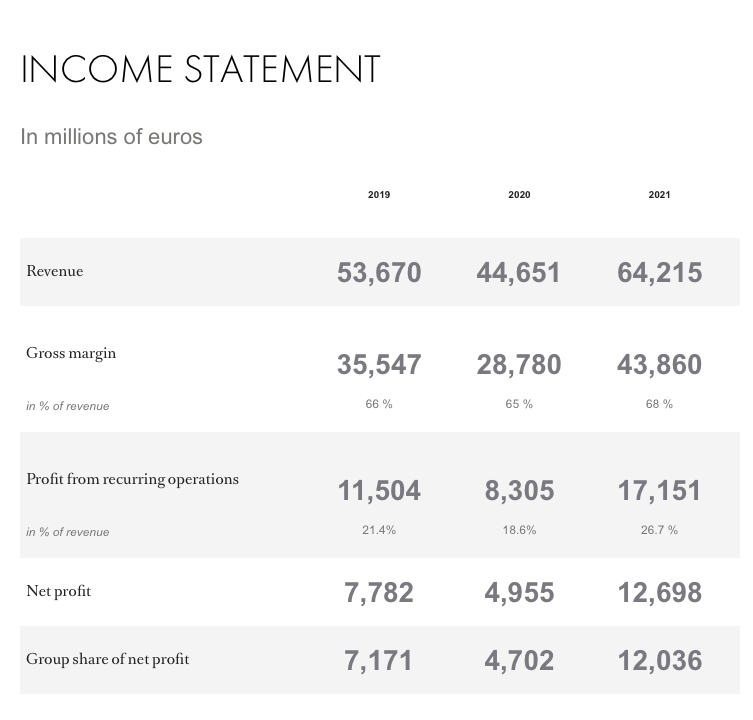
Tästä eteenpäin LVMH onkin ostanut osuuksia/kokonaan eri firmoja, jonka ansiosta heidän portfolio on ainoa alalla joka kattaa tuotekategoriat Wines & Spirits, Fashion & Leather Goods, Perfumes & Cosmetics,Watches & Jewelry, Selective Retailing ja muuta. Näiden sisaryhtiöiden alle mahtuu 75 eri luksustaloa, yli 175,000 työntekijää ja 64,2 miljardia euroa myyntiä.
Tässä vielä heidän omin sanoin: "Created in 1987, the LVMH Group today comprises more than 75 exceptional Maisons, each of which creates high-quality products. It is the only group present in all five major sectors of the luxury market: Wines & Spirits, Fashion & Leather Goods, Perfumes & Cosmetics, Watches & Jewelry and Selective Retailing. LVMH currently employs over 175,000 people across the world and reported sales of 64.2 billion euros in 2021.
Over the centuries, our Maisons have carefully preserved and enhanced their tangible and intangible heritage by resolutely focusing on the quality of their products and services. Vertical integration across the value chain cultivates this excellence both upstream and downstream, from sourcing of the finest raw materials to production and selective retailing. This model guarantees the excellence of our products over time. Our products are designed to last from generation to generation, aligned with our vision of a truly timeless art de vivre.
Just as we never compromise on the quality of our products – the source of our business success – we are every bit as uncompromising about our ethics and our underlying social and environmental responsibilities. This is why we constantly strengthen our commitments, year after year. LVMH has always been strongly committed to ethical behavior and insists on integrity in all our activities and relations, whether with employees, partners or other stakeholders. These commitments constitute a clear response to the issue of the ethical responsibility of businesses in general, and reflect the leadership that a group such as LVMH is expected to show, both for French society and internationally. As the leader in our industry, we actively engage with these responsibilities"
Ja BA:n oma kommentti:
Kattaus LVMH:n alla toimivista firmoista:
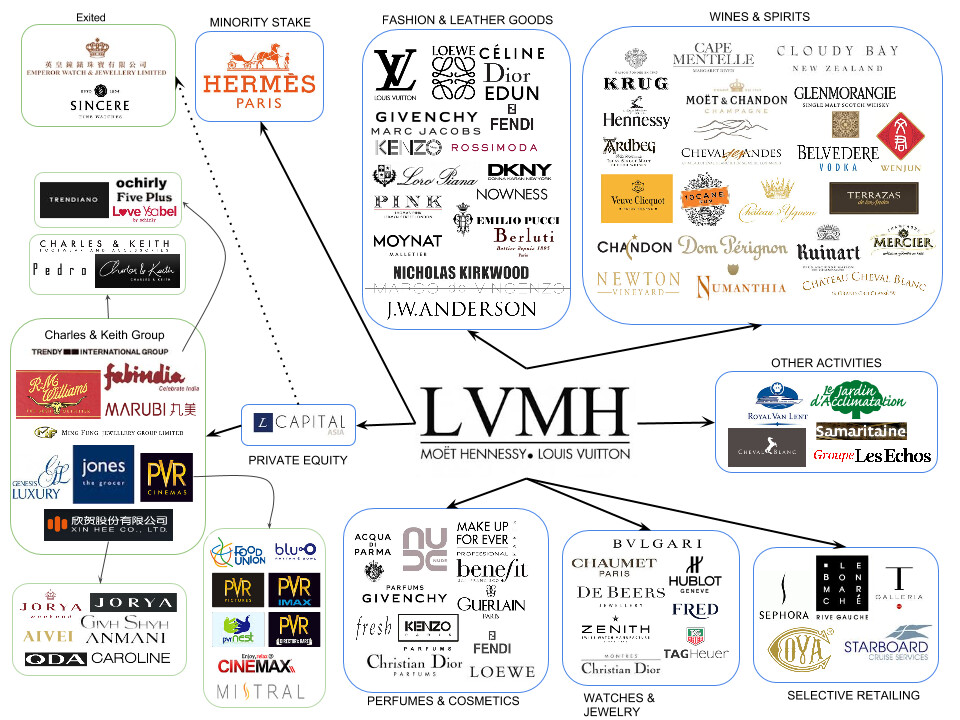
Kattaus on mahtava eri aloilla ja hajautusta riittää. Tiedän itse henkilökohtaisesti hieman enemmän tuoksuista kuin täysi “tavis” niiden parissa, vaikka en nyt ihan täysi tietäjä olekkaan. Heillä on oikeasti laadukkaiden ja arvostettujen tuoksutalojen tuotteita allansa.
Luksus alana
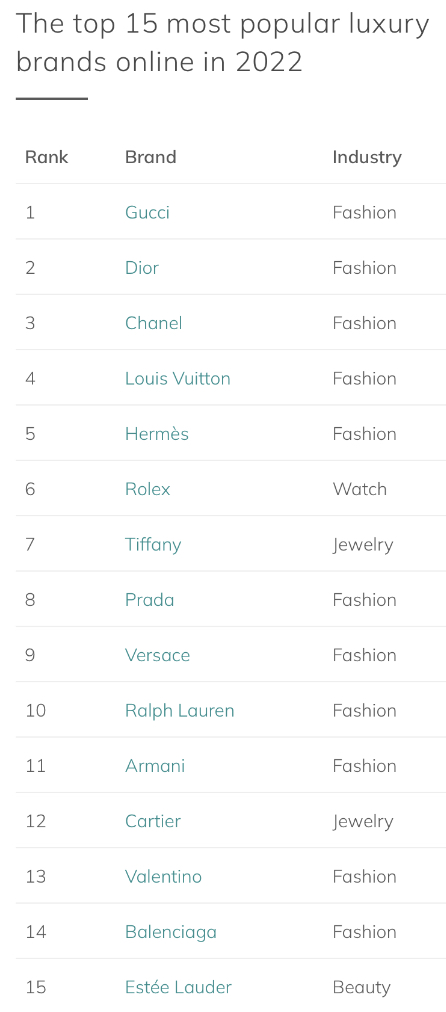
Luksus on hyvin mielenkiintoinen, kilpailtu ja usein jopa vihattu ala. Katteet ovat usein valtavia, tuotteita viedään käsistä tekaistun vähäisyyden nimissä ja saatu status tuotteiden mukana ajaa alaa vuodesta toiseen eteenpäin. Applen tavoin luksustuotteissa talot panostavat kokemukseen. Kaupassa voi olla kaupanteon jälkeen shampanjahetki ja saat ison logokassin kävellessäsi ulos kalliista putiikista. Laukuissa ja vaatteissa on jonot ja vain tunnetut asiakkaat “saavat soiton” halutuista tuotteista myyntihenkilöltä. Jotain tuotteita voi vain saada paikan päältä hetken, joten mietintää ei kovin kauaa ostossa voi harrastaa, jos haluat tietyn haluamasi tuotteen.
Ostajakunnasta mielenkiintoisen tekee sen äärimmäinen jakautuminen. Toisessa ääripäässä on henkilöt, jotka ovat syntyneet perheyritykseen joka ei ota isoja riskejä ja on toiminut avainhenkilönä tietyssä alassa vuosisatoja. Heillä usein esimerkiksi inflaatio ei ole ongelma, kun kauppareissun aikana ostettujen kenkien verran on jo tullut tilille rahaa. He usein ostavat juuri laadunkin takia näitä vaatteita. Sitten on se toinen ääriesimerkki joka ostaa tekaistun statuksen takia vaatteitta joihin heillä ei olisi järkevän talousosaamisen kulmasta varaa, mutta he päättävät ostaa näitä tuotteita kuitenkin. Tässä välissä on kultainen keskitie, jonka tilanteella on varaa ostaa merkkituotteita aina silloin tällöin. He ostavat laadukkaat ja vuosia kestävät nahkakengät itselleen palkintona hyvästä vuodesta. Luksustuotteitakin on todella laidasta laitaan ja toiset on enemmän logopainoitteisia kuin toiset, jolloin statuksen tietää vain tästä merkistä tietävät. Nämä “varattomat” ostajat eivät usein ole niitä, jotka ostavat Loro Pianan 3000 euron paidan ilman mitään näkyviä logoja.
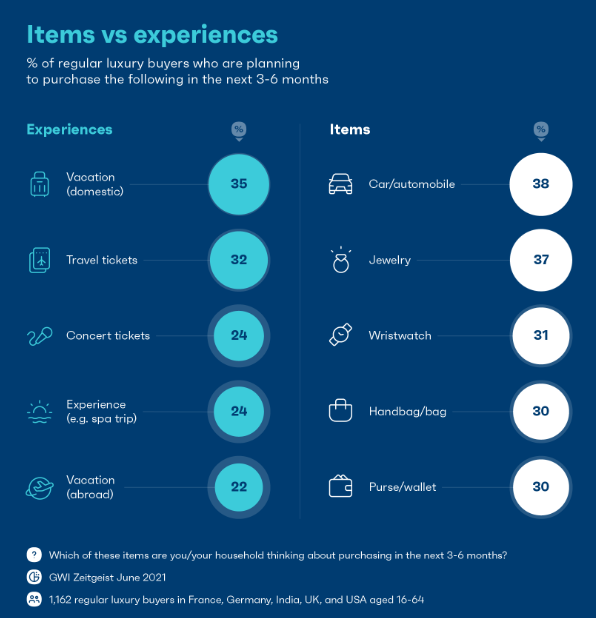
Mutta entäs alan kasvu vuosien aikana ja maailmantilan yleinen vaikutus?
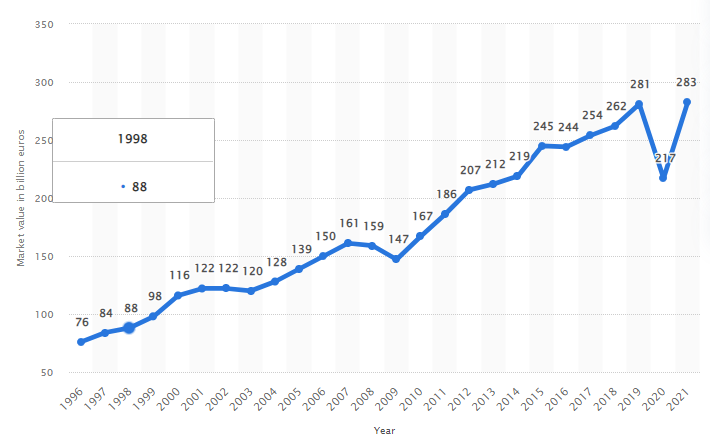
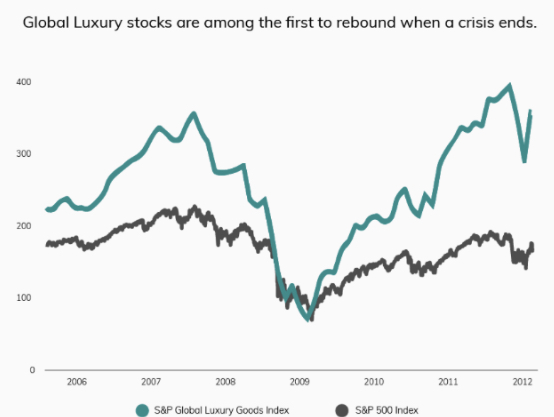
Luksusmarkkina otti hieman turpaan koronan aikaan ja vuonna 2008.
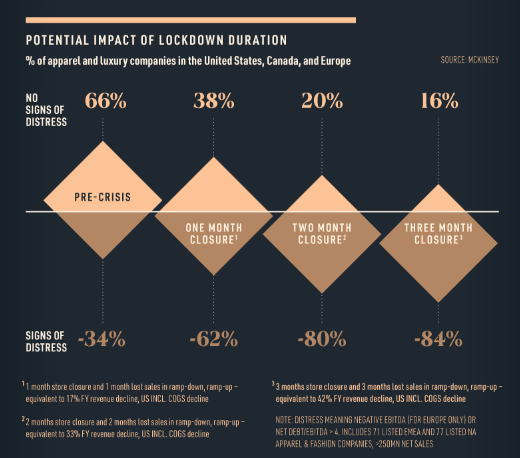
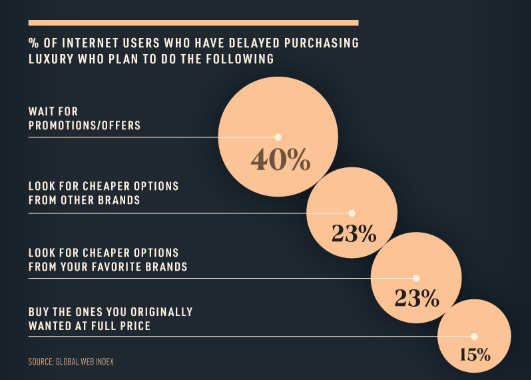
Luksuksen myynti voi todella nopeasti menettää paikkaansa yllättävissä maailman tilanteissa. Nousevia kuluja myös saadaan puskettua takaisin hintoihin, kuten monella muullakin alalla. Varakkaampi väki jatkaa inflaatiosta huolimatta tuotteiden ostoa ja nykyisessä tilanteessa luksustuote voikin pärjätä odotettua paremmin. Tämä on luksusalalla se etulyönti, vaikka halvemmat vaatemerkit saavatkin ne poistuvat asiakkaat.
Second hand:
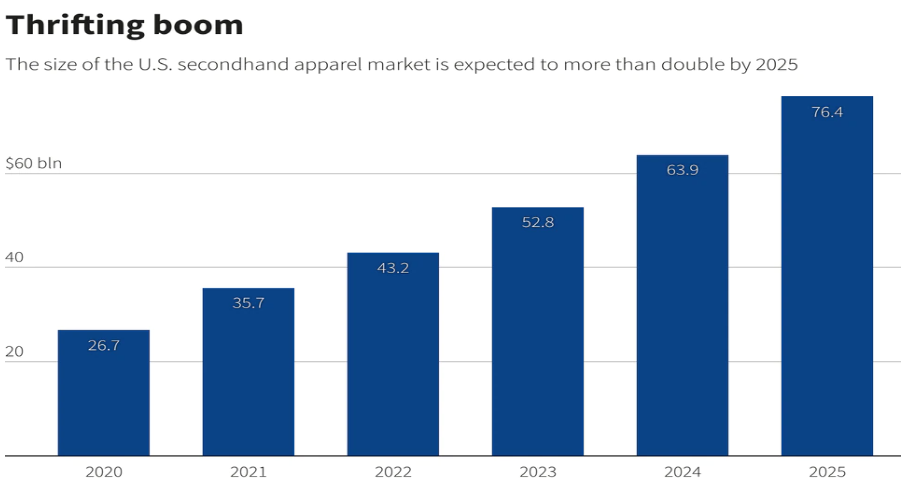
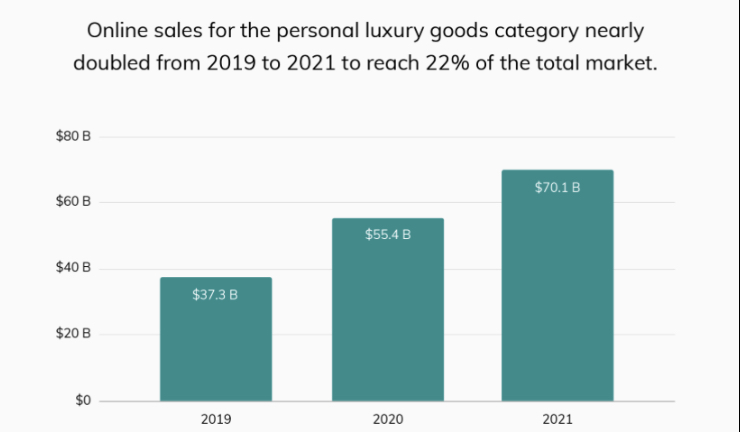
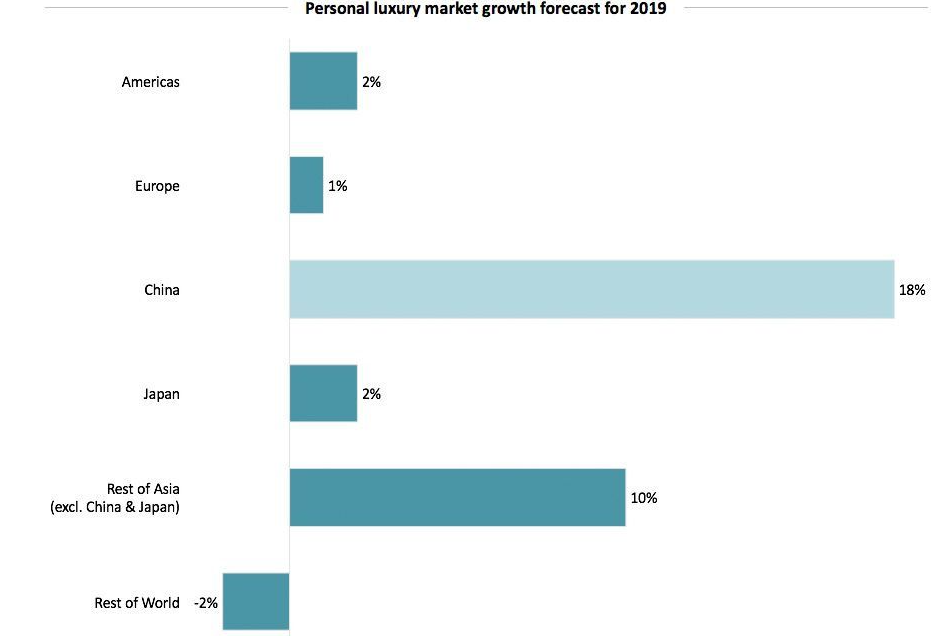
Onko luksusmarkkinaan tulossa ison siivun syönti? Itse en usko, vaikka kestävämpi/halvempi uusiokäytön buumi onkin juuri nyt päällä. Shampanja todennäköisesti tulee olemaan juhlapöydän juoma ja hajuvettä laitetaan puvun kanssa juhliin. Status ja tuotteiden laadukas presentaatio on omasta mielestäni liian syvällä jo ihmisten arvostuksessa. Aasiassa markkina luksustuotteissa on ollut isossa nousussa jo pitkään, ja he ovat esimerkiksi kosmetiikkatuotteissa isoimpia ostajia.
Tästä pääsee LVMH:n Q3 2022:
https://r.lvmh-static.com/uploads/2022/07/lvmh-q3-2022.pdf
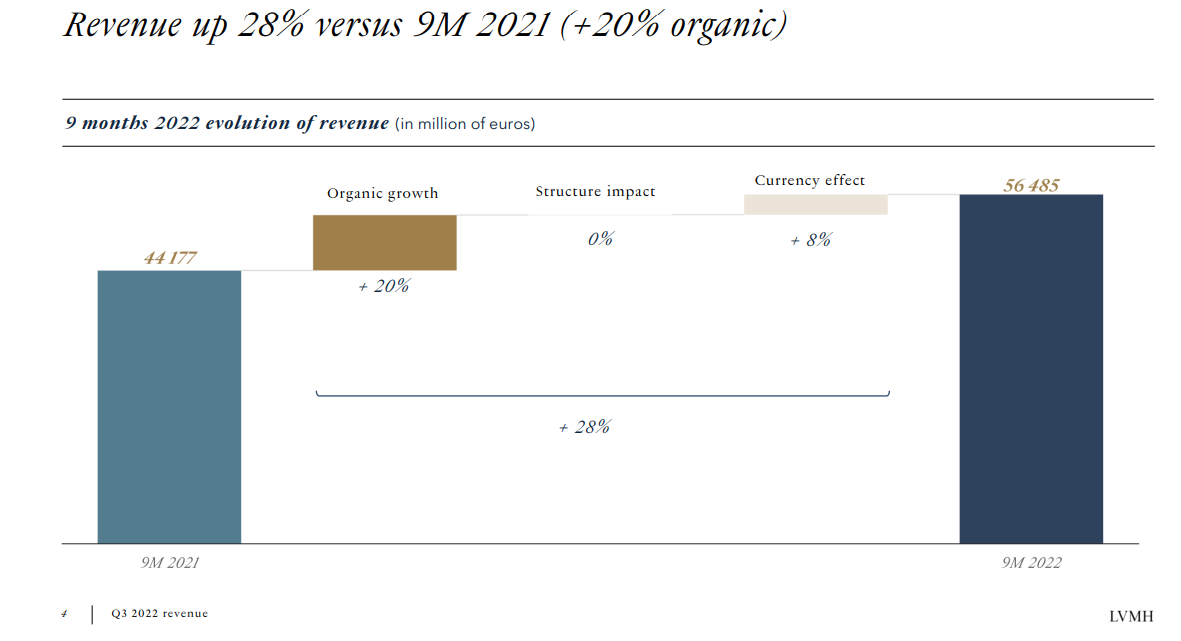
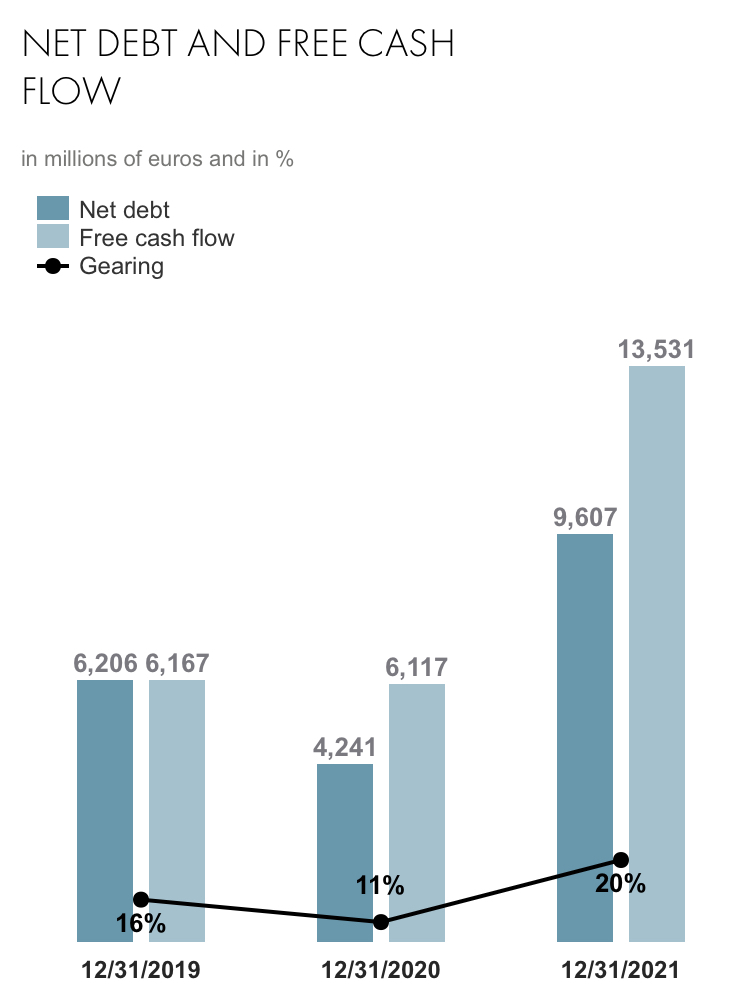
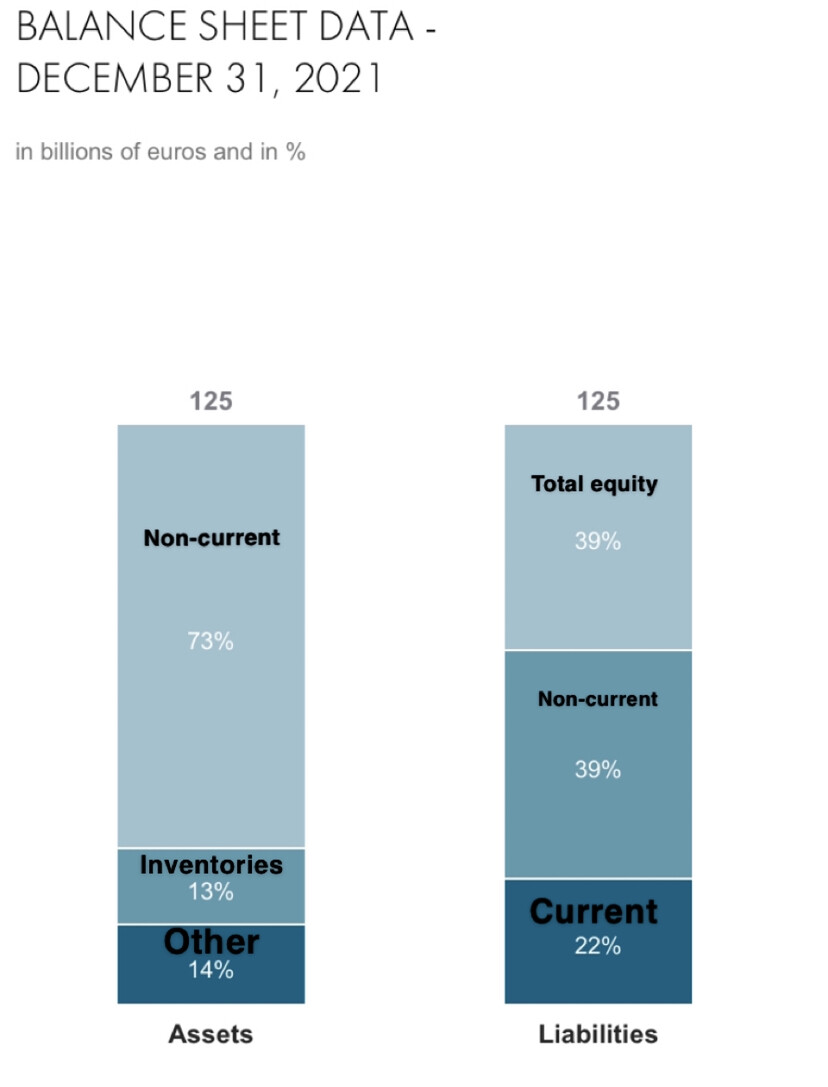
Ja tässä muutamia ottoja sieltä:
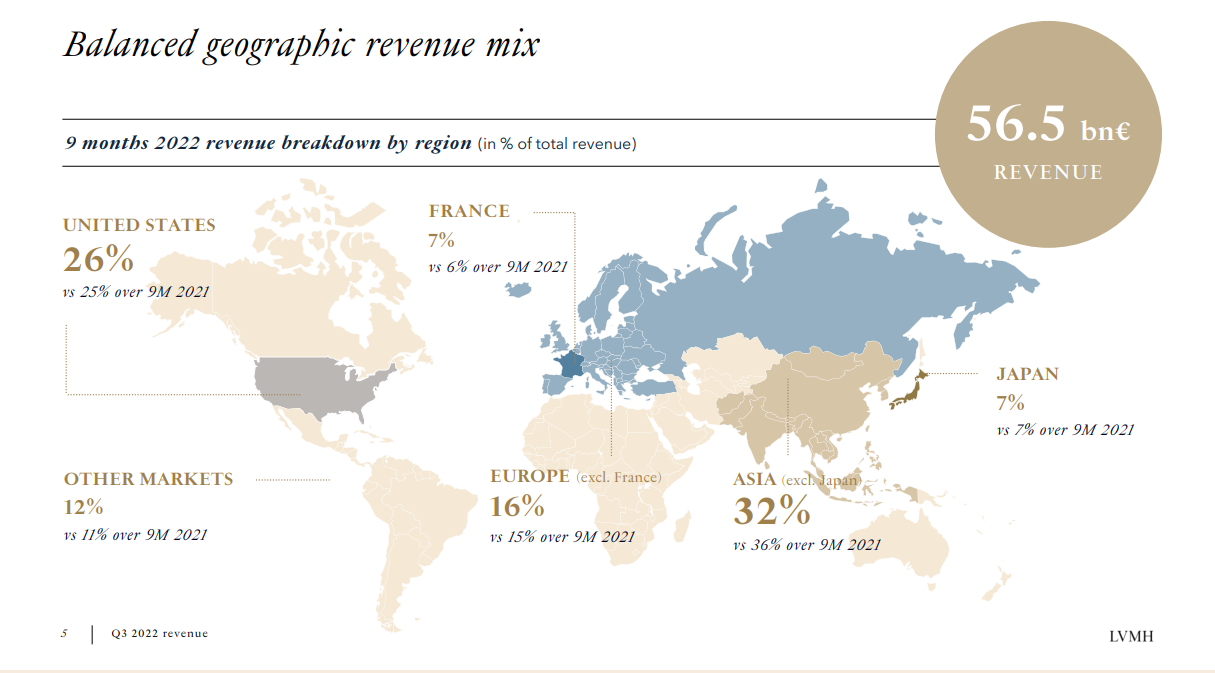
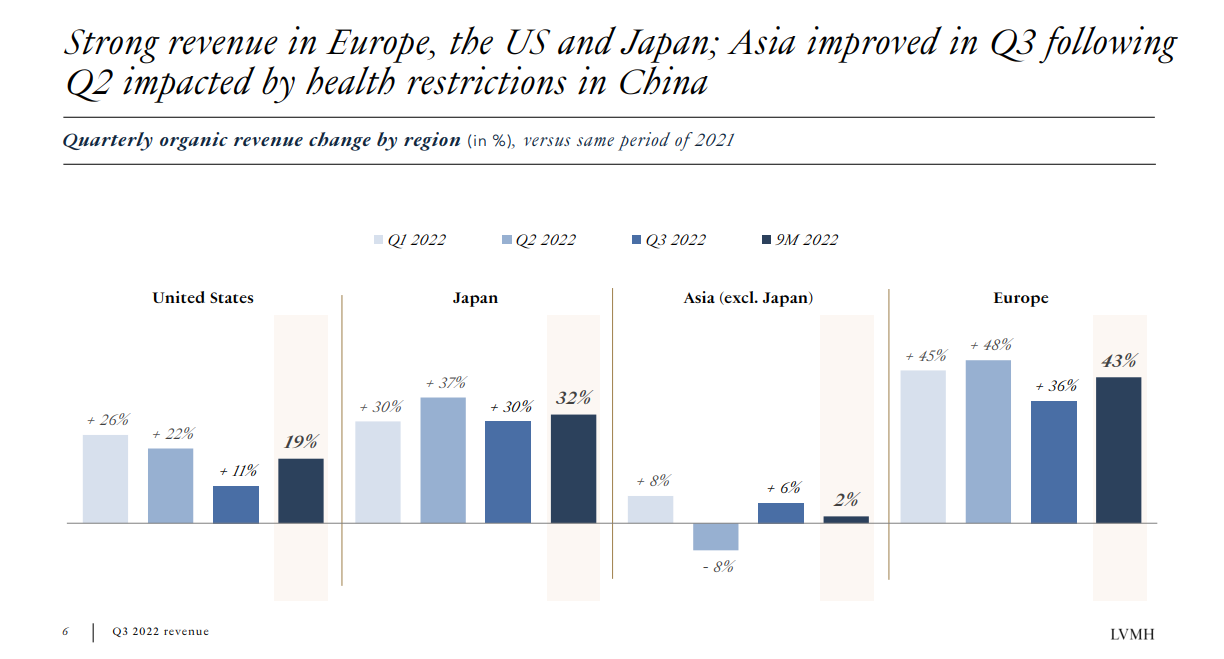
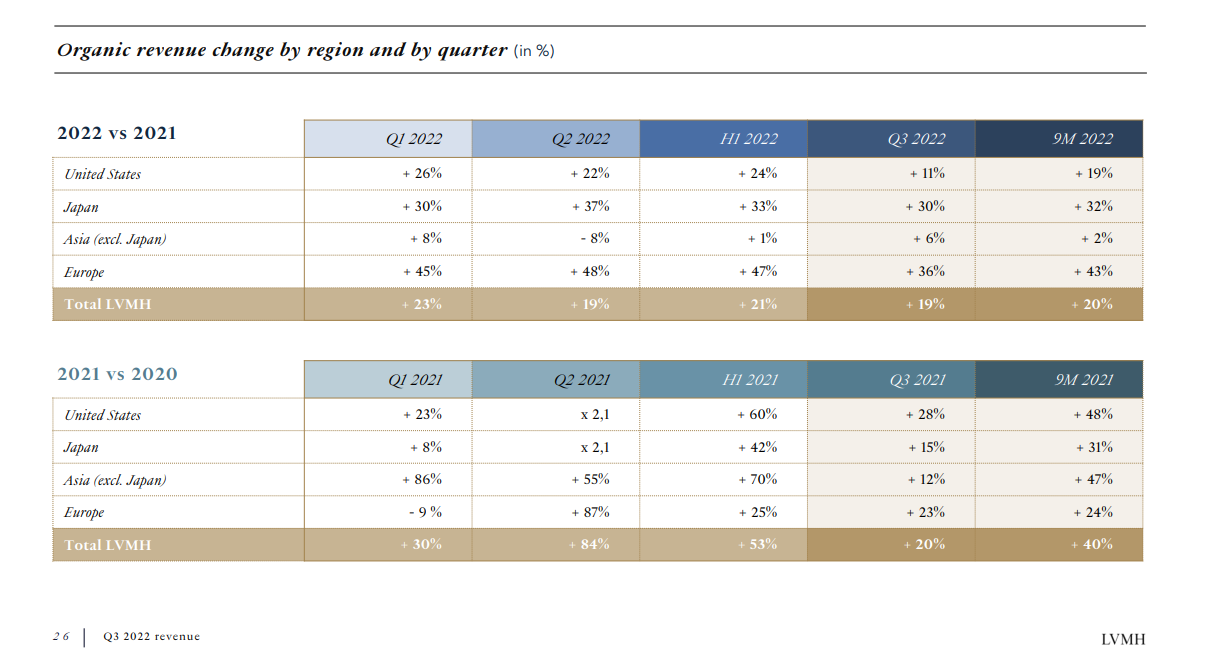
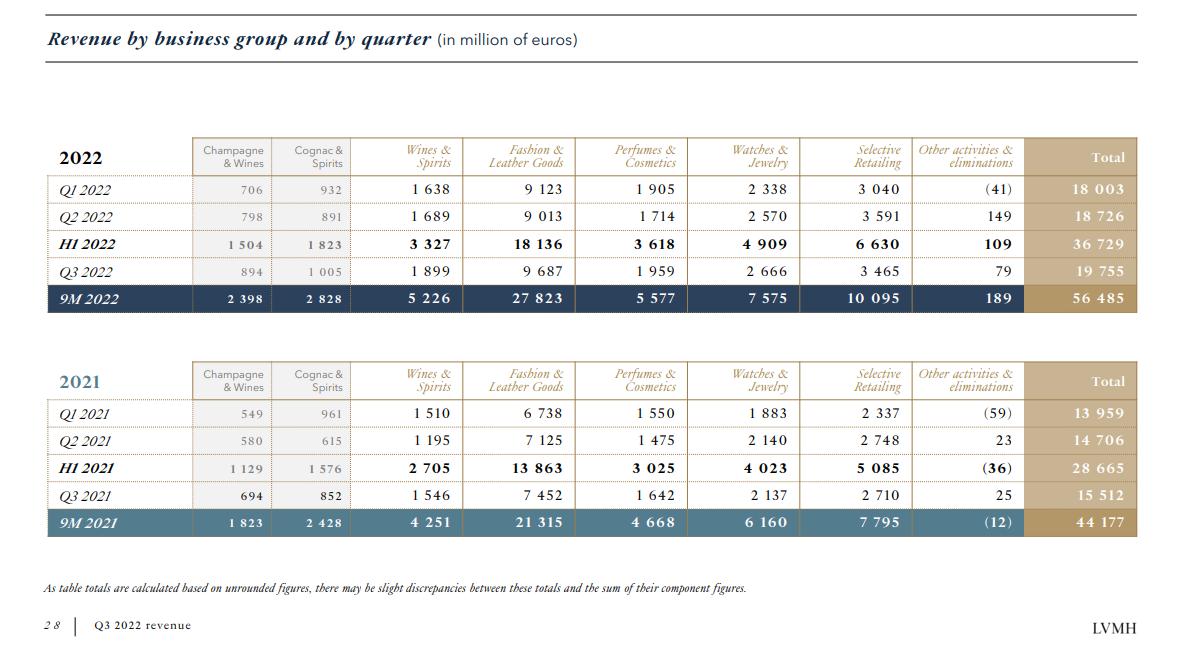
Ja yleistä:
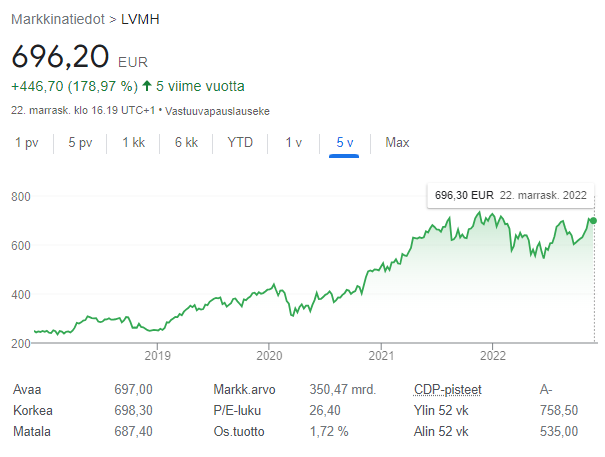
LVMH:n kurssikäyrä:
Voisi lopettaa Bernardin lausahdukseen tämän katsauksen “Luxury goods are the only area which it is possible to make luxury margins”.
Lisättävää ja korjausta voi kommentoida.
EDIT Sijoittaja-Alokas
Foorumilaisten toiveesta tästä tuli muidenkin “luksusosakkeiden” ketju kuin LVMH:n.