I’ve been doing some fundamental research on Canatu’s business idea for a few hours, and at first, I had great difficulty understanding the company’s business—and I’m surely not the only one. So, I thought I’d share my findings here with other investors in plain language, so that everyone can understand where this company will be getting its money from.
In everyday life, we encounter many situations where different types of transparent films are needed:
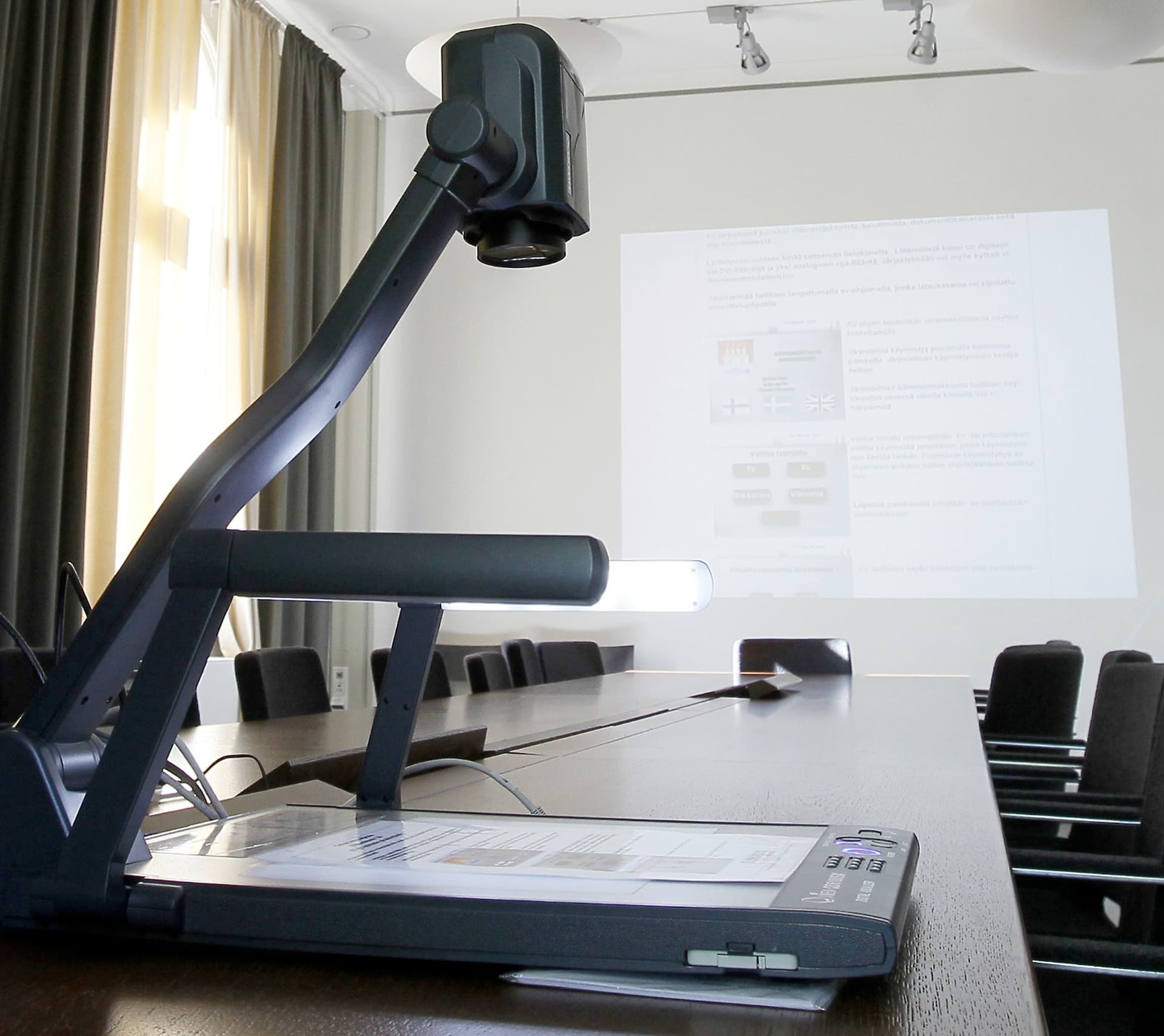
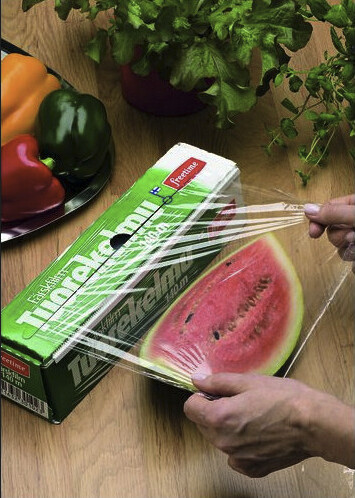

But what if these familiar products aren’t enough, and something stronger and more durable is needed?
For example, in microchip manufacturing, the silicon wafer is illuminated with EUV light, and a film (Pellicle) is needed in between to let the light through while keeping impurities away:
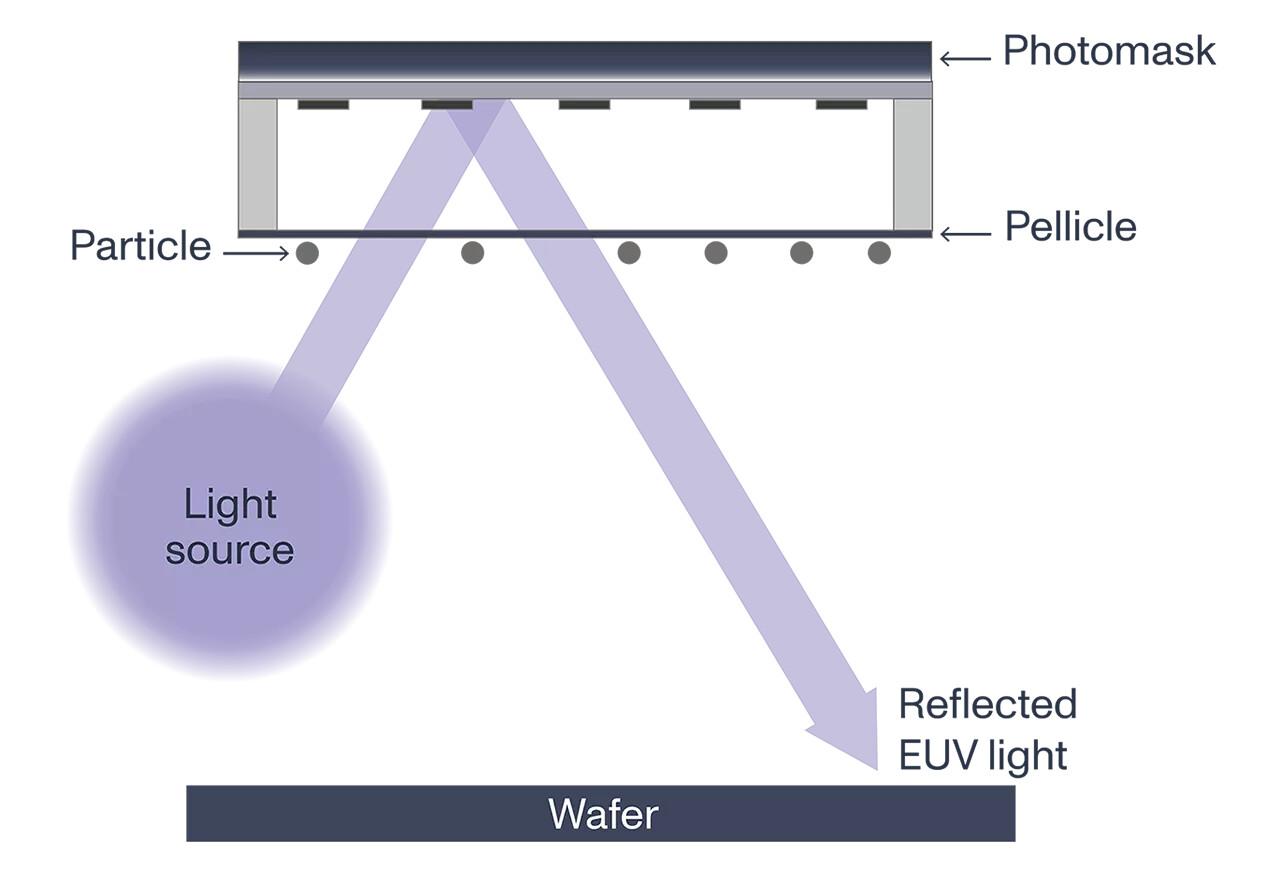
The challenge here is that the monopoly machine manufacturer, ASML, must use increasingly powerful light sources in its new technological processes. Because of this, current film solutions struggle to withstand the intense light and the heat it generates, which forces a slowdown in production. One ASML machine costs 200–500 million euros, and the demand for the most high-end high-tech chips is massive as the AI boom gains momentum, so even small efficiency gains are critical for the manufacturer.
One possible solution to this problem is the carbon nanotube films manufactured by Canatu (Carbon nano tube), which possess extremely good properties:
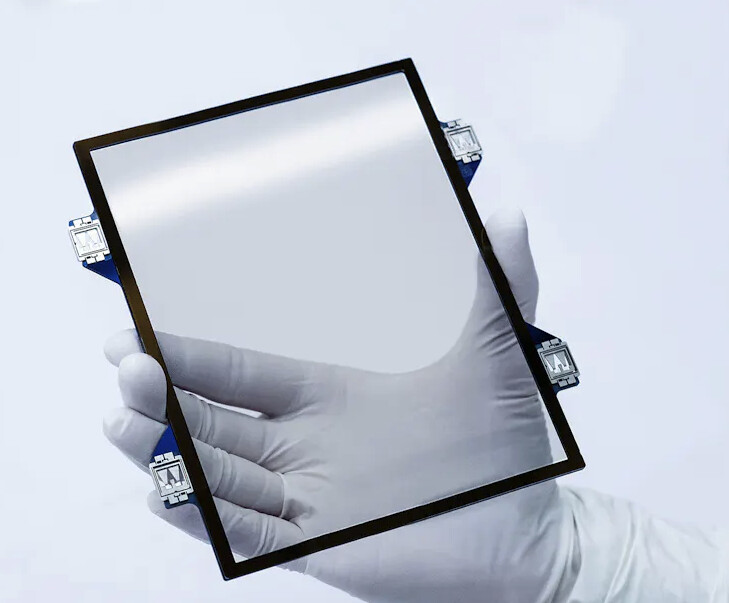
The world is full of different applications where films need the ability to function in extreme conditions. For instance, when filming X-rays with a telescope in space, you need something stronger than plastic wrap. Canatu has, among other things, worked with the European Space Agency (ESA) to research what kind of films should be used in space sensors in the future:

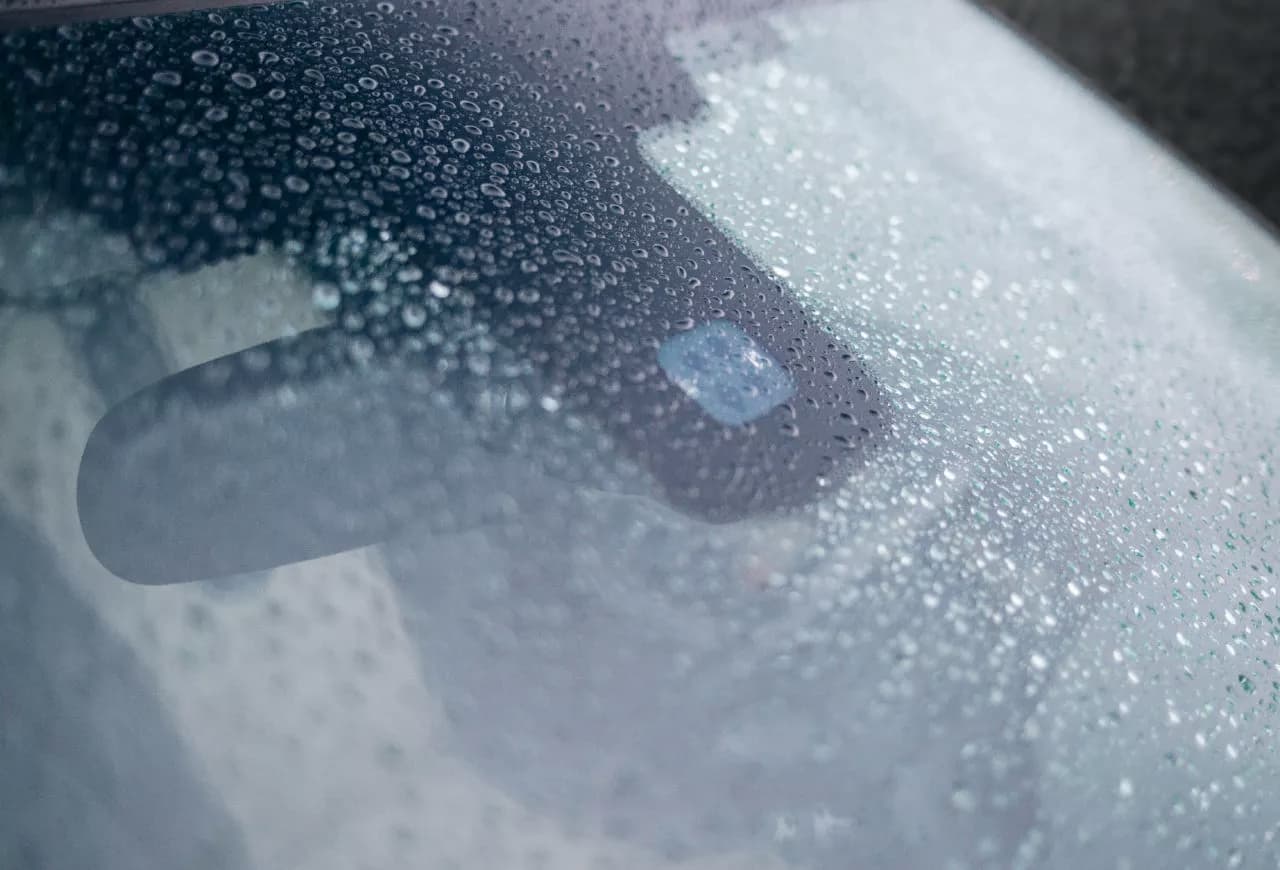
One clear area of growth in the coming years is the number of sensors in cars. Soon, self-driving capabilities will be standard in every car, and they need to be able to drive in all kinds of weather. Anyone who has used a parking sensor in winter knows how easily snow and ice interfere with its operation, and soon there will be a vast number of these sensors all over the car. A Canatu film can be placed on lenses or, for example, in front of a LiDAR (laser scanner), through which electricity is conducted. As we remember from basic physics, electricity can easily be converted into heat, thus keeping the car’s sensors functional even in difficult weather conditions:
Less known in Finland, but the massive company Denso is one of Canatu’s partners in this field:
https://fi.wikipedia.org/wiki/Denso
Canatu is exploring many other potential uses for these carbon nanotube films, such as electrochemical biosensors made from them for medical use and other similar interesting opportunities. However, the semiconductor industry and the automotive industry will certainly be the areas where the most lucrative customers will be found in the coming years, with all other applications likely moving toward the 2030s.
It probably doesn’t make sense to manufacture all the world’s carbon nanotube films in Vantaa, so Canatu also develops, produces, and licenses these film machines, called reactors, to other companies. In plain language, a reactor is a device or vessel where chemical reactions take place—meaning one substance is transformed into another. In practice, carbon-rich gas is fed into the top of the reactor, and through reactions, carbon atoms are made to combine into long chains (tubes), which are layered into a thin film at the bottom of the reactor. These then undergo some kind of post-processing, after which the film is ready:

Canatu also sells services and spare parts for these reactors licensed to customers, which could enable rapid and very capital-light growth. The market is only just taking shape in the coming years, so it is still unclear whether the company should be a film manufacturer, a film machine manufacturer, or perhaps both as it matures. At this stage, it obviously makes sense to take all the profitable growth available in the market.
Canatu holds just under two hundred patents, but despite the high technology, they won’t be operating alone in the market. Competitors include at least Mitsui and Lintec, and at this stage, it is still far too early to say who has the best technology or, on the other hand, who is the best sales powerhouse. I warmly welcome Canatu to the stock exchange, as high-tech companies like this are truly needed on our home exchange! 