Lidar -valmistajia on tullut useita pörssiin 2020-2021 aikana ja näistä keskustelut ovat keskittyneet lähinnä SPAC-ketjuun, koska listautuneet sitä kautta. Tekniikka on uudehkoa, yritykset pääasiassa alkuvaiheessa ja rahaa tarvittu ainakin vielä investointeihin. SPAC reverse merger tarjoaa tähän hyvän vaihtoehdon alkuvaiheessa olevalle yritykselle, tech-alan toimijat kiinnostavat markkinoita. Jonkin verran ollut esillä siellä täällä muissakin ketjuissa, mutta lidareille nyt siis oma ketju, jossa toivottavasti saadaan paremmin näkemystä itse tekniikasta, mutta erityisesti tietysti yrityksistä sijoituskohteina.
Tekniikan taustaa:
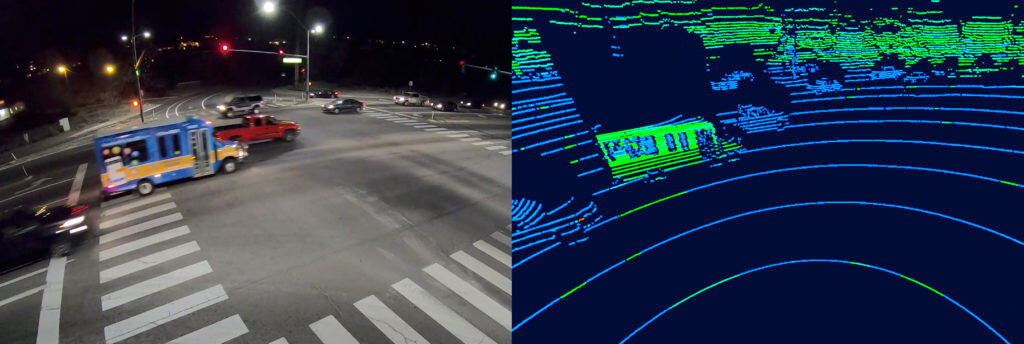
Lidar (lyhenne engl. sanoista light detection and ranging) eli valotutka on optinen tutkan tapaan toimiva laite, joka toimii näkyvän valon, lähi-infran tai ultravioletin alueella. Esim. kaukokartoituslaite mittaa kohteen etäisyyden lähettämällä laservalopulssin ja rekisteröimällä ajan, joka kuluu kohteesta heijastuneen pulssin palaamisen. Lidaria käytetään kaikenlaisessa etäisyyden mittaamisessa mm. robotiikassa, maanmittauksessa, geologiassa, meteorologiassa ja seismologiassa.
Lidar eroaa tutkasta siinä, että sen käyttämät aallonpituudet ovat paljon tutkan käyttämiä mikroaaltoja lyhyempiä. Pienimmän mitattavan kohteen koko riippuu aallonpituudesta: niinpä lidarilla voidaan mitata myös aerosolihiukkasia ja pilvipartikkeleita. Tähän perustuvan pilvenkorkeusmittarin nimi on ceilometri.
(Wikipedia: Lidar – Wikipedia)
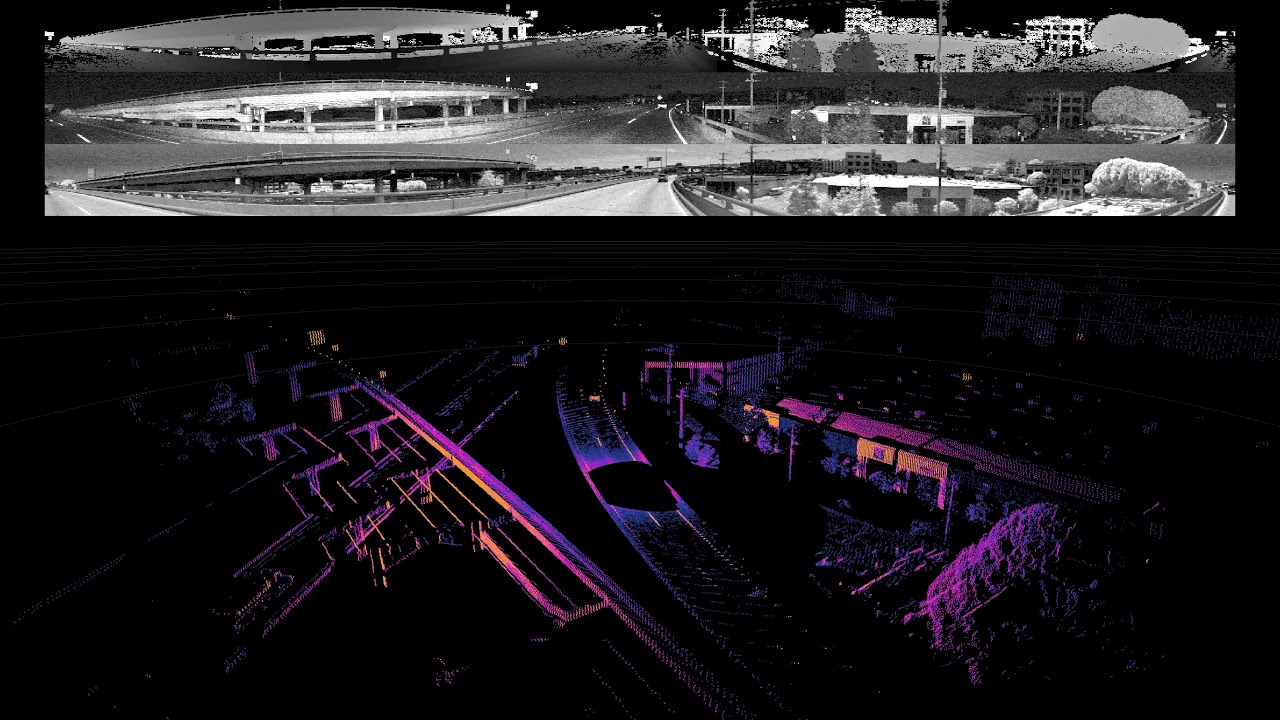
Lidar on lyhenne sanoista “valon havaitseminen ja mittaaminen”. Sitä kutsutaan joskus “laserskannaukseksi” tai “3D-skannaukseksi”. Tekniikka käyttää silmään turvallisia lasersäteitä luodakseen 3D-esityksen tutkitusta ympäristöstä.
(lähde: What is lidar? Learn How Lidar Works | Velodyne Lidar)
Lidar -tutkien käyttökohteet
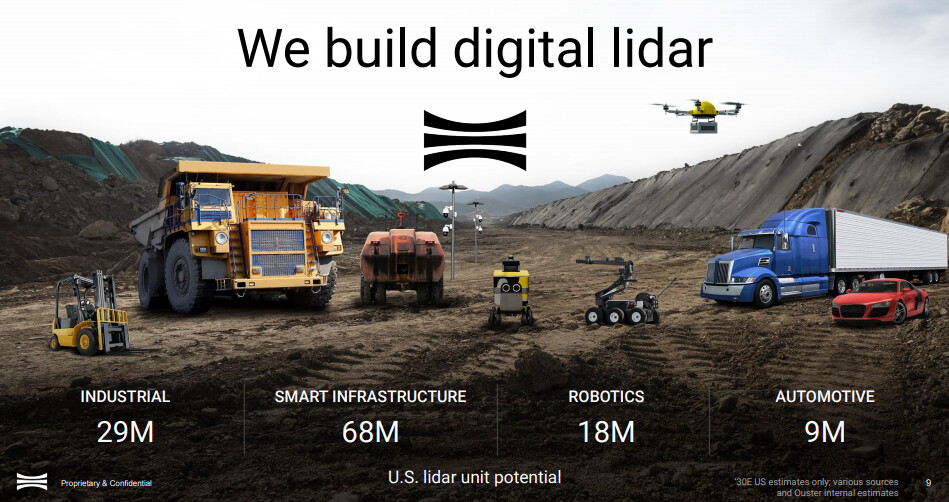
Suurin kiinnostuksen kohde tällä hetkellä on autojen varustaminen lidareilla, jolla mahdollistetaan autonominen ajaminen tai kuljettajan avustaminen. Suurin osa valmistajista keskittyykin ainoastaan tai pääasiassa tähän markkinaan.
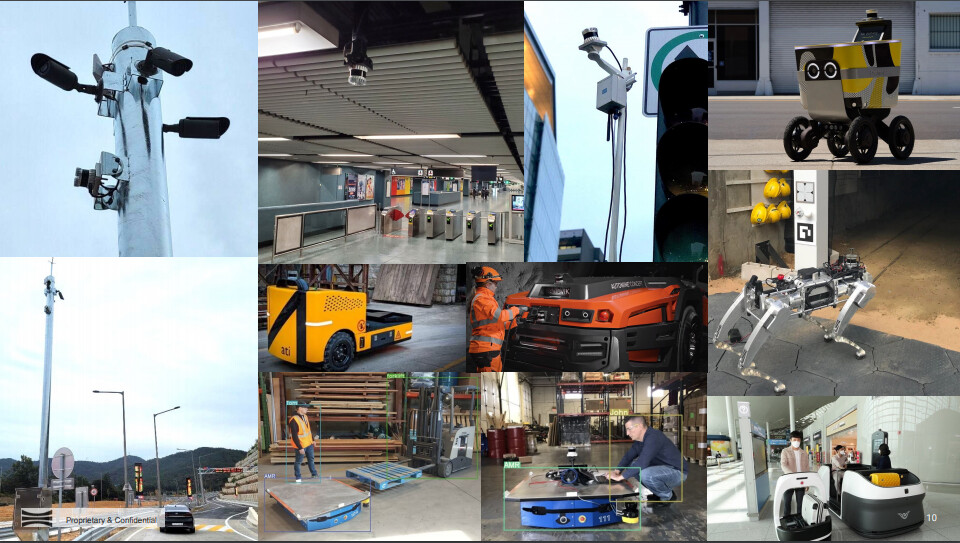
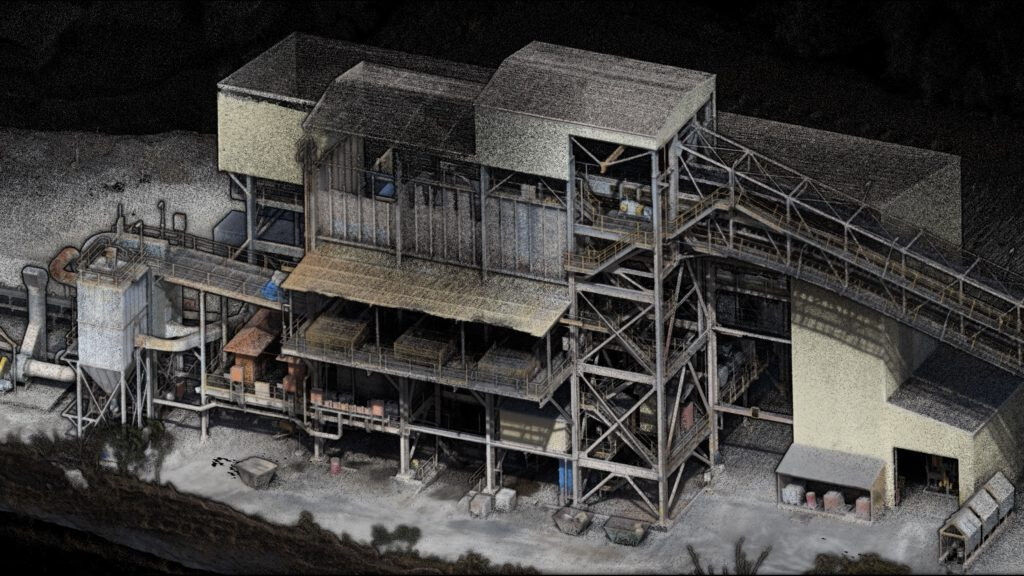
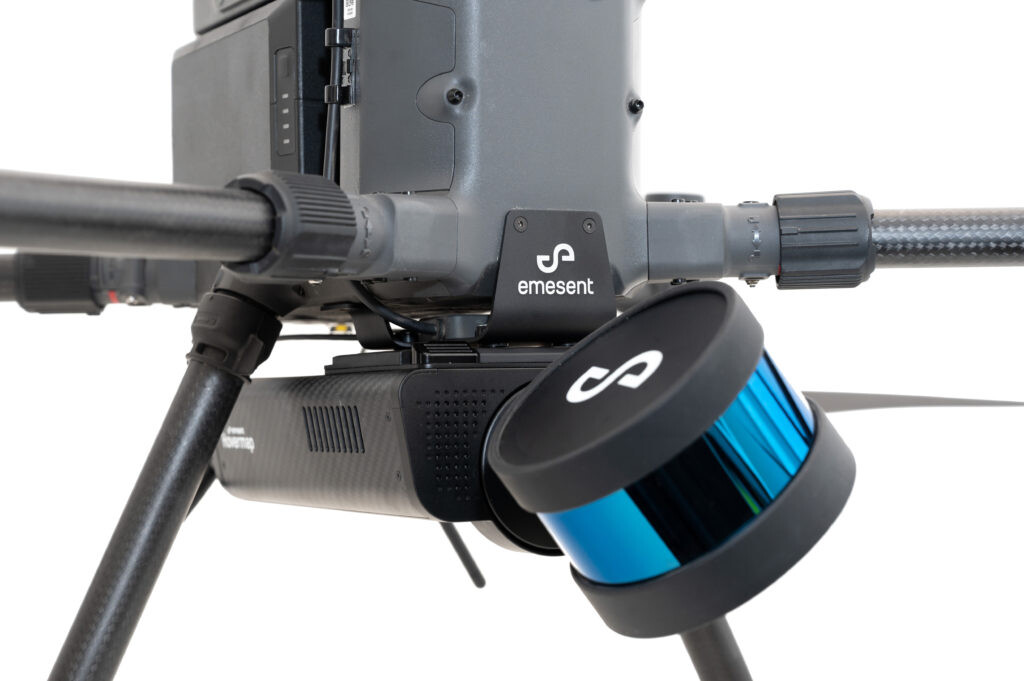
Käyttökohteita on kuitenkin todella paljon erilaisia: robotiikka, maiseman ja arkkitehtuurin kuvantaminen, liikenteen ohjaus ja automatisointi, dronet jne. jne.
Lidar löytyy myös pienemmässä formaatissa esim. Applen puhelimissa on jo käytössä. Lidaria käytetään kuvauksen apuna syvyyden tunnistamisessa, mutta myös lisätyn todellisuuden (AR) sovelluksissa. Kattavuus mobiililaitteissa on kuitenkin merkittävästi pienempi kuin teolliseen käyttöön tarkoitetuissa laitteissa (What does LIDAR do in the iPhone 13 Pro?).
Lidarin haasteita
Tekniikka on suhteellisen uusi, ensimmäiset kaupalliset tuotteet 2007. Mutta sen käyttöönotto laajenemassa nopeasti. Suuri este on ollut hinta, sensorien kustannukset ovat olleet tuhansissa dollareissa ja omaksuminen ollut ilmeisen haastavaa. Tekniikka menee harppauksin eteenpäin ja mm. Solid State sensorit ovat tulossa markkinoille.
Samalla kun uusia valmistajia on tullut useampia, myös sensorien hintatasoa pyritään vetämään alaspäin, joka tietysti näkyy katteissa. Vastaavasti kysyntää on tulossa hurjasti lisää, jos jokaisen valmistajan kehitysennusteita katsoo muutaman vuoden päähän. Laajempi kysyntä ja alemmat kustannukset levittävät tekniikkaa uusiin kohteisiin ja sitä kautta myös sijoituskohteina lidar-valmistajilla on mahdollista pysyä kiinnostavina. Pelkän laitetoimittajan rooli tuskin kuitenkaan riittää, vaan ympärille tarvitaan ekosysteemi, lisenssit sekä sovellusten ja asiantuntijapalveluiden myyntiä.
Merkittävimmät yritykset sijoituskohteina
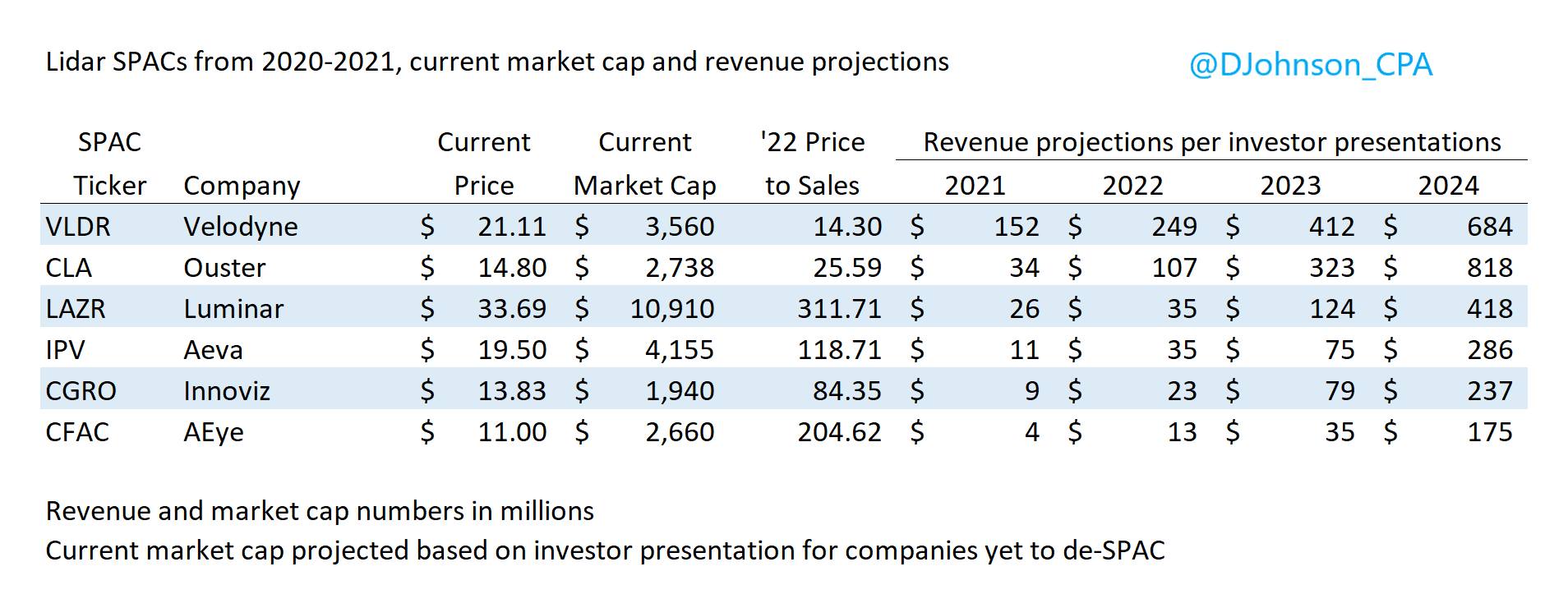
Lidar -valmistajia ei aiemmin ole juuri ollut pörssiyhtiöinä, ainakaan erityisesti lidareihin erikoistuneita. Syksyllä 2020 tuli kuitenkin esille useita valmistajia SPAC-yritysten kautta ja nämä ovatkin päätyneet pörssilistoille. Suurin osa toimijoista on suhteellisen alkuvaiheen toimijoita, liikevaihtoa on rajallisesti ja hillotolpat pääasiassa tulossa vasta 2024-2026
Velodyne Lidar
Sijoittajamateriaalia:
https://investors.velodynelidar.com/static-files/984153ee-1604-4b85-b810-17e227a3f22e
Viimeisimmät luvut Q4/2020:
https://investors.velodynelidar.com/static-files/2ca8bdc5-af80-46b9-bc51-aa6adf966fbf
Merkittävin ja ensimmäinen pure play lidar -valmistaja. Ollut markkinoilla jo 1983 lähtien, lidar -valmistajana 2007 alkaen.
Velodyne Lidar keskittyy useaan eri tuotekategoriaan, mikä muodostaa tukea liiketoiminnalle sekä vallihautaa verrattuna kilpailijoihin. Liikevaihtoa kertyy monesta lähteestä ja ei olla riippuvaisia autopuolen sopimuksista, vaikka merkittäviä ovatkin.
Pelkkä sensoreiden valmistus ja myynti ei ole enää kannattavaa, minkä takia liikevaihto on alkanut pudota ja myös viivan alle kertynyt miinusta. Uusia tuotteita julkaistu ja niiden ympärille ekosysteemiä kehitetty. Palvelu- ja lisenssimyynti nousussa ja muodostaa jatkossa merkittävän osan viivan alle muodostuvasta luvusta.
Alkuperäinen omistajapari David ja Martha Hall joutuivat jättämään yrityksen jonkinlaisten kiistojen takia. Uusia rekryjä on tehty ja mukana pari aika hyvältä vaikuttavaa toimijaa.
Ouster
https://investors.ouster.com/overview/default.aspx
Investor presentation
SPAC merger valmistunut maaliskuussa 2021. Tulevissa luvuissa näkyy vielä järjestelykuluja, mutta muuten normaali pörssiyhtiö tässä vaiheessa.
Kuten Velodyne Lidar, toimii usealla eri alueella ja sitä kautta laajempi liiketoiminnan pohja olemassa. Uudempi yritys, mutta merkittäviä asiakkuuksia ja kumppaneita, mm. NVidia ja Konecranes löytyvät referensseistä. Liikevaihtoa 2020 19M$, 2021 ennuste 34M$. Kasvukäyrää ennustetaan kuitenkin melko eksponentiaaliseksi ja 2025 ennuste 1584M$, 143% CAGR.
Aeva
https://investors.aeva.ai/
investor presentation:
Automotive pure play lidar toistaiseksi, mahdollisesti tulossa kuluttajaelektroniikkaan mukaan. 4D lidar -tekniikkaa, joka tuo lisäulottuvuuden mittaukseen, joka nopeuttaa ja tarkentaa mittausta valmistajan mukaan. Taustalla löytyy niminä mm. Volkswagen, ZF, Denso
Luminar
investor presentation
https://investors.luminartech.com/static-files/d5fe72a1-a244-4a39-bbe8-afe5c30a98ed
Kovimman arvostuksen ainakin kurssikäyrän perusteella saanut valmistaja tässä vaiheessa.
Mukana mm. Volvo ja Daimler. Pure play automotive -valmistaja.
Revenue 2020: 15M$, 2021E 26M$ … 2025E 837M$, tarkoitus olla voitollinen yritys 2024.
Innoviz
investor presentation:
Pure play automotive, taustalla mm. Magna, BMW, Samsung. Panostaa kustannustehokkuuteen, mutta kilpailijoilla on tulossa myös edullisempia sensoreita.
Revenue 2020: 5M$, 2021E 9M$ … 2025E 581M$
 laitetaan heti oma korsi kekoon, eli lidar-katsaus automotivessa eiliseltä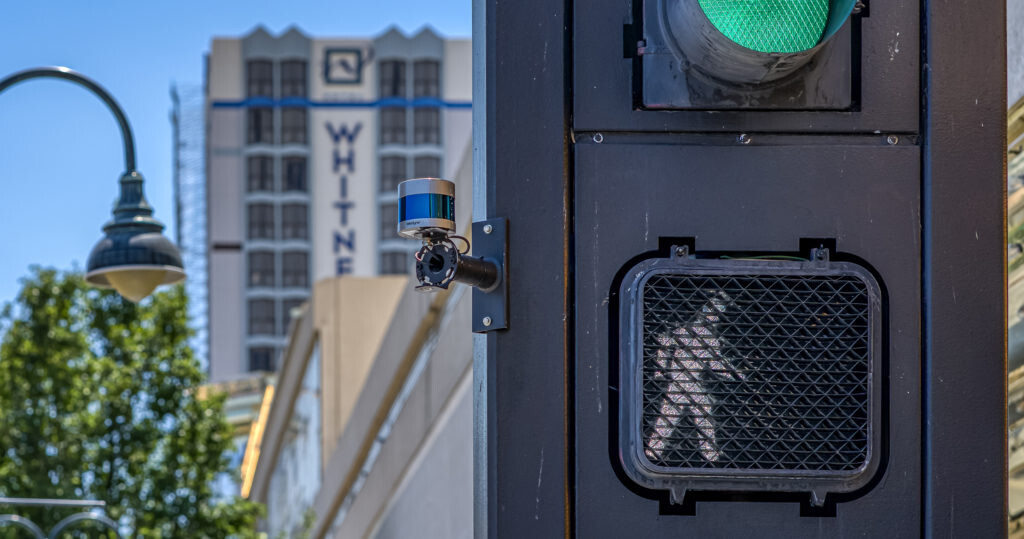
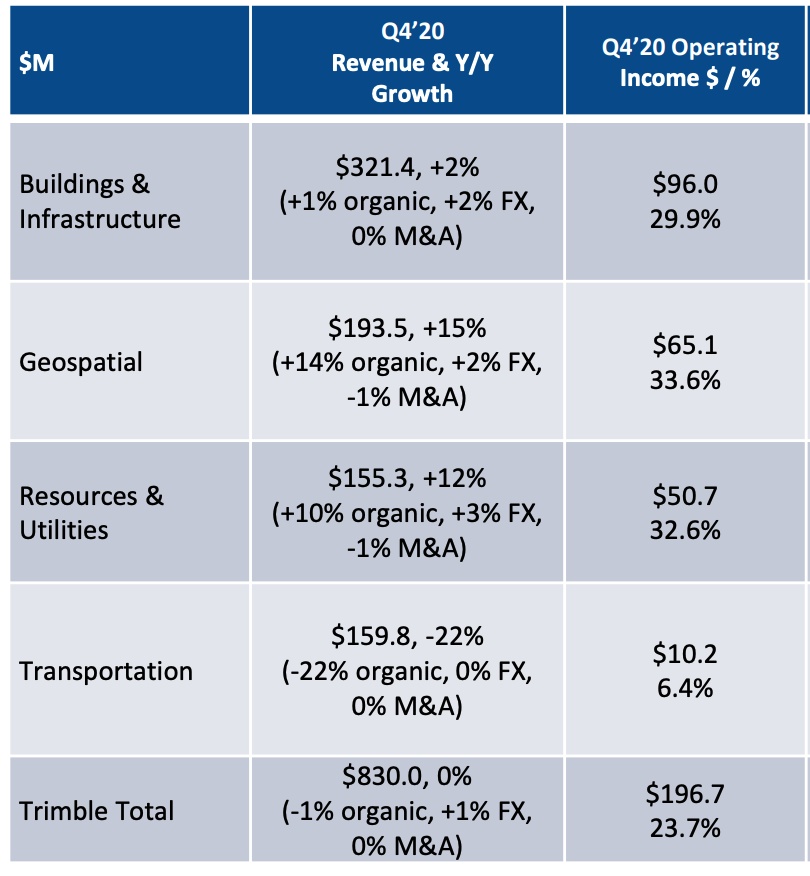
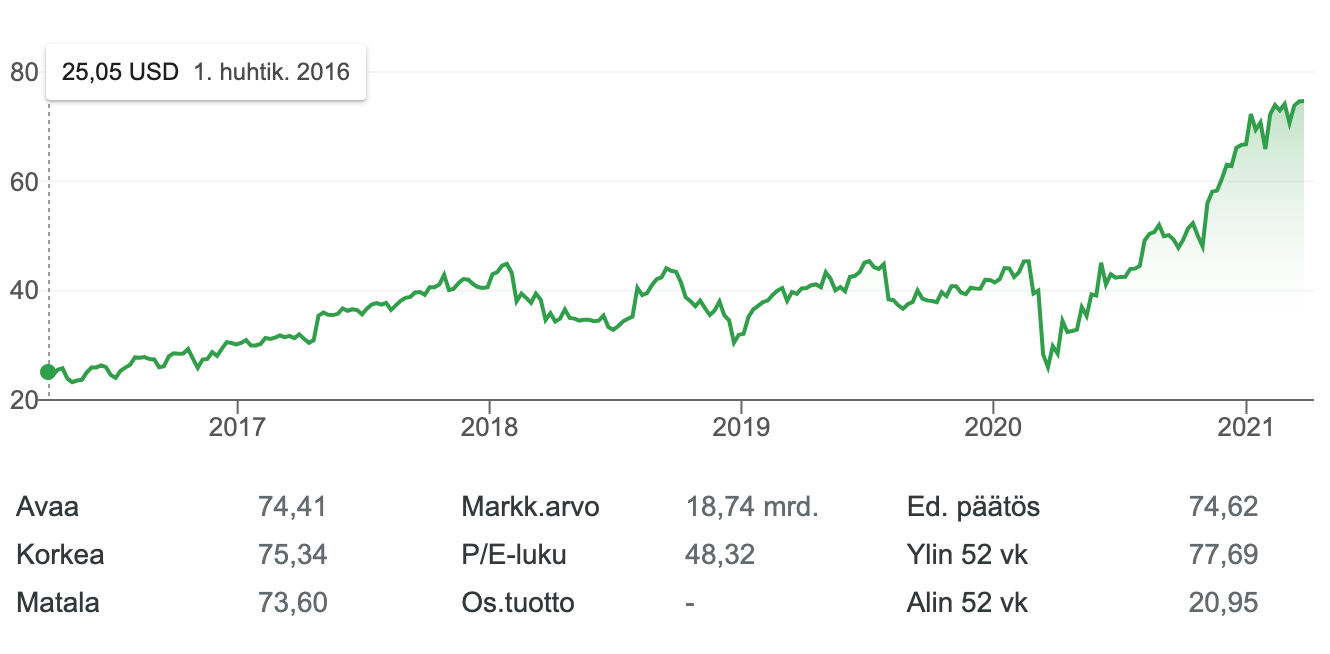
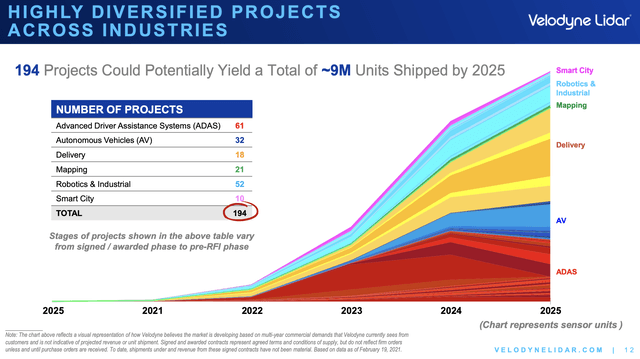
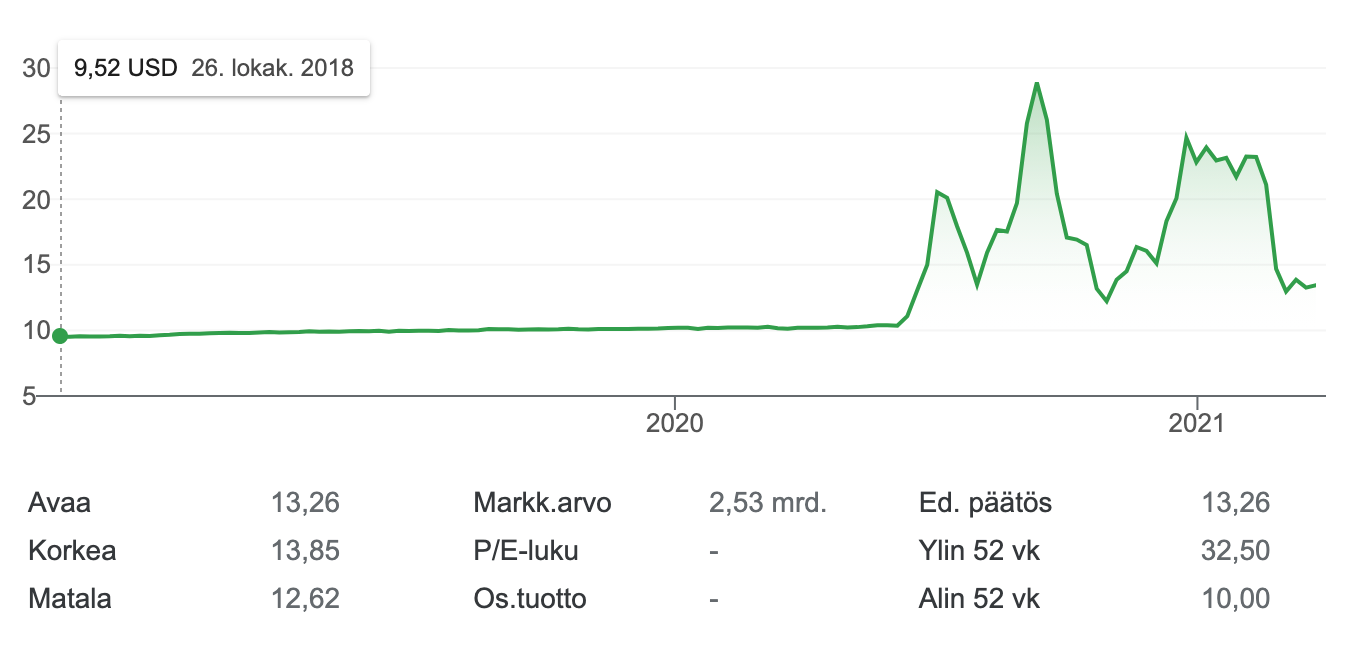
 . Nämä muistista Velodynen lyhyestä pörssihistoriasta tiivistettynä.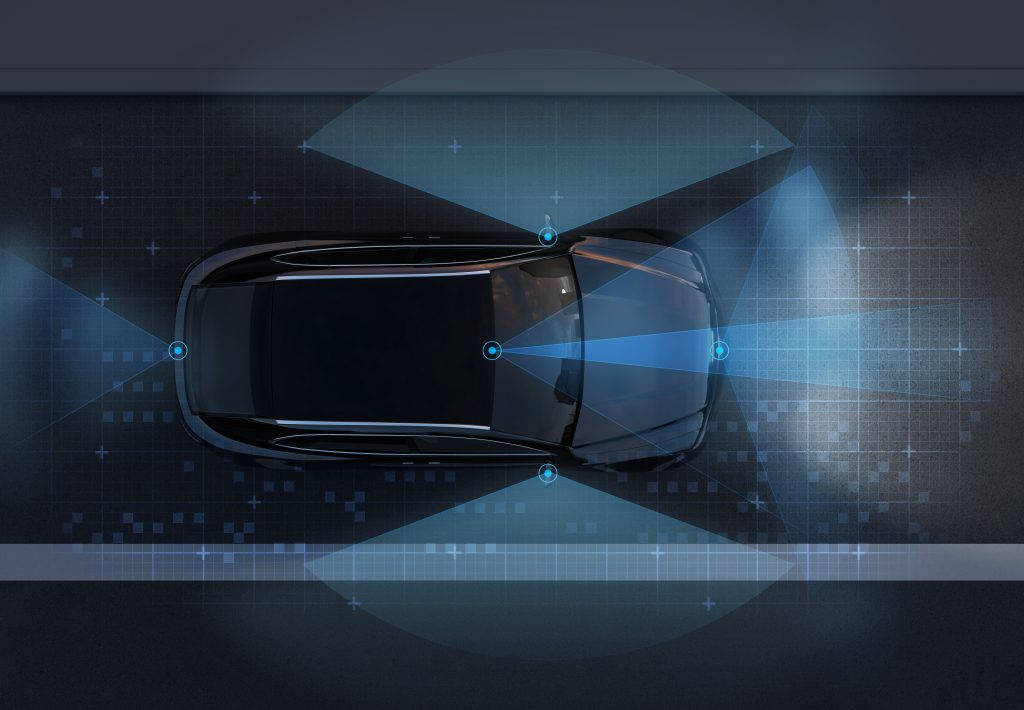
 Näitä malleja voi sitten kohtalaisen helposti lähteä printtaamaan 3D-tulostimella, että kunhan 3D-mallinnos on kuluttajille helppoa, niin 3D-tulostimiakin tulee lähtemään entistä enemmän hyllyltä.