Tätä viestiä saa sitten varmaan kuulla muutaman päivän välein jokaisesta eri teollisuudesta, kun suurten yritysten johtajat käyvät kysymässä vuorotellen että “et kai sä nyt oikeasti luullut, että me saadaan siirrettyä tuotanto kuukaudessa jenkkilään?”.
26 tykkäystä

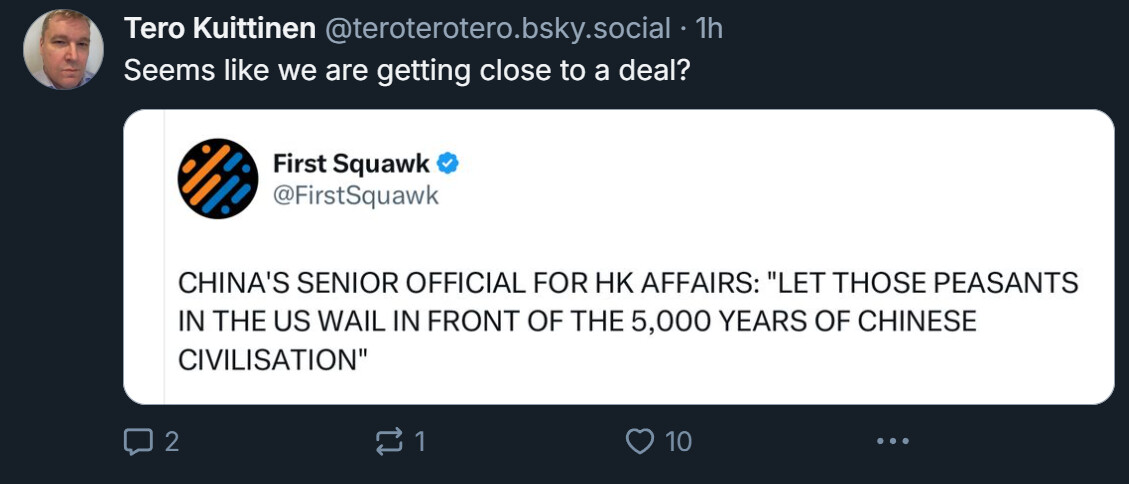
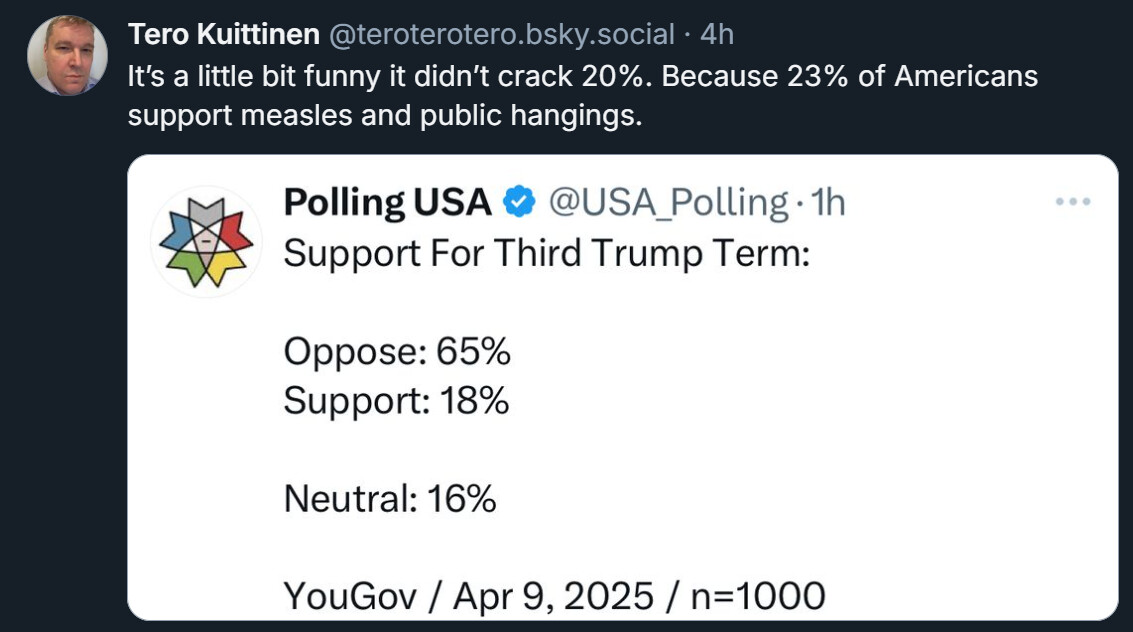
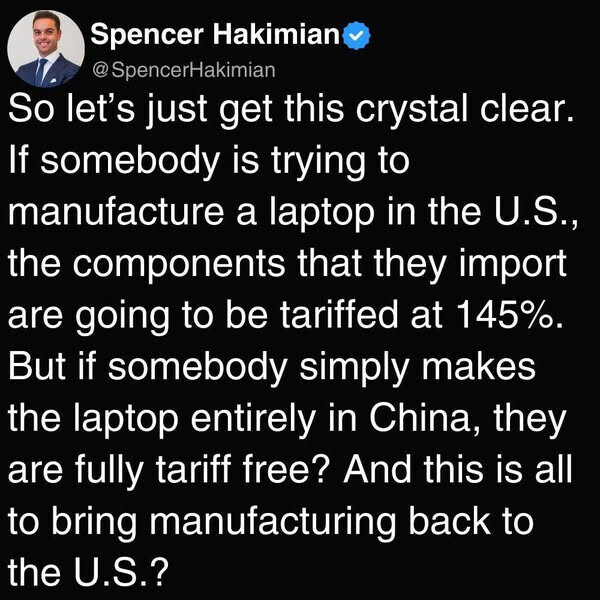
Kiina haluaa selvästi olla omavarainen lentokone puolella jos joku päivä olis vaikkapa jenkkilän kaa joku isompi selkkaus:
Kiina on määrännyt kotimaiset lentoyhtiöt keskeyttämään Boeing-koneiden toimitukset Yhdysvaltojen kanssa käytävän kauppasodan viimeisimmän kärjistymisen vuoksi.
Asiasta kertoo lähteisiin viitaten Bloomberg News.
Peking on myös kehottanut kiinalaisia lentoyhtiöitä keskeyttämään kaikki lentokoneisiin liittyvien laitteiden ja varaosien ostot amerikkalaisilta yrityksiltä.
Kahden seuraavan vuosikymmenen aikana Kiinan odotetaan vastaavan 20 prosenttia maailmanlaajuisesta lentokoneiden kysynnästä, ja vuonna 2018 noin 25 prosenttia Boeing BA +1,56%:n tuotannosta laskeutuu maahan. Tällä hetkellä kiinalaisille lentoyhtiöille valmistellaan hieman yli kymmentä Boeingin 737 Max -mallia.
Boeingin osakkeet laskivat 2,4 prosenttia USA:n pre-market-kaupassa pian uutisen jälkeen.
16 tykkäystä
Trumpin esikunnasta sellainen tieto, että Britannian kanssa ollaan saavuttamassa kauppasopimus. Muun Euroopan kanssa on sen sijaan vaikeata saada sellainen aikaiseksi.
Peruste: Trump rakasti Britannian kuningataräitiä ja ihailee kuningasta (hänen poikaansa).

18 tykkäystä


Yllättyneitä olivat?


Nyt tämä joko:
a) Nostetaan ylemmälle tasolle Trump - von der Leyen
b) Lyödään tullit molemmin puolin voimaan. Euroopalta myös mahdolliset digitullit big techille
26 tykkäystä
Haastiksen painopiste sen verran kauppasodassa että jaetaan tännekin yhtiöketjun lisäksi. Dimon ei kannata kauppasotaa. Mukana kyllä muitakin aiheita. Kesto 38 min.

5 tykkäystä
Ohessa havainnollistus, miten tullit vaikuttavat yksinkertaisen tuotteen (auton mattosetti) myyntihintaan. En ollut ajatellutkaan, että kauppiaiden marginaalit olisivat noin isossa roolissa tuotteen hinnassa. Tariffit nostavat tuotteen hintaa noin kympillä mutta kaupan katteet kertaavat muutoksen kymmeniksi dollareiksi.
Linkin takana iso aihetta käsittelevä artikkeli.

Edit. Tuosta kaaviosta löytyy selitys sille, miten Temu pystyy myymään tavaraa niin halvalla vs. kivijalkaliikkeet.
17 tykkäystä
Vaihdoin ketjun nimeen Tullisota → Kauppasota, koska tullien lisäksi
- 12.4.2025 Kiina otti käyttöön vientirajoituksia harvinaisille maametalleille,
- 14.4.2024 Kiina asetti tuontikieltoja lentokoneiden osille ja lentokoneille, ja
- 9.4.2025 (Nvidia kertoi tästä vasta 15.4) USA laajensi NVidian piirien vientikieltoja Kiinaan koskemaan myös H20-piirejä ja AMD:n MI308-siruja ja muita vastaavia tuotteita.
@Marianne_Palmu:n tuoreet skenaariot kauppasotaan:
30 tykkäystä
Hongkong keskeyttää lentokoneella kuljetettavan postin välityksellä tehtävät tavaratoimitukset USA:aan (Reuters):
Hongkong Post said on Wednesday it had suspended goods mail services by sea to the United States and will suspend its air mail postal service for items containing goods from April 27 due to “bullying” U.S. tariffs.
When sending items to the United States, Hong Kong people “should be prepared to pay exorbitant and unreasonable fees due to the U.S.'s unreasonable and bullying acts,” Hongkong Post said in a statement.
13 tykkäystä
Ja ehkäpä kauppasota saa sellaisia käänteitä, että tuo kuvion mukaisesti aletaan kohta markkinoida tavaraa aiempaa aggressiivisemmin suoraan amerikkalaiselle kuluttajalle niin, että leikataan amerikkalaiset, isoa siivua ottavat välikädet pois kokonaan. Ks. esim. tässä X-viestissä oleva mainosvideo. Siinä kerrotaan, mitkä kiinalaiset alihankkijat tuottavat joitain Lululemonin tuotteita ja miten USA:ssa 100$ hintainen tuote voi olla Kiinassa hinnaltaan 6-8$. Tuosta 6-8$ voi toki maksaa useamman sadan prosentin tullit ja silti on vielä edullista, jos ei tarvitse maksaa nykyisten tukkureiden ja vähittäismyyjien massiivisia siivuja.
8 tykkäystä
USA on koittanut saada maailmaa mukaan Kiinan vastaiseen rintamaan ja sisällyttänyt ilmeisesti tullineuvotteluihin ehdon, ettei Kiinan kanssa saisi tehdä kauppaa.
Lisäksi USA:n tavoite on saada esimerkiksi oma lihansa markkinoille, eikä suostu ymmärtämään miksi se ei joillekin maille kelpaa. USA:n näkökulma on että kyseessä on “epäreilu kilpailu ja heitä käytetään hyväksi” kun esimerkiksi Euroopassa on kovemmat standardit kaikille, myös omalle tuotannolleen.
Eurooppa oli nyt ilmoittanut, että näihin ehtoihin ei suostuta:
29 tykkäystä
Mielestäni olisi ollut yllättävää jos eu ja usa olisi jo päässeet sopuun tulleista. Vastahan siitä on reilu parisen viikkoa kun mr president esitteli puhujapöntöstä pahvilta tulliprosentteja.
Trumpin hallinto varmaan ajaa tässä vaiheessa kovaa linjaa venyttääkseen neuvotteluraameihin mahdollisimman paljon tilaa omille tavoitteilleen. Ainakin se sopisi hyvin aiempaan tyyliin. Tinkimisvaihe voi hyvin kestää jonkin aikaa. Sekin jo nähtiin, että tarvittaessa hallinto vetää hätäjarrusta, jos paine esim. markkinoilla kasvaa liikaa. Se on imo hyvä merkki, että hallinto tuntee usan markkinan/talouden/liike-elämän kivun ja joutuu ottamaan sen huomioon. Se mielestäni puhuu sen puolesta, että näistä tulleista voidaan päästä vielä suurelta osin eroonkin, koska etenkin kovat tullit osuisi niin lujasti ja monella tavalla usaan. En usko, että hallinto sietäisi mitään taantumaa, koska se murentaisi hallinnon tukea dramaattisesti ja olisi valtava epäonnistuminen.
5 tykkäystä
Mitä senaatin istuntoja kuunnellut ja Trumpin edustus/kannattajasenaattorit selittäny niin tullu kuva, että nyt USA pelaa kovaa tupla tai kuitti -peliä.
Ovat käyneet neuvotteluihin pelkästään USA:n edut mielessä. Esimerkiksi tulleihin liittyen manipuloivat lukuja mieleisekseen, eivätkä suostu huomioimaan eri maiden paikallisia lainsäädöksiä. Jokainen kulu käännetään “Amerikkaa vastaan suunnatuksi tulliksi”, eikä ole väliä vaikka kotimaiset tuottajatkin maksaisivat samat verot. Amerikkalaisten tuotteiden on yksinkertaisesti päästävä etuoikeudella markkinoille ja “härskin hyväksikäytön” loputtava.
Sama juttu esimerkiksi tuon lihan suhteen. Viesti on “Amerikkaa huijataan härskisti” kun lihaa ei suostuta ottamaan vastaan. Ovat turpa kiinni syistä, miksei Amerikan liha tai muut vastaavat tuotteet kelpaa kaikille. Faktoilla kun ei ole väliä. “Meillä on ylivoimaisesti maailman paras liha” lauseet lausutaan mukaan.
Amerikan asenne on pakko muuttua, ei kai nuo neuvottelut tuolla keihäänkärjellä voi mennä maaliin. Helpompi ennustaa Amerikka -boikotin vain laajenevan kun koitetaan sanella mitä muut maat saa tehdä. Ja tämän luulisi tieten satavan lähinnä Kiinan laariin. Tätä neljä vuotta niin USA on kovin erilaisessa tilanteessa mitä ehkä oli 2025 vuoden alkaessa.
41 tykkäystä
Oliko Trumpin ensimmäisellä kaudella myös kauppasotaa? Muistelen, että oli jotakin tulleja jo silloin, mutta eroaako tämä kausi nyt merkittävästi edellisestä kaudesta? Onko kenellekään paremmin edelliskautta seuranneella muistikuvia?
4 tykkäystä
Korona ja sen jälkeinen elvytys sekoitti silloin pakkaa paljon enemmän kuin mitkään muut hämmennykset
3 tykkäystä
Näyttäisi tosiaan olevan aika vaikeat neuvottelut edessä kun pelissä on näköjään muutakin kuin vain taloudelliset ehdot.
7 tykkäystä

Erza Kleinin ja Tom Friedmanin keskustelu kauppasodan etenemisestä. Erityisesti Tom Friedman on Kiinaspesialisti. Hänellä oli 2000-luvun alkupuolella hyvin myönteinen kuva Kiinan kehityksestä (demokratia- ja talous) mutta sittemin muutti kantaansa kun Kiina lipui kohti autokratiaa Xi Jinpingin vallassa. Hän myös kehui DJT:tä tämän ensimmäisellä kaudella kovemmasta suhtautumisesta Kiinaan. Klein on enemmän libreaali kommentaattori, joten jonkinasteista biasia tässä varmasti on
Tässä podissa kaksikko keskustelee Kiinan ja USA:n kauppasodan lopputuloksesta. Molemmat näkevät lopputuloksesta. Molempien näkemys on aika pessimistinen USA:n mahdollisuuksien osalta.
Suurena ongelmana herrat näkevät sen, että USA:n nykyhallinto käy efektiivisesti sotaan Kiinaa vastaan joka oli olemassa 15 vuotta sitten. Krääsän valmistus (joka mm. JD Vancen peasant-kommenteista paistoi esiin) oli vielä 2000-luvun alkupuolella Kiinan talouden ytimessä. Nyt kuitenkin Kiina on ajamassa innovoinnissa ohi Yhdysvalloista. Tätä kehitystä vielä pahentaa USA:n kannalta Trumpin käymä sota woke-yliopistomaailmaa vastaan joka voi entisestään kallistaa vaakaa innovointien osalta Kiinan hyväksi tulevaisuudessa. Kiinalaiset olivat kuulemma ihan vakavissaan tiedustelleet Friedmanilta että onko Yhdysvalloissa alkanut heidän oma kulttuurivallankumouksensa, kun yliopistoja ja oppineistoa “vainotaan” valtiovallan toimesta vääräoppisuuden (Woke, dei) vuoksi. Tässä voi kieltämättä nähdä yhtymäkohtia Kiinan -60 luvun sekoiluun.
Lisäksi kauhisteltiin nykyhallinnon halua panostaa teollisuudenaloihin, joilla ei kyllä ainakaan teknologisen ylivallan asemaa USA:ssa säilytetä (kivihiilikaivokset, öljynporaus, polttomoottoriautot…)
Jos kauppasota Kiinaa vastaan olisi haluttu voittaa palauttaen valmistavaa teollisuutta länteen ja länsimaisen IP:n ryöstö Kiinaan pysäyttää, se olisi pitänyt tehdä ~ 15 vuotta sitten. Nyt on liian myöhäistä.
Demokraatit eivät saaneet sen enempää kiitosta. Heidän näkemyksensä Kiinaa kohtaan on myös hyvin pessimistinen, ns. Trump lite.
Toisena pointtina oli kauppasodan aloituksen taitamattomuus ja yleinen epäpätevyys. Jos ja kun Kiina nähdään suurimpana (ainoana?) oikeana uhkana USAa vastaan heitti USA heti kättelyssä suurimman valttikorttinsa roskiin eli aloitti kauppasodan myös ystäviään ja liittolaisiaan vastaan. Jos USA olisi ensin kerännyt liittolaisten koalition omaan nurkkaansa ja sitten käyty yhteistuumin Kiinaa vastaan, olisi onnistumisen todennäköisyys ollut parempi. Nyt tuo kortti on jo pilalla koska kuka liittolaisista enää luottaa Yhdysvaltoihin tämän sekoilun jälkeen?
Niinkuin ketjussa äskenlinkatussa uutisessa, nyt Yhdysvallat vaatii Eurooppaa ottamaan heidän steroidihärkää ja samalla liittymään kauppasotaan Kiinaa vastaan ja aikaa on alle 3 kk. On kyllä todella tökeröä ja amatöörimäistä puuhailua.
Mitä miehillä oli tarjota vaihtoehdoksi? Tilanne on hankala, mutta ehdotus oli että kaupan esteet purettaisiin asteittain USA:n ja Kiinan välillä sillä oletuksella, että Kiina investoisi Yhdysvaltoihin ja lopettaisi maailmankaupan hyväksikäytön. Esim otettaisiin Kiinalaisia autotehtaita USA:n sillä ehdolla, että kyseessä olisi joint venture ja yhdysvallat saisivat tuota kautta Kiinalaista know howta (eli käytännössä päinvastainen, mitä tapahtui silloin 10-20 vuotta sitten) Annettaisiin Kiinalaisyrityksille esim USA:ssa infraprojekteja mutta alkuun hyvin rajatusti ja aina yhteistyössä USAlaisten kanssa niin että nähtäisiin, ettei foul playta esiinny ja samalla taas opittaisiin lisää
Mielenkiintoinen kesustelu. Suosittelen kuuntelemaan
34 tykkäystä
Seuraavaksi Italian Meloni marssii Trumpin puheille…
6 tykkäystä