Joka tapauksessa, käykäähän allekirjoittamassa:
5 tykkäystä
Isommassa maailmassa pakotetaan AI käyttöä ja ilmeisesti vanhemmat työntekijät osittain vastustavat uutta. Kuulostaa kovin tutulta.
4 tykkäystä
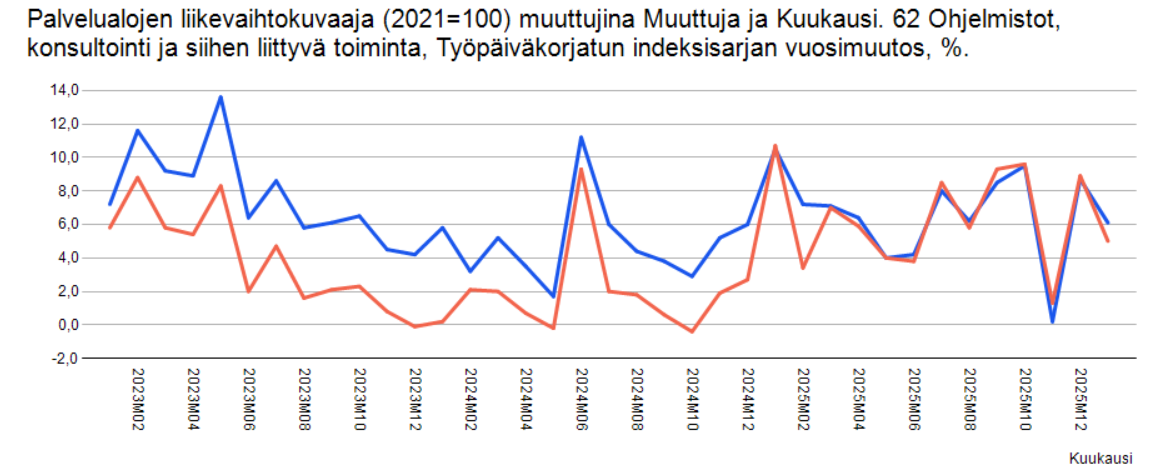
6 tykkäystä
Eli pientä toivon kipinää nähtävillä. Jos ei ole kiireessä saada rahoilleen nopeasti tuottoa ja uskoo että IT-palvelusektori selviää AI-murroksesta niin voipi olla ihan järkevä aika sijoittaa. Monet ajattelevat että kannattaa odottaa että kurssit nousee ennen ostoja, mutta jos ajattelee hajauttavansa ostoja niin tällaisena totaalisen toivottomana aikanakin voi olla hyvä lähteä mukaan. Tässä voisi olla hyvä hetki konservatiivisille sijoittajille, jotka ei normaalitilanteessa ikinä osta teknologiayrityksiä korkeiden kertoimien takia.
5 tykkäystä
Joni ja Frans ovat tehneet jälleen mainion IT-palvelusektorikatsauksen. 
IT-palvelusektorin Q4-tuloskausi toi pitkästä aikaa positiivisia merkkejä. Sektoritasolla Q4 oli isossa kuvassa edelleen haastava, mutta aiempaa parempi. Ensimmäistä kertaa seitsemään neljännekseen orgaaninen liikevaihto kääntyi pieneen kasvuun. Markkinassa on varovaisia positiivisia merkkejä, erityisesti yksityisellä sektorilla – julkinen sektori pysyy säästötoimien vuoksi haastavana, mutta myös siellä pystyy operoimaan. Kannattavuus parani hieman edellisistä neljänneksistä ja sen jatkumiseen on liikevaihdon käänteen myötä nyt myös paremmat mahdollisuudet. Odotamme liikevaihdon kääntyvän pieneen kasvuun ja kannattavuuden paranevan hieman vuonna 2025. Iranin sodan pitkittyessä tai laajentuessa luo se kuitenkin painetta ennusteisiin. Vuoden alussa useita sektoreita, mukaan lukien IT-palvelusektoria on painanut sijoittajien pelkäämä tekoälyn disruptiouhka. Tämä uhka on kuitenkin IT-palvelusektorilla ollut operatiivisesti isossa kuvassa tiedossa jo pari vuotta. Näin tämä disruptiouhka on IT-palvelusektorin kohdalla mielestämme osin liioiteltu. Kurssilasku on rauhoittunut, mutta vielä ei ole suurempaa elpymistä nähty.
8 tykkäystä
Accenturen Q2FY26-tulos (joulu-helmikuu) julkaistiin juuri ja luvut ylittivät konsensusodotukset. Yhtiön osakehan on laskenut n. 40% vuodessa markkinan pelätessä AI:n vaikutuksia. Toteutuneissa luvuissa ei vieläkään varsinaisesti merkkejä maailmanlopusta vaikka kasvunopeus onkin hidastunut verrattuna aiempiin vuosiin. Tällä hetkellä osaketta saa forward P/E-kertoimella 14.
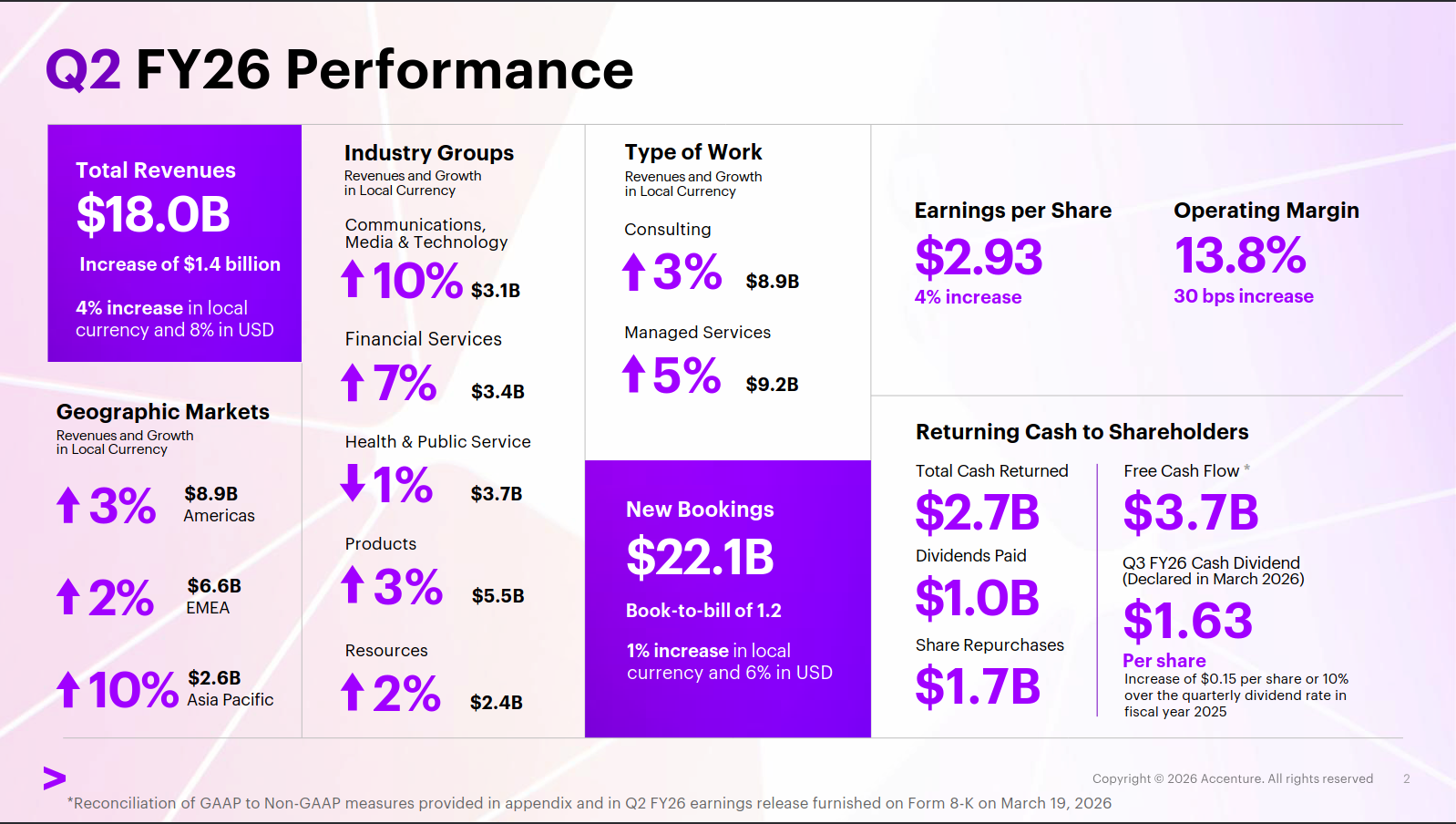
“We delivered record second quarter bookings of $22.1 billion, including a record 41 clients with quarterly bookings greater than $100 million, with revenues at the top of our guided range, while continuing to take significant share in a competitive market. We’re accelerating our critical work with clients to scale advanced AI across their enterprise, and we’re seeing strong AI-driven growth. Our new strategic acquisitions will further strengthen our capabilities and expand our scale to help clients create value and achieve AI-based transformation. With our deep client relationships, industry and process expertise, leading and emerging ecosystem partnerships, and unmatched execution strength, we are uniquely positioned to help clients reinvent and capture the significant opportunities ahead.”
Earnings presentation: https://investor.accenture.com/~/media/Files/A/accenture-v4/investors/earnings-reports/2026/second-quarter-fiscal-2026-earnings-presentation.pdf
8 tykkäystä
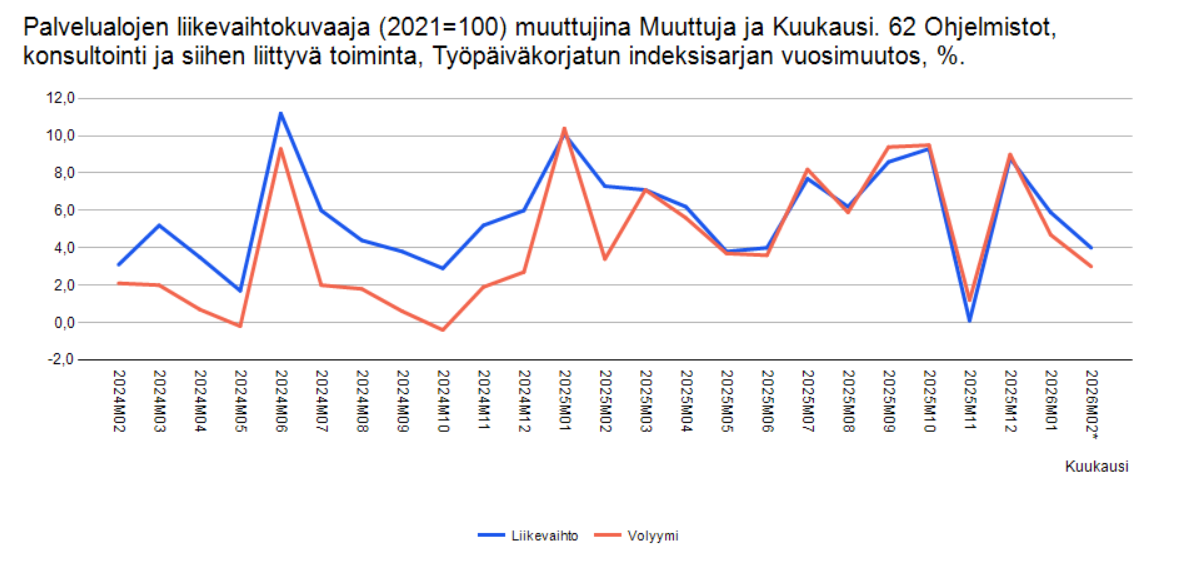
10 tykkäystä
Joni on tehnyt katsauksen Pohjoismaiden IT-sektoriin
Suomessa liikevaihdon kehitys kääntyi loppuvuonna pitkästä aikaa muita pohjoismaita paremmaksi. Muissa pohjoismaissa orgaaninen liikevaihdon kehitys heikkeni vuoden mittaan. Kannattavuus parani pohjoismaissa Ruotsin vetämänä ja oli kokonaisuutena jo suhteellisen hyvällä tasolla. Usealla yhtiöllä liikevaihdon lasku luo kuitenkin edelleen haasteita hallita kannattavuutta. Lanseeraamallamme 20-säännöllä tarkasteltuna IT-palvelumarkkinan tilanne oli yhä haastava, mutta parani loppuvuonna. Näin useammalla mittarilla tarkasteltuna tilanne parani loppuvuonna Pohjoismaisella tasolla. Julkaisimme aikaisemmin Suomen listatun IT-palvelusektorin Q4-yhteenvedon, joka näytti myös Suomen tasolla positiivisemmalta.
4 tykkäystä
Yllä olevan viestin katsauksesta napattua:
Rule of 20 kuvaa hieman parempaa tilannetta loppuvuonna läpi pohjoismaiden
Vaikeaa markkinatilannetta koko vuonna 2025 kuvastaa se, että pohjoismaissa vain pari listattua IT-palvelusektorin yhtiötä pääsi erinomaiseen suoritukseen 20-säännöllä mitattuna. Sektorin parhaaseen suoritukseen ylsi kestosuorittaja Netcompany (21 %), joka on syklien yli katsovassa haarukassamme erinomainen suoritus. Vain Trifork ylsi hyvään suoritukseen (16 %). Tyydyttävään suoritukseen ylsivät Bouvet sekä suomalaisista Tieto ja Digia. Muiden sektorin yhtiöiden suoritus oli heikko tai hyvin heikko 20-sännöllä mitattuna.
(tekstin “Netcompany”-boldaus on mun suorittama )
Tuosta Netcompanysta Joni perusti ketjunkin lokakuussa. Vaikuttaa kiinnostavalta, mutta sitten taas ehkä kalliilta, tosin en osaa aina huomioida kokonaisuutta.
3 tykkäystä
Enemmän SaaSsia kun IT-palvelusektoria, mutta Relexin eilinen YT-uutinen on aika karu:
Vuonna 2005 perustettu Relex työllistää yli 900 työntekijää Suomessa.
Muutosneuvottelut koskevat yhteensä 722:ta Relex Suomen työntekijää. Näistä 537 työskentelee tuotekehityksessä ja loput muissa tehtävissä. Muutosneuvottelut kestävät kuusi viikkoa.
Yhtiön mukaan muutosneuvottelujen syy on tekoälyn mullistava vaikutus sen tekemään ohjelmistokehitykseen.
Muutosneuvottelut ovat osa koko Relex-konsernin strategiaa, jossa yhtiö kertoo keskittyvänsä jatkossa korkean lisäarvon asiantuntijapalveluihin samalla, kun muu työ siirretään kumppaneille.
14 tykkäystä
Hesari kirjoitti tänään aiheesta lisää. Minun tulkintani on, että lisäävät henkilöstöä tehtävissä, joissa perehdytään asiakkaan prosessien optimointimahdollisuuksiin, eli Relexin ydinosaamiseen. Mielestäni tuo on oikea liike ja ehkäpä jopa pakko, koska nythän asiakkaat etsivät itsenäisesti tai muiden kanssa jo tekoälyllä noihin ratkaisuja. Relexillä on selkeä riski menettää markkinaa IT-palveluyhtiöille.
Tj Mikko Kärkkäinen:
”Ajatus on tehostaa toimintaa ja muuttaa toiminnan rakennetta. Tehdään enemmän lähempänä asiakkaita ja asiakkaiden aitojen ongelmia. Meidän liiketoiminnastamme alle 5 prosenttia on Suomessa tällä hetkellä.”
9 tykkäystä
Mä en kyllä näe, miten geneerinen IT-palvelutoimija pystyisi viemään businessta Relexiltä. Vaikka IT-palvelutoimija olisi kuinka taitava optimoija ja simuloija, siltä puuttuu kriittinen asiakasmassa ja sen tuoma data, jolla ennustealgoritmi on hiottu kuntoon viimeisen 10v aikana.
Mun silmissä tämä keissi on ihan selkeä eikä sitä tarvitse yrittää lukea rivien välistä. Ohjelmistotuotanto on muuttunut niin, että sama output saadaan aikaan murto-osalla aiemmasta (kuten TJ toteaa) ja lisäarvo tuotetaan asiakkaalle korkeakatteisella neuvonannolla (esim. toimitusketjujen ja varastojen ohjauksen osalta) puhtaan ohjelmistotarvonnan lisäksi.
8 tykkäystä
Esimerkiksi SAP:lla on käytettävissään paljon suurempi asiakasmassa ja sen tuoma data. Sama tilanne on myös vaikkapa Accenturella ja muilla IT-palvelujäteillä. Relex on saanut monet SAP-käyttäjäorganisaatiota asiakkaakseen, koska esimerkiksi SAP ERP:n oma MRP ei ole tarpeeksi kyvykäs tarvelaskennan parametrien automaattisen optimoinnin alueella. AI on muuttamassa kilpailun dynamiikkaa tässä kohtaa.
6 tykkäystä
Mielenkiintoista nähdä, johtaako tämä parempiin marginaaleihin firmoilla vai alempiin kuluihin asiakkaille. Jos kilpailu toimii, veikkaan jälkimmäistä.
Ensimmäinen isompi AI-Yt pommi mikä on osunut silmääni Suomessa.
Siinä mielessä merkittävää, että amerikkalaisista uutisista ei aina osaa sanoa mikä on heidän normaalia ”10 % porukasta ulos koska tulos” potkuja tai ”AI washingia”. Jos Suomessa järjestää yt:t on tosi kyseessä.
17 tykkäystä
Kuulemma tuohon liittyvä laskenta on massiivisen raskasta ja osa Relexin liiketoimintamallia taitaa liittyä laskentaan tarvittavan raudan hallinnointiin. Myös käsiteltävät data-massat taitavat olla massiivisia (luokkaa “yhden ison asiakkaan kaikkea dataa ei kannata siirtää piuhoilla datakeskuksesta toiseen” - voi olla että olen ymmärtänyt jotain väärin, paremmin asioista perillä olevat korjatkoon).
Em. faktat vielä saattaisivat puhua sitä vastaan, että asiakkaat ja heidän erp-toimittajansa yhtäkkiä AI:n avulla tekisivät korvaavat ratkaisut. Optimoinnin lisäksi menekin ennustaminen taitaa olla yksi keskeinen ominaisuus heidän ratkaisuissaan.
Epäilen, että useita vuosia nopeasti kasvaneella yhtiöllä on nyt hyvä paikka korjata organisaatiotansa tällä tavoin.
10 tykkäystä
Pari päivää asiaa pohdittuani osaan ehkä ilmaista paremmin näkemykseni.
Relex on siinä mielessä mainio esimerkki, että sen tuote on toiminnanohjausjärjestelmien (ERP) rinnalla tai päällä toimiva varsin pieni kokonaisuus verrattuna itse ERP:iin. Lisäksi Relexin ohjelmistot osuvat ERP:ssä melko tarkasti rajattuihin prosessikohtiin. Esimerkiksi varaston täydennyksen optimointi perustuu minimivarastotason, maksimivarastotason ja täydennyserän määrittämiseen mahdollisimman tarkoituksenmukaisesti. Monimutkaisuutta tuovat menekin vaihtelu, varastokapasiteetti sekä se, mitä kulloinkin halutaan optimoida: nopeutta, kustannusta vai laatua. Koska kyse on suhteellisen rajatusta ongelmasta, tähän käyttötarkoitukseen on kehitetty ohjelmistoja jo vuosikymmenten ajan. Relexillä on tähän erinomainen ohjelmisto. Pääsen pikkuhiljaa pointtiini…
Korjatkaa, jos olen pahasti väärässä, mutta käsittääkseni tekoäly soveltuu tällä hetkellä paremmin pienten ohjelmien kuin suurten järjestelmien suunnitteluun ja koodaamiseen. Pieniin, tarkkarajaisiin optimointitehtäviin on myös helpompi ottaa käyttöön uusia ohjelmistoja, ja tässä tekoäly voi olla varsin käyttökelpoinen apuväline. Varaston täydennyksen haasteet logistiikkapäällikkö tiimeineen voi kuvata itse, minkä jälkeen niitä voidaan pohtia yhdessä konsulttien kanssa. Hyvin kuvattu ongelma voidaan antaa tekoälylle, joka pystyy tarjoamaan siihen ratkaisumallin. Tämän jälkeen ihmisistä koostuva tiimi voi hioa mallia edelleen paremmaksi. Lopputuloksena syntyy optimointimalli, joka vastaa juuri kyseisen varaston haasteisiin.
Tästä suunnitelmasta tekoäly pystyy jo koodaamaan ohjelmiston, joka voidaan istuttaa ERP:n sisään – ei sen päälle eikä rinnalle. Lopputulos voi lisäksi olla tehokkaampi ja tietoturvan kannalta parempi kuin jokin ulkopuolinen ohjelmisto. Eihän nämä kaikki onnistu, mutta Relexin vallihauta ei ole kaikilta osin välttämättä tarpeeksi syvä. Kilpailu voi tulla yllättävästä suunnasta.
IT-palveluyhtiöillä voi olla merkittävä rooli juuri tällaisessa kehityksessä. Ne voivat tarjota konsultteja ja muita asiantuntijoita tiimien jäseniksi suunnitteluun, koodin katselmointiin ja testaamiseen. Tässä ei siis sinänsä ole kyse täysin uudesta asiasta, mutta muuttunut dynamiikka pitäisi tunnistaa ajoissa eikä jäädä seuraamaan sitä sivusta. Veikkaan, että moni konsultti on tämän kyllä tunnistanut, mutta ei kirjoittele foorumeilla 
Murentaako tekoäly SaaS-yhtiöiden liiketoimintaa ja viekö se töitä IT-palveluyhtiöiden konsulteilta? Kyllä, elleivät SaaS-yhtiöt ja konsultit reagoi tilanteeseen. SaaS-yhtiö voi olla vaarassa, ellei se onnistu laajentamaan ohjelmistojensa kattavuutta tai parantamaan niiden istuvuutta osaksi muita järjestelmiä. Pidemmällä aikavälillä sen voisi jopa olla perusteltua pyrkiä korvaamaan ERP:n kaltainen “alusta” entistä laajemmin, ainakin tietyissä käyttötapauksissa. Nämä ovat kuitenkin isoja strategisia valintoja.
IT-palveluyhtiöissä reagointi voi puolestaan tapahtua paljon ruohonjuuritasolla, mikä tekee tilanteesta niille jossain määrin helpomman. Moni konsultti on kokenut vastaavan murroksen jo 1990-luvun internetvallankumouksen aikana, vaikka tämä sukupolvi onkin vähitellen eläköitymässä.
10 tykkäystä
Tämä ei ole korjaus mutta haluan jatkaa pohdintaa.
Relexillä taitaa olla 2,3 k ihmistä töissä ja niillä aikaansaatu tarjonta näkyy sivulla Our solutions for supply chain & retail planning | RELEX Solutions .
Näin joskus jonkun esityksen Relexistä ja replenish-asioista: “kunkin myymälän jokaisen hyllypaikan ennusteet, joista saa ennusteen kaikesta kuljetustarpeesta myymälään. Toista ajatus vielä asiakkaan jokaiselle jakelukeskukselle, ja yhteydet tuottajien tilausjärjestelmiin toki.” Tähän vielä toteamus, että kotimaiset S-ryhmä ja Kesko taitavat olla pieniä tekijöitä isompien Eurooppalaisten ja USA yhtiöiden joukossa.
Jos arvioi ennustettavien asioiden määrää: 10000 “prisman” jokaisella hyllypaikoilla olevat eri tuotteet, niiden tarvitsemat jakeluvarastot ja tavaravirrat, saa mielikuvaa laskennan määrästä per päivä pari. Optimointi toki liittyy aiheeseen, mutta ne tarvitsevat hyvät ennusteet menekistä. Lisäksi moni logistiikkaan liittyvä optimointiongelma on kombinatorisesti hankala (NP-täydellinen), joten melkein uskaltaisin väittää että kaikki toimijat joutuvat tekemään optimointia selvästi karkeammalla tasolla kuin mitä em. ennusteet mahdollistavat suoraan kaupoille jakelukeskuksineen. Lisäksi ovat onnistuneet (ovatko?) laajentumaan moneen muuhun kaupan pyörittämisen osa-alueelle näköjään.
Pitkän sepustuksen jälkeen Taavetti ilmeisesti yrittää sanoa, että kun data-massat ovat tarpeeksi isoja, tullee ratkaistavaksi omansalaisia ongelmia, joihin tullee erikoistua suht syvällisesti. Muistelisin, että Relexillä on useita omia data/laskentakeskuksia useammalla mantereella tekemässä tätä laskentaa, ja kukin keskus sisältänee suht järeää rautaa.
Olisiko tuo korvattavissa hyvin skaalautuvalla erp:n kilkkeellä, joka mm. ostaisi amazonin tai ms:n (virtuaali)palvelimia dynaamisesti tai pysyvämmän, koska laskentaa pitää toistaa vähän väliä? Ehkä, mutta onko sitten halvempaa näin vai pystyykö erikoistumalla vielä kilpailemaan tuota vastaan. Luultavasti yritän tässä siis esittää jotain sellaista, että yksi tärkeä myytävä hyödyke Relexillä on laskentakapasiteetti kivasti ja käyttökelpoisesti pakattuna. Eli ovat kuin tuo amazon/ms mutta erikoistuneempia silläkin saralla.
En tiedä muista tarjontaa kuuluvista palasista tarpeeksi: mutta jos ovat toimivia, niin nuohan näyttäisivät (ks. yllä oleva linkki) olevan jo jonkinmoinen erp-toiminnallisuus itsessään, poislukien kirjanpito.
6 tykkäystä
Tässä on selkeä blog mitä yleensä on ERP:ssa ja mitä sen ulkopuolella. Tulevsisuudessa ERP luultavasti ”kutistuu” ja
- IT palveluyritykset tekevät tekoälyn svulla hyvin asiakaskohtaisia sovelluksia jotka integroituvat ”kutistuneeseen ERP:iin”
- IT tuoteyritykset (kuten RELEX) kehittävät omis SaaS tuotteitaan tekoälyn avulla, ja integroituvat ”kutistuneeseen ERP:iin”
6 tykkäystä
Mielenkiintoinen vastavirtanäkemys “tekoälydisruptiopelkoihin” mitä kuullut hiljattain kun jutellut muutaman softayhtiön johtajan kanssa:
- Edessä konsulttien kultakausi, koska asiakkaat alkavat tajuamaan ettei niillä ole itse osaamista rakentaa kyvykkyyksiä AI-aikakauteen
- Jos asiakkaalla on 10 miljoonan euron budjetti [softakehitykseen], mutta nyt sille saadaan 5x tuottavuus. Pudottaako asiakkaan it-päättäjä budjetinsa 2 miljoonaan, vai käytetäänkö “säästyvä” raha kasvuun ja tekemisen kiihdyttämiseen
En ole itse varma mitä mieltä näistä. Relevantteja näkökulmia (sektoria omistavana olen biased etsimään signaaleja jotka antavat minulle toivoa  ). Toki olen kuullut myös näkemyksiä “shortti jokaiseen it-konsulttiin kaikki disruptoituu”.
Suomalaisena toivon, ettei meidän yritykset (konsulttien asiakkaat) ihan kustannussäästökiimassa ota tuottavuudesta nopeita EBIT-parannuksia sisään, koska se voi olla lyhyt tie jos kilpailijat alalla valitsee toisin. Nythän päätöksenteko on selkeästi jäissä, koska kriisit ja talous eikä tiedetä mitä tapahtuu, mutta IT-konsulttien asiakkaat ei voi loputtomiin istua käsien päällä.
33 tykkäystä
Jotain tuon suuntaista on oman selkänahkani mukaan tekeillä. 5x tuottavuuteen on myyntipuhetta. Voi se jossain tehtävässä toteutuakin, mutta ei koko IT-budjettitasolla, koska budjetissa on laitteita, kk-maksuja, eikä AI korvaa kaikkea työtä.
Mutta konsulttien kultakauteen uskon kyllä vahvasti. Kyse on ennemminkin siitä minne nämä konsultit veronsa maksavat.
20 tykkäystä