https://x.com/kingtutcap/status/1921972750689730847?t=ltqhlJ78ekGPkfIBBSJY8g&s=19
Näyttäisi olevan Pentagonin HSA- hankkeeseen listattuna myös eräs viime viikolla ostetuksi julkistettu Capella Space Corporation…
https://x.com/kingtutcap/status/1921972750689730847?t=ltqhlJ78ekGPkfIBBSJY8g&s=19
Näyttäisi olevan Pentagonin HSA- hankkeeseen listattuna myös eräs viime viikolla ostetuksi julkistettu Capella Space Corporation…
https://x.com/DesFrontierTech/status/1922065765584322724?t=EJxOkQSThPwMyS9ZAdMPFw&s=19
Mahtaako IONQ mainita tätä omien kanaviensa kautta lainkaan, vai hoituuko Capellan diilit ainoastaan sen omien tiedostustensa voimin. Jälleen yksi lisäseurattava asia siis.
Yritysostot pienentävät IonQ:n riskitasoa merkittävästi, koska erilaisia liiketoimintakulmia on nyt jo paljon. Lähivuosien kasvu ei ole parin kortin varassa. Välttämättä ensimmäinen läpimurto ei tule kvanttiprosessorista, vaan vaikkapa sensoreiden välisestä suojatusta tietoliikenteestä. Ei me tiedetä mitä IonQ:n johto näkee nyt. Jotain he näkee, kun kasasiva kevällä hyvän potin uutta rahaa. IonQ pörssilistattuna pystyy käyttämään osakkeensa arvoa noiden listaamattomien yhtiöiden hankkimiseen. Ekonomia on IonQ:n puolella, IonQ:n arvostus pörssiyhtiönä on isompi suhteessa listaamattomiin ostokohteisiin. IonQ:ta voi jo pitää jonkinlaisena nousevien kvanttiteknolgiayhtiöiden hajautettuna salkkuna, joka kuitenkin muodostaa johdonmukaisen toiminnallisen kokonaisuuden. Sen takia IonQ:n arvo tulee olemaan isompi kuin osiensa summa. IonQ:n arvo voi olla osiensa tulo, näin ajatusmielessä. Nyt vaan pitää jaksaa antaa yhtiöiden kypsyä yhteentoimiviksi ratkaisuiksi IonQ:n sateenvarjon alla.
Tämä on tärkeä huomio.
Itse ajattelin aluksi, että IonQ:n menestys riippuu skaalautuvuudesta. 64 kubitin kone kasvattaa merkittävästi myyntiä ja firmasta tulee uusi Nvidia, mikäli kubitteja on joskus 1064.
Q4:n sijoittajapuhelussa muistaakseni puhuttiin jotain, että strategiassa ei enää tuijoteta kubittimäärää vaan ratkaisuja räätälöidään sovelluksen mukaan. Yritysostot sopivat tähän kuvaan.
Ja mitä tulee skaalautuvuuteen, niin vähän aikaa sitten törmäsin paperiin, missä oli vertailtu eri valmistajien (Quantinuum, IBM, IonQ, IQM ja Rigetti) myllyjä. Hieman huolestuttavana havaintona IonQ:n suorituskyky ei noussut kubittien määrän edellyttämällä tavalla Ariaa (25) ja Fortea (36) vertaillessa. (Quantinuum muuten suoriutui parhaiten ja Rigetti heikoimmin.)
“In the case of IonQ, we observed a significant improvement in quality from ionq harmony to ionq aria 2, but the progression from ionq aria 2 to ionq forte is less pronounced.”
Alla olevassa tviitissä kerrotaan, että NVIDIAn ABCI-Q-superkonekonsepti viestii selvästi; kvanttilaskenta ei ole enää marginaalista, vaan kriittinen osa tulevaisuuden tekoälyinfrastruktuuria. NVIDIA ei rakenna kaikkea itse, vaan hallitsee alustaratkaisujen tarjoajana – aivan kuten CUDA:n kanssa. Nyt yhtiö luo standardit ennen kuin laitteisto on edes valmis, ja se kääntää katseet kvanttikumppaneihin.
Ja tässä kohtaa IonQ astuu esiin. IonQ ei jäänyt odottamaan kvantin “ratkaisua”, vaan rakensi jo käytössä olevan kvanttikapasiteetin ja ohjelmistot. Eli NVIDIA loi kysynnän – IonQ tarjoaa siihen vastauksen. Tämä ei ole tviittaajan mukaan enää kokeilu, vaan välttämätön linkki uuden sukupolven laskentaan.
Tuttua asiaa isoilta osin, no tviitissä paljon lisää näistä asioista:
https://x.com/StockSavvyShay/status/1924579983802126448
IonQ Aims to Become the Nvidia of Quantum Computing, CEO Says - Barron’s
Niccolo de Masi jutteli mukavia Barron’s -lehdelle ja näköjään markkina tykkää.
“Olemme kvanttialalla aivan kuten Nvidia ja Broadcom ovat klassisten GPU:iden alalla. Uskon, että IonQ:sta tulee Nvidian kaltainen toimija. On muita ihmisiä, jotka kopioivat ja seuraavat meitä; he ovat aina kopioineet ja seuranneet meitä.”
“Olemme tyytyväisiä kilpailuasemaamme, koska loppujen lopuksi pyrimme edistämään ekosysteemiä.”
“Osakekurssi nousee jatkuvasti, ja julkaisemme jatkuvasti tiedotteita ja toimitamme edistystä.”
“Luulen, että joku maksaa satoja miljardeja dollareita ostaakseen IonQ:n, koska se on oikea ratkaisu heidän pilvipalveluilleen. Se on oikea teko heille puolustaakseen klassista tekoäly- tai koneoppimisliiketoimintaansa. He tarvitsevat etuamme, koska jos heillä ei ole meitä, heidän kilpailijansa saavat he
Alla olevassa tviitissä on toki päällekkäistä tietoa ja asiaa, mitä on jo hieman ollut aiemminkin tässä ketjussa.
Tviitissä todetaan, miten IonQ rakentaa kvanttialustan samalla strategialla kuin NVIDIA rakensi tekoälyklusterinsa. Yhtiö ei keskity pelkästään parempiin kvanttisiruisiin, vaan koko arkkitehtuuriin esim. miten kvanttidata liikkuu, skaalautuu ja yhdistyy laskentaan. Lightsynq-hankinta muistuttaa Mellanox-kauppaa eli kyse on tviittajan mukaan kriittisen pullonkaulan hallinnasta ennen kuin markkina tajuaa sen merkityksen.
Kvanttilaskennan tulevaisuus ei ratkea pelkällä qubit-määrällä, vaan sillä, kuka omistaa koko teknologiapaketin, eli datavirrat, rajapinnat ja verkon. IonQ pyrkii hallitsemaan koko ekosysteemiä, jolloin jokainen teknologinen edistys tapahtuu sen ehdoilla.
Tämä siirto osoittaa, että IonQ haluaa olla kvanttialustan omistaja – ei vain siruvalmistaja.
En kaikkea ymmärtänyt, mitä tässä tviitissä on ja jotain saatoin luulla ymmärtäväni, vaikka en sitten ymmärtänytkään, joten kannattaa katsoa koko tviitti. 
https://x.com/StockSavvyShay/status/1931339379525795986
Isoja uutisia: IonQ ostaa ioniloukkuyhtiö Oxford Ionicsin noin miljardilla dollarilla. Kymmenen miljoonaa liikkuu käteisenä ja loput osakkeina. Taloon tulee nyt paljon täydentävää osaamista ja lupailtu kehitys on hurjaa:
“The combined company expects to build systems with 256 physical qubits at accuracies of 99.99% by 2026 and advance to over 10,000 physical qubits with logical accuracies of 99.99999% by 2027. The combined company anticipates extending its innovation by reaching 2 million physical qubits in its quantum computers by 2030, enabling logical qubit accuracies exceeding 99.9999999999%.”
Ja ilotulittelu jatkuu. Yhteistoimintaa lääkekehityksessä AZ, AWS ja NVIDIAn kanssa
Parin tunnin päästä olisi ‘IonQ Technology Updates’ -webinaari tarjolla:
Alla on pari tviittiä, jotka liittyy sisäpiirihommiin.
Tviitissä kerrotaan, että IonQ:n toimitusjohtaja Nicolo De Masi myi noin 100 miljoonan dollarin arvosta osakkeita eli lähes 80 % omistuksestaan ja vain kolme kuukautta sen jälkeen, kun hän oli laatinut kahden vuoden mittaisen virallisen myyntisuunnitelman. Ainakin tuolla X:ssä myyntien nopeus ja ajoitus herättävät kysymyksiä johdon motiiveista, vaikka tviittajien mukaan yhtiöllä on selkeää pitkän aikavälin potentiaalia.
Voi olla, että olen ymmärtänyt väärin jotain, vaikka luin näistä eri paikoista ja muutamaan otteeseen.
https://x.com/JKeynesAlpha/status/1933879502553124968
https://x.com/Jeff__AG/status/1933999593420665274
“IonQ ja Kipu Quantum laajentavat yhteistyötään saamalla varhaisen pääsyn IonQ:n tuleviin 64-kubitin ja 256-kubitin siruihin, mikä avaa potentiaalin käsitellä entistä suurempia, teollisesti merkittäviä haasteita.”
Nyt täytyy todeta, että palkkatyö ja sen kiireet haittaa nyt tätä osakeharrastusta. IonQ tehnyt ison määrän yritysostoja ja kumppanuuksia ja toimari tyhjentänyt osakeomistustan isosti. Mutta en ole oikein ehtinyt vetää asioita yhteen tänne lainkaan. Mutta nyt jotain. Alla vähän yhteenvetoa kesäkuulta:
Mulla on vahva peruste siihen, etten harkitse osakkeiden myyntiä näin korkealla, vaikka kokonaisuuden hahmottaminen on aina vain hankalampaa. Se peruste on Chris Monroen haastattelu 632nm podcastissa:
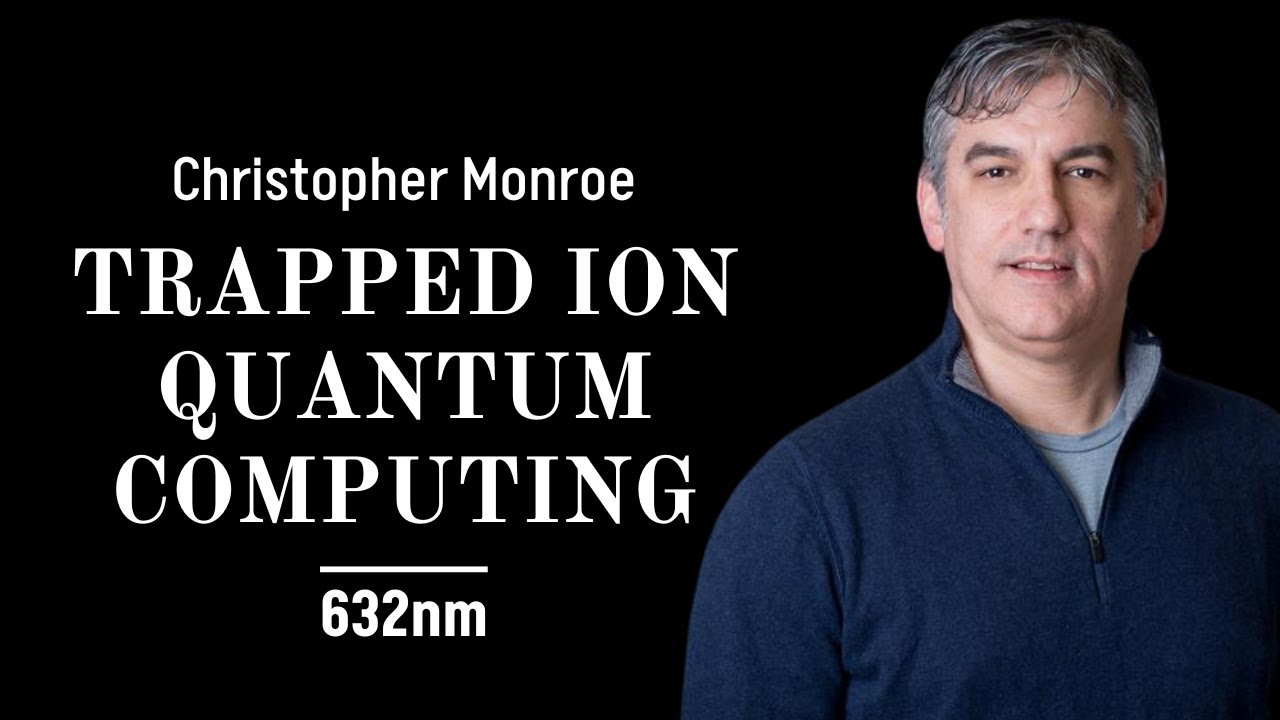
Hauska ilmiö tuon podcastin ympärillä on se, että amerikkalainen puhuva pää Martin Shkreli käytti tuota haastattelua osoittaakseen, ettei Monroekaan usko IonQ:hun. Eli Shkrelin mukaan IonQ on Scam. Hän onkin shortannut kvattiyhtiöitä alkuvuodesta alkaen. Mutta kun kuuntelin podcastin, niin asiahan on päinvastoin. Monroe on edelleen IonQ:n mies, hän toteaa Ion trapin olevan nyt paras HW, IonQ:lla olevan hyvä roadmäp, kritiikkiä Monroe antaa siitä, että toivoisi painopisteen siirtyvän enemmän markkinoinnista tutkimuksen puolelle. Näin voikin tutkijalta olettaa. Monroe totetaa, että IonQ:lla on toiseksi paras tarkkuus eli fidelity. Paras tais olla Monroen mielestä Quantinuum. No, nyt Oxford Ionicsin osto varmaankin korjaa tilannetta. Monroe on podissa rennon oloinen, eikä stressaa ainakaan IonQ:sta. Uskoakseni (en ole tarkistanut) hänellä on edelleen merkittävää osuutta IonQ:ssa. Ja hän ihan ylpeänä toi esille olevansa IonQ:n toinen perustaja, kertoi yhtiön alkuvaiheista ja toi hyvin esille Peter Chapmanin merkityksen silloin, kun he rakensivat yritystä ja hankkivat ensimmäisiä rahoituskanavia. IonQ menee vielä pitkälle.
Big News!
Shawn Kwon toi tänään tietoomme Etelä-Koreassa julkistetun tutkimusyhteistyökuvion IonQ:n ja Etelä-Korean kanssa. Diilin arvo on noin 35 miljoonaa $. Kisassa oli mukana myös Suomen oma IQM ja Rigetti.
Alkuperäinen uutislähde on täällä:
[단독]아이온큐, 韓 정부 투자 첫 상용 양자컴퓨터 ‘낙점’
IBM oli ilmeisesti kanssa kisassa mukana, mutta hävisi huolimatta aiemmasta yhteistyöstä Yonsein yliopiston kanssa. Rahallisesti merkittävä sopimus, vaikka osa budjetista taitaakin mennä korealaiselle partnerille KISTAlle. Ehkä tärkeämpää on kuitenkin, että IonQ yleensäkin voitti kilpailun (virallista vahvistusta odotellessa) ja vaikuttaa olevan kvanttikisan ykkösratsu tällä hetkellä.
No nyt tuli katsottua tuo IonQ:n webinaari 20 päivän takaa. Nyt kun näki webinaarin, niin tässä voi nyt sitten kommentoida sitä, kuinka tärkeää on keskittyä olennaiseen (= mitä yritysostot tarkoittavat) epäolennaisemman sijaan (= Niccolo de Masin osakemyynnit 2 päivää Oxford Ionics diilin & webinaarin jälkeen).
Laitan tähän heti alkuun johtopäätökseni webinaarin katseltuani: Niccolo de Masi ansaitsi sen 100 miljoonaa $. Aika moni sijoittaja puhuu asymmetrisestä sijoittamisesta. En ole aiemmin ymmärtänyt mistä kyse. Mutta ehkä se tarkoittaa tätä: IonQ:n markkina-arvo on nyt suunnileen sama kuin ennen Lightsynq ja Oxford Ionics ostoja. Mutta IonQ on nyt 10x parempi yhtiö kuin ennen em. yritysostoja. Asymmetria tulee siitä, että jos IonQ menisi konkkaan, niin sijoittajan maksimitappio on kokoajan pysynyt samana, vaikka yritysostot tuovat merkittävää kyvykkyyttä. Mutta upside eli yhtiön kyky tehdä lisäarvoa on nyt paljon parempi kuin ennen yritysostoja. Mistä nyt on kyse? Kyse on siitä, että IonQ sai kaksi merkittävää kyvykkyyttä:
Jos joku sanoo, että IonQ on scam, niin se tarkoittaisi sitä, että Oxfordin fysiikan laitos on scam.
Hyvä että osakemarkkinoilla on toimijoita, jotka eivät tee kotiläksyjään. Niin meille syntyy mahdollisuus vaikka tankata lisää, jos siltä tuntuu. Laitetaan nyt kuitenkin maininta, että TÄMÄ EI OLE SIJOITUSSUOSITUS, VAAN SUBJEKTIIVINEN MIELIPIDE.
Oxford Ionicsin ja Lightsynq:n puheenvuoroista paistoi syvä innostus kokonaisfuusiota kohtaan. Vaikuttaa siltä, että Niccolo de Masi on neuvotellut diilit yhteispakettina Oxford + Lightsynq. Tämä on paketti. Niccolo de Masi on julkisuudessa puhunut IonQ:sta kvanttimaailman Nvidiana. Ei puheet ihan ilman perää ole. Nyt tuli niin paljon lisää skaalautuvuutta (Oxpord Ionics) ja lisää virheettömyyttä (Lightsynq). No mitä Oxford ionics ja Lightsynq saavat IonQ:lta? Sekin tuli selväksi, insinööriosaamista ja systeemien rakentamiskyvykkyyttä.
Lightsynq mainitsi Chris Monroen kvanttiverkon kvanttimuistin kehittäjänä; vaikuttaa siltä, että Duken (Monroe) ja Harwardin (Lightsynq) osaaminen yhdistyy. Mulla on nyt sellainen olo, että Chris Monroe on nyt tyytyväinen - Niccolo de Masi diileillään teki IonQ:sta Monroenkin mielestä parhaan alan yhtiön.
Texas näyttää muodostuvan edistyksen uudeksi kultalaksi jenkkilässä, (sivuhuomautus: sieltähän ponnistaa myös AST Spacemobile)
https://x.com/TheSixFiveMedia/status/1940961773622120820?t=KTF-26ZdY6w0ZJZ6RHRHVg&s=19
DeMasi kuvailee miten merkityksellinen Lightsyncin hankinta Ionq:lle on
Niccolo de Masia varmaan puolet sijoitajista pitää helppoheikkinä. Mutta onneksi jokaisella yksityissijoittajalla on vapaus valita mihin numeroon pelaa. Voi olla, että tästä hetkestä eteenpäin MicroStrategy (MSTR) on parempi sijoitus kuin IonQ. Otin ihan tarkoituksella MSTR:n tähän. MSTR:n Bitcoin sijoituksen arvo on n. 55 mrd ja siitä, että MSTR jemmaa bitcoinia, markkina maksaa tuplaten eli MSTR:n arvo on n. 110 mrd.
Tarkistin vielä Niccole de Masin opiskelutaustaa. Hänellä on ylempi yliopistotutkinto (M.sc.) Cambridgesta, fysiikasta. Siksi hän ei ole juttuinensa helppoheikki, vaan minusta puhuu mitä ajattelee. Itse jaan Niccolon vision, mutta MSTR:n liiketoimintaa en taas ymmärrä. IonQ on mun kryptoni. Kun en kryptoon osaa sijoittaa, niin IonQ on siis itselleni se kaikkein vaikeimmin ymmärrettävä sijoitusjuttu. Mutta tykkään, ja se sopii itselleni. Niin, ja ei ole toista IonQ:ta. Ei ole kilpailijaa. Ei ole toista kvanttiyhtiötä, joka tekee sekä laskenta-alustaa (ion trap HW) että kvanttiverkkoja. Ainakin jossain määrin on kyse kokonaisjärjestelmästä, ainakin ymmärtääkseni IonQ:n osalta puhutaan maailman edistyksellisemmästä kokonaisjärjestelmästä. Ja jos IonQ on saanut ostettua lähes maailman parhaat kokonaisjärjetelmän komponentit, niin on mahdollista, että IonQ lopulta ostaa kaiken olennaisen itselleen. Tässä on mahdollisuus voittaja vie kaiken ilmiöön. TÄMÄ EI OLE SIJOITUSSUOSITUS. Vaan puhdas mielipiteeni ja arvaus. Mutta siksi tätä IonQ ruutua pelaan.


