Hewlett Packard Enterprise Company

image

Hewlett Packard Enterprise (HPE) is an American information technology company headquartered in Texas. HPE was founded on November 1, 2015, in Palo Alto, California, when the Hewlett-Packard company was split into two parts. With the split, HP Inc. focused on computers and printers, while HPE focused on enterprise services and products such as servers, storage, networking, and software containers.

HPE thus operates as an independent company and has its own ticker symbol (HPE). The company focuses particularly on business solutions and also provides consulting and support services. In 2017, HPE spun off its services business, which merged with Computer Sciences Corporation to form DXC Technology. In the same year, HPE also sold its software business to Micro Focus.

HPE is one of the largest American companies. The company’s name “Hewlett Packard Enterprise” is derived from the former Hewlett-Packard company, but without the original hyphen.


I’m highlighting a fun and interesting message from the spring:

Ilkka’s message April 5, 2024:


Investor reflections

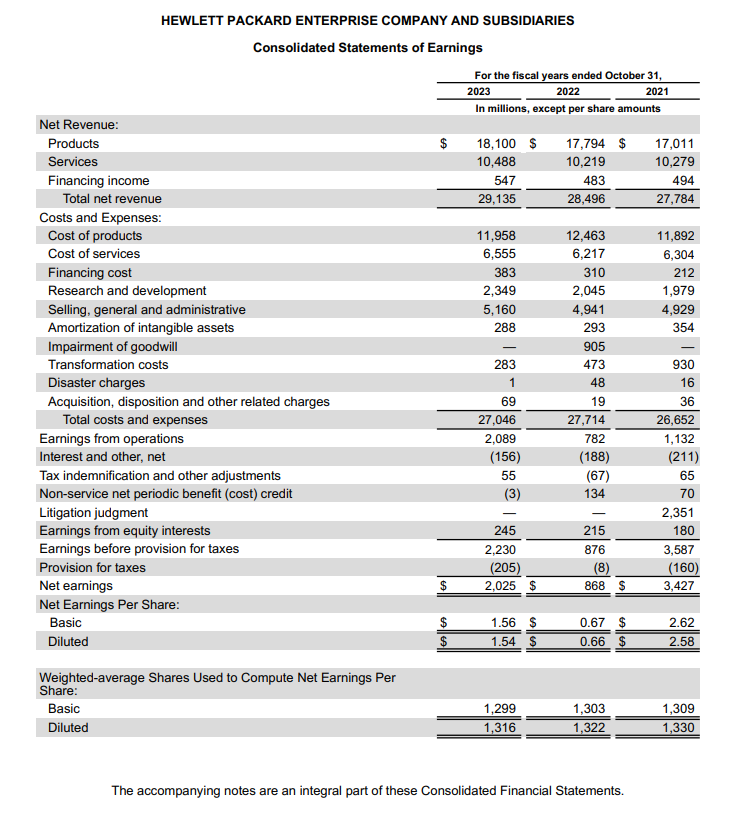
HPE has faced many challenges in recent years that have affected its growth and stock performance. Although HPE offers diverse solutions for businesses, such as servers, storage solutions, and cloud services, the company’s revenue has remained almost unchanged since 2019. While the company’s revenue briefly dropped during the pandemic, it recovered back to $29.1 billion, but this does not indicate significant growth.

HPE’s greatest strengths are its server products, whose revenue grew by 35%, but the company’s other segments have suffered. The general growth in the industry, especially the rise of IT investments and generative AI, hasn’t benefited HPE as expected. If the company has fallen behind others in these areas, is it facing an even greater cycle of problems that cannot be fixed in a few years?

On the other hand, HPE has managed to improve its profitability through cost-cutting, which has raised net income to over $2 billion.


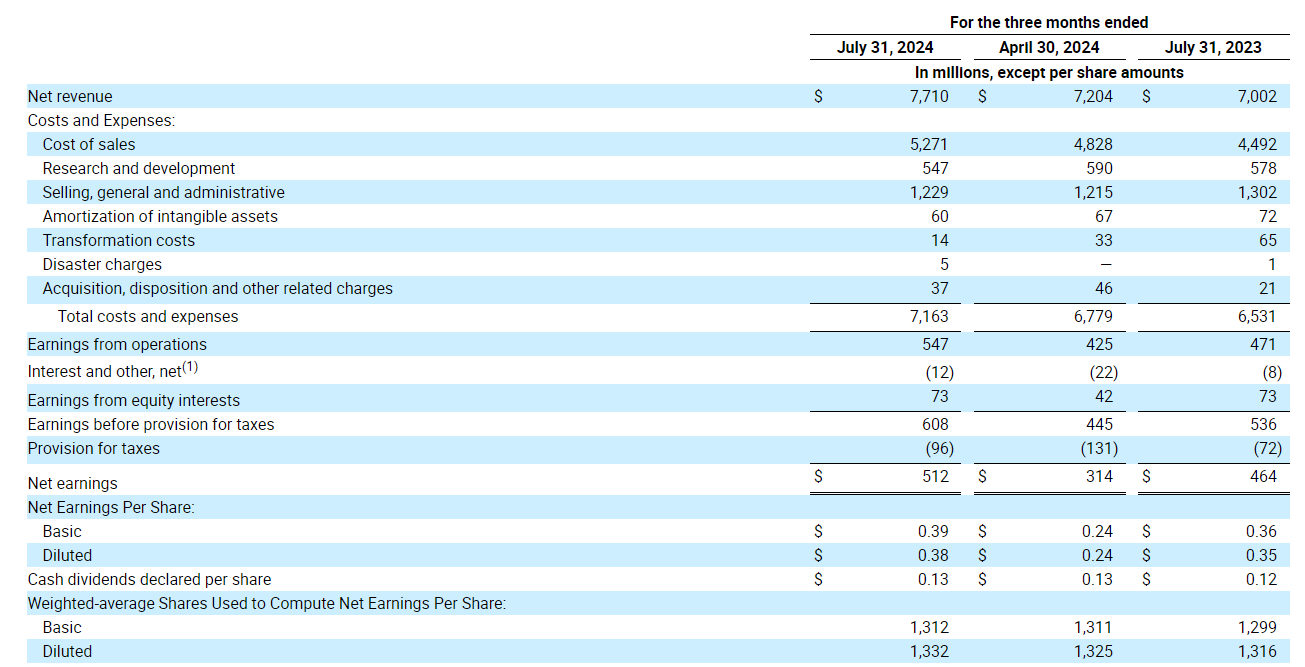
Latest quarter

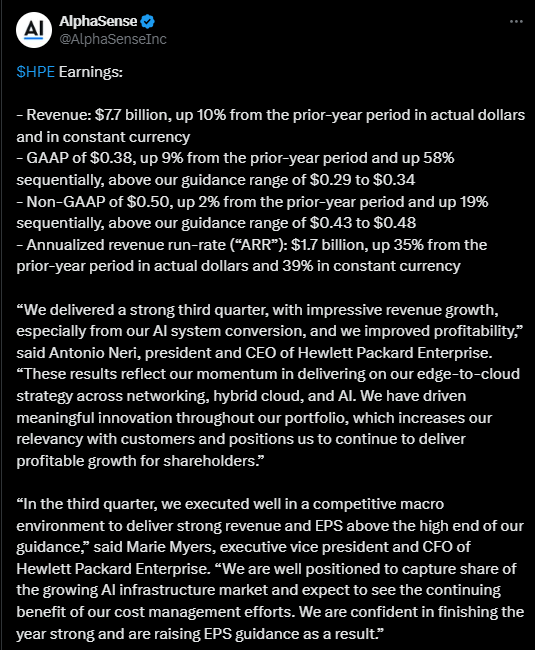
https://x.com/AlphaSenseInc/status/1831424046182928860/photo/1
image
image

2023

image

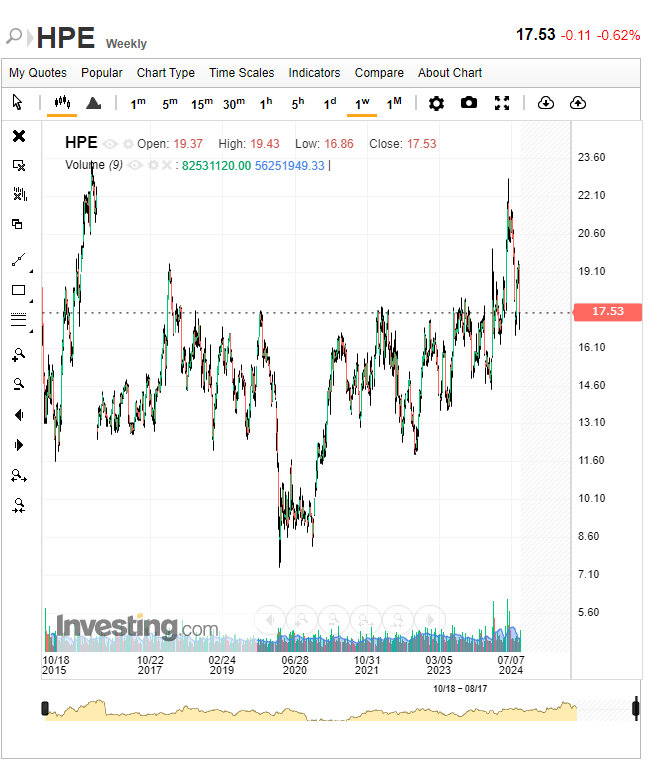
And some valuation multiples and other nonsense:

6.9.2024

P/E: 12.43

P/S: 0.8

P/B: 1.03

EV/EBITDA: 6.38

Annual dividend yield 2.97 %

Quarterly dividend 0.13 USD
image

11 Likes

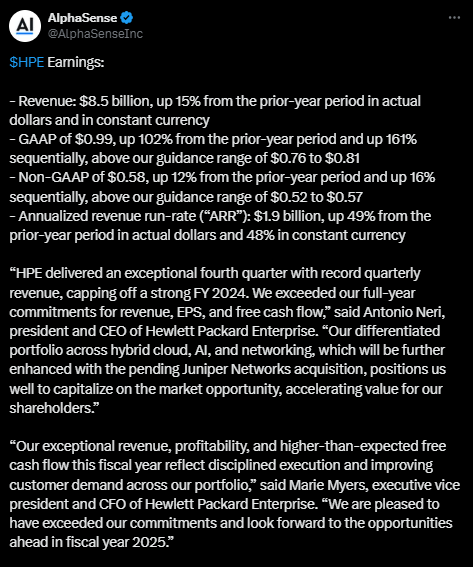
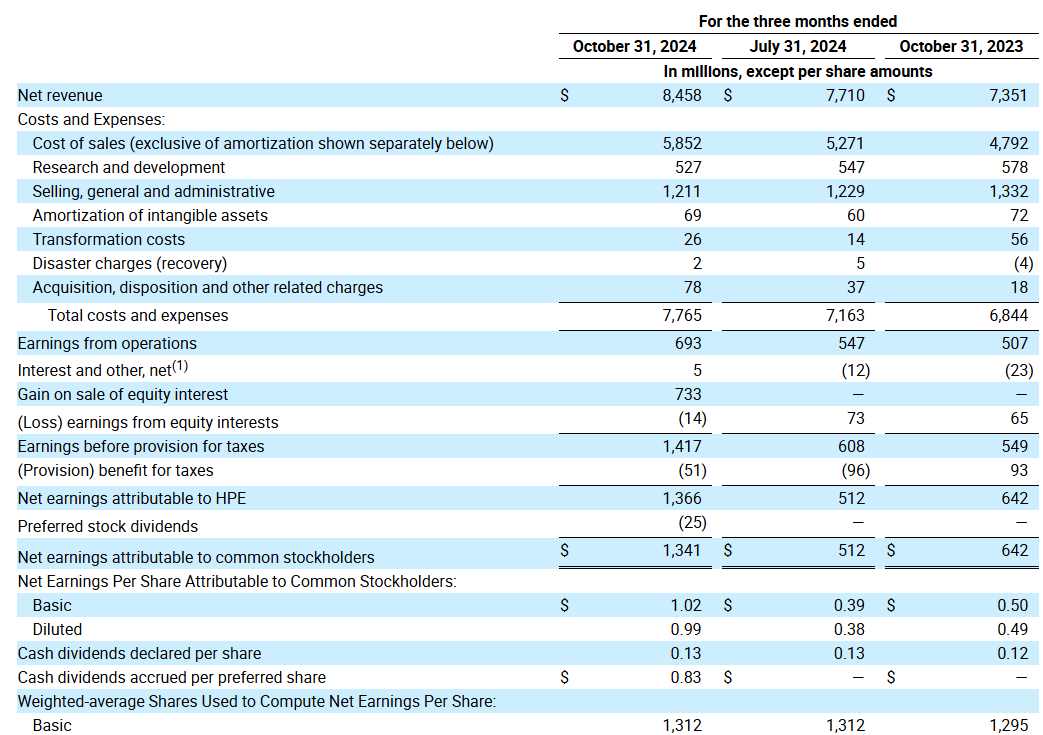
HPE reported record results on the eve of Finland’s Independence Day, with both revenue and operating profit growing very strongly.

The company showed strong growth in servers, AI systems, and cloud services. GreenLake services continued their rapid growth, and the strong order book on the AI side also supports future development. In addition, the important Juniper deal received approval from several international parties and is expected to be completed in early 2025 (sometimes in the first quarter?).

The company’s future outlook remained stable according to the company.

https://x.com/AlphaSenseInc/status/1864779142178169233
image
image

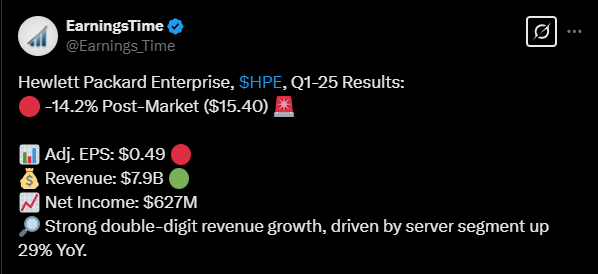
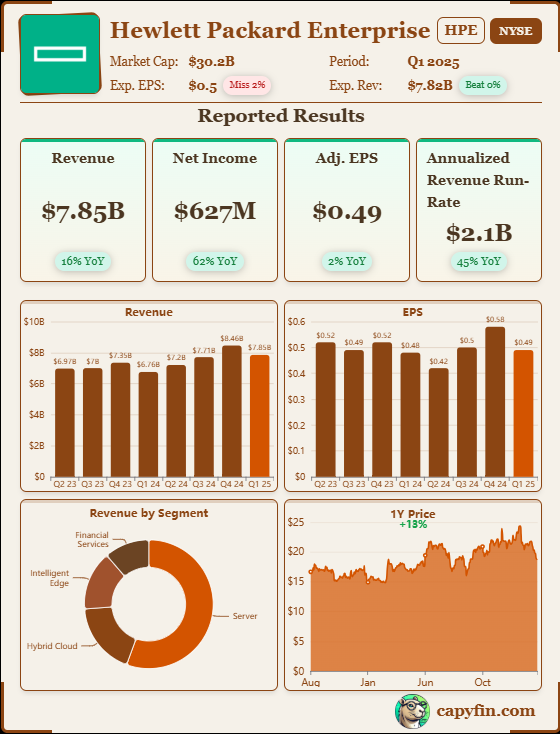
HPE reported strong revenue growth this quarter, but profitability challenges were evident in weakened cash flow and margins.

The company’s annual recurring revenue grew significantly, but forecasts for the upcoming quarter and fiscal year fell significantly short of market expectations. Segment-wise, the server business grew clearly, but “smart edge services” (?) contracted.

A concern was also that the U.S. Department of Justice opposes the merger of HPE and Juniper Networks… and the trial won’t even start until July, when the show truly begins.

CEO Antonio Neri emphasized strong growth and confidence in the long-term strategy. When things go badly, you have to say it’s for the long portfolio, in the long term… :smiling_face_with_tear: Well, the long term is indeed the most important thing. :slight_smile:

https://x.com/Earnings_Time/status/1897758268451131419

image

image

Forecasted P/E for this year 12-14. Meaning earnings growth is hardly priced into the stock. Servers are a commodity, but on the other hand, GreenLake’s growth is positive because the same goods are sold with a better margin and the service model is significantly less cyclical than hardware sales.

Also, the new VM Essentials is, in my opinion, an interesting software product, and presumably high-margin, although its growth into a significant product is uncertain for now and will take time, as revenue will start accumulating from zero. However, there should be demand, and the timing for its market entry is most opportune.

In networking, Aruba is a competitive brand, and if the Juniper deal goes through, it will likely strengthen HPE’s position in the “intelligent edge” in the long term.

Juniper generates approximately 300 million in net profit annually, and estimated savings from this deal were 450 million. The paid price of 14 billion dollars thus initially offers a 5.3% return on investment. That doesn’t even cover debt servicing costs yet, meaning in addition to cost savings, new revenue must be grown significantly more than the 5 billion coming from Juniper if the deal is to yield benefits for shareholders as well. Juniper’s business also seems to be taking a hit, as uncertainty about the deal’s completion and the future of the company’s products drives customers to competing brands.

If one can acquire it at a price of 15 dollars, I believe the stock fits nicely into a value-oriented investor’s portfolio, because growth is hardly priced into the stock, even though it is likely to come in the long term due to the aforementioned growth drivers.

Of course, there are also risks, ranging from geopolitics to competitive dynamics, but a reasonable valuation, in my opinion, offers some protection against these.

2 Likes

This stock doesn’t seem to interest anyone, but I’m writing anyway because quality is now exceptionally cheap, thanks to Trump’s tariff plunge.

HPE anticipated earnings pressure for this year already in its previous earnings release due to tariffs and the resulting supply chain challenges. However, in the long run, HPE will likely win. If Trump’s tariffs remain, the United States will industrialize and factories will emerge, which creates direct new demand for HPE’s network and server solutions. On the other hand, if Trump’s tariffs melt away in later negotiations and business returns to its old tracks, profitability will improve as the operating environment stabilizes, and supply chains won’t need to be changed. AI and other growth drivers will push revenue up, and earnings will improve.

Otherwise, nothing has essentially changed from my previous post. Revenue is expected to grow in any case, and the company is actively developing its offering towards higher-margin solutions, which bodes well for the long term.

Due to its favorable pricing, HPE is, in my opinion, one of the lowest-risk stocks that benefit from the AI megatrend and re-industrialization in the West.

1 Like

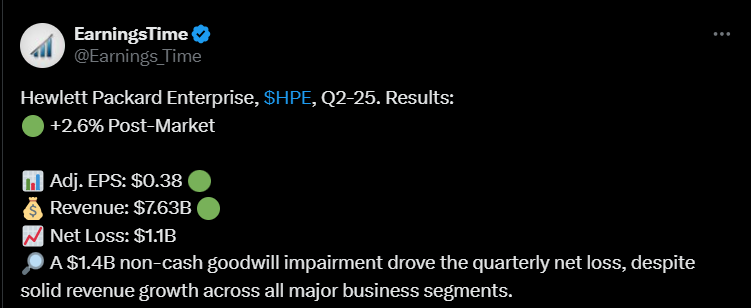
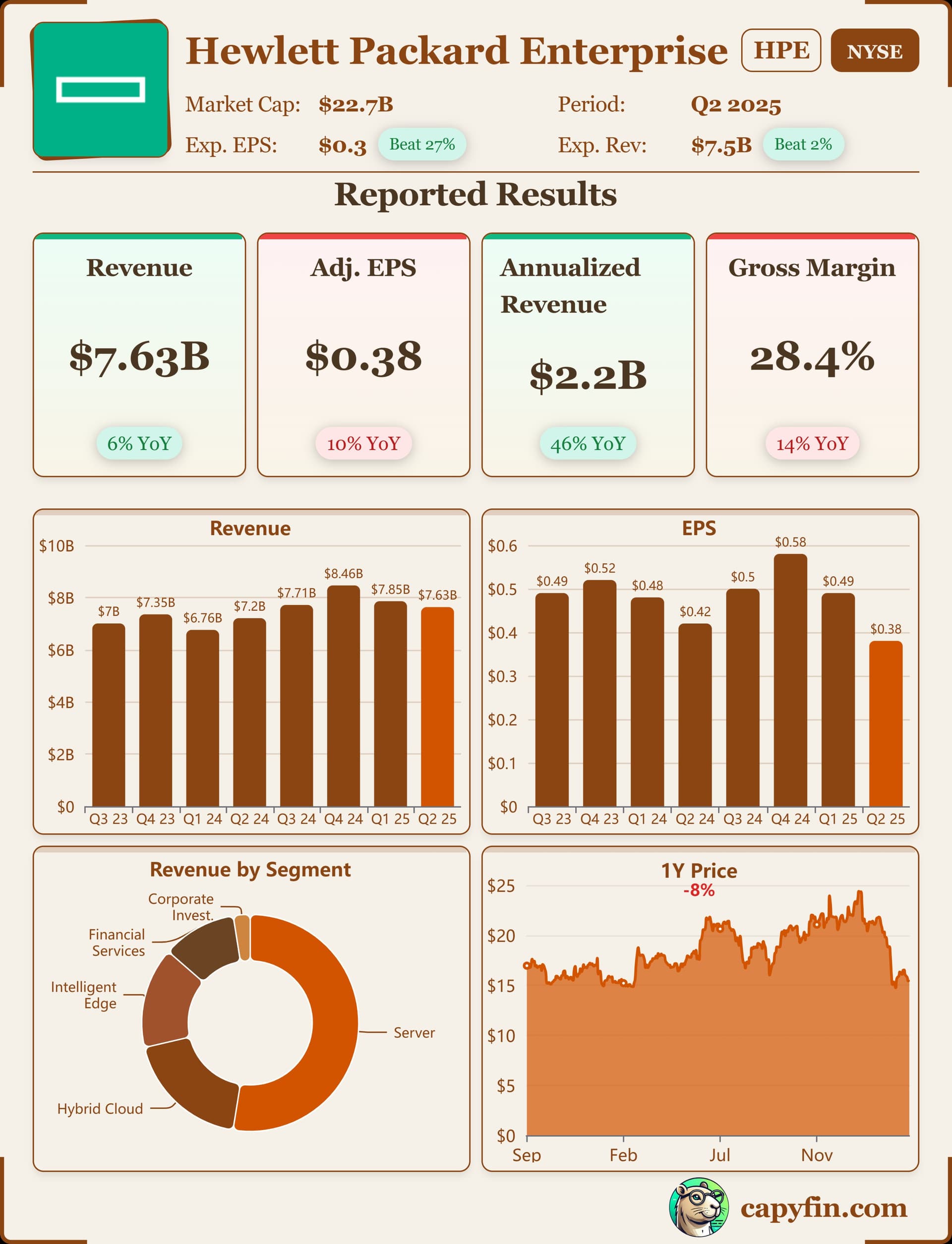
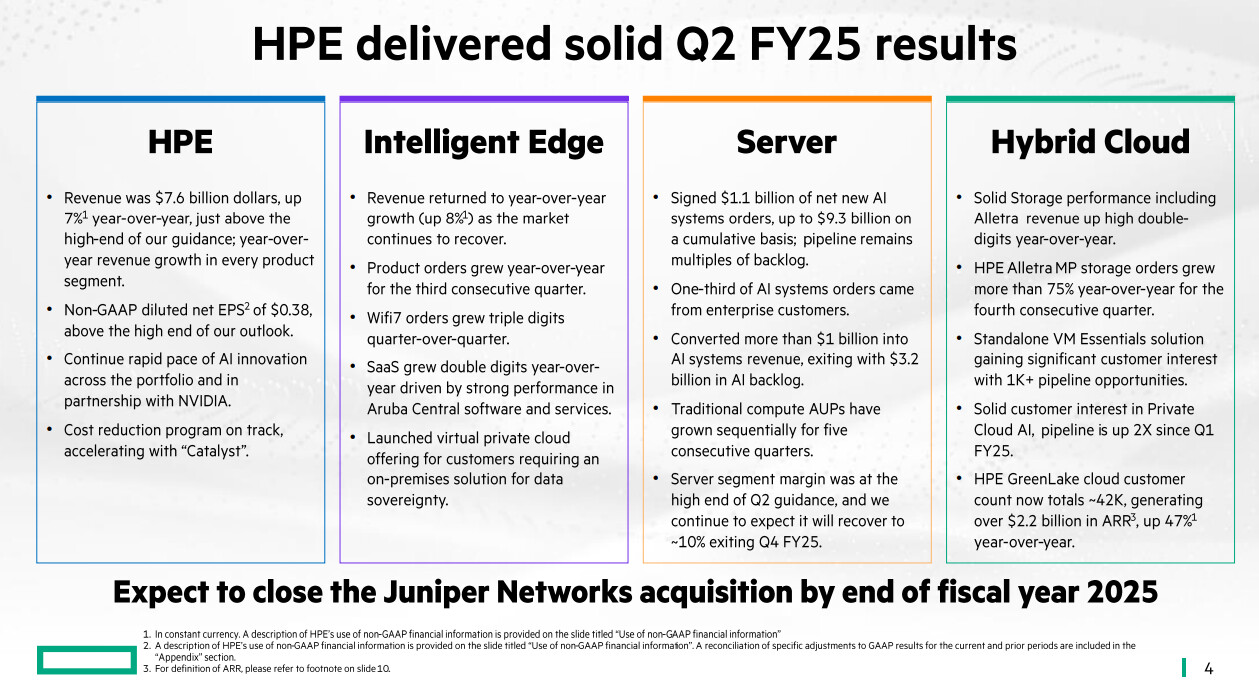
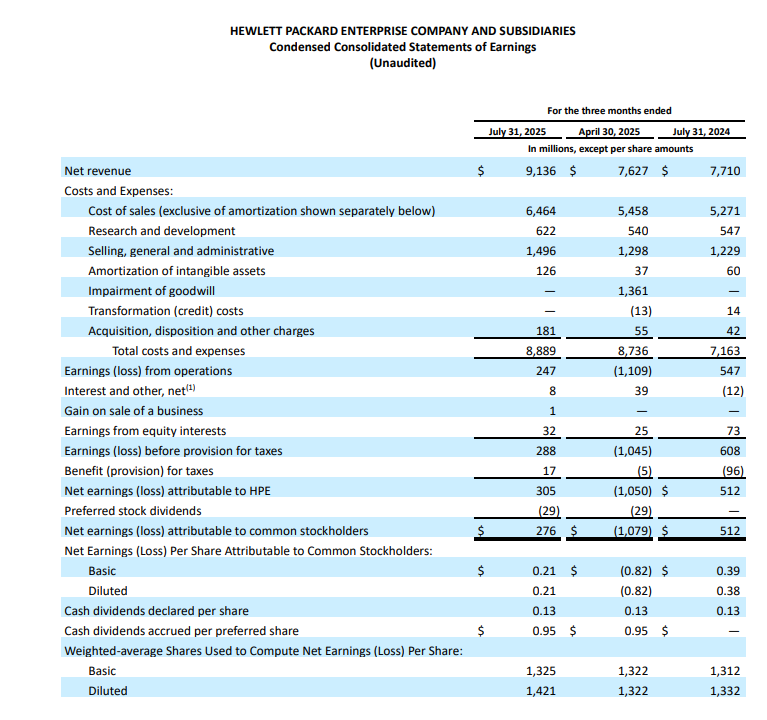
HPE increased its revenue year-over-year, and although the actual result was a loss due to a previous goodwill write-down, the adjusted result exceeded expectations.

Recurring revenue grew significantly, and the company also emphasized the precise execution of its strategy and overall efficiency improvements.

Management emphasized continuous innovation, profitability growth, and the development of shareholder value.

https://x.com/Earnings_Time/status/1929995984651858128

image
image


https://investors.hpe.com/~/media/Files/H/HP-Enterprise-IR/documents/q2-2025/q2-2025-quarterly-results.pdf

image

image
image
image

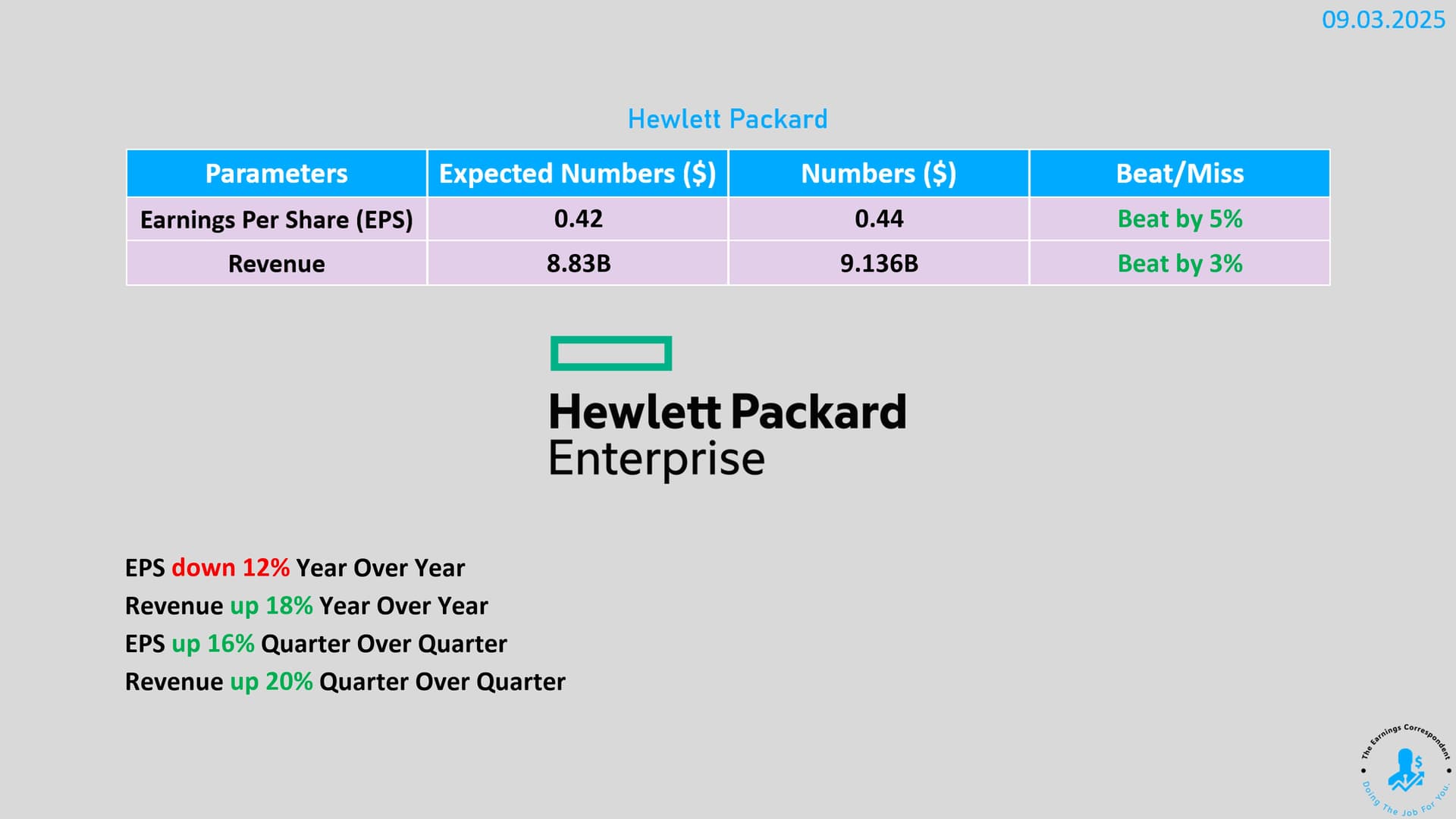
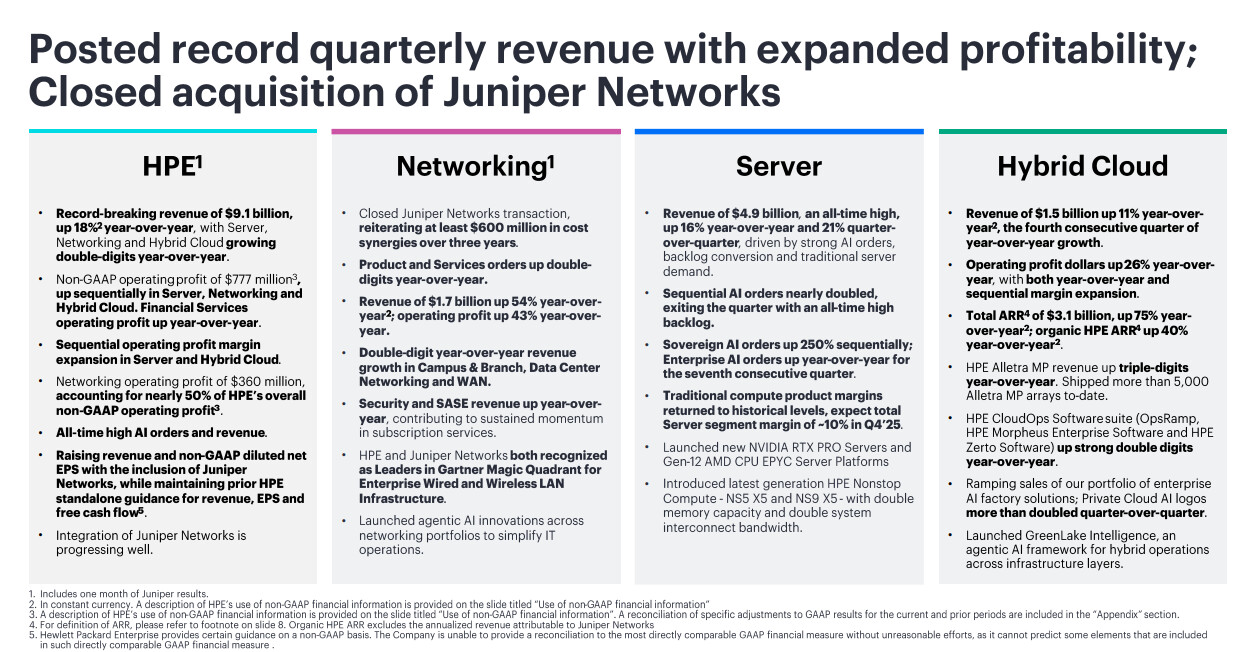
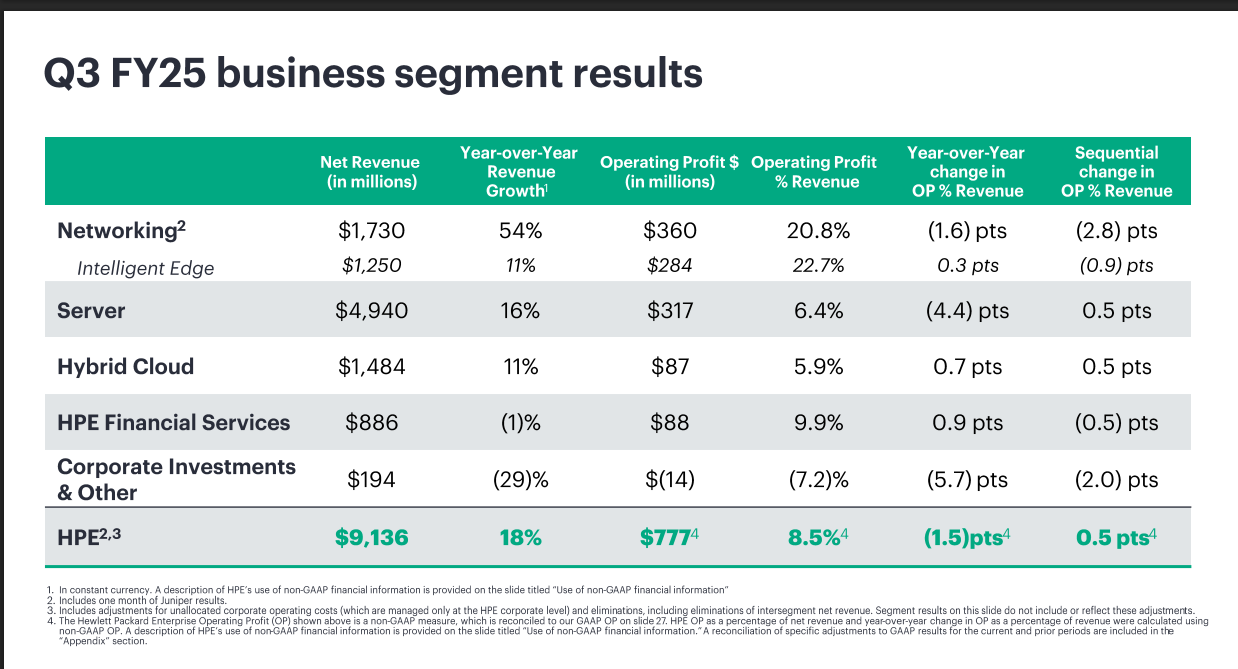
HPE achieved record revenue and improved profitability, even though EPS was lower than last year. The server and networking segments, in particular, were the main drivers, and the impact of the Juniper Networks acquisition was immediately visible in the figures.

Management emphasized that Juniper’s integration opens new market opportunities and will bring additional revenue in the future. According to the company, demand is broad across the entire portfolio.

https://x.com/earnings_guy/status/1963332724363522350
image
image


Company’s own materials

image
image
image
image

1 Like

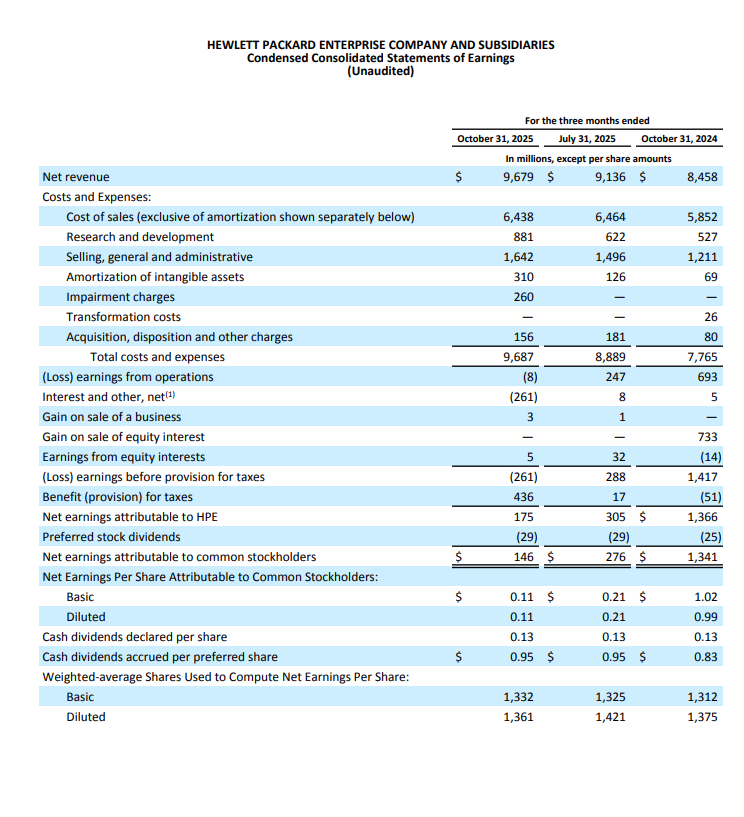
HPE posted a quite strong fourth quarter, where revenue and recurring billing grew significantly.

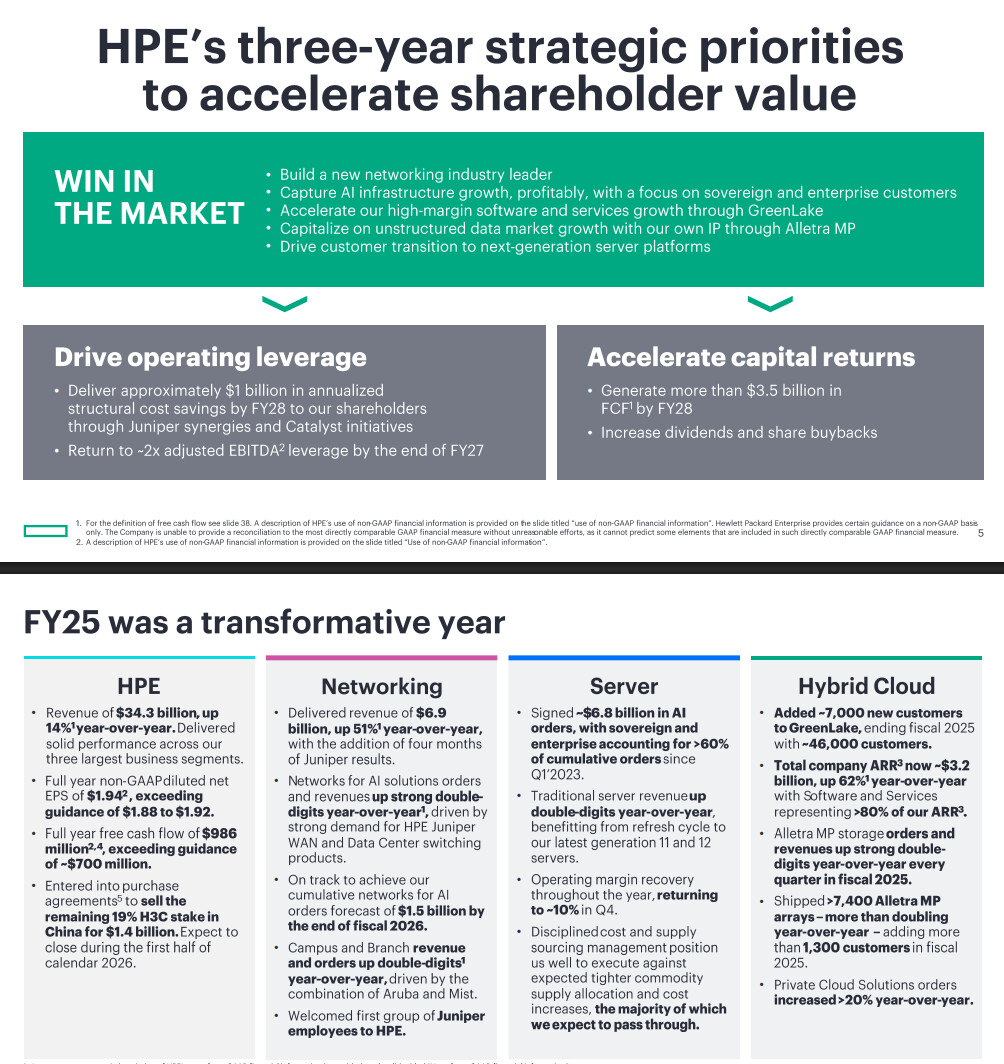
Adjusted earnings exceeded forecasts, although reported earnings decreased from the comparison period. Additionally, the company emphasized that the year was a kind of transitional phase, accelerated by the Juniper acquisition, the expansion of AI and cloud businesses, and accelerated product portfolio development.

According to management, thanks to operational discipline, profitability and cash flow proved to be better than anticipated.

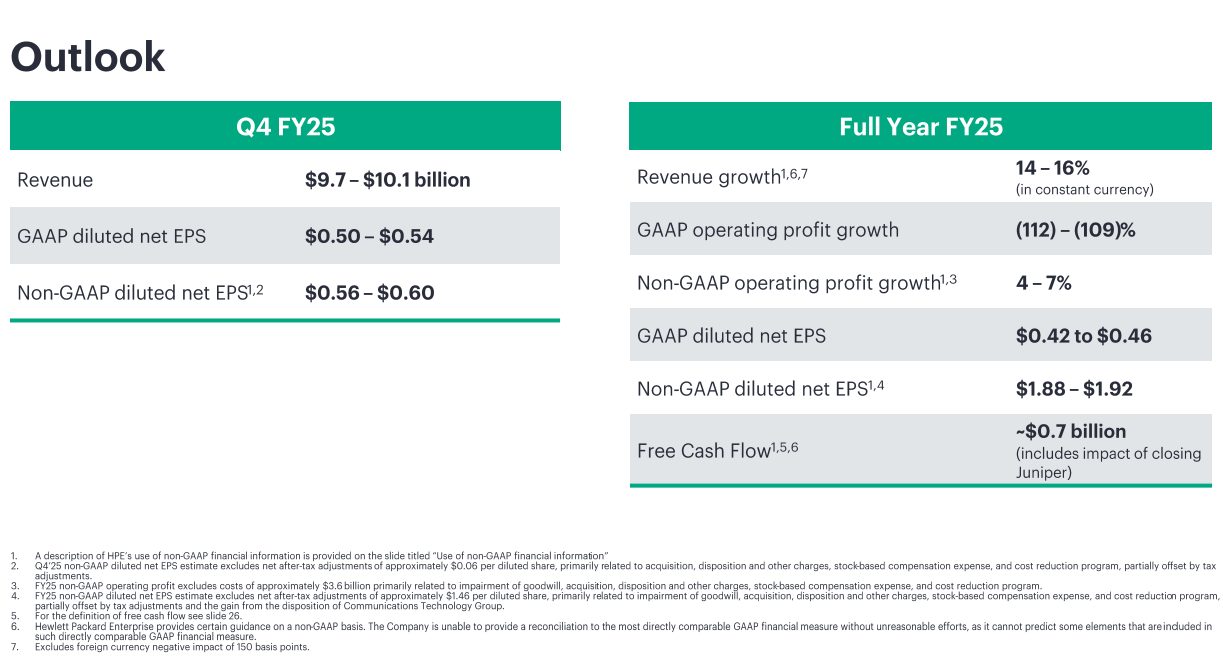
Thanks to cost structure reforms and a simplified portfolio, HPE raised its earnings and cash flow guidance for the upcoming fiscal year.

https://x.com/ElPatronCapital/status/1996690972005314831
image
image


Company’s own materials

image
image

1 Like