Review article from Yale researchers, with Zeidan as corresponding author, from yesterday, in a top publication (Journal Impact Factor: 82.2 (2024))
Nature Reviews Clinical Oncology.
Etc. Let’s see how far these points take us, when the time comes. The latest review now gives r/r MDS mOS as 6–8 months.
Summary
Myelodysplastic Neoplasms 2026: Advances and Challenges
Myelodysplastic neoplasms (MDS), formerly known as myelodysplastic syndromes, remain a significant challenge in hematology due to their heterogeneous nature and complex pathophysiology. These diseases comprise a group of clonal myeloid malignancies characterized by ineffective hematopoiesis, leading to peripheral blood cytopenias and an increased—though variable—risk of progression to acute myeloid leukemia (AML). Despite more than two decades of intensive research, treatments directly targeting the biology of MDS remain limited, and allogeneic hematopoietic stem cell transplantation (HSCT) is currently the only curative treatment. This review examines recent advances in understanding genetic mechanisms, refinements in diagnostics, risk classification, and new treatment strategies, as well as key obstacles to treatment development.
The epidemiology of MDS highlights its prevalence in the elderly population: in the United States, the median age at diagnosis is approximately 76 years. This underscores the need for age-appropriate treatment strategies. The global aging of the population predicts an increase in the incidence and burden of MDS, increasing the need for better diagnostics and treatment innovations. Epidemiological estimates are complicated by shifting classification systems, which affect disease definition and participation in clinical trials. Furthermore, clinical and genetic heterogeneity complicates the establishment of reliable epidemiological trends, highlighting the need for standardized international registries.
At the core of MDS pathogenesis are multifactorial genetic changes. New sequencing technologies have revealed a complex genome where recurrent somatic mutations occur in genes related to epigenetic regulation, the splicing machinery, signaling pathways, and transcription factors. In particular, mutations in the SF3B1, TET2, DNMT3A, ASXL1, and TP53 genes are common. This genetic diversity affects the disease phenotype and prognosis, as well as treatment responses and the identification of new drug targets. Additionally, hereditary predisposition syndromes, previously considered rare, are increasingly recognized as underlying factors in MDS, emphasizing the importance of broad genetic testing.
Immune system dysfunction is a central part of MDS pathophysiology. The bone marrow microenvironment exhibits chronic inflammation, immune regulation disorders, and impaired immune surveillance, which promote clonal evolution and disease progression. Aberrant activation of innate immune pathways, such as Toll-like receptor-mediated signaling and inflammasome activity, maintains an inflammatory state. The role of adaptive immunity—particularly T-cell exhaustion and changes in regulatory T cells—is also increasingly clearly linked to ineffective hematopoiesis and treatment resistance. These findings open possibilities for immunomodulatory treatments.
Diagnostics have evolved significantly by combining morphological assessment with advanced molecular and cytogenetic methods. While bone marrow morphology and cytogenetics remain central, molecular profiling has significantly improved diagnostic accuracy. This allows for the differentiation of MDS from other myeloid diseases and bone marrow failure states, and supports personalized prognostic assessment and treatment selection. The 2022 updates to the World Health Organization (WHO) and International Consensus Classification (ICC) systems reflect this development, but also bring challenges for longitudinal comparisons and trial design.
Risk classification is a key part of MDS management. The Revised International Prognostic Scoring System (IPSS-R) is widely used and based on clinical, cytogenetic, and hematological factors. Newer models, such as the molecular-data-utilizing IPSS-M, provide even more accurate prognostic assessments. These help identify high-risk patients for early treatment and low-risk patients for whom supportive care is often sufficient. The use of dynamic biomarkers may enable real-time risk assessment in the future.
The treatment landscape is evolving but still lags behind many other hematological malignancies. Hypomethylating agents (HMAs), such as azacitidine and decitabine, are the cornerstone of high-risk MDS treatment, but their efficacy is limited, and relapse or resistance is common. Combination therapies, where these drugs are combined with new targeted or immunological treatments, are being actively investigated. New drug classes include BCL-2 inhibitors, spliceosome modulators, and drugs targeting inflammatory pathways. The development of precision medicine and the increase in molecularly-guided trials promise to change clinical practices.
Allogeneic stem cell transplantation remains the only curative treatment, but its use is limited by patient age, comorbidities, donor availability, and transplant-related risks. Outcomes have improved with advances in conditioning regimens, donor selection, and post-transplant care, but preventing recurrence and long-term survival remain challenges. Optimizing patient selection, for example through molecular-based risk classification, is a subject of active research. Furthermore, new strategies, such as adoptive immunotherapy and post-transplant maintenance therapies, are being developed to reduce recurrence.
The evolution of classification systems brings challenges to clinical trials and epidemiological reporting. Changes in diagnostic criteria make it difficult to compare historical and new data. Clinical trial design requires flexible settings and biomarker-based inclusion criteria to effectively evaluate treatment efficacy. Standardizing the reporting of adverse events and treatment outcomes is also important.
Research into the bone marrow microenvironment highlights its central role in the origin and progression of MDS. The interaction of clonal hematopoietic cells with the stroma, immune cells, and endothelial cells affects the course of the disease. Changes in the microenvironment, such as fibrosis, abnormal cytokine profiles, and disrupted cell-to-cell interactions, promote the development of ineffective hematopoiesis and clonal dominance. Understanding these mechanisms opens new therapeutic targets.
Technological progress is accelerating MDS research. Single-cell sequencing, advanced computational models, and spatial transcriptomics reveal intra-tumoral heterogeneity and the complexity of the bone marrow ecosystem. These methods help identify new biomarkers, treatment targets, and resistance mechanisms. Multi-omic approaches integrate genomic, epigenomic, transcriptomic, and proteomic data, enabling more precise disease classification and personalized treatment.
[/details]Despite progress, there are significant unmet needs in the field. The lack of reliable biomarkers for early diagnosis, disease monitoring, and predicting treatment response is a key challenge. Resistance to first-line treatments is common and poorly understood. Additionally, the treatment of elderly and multi-morbid patients requires personalized and less toxic solutions. International collaboration and multidisciplinary research are crucial to overcoming these obstacles.
Future research focuses on treatments targeting individual molecular and immunological abnormalities. Combination therapies that affect multiple pathogenetic mechanisms simultaneously are promising. Integrating real-time data and patient-reported outcomes into treatment decisions improves personalized care. Furthermore, early intervention in clonal hematopoiesis before the development of actual MDS could represent a new preventive treatment strategy.
In summary, the understanding of MDS is increasingly based on genetic changes, immune disorders, and microenvironmental influences. Although allogeneic stem cell transplantation remains a central curative treatment, the growing treatment landscape and molecular-level understanding point toward the era of precision medicine. Solving current challenges requires collaboration and technological development to improve treatment outcomes in this disease, which primarily affects elderly patients.



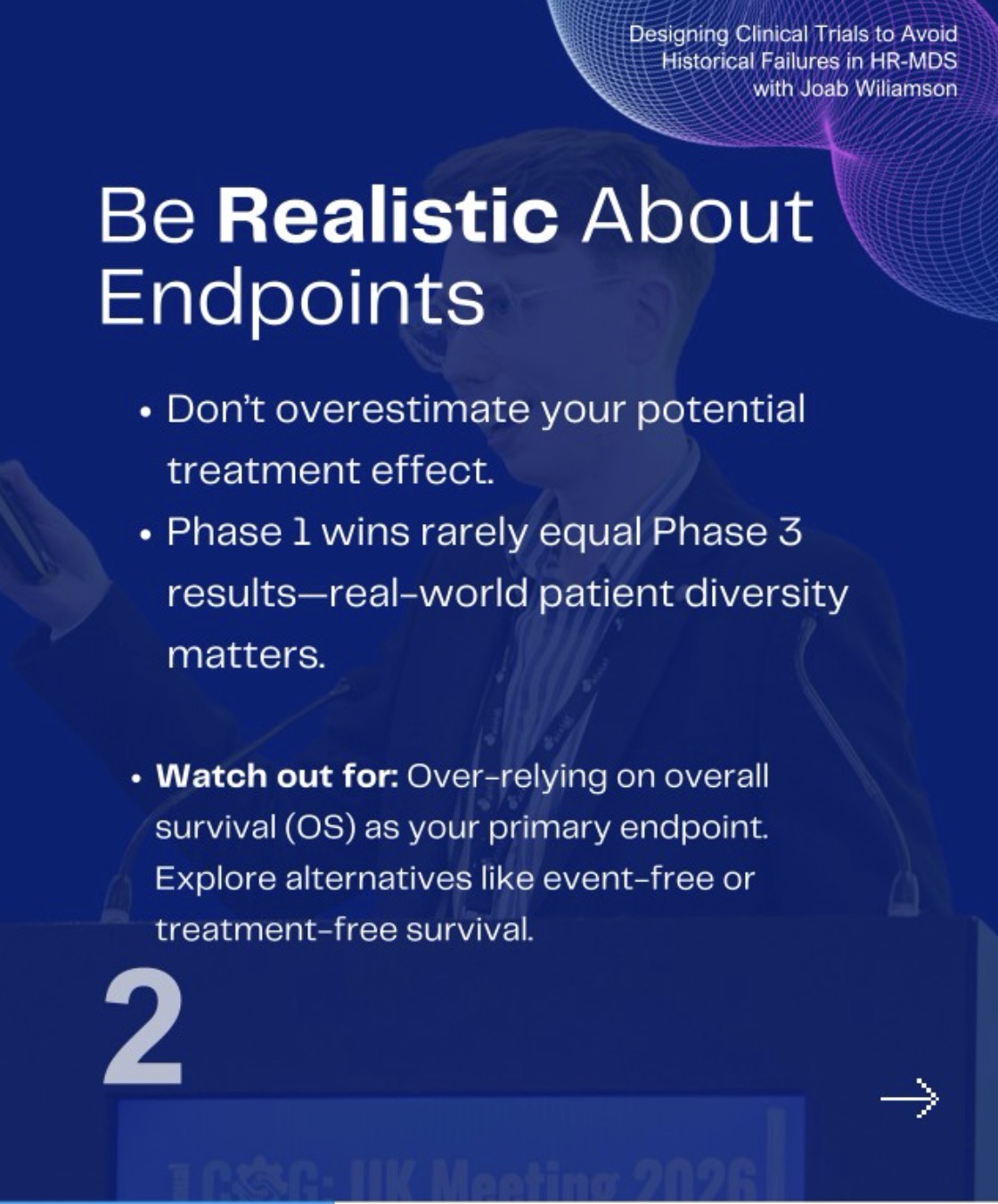

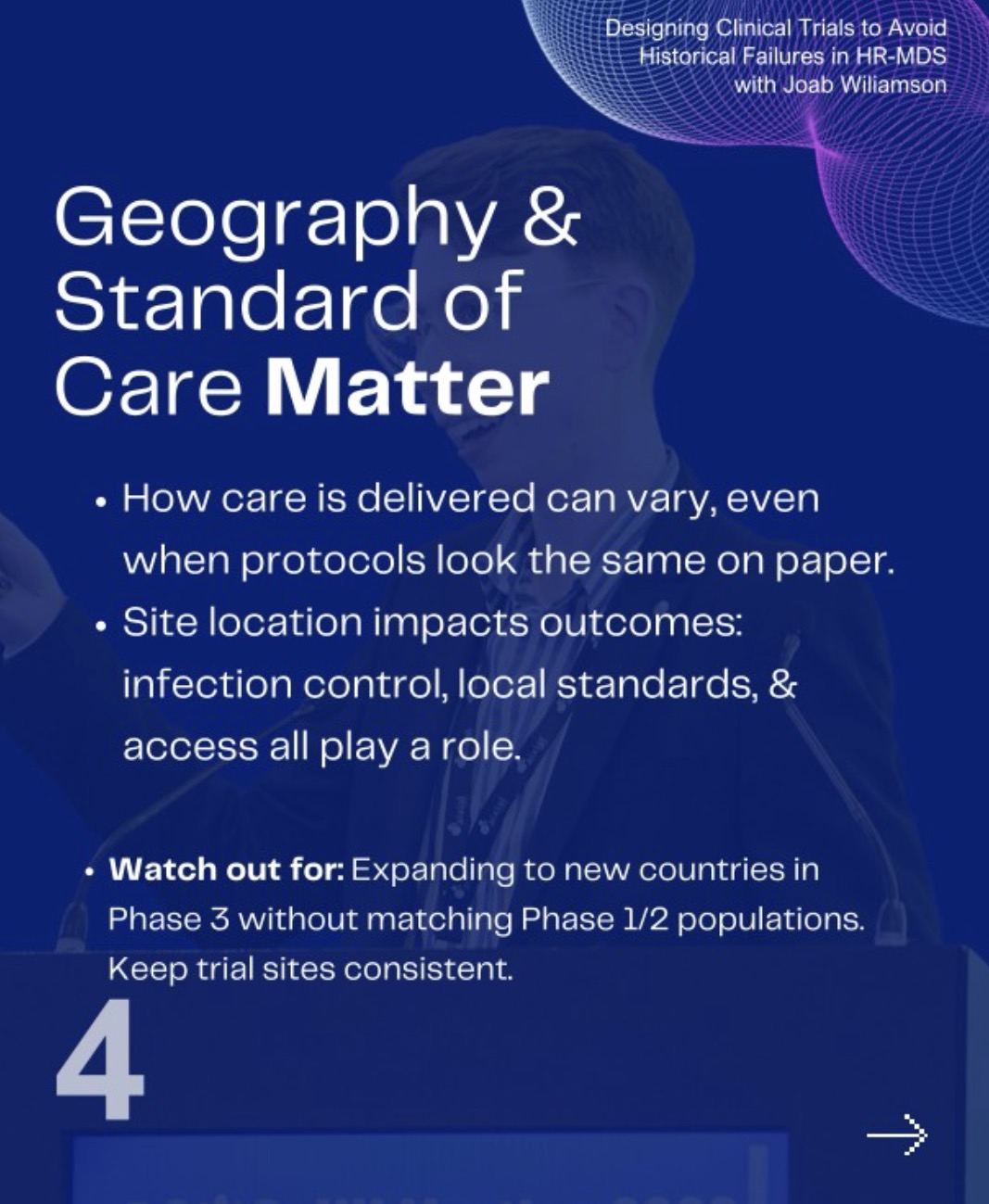
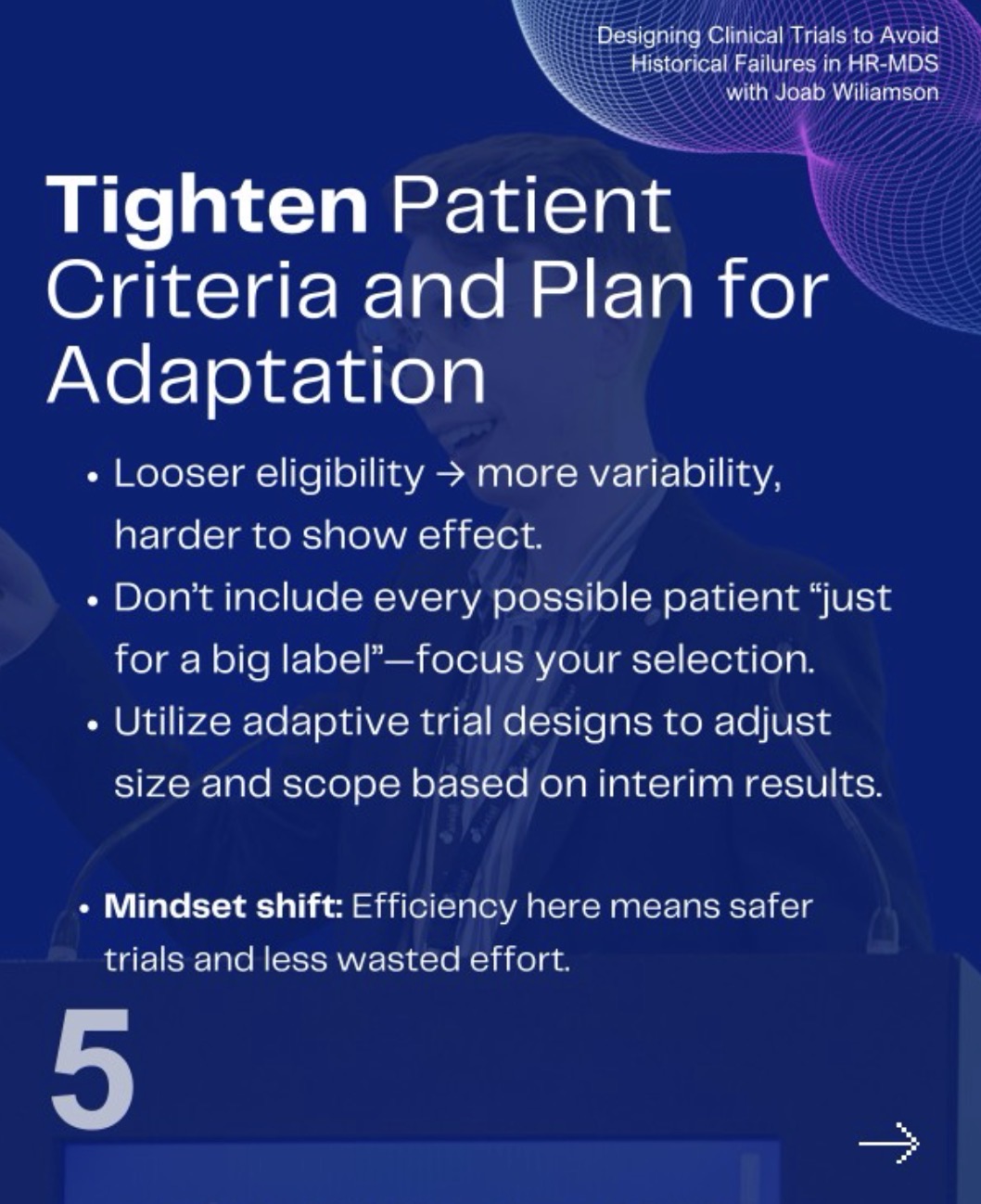
 .. (I checked those via ChatGPT). But at least it hasn’t been published yet, so are we at the “not reached” level?