Pharmacologic progress in higher-risk MDS: an uphill battle
Another article on a current topic: why it’s necessary to pause and do some “Tänka På” (thinking) before phase 3, here discussing phase 3 failures. Largely behind a paywall. (Comments in parentheses)
Written by Alain Mina (Assistant Professor of Medicine (Medical Oncology & Hematology)) and Amer Zeidan from Yale.
It’s reiterated that azacitidine-like drugs have been a cornerstone of treatment for 20 years despite their modest efficacy. The exception is a very small group with IDH-mutation specific drugs. Practically, the only curative treatment is a bone marrow transplant.
They emphasize the importance of subclassifications in addition to the former high-risk/low-risk concepts. An NGS panel performed on a bone marrow sample provides a list of mutations and their severity (TP53, IDH, etc.), yielding prognostic classes that should be examined individually and used for risk stratification and prognosis with IPSS-M.
The authors highlight failed studies targeting, for example, TP53 and CAR-T.
New targets include:
Nuclear export (the drug inhibits the function of the XPO1 protein; Selinexor has been studied in r/r MDS, among others. In 23 evaluable patients, ORR was 26%, median OS was 8.7 months.
Selaintasi tarkistetaan – reCAPTCHA )
BCL inhibitors (successors to venetoclax; Juho mentioned a Chinese competitor as a competitive factor.)
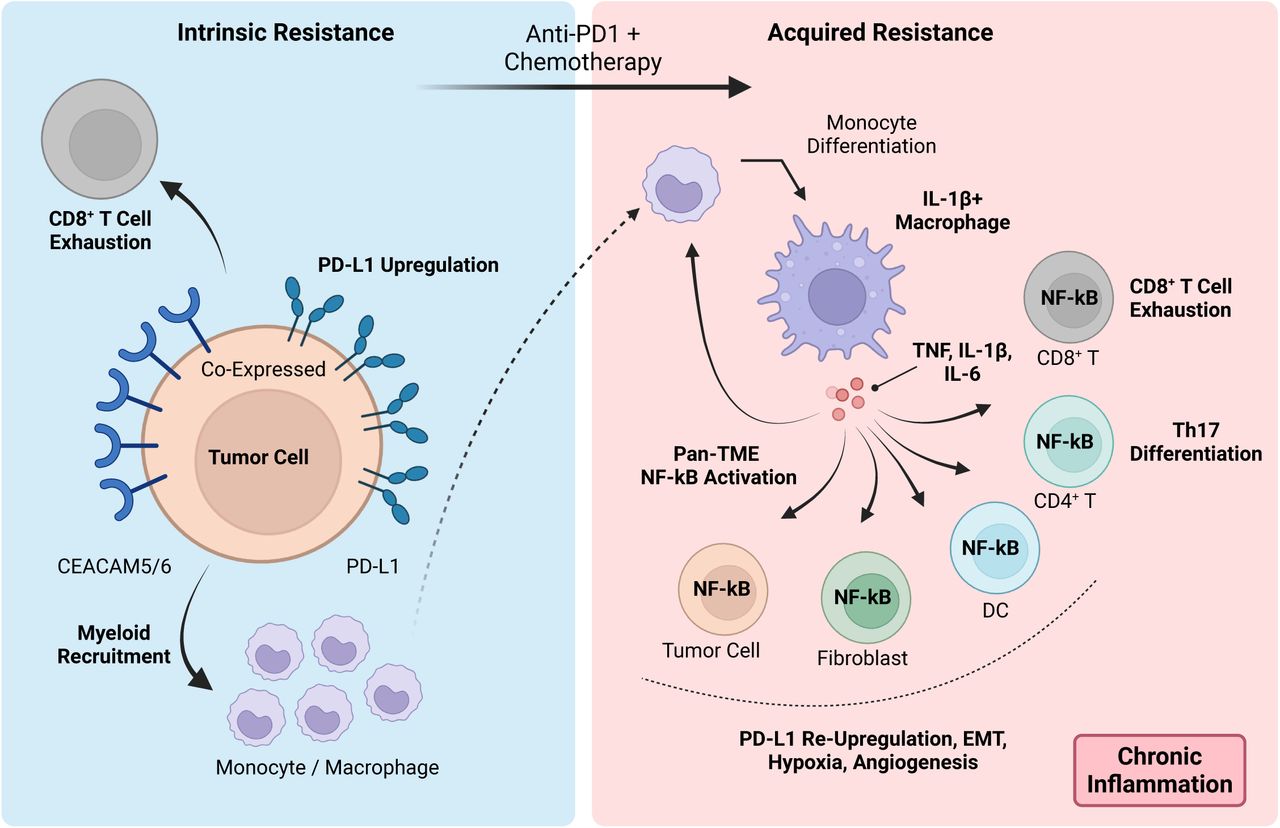
Inflammation management (a large basket, including CD47, PD-1, cytokines, and of course, Bex).
The article emphasizes harmonizing patient inclusion criteria, evaluating responses using the IWG2023 criteria, which focuses more on patient well-being (this could mean, for example, a reduction in transfusion needs without complete CR), harmonizing diagnostic systems (WHO/ICC), and standardizing response reporting (again, referring to the IWG version, with some studies using OS+EFS and others CR+ORR) so that trials can be compared.
They summarize: “An expanding biological knowledge base and the development of better therapies will hopefully pave the way for future therapeutic breakthroughs.”
(We are currently in the midst of a trial breakthrough for MDS, unfortunately and fortunately, both before and after, although most of these development targets have already been incorporated into Faron’s plans, likely with Zeidan’s assistance).