I added those cancer abbreviations to the message above.
As I understand it, of those cancers, GBM and LGG are central nervous system cancers and might not be targetable with Bex. Others potentially are, but the red population (C4-type) is likely the one most likely to benefit from Bex. In this case, the percentage leaders appear to be, in order: ACC, UVM, LICH, PCPG, KIRP, OV, SARC, CHOL, etc. Some of these are already included in the solid tumor trial designs. On the other hand, in the first part of Matins, UVM patients did not benefit as much from Bex monotherapy as I would have assumed based on that immune subtype, meaning other factors likely also influence the response.
Of course, Bex could potentially be used in those other cancers as well, but then the patient population is a smaller part of the total population. If the cancer type itself is common, even that smaller percentage can still constitute a significant patient group. However, the benefiting segment of patients can likely still be identified in advance with biomarkers. Primarily, the impact from an investment case perspective comes when evaluating the size of the target market.
ACC is likely a rare enough cancer that its treatment is not yet planned for phase I trials, source.
“Adrenocortical carcinoma demonstrates distinct epidemiological patterns with significant geographic and demographic variations. The annual incidence ranges from 0.5 to 2.0 cases per million population worldwide, with approximately 300 to 400 new cases diagnosed annually in the United States. Notable geographic clustering occurs in Southern Brazil, where the incidence ranges from 10 to 15 cases per million children, driven by the prevalent TP53 p.R337H founder mutation.”
I understand. But after the first approval – well-informed doctors and wealthy rare cancer patients will benefit – and the business case will get a boost from orphan use.
Eikö PD-1 combo support strengthen UVM responses?
Two or three years ago in a webcast where the father and son appeared together, in the chat at the end, [they were asked] what they would like to see in the future? Juho said BEX’s efficacy in sarcoma (this vision is indeed happening) and Markku said in glioblastoma. Apparently, they had studied those databases. BEX is a protein, and therefore getting it through the blood-brain barrier (BBB) is limited due to its size, unless the cancer breaks the barrier. Remember that melanoma patient whose large melanoma masses disappeared from the abdominal cavity during BEX monotherapy, but the brain metastases grew. Additionally, in MATINS, brain metastases were an exclusion criterion, at least at the start of the study.
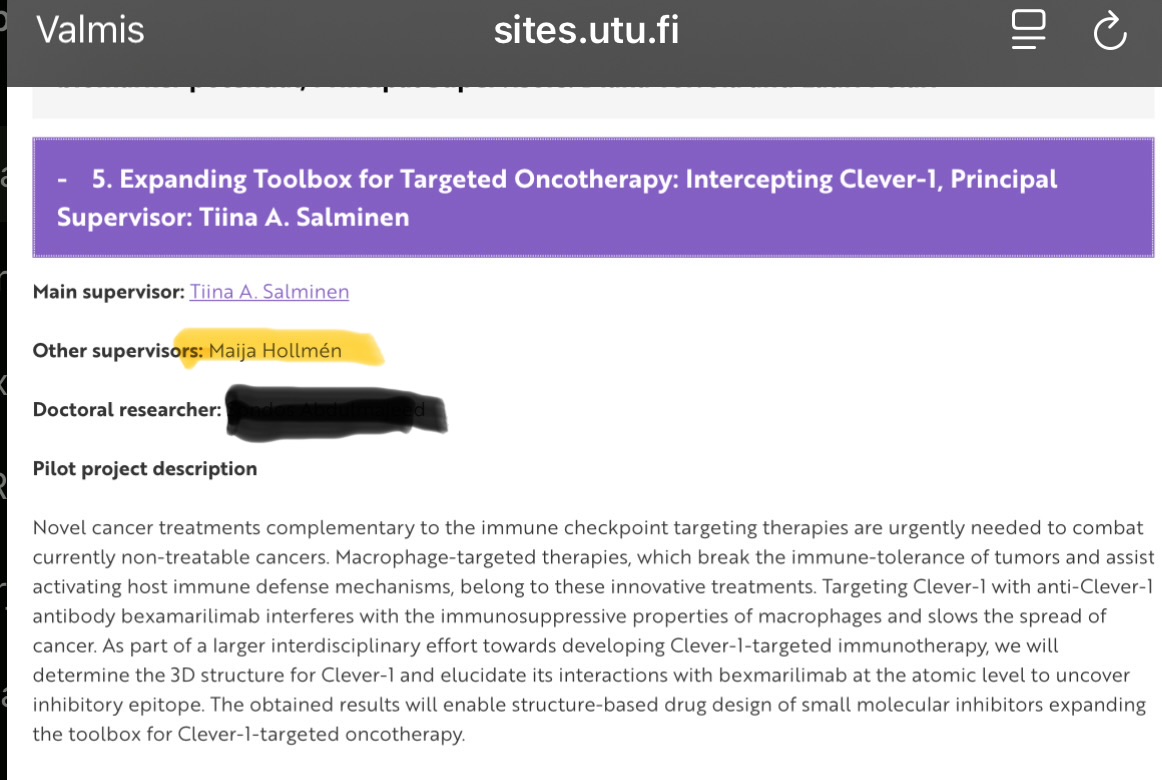
The hope regarding the brain could lie in a smaller, orally administered molecule affecting Clever-1; it’s also not certain whether such a molecule can be developed, and especially one that crosses the BBB. And who will manage to develop it first? The work has indeed started in Finland. The indication would, of course, be all other cancers where BEX could also help, and that is a bigger thing.
Let’s hope that the Chi…ese don’t get there first; it’s perhaps better (at least for the company) to keep quiet about it for now. Finland certainly has the head start and expertise. Of course, all trials for it would have to start almost from scratch to establish efficacy and safety. The BEX studies would indicate the first targets. And what Faron’s IP rights to it would be, that is unclear at least to those outside of Faron. A very complex question considering partnering or M&A. How to make a legal agreement regarding potential development work that might work. If that molecule were to work, BEX’s patent expiration year of 2040 wouldn’t be a problem for Faron, if it is seen as one. Nor would competition with BEX. It would only enter the market more significantly around that time. Perhaps for that reason, it doesn’t even need to be put into the licensing Excel in partnering? In M&A, it should be, if Faron has any IP rights to it.
These BBB-crossing antibodies can indeed be developed, for example by targeting them to the transferrin receptor, which mediates BBB penetration (e.g., Denali Therapeutics’ technology). The problem, however, is likely to be the next stage, where Clever-1 inhibition should be followed by the accumulation of T and NK cells in the tumor tissue to trigger an immune response. The infiltration of immune cells into the central nervous system is much more strictly controlled, and it is not clear how many of them would pass through the BBB to target the tumor. The central nervous system, in general, is immunologically distinct from the rest of the body, and this is utilized, for instance, in cell therapies targeting AMD and Parkinson’s, which do not require HLA matching.
If anyone is collecting a Zeida library, there is a weird-looking video on the HPClive site. However, it was updated on 06.01.26, so I won’t post a link if it has already been shared.
It seems that Markku’s dream of treating glioblastomas is far off. I was thinking about small molecule development instead of the antibody (Bex)-inside-a-Trojan-horse strategy, but those don’t automatically cross the BBB (blood-brain barrier) either. Modification work is something that can be done; old antihistamines crossed over and caused drowsiness, the new ones don’t. And yes, Maija also identifies and acknowledges in her review that myeloid modulators like Bex need combos. This is indeed what is being done.
The development of that small molecule, i.e., “oral Bex,” is of great interest to me at least. It would potentially work for everything Bex works for. It would be easier to use than antibodies. Gliomas certainly wouldn’t be any low-hanging fruit. There are so many others that time and money are stretched thin.
It is by no means irrelevant, especially in the eyes of BP (Big Pharma), what happens to the Clever-1 market after 2040 if Bex shows clinical efficacy. And who owns the patents is also not irrelevant. The Faron team is already tackling the small molecule:
Transplantation in patients with lower-risk MDS: a prospective phase 2 trial based on donor availability
LR-MDS does not progress rapidly, but it is also not cured by current treatments. Allo-HCT is not the solution. The problem is not the number of cancer cells, but rather the immunological nature of the disease.
—> It always comes back to the same thing: the macrophage wall… the one that Bex can modify.
The commercial value of LR-MDS is 2-3x that of HR-MDS, so one would think Big Pharma has this on their drawing board as well.
The more I’ve analyzed this based on recently received information, there really is massive potential here; those results are truly encouraging when compared to the kind of results usually required for a breakthrough in this industry. We are living in interesting times.
Is everything quite right with those numbers (..in treasury)?
In January
08.01.2026
Following the issuance, the aggregate number of ordinary shares in issue in the Company remains 118,563,143
the Company will have 3,688,699 shares in treasury
therefore, the total number of voting rights in Faron will be 114,874,444
In February
03.02.2026
Following the issuance, the aggregate number of ordinary shares in the Company is 119,472,660
the Company will continue to have 3,688,699 shares in treasury.
therefore, the total number of voting rights in Faron will be 115,783,961
Doesn’t that add up well? In January, an extra repayment was made with treasury shares, leaving 3,688,699 units remaining, whereas February’s scheduled repayment was paid by issuing new shares.
My guess is that there are just over 3 million shares’ worth of those employee options available for key personnel to buy, so the company needs to have that many shares in reserve. This is a pure guess, so those who know more can correct any factual errors. I was wondering about the same thing myself this morning.
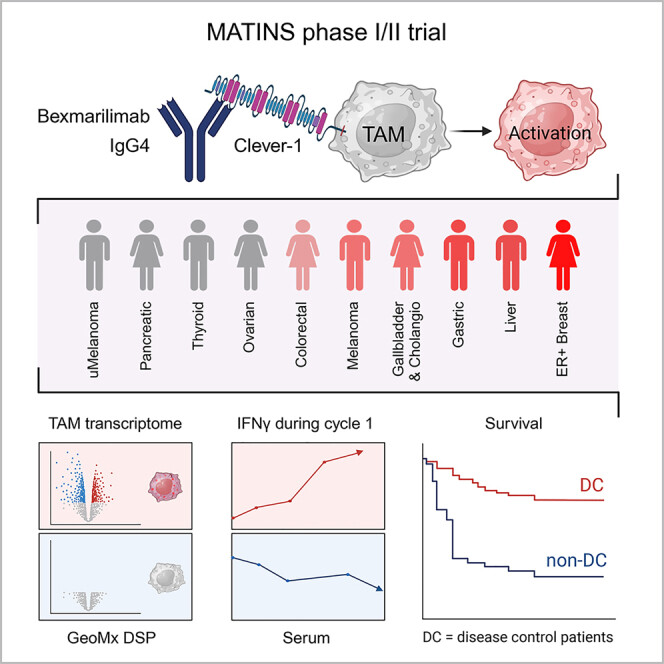

 A wide range — impossible for Faron to plow this field alone.