Energy Sector Mineral Markets

HUOM: ketjun tarkoitus ja intro tarkentuu muutamien päivien sisällä.

Tarkoitus on avata hieman ketjun haaraa ja aloitusta ajan myötä…

Yleisesti mineraaleista, jotka liittyvät energiateollisuuteen tai muutoin ilmastollisista näkökohdista (päästöjen vähennyt ym ym.)

Aihealue on laaja, esimerkkinä akkuteollisuus, aurinkovoiman paneeliteollisuus ja muut komponentit, polttokennojen teollisuus, sähkövoimatekniikka yleisesti ja sähköistyminen (esim kupari..)

Pähkinänkuoressa päämineraaleja eri haaroissa:
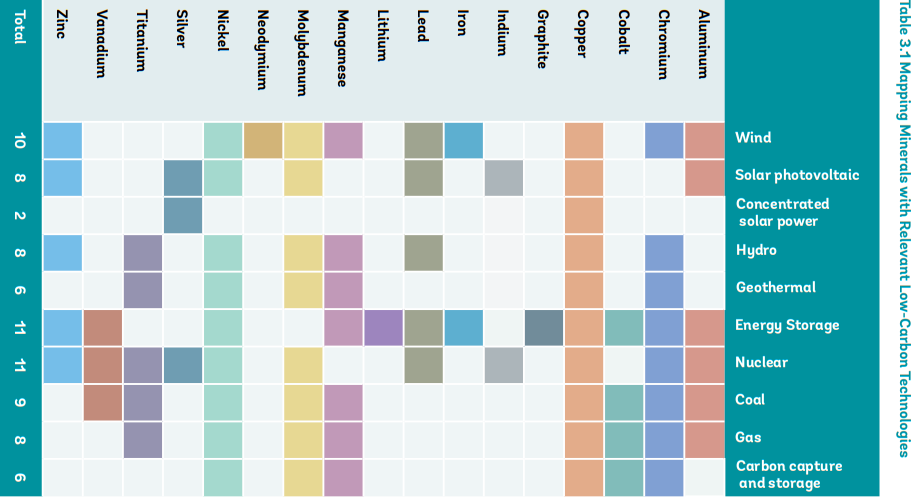
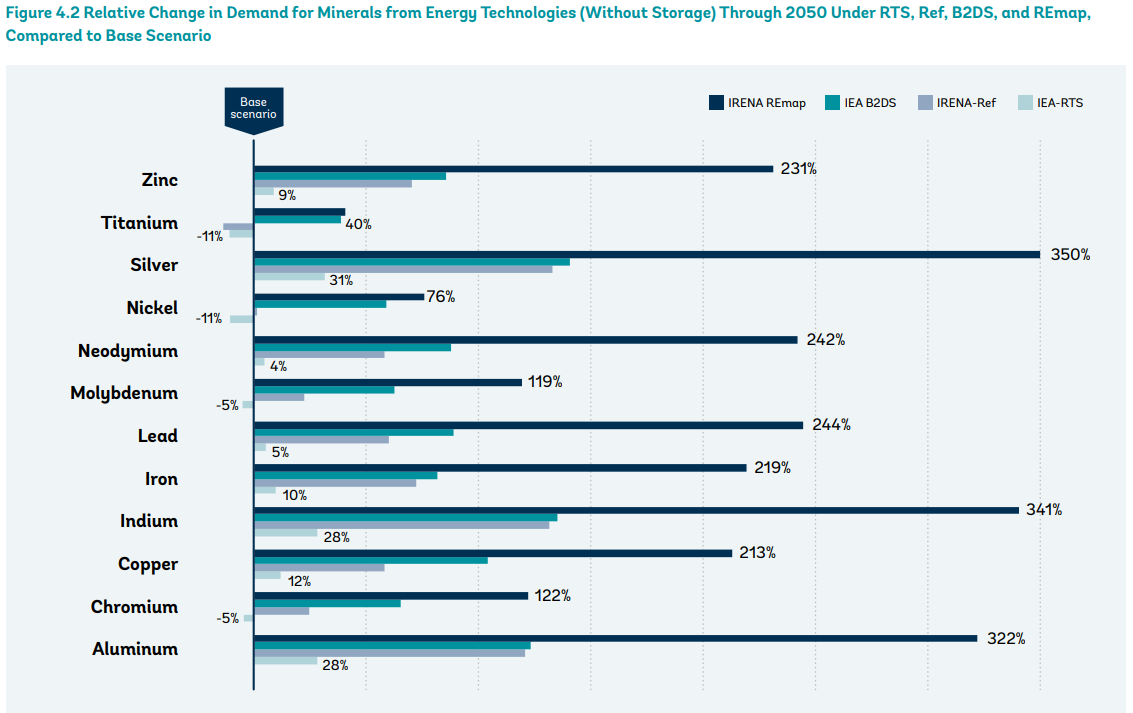
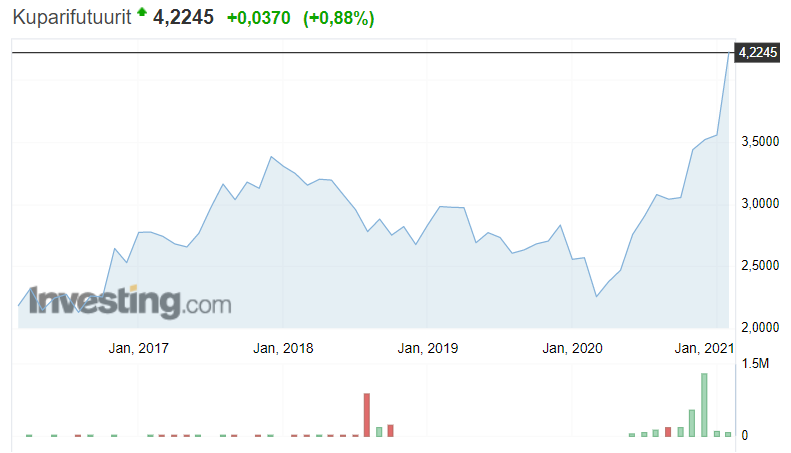
Energiamarkkinoihin liittyviä mineraaleja ja niiden hinntahistoriaa:

Koboltti
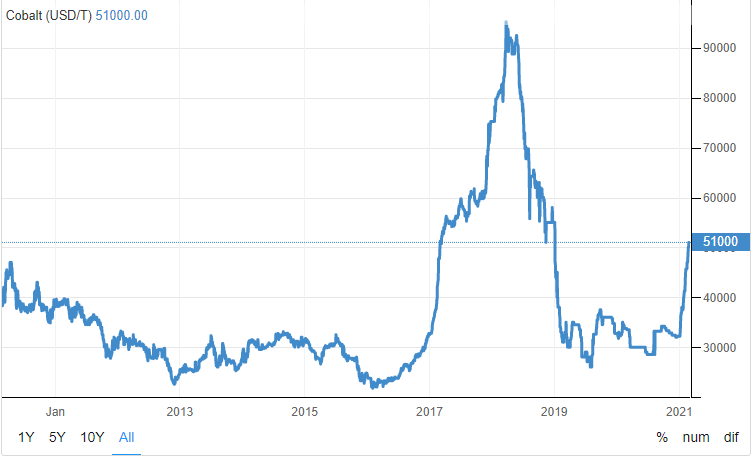

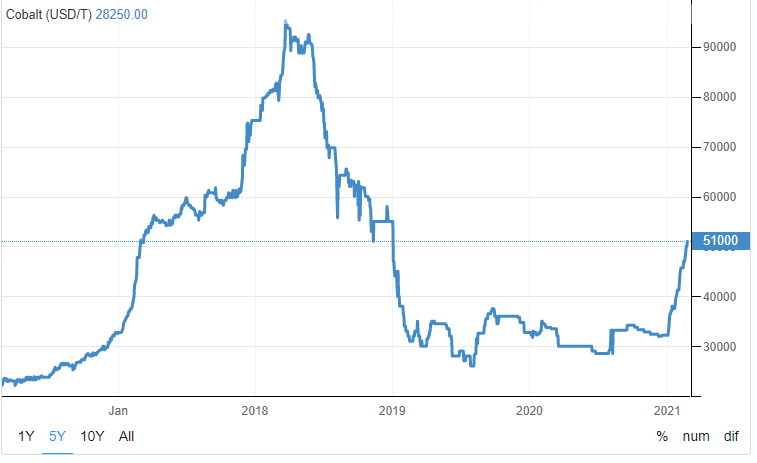
Koboltin hinnan räjähdys 2016 liepeillä johtui EV-hypen tuomasta supernopeasta kysynnän kasvusta, tai sen visiosta. Kuitenkin tämä aiheutti markkinoilla tuotantopuolella dollarinkuvia silmiin ja myös tuotanto innostui ja lähti mukaan. Kongossa jokainen peräviidakon pertti perusti oman kaivoksen ja yhdessä tuhannet “yksityiset” kaivokset aiheutti muun Kongon tuotannon kanssa ylituotantonäkymiä, joka aiheutti Koboltin hinnan dramaattisen laskun 2019 mentäessä. Tätä laskua pahensi Teslan puheet Koboltin poisjäämisestä sähköautojen akuista. Osansa sopassa oli Kiinalla, joka oli hamstrannut Kobolttia varastoihin ja ilmoitti, että kysyntä ei todellisuudessa vastannut menekkiä.

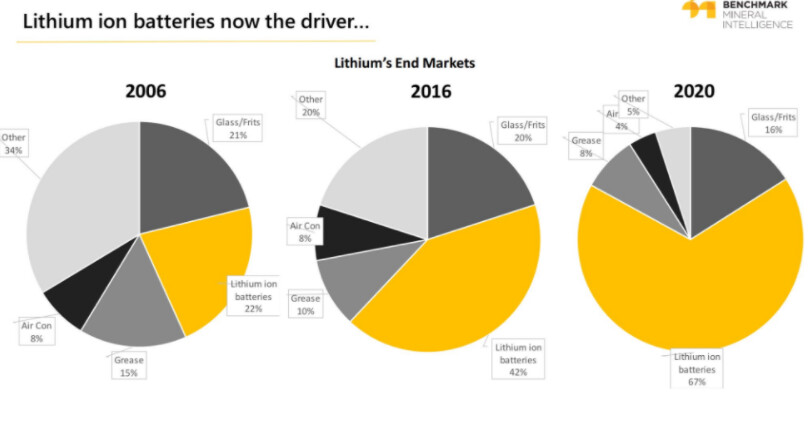
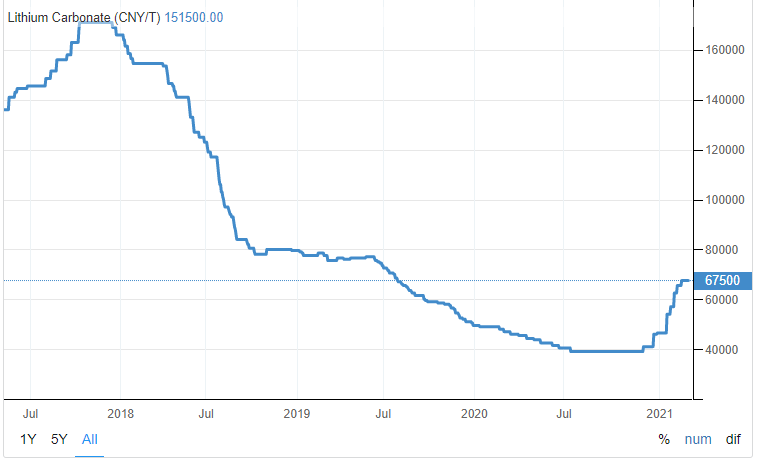
Sittemmin on taas alettu puhumaan räjähdysmäisestä kasvusta ja se onkin tuudittanut taas Koboltin kovaan nousuun viime vuonna. Litiumilla sama juttu.

Litium
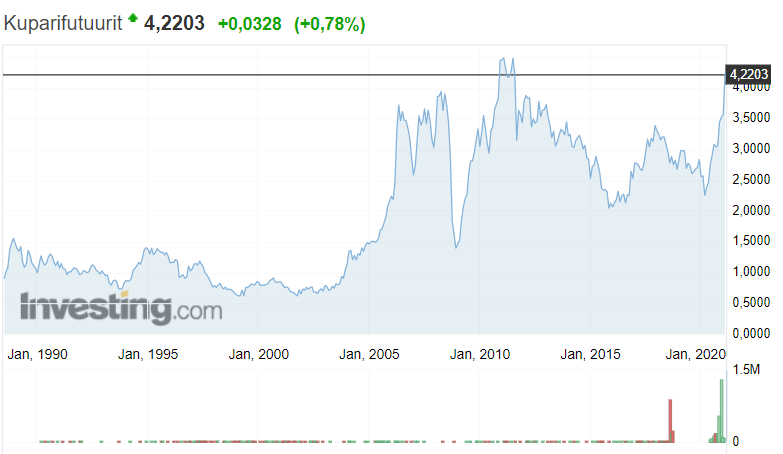
Kupari
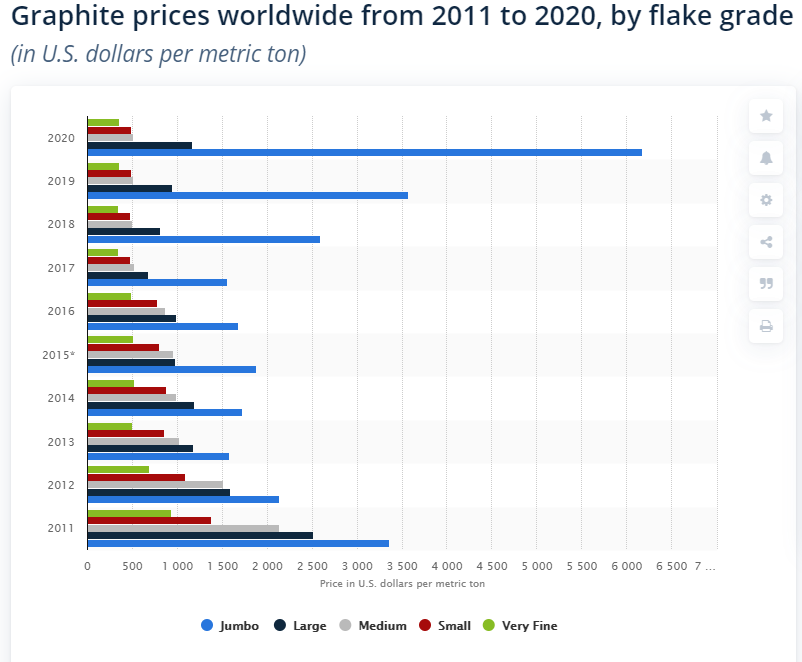
Grafiitti
---------------------------------------------------------------------------------------------------------------------------------------

Akkuihin liittyviä mineraaleja:

Koboltti
Litium
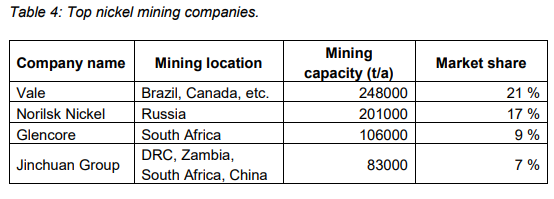
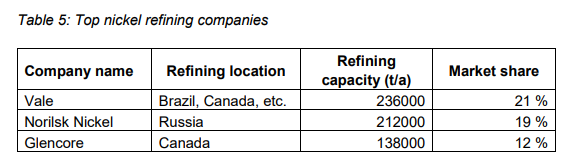
Nikkeli
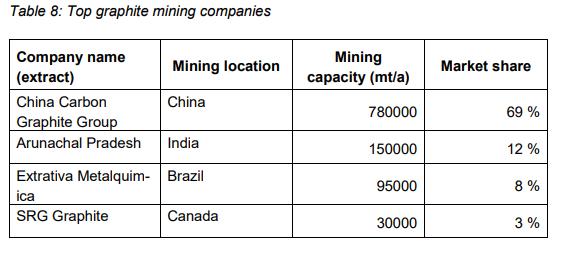
Grafiitti
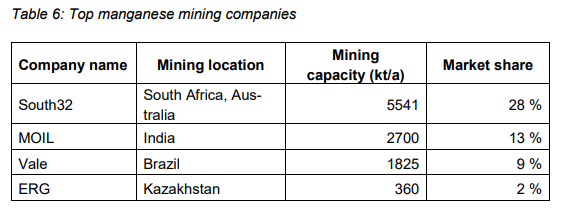
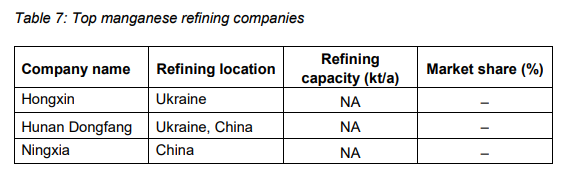
Mangaani
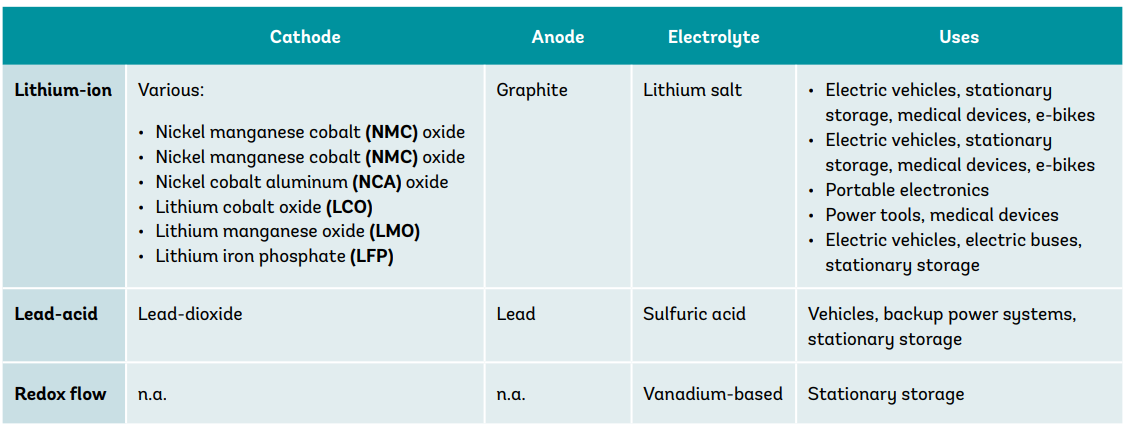

Kennomateriaaleja (es. katodi)

Alumiini
Lithium Cobalt Oxide (LCO)
Lithium Nickel Manganese Cobalt Oxide (NMC)
Lithium Nickel Cobalt Aluminium Oxide (NCA)
Lithium Manganese Oxide (LMO)
Lithium Iron Phosphate (LFP)

Kennon osa ja osuus materiaalikustannuksista (%) (2019)
Esimerkkinä Litiumioniakun kennomateriaalien kustannusjakauma NMC kennolla

Katodi (aktiivimateriaali, virrankeräin ja sidosaine) 39
Anodi (aktiivimateriaali, virrankeräin ja sidosaine) 18
Elektrolyytti 13
Erottaja 19
Kotelo ja johtimet 11

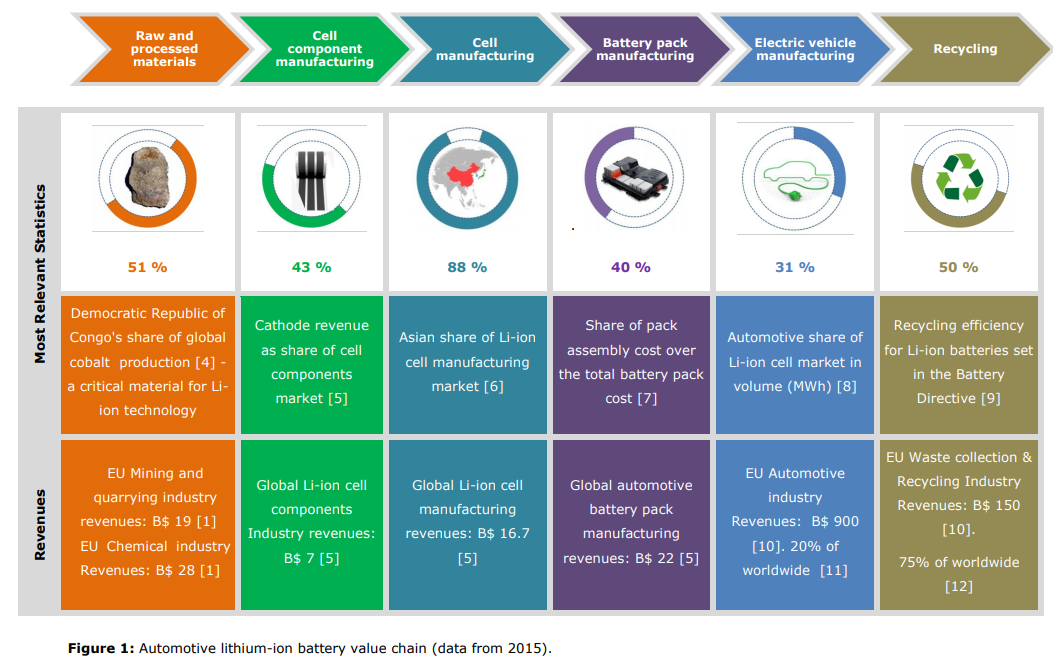
Vanhaa tietoa:

----------------------------------------------------------------------------------------------------------------------------------------------
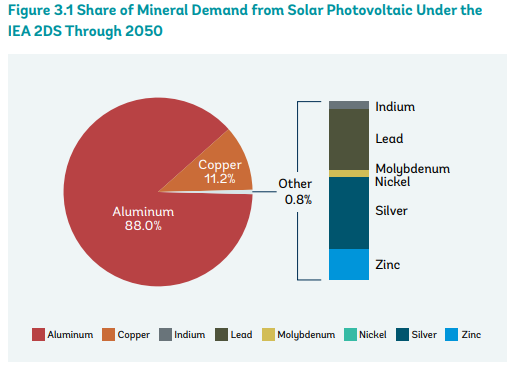
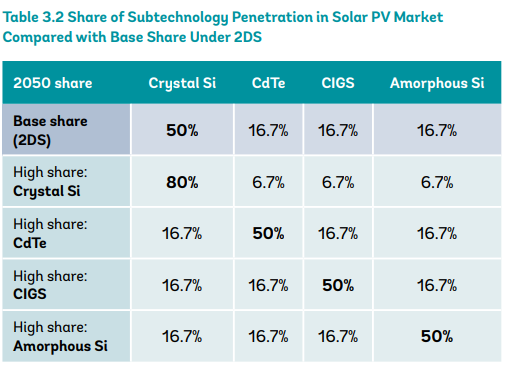
Aurinkovoimaan liittyviä materiaaleja

Pii (Kiteinen piikarbidi (crystal Si) n. 85% PV markkinoista ja amorfinen piidioksidi)
Indium (CIGS)
Gallium (CIGS)
Kupari
Alumiini
Kadmium (CdTe)
Telluri (CdTe)
Hopea (CSP)

-----------------------------------------------------------------------------------------------------------------------------------------
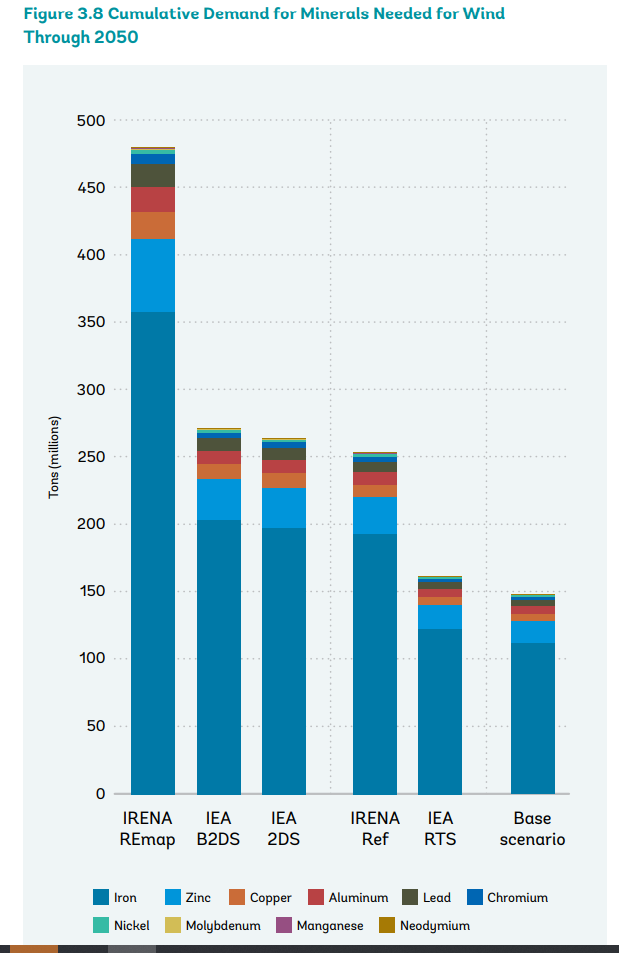
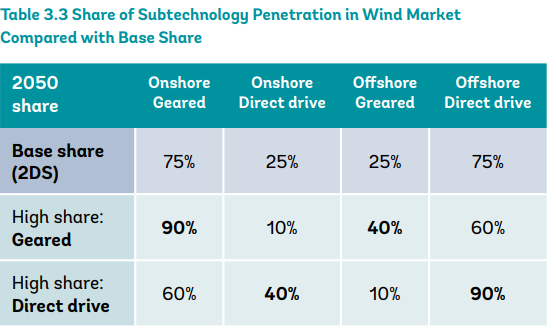
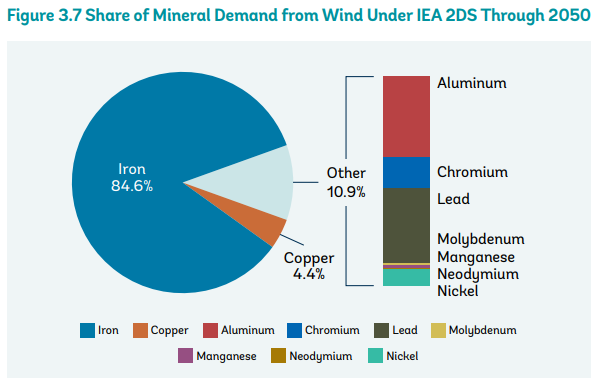
Tuulivoimaan liittyvät mineraalit

Rauta
Kupari
Alumiini
Chromium
Nikkeli
Lyijy

-----------------------------------------------------------------------------------------------------------------------------------------

Mistä mineraaleja saadaan

Taannoin 2018 raportoitujen tietojen mukaan yhtä sähköautoa varten tarvitaan 12 kiloa kobolttia, seitsemän kiloa litiumia ja 36 kiloa nikkeliä.

Lähes 60 prosenttia koboltista on tullut Kongon demokraattisesta tasavallasta.
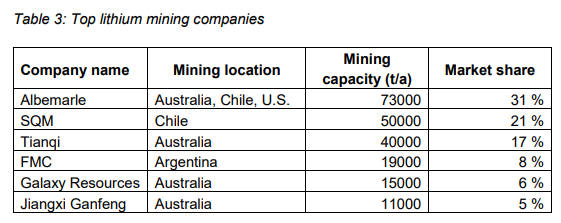
Reilu puolet litiumtuotannosta tuli Etelä-Amerikasta, pääasiassa Argentiinasta ja Chilestä.
Grafiitista kaksi kolmasosaa tuli Kiinasta

Suomessa Kokkolassa jalostettiin 15 prosenttia kaikesta maailman koboltista. FreeportCobalt jalostamoon kobolttia tuotiin pääosin Kongosta

-------------------------------------------------------------------------------------------------------------------------------------

Yrityksiä mineraalien tuotannossa/ hankinnassa

Boliden
Bolidenin Kevitsan kaivoksessa tuotetaan mm. nikkeliä. Vuonna 2016 avatun kaivoksen vuosituotantomäärä oli vuonna 2017 noin 14 000 tonnia.
Boliden Harjavallan nikkelisulatolla tuotetaan mm. nikkelisulfaattia. Nikkelin tuotanto kokonaisuudessaan on noin 25 000 tonnia vuodessa ja tästä määrästä noin 1000-2000 tonnia on nikkelisulfaatin tuotantoa

FennoscandianResources
Fennoscandian Resources hallitsee korkealaatuista grafiittiesiintymää Viialassa

Freeport Cobalt
Freeport Cobalt tuottaa erilaisia kobolttijalosteita, mm. kobolttihydroksidia akkuteollisuudelle. Yhtiön osuus maailman kobolttimarkkinoista on noin 15 prosenttia (2018)

GTK
GTK tuntee Suomen koko malmipotentiaalin ja siten myös meiltä löytyvät akkumineraaliresurssit. Kaikki Suomeen syntyvä kaivosteollisuus kulkee GTK:n kautta. Ajallisesti prosessit ovat pitkiä: aikaväli kaivoksen perustamispäätöksestä rikasteen/jalosteen saamiseen markkinoille on jopa kymmenen vuotta. Kaivosrekisterin karttapalvelussa voi tarkastella kaivosteollisuuden varauksia, valtauksia, malminetsintälupia ja olemassa olevaa kaivostoimintaa päällekkäisinä tasoina

Keliber
Keliber on perustamassa litiumkaivosta ja litiumkarbonaattitehdasta Kaustinen-Kokkola alueelle. Litiumkarbonaatin puhtausaste on min. 99.5% ja sitä voidaan käyttää litiumioniakkujen valmistukseen.
2018 selvityksen mukaan tuotantoon päästessään Kaustisen litiumkemikaalituotanto vastaisi 5 %:a maailman tuotannosta ja olisi Euroopan suurin tuotannossa oleva litiumkaivos, jonka malmivarat riittäisivät 13 vuoden tuotantoon.

Mondo Minerals, Sweco
Mondo Mineralsilla on Suomessa kaivostoimintaa Sotkamossa ja Vuonoksella. Päätuote, talkkimineraali, sisältää myös nikkeliä, jonka talteenottoa ja jatkojalostusta tutkitaan parhaillaan yhteistyössä Swecon kanssa.

Terrafame
Terrafame tuottaa nikkeliä, kobolttia, sinkkiä ja kuparia Sotkamossa sijaitsevilla kaivoksellaan ja metallitehtaallaan. 2018 raporttien mukaan vuonna 2020 Terrafamen oli tarkoitus aloittaa nikkeli- ja kobolttisulfaatin tuotanto. Arvio vuosituotantomääristä oli 150 000 tonnia nikkelisulfaatille ja 5 000 tonnia kobolttisulfaatille. Erityisesti nikkelisulfaatin odotettu tuotantomäärä on huomattava: vuonna 2017 nikkelisulfaatin tuotantomäärä maailmassa oli noin 116 000 tonnia. Ennusteiden mukaan nikkelisulfaatin menekki kasvaa tulevaisuudessa mm. sen vuoksi, että nikkelin osuus sähköautojen litiumioniakuissa lisääntyy. Vaikka akkuteknologiat kehittyvät ja uusia materiaaliyhdistelmiä kehitetään, on odotettavissa, että nikkeliä käytetään vielä ainakin 5-10 vuoden kuluttua markkinoille tulevissa akuissa. (HUOM nämä tiedot päivitettävä, käytössä oli 2017 ja 2018 raportteja josta nämä poimittu)

Muita yrityksiä:

European Battery Technologies
Fortum (kierrätys)
Unicum (kierrätys ja mineraalit/metallit)
Valmet Automotive
Centria
Reshine
L&F
ShanShanTech
Nichia
Sumitomo
BASF
LG Chem

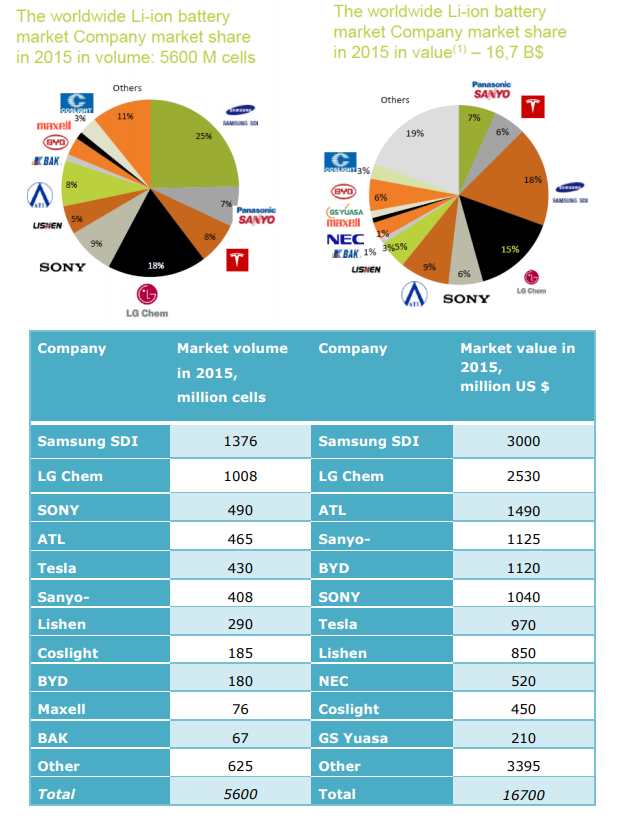
Vanhaa tietoa, haetaan päivitettyä… (tässä 2018 raporteista ja tutkimustuloksista)
-------------------------------------------------------------------------------------------------------------------------------------
Kierrätysmarkkinat

Arvokkaampien, ja miksei vähemmän arvokkaiden, mineraalien ja metallien kierrätykseen vaikuttaa isoiten kustannustekijät. Tämä määrittää aika pitkälle tällä hetkellä (ja aiemmin) mitä kannattaa kierrättää ja missä määrin.

Jos mineraaleja on halvempi saada muualla kuin kierrättämällä, niin tällöin ei ole tarvetta ja “driveria” kalliille kierrätysprosesseille. Politiikka on se toinen suuri tekijä tässä yhtälössä. Politiikoilla saadaan kannustetta kierrätyksille, mutta kuten tiedetään, on politiikka monesti riskitekijä markkinoilla, etenkin kun kyseessä on maailmanlaajuinen asia.

Kustannusten ja politiikan ohella tietenkin saatavuus / kysyntä vaikuttaa suuresti ja on pohjalla. Kuten akkuteollisuudessakin on jo ollut paljon esillä, ei joitain mineraaleja välttämättä ole saatavilla siinä määrin kuin ennusteiden mukaan kysyntä tulee kasvamaan.

Pari keskeistä termiä näihin kierrätyksiin liittyen:

End of life (EOL): prosentuaalinen osuus joka saadaan talteen kierrätettävästä tuotteesta uuden tuotteen valmistamiseen.

Recycled content (RC): prosentuaalinen osuus kierrätetystä materiaalista valmistetuista tuotteista

Recycling Rate (RR): kierrätysaste, esimerkiksi mikä osuus akuista / litiumista kierrätetään

Alla peruskenaariot joita peilattu 2050-luvulle saakka (lähteinä mm. IEC, IAE, IRENA).
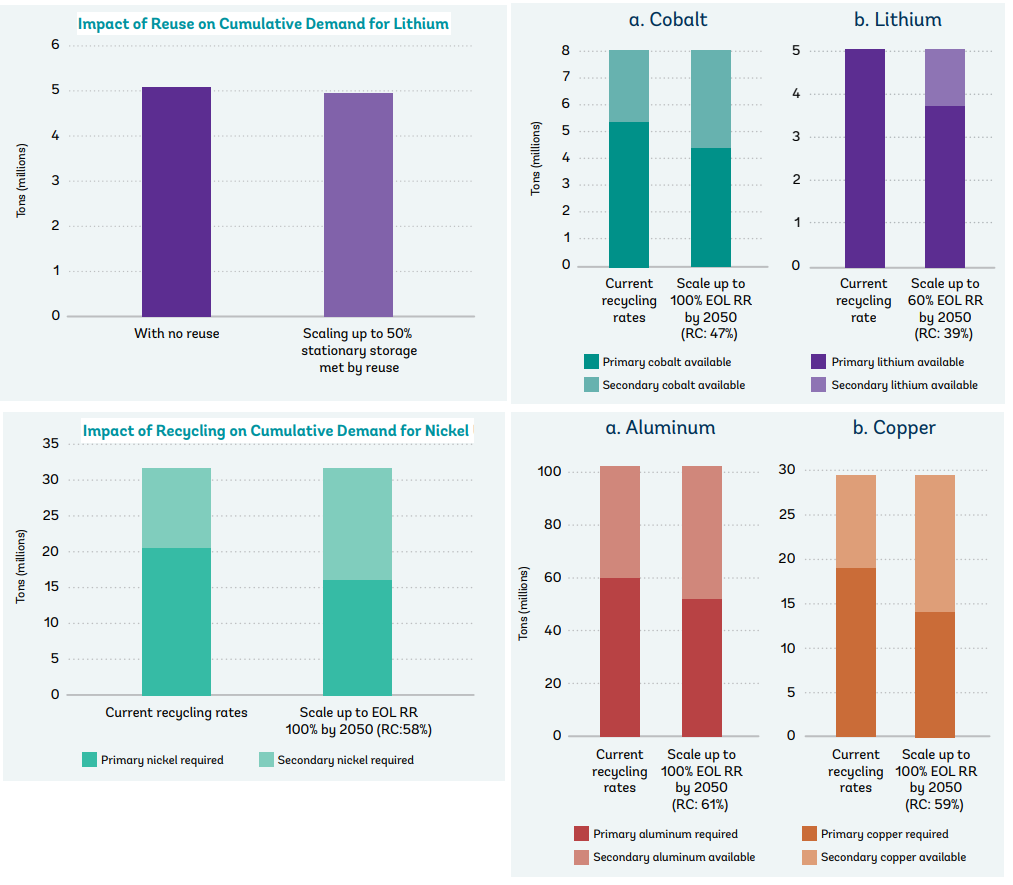
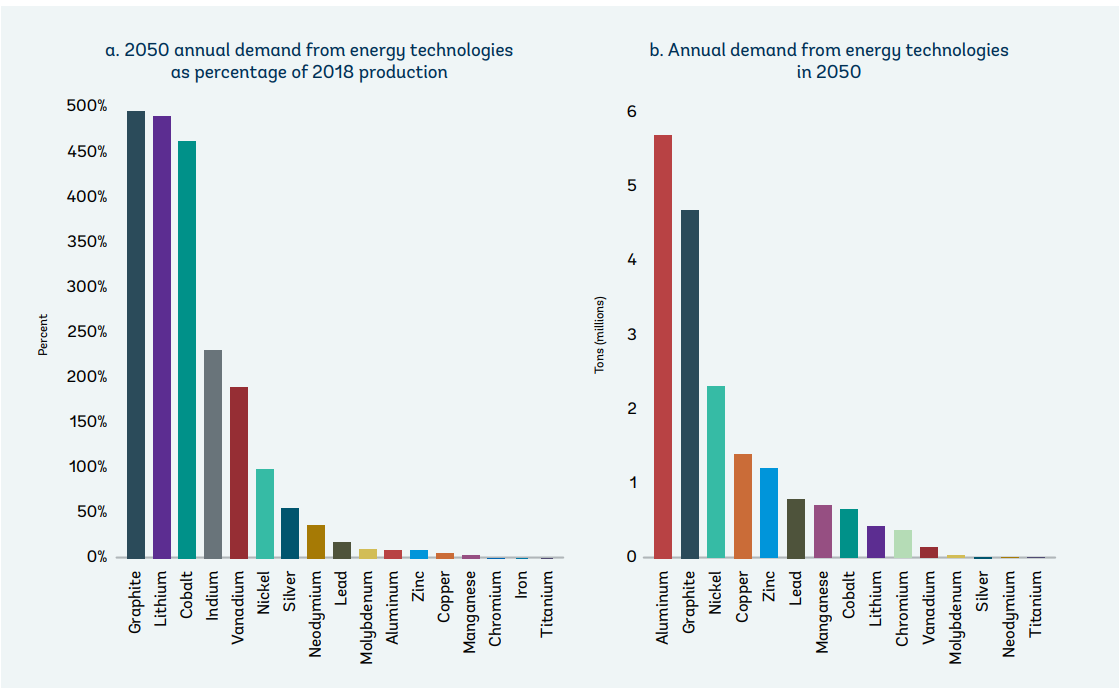
Eri raporttien mukaan, vaikka kierrätystä lisättäisiin dramaattisesti, jopa 100% EOL, tulee tarve tietyille mineraaleille olemaan siitä huolimatta kriittinen. Aiemmista kuvista ja ketjun kuvaajista voi näitä mineraaleja päätellä. Tämä laajamittainen kierrätys vaatii myös todella paljon eri mailta, etenkin yhteisiä liittoutumia edellänäyttäjäksi, jotta isoihin EOL-lukuihin päästäisi. Businesstä silti voi laajamittaisesti olla, sillä näillä näkymin vihreä talous tuskin tulee tästä tahtotilasta laskemaan näillä näkymin.

Näiden seoikkojen pohjalta on yrityksiä toki markkinoilla, jotka ovat tuoneet tätä alaa liikesuunnitelmatasolle isostikin. Suomessa muunmuassa, tammikuussa 2020, Fortum tiedotti ostaneensa arvokkaiden akkumetallien kierrätykseen erikoistuneen Crisolteqin. Harjavallassa teollisen mittakaavan hydrometallurginen kierrätyslaitoksessa saadaan jo yli 80 prosentin kierrätysaste litium-ion akuille. Prosessissa mm. koboltti, mangaani ja nikkeli otetaan talteen akustoista.
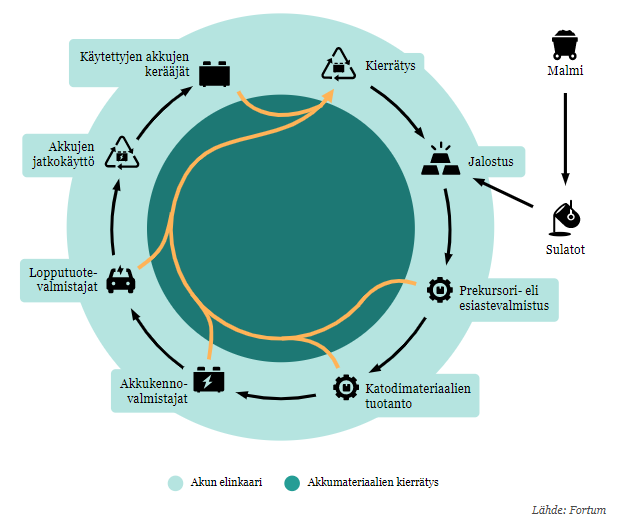
Sääntelyllä on iso rooli, Suomen etu olisi että EU:ssa olisi tiukat vaatimukset vastuulliselle tuotannolle ja kierrätykselle. EU voisi kieltää likaisten akkujen tuonnin ja myynnin. Akuilta vaaditaan 50 prosentin kierrätysastetta. Tähän piti tulla uusi direktiivi hiljattain, en ole kerennyt sitä tutkailemaan (pitääpi tehdä se).

Maaliskuussa 2020 Fortum, BASF ja Nornickel allekirjoittivat aiesopimuksen sähköajoneuvomarkkinoita palvelevan akkukierrätysklusterin rakentumisesta Harjavaltaan. (Linkki tiedotteeseen)
Marraskuussa 2020 Fortum julkaisi tiedotteen uudesta teknologiasta kierrättää ladattavien litiumioniakkujen sisältämä litium. (Linkki tiedotteeseen )

Yksi tunnettu iso tekijä on Umicore. Poimin tähän muutamat kalvot heidän sijoittajamateriaalista. HUOM: Umicorella siis muutakin toimintaa kuin kierrätys, toimivat muutenkin tällä mineraalialalla.
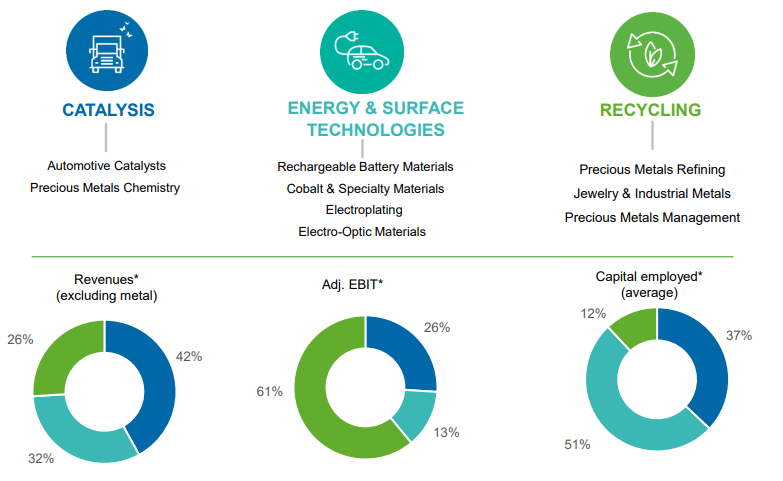
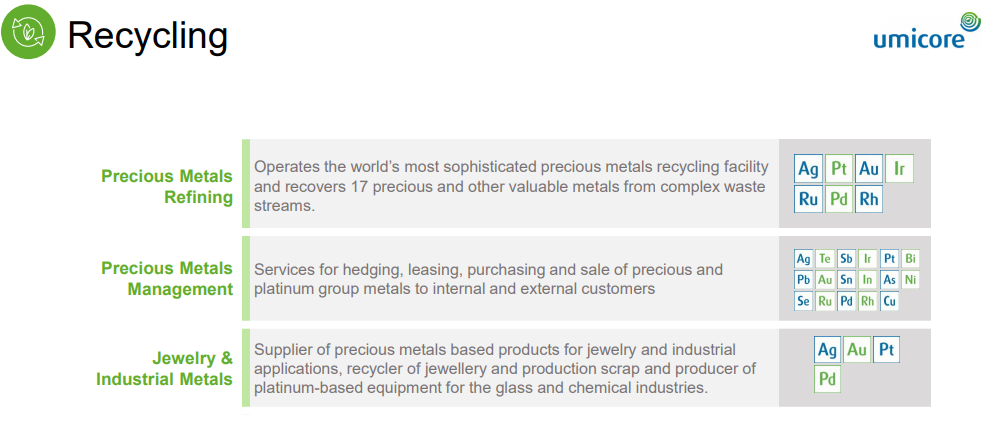
Presentaatio kokonaisuudessaan (2021): https://www.umicore.com/storage/group/investor-presentation-february-2021.pdf

Tässä muutama nimeltä litiumakkujen kierrätyksessä mukana oleva yritys maailmalta:

Umicore (Belgium), Glencore International AG (Switzerland), Retriev Technologies Inc. (US), Raw Materials Company Inc. (RMC) (Canada), American Manganese Inc. (Canada), Fortum (Suomi), Jiangxi Ganfeng Lithium Co.,Ltd (kiina). Listaa voi täydentää myöhemmin.

----------------------------------------------------------------------------------------------------------------------------------------
65 Likes

Thanks for this thread!

If you prefer videos over reading, I’d like to remind you of this classic:

(The Raw Material Challenges Facing the Energy Transition from Oil to Minerals, Michaux, GTK)

Eurobattery Minerals tends to be forgotten by people (not directed at the thread starter, but generally) (Ni, Cu, Co). It’s a Swedish mining start-up, and those are traditionally nerve-wracking investments. They are gradually acquiring Finnish FinnCobalt in parts.

Someone will probably mention Umicore soon anyway, so I’ll just say it now, hehehe. Also recycling.

Sometimes, when I’m in a hurry, I like the fund W1TA. It gives me exposure to markets I wouldn’t otherwise be able to access through my broker. Nordnet has a high loan-to-value ratio for this, so you can leverage it too.

3 Likes

Crux has a lithium week going on. Interviews with the companies below are out/coming soon.

Gordon has a no-bullshit style that is pleasing to my ears; it’s not just free advertising for companies, but interviewees sometimes have to work quite hard.

2 Likes

Not exactly today’s news, but it belongs here:

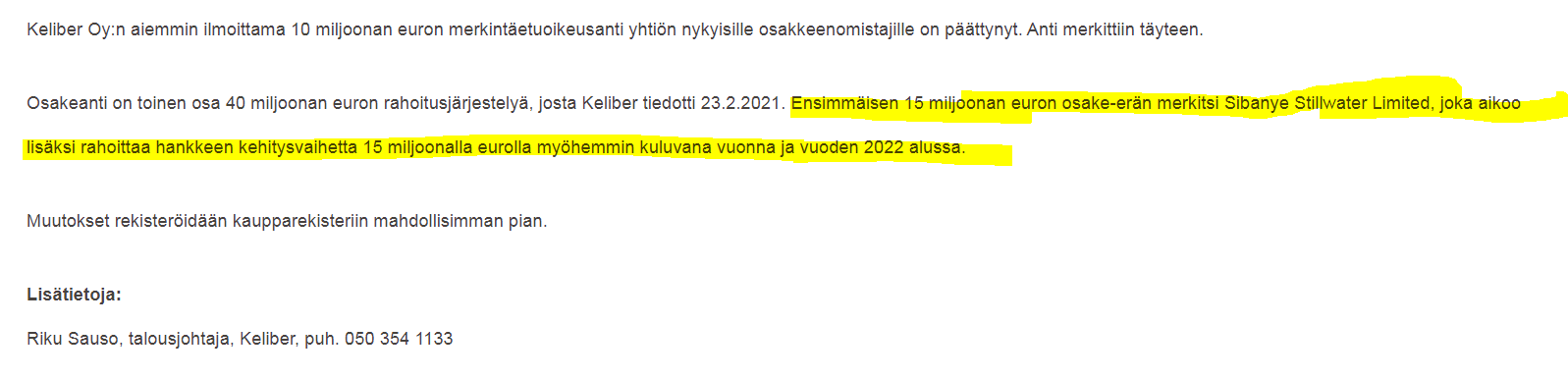
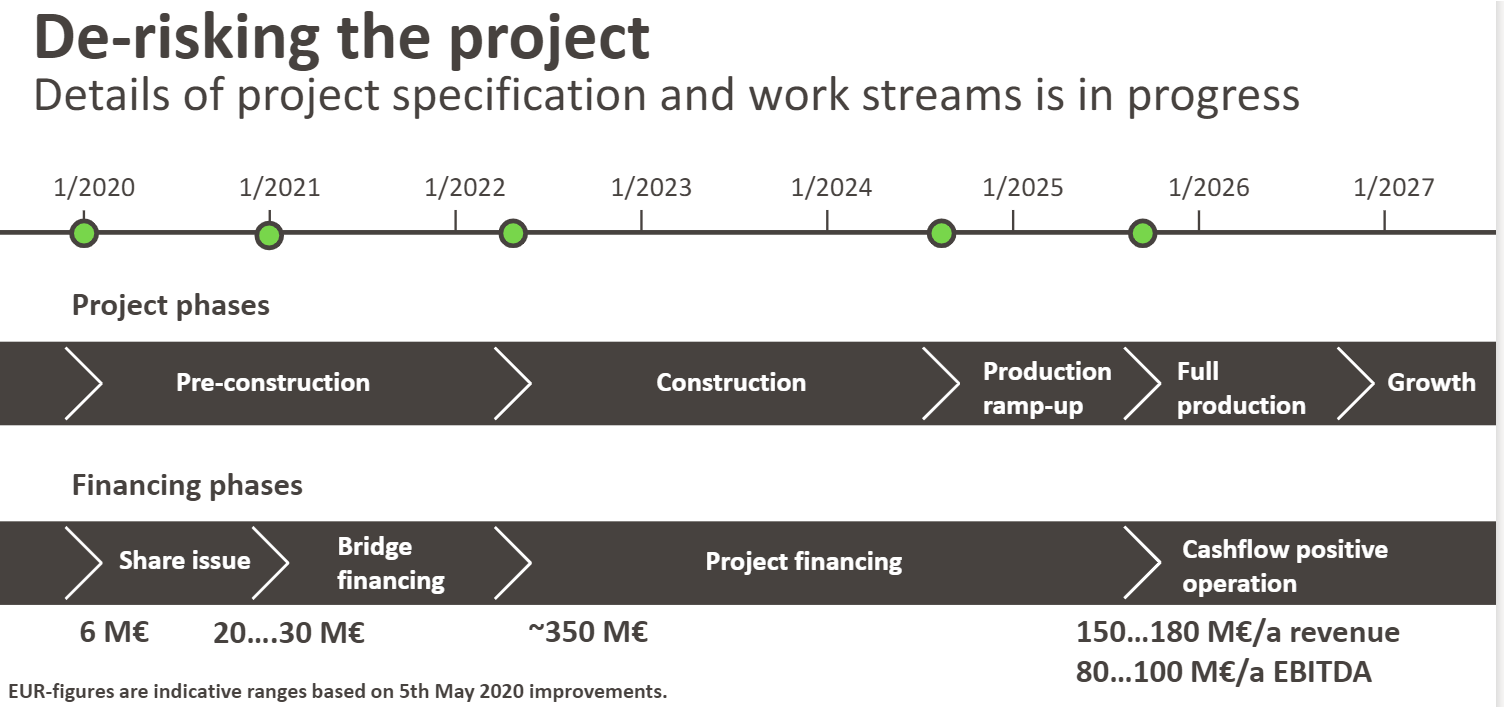
Keliber’s lithium project financing progresses

1 Like
1 Like

Boliden is adding new copper products. For their introduction, one could also mention copper, zinc, lead, gold, and silver. It’s becoming a really interesting investment target, with its tentacles reaching into many important metals.

As the first company in the world, Boliden now offer two separate green copper products, produced with drastically lower carbon footprint than the global average. One product, Low-Carbon Copper, is produced from concentrate from Boliden’s own copper mines. The other product, Recycled Copper, has the same emission standards as Low-Carbon Copper, but is produced from secondary raw material such as used electronics and other applications.

edit: I’m not sure if that post is visible if you don’t have a LinkedIn account. Here’s from their own website, where you can see the video and press release. https://www.boliden.com/green-copper

3 Likes

I updated the recycling section of the opening post. Here’s the same (will continue shortly)

Recycling Markets

The biggest factor influencing the recycling of more valuable, and even less valuable, minerals and metals is cost. This largely determines what is worth recycling and to what extent, both now and in the past.

If it’s cheaper to obtain minerals elsewhere than by recycling them, then there’s no need or “driver” for expensive recycling processes. Politics is the other major factor in this equation. Policies can incentivize recycling, but as we know, politics is often a risk factor in markets, especially when it comes to a global issue.

In addition to costs and politics, availability/demand naturally plays a significant underlying role. As has been widely discussed in the battery industry, some minerals may not be available in quantities that will meet the forecasted demand growth.

A couple of key terms related to recycling:

End of Life (EOL): the percentage of material recovered from a recyclable product for use in manufacturing a new product.

Recycled Content (RC): the percentage of products made from recycled materials.

Recycling Rate (RR): the recycling rate, for example, what percentage of batteries / lithium are recycled.

Below are basic scenarios projected up to the 2050s (sources include IEC, IAE, IRENA).

According to various reports, even if recycling were dramatically increased, up to 100% EOL, the need for certain minerals would still be critical. These minerals can be deduced from the previous images and the chain’s charts. This large-scale recycling also requires a great deal from different countries, especially common alliances to lead the way, in order to achieve high EOL figures. However, there can still be extensive business opportunities, as the green economy is unlikely to decline from its current aspirations.

Based on these factors, there are indeed companies in the market that have significantly developed this sector at a business plan level. In Finland, for example, in January 2020, Fortum announced that it had acquired Crisolteq, a company specializing in the recycling of valuable battery metals. In Harjavalta, an industrial-scale hydrometallurgical recycling plant already achieves a recycling rate of over 80 percent for lithium-ion batteries. In the process, cobalt, manganese, and nickel, among other elements, are recovered from the batteries.

Regulation plays a big role; it would be in Finland’s interest for the EU to have strict requirements for responsible production and recycling. The EU could prohibit the import and sale of “dirty” batteries. Batteries are required to have a 50 percent recycling rate. A new directive was supposed to be introduced recently, I haven’t had time to study it yet (I need to do that).

In March 2020, Fortum, BASF, and Nornickel signed a letter of intent for the construction of a battery recycling cluster in Harjavalta to serve the electric vehicle market. (Link to press release)
In November 2020, Fortum published a press release about new technology to recycle lithium contained in rechargeable lithium-ion batteries. (Link to press release)

One well-known major player is Umicore. I’ve included a few slides from their investor material here. NOTE: Umicore’s operations extend beyond recycling; they are also active in other areas of the mineral industry.

Full presentation (2021): https://www.umicore.com/storage/group/investor-presentation-february-2021.pdf

Here are a few companies worldwide involved in lithium battery recycling:

Umicore (Belgium), Glencore International AG (Switzerland), Retriev Technologies Inc. (US), Raw Materials Company Inc. (RMC) (Canada), American Manganese Inc. (Canada), Fortum (Finland), Jiangxi Ganfeng Lithium Co.,Ltd (China). This list can be updated later.

11 Likes

Umicore on course for a great year :partying_face:

Edit. A company built entirely on the megatrend of circular economy, announces a billion-euro EBIT result this year, and a market value of 12 billion? What am I missing here?

6 Likes

Many have recently just been blindly pushing cash into mining stocks. Here’s a tutorial, mining stocks for dummies. If you internalize these basics, you can pretty much call yourself a pro miner. :cowboy_hat_face:

https://articles.cruxinvestor.com/beginners-guide-junior-mining-stocks

8 Likes

Yes, this serves as a good reminder and a very comprehensive summary :+1: it wouldn’t hurt to link it to a couple of other threads.
1 Like

Crux Investor has a two-day nickel special coming up next week. I dare to recommend it, if you are interested in the metal.

Nickel: ‘Everything I wish I knew before investing in Nickel companies’ Session

We’ve been saying for the last year that you can make money investing in nickel projects. You can also lose money if you don’t understand it. So we’ve put together about 8hrs of conversation from the best ‘experts’ in the Nickel space on the 19th & 20th May (next week!) with the help of MetSoc. These are the experts that nickel companies goto if they needs solutions, experts that banking analysts and fund managers talk to before they invest and experts that only focus on nickel and have done for decades.

We will try to answer the question ‘how you make money from nickel?’ by giving you a fundamental run through the moving parts. The Macro; hype v reality; why nickel processing is hard and expensive (important point); environmental concerns; where is the new nickel coming from?: geology & exploration; can nickel processing get cheaper and the role of HPAL; demand: end use of nickel in the future; Recycling!

Ask the Experts: We have Q&Q with all these experts after each session. We’ve attempted to give a balanced panel. What struck me after speaking to one of the experts when talking about the supply data. He said something along the lines of, "‘Of course half the companies on this list will never produce any nickel’. Yikes. Which ones you may ask. I did. And you could too, by joining us online.

Register to attend. And if you can’t attend because you are busy or in the wrong time zone, register anyway so that we can share information with you post the event.

https://primetime.bluejeans.com/a2m/register/yqttsyvq Register here

We will be doing similar events across a variety of other commodities going forward. We do not make money from this and have allocated $10,000 to cover the cost to put this event on. There will be 3 sponsors who are being asked to make a payment directly to MetSoc to help with their work in the industry.

1 Like

Jervois Mining is a company worth exploring. I own shares, not an investment recommendation.

1 Like

https://yle.fi/uutiset/3-11929342

General article, surprise surprise challenges on the horizon on the supply side

Quote

According to the energy agency, metal shortages may start to slow down climate actions – geologist shares the concern: “The 2030s and 2040s are already very close”

Metals are needed for electric car batteries, wind turbines, solar panels, and, for example, renewable energy battery storage. According to the International Energy Agency (IEA), their current production is far too small to be sufficient to slow down global warming.

4 Likes

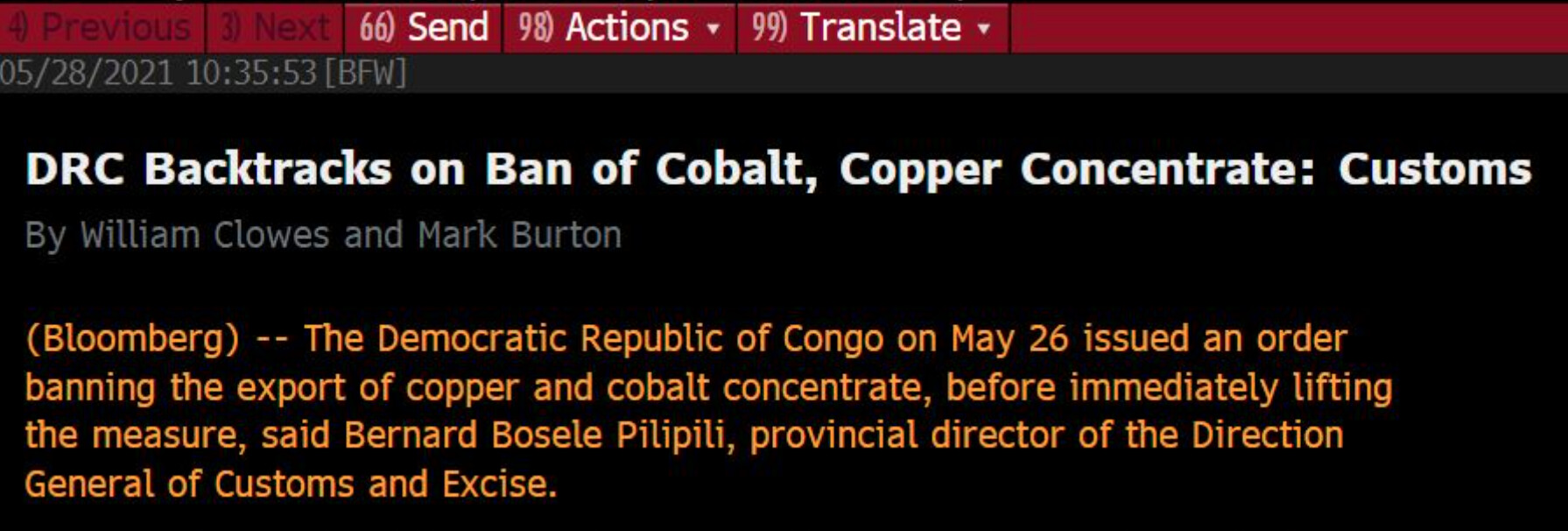
Congo bans cobalt and copper exports the day after Ivanhoe’s giant mine opened.

The government is probably trying to get a bigger share of the profits. In itself, a justified move, the country has vast natural resources, but it is still one of the poorest places in the world.

It will be interesting to see how long the ban lasts and what its effects will be on the prices of cobalt, copper, and mining companies. The situation reminds us of supply chain uncertainty and I assume that this will have a positive impact on projects in more reliable countries. For example, Jervois Mining (which I own), which has a cobalt project in the US, was up >15% overnight on the Sydney stock exchange.

EDIT: Uhh, the ban has apparently been canceled now :man_facepalming: :man_shrugging:

1 Like

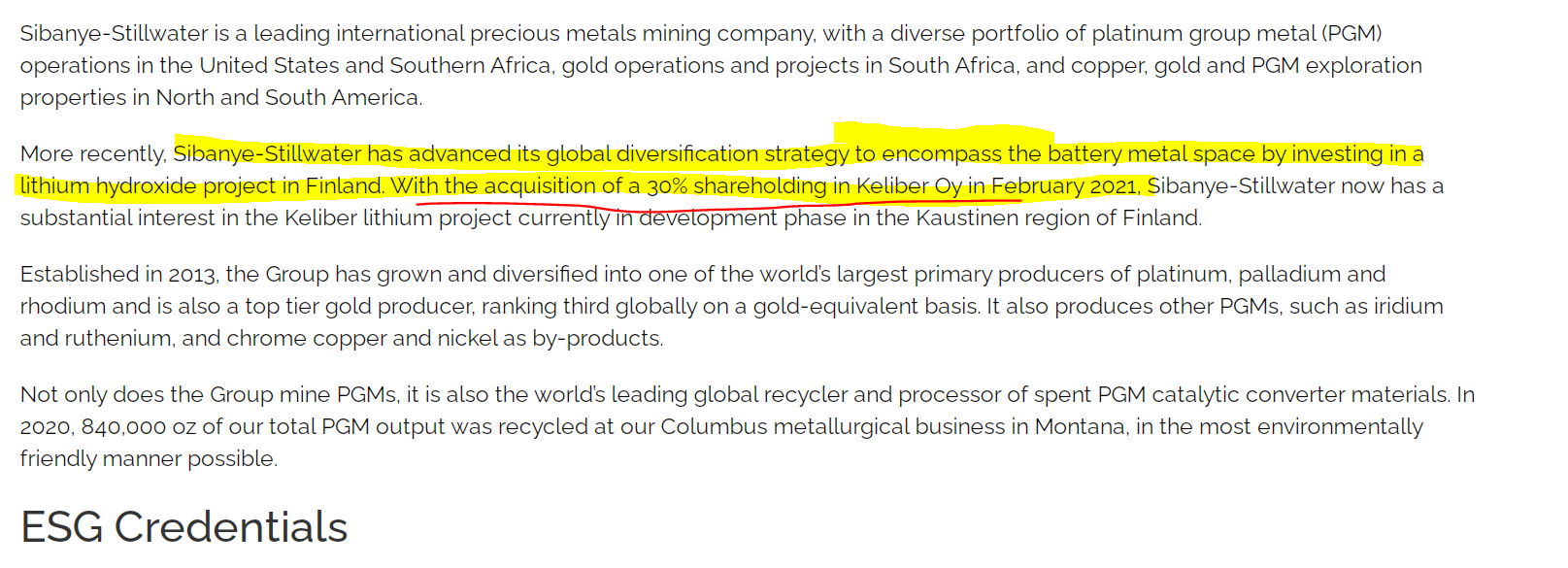
I’m a little concerned about how our national assets are being managed. Is it really true that Finland cannot find the wealth to invest in Keliber, or is this just carelessly or “for fun” being gifted to South Africans? This gives me a terrible feeling, but perhaps this is just an incomplete understanding/information, and future larger investments will shift the “balance of power” in the right direction…?? This is only about 10% of the next phase… https://www.sibanyestillwater.com/about-us/ https://www.sibanyestillwater.com/news-investors/news/transactions/keliber/

2 Likes

Regarding the comment above, how many people have Sibanye-Stillwater stock in their portfolios? It’s available under the ticker SBSW, at least on Nordnet and OP.

I’ve been following it for a while and intend to open an initial position before the H1 announcement on August 26th. From the numbers, “it seems” everything is okay, but if anyone has more in-depth information, all insights are welcome.

Sibanye Stillwater H1 is out and it’s chillingly good.

Keliber should be up and running / in production by 2024.

2 Likes

I thought the same when the report came out—what’s there to complain about? I particularly like the debt reduction and share buybacks when cash flow is strong and valuation multiples are moderate relative to earnings power.

The only slight downside is that they pay out a relatively large amount in dividends, which could be skipped (tax inefficient), but that seems to be the norm in South Africa for dividends to flow.

In this case, I’m counting more on the potential of their strong position in the PGM scene than on the possible success of Keliber and lithium demand, or gold prices staying high, but those are certainly added bonuses.

I still hope for a small, temporary leveling off of metal prices, and thus juicier buying opportunities, but that’s probably just unnecessary nitpicking again.

I doubled my small initial position yesterday because my confidence in the near-term outlook increased, and I consider the stock somewhat undervalued if we assume that PGM price developments won’t completely collapse in the coming years.

2 Likes

The thread has discussed companies that produce minerals, but what about ETC products? I’m personally considering hedging my portfolio against inflation and riding the renewable energy megatrend by investing in minerals with ETC products. It doesn’t move with leverage according to product prices, unlike, for example, mining companies, but the risks are lower (or at least don’t include company-specific risks). At least Wisdomtree offers several metal ETCs for Finns, such as copper, zinc, metal, nickel, and gold.

4 Likes